
1. United States – The world’s undisputed fast food capital
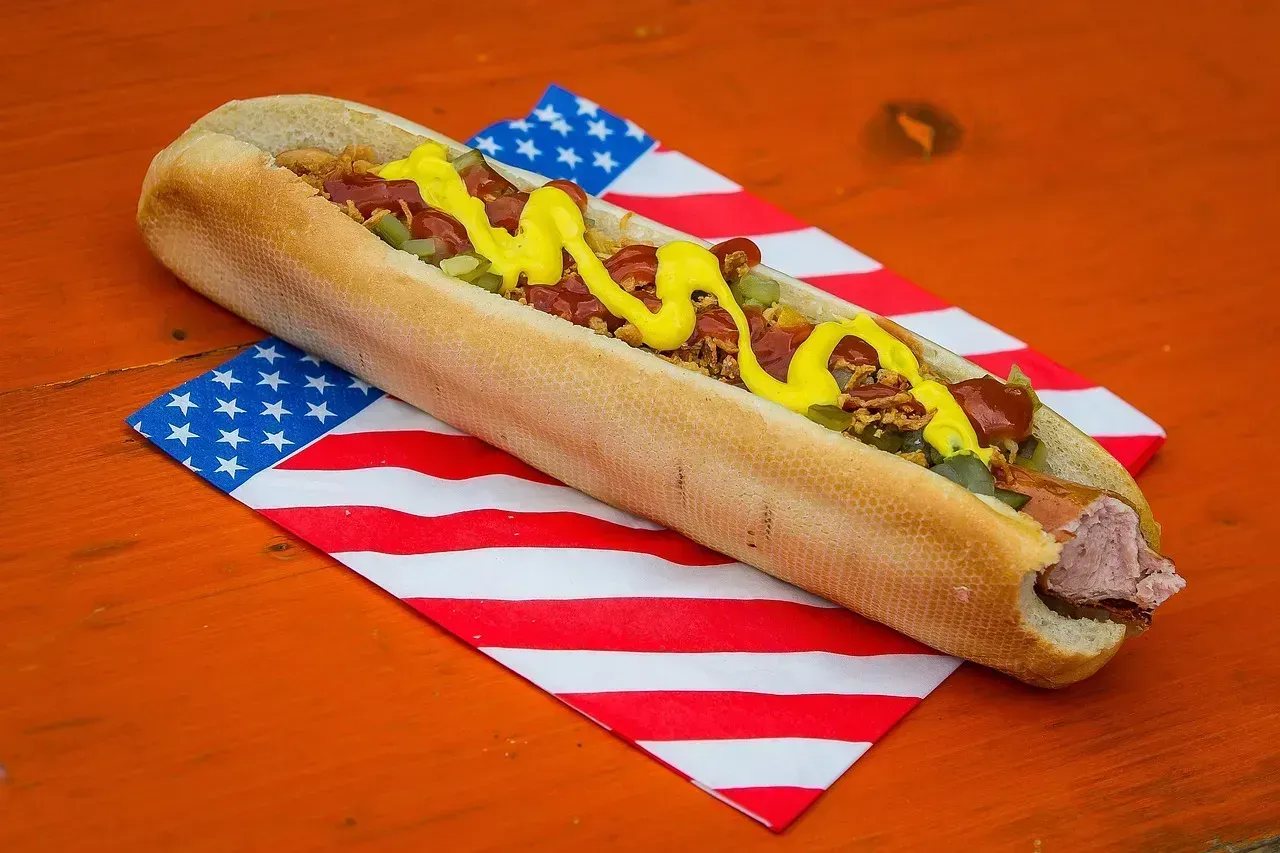
No country comes close to matching America’s appetite for quick-service meals. As of June 2024, America’s fast food industry was valued at around $331.4 billion, representing a little over one-third of the global fast food market, and the US ranked as the world’s most fast-food-obsessed country in 2024. In the United States, over 84 million people consume fast food daily, supported by a network of more than 200,000 fast food outlets, and drive-thru culture is so deeply integrated that up to 70% of fast food sales come from car service windows.
The habit runs deep across income levels and age groups alike. 37% of American adults consume fast food daily and 83% of households that do so weekly. White Castle, McDonald’s, and KFC essentially invented the modern quick meal on American soil, and the infrastructure built around cars, suburbs, and busy schedules has kept the model thriving for nearly a century.
2. United Kingdom – Beyond fish and chips
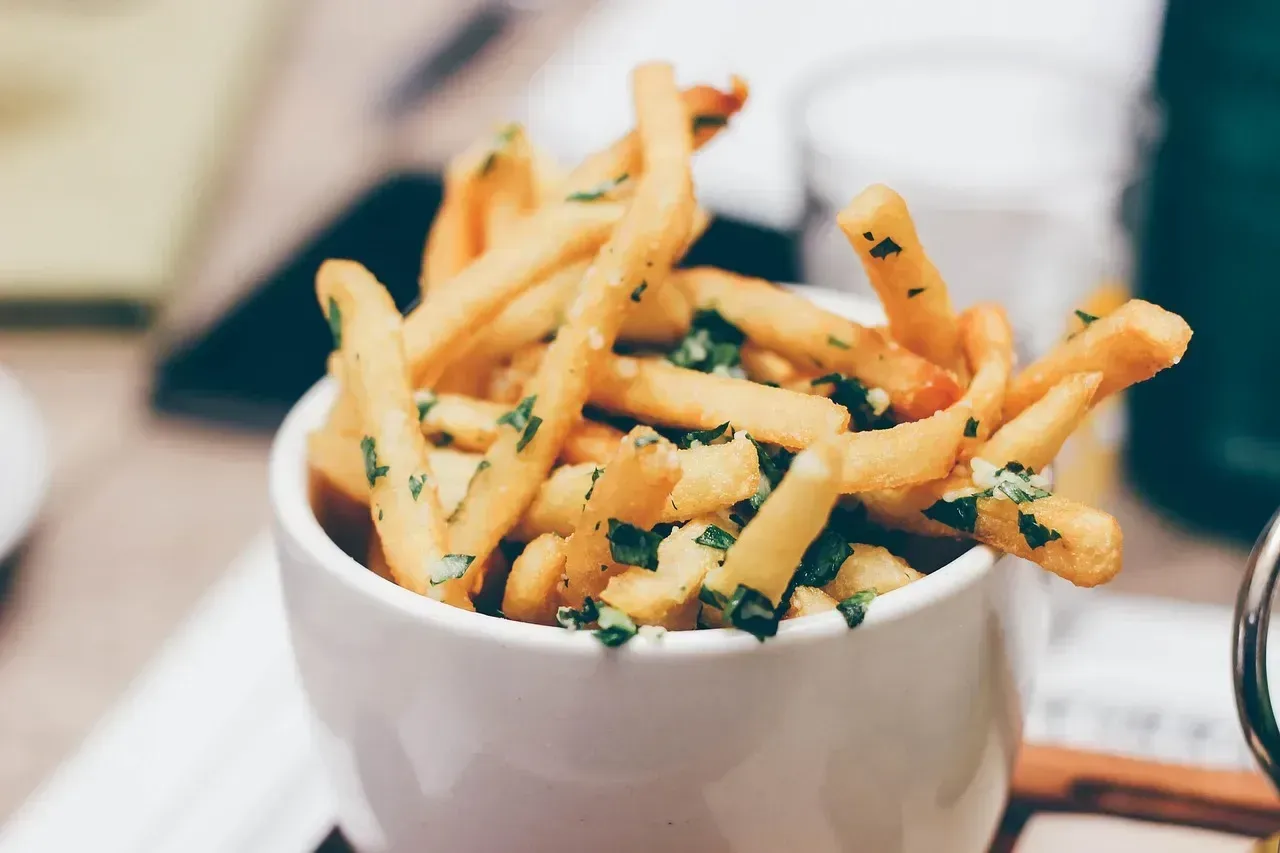
The UK has developed one of the most sophisticated fast food markets outside the US, and the numbers back that up. Latest figures from Cancer Research UK revealed that 22 million fast food meals and takeaway meals are eaten weekly by adults in the UK, and the UK fast food market reached £40.5 billion in 2025, recording year-on-year growth of 5.7% that outpaced inflation. That growth outpaced inflation, which suggests genuine demand rather than just rising prices.
Fried chicken shops have become a defining feature of British high streets, sitting alongside classic chippies and international burger chains. London continues to dominate the fast-food scene, recording a substantial 5.7% increase in customer traffic, fuelled by a young and affluent population, a thriving job market, and a diverse cultural mix, with the capital’s central business district particularly buoyant, driven largely by office workers and tourists. Delivery apps have only added another layer to habits that were already leaning toward convenience.
3. France – The gastronomy paradox

This is the country most people would least expect on a list like this, given its reputation for slow, deliberate dining. Yet France has been rated among the highest consumers of fast food in the world, with international chains like Burger King, KFC, and McDonald’s establishing a strong presence in the country, and France ranks second in some rankings for the highest number of fast food consumers around the world, with residents showing a particular affinity for Subway.
The scale of the shift is striking for a country so tied to culinary tradition. Fast food captured a 55% market share of the French foodservice sector in 2023, officially overtaking traditional restaurant dining for the first time. McDonald’s has responded by expanding aggressively; in 2026 the company plans to open 50 new restaurants, primarily targeting rural areas, with the ambitious goal of ensuring every French resident has a McDonald’s within a 20-minute drive.
4. China – Near-universal participation
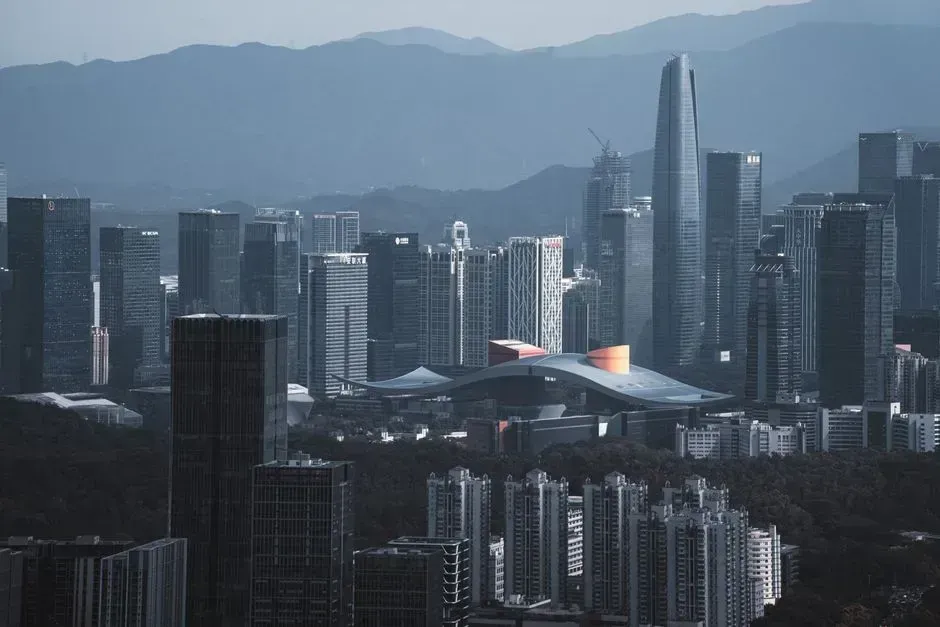
China’s fast food story is really a story about how fast a country can urbanize. China’s rise as a fast food nation is driven by one of the fastest urbanization stories the world has ever seen, with fast food consumption remarkably high, with 97% of the population partaking and 41% eating fast food at least once a week, driven by busy lifestyles. That near-total participation rate stands out even against other high-consuming nations.
What makes China’s case unusual is that it is no longer just adopting Western fast food formats. A growing middle class and rising disposable incomes continue to fuel a fast food boom, with international chains thriving alongside a booming domestic fast food brand scene, and domestic Chinese chains serving noodles, dumplings, and rice bowls have become serious competitors to McDonald’s and KFC on their own turf. The result is a hybrid fast food culture unlike anything seen in Europe or North America.
5. Canada – Tim Hortons and beyond

Canada’s relationship with fast food is arguably as intense as its southern neighbor’s, just with a different flagship brand. Canada employs more than 400,000 people within the fast food industry, with an estimated 30% of Canadians having worked in the sector at some point, a statistic that tells you how deeply embedded the industry is in everyday Canadian life.
Tim Hortons occupies a cultural space that goes well beyond coffee and doughnuts for many Canadians. The country’s long winters, vast suburban sprawl, and highly urbanized population all push eating habits toward convenience, and Canada shares many structural similarities with the US in terms of car dependency and retail food culture, which naturally translates into high fast food use across all age groups and income levels. The parallels with American consumption patterns are hard to miss.
6. Australia – Takeaway as a lifestyle
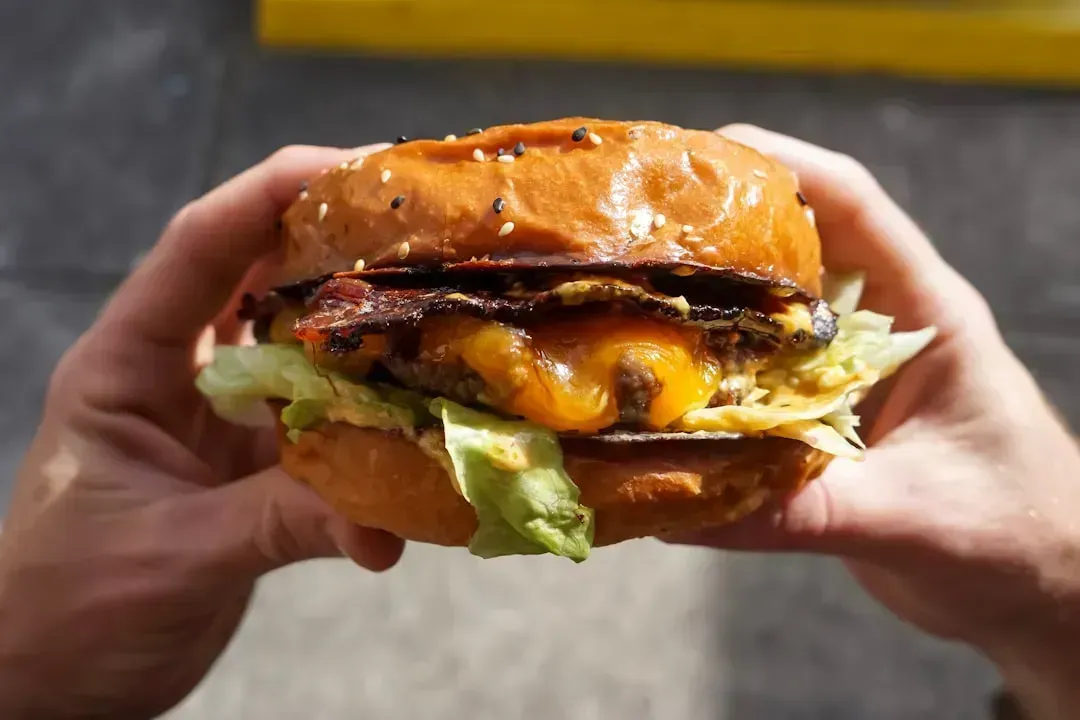
Australians have folded fast food into daily routines with real enthusiasm. Australians eat fast food on average twice per week, and the country also has one of the largest numbers of McDonald’s outlets per capita outside the United States, with American-style fast food culture taking hold early and fusing with local tastes. That blend of imported chains and homegrown takeaway habits gives the market its own distinct flavor.
Household spending reflects that appetite for convenience. Australians make approximately 51.5 million monthly visits to fast food chains, accounting for nearly 32% of their household food budget dedicated to dining out. Delivery apps have pushed the habit even further in recent years, making a quick meal just a few taps away regardless of location.
7. Germany – Currywurst meets the golden arches
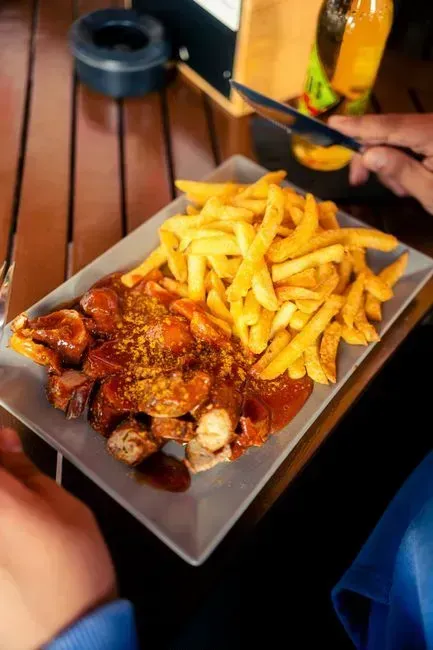
Germany rounds out the top seven with a steady, practical relationship to fast food rather than an explosive one. Germany is on the list of countries with the highest fast food consumption, with German citizens eating fast food on average twice per week according to a study from the German Nutrition Society in 2024, as an efficient and practical lifestyle makes fast food a time-saving solution.
The restaurant landscape supporting that habit is enormous and varied. Germany boasts a diverse restaurant scene, which comprised a total of around 70,619 establishments, and although there has been a slight decline in the number of restaurants in recent years, the industry remains highly competitive. Currywurst stands, doner kebab shops, and international chains all compete for the same lunch crowd across German cities.
8. Ethiopia – Communal meals over convenience
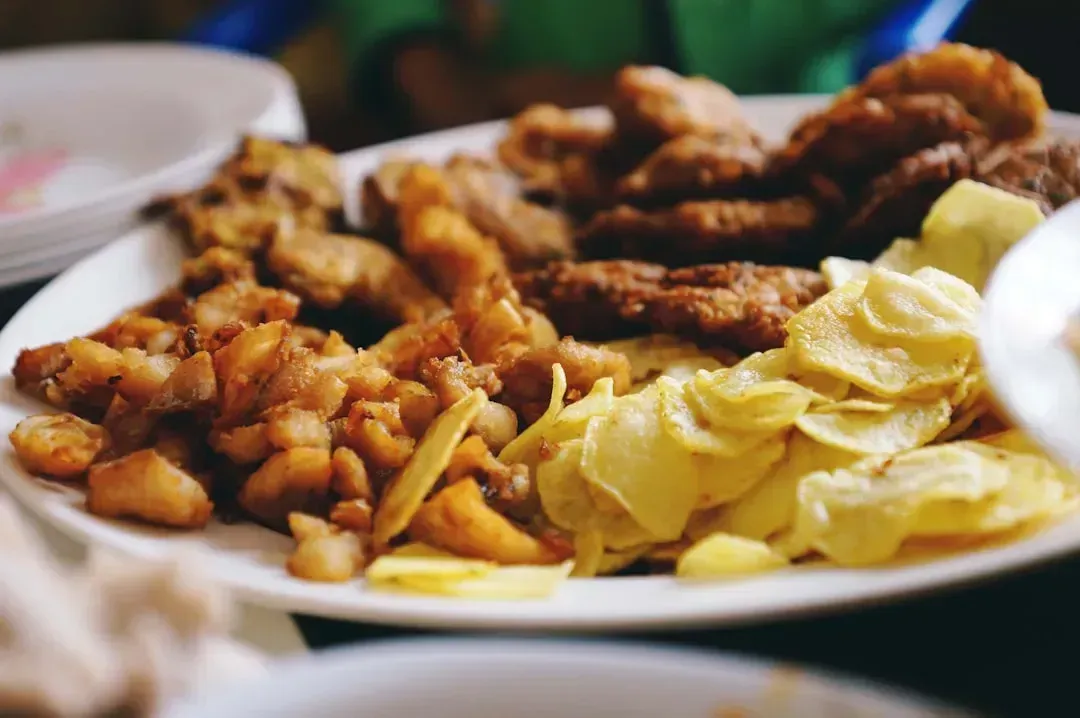
Ethiopia sits at the opposite end of the spectrum entirely, and the reasons are cultural as much as economic. Ethiopia maintains strong resistance to fast food culture, with fewer than 10 international chains operating in this nation of 115 million people, as traditional Ethiopian dining centers around injera with various stews, eaten communally and prepared fresh daily.
The country’s slower food rituals leave little room for a grab-and-go mentality. Coffee ceremonies lasting hours further emphasize Ethiopia’s slow food traditions, creating natural cultural barriers to quick-service restaurant expansion despite rapid economic growth in urban centers, and the communal and ceremonial relationship Ethiopians have with food is, in many ways, the structural opposite of what fast food represents. Meals built around cereals like teff, roots, and pulses simply do not translate well into a standardized quick-service format.
9. Vietnam – Street food wins every time
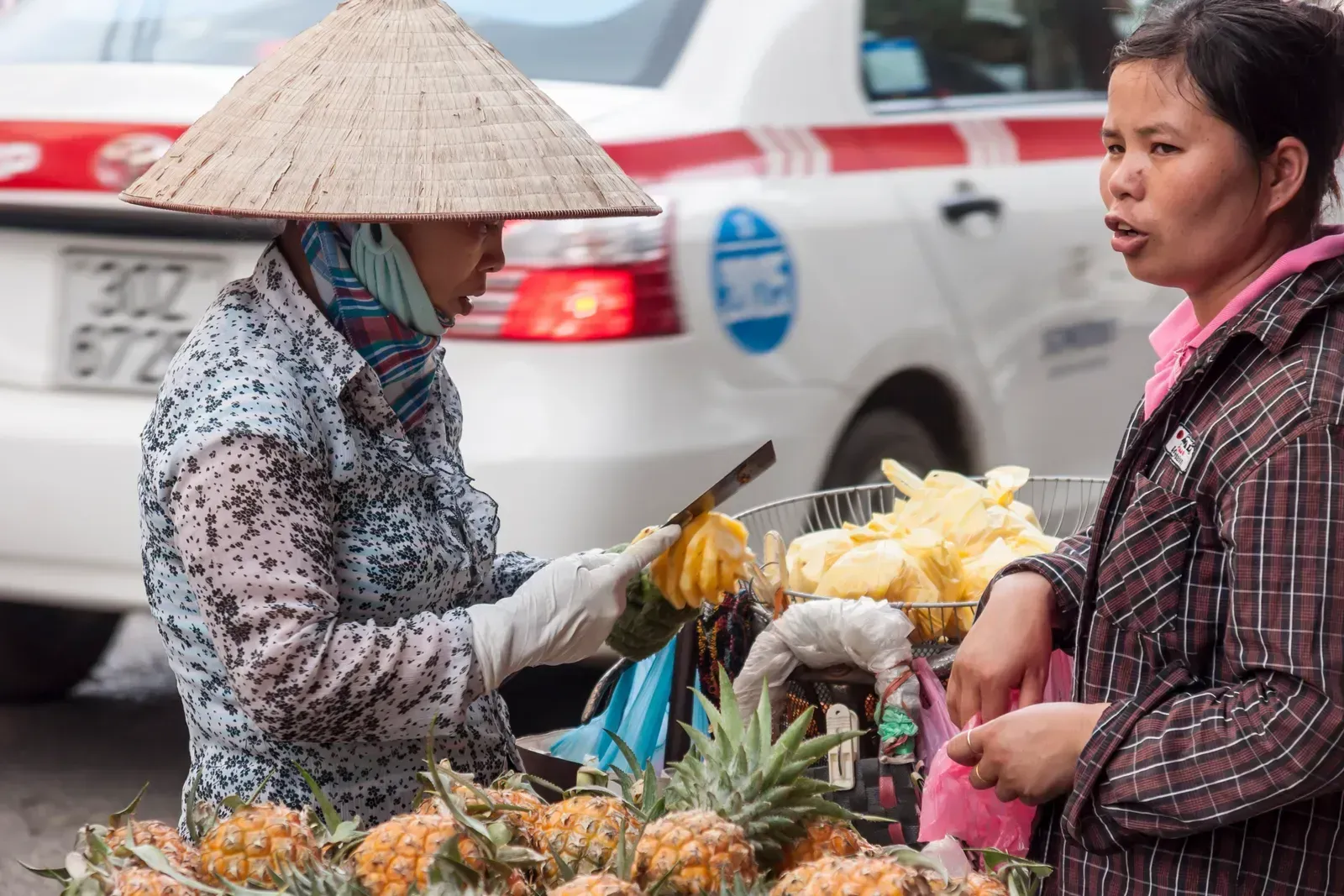
Vietnam has one of the strongest street food cultures on earth, and it shows in how little room branded fast food chains have managed to carve out. Among countries studied for multiple suboptimal dietary factors in youth, Vietnam recorded some of the lowest rates at just 8.6%, compared with over 36% in countries with stronger fast food penetration, and international chains have made inroads in Vietnamese cities, particularly among younger, wealthier consumers, but the overall penetration remains low.
Vendors selling pho, banh mi, and fresh spring rolls remain a far more common sight than drive-thru lanes. The street food vendor remains far more powerful than the drive-through in Vietnam’s food culture. That informal food economy is deeply woven into daily life in a way that international chains have struggled to displace.
10. India – The home kitchen still rules
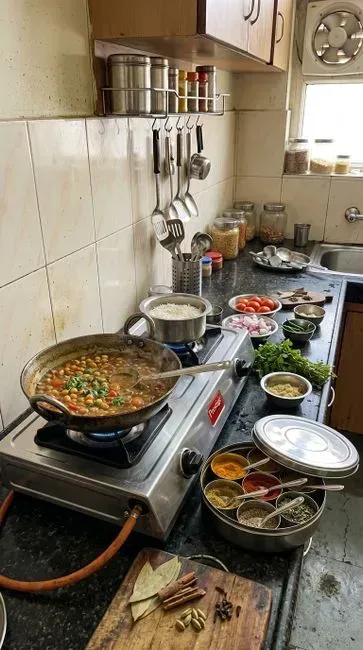
India presents an interesting contradiction. Its organized quick-service sector is expanding at a rapid clip, yet per-person consumption stays comparatively modest. The quick-service restaurant market in India was valued at about $25.46 billion in 2024 and is forecasted to reach $38.7 billion by 2029, yet per-capita fast food consumption remains comparatively low when stacked against the top consumers.
Much of what Indians consider quick eating happens outside branded chains entirely. Roadside eateries, dhabas, and food stalls, traditional fast food formats, form a major part of the unorganized sector, meaning that many Indians who eat quickly prefer local, informal options over branded international chains. Home cooking also remains a strong cultural default, particularly outside the largest cities.
11. Italy – Mediterranean identity holds firm
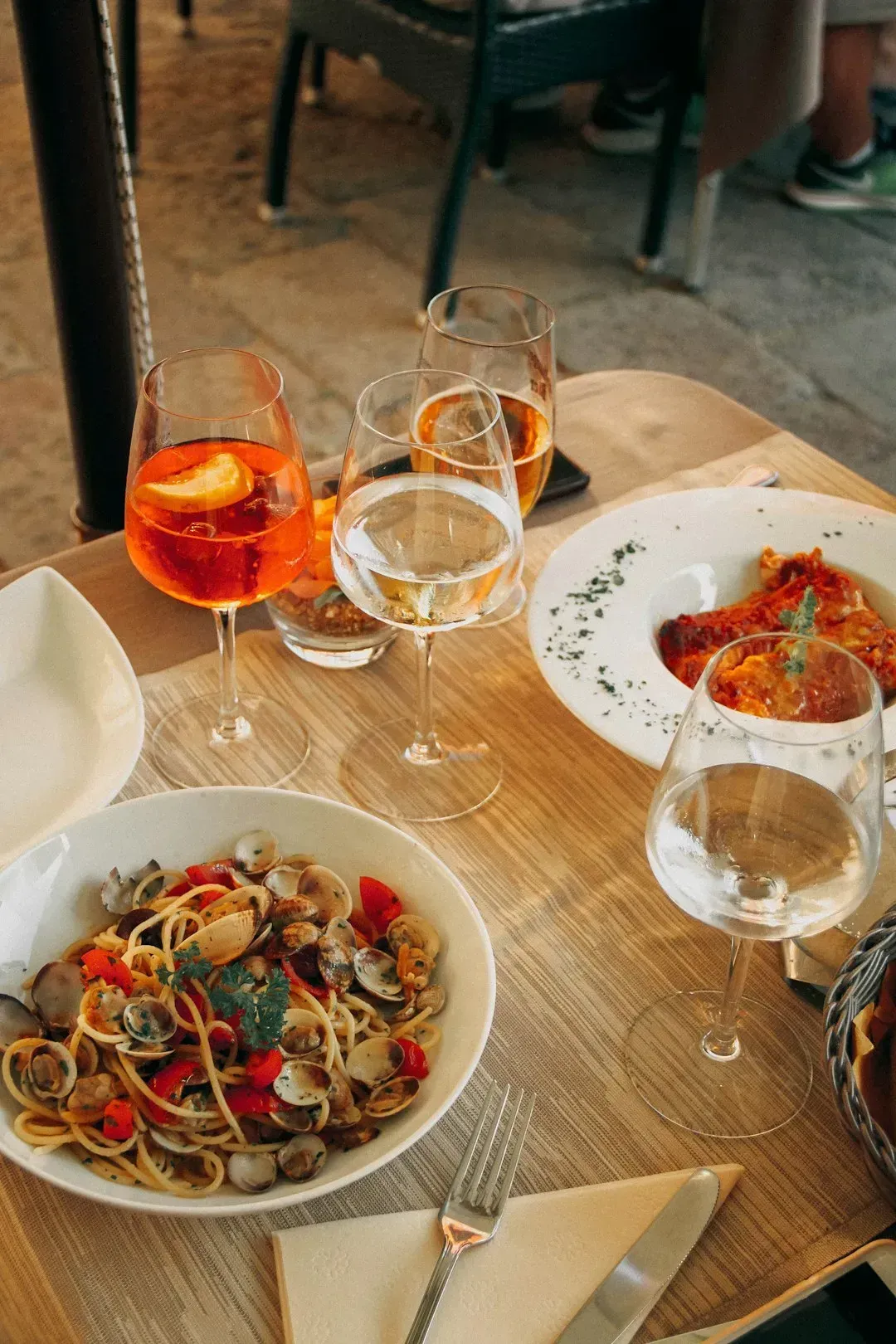
Few food cultures push back against fast food quite like Italy’s. Italy and Portugal were among the few countries that maintained dietary scores relatively close to their initial Mediterranean values, and the Italian diet remained characterized by high consumption of traditional Mediterranean foods such as fruits, vegetables, and cereals like bread, pasta, and rice.
Meal structure in Italy is almost ritualistic, and that works against the entire fast food concept. Italians have a deeply ingrained sense of when and how meals should happen, and a paper bag eaten on the go simply doesn’t fit, with the cultural friction between Italian food identity and fast food convenience being real and measurable. Lunch and dinner are treated as social occasions rather than pit stops.
12. Greece – Mediterranean roots still hold
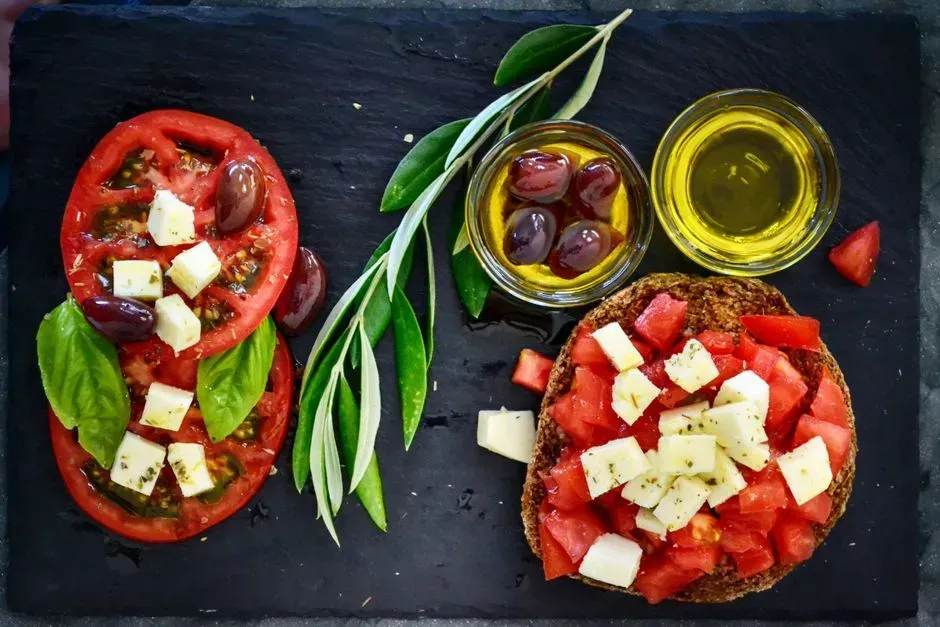
Greece’s traditional diet has long been held up as a model for health, and that legacy still shapes eating habits today. Historically, the Greeks have maintained excellent health and life expectancy due to their dietary and lifestyle practices, and the inhabitants of Crete, with a remarkable life expectancy of 82 years, boast the highest per capita consumption of olive oil in the world, reaching 25 liters.
Some drift toward Western-style eating has crept in, particularly among younger generations. There has been a shift in the eating habits of Greeks towards a more Westernized food consumption pattern, and consequently, popular street-fast foods found in Greece nowadays include items such as gyros and souvlaki, burgers, pizzas, crepes, and sandwiches. Still, those local street foods dominate far more than imported chains do.
13. South Korea – Cultural loyalty over convenience
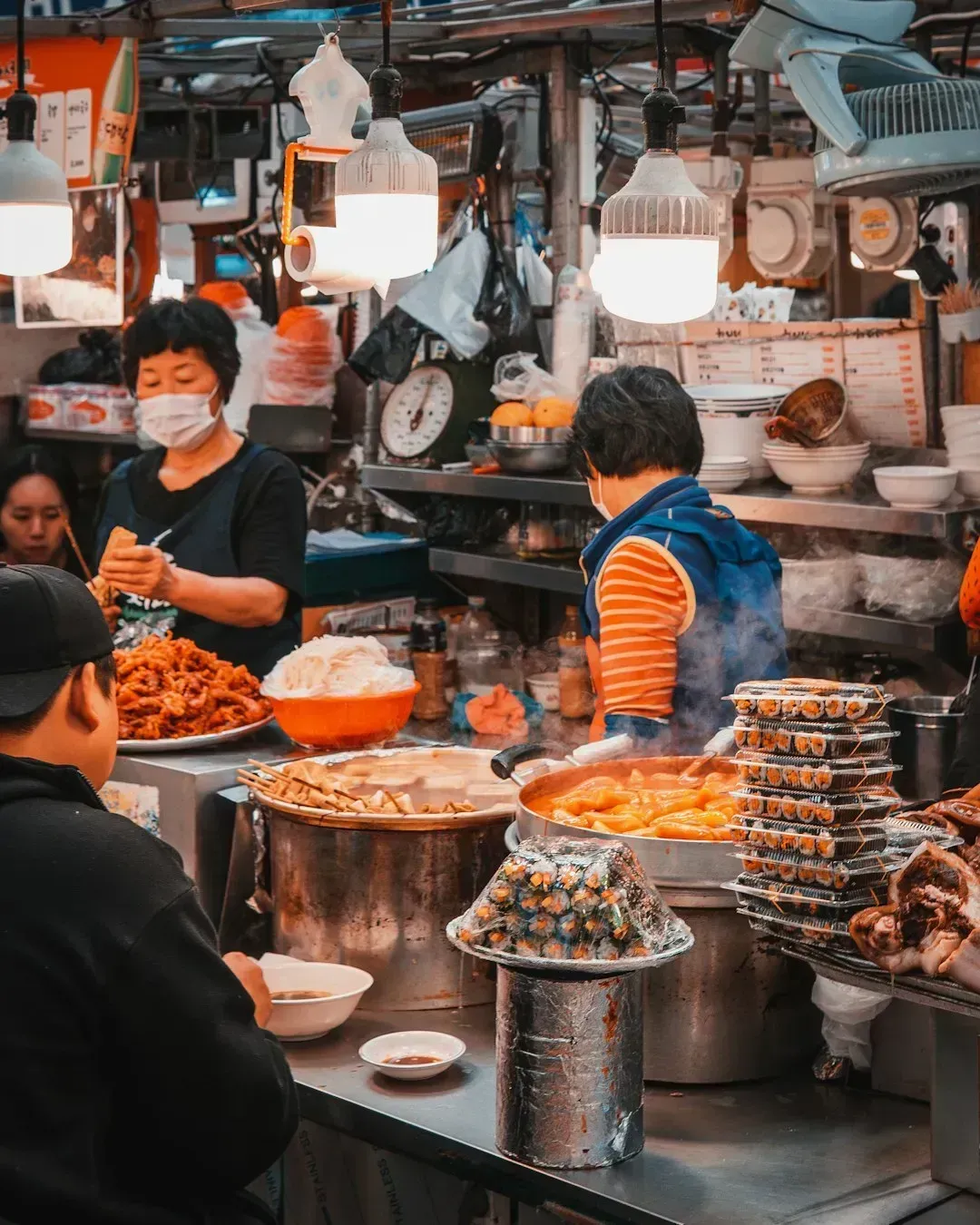
South Korea rounds out the list as something of a fascinating outlier: a wealthy, tech-driven society that has largely resisted the pull toward Western-style quick meals. Despite having a developed economy and a fast city life, fast food consumption in South Korea remains low at less than once per week, and the culture of cooking at home and eating with family is still very strong in Korean society.
Local street food has simply proven more appealing than imported alternatives for most Koreans. Koreans prefer local fast foods such as kimbap and tteokbokki from street vendors rather than burgers and fried chicken from foreign restaurants, and the government actively promotes traditional Korean culinary culture as part of cultural heritage, which helps keep fast food culture from dominating. It is a rare example of a modern, urbanized society choosing tradition over convenience at scale.
What separates these two groups rarely comes down to income or urbanization alone. Car-dependent infrastructure, long working hours, and a cultural comfort with eating solo tend to push consumption higher, while strong home-cooking traditions, communal meal rituals, and thriving informal street food economies tend to keep it in check. The map of global fast food habits, in the end, says as much about how societies value time and togetherness as it does about what people actually put on their plates.




Leave a Reply