
There’s a quiet shift happening in how Americans think about where to live. For years, the instinct was to chase the highest paycheck, even if that meant handing most of it back in rent. Now, with home prices sitting well above four hundred thousand dollars nationally and a growing number of six-figure earners still feeling squeezed, more people are asking a different question: which cities actually let a salary breathe?
A handful of places keep showing up in cost-of-living studies, tax comparisons, and resident satisfaction surveys for the same reason. They combine steady incomes with genuinely low expenses, and the people who live there tend to stay put rather than eye the exits. Here are seven cities doing exactly that in 2026.
Laredo, Texas

Laredo has become something of a poster child for affordability research this year. Niche research relied on Bureau of Labor Statistics data to name Laredo the top city in the U.S. for pay relative to cost of living. Separate tax analysis backs that up in dollar terms. A $100,000 salary goes the furthest in Laredo, where no state or local income taxes and a low cost of living mean that figure adjusts to nearly $90,000 in real purchasing power.
Beyond the spreadsheet math, Laredo has practical appeal for families. The border city is home to roughly 257,600 people, is dotted with parks, has a reputation for good public schools, and offers residents a dense suburban feel where most people own their own homes. It was also flagged separately as one of the most affordable cities in the country in 2025, which suggests the trend isn’t a one-year fluke.
Fort Wayne, Indiana

Fort Wayne rounds out the upper tier of Niche’s 2026 affordability rankings, and it fits a pattern researchers keep noticing. Fort Wayne, Indiana placed among the top five cities where pay and low cost of living intersect. It’s a mid-sized Midwestern city without the population pressure that drives up housing costs in faster-growing metros.
What keeps people from leaving isn’t flash, it’s stability. Economists point to a broader trend of people looking for neighborhoods that offer access to diverse career opportunities alongside a strong sense of community, since smaller, walkable communities provide the mix of amenities and livability that both families and young professionals value. Fort Wayne’s manufacturing and healthcare base gives it exactly that mix, minus the coastal price tag.
Toledo, Ohio
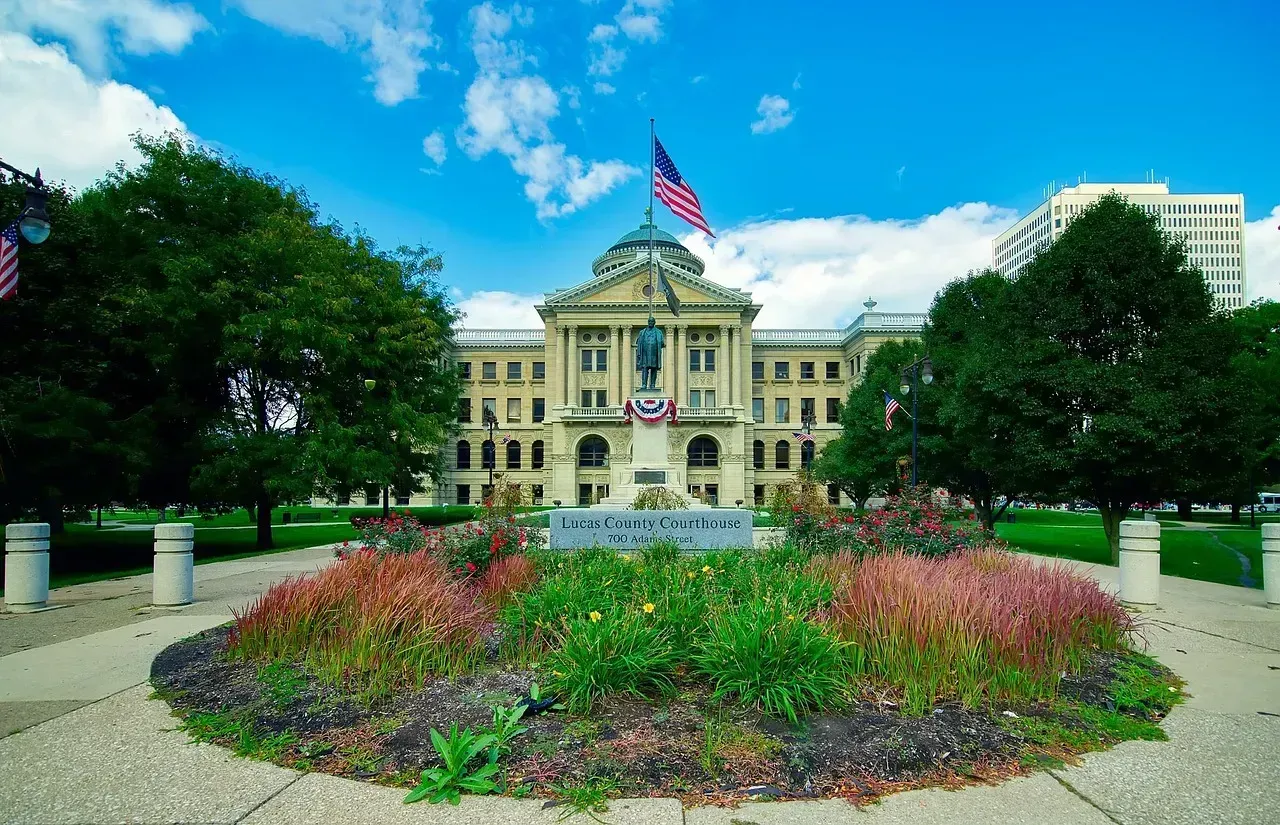
Toledo shows up on multiple lists for the same reason: it pairs Rust Belt affordability with a job market that hasn’t hollowed out. Toledo, Ohio was ranked among the top five affordability capitals in the country for 2026. Housing here remains a fraction of what buyers face in nearby Chicago or Detroit, while wages have held reasonably steady.
Resident feedback tends to echo the statistics. People who’ve spent years in Toledo often describe a city that’s easy to navigate and doesn’t demand a long commute to reach affordable neighborhoods. That kind of everyday convenience matters more to retention than any single ranking, and it’s a big part of why Toledo keeps appearing on these lists year after year rather than as a one-time surprise.
El Paso, Texas

El Paso continues the Texas trend of low taxes meeting low housing costs. El Paso was named among the top five U.S. cities for high pay relative to cost of living in the 2026 study. Like Laredo, it benefits from the absence of a state income tax, which stretches every paycheck a little further before a single bill gets paid.
The city’s border economy and binational trade with Ciudad Juárez keep logistics and manufacturing jobs steady, which helps explain why El Paso doesn’t see the boom-and-bust cycles that hit some Sun Belt cities. Combined with a housing market that’s grown but hasn’t spiraled, it’s a city where a modest salary can still cover a mortgage rather than just a rent check.
Wichita, Kansas
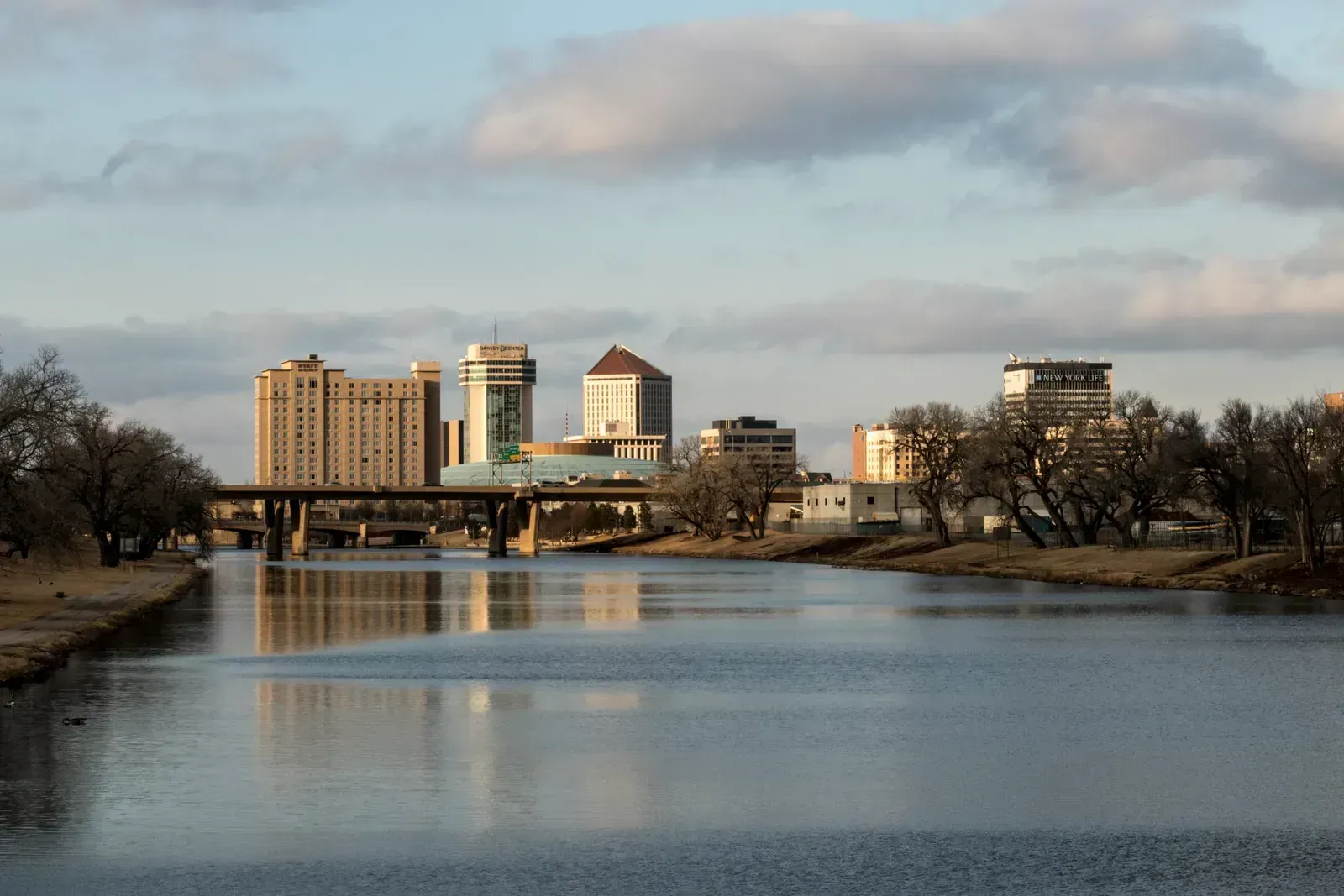
Wichita rounds out the top five in the Niche 2026 affordability study, and it’s arguably the least expected name on this list. Wichita, Kansas was cited alongside Fort Wayne, Toledo, and El Paso as one of the country’s top affordability capitals. Its aviation manufacturing base, anchored by companies like Textron and Spirit AeroSystems, provides a wage floor that’s higher than the city’s modest cost of living would suggest.
Wichita rarely makes national headlines, and that’s part of its appeal to the people who live there. Housing costs remain well under the national median, commutes are short, and the tradeoff of fewer big-city amenities gets balanced out by lower everyday expenses across groceries, utilities, and transportation.
San Antonio, Texas

San Antonio stands out less for tax math and more for how its residents actually feel about living there. San Antonio topped a 2025 resident satisfaction ranking, with nearly 80% of residents saying they’re satisfied or very satisfied with their city. That’s a notable data point, since satisfaction surveys often diverge sharply from pure affordability rankings.
The reasoning behind that satisfaction lines up closely with what makes a city livable long-term. Researchers at Gensler point to cost of living and safety as the biggest vulnerabilities for U.S. cities, noting that people are increasingly choosing cities that are more affordable and safer, where they feel like they can actually age in place. San Antonio checks both boxes, with housing costs still reasonable relative to a growing tech and healthcare job base.
Huntsville, Alabama
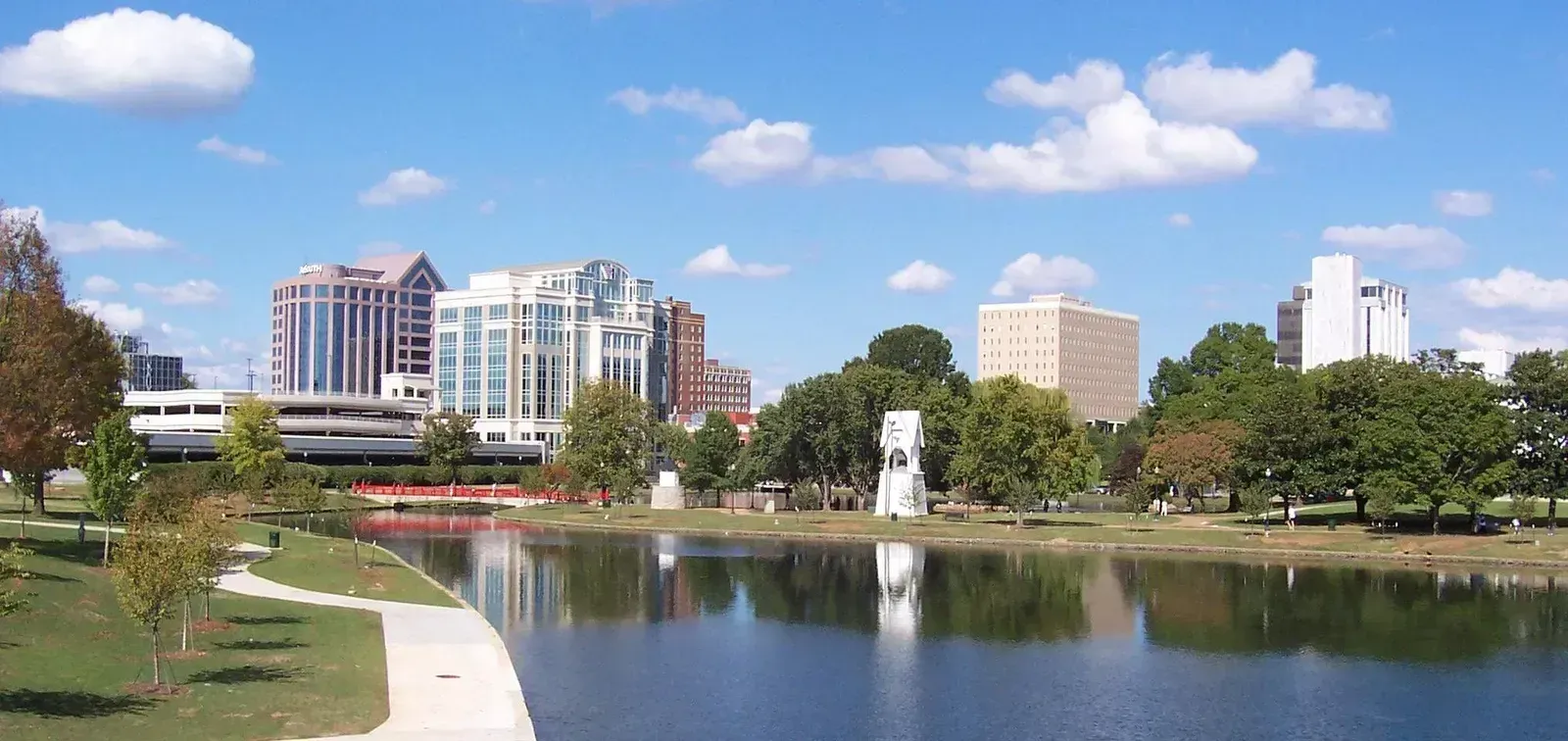
Huntsville has quietly become one of the more compelling affordability stories in the South, and it’s not just about cheap rent. The city’s cost of living runs roughly nine percent below the national average, while its job market, built on aerospace and defense engineering tied to NASA and the U.S. Army, pays some of the best wages in the South, earning it the nickname Rocket City. That combination of high-skill jobs and low expenses is rare outside a handful of tech corridors.
Because Huntsville’s growth has been driven by real, high-paying employers rather than speculative housing demand, longtime residents haven’t seen the kind of runaway price spikes that push people out of similarly booming Sun Belt cities. It’s a place where an engineering salary still buys a house with a yard, which explains why so few people who move there for work end up leaving.
Why These Cities Keep Winning on Value

The common thread across all seven places isn’t luck, it’s structure. Cities without state income tax, like the Texas entries on this list, start with a built-in advantage before housing costs even enter the equation. Several cities benefit from affordable living costs and the lack of state income tax, which is a big part of why Texas dominates the top of these rankings.
The other piece is housing, which analysts consistently point to as the real driver behind cost-of-living gaps. A dollar doesn’t go furthest where wages are highest, it goes furthest where housing is cheapest relative to pay. Every city on this list has kept that ratio in check, whether through slower population growth, steady industrial employment, or simply avoiding the speculative housing booms that hit coastal metros the hardest.





Leave a Reply