
What slow travel actually means
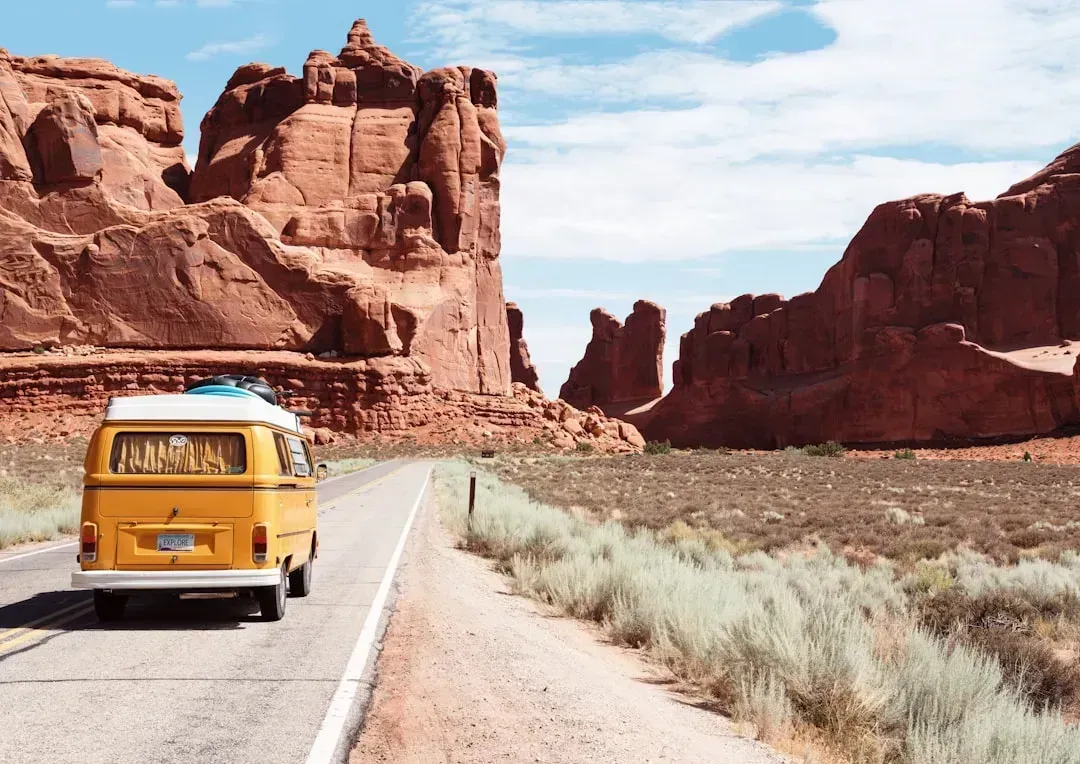
Slow travel isn’t a single activity or a checklist item you can tick off. Researchers Dickinson and Lumsdon, whose academic definition is still widely cited, describe it as a framework built around people who travel to destinations more slowly overland, stay longer and travel less while treating the journey itself as part of the experience. That framing matters because it shifts the goal from covering ground to actually being somewhere.
In practice, this can look like spending two weeks in one region instead of racing through five countries, or choosing a train over a flight even when it takes longer. It also tends to involve deeper engagement once you arrive. Slow travelers often stay longer in one place, support local economies, and seek sustainable, mindful journeys that promote a deeper connection with people and environments, which is a fairly different goalpost than ticking off landmarks.
Why more travelers are choosing to slow down right now
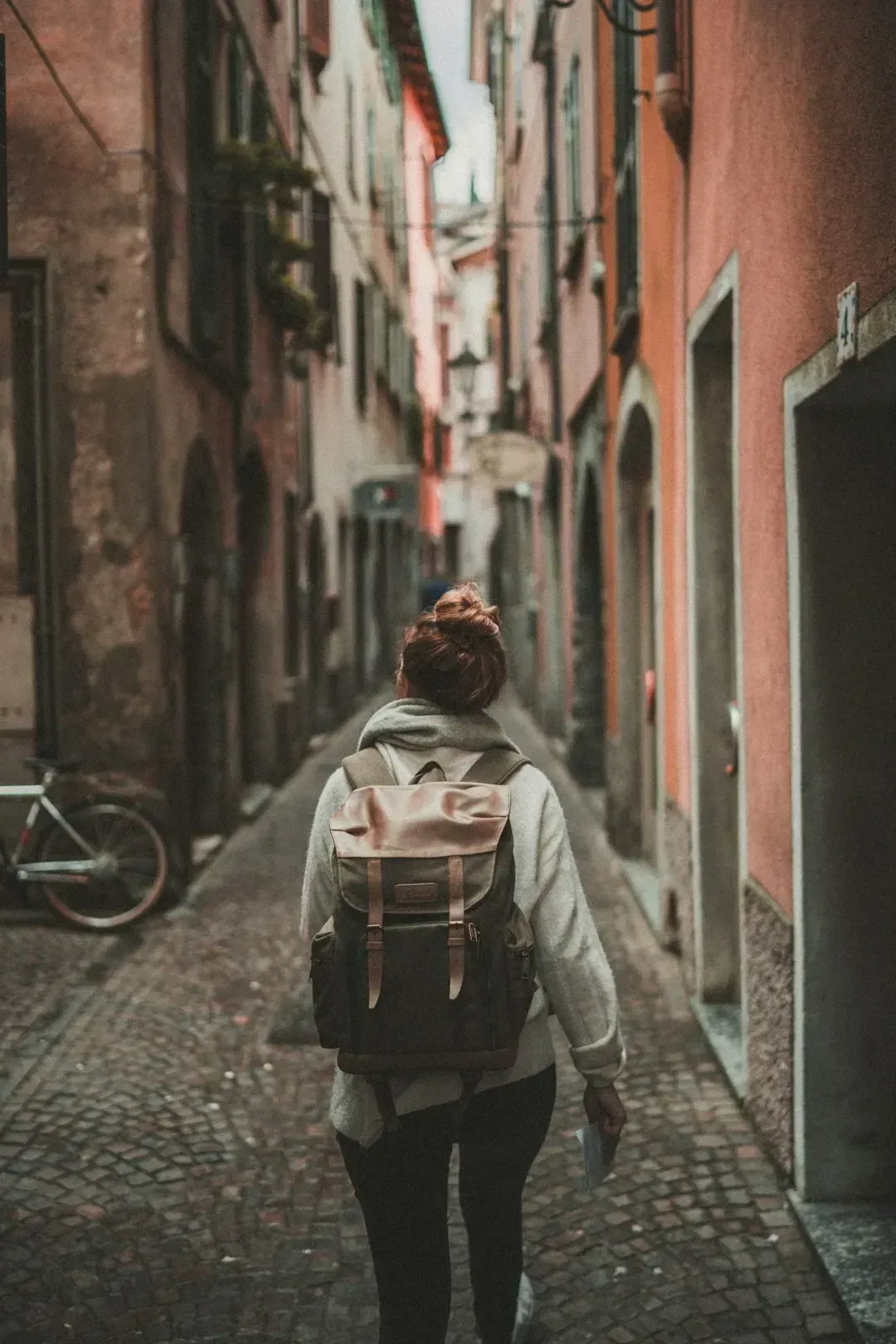
This isn’t just a niche preference anymore. According to the European Travel Commission’s Long-Haul Travel Barometer, interest in slow travel among long-haul visitors to Europe is gaining momentum, increasing from 22% in 2025 to 26% in 2026, meaning roughly one in four long-distance travelers are now actively planning trips around a slower pace. That’s a meaningful jump in a single year, and it lines up with what industry researchers have been noticing more broadly.
Euromonitor’s coverage of the 2024 World Travel Market noted that the era of frantic post-pandemic “revenge travel” appears to be winding down, with “Revenge travel” now a thing of the past as consumers slow down and travel more meaningfully, even if that means traveling less often. Meanwhile, Hilton’s trends research found that nearly three-quarters of travelers are seeking out authentic, local experiences, a shift that shows up in booking patterns rather than just survey answers.
The environmental case for a slower pace
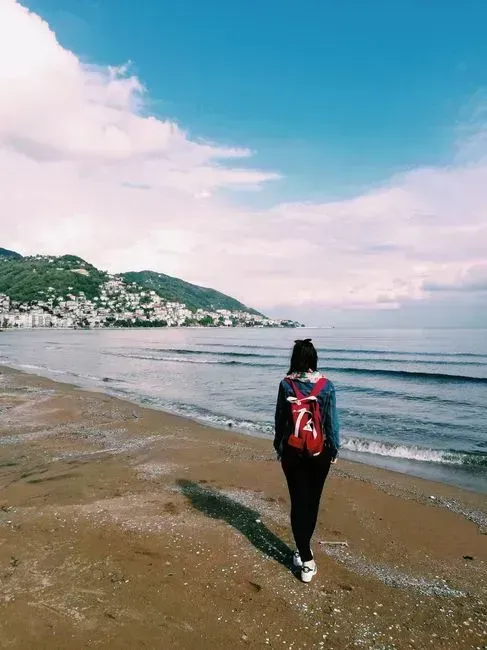
One of the clearest arguments for slow travel is the reduced carbon footprint. Academic research on slow tourism development notes that slow tourism naturally leads to reduced carbon footprints, since when travelers spend more time in one location rather than rushing between multiple destinations, they typically generate fewer transportation-related emissions. Fewer flights and fewer transfers add up, and the math is straightforward even if it’s easy to overlook when you’re excited about an itinerary.
Choosing lower-impact transport modes reinforces this further. Opting for trains, walking, or cycling over frequent short-haul flights is a practical way travelers reduce their carbon footprint by choosing slower modes of transport, like trains, walking, or cycling. It’s a small shift in habit that, multiplied across an entire trip, changes the environmental math considerably.
Supporting local economies instead of global chains
Slow travel tends to redirect money in ways that mass tourism often doesn’t. Rather than funneling spending toward large international hotel groups or tour operators, slow tourism tends to direct economic benefits toward local businesses and entrepreneurs, which has real consequences for the communities being visited. Staying in family-run guesthouses or eating at neighborhood restaurants rather than chain establishments keeps more of that spending circulating locally.
This isn’t just a feel-good talking point either. Travelers who choose small artisanal realities, agricultural producers, and family-run accommodation facilities contribute directly to the economic growth of the visited territory, which in turn helps preserve traditions and skills that might otherwise fade. It’s a quieter form of impact, but a durable one.
The wellbeing case: rest over rush
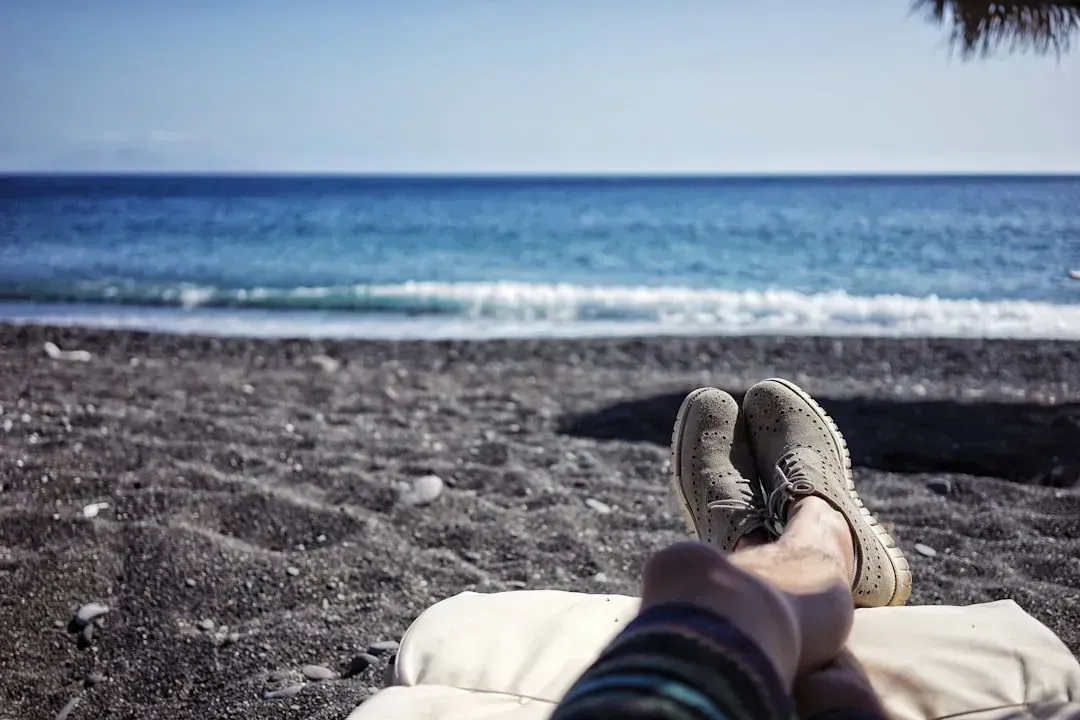
Vacations are supposed to be restorative, yet plenty of people come home from a trip needing another vacation just to recover from it. Slow travel pushes back against that pattern directly, since it provides opportunities for relaxation, mindfulness, and disconnecting from the stresses of daily life, contributing to personal self-care and rejuvenation. That’s a fairly different outcome than the frantic photo-collecting sprint through a dozen must-see sites.
Part of the appeal also seems to be permission to simply stop optimizing. Travelers are increasingly embracing what’s been described as a “joy of missing out” mindset, choosing to skip attractions rather than treat every trip as a box-checking exercise, according to Empower’s research on the trend. It sounds almost too simple, but giving yourself permission to sit at a café for two hours instead of rushing to the next museum can genuinely change how a trip feels.
Choosing destinations off the well-worn path
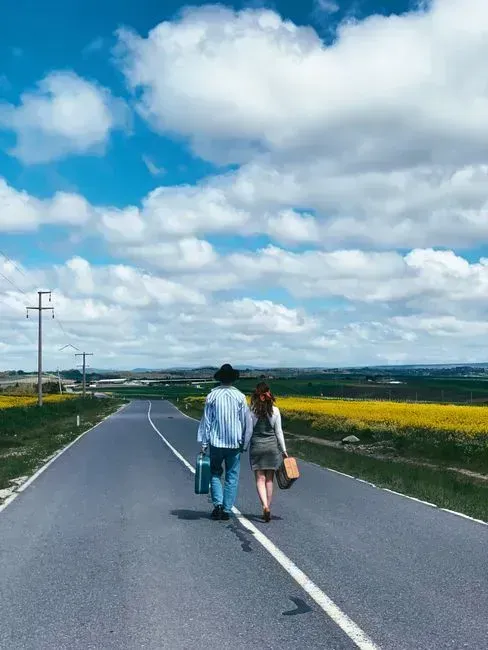
Slow travel and overtourism avoidance tend to go hand in hand. Booking.com’s research found that roughly two thirds of travelers, specifically 67% of travelers, said they want to visit less crowded destinations, citing places like Trieste, Italy and João Pessoa, Brazil as examples gaining interest. That preference isn’t just about avoiding crowds for comfort’s sake, it also spreads tourism revenue toward places that need it more than the usual hotspots.
Hilton’s data backs this up from a different angle, noting that with slow travel on the rise, more travelers are exploring secondary cities and destinations instead of the overcrowded tourist hotspots. Sardinia and Bodrum in Türkiye were both cited as examples of places seeing renewed interest, partly because they offer a similar Mediterranean experience without the density of tourists found in more famous coastal towns.
Transportation choices that set the pace
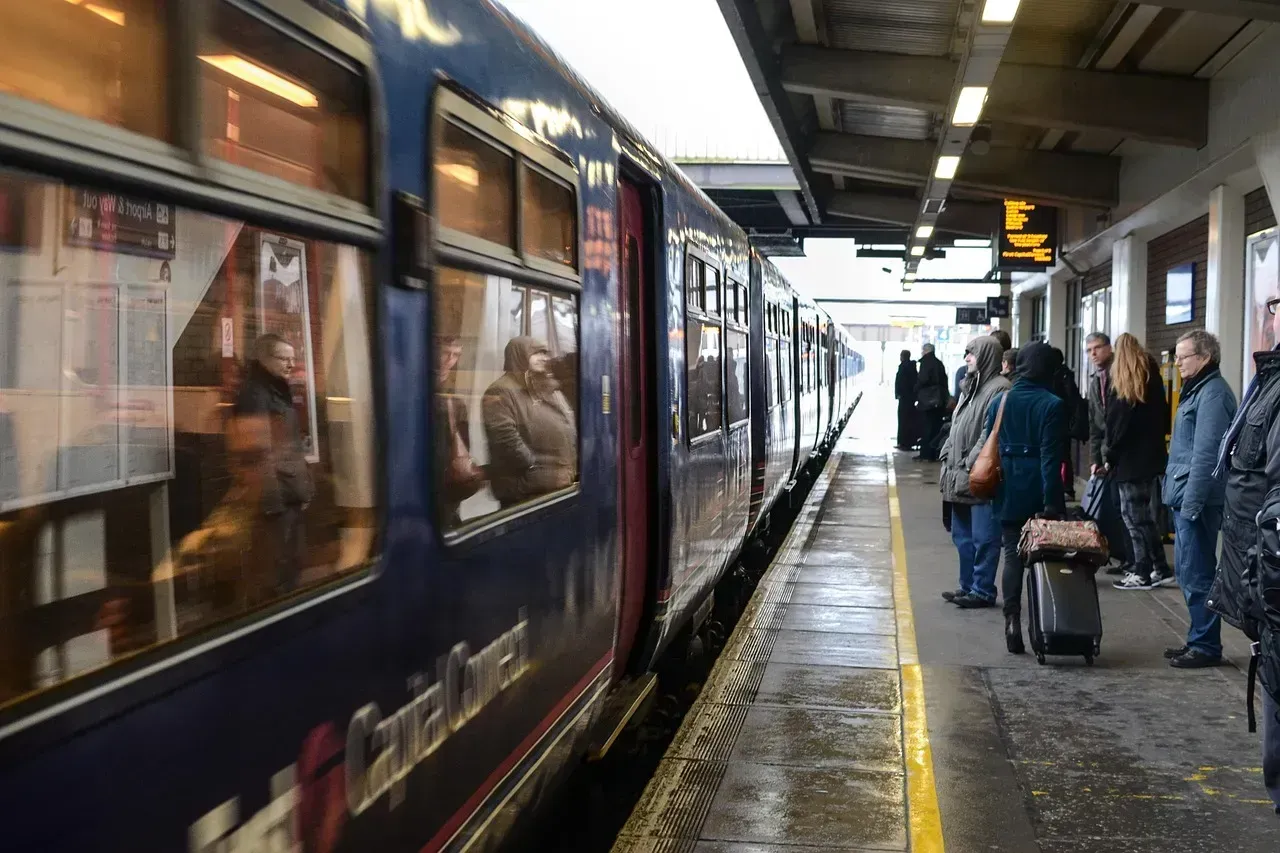
How you get somewhere shapes the entire character of a trip, arguably more than people give it credit for. Interest in rail travel has grown alongside slow travel, with luxury options like the La Dolce Vita Orient Express letting travelers move between regions in comfort while enjoying a relaxed, unhurried pace. It’s not just a luxury phenomenon either, since regular long-distance rail has seen renewed attention from budget travelers looking for a calmer alternative to airports.
Walking and cycling trips have also found a wider audience beyond dedicated backpackers. The appeal is fairly intuitive: moving through a landscape at human speed lets you notice things a car window or plane seat simply can’t offer, from small roadside markets to the way a town’s rhythm changes at different times of day. For beginners, even something as modest as choosing a scenic train route over a short flight is a reasonable first step into the mindset.
How to build a slow travel itinerary
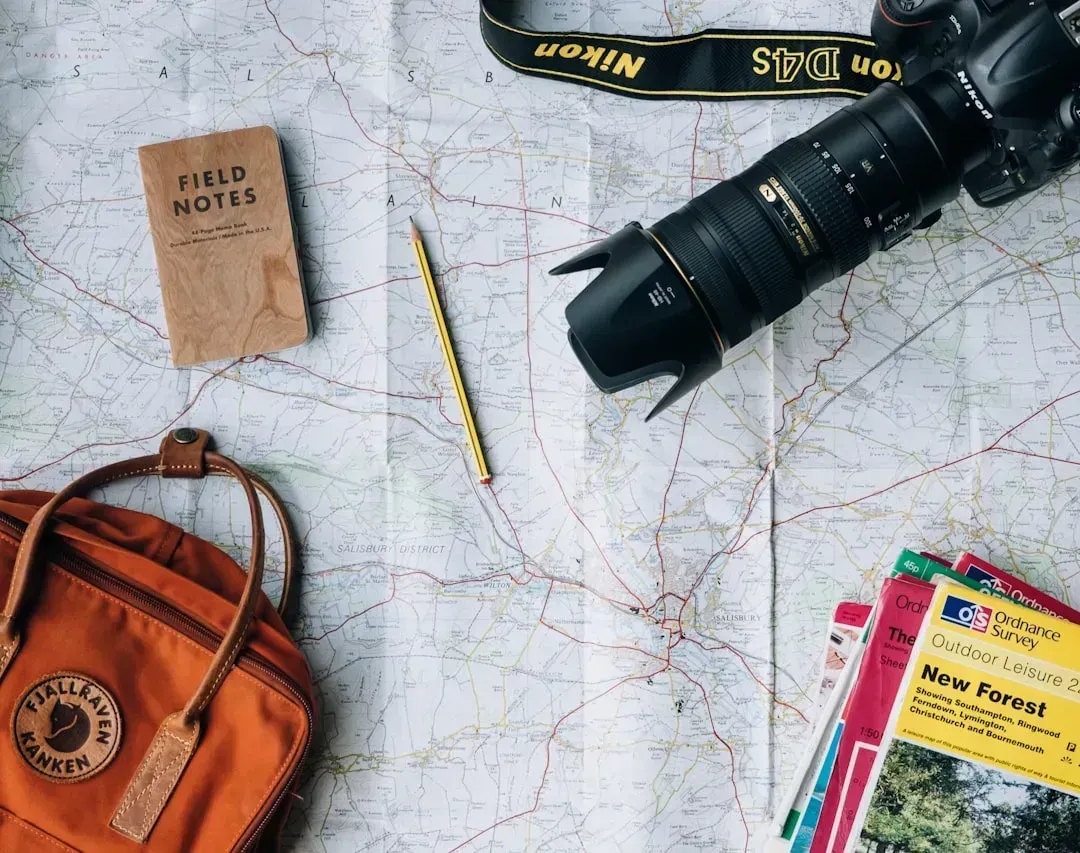
The most common beginner mistake is trying to slow travel while still packing in a fast-travel number of destinations. A more workable approach is picking one region and giving it the majority of your trip, rather than splitting two weeks across four cities. This single decision does more to shape the character of a trip than almost any other planning choice.
From there, it helps to build in unstructured time on purpose, not as a leftover. Blocking out mornings or entire days with nothing scheduled feels uncomfortable at first for planners used to itineraries, but it’s often where the most memorable, unplanned moments happen. Leaving room for a slow travel itinerary also means accepting that you won’t see everything, and that’s the actual point rather than a compromise.
Budgeting for longer, slower trips
A common assumption is that slow travel costs more because trips last longer, but the economics often work out differently. Staying in one apartment or guesthouse for two weeks is frequently cheaper per night than hopping between hotels every couple of days, and it also cuts down on transportation costs between stops. Cooking a few meals with ingredients from a local market instead of eating out for every meal adds up quickly too.
That said, there is real willingness among travelers to spend more when sustainability and quality are part of the equation. Research cited by The Long Run found that 43% of travellers willing to pay more for more sustainable travel options, suggesting slow travel doesn’t have to be framed purely as a budget hack, even though it often ends up being one. The value proposition tends to be depth rather than discount, though the discount is a welcome side effect for many.
Common mistakes beginners make when slowing down
The biggest trap is treating slow travel as simply a longer version of a normal vacation, still packed with a full schedule but stretched over more days. That misses the point entirely, since the whole idea rests on leaving room for spontaneity and rest rather than just adding more activities to a longer calendar. Beginners also tend to underestimate how uncomfortable unstructured time can feel at first, especially for people used to itinerary apps and hour-by-hour planning.
Another frequent misstep is picking a destination based on hype rather than genuine interest, which tends to produce restlessness once the initial excitement fades. Slow travel works best in places you’re curious enough about to sit with for a while, not just photograph and move on from. It’s worth choosing somewhere you’d be content to explore slowly even on a quiet, uneventful afternoon.
Final thoughts




Leave a Reply