
Oatmeal Is the One Thing Almost Every Cardiologist Agrees On
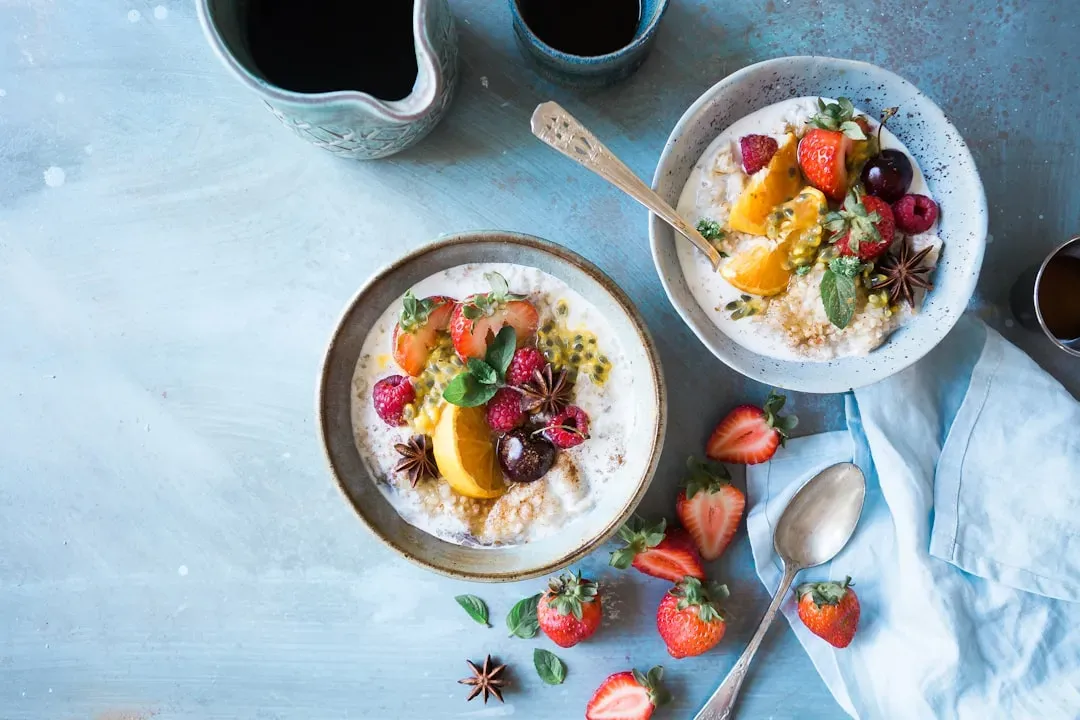
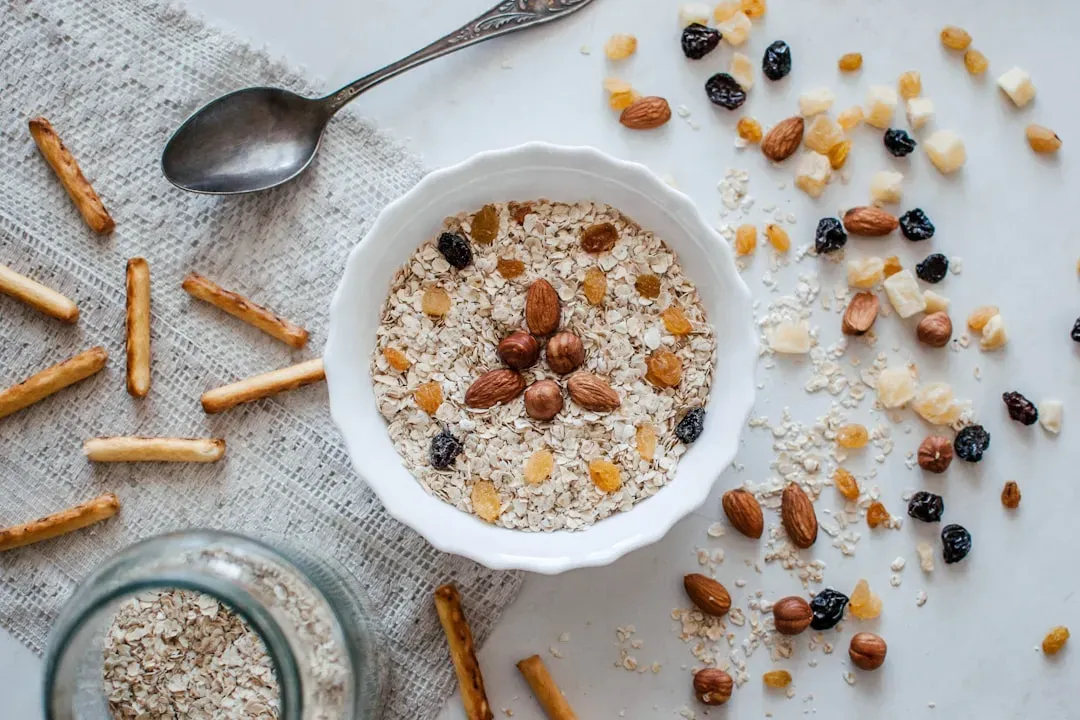
When cardiologists talk about their own breakfast habits, oats come up more than anything else. Both doctors cited oats as their regular favorite breakfast. Oatmeal contains lots of fiber, vitamins and minerals, and studies associate it with lowering cholesterol and helping with weight control, according to the American Heart Association.
Dr. Andrew Freeman, director of cardiovascular prevention and wellness at National Jewish Health, put it plainly: “My go-to is really oatmeal,” Freeman says, advising a small cup made with water, not milk or butter, and loaded high with berries, plus additional heart-healthy ingredients such as ground flax seed or a few walnuts. He’s also picky about the form it takes. Don’t use instant oatmeal, which is the most processed, go with rolled oats instead, he suggests.
Steel Cut and Overnight Oats Get Extra Credit
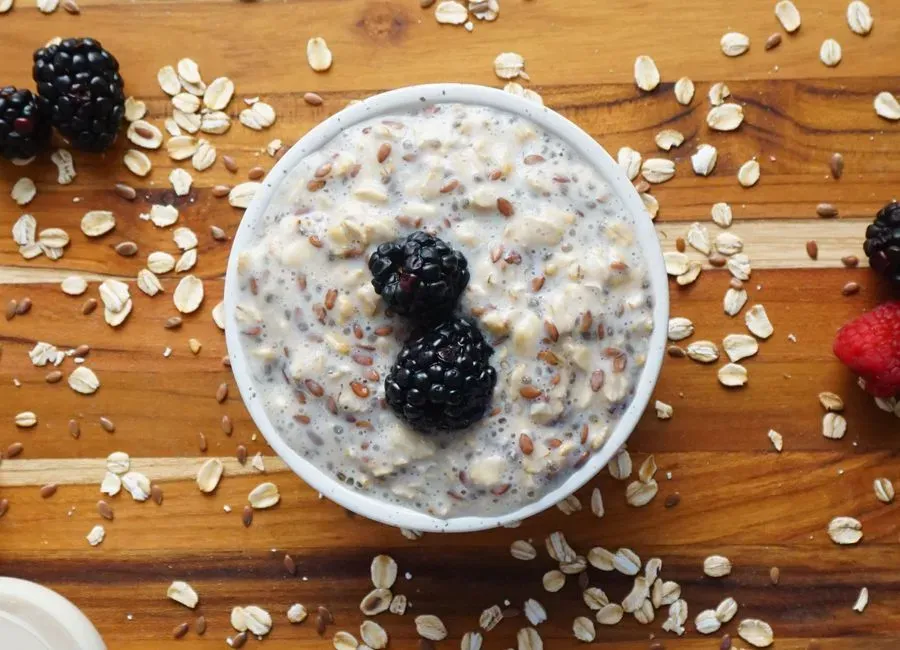
Not all oatmeal is treated equally in cardiology circles. Dr. Susan Cheng of the Smidt Heart Institute at Cedars-Sinai leans toward a specific preparation. She likes overnight oats with chia seeds soaked in non-dairy milk, along with dried or frozen fruit, plus nuts or seeds, and this can be prepared a few days in advance and sit in topped Mason jars in the fridge.
Steel cut oats, in particular, come with a reputation for being the least tampered with version of the grain. Since steel cut oats, the least processed variety of oatmeal, take longer to cook but can be particularly tasty, Cheng purchases them pre-cooked and frozen at the supermarket. It’s a small workaround that keeps the nutritional upside without demanding a stovetop production every single morning.
Berries Aren’t Just a Garnish, They’re the Point
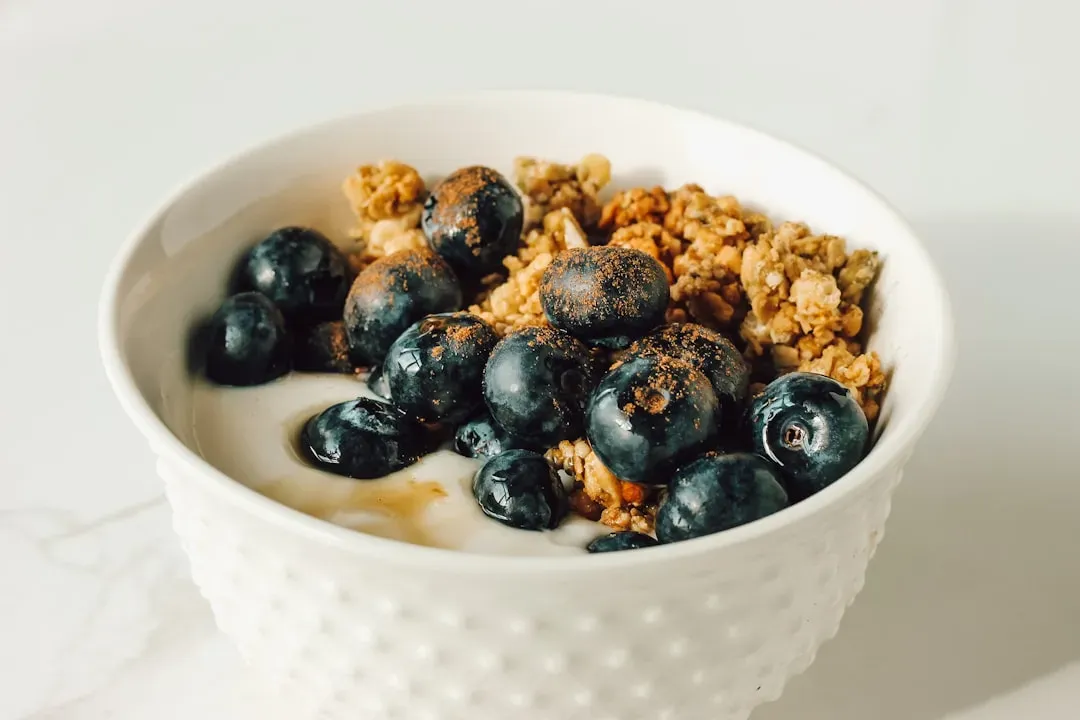
Fruit shows up so consistently in these breakfasts that it’s worth treating as its own category rather than a topping. Cardiologists who build their morning around oats or yogurt almost always pile on berries specifically, not just for flavor but for the fiber and antioxidants they carry. One cardiologist who spoke to CNBC framed the swap directly, recommending steel-cut oats with berries and cinnamon for real fiber, antioxidants, and stable energy.
The appeal isn’t complicated. Berries add sweetness and bulk to a bowl without the blood sugar spike that comes from syrup or refined sugar, which matters more than most people realize first thing in the morning. It’s the kind of small, repeatable habit that doesn’t need marketing behind it to work.
Eggs Stay on the Menu, But With Real Limits
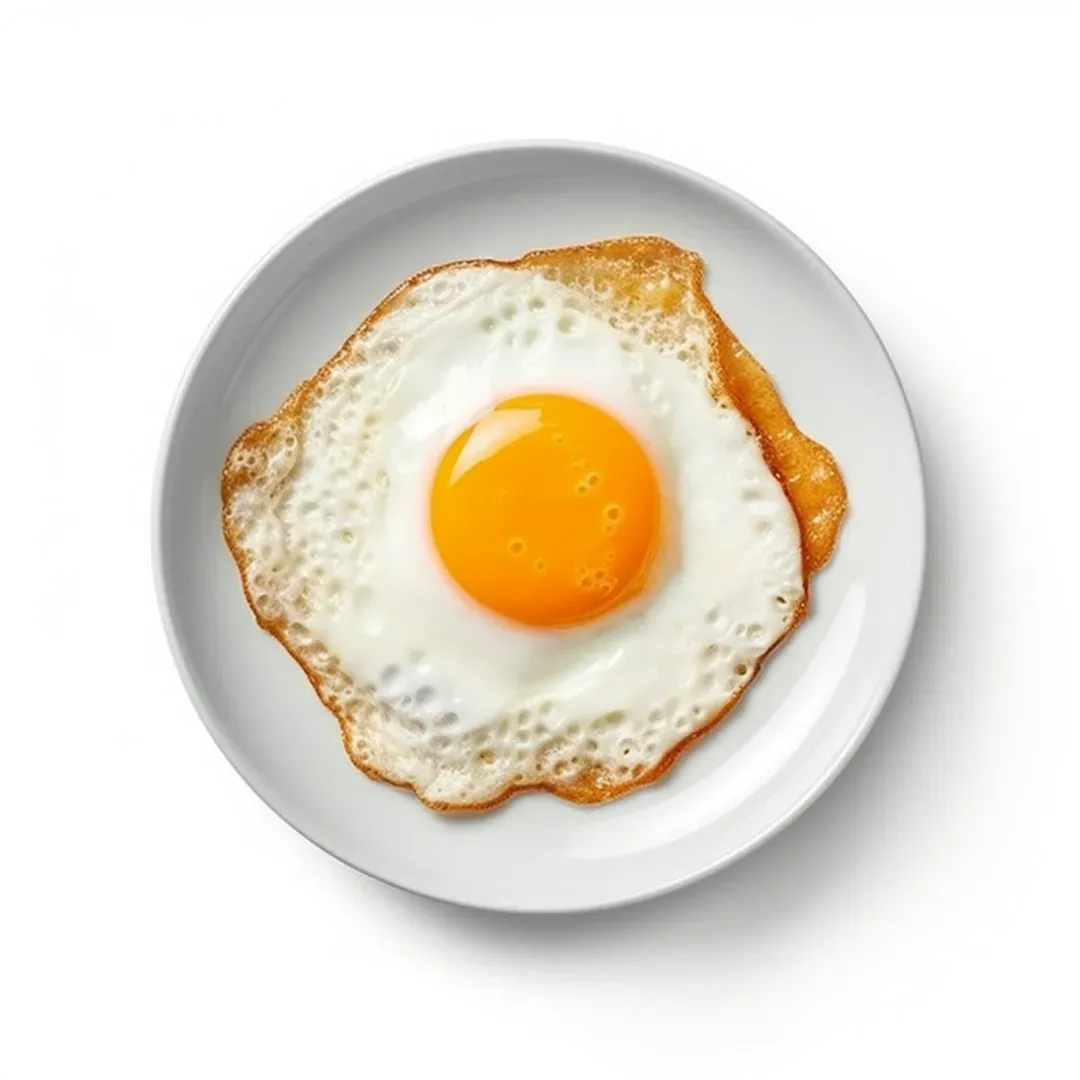
Eggs occupy a strange middle ground in cardiology. The debate rages on whether the cholesterol in eggs, specifically in egg yolks, can raise the risk of heart disease or not, and some studies have found eggs may actually help protect the heart, but cardiologists are still careful about eating them. Dr. Cheng doesn’t ban them, but she’s specific about quantity. She categorizes eggs as one of those foods to eat only every once in a while, recommending that a household of four eat no more than about a dozen eggs a week total.
Not every cardiologist draws the line in the same place. Freeman is more cautious than most, saying “I really don’t recommend eggs at all,” pointing to concerns about cholesterol content along with studies that have found egg consumption may increase the risk of diabetes. He’s even floated an alternative for people who can’t imagine breakfast without them. For people who absolutely can’t give up eggs, Freeman recommends trying a mung bean patty found in the freezer section of most grocery stores, which is yellow, has the same texture as an egg and is surprisingly good and decently high in protein.
Whole Grain Toast With Avocado, Not Butter
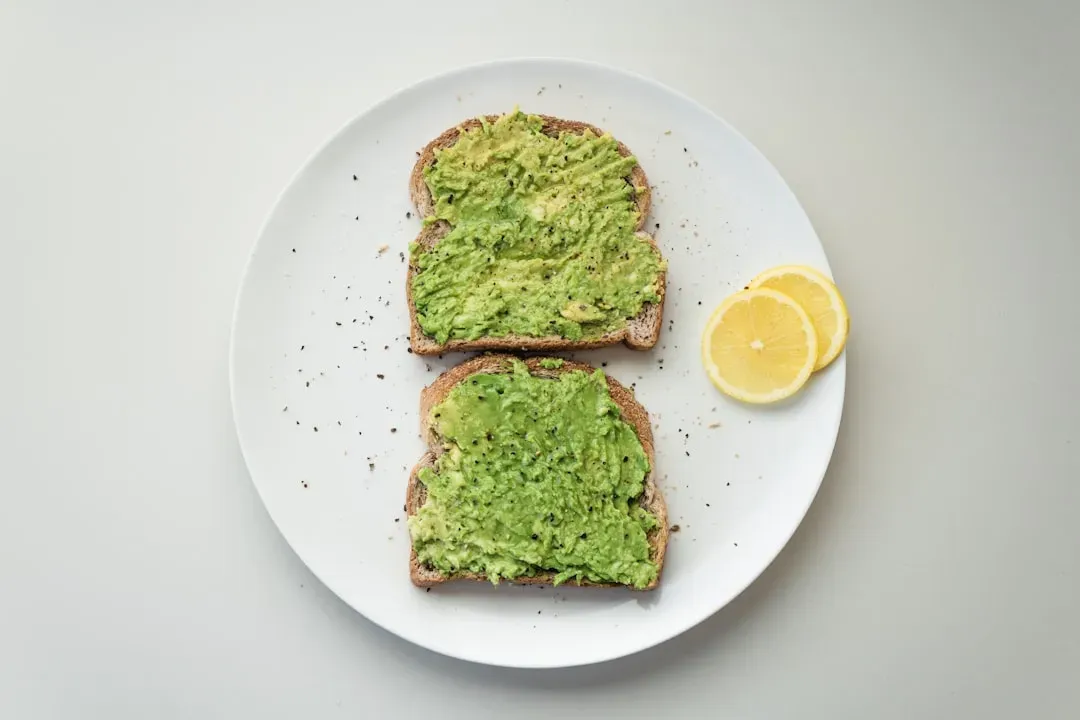
Toast survives the cardiologist test, but only in a specific form. Freeman’s version skips the usual spreads entirely. He recommends a slice of bread made entirely of whole grains and topped with a thin layer of avocado and some vegetables, like onions or pickles. The fat comes from a plant source rather than butter, which shifts the whole nutritional profile of the meal without sacrificing much satisfaction.
There’s a reasonable evidence base behind that choice, too. According to research, eating avocados can lower cholesterol, but since avocados are high in calories, it’s still best to practice moderation. Freeman argues the payoff is worth it regardless. “In just one little piece of toast, you have enough calories and sustenance to make it through until lunch and you feel good,” he says.
Greek Yogurt, Nuts, and Seeds Round Out the Plate
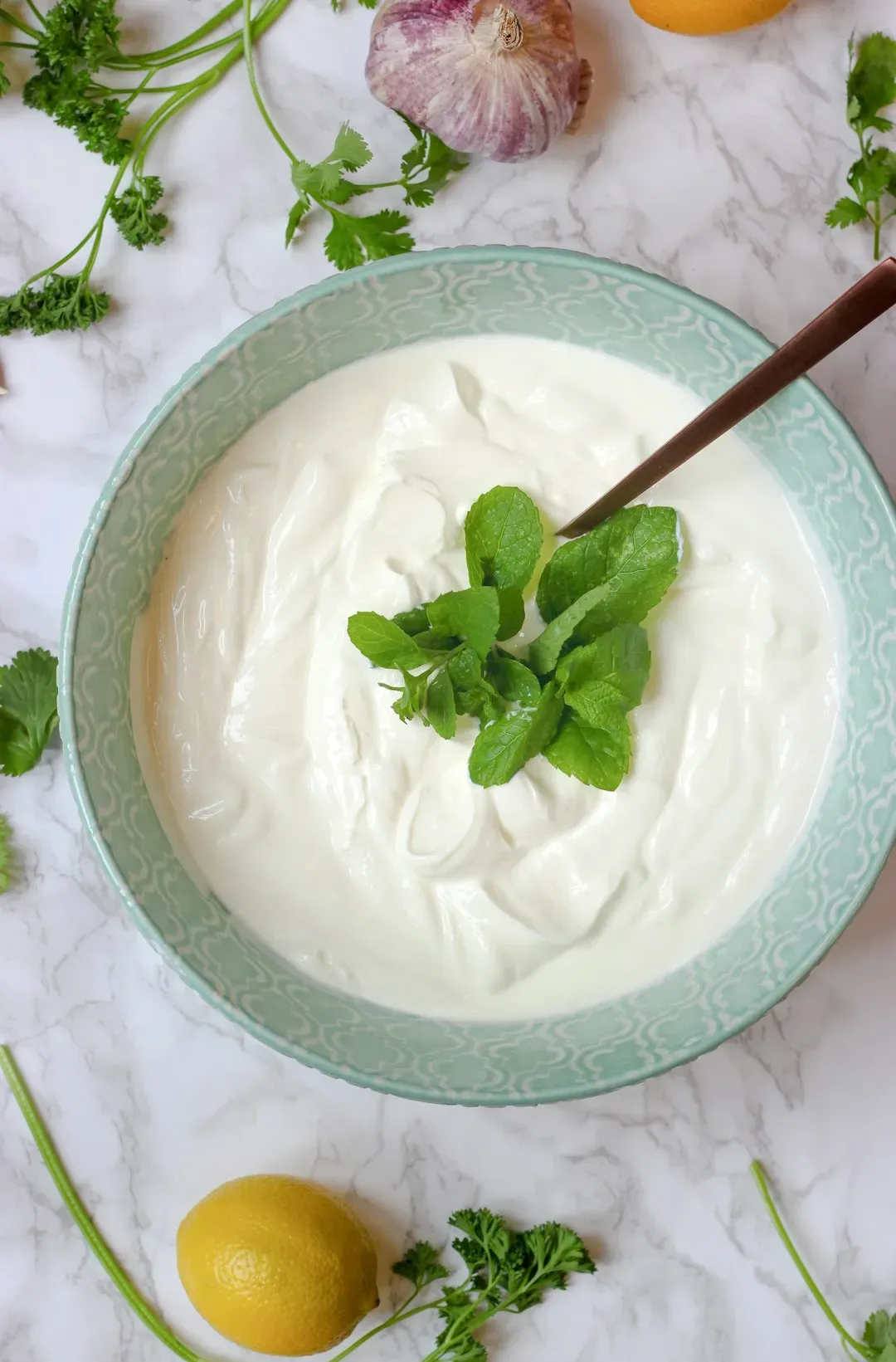
Protein and healthy fat matter just as much as fiber in these morning routines, and yogurt paired with nuts or seeds is a recurring way cardiologists fill that gap. Dr. Sondergaard, one of several cardiologists interviewed by Parade, points to soluble fiber and plant-based omega-3 sources as a combination worth repeating. Dr. Sondergaard says soluble fiber (oats, berries and smart seeds) helps stabilize blood sugar, reduce cravings (and overeating) and lower cholesterol.
The reasoning extends to protein choices as well. He suggests thinking Greek yogurt, eggs, nuts and seeds, rather than bacon and sausage, noting that protein keeps you feeling satiated and works together with fiber to stabilize blood sugar, ensuring a smooth, consistent energy flow without taxing your arteries. Chia seeds and walnuts get singled out here for a specific reason. Chia seeds and walnuts are plant-based sources of alpha-linolenic acid (ALA), a type of omega-3 fatty acid that can help reduce inflammation, lower triglycerides.
Bacon Is the Food Cardiologists Struggle With Most
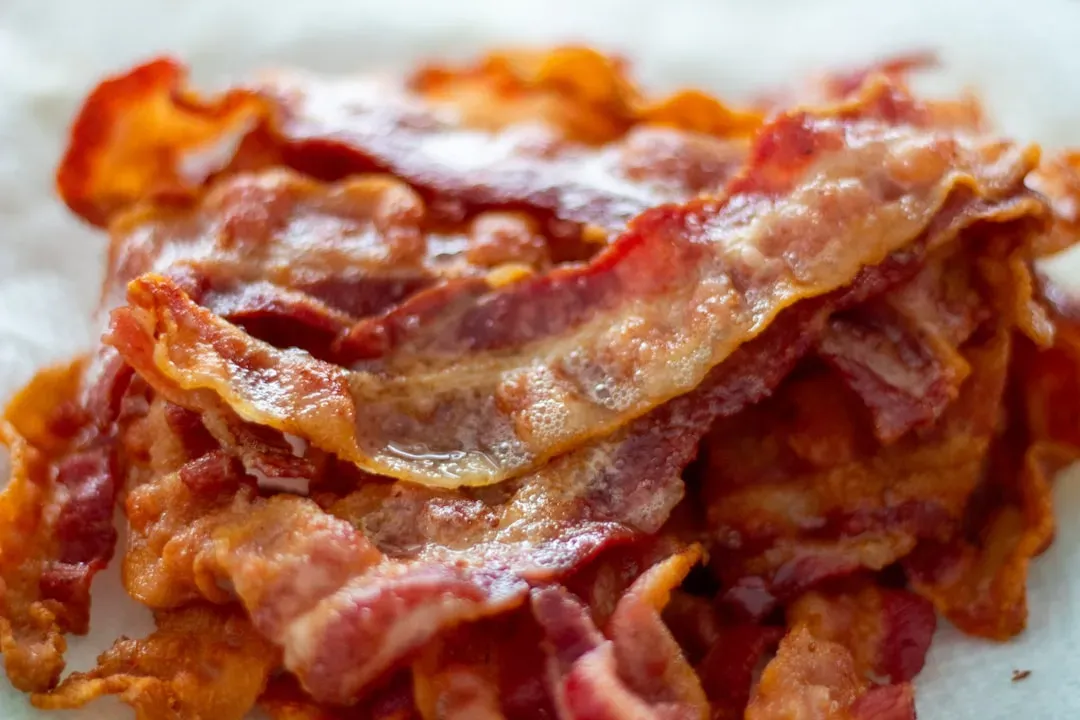
If there’s one food that comes up over and over as the thing cardiologists genuinely try to avoid, it’s bacon. Dr. Freeman doesn’t hedge on this one. “The No. 1 thing that I would avoid is bacon,” Freeman says, noting it is loaded with salt and a variety of other additives, and that in addition to being a processed red meat and the cancer risk, there’s also obviously heart disease risk with it.
Interestingly, not every cardiologist treats it as an absolute rule. Cheng allows a little more flexibility, largely for reasons that have nothing to do with cholesterol numbers. Cheng tells patients bacon is OK as long as they only eat it every once in a while, noting that it almost pains her to say that as a cardiologist, but she considers bacon one of those foods that bring people together around the table and therefore provide psychosocial and mental health benefits. Other doctors are less forgiving. Dr. Elizabeth Klodas, a cardiologist based in Minneapolis, avoids breakfast sausages entirely, explaining that these are high in sodium (promoting higher blood pressure) and a rich source of saturated fats, which raise cholesterol readings.
Pastries, Muffins, and Sugary Cereal Rarely Make the Cut
The bakery case and the cereal aisle both get flagged for similar reasons. Cardiologists caution against eating pastries, bakery muffins, danishes, donuts and croissants, because they are high in fat, sugar and refined carbs. Store-bought muffins in particular get called out for their size as much as their ingredients. A “gigantic” muffin from a warehouse club might contain 600 calories, Freeman notes, recommending people find a healthy muffin recipe and bake their own with 100% whole grains and without refined sugars.
Sugary cereal and grab-and-go bars fall into the same category, mostly because of how quickly people reach for them under time pressure. Dr. Andrew Freeman notes that many people are in an incredible time crunch in the morning and usually reach for comfort foods like toaster pastries, processed breakfast cereals and bars that have as much sugar as some of the candy bars out there. One cardiologist went further, warning that a common sugary cereal ritual has been linked in his own patients to insulin resistance, chronic fatigue, and cardiovascular complications over time, urging steel cut oats with berries as the swap instead.
White Bread and Other Refined Carbs Get Quietly Skipped
Refined grains draw consistent criticism, even when they don’t look obviously unhealthy. Dr. Tarak Rambhatla, a clinical cardiologist at Baptist Health Miami Cardiac & Vascular Institute, points to a whole category rather than a single item. “It’s very important to try to avoid the refined ultra-processed carbs, such as your white breads, your pastries, all that yummy stuff that comes in a box,” Dr. Rambhatla notes.
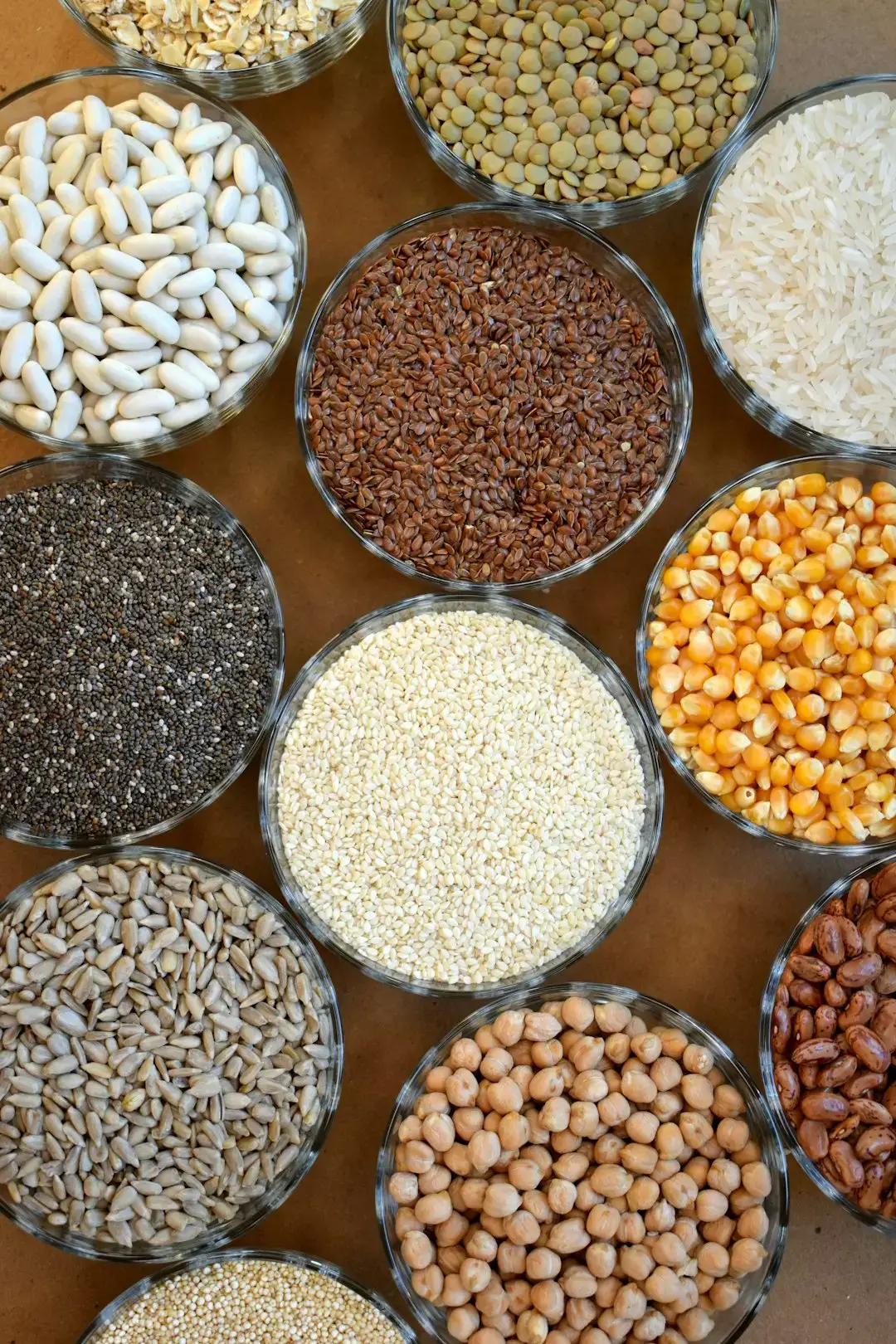
The mechanism behind that advice is fairly straightforward. These foods tend to spike blood sugar quickly and provide little nutritional value, which can lead to energy crashes, increased hunger, and long-term metabolic issues. His suggested fix leans on the same grains cardiologists already favor at breakfast. He advises choosing whole grains like brown rice, quinoa, oats, and whole-grain bread, which provide fiber, help stabilize blood sugar, and support overall heart health.
Fried Breakfast Foods Are Treated as an Occasional Exception, Not a Habit
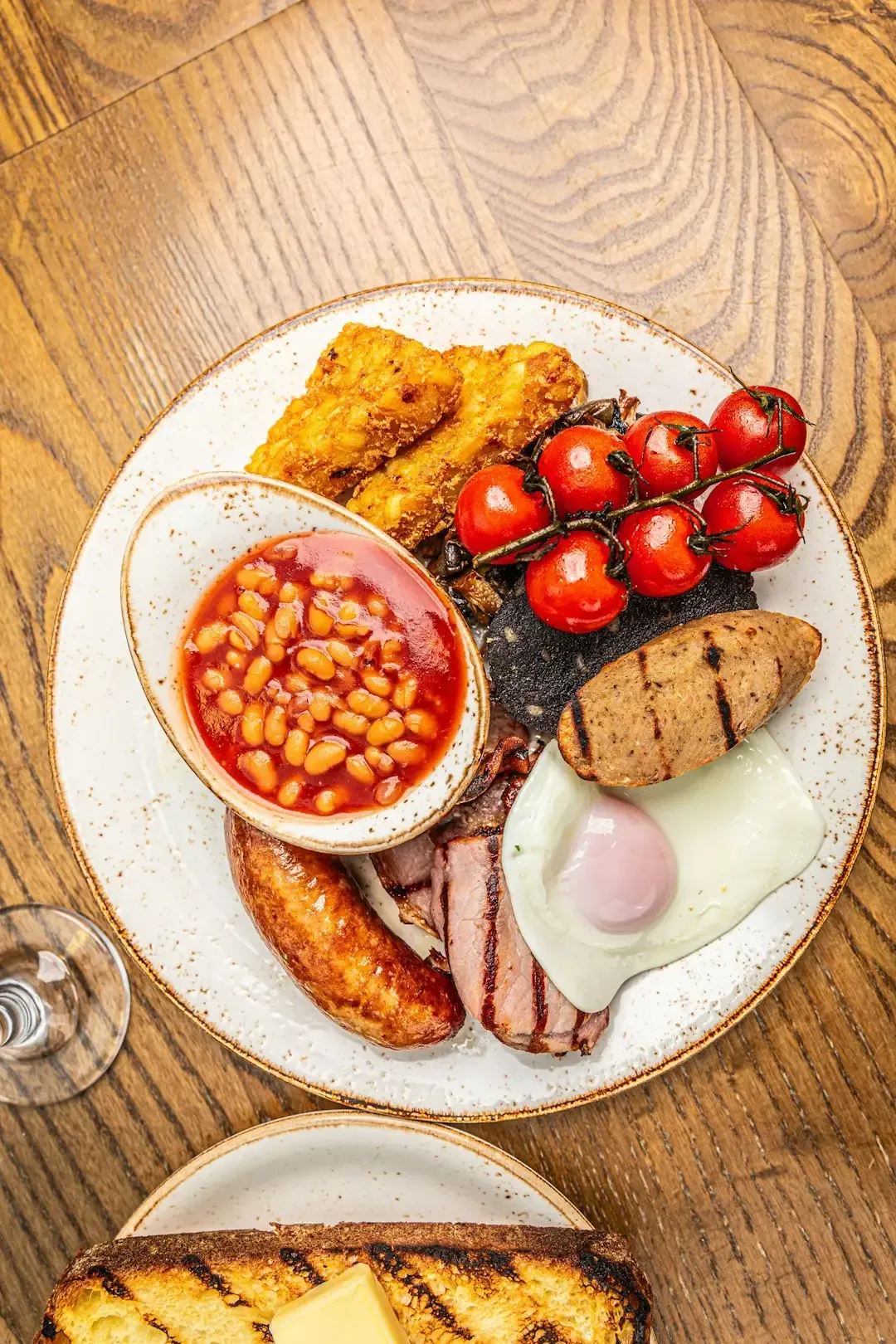
Deep-fried breakfast items rarely make it into a cardiologist’s regular rotation, and the reasoning goes beyond calories. Deep-fried foods are cooked in industrial seed oils that oxidize at high temperatures, forming potentially toxic byproducts that embed in artery walls, promote plaque buildup, and raise the risk of hypertension, stroke, and heart attacks. That’s a fairly blunt assessment, and it applies just as much to a fast breakfast sandwich as it does to a plate of hash browns.
None of this means an occasional indulgence ruins anything. Most cardiologists interviewed across various outlets emphasize the same point: consistency matters more than perfection. As Dr. Rambhatla puts it, “We’re allowed one or two cheat meals a week,” an approach that aligns with a Mediterranean-style diet centered on whole foods, healthy fats, lean proteins, and plenty of fruits and vegetables. The goal, in other words, isn’t a perfect breakfast every single day. It’s a pattern that, most mornings, leans toward oats over pastries and fruit over syrup, repeated often enough that it actually adds up.


Leave a Reply