
The word “all-inclusive” means something different at every resort
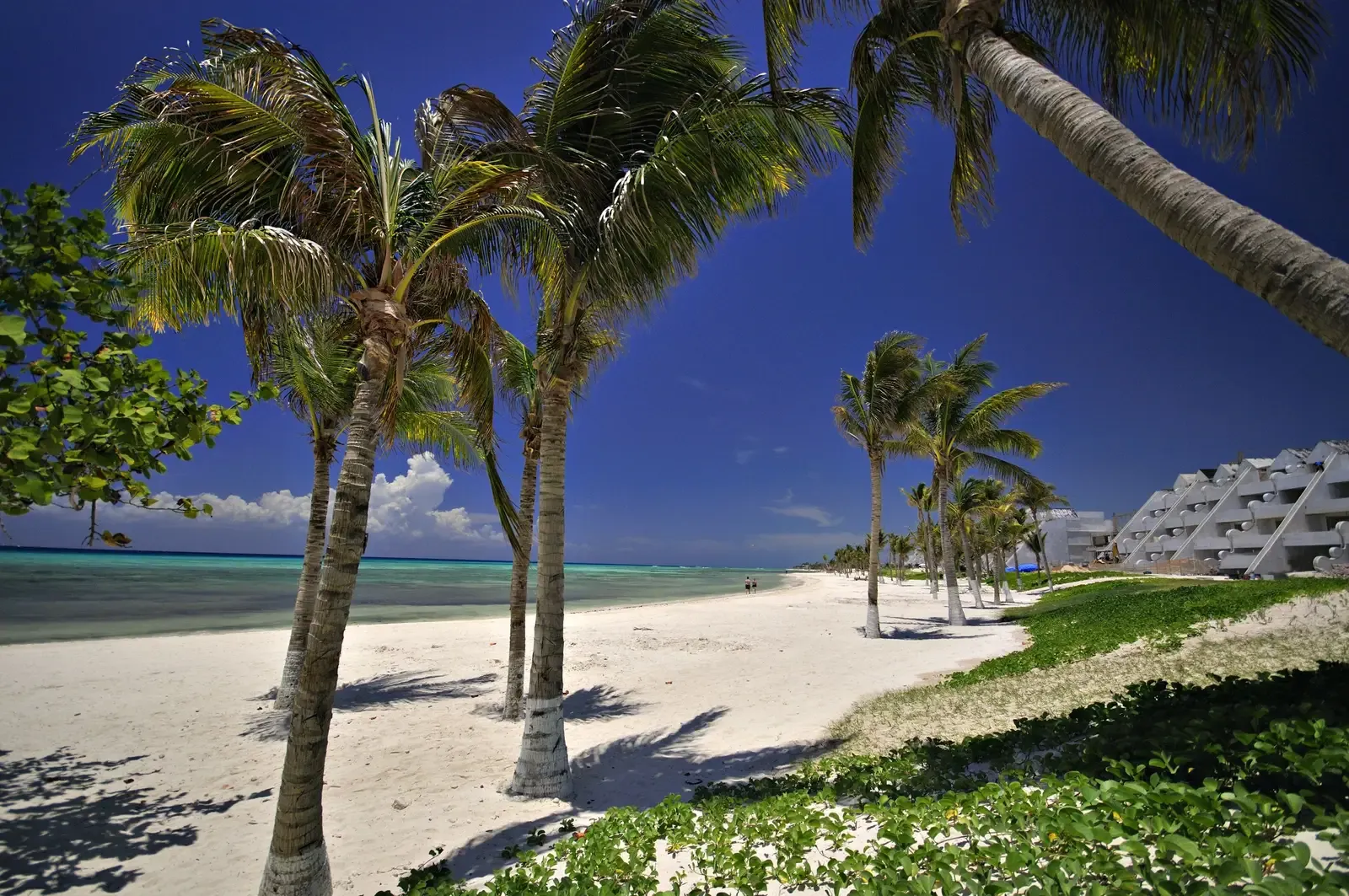
There’s no industry standard defining what “all-inclusive” actually covers, which means two resorts marketing themselves identically can deliver wildly different experiences. A stay at Grand Oasis Cancun, where rates dip below $120 per night, includes house-brand rum and a 14-restaurant rotation with long lines, while an all-inclusive at Grand Velas Riviera Maya, where rates start at $724 per night, includes premium spirits, upscale dining, and other high-end perks.
The reality is that “all-inclusive” varies dramatically between resorts. Travel agents rarely dwell on this because comparing two properties line by line takes time, and most clients just want a quick recommendation. The gap between budget and luxury tiers is exactly where hidden costs tend to hide.
Resort fees can still sneak past new pricing rules

Regulation has tightened somewhat. As of May 12, 2025, the FTC banned hotels from hiding mandatory fees in fine print, so resort fees must now show up in advertised prices. That’s a real improvement for anyone who’s been burned before.
Still, the protection has limits. This rule only covers mandatory fees, so optional upgrades and add-on services can still catch you off guard. Resort fees themselves haven’t disappeared either. According to hospitality service software provider Cvent, resort fees are charged by resorts, casinos and other hotels on a nightly basis, typically on a per room basis, and may be disguised as “destination fees,” “facility fees” or “amenity fees,” covering services like shuttle rides, parking, concierge and internet access, mandatory nonetheless.
Premium alcohol rarely comes free

The open bar is one of the biggest selling points of an all-inclusive stay, but “open” often has an asterisk attached. A resort may include premium alcoholic beverages or only local spirits and beer and charge guests who order other beverages. That distinction matters a lot if you were picturing top-shelf tequila by the pool.
The price gap for stepping outside the included list is real money. Premium and top-shelf brands like Grey Goose or Patron cost eight to fifteen dollars extra per drink at most mid-range resorts, though some luxury properties include all brands at no extra charge. Some properties also cap how many drinks you get per day before charges kick in, which is easy to miss until you’re at the bar on day four.
Specialty dining and themed nights carry separate price tags

Buffets and a rotation of casual restaurants are usually part of the base package, but the nicer venues on property often aren’t. Premier restaurants with the best food may cost extra, and the same goes for any “special event” or themed meals, since a buffet may be included while anything table-service could cost extra. It’s an easy detail to overlook when you’re scanning glossy resort brochures full of candlelit dinner photos.
Romantic setups add another layer of cost most people don’t budget for. Romantic dinners on the beach or themed gala nights often require separate reservations and fees. Specialty restaurants can also be capped, so even if you’re willing to pay, availability might be the real obstacle.
Excursions and off-site adventures are almost never covered

If leaving the resort grounds is part of your travel style, plan on paying separately for nearly everything you do beyond the gate. If an activity is off the resort, you can generally assume it’s not included, since ziplining, sightseeing tours, and museums will all cost you for transportation, a guide, and any activity that has a price, so anyone who wants to explore off-resort should plan ahead for those extra costs.
This is by design more than oversight. The all-inclusive model quietly discourages you from leaving the property, and adventure seekers who crave spontaneity, local guides, and off-the-beaten-path experiences will likely find the resort bubble frustrating. Booking excursions independently in advance sometimes helps control costs, but it’s rarely mentioned as an option at the point of sale.
Spa treatments look complimentary but usually aren’t

Wellness amenities are often photographed prominently in marketing materials, which makes it easy to assume they’re baked into the price. In most cases they aren’t. Spa and wellness treatments often come with a hefty price tag, and while some resorts offer complimentary access to basic facilities like saunas and steam rooms, massages, facials, and other treatments are typically charged separately.
The numbers add up quickly for anyone planning a spa day as part of their relaxation. Spa services always come with additional costs at all-inclusive resorts, with basic massages starting around $100 and reaching up to $300 for specialty treatments, and spa access fees might apply even if you don’t get treatments. That’s a significant line item for something many travelers assumed was part of the deal.
Tipping expectations don’t disappear, even when gratuities are “included”

The idea that all-inclusive means no tipping is one of the more persistent myths in travel. It’s only partly true. Though some resorts include gratuities in the package price, leaving additional tips for exceptional service is customary, and not all resorts include top-shelf liquor or imported bottled water.
Even brands built around a no-tipping reputation aren’t entirely consistent on this. Sandals and Beaches are famous for their no-tipping policies, but according to Excellence Resorts, gratuity is usually allowed and often considered standard etiquette at most all-inclusive resorts, even those where tips are included in the price of the package. A week’s worth of small tips for bartenders, housekeepers, and porters can quietly add up to a meaningful sum by checkout.
Airport transfers and flights are often a separate purchase

It’s easy to assume that if the resort takes care of everything once you arrive, it must have arranged your arrival too. That’s not a safe bet. While some all-inclusive vacation packages do include roundtrip airfare and roundtrip airport transportation and typically make this clear upfront, others do not.
Budgeting for this piece matters because it’s rarely small. Airfare is often the biggest variable in total trip cost, with flights from the US to Caribbean destinations running $200 to $600 per person depending on origin city, season, and how far ahead you book. A travel agent focused on the resort rate alone might not flag this until you’re deep into planning.
The real weekly cost tends to run well past the sticker price

Once you tally tips, one or two excursions, a specialty dinner, and a few premium drinks, the “all-inclusive” total starts looking a lot less final. Even at an “all-inclusive,” travelers should plan for $500 to $1,200 in extras per week: tips of $100 to $200, one or two excursions at $200 to $400, premium drinks or spa treatments at $100 to $300, and airport transfers at $60 to $120.
That gap shows up in aggregate spending too, not just anecdotes. A mid-range all-inclusive resort costs around $500 per night for a family of four in 2026, but hidden fees and extras typically add $1,000 to $2,000 to a 7-night stay. Layer taxes on top of that, since most Caribbean destinations add 10 to 20 percent in government taxes, resort fees, or service charges on top of the advertised rate, so it’s worth asking the resort for the total after-tax price rather than just the nightly rate.
Some resort tiers are more transparent than others
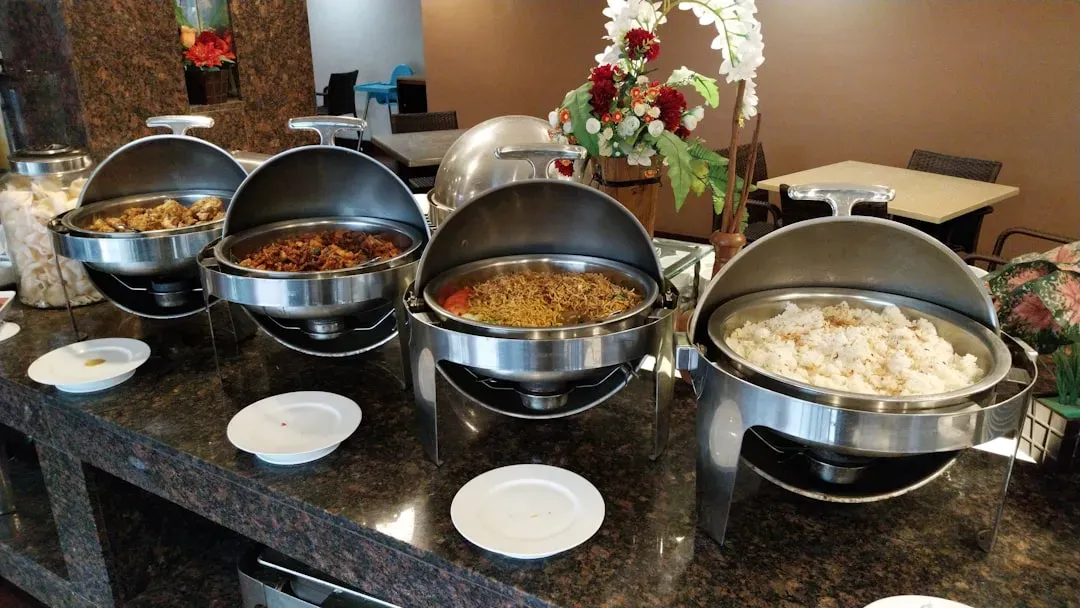
Not every property plays the same game, and it’s worth acknowledging that some higher-end chains have built their reputation on straightforward pricing and quality. Some luxury properties are exceptions, with brands like Excellence, Atelier, and Secrets Maroma consistently getting praised for their food.
That reputation doesn’t automatically extend down the price ladder, though. At budget and mid-tier resorts, expect underwhelming meals, and travelers on Reddit’s r/AllInclusiveResorts regularly report that buffets, even at reputable chains, have gotten worse over time. Reading recent guest reviews before booking, rather than relying on brand reputation alone, tends to reveal more than any glossy brochure.
How to actually protect your budget before you book

The good news is that most of these surprises are avoidable with a bit of homework most travelers skip. Reading the actual contract to figure out what’s included and what costs extra, and looking for sections titled “Additional Fees” or “Exclusions,” goes a long way. Checking property-specific reviews rather than trusting a brand name blindly matters just as much.
It also helps to run the numbers before committing. Calculating your break-even point by estimating what you’d spend on hotels, meals, drinks, and activities separately, then comparing that honestly against the all-inclusive price, gives a clearer sense of real value. A good travel agent, when pressed with specific questions, can usually get you these answers, but it often takes asking directly rather than waiting for the pitch.
Final thoughts

All-inclusive resorts aren’t a trap, but they’re also not the worry-free math problem the marketing suggests. The value is real for travelers who eat and drink a lot and stay close to the property, and much shakier for anyone who wants to explore, indulge in spa days, or order top-shelf drinks without a second thought.
Reading the fine print before booking isn’t glamorous, but it’s the one habit that consistently separates a good all-inclusive experience from an expensive surprise at checkout.





Leave a Reply