
Most electric vehicles are quietly bleeding money the moment you drive them off the lot. We’re talking about a market where cars routinely lose more value in 24 months than most people spend on a family vacation. It’s a rough reality check for anyone who thought going electric was automatically a smart financial move.
Yet hidden inside this wave of mass depreciation, a handful of models are proving they can take a punch and stay standing. These aren’t cars chosen based on spec-sheet fantasies or wishful marketing. They’re backed by real data, growing infrastructure, and the kind of loyal demand that actually drives resale prices. Let’s dive in.
Why Most EVs Are Value Traps Right Now
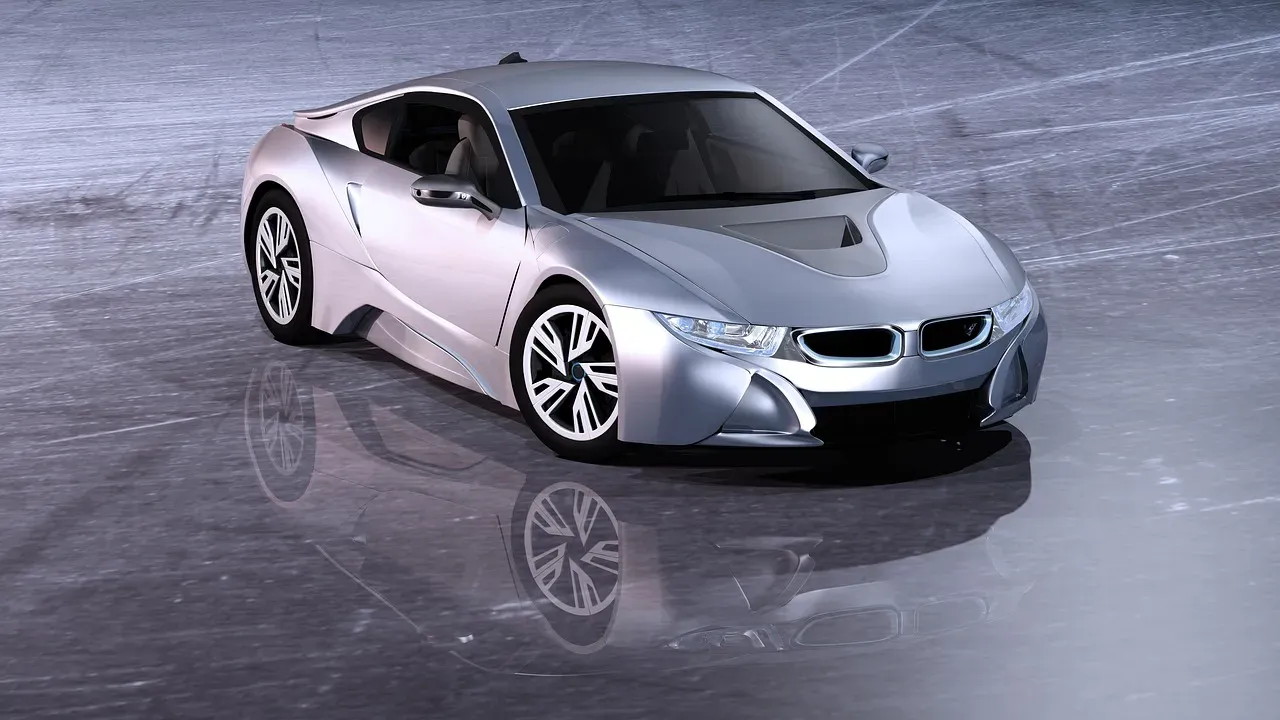
Here’s the thing most EV commercials won’t tell you. An iSeeCars analysis of 1.1 million vehicle sales found that, on average, EVs lose nearly half their value within five years, which is about ten percentage points more than the market average. That’s not a minor gap. That’s the difference between walking away with equity and walking away with almost nothing.
Industry analysis shows that popular EV models are experiencing between 35 and 55 percent value loss within just 24 months, compared to 15 to 25 percent for comparable gasoline vehicles. Think about that. You could buy a solid used EV today that was purchased brand new just two years ago and already find it selling for roughly half the original sticker price.
Rapid price cuts from Tesla and other automakers have instantly dragged down used values of the same models, the availability of tax credits on new EVs compresses what buyers will pay for used ones, and older EVs with shorter range or slower charging age faster than an equivalent gas car. It’s a brutal cycle. However, not all models are caught in it equally. Four of them are standing noticeably apart from the crowd.
Tesla Model 3: The Benchmark That Won’t Quit
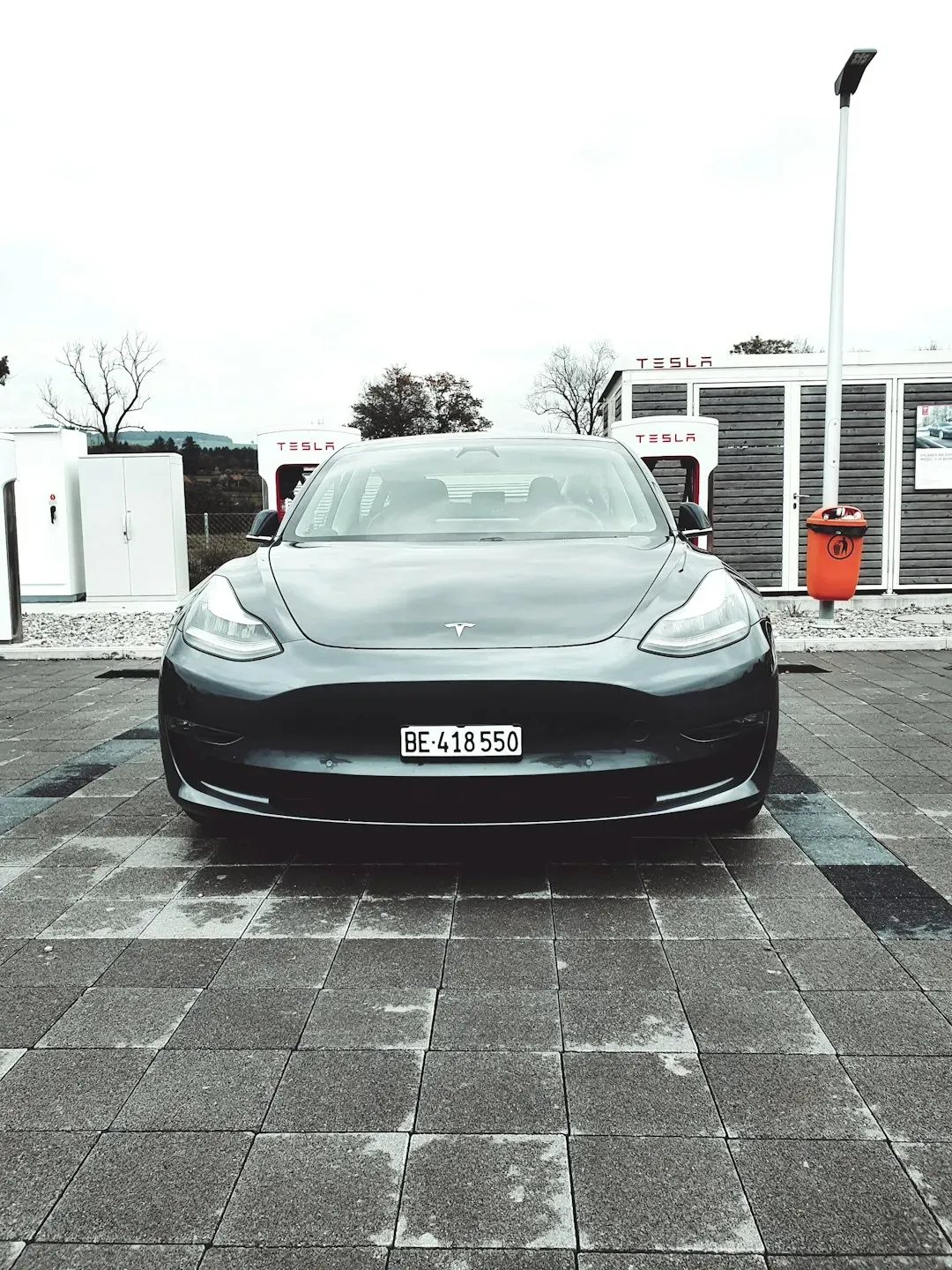
Tesla’s market share may have fallen in recent years, but over 45 percent of all EVs sold in the United States in 2025 were still Teslas. That is a staggering level of market dominance, and it matters enormously for resale. When your car is the default choice for used EV buyers, demand stays high even when prices dip.
In the iSeeCars study, the Tesla Model 3 stands as the lowest-depreciating EV in the entire analysis. That’s not an accident. The cult following of Tesla results in lower depreciation rates for the Model 3 and Model Y, which are only slightly higher than for internal combustion engine vehicles. For the EV segment, “only slightly worse than a gas car” is practically a gold medal.
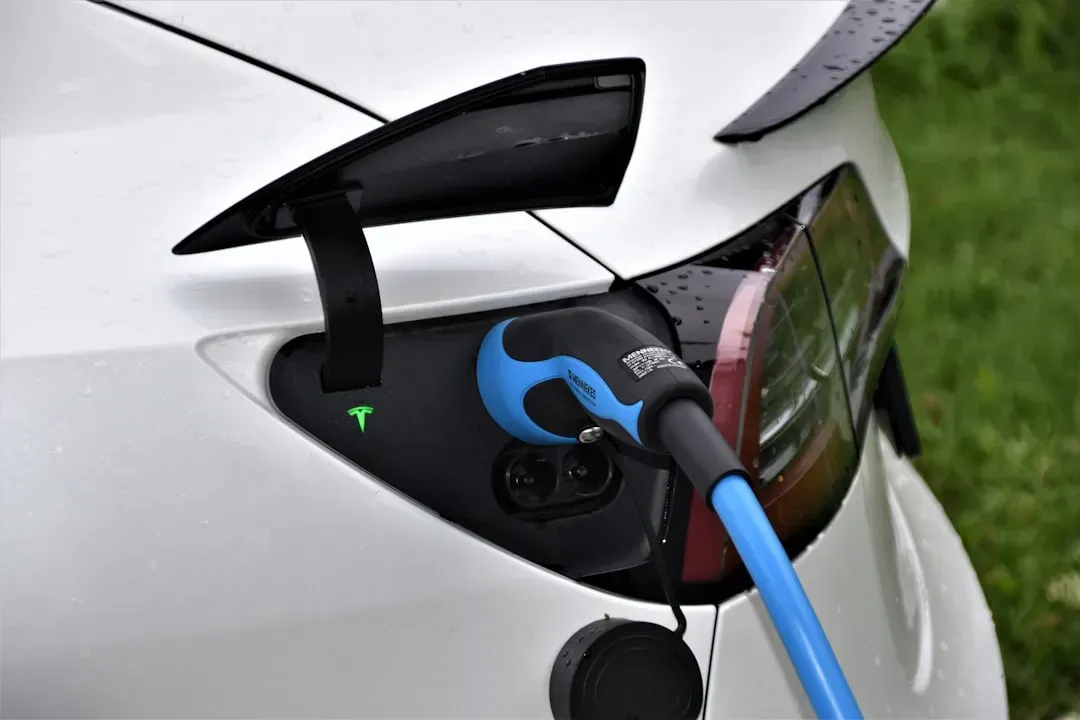
Tesla’s Supercharger network, with over 60,000 chargers globally as of May 2025, gives the Model 3 a distinct edge in the used market. Buyers aren’t just buying a car, they’re buying into an established charging ecosystem. That practical advantage keeps the Model 3 relevant year after year, and relevance is what protects resale value more than almost anything else.
Tesla Model Y: The World’s Best-Seller Has a Case to Make
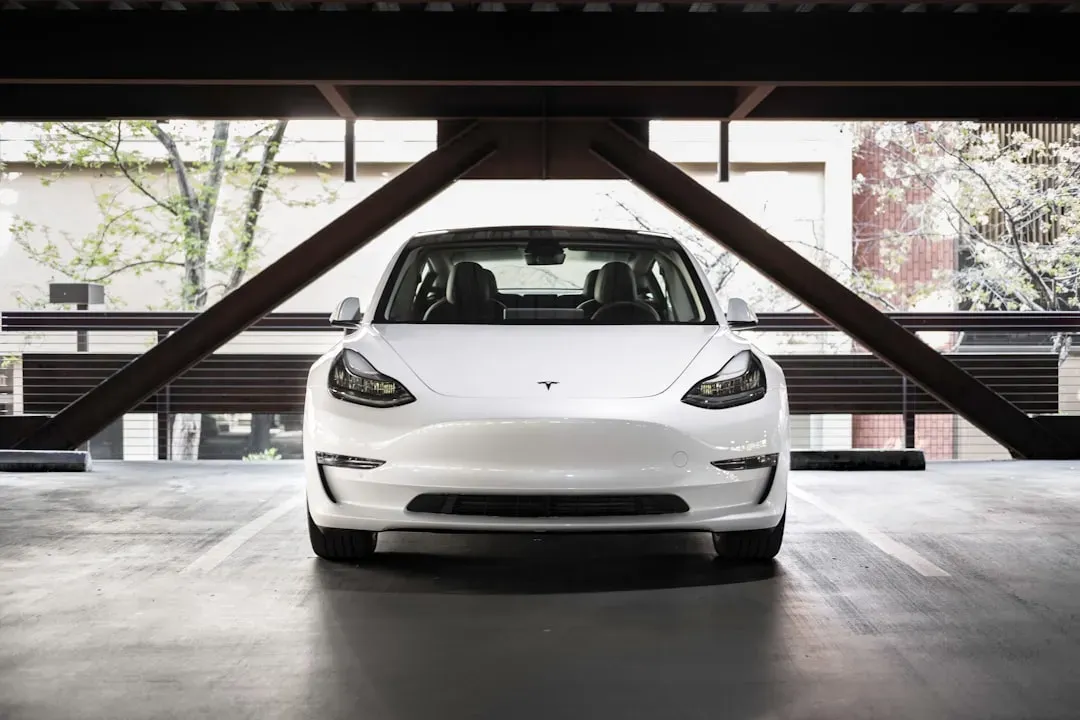
Here’s a surprising comparison: think of the Model Y like the Toyota Corolla of the 2020s. It’s everywhere, it’s reliable enough for daily life, and its sheer volume of production and sales creates a self-sustaining resale market. The Model Y is the most popular Tesla and the world’s best-selling EV, and it even became the world’s best-selling car overall in 2024, surpassing the evergreen Toyota Corolla and the RAV4.
Among EVs, Teslas, and especially the Model Y, tend to hold value better than most competitors, thanks to brand recognition, software support, and charging access. This is the trifecta that matters over a decade-long ownership window. Software updates keep the car feeling current. The Supercharger network keeps it practical. The brand keeps it desirable.
Honestly, the Model Y’s long-term value case isn’t flawless. If the Model Y remains the default EV crossover, it will hold up well, but if Tesla floods the market with aggressive discounts or a dramatically better successor at a similar price, older models will reprice downward faster. Still, compared to the rest of the EV market, it sits in a class above most. Studies from 2024 to 2025 show that Tesla models, especially the Model 3 and Model Y, now sit near the top of the EV class for five-year retained value.
Rivian R1T: The Electric Truck That Actually Holds Its Ground
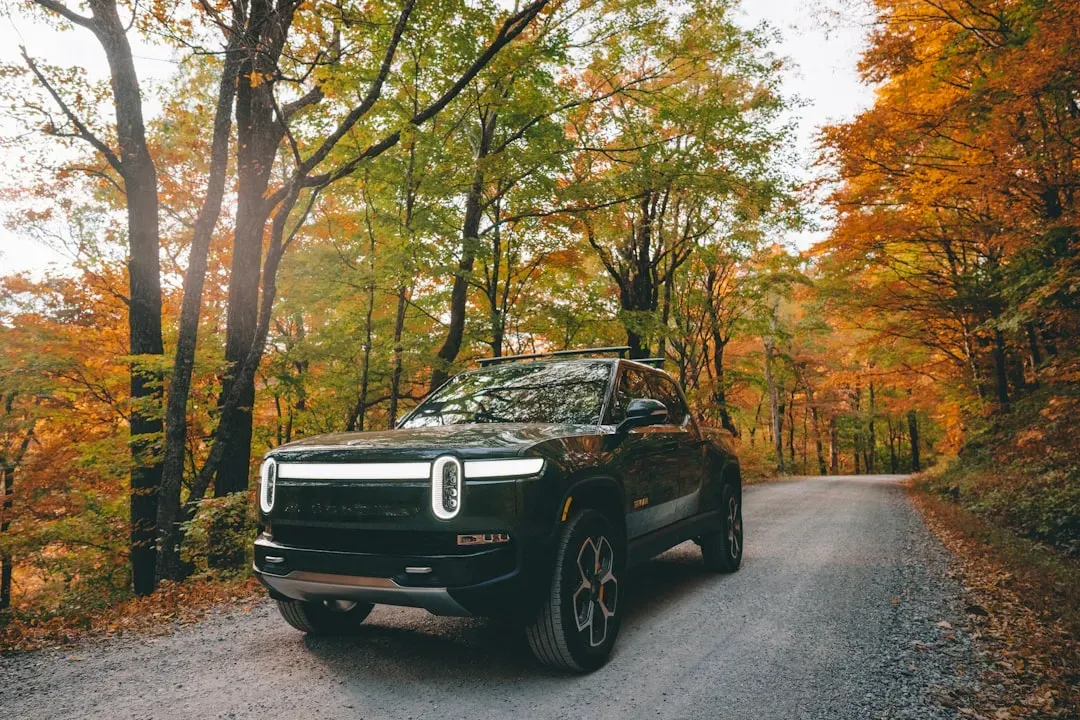
Trucks are a different animal in the resale world. They carry utility value that sedans and crossovers simply don’t have, and the R1T is banking on exactly that advantage. The Rivian R1T retains 68 percent of its value after three years, according to Edmunds 2025 data, and its rugged design, impressive off-road capabilities with 14 inches of ground clearance, and 400-mile range make it a favorite in the growing electric truck segment.
Rivian backs the R1T with a remarkable 10-year, 175,000-mile battery warranty, one of the most generous in the industry. That warranty isn’t just a number on a brochure. It directly removes the single biggest fear that used EV buyers have: an expensive, unexpected battery replacement. These guarantees reduce buyer risk, directly boosting resale value in the secondhand market.
Rivian’s focus on adventure appeals to a niche but growing segment of outdoor enthusiasts, and niche loyalty is actually a powerful long-term resale protector. When a dedicated community of buyers specifically seeks out your vehicle, the floor on your resale price stays higher than the broader market. It’s hard to say for sure whether Rivian’s business trajectory will remain stable over a full decade, but the R1T’s core value proposition, a capable, warrantied electric truck, is genuinely hard to replicate cheaply.
Hyundai Ioniq 5: Technology Leadership That Buyers Keep Paying For
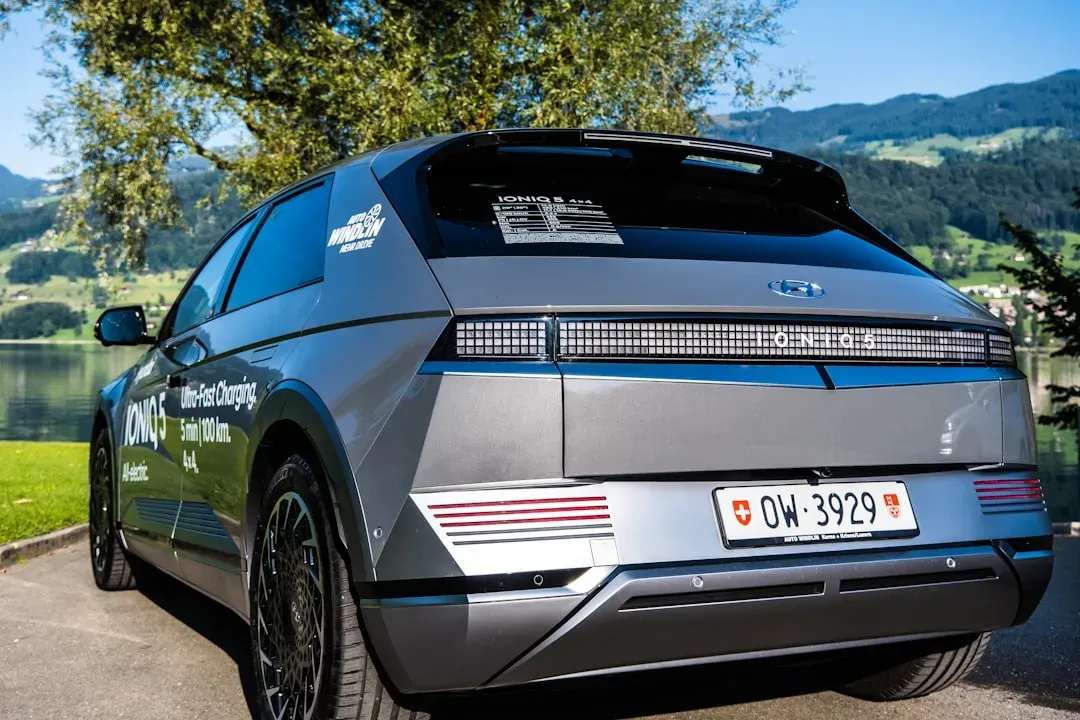
The Ioniq 5 brings something to the table that most buyers don’t fully appreciate until they start comparing charging speeds. The Hyundai Ioniq 5 holds 65 percent of its value after three years, and its competitive pricing, sleek design, and 350 kW DC fast-charging capability make it a strong resale performer. That ultra-rapid charging isn’t just a convenience feature, it’s a technological moat that keeps the car from feeling obsolete faster than its rivals.
The Ioniq 5 stands out with the shortest home charging time of only 6.3 hours and better overall reviews compared to many rivals in its class. It also benefits from Hyundai’s industry-leading battery commitment. Hyundai provides a lifetime battery warranty for the original owner on 2025 models, which is genuinely extraordinary and directly supports confidence in the used market.
The Ioniq 5 isn’t immune to market forces. For the 2026 model year, Hyundai slashed Ioniq 5 MSRPs by roughly $7,600 to $9,800 across trims, dropping the entry price into the mid-$30,000s. That kind of price cut pressures older used models. However, the 800-volt charging architecture, the brand reliability reputation, and the lifetime battery warranty create a long-term ownership argument that very few competitors can match dollar for dollar.
What Separates These Four From the Rest of the Pack
Let’s be real: most EV buyers simply don’t think about resale value until it’s too late. The cars that hold value over the next decade will share a few key structural advantages. Models with a higher driving range retain their value better, and buyers are genuinely willing to pay more for the added convenience. Long range is basically an insurance policy against depreciation.
Research from Recurrent shows EV batteries deteriorate just one to two percent annually, with only one percent of cars built after 2016 needing replacements, versus 13 percent for older EVs. Battery durability is improving fast, and the four models above come backed by some of the strongest warranty coverage in the industry. EVs have historically depreciated faster, but that is changing. As demand for used electric cars grows and battery technology improves, more models are holding their value better.
The common thread running through the Tesla Model 3, Tesla Model Y, Rivian R1T, and Hyundai Ioniq 5 is simple: each one offers something that buyers will still want in 2035. A dominant charging network. Class-leading truck utility. Cutting-edge charging speed. A cult-level brand. Certain models, particularly those with strong brand recognition, desirable features, and good range, tend to hold their value better than others. These four tick every one of those boxes.
Conclusion: Not Every EV Is a Money Pit, But You Have to Choose Carefully
The EV depreciation crisis is very real. A 2025 study by iSeeCars showed that EVs lose 58.8 percent of their value after five years, compared to just 40.7 percent for hybrids. Those are sobering numbers that most showroom conversations politely skip over.
Yet the four vehicles in this article consistently rise above the average. They benefit from real demand, proven technology, strong warranties, and the kind of ownership ecosystems that keep used buyers willing to pay a premium. Picking the wrong EV right now can feel like buying a smartphone just before the next big release. Picking one of these four is a smarter bet.
The used EV market is maturing fast. As used EVs leave behind the wild price volatility seen in the first part of the decade, they are entering a more stable and mature market. The window to own one of these four high-retention EVs at a reasonable price may actually be closing sooner than most people expect. What would you do, wait for the market to stabilize, or buy before the bargains disappear?





Leave a Reply