
There’s a particular kind of kitchen memory that lives somewhere between nostalgia and total mystery. The smell of a casserole bubbling in the oven. A bowl of something wobbly and pastel on the holiday table. Dishes that tasted like home but have since vanished from dinner menus, restaurant specials, and weekend cookbooks entirely.
The decade may have been known for excess, but at home, family meals were simpler, heavy on casseroles, quick mixes, and recipes every busy mom had on repeat. These weren’t gourmet creations with artisanal ingredients. They were practical, affordable dinners thrown together after long workdays, stretching budgets without sacrificing flavor. These are the dishes nobody posts about on Instagram anymore. Some deserve a second look. Others are best left in the decade that made them.
Tuna Noodle Casserole: The Pyrex Dish That Fed Everyone
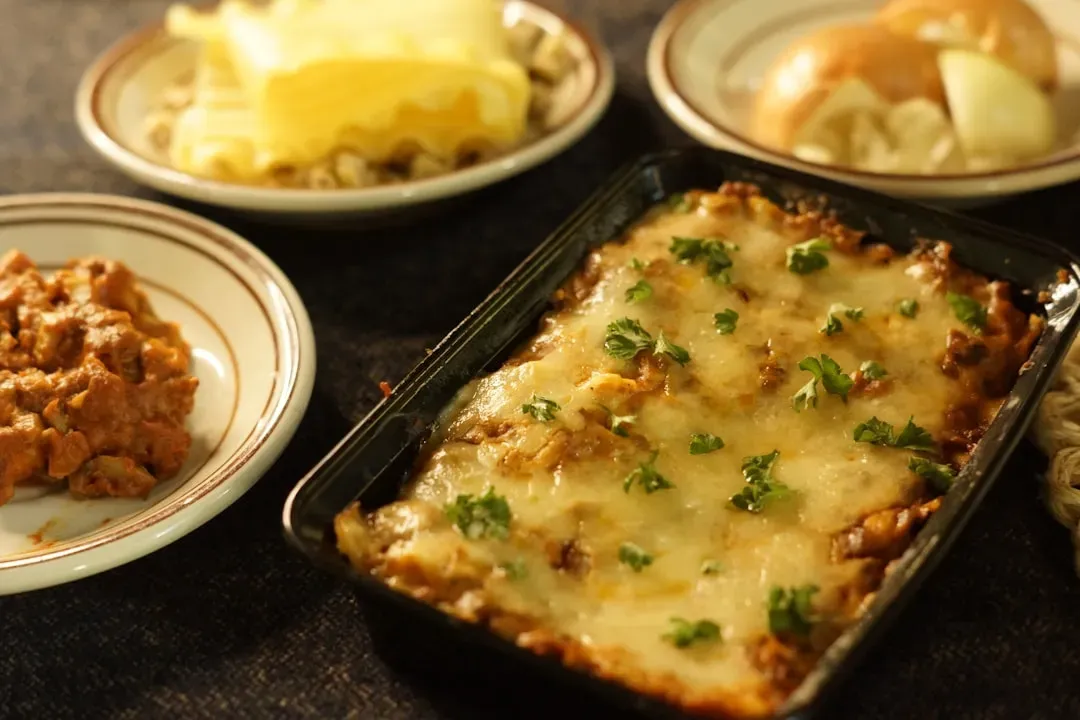
If your mom could open a can of tuna, a can of mushroom soup, and a bag of egg noodles, she could make dinner. Some families tossed in frozen peas, others topped it with crushed potato chips for that satisfying crunch. It was adaptable in the way only truly budget-driven recipes can be, absorbing whatever was in the pantry without complaint.
By the mid-1980s, tuna noodle casserole was featured in nearly every community cookbook, thanks to its low cost and reliance on pantry staples. A 1984 Campbell’s Soup Company sales report noted that over roughly three in five households used condensed cream soups in casseroles, with tuna noodle being one of the most common. Today, the dish has all but disappeared from modern dinner rotations, replaced by pasta bakes with fresh herbs and artisan cheese. The original still has its loyal defenders though.
Ground Beef Stroganoff: The Shortcut That Became a Classic
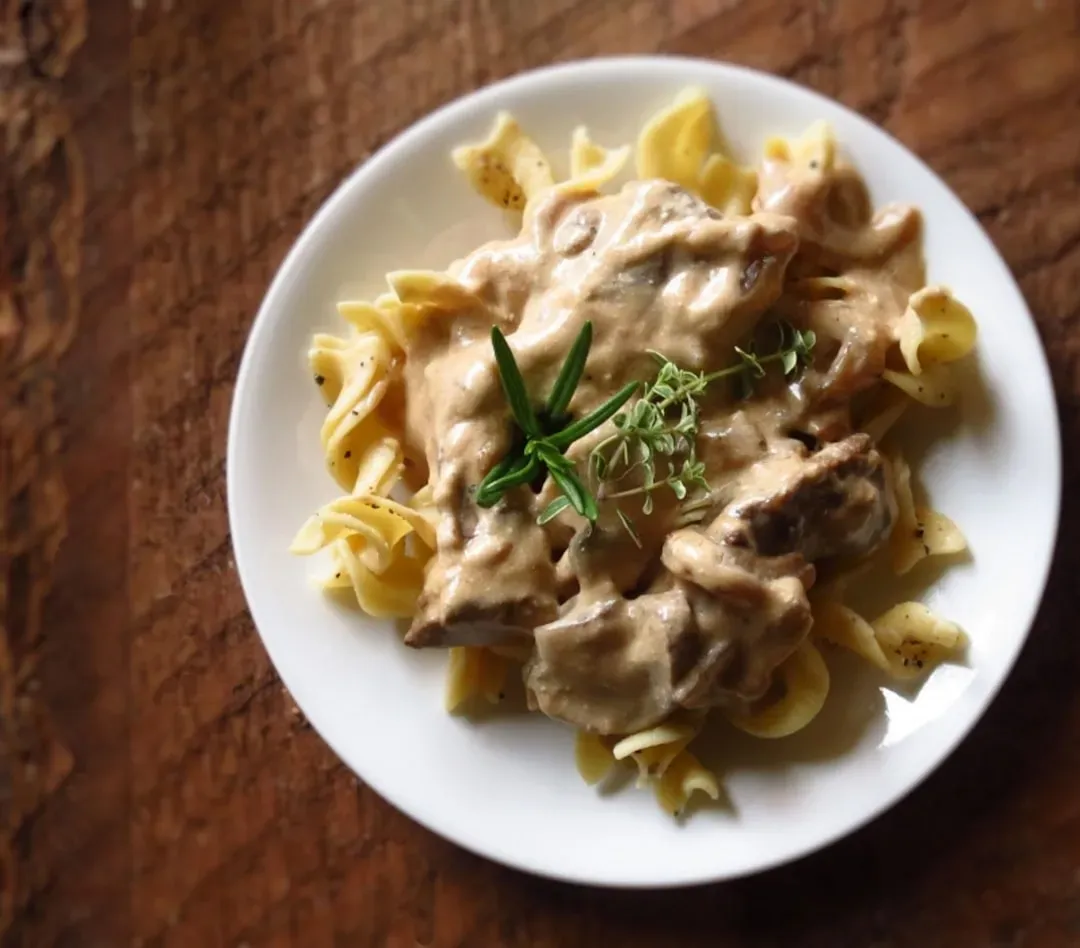
Stroganoff gained traction in the U.S. after Campbell’s began marketing cream of mushroom soup as the “secret ingredient” in the 1970s. By the 1980s, ground beef stroganoff was a standard family meal, offering a cheaper twist on the original Russian dish. Sour cream stirred in at the last minute gave it a tang that felt almost sophisticated for a Tuesday night.
Sure, some people demanded steak in their stroganoff, but middle-class moms knew the best shortcut: ground beef. It may have turned into a very unappetizing-looking slop by the time dinner was ready, but it sure tasted good. Hamburger Helper was the standard, but some moms made their own with canned cream of mushroom soup instead. That homemade version, ladled over egg noodles and served in wide pasta bowls, was its own kind of comfort.
Meatloaf with Ketchup Glaze: The Golden Retriever of Dinners
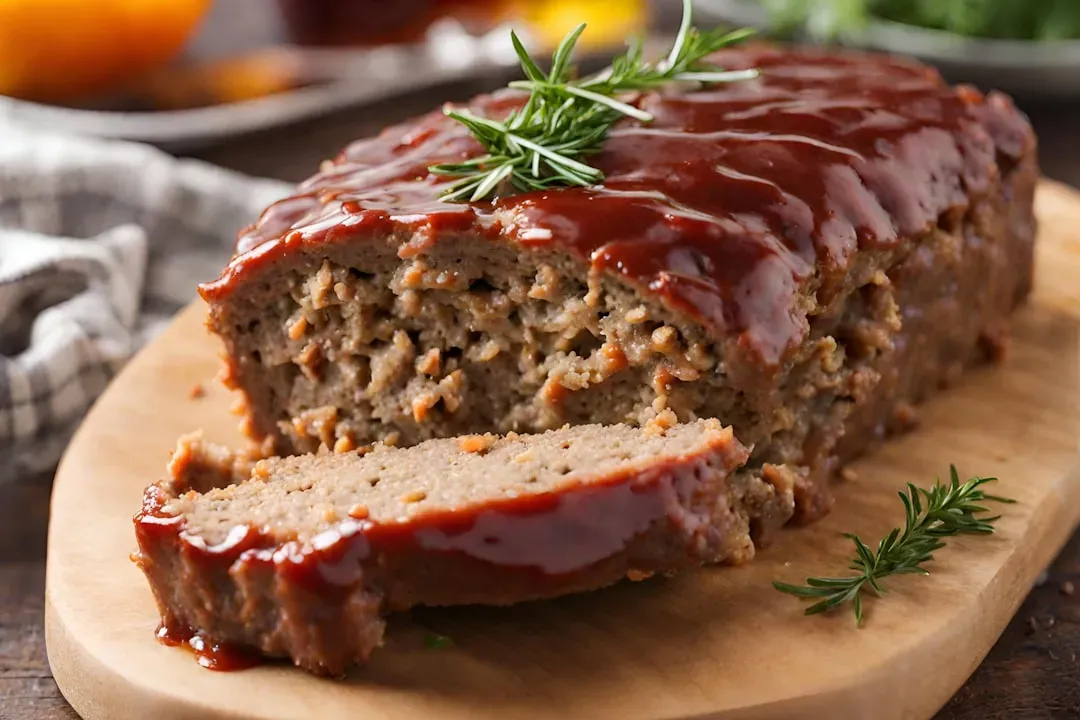
No dish screams “1980s family dinner” like meatloaf. It was humble, hearty, and endlessly customizable. Made from whatever ground meat was on sale, mixed with breadcrumbs, eggs, and often topped with a sweet ketchup glaze, meatloaf represented stability in uncertain times. Every family had its own ratio, its own secret tweak, its own version of the same basic loaf.
Meatloaf had been a staple for decades, but in the 1980s, the ketchup glaze became its signature. Kraft and Heinz heavily promoted recipes featuring ketchup, which helped cement the tangy topping as the standard. USDA consumption data shows beef remained the top U.S. protein throughout the decade, and meatloaf stretching beef with breadcrumbs and eggs was a thrifty way to make the most of it. Meatloaf still gets made in millions of homes today, but it no longer carries the quiet cultural weight it once did.
Chicken à la King: The Fancy One That Quietly Disappeared
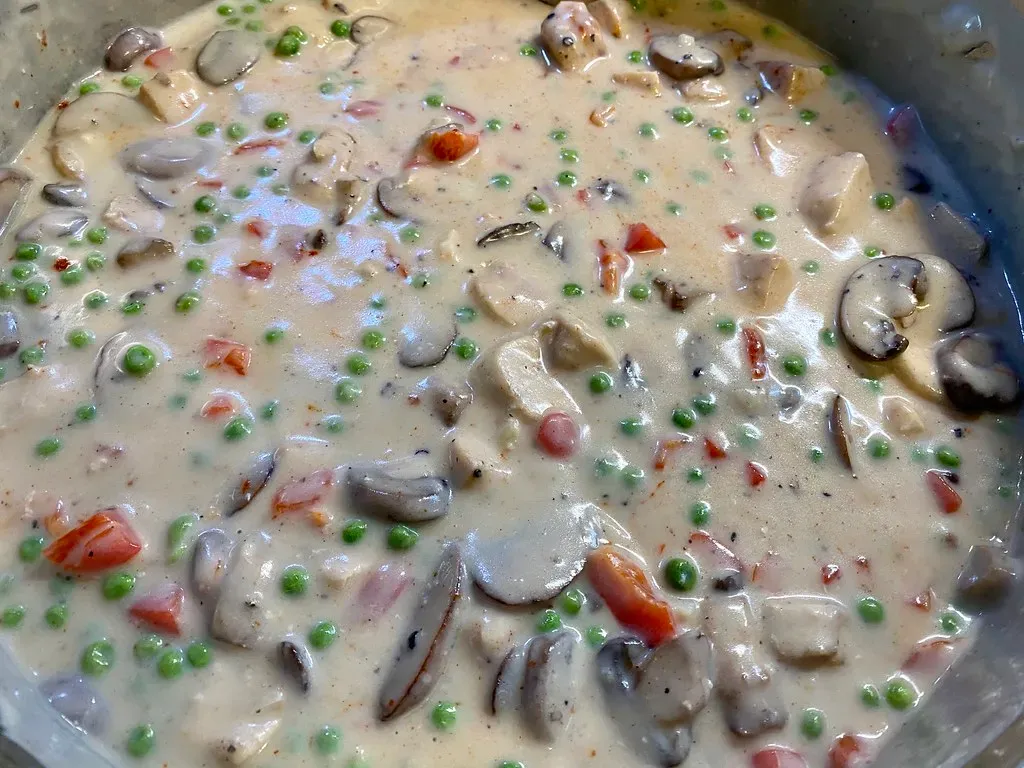
Chicken à la King saw a resurgence in the 1980s when Campbell’s featured it in advertisements using cream of chicken soup. The dish, which had waned in popularity since its 1950s peak, reappeared in household cookbooks as an economical way to repurpose leftover chicken. A 1984 Good Housekeeping survey noted that chicken was the most frequently served meat in American homes, boosting the dish’s return to dinner tables.
Chicken à la King is diced chicken in a cream sauce that often includes mushrooms, green peppers, and pimientos, typically served on toast, noodles, or inside patty shells. It felt elegant in a way that mid-week dinners rarely did. Chicken à la King was fashionable in the 1970s and into the early 1980s, but some time in the late ’80s was the last time most people recall making or even seeing the dish served. It faded without any real fanfare, replaced by simpler grilled chicken recipes that the health-conscious ’90s preferred.
Salisbury Steak: Gravy, Mushrooms, and a TV Tray
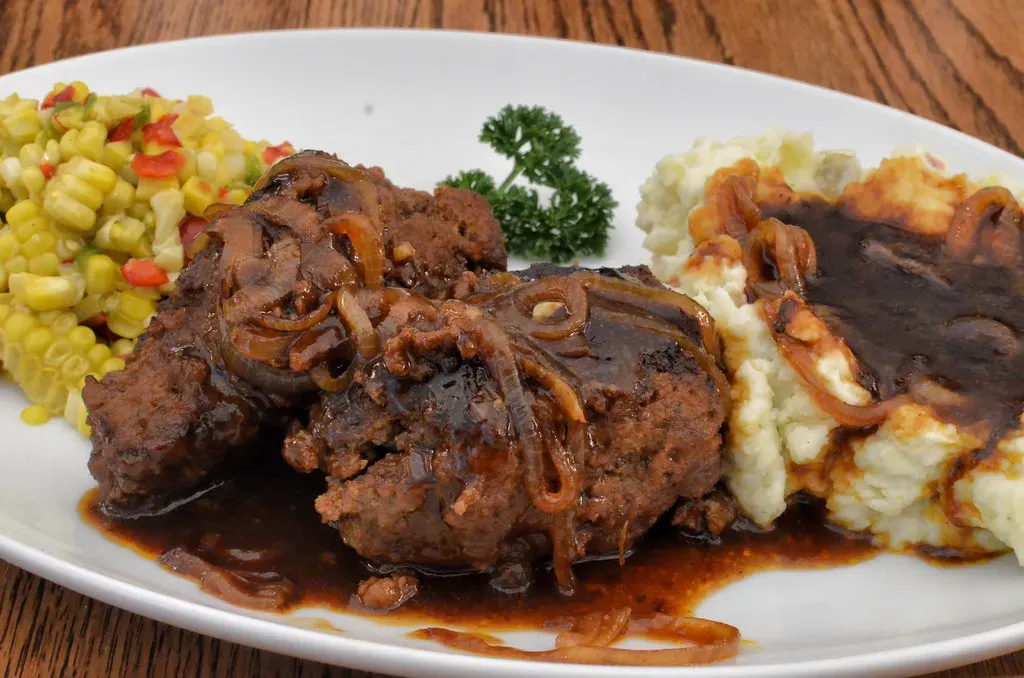
Smothered in savory mushroom gravy, Salisbury steak was a weeknight dinner moms made when they wanted to impress with ground beef. Cozy and filling, this was ’80s comfort food at its finest. It occupied a sweet spot between the plainness of meatloaf and the effort required for an actual steak dinner.
Salisbury steak was among the most purchased frozen entrée options, with Stouffer’s and Banquet dominating freezer aisles. A 1987 Nielsen report recorded frozen entrée sales topping $1.6 billion, with Salisbury steak consistently ranking as one of the top-selling flavors due to its hearty appeal and affordable price point. Whether made from scratch or pulled from a foil tray, the formula was simple: a shaped beef patty, a brown gravy, and mushrooms. Not glamorous by any measure, but reliably satisfying.
The Jell-O Salad: Wobbly, Colorful, and Wildly Confident
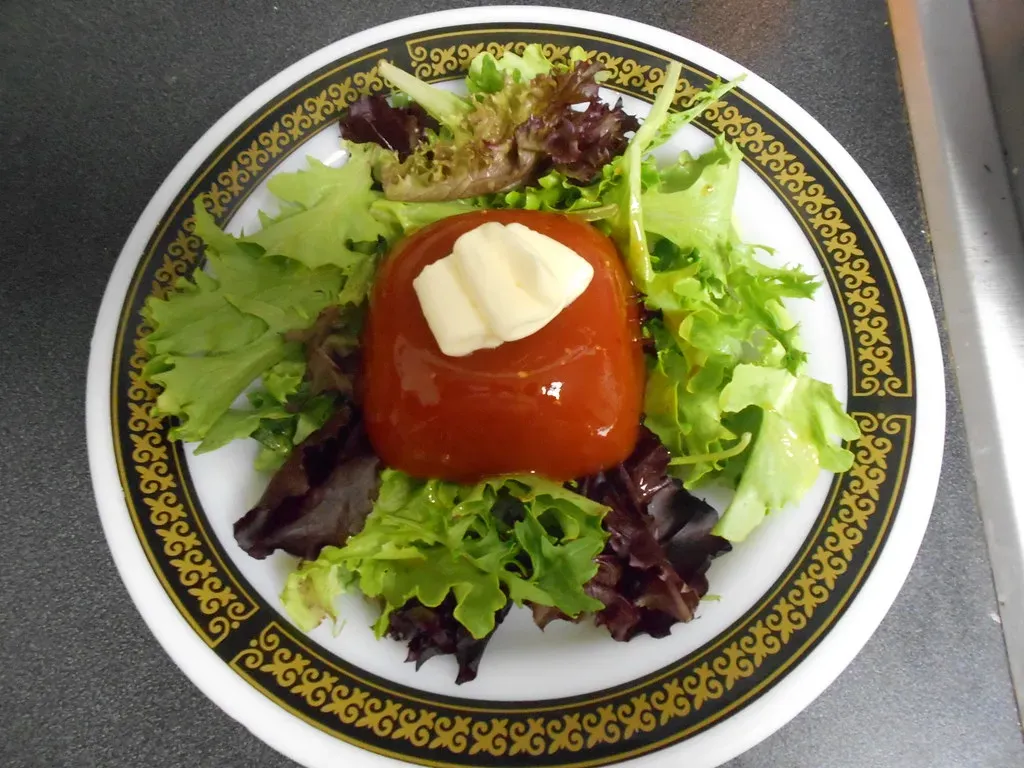
By the ’80s, Jell-O salads had already been around for decades, but they still held on with impressive confidence. These wobbly creations mixed gelatin with fruit, whipped topping, cottage cheese, marshmallows, nuts, or even shredded vegetables. Some were sweet enough to be dessert, while others tried to pass for side dishes. Nobody seemed particularly bothered by the ambiguity.
When dieting trends changed in the 1970s and ’80s, and nutrition campaigns began to emphasize the importance of eliminating sugar, the once-ubiquitous savory Jell-O salads fell out of fashion and were replaced by tossed salads. Today, consumption of Jell-O salads has decreased steadily since their peak in the mid-20th century. They still show up at church potlucks and certain holiday tables in the South and Midwest, but their moment as a mainstream dish has long passed.
Ambrosia Salad: The Dessert That Called Itself a Salad
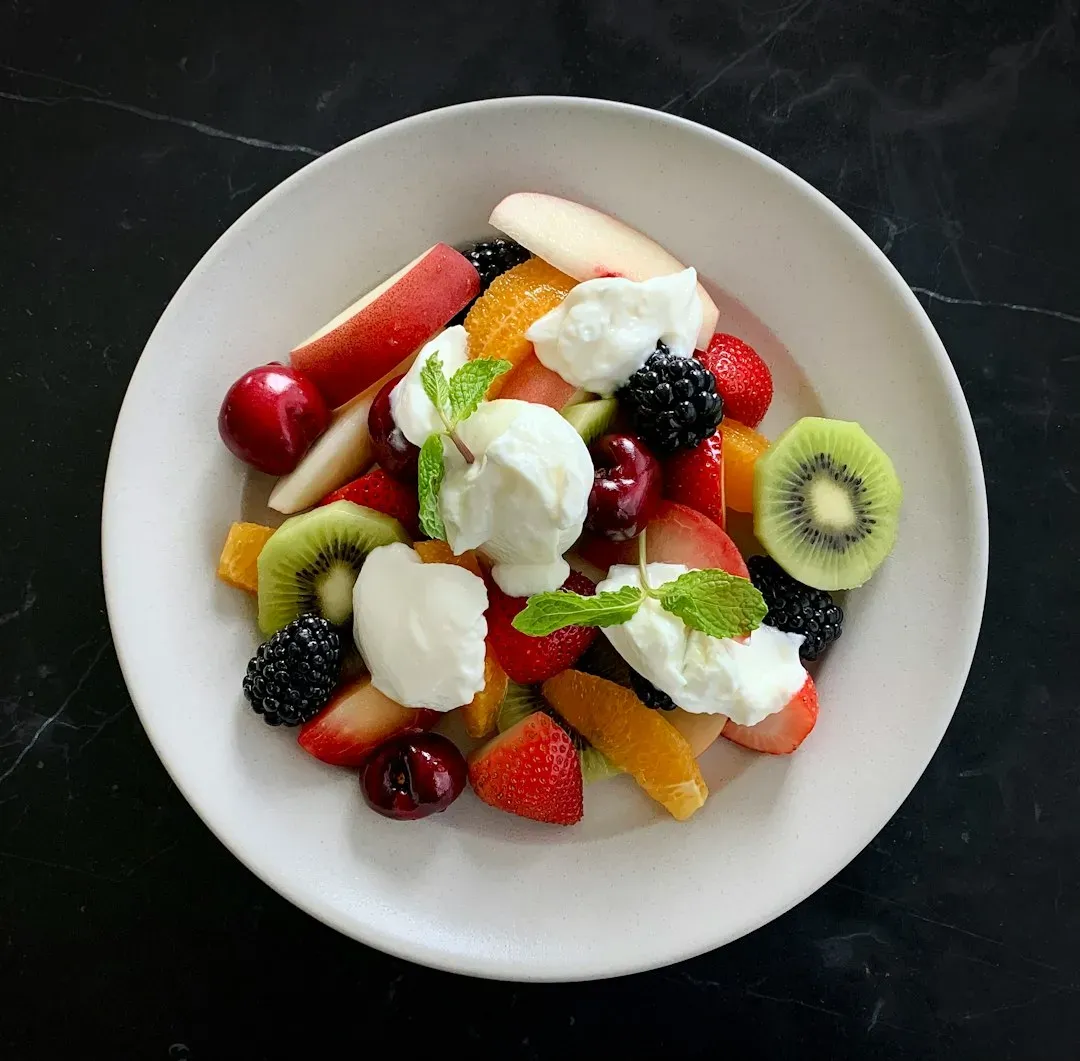
With marshmallows, fruit, and coconut in a creamy dressing, ambrosia “salad” was dessert in disguise. It showed up on grandma’s table, at church dinners, and in every ’80s holiday spread. The name itself comes from Greek mythology, referring to the food of the gods, which seems a little ambitious for something made with canned mandarin oranges and Cool Whip.
One version or another of ambrosia has been around for about 150 years. The completion of the transcontinental railway opened the way for the ingredients to be easily available, making the 1980s the last time its popularity soared. In the South, this classic dessert still makes the rounds at many holiday tables, with more modern versions of the dish including elements like yogurt, pecans, and fresh apples. Everywhere else, it has more or less retired gracefully.
The Jell-O Poke Cake: Colorful, Easy, and Unexpectedly Delicious
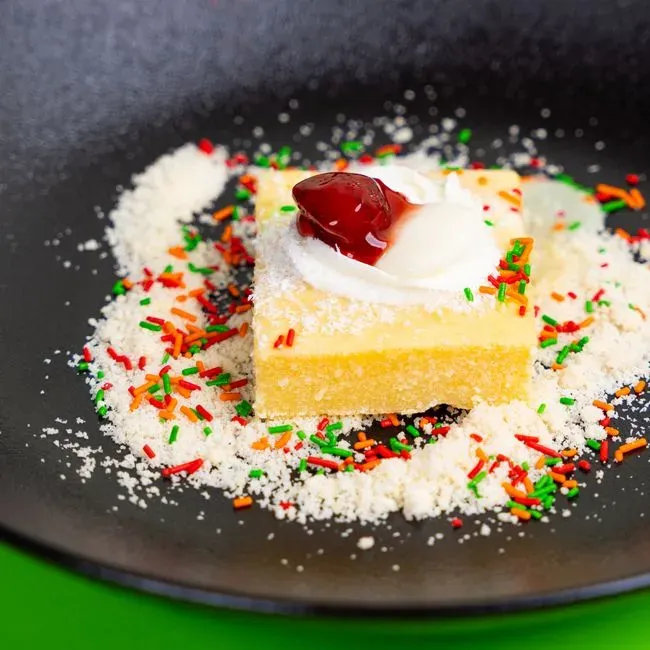
A poke cake is simply a cake in a square or rectangular pan with a smooth whipped cream frosting on top. The magic happens when you slice into it and discover that the interior has spikes of color, courtesy of holes poked with the end of a wooden spoon and liquid Jell-O poured over top. Refrigeration sets the liquid into a pudding-like gel consistency, and the bright taste of the gelatin gives the cake a punch of fruit flavor.
The 1980s Jell-O poke cake was a winner with ’80s kids because it was both fun to make with an adult and flavorful. Rather than slathering on buttercream or canned frosting, home cooks topped this cake with a lighter option like Cool Whip or Dream Whip, sometimes using a packet of banana or lemon Jell-O pudding mixed in to add even more flavor. It required almost no skill but looked like it did. That ratio made it deeply beloved.
Monkey Bread: Pull-Apart, Sticky, and All Weekend Energy
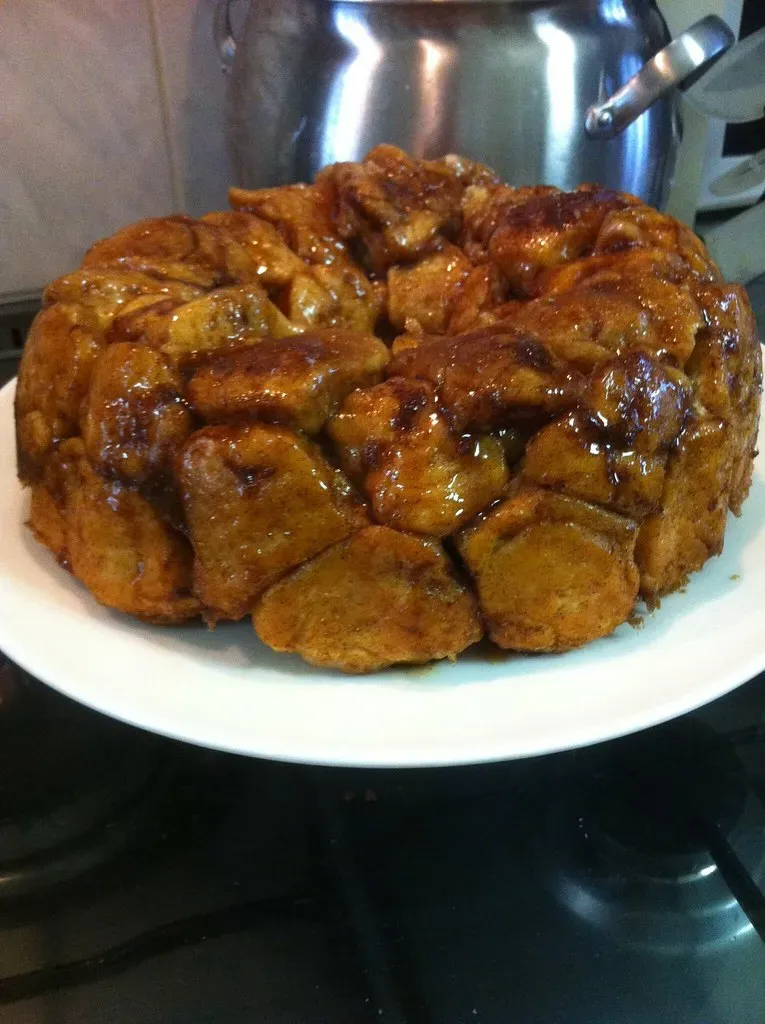
Monkey bread, sticky pull-apart rolls coated in butter, cinnamon, and sugar, became a weekend favorite in many households. Pillsbury’s refrigerated biscuit dough, introduced in the 1950s, played a major role in its rise. By 1980, Pillsbury reported biscuit sales exceeding $500 million annually, with monkey bread promoted as a creative recipe in ads and cookbooks.
There was something theatrical about pulling a piece free from the sticky mound, the whole thing arriving at the table in a Bundt pan like something between bread and dessert. Presidents are known to influence the country’s taste, and that happened in the ’80s with monkey bread, with Nancy Reagan reportedly serving it at the White House and helping cement its reputation as a crowd-pleaser. It hasn’t vanished entirely, but it’s no longer the weekend ritual it once was for most families.
Stuffed Bell Peppers: A Complete Meal in an Edible Container
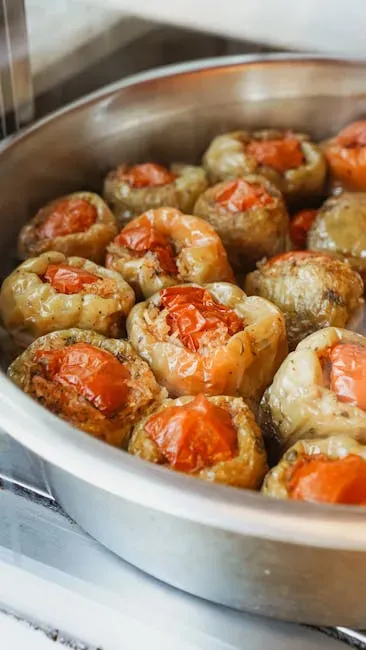
Stuffed peppers were a versatile meal that combined ground meat, rice, and tomato sauce inside a bell pepper shell. These colorful dinner options allowed mothers to sneak vegetables into meals while providing a complete protein-and-carbohydrate package. Most recipes followed a similar formula: hollow out bell peppers, fill with a mixture of ground beef, rice, and seasonings, then bake until tender. The stuffed pepper represented nutritional balance in its most mid-century form, a complete meal in a single edible container.
They smelled incredible while baking, the pepper softening and sweetening in the oven while the tomato-laced filling bubbled at the top. These familiar meals defined middle-class kitchens in the 1980s with comfort, convenience, and a little creativity. The decade may have been known for excess, but at home, family meals were simpler, heavy on casseroles, quick mixes, and recipes every busy mom had on repeat. Stuffed peppers sat right at the center of that ethos: one pan, a handful of ingredients, and everyone fed. You don’t see them much on modern dinner tables, which is a small and quiet shame.
Leave a Reply