
The car everyone in Monterey is talking about
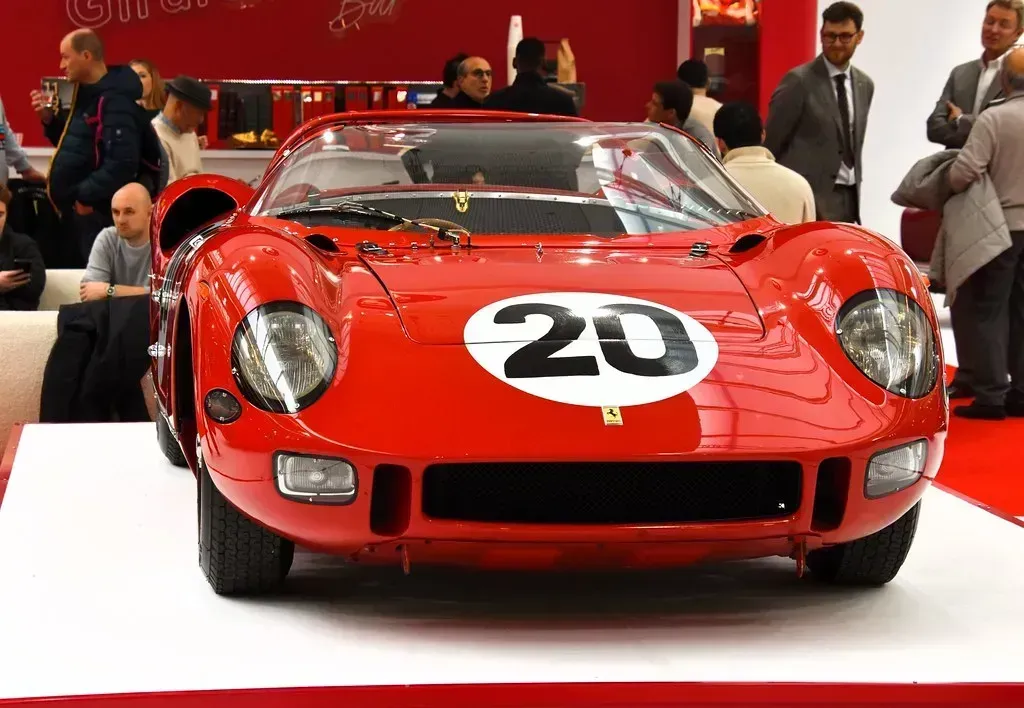
Chassis No. 0810 is a 1963 Ferrari 250 P, and it’s headed to the block at Gooding Christie’s Pebble Beach sale during Monterey Car Week. The estimate sits between $15,000,000 and $20,000,000, making it the early headlining car for the auction. That range alone puts it in rarefied territory, but the number that matters most to collectors isn’t the estimate itself. It’s what that number could mean for a category of Ferrari that rarely gets this kind of spotlight.
This 1963 Ferrari 250 P race car will be available at the Gooding Christie’s Pebble Beach Auctions during Monterey Car Week. Auction specialists have already started calling it one of the most significant competition Ferraris to ever cross an auction stage. Whether it hits the high end of that estimate or exceeds it, the sale is being watched closely as a potential turning point for how prototype race cars are valued.
The engineer who changed Ferrari’s mind
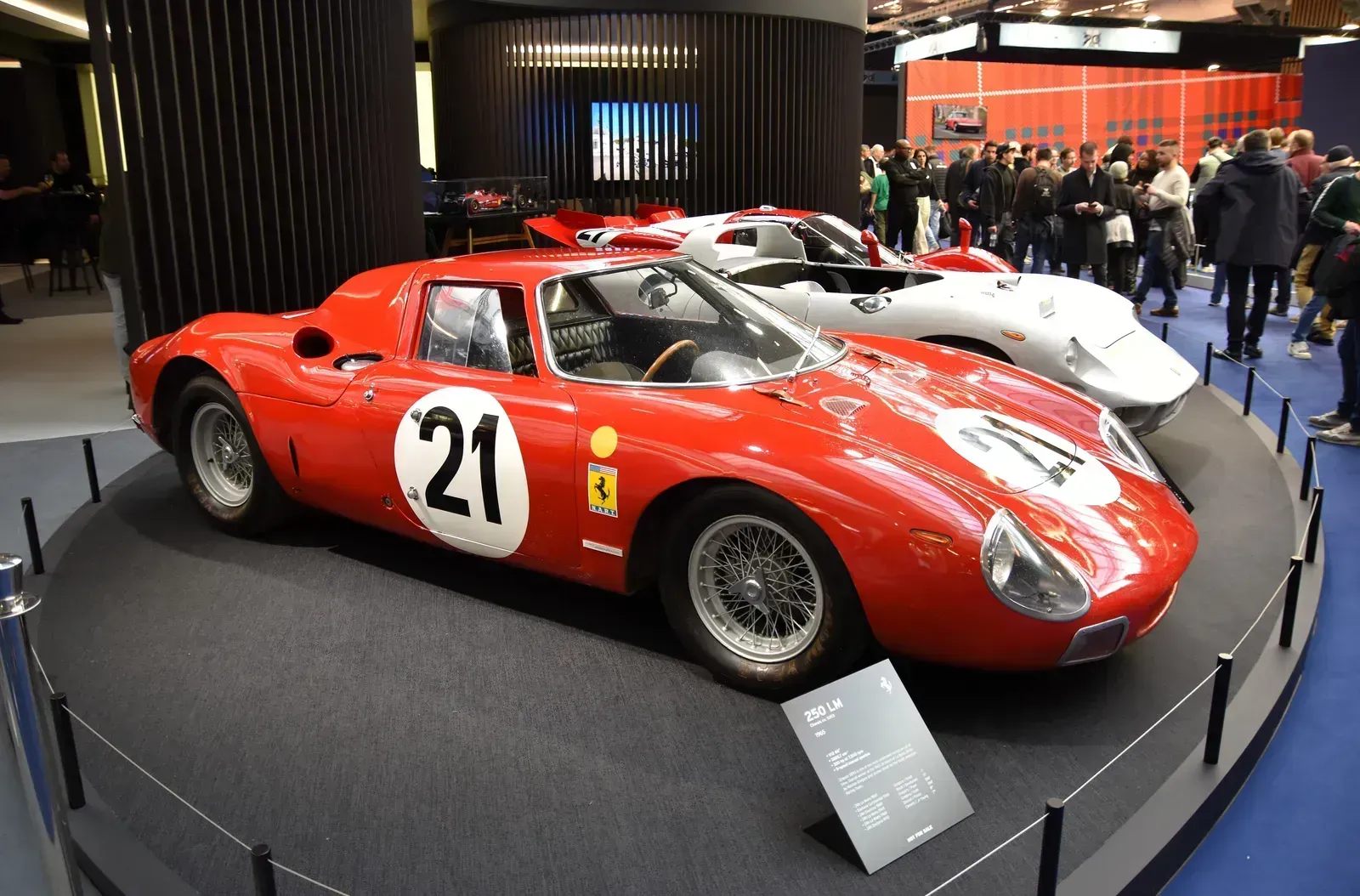
The development of the 250 P by Ferrari’s young chief engineer Mauro Forghieri, working with Ferrari’s newest driver, John Surtees, was a game changer. For years, Enzo Ferrari had insisted that a proper racing car needed its engine in front of the driver, a philosophy that had served the marque well through the 1950s. Throughout that decade, Ferrari established an unrivaled reputation in sports-car racing with masterpieces such as the 290 MM, 315 S, and 250 Testa Rossa, embodying Enzo’s conviction that a proper racing car should place its engine in front of the driver.
The 250 P broke from that tradition entirely. Their creation featured a lightweight tubular chassis carrying a longitudinally mounted 3.0-liter Testa Rossa-type V-12, with a rear-mounted transaxle, fully independent suspension, and inboard rear disc brakes. It was a fundamental shift, one that Forghieri reportedly pushed hard for even against skepticism inside the factory. It seems Forghieri even persuaded Ferrari to authorize full-scale wind-tunnel testing of the car at the University of Stuttgart to fine-tune the aerodynamics.
Designed by Pininfarina, built by hand in Modena
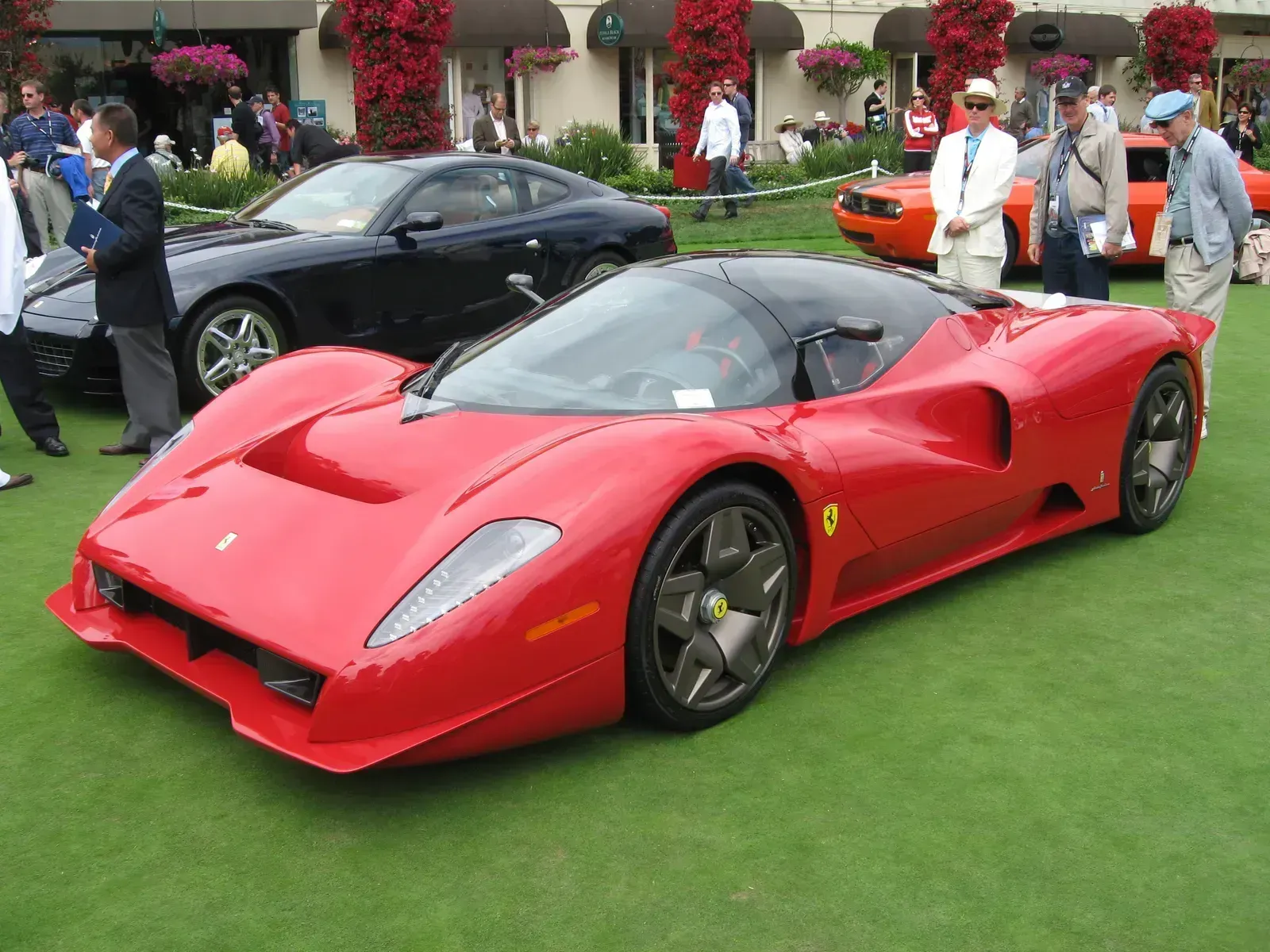
The visual side of the car came from one of the most respected design houses in automotive history. Designers at Pininfarina were called on to pen the elegant, flowing lines of this low-slung, two-door racer, which Modena’s Carrozzeria Fantuzzi hand-formed in aluminum. That combination of aerodynamic engineering and coachbuilt craftsmanship is part of why the car reads as much like sculpture as machine today.
Every panel was shaped by hand, which means no two Fantuzzi-built Ferraris of this era are perfectly identical. That kind of individuality only adds to the appeal for serious collectors, who tend to prize small imperfections and hand-formed quirks as proof of authenticity. It’s a detail that separates a true period racer from a later reproduction, no matter how convincing the copy might look.
A debut season with real racing pedigree
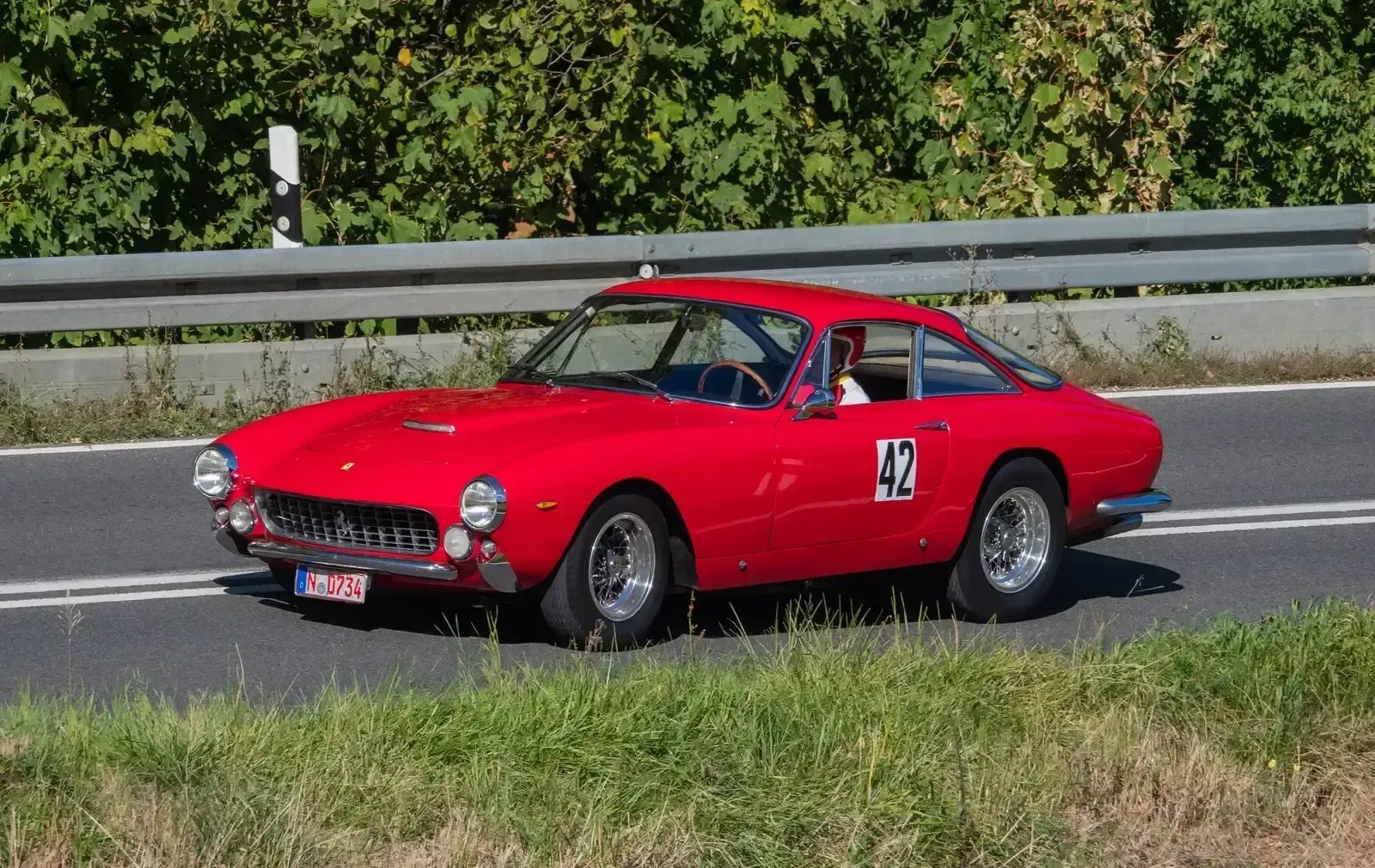
This wasn’t a car built for a museum shelf. Developed by Mauro Forghieri with crucial development input from John Surtees, and unveiled to the international motoring press at Monza, 0810 immediately justified Ferrari’s bold new direction, playing a central role in Scuderia Ferrari’s dominant 1963 race season before embarking on a distinguished career with Luigi Chinetti’s legendary North American Racing Team, remaining at the forefront of international competition into the mid-1960s.
Piloted by Lorenzo Bandini, Nino Vaccarella, and Willy Mairesse, the car finished second at the 1963 12 Hours of Sebring. The car also appeared at other marquee endurance races that season, including the Targa Florio and the 24 Hours of Le Mans, cementing its place among the era’s most campaigned factory prototypes. Few cars from this period carry documentation of this depth, which is a major part of why specialists are so bullish on its value.
From factory works car to NART legend
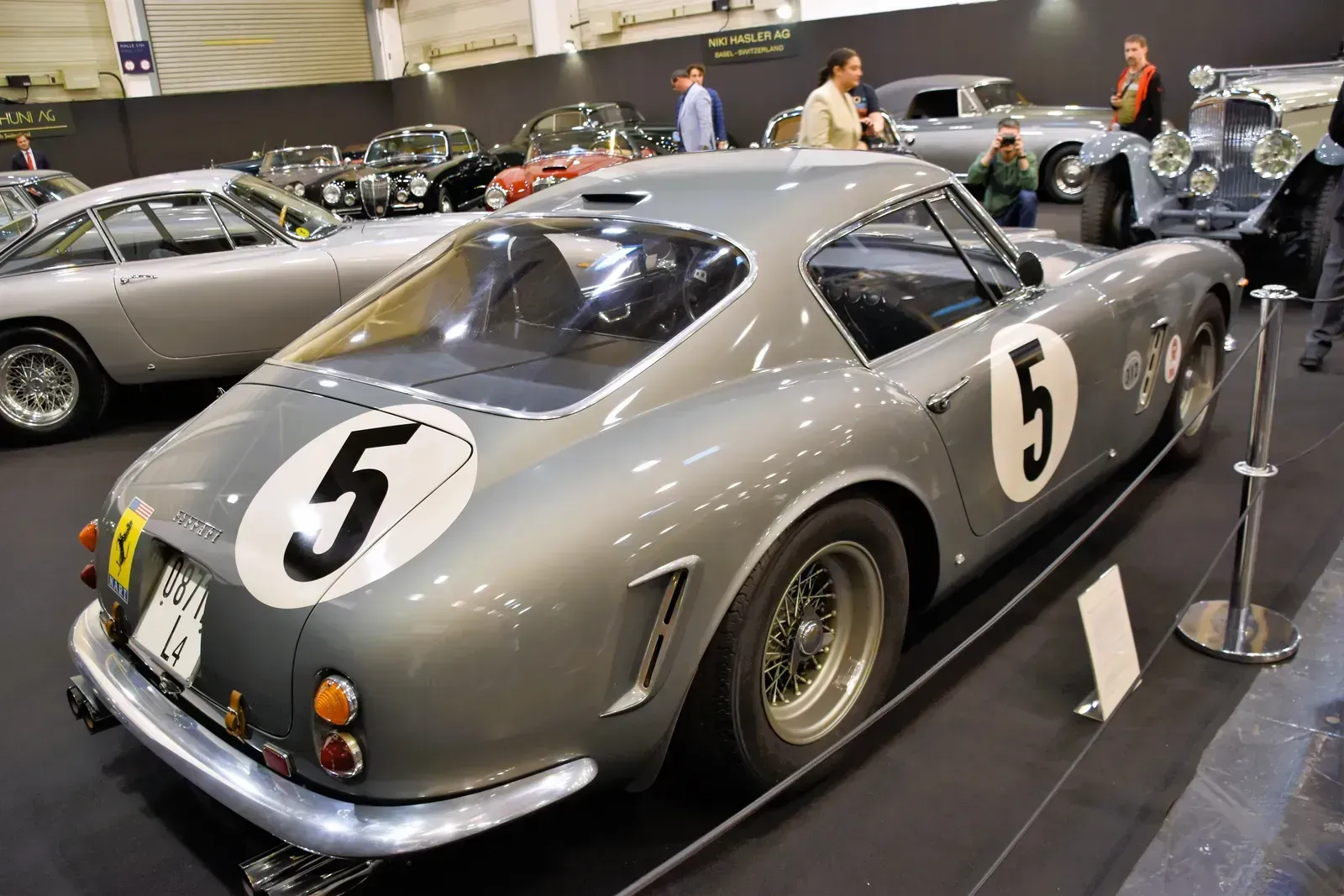
After its factory racing days ended, 0810 didn’t disappear into obscurity the way many period race cars did. It moved into the hands of Luigi Chinetti’s North American Racing Team, an outfit that became almost as celebrated as Ferrari’s own works squad for its role in bringing the marque’s competition cars to American tracks. That chapter of the car’s life adds another layer of desirability, since NART provenance carries its own weight among Ferrari historians.
Cars that competed under both the factory banner and a storied privateer team like NART tend to command a premium precisely because their history spans two distinct, well-documented eras of racing. It’s the kind of layered ownership story that auction houses love to build a catalog description around, and in this case, the story genuinely earns the attention.
Six decades, six owners, one continuous story
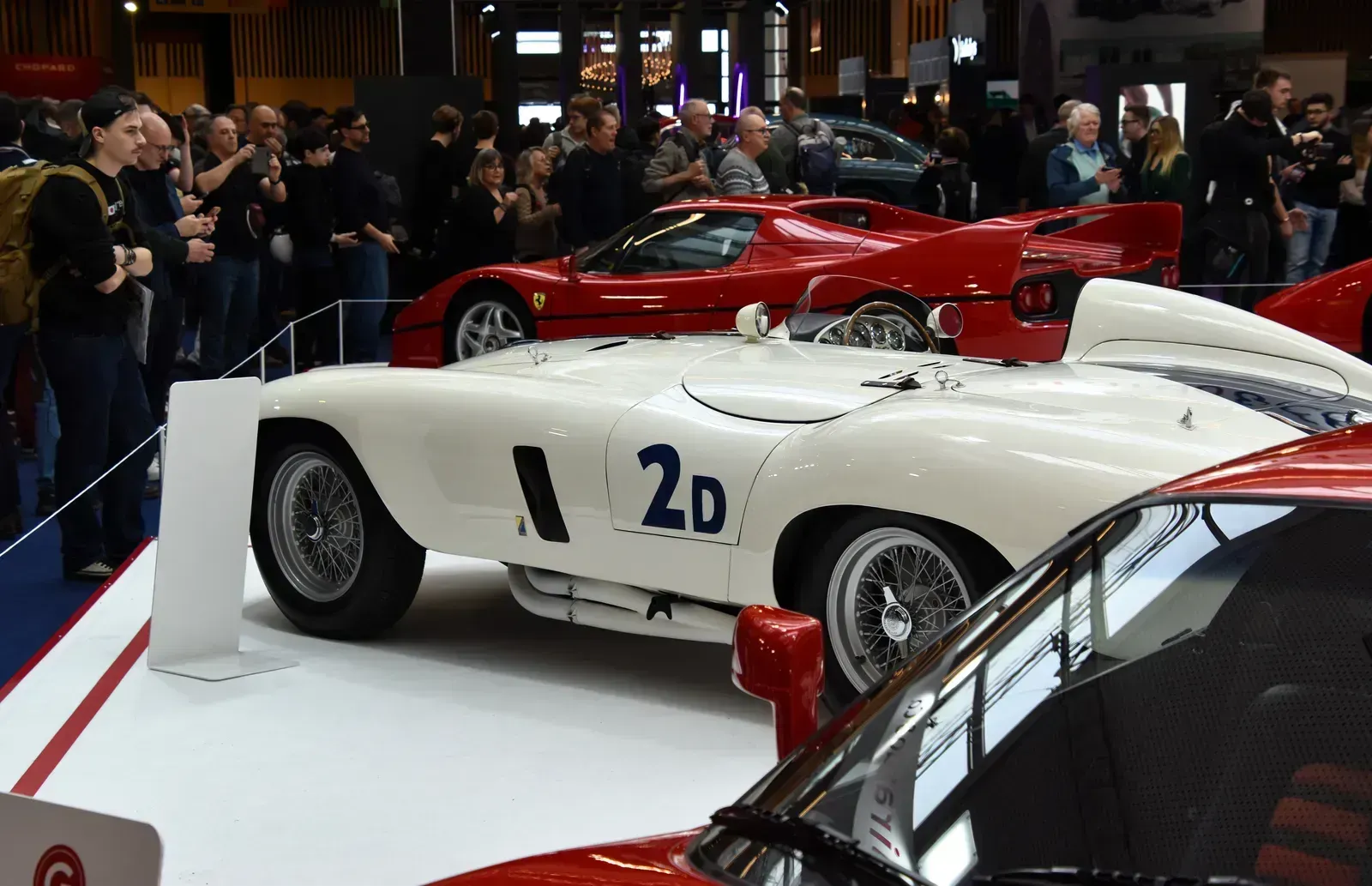
Part of what makes 0810 remarkable is how well its ownership trail has survived. Records show it passing from Kirk F. White in Paoli, Pennsylvania, to Kenneth W. Starbird in Northridge, California, then to Donald W. Fong in Atlanta, Georgia, followed by Wayne Sparling in Alma, Florida, and eventually to Harley Cluxton III in Scottsdale, Arizona, in 1987. That kind of unbroken chain, spanning more than half a century, is rare for any competition car of this vintage.
In 1988, the car reportedly sold for $3 million to its current owner. Going from a $3 million purchase price in the late 1980s to a potential $20 million result nearly four decades later says something about how dramatically the market for historically significant Ferraris has shifted. It’s not just inflation. It reflects a genuine reassessment of how collectors value engineering milestones, not just style or racing wins alone.
Why specialists are calling it a landmark opportunity
![Why specialists are calling it a landmark opportunity ([2], Public domain)](https://nvmwebsites-budwg5g9avh3epea.z03.azurefd.net/ourwabisabilife/df9bc7cd174ea8faa06a904710cc3d14.webp)
Gooding Christie’s own team has been vocal about the significance of this particular lot. David Brynan, senior car specialist at Gooding Christie’s, told Robb Report that this 250 P stands among the most important Ferraris of all time, and among the most significant Ferrari competition cars ever offered at auction. He added that it really does represent a once-in-a-lifetime opportunity to acquire a truly landmark racing Ferrari.
Language like that gets used often in auction marketing, admittedly. But in this case, the underlying facts back it up. There’s no disputing that 0810 was the very first of its kind, the literal origin point for a design philosophy Ferrari would carry forward for years.
How it stacks up against Ferrari’s existing auction records
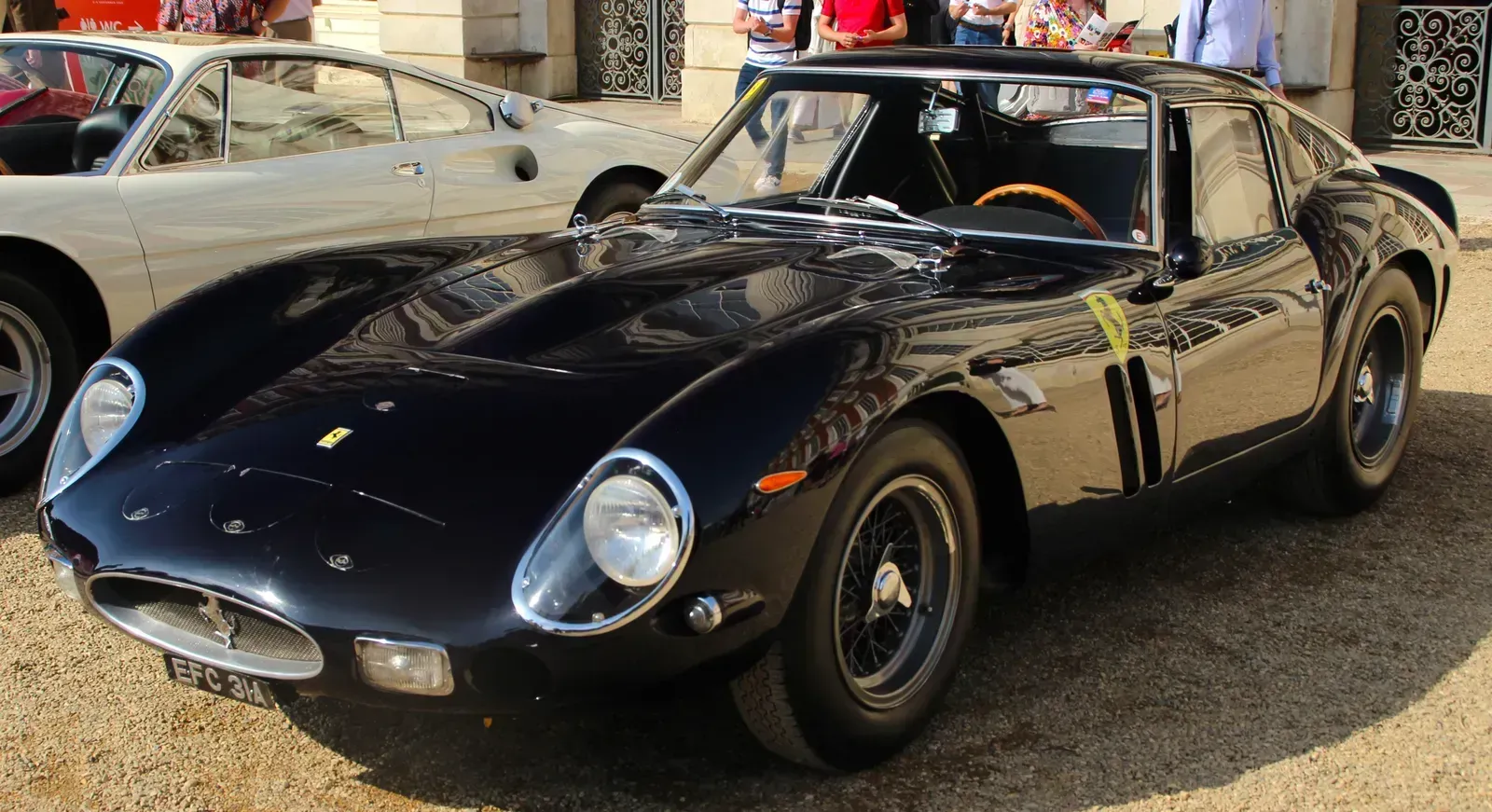
To understand what “priciest ever” would actually mean here, it helps to look at where the current benchmarks sit. The most expensive Ferrari ever sold is a 1963 Ferrari 250 GTO, which reportedly sold for around $70 million in a private sale in 2018, while at auction a 1962 Ferrari 330 LM/250 GTO holds the record at $51.7 million, set in 2023. Those numbers belong to a different subcategory though, the road-legal GTO berlinettas that have long dominated headlines.
Prototype sports racers like the 250 P occupy a narrower, less frequently traded niche. That scarcity of comparable sales is exactly why a confirmed result north of $15 million would be so significant. It wouldn’t just be a strong number for this specific car. It would likely reset the ceiling for what a Ferrari sports-racing prototype of this type can command.
A market that’s already breaking records this year
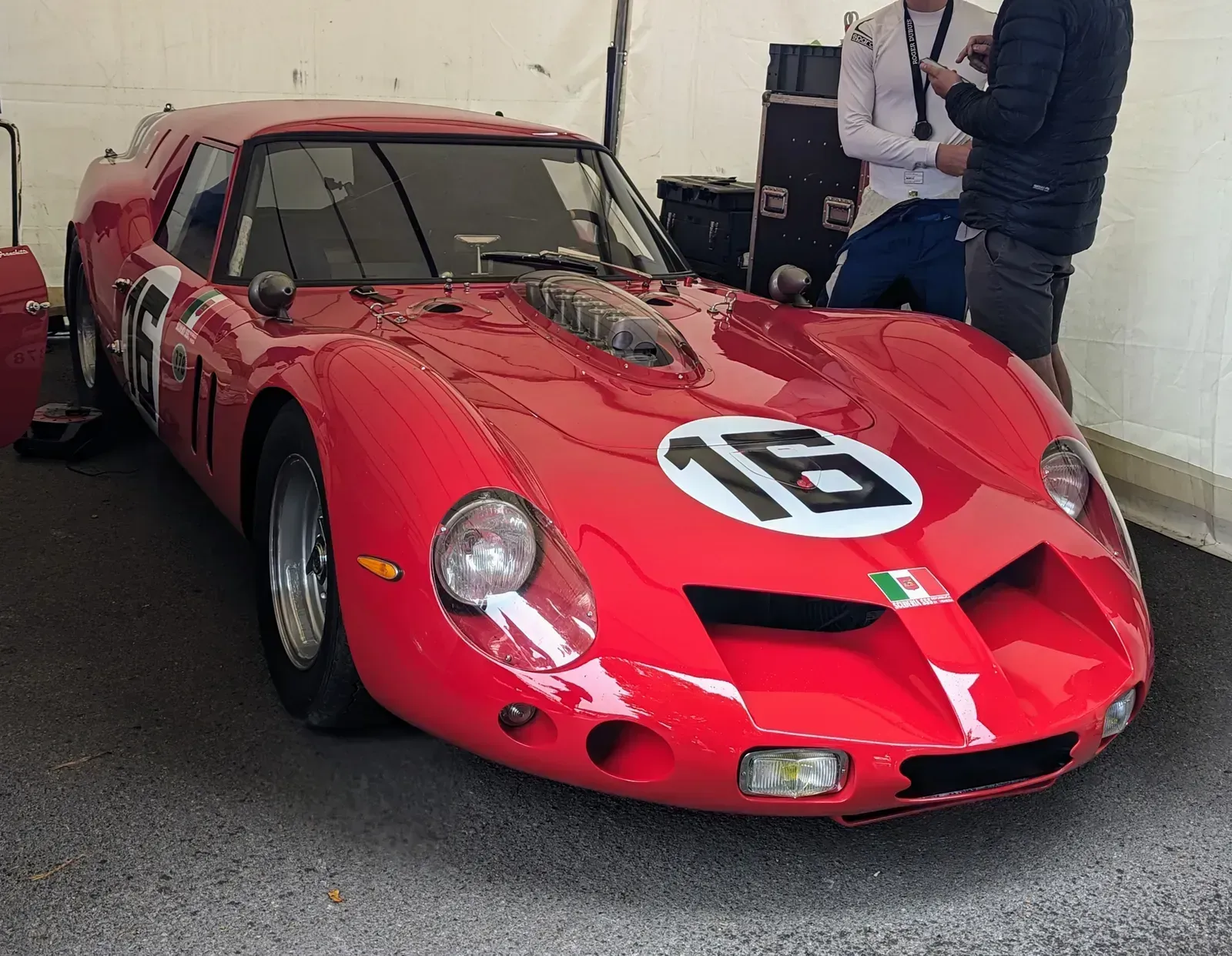
The timing matters too. The 2025 top seller in Monterey was expected to be a 1961 Ferrari 250 GT SWB California Spider Competizione, estimated at $20 million at Gooding & Co, and it sold for $25.3 million. That same week, other results kept climbing well past expectations. One Corvette Grand Sport sale blew past its $13 million high estimate to hit $18.7 million, becoming the most expensive Corvette ever sold at auction.
Auction analysts covering Monterey this year have described the broader market as unusually strong, with younger, newer collectors entering the field alongside longtime buyers. That combination of fresh demand and thinning supply of truly significant cars is part of the reason estimates keep getting exceeded rather than merely met. It creates real momentum heading into any high-profile sale, including this one.
What a record sale would signal for the category
If 0810 sells at or near its high estimate, it would represent something more specific than just another big number in a headline. It would mark the moment a Ferrari sports-racing prototype, as opposed to a road car or a GTO, finally reached a price point that puts it in serious conversation with the marque’s most valuable nameplates. That distinction matters to historians and collectors who see these prototypes as the technical soul of Ferrari’s competition program rather than just supporting characters to the more famous GTO line.
It would also likely encourage owners of similarly significant, lesser-known prototype chassis to consider bringing their own cars to market. Auction houses tend to see this kind of ripple effect after a landmark sale, where dormant, privately held examples suddenly become available once sellers see fresh evidence of what the top of the market will actually pay. Whether that happens here depends entirely on how the bidding plays out at Pebble Beach.
The final gavel and what comes next
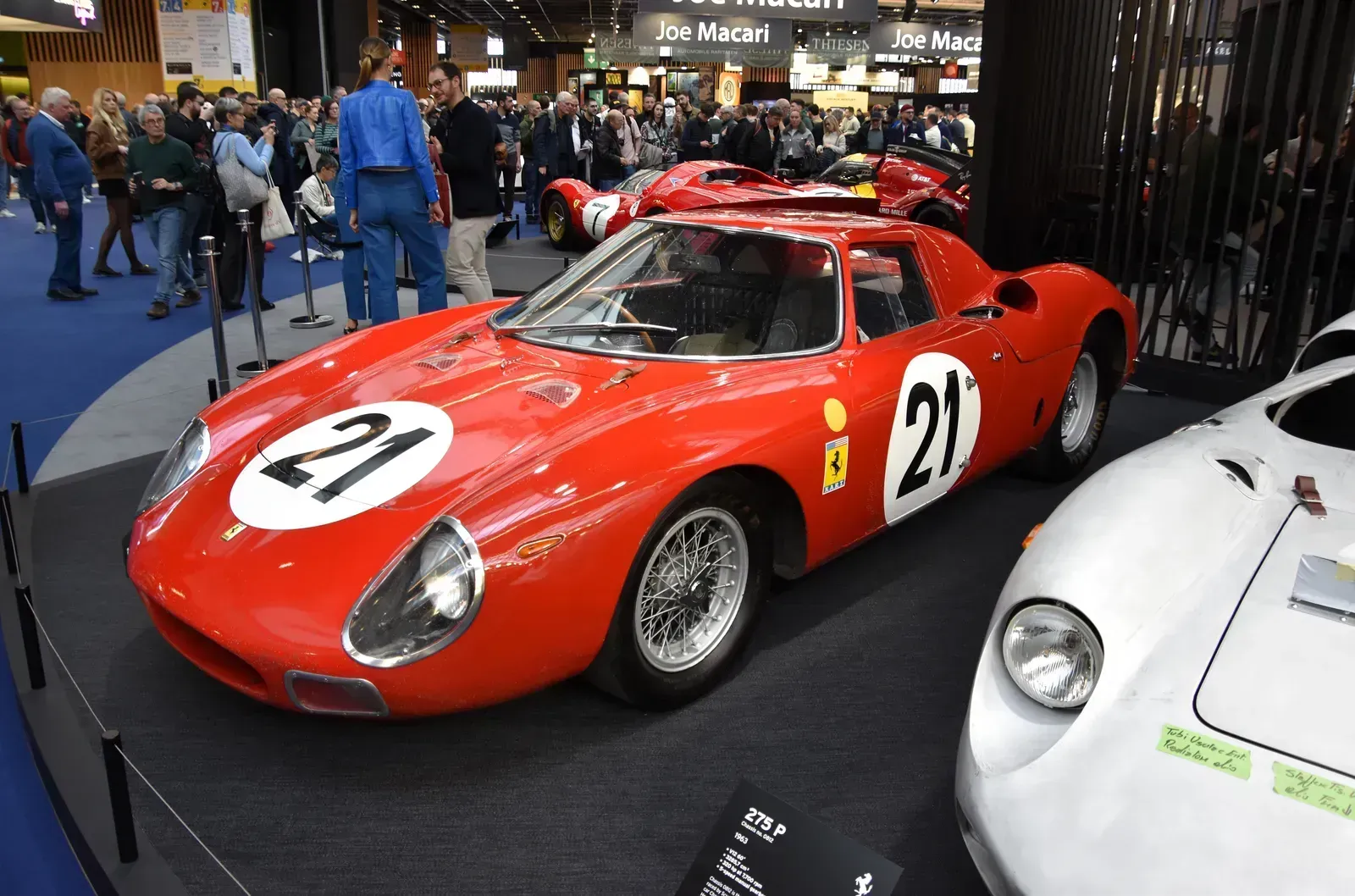
After 63 years of being a blueprint for many Ferrari road and competition cars, this iconic 250 P, wearing chassis No. 0810, is being auctioned at Gooding Christie’s flagship sale in Northern California’s Pebble Beach on August 15, during Monterey Car Week. The specific outcome of that sale will determine whether the pre-sale buzz translates into an actual record, or whether the estimate simply reflects enthusiasm that doesn’t fully materialize once bidding starts.
Either way, the attention this single chassis has drawn says something about where collector interest is heading. Buyers increasingly want cars with a real engineering story, not just a famous name on the badge. For a car that was never meant to be beautiful for its own sake, only fast and functional, that shift in what collectors value feels like a fitting kind of vindication.





Leave a Reply