
Secondhand shopping has become a default, not a compromise
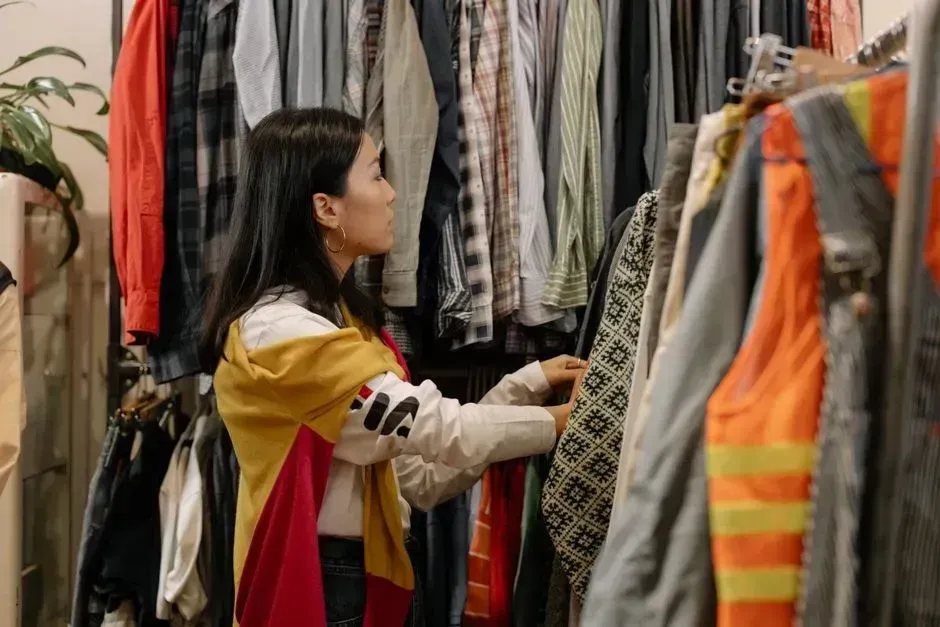
Thrifting used to carry a stigma. Now it carries momentum. Gen Z is the first generation to prefer secondhand over new, with more than 65% of Gen Z shoppers choosing thrift according to ThredUp’s 2026 consumer survey, and by 2026 they represent the largest consumer demographic.
This isn’t just a youth phenomenon anymore. The online resale market was expected to reach USD 51 billion by the end of 2025, as consumers increasingly look for high-fashion brands at lower price points through apps like Vinted and Depop. What once felt like a niche hobby for vintage hunters is now a mainstream shopping habit for people who simply want better clothes for less money.
Quality has quietly become the new status symbol
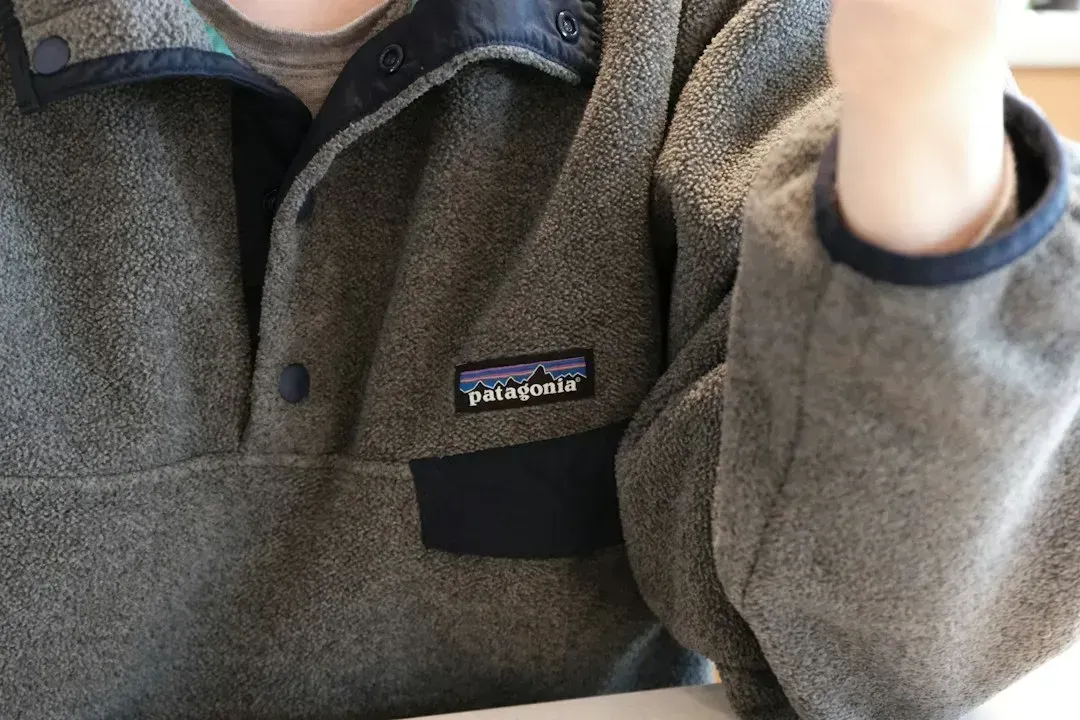
There’s a strange irony in ultra-cheap clothing getting even cheaper while shoppers grow pickier about durability. Inflation for higher-quality, durable clothing has specifically outpaced general inflation by 2 to 3 percent annually since 2022, while ultra-cheap fast fashion prices have remained flat or declined. People are noticing the gap and reacting to it.
That reaction shows up in search behavior too. Shein and Temu quality backlash accelerated in 2025 and 2026, with “durable clothing” search interest up more than 40% year over year, pushing consumers back toward used clothing. Shoppers aren’t rejecting affordability. They’re rejecting the idea that cheap has to mean disposable.
Capsule wardrobes replaced the haul culture mindset
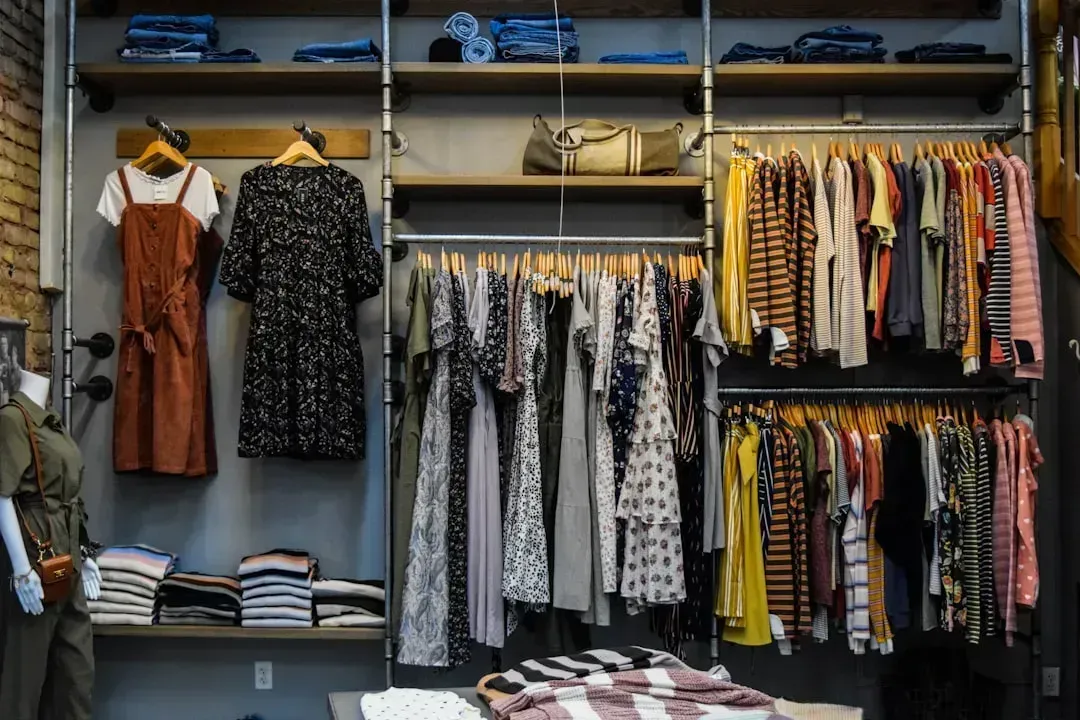
A few years ago, a “get ready with me” video might feature a dozen new items bought in a single weekend. That kind of content still exists, but it no longer defines the culture the way it once did. Platforms like TikTok and Instagram accelerated trend cycles, but they also exposed issues such as excessive consumption, clothing waste, and haul culture fatigue, and consumers increasingly recognize that constantly purchasing low-cost trend items may not provide long-term satisfaction or durability.
In its place, a smaller, more deliberate wardrobe has taken hold. Many consumers are shifting toward more intentional shopping behavior, resale fashion, sustainable brands, and fewer but better clothing purchases. The appeal isn’t just ethical, it’s practical. Fewer decisions, fewer regrets, fewer bags heading to donation bins six months later.
Quiet luxury basics took the place of trend-driven staples
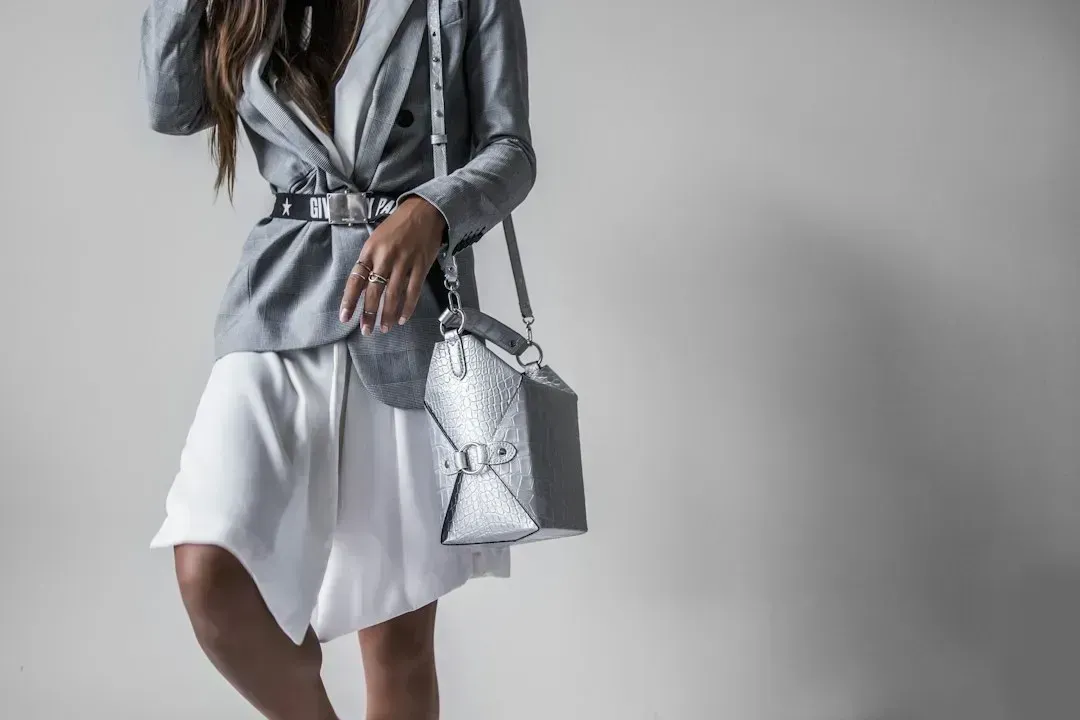
Instead of chasing whatever micro-trend is circulating that week, a lot of shoppers gravitated toward pieces designed to disappear into the background, in the best possible sense. Quiet luxury fashion refers to a design philosophy that prioritizes subtlety, premium materials, and expert construction without overt branding, with cashmere knits, structured coats, neutral palettes, and impeccably tailored basics as common elements.
The logic behind this shift is almost mathematical. A garment you wear for fifteen years becomes rational, while one you replace every two years becomes wasteful. That kind of thinking, once limited to a small crowd of style purists, has spread into everyday wardrobe decisions for people who never thought of themselves as fashion-forward at all.
The mixed wardrobe approach blends new pieces with old finds
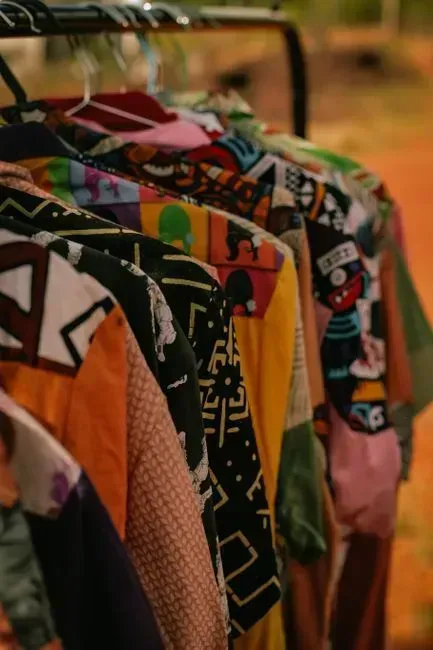
Shoppers haven’t fully abandoned fast fashion brands. They’ve just changed how those pieces fit into a larger wardrobe strategy. This behavior has given rise to the mixed wardrobe strategy, where a consumer might buy a trending top from an ultra-fast fashion brand but pair it with vintage denim found on a resale platform, and this blend of new and old is now considered more stylish than a total head-to-toe branded look.
It’s a pragmatic compromise. Nobody wants to give up the convenience of a quick, trendy top entirely, but pairing it with something that has more history and craftsmanship softens the disposable feel of the whole outfit. The result looks less like a fast fashion haul and more like an assembled personal style.
Denim and branded sportswear became the resale market’s favorites
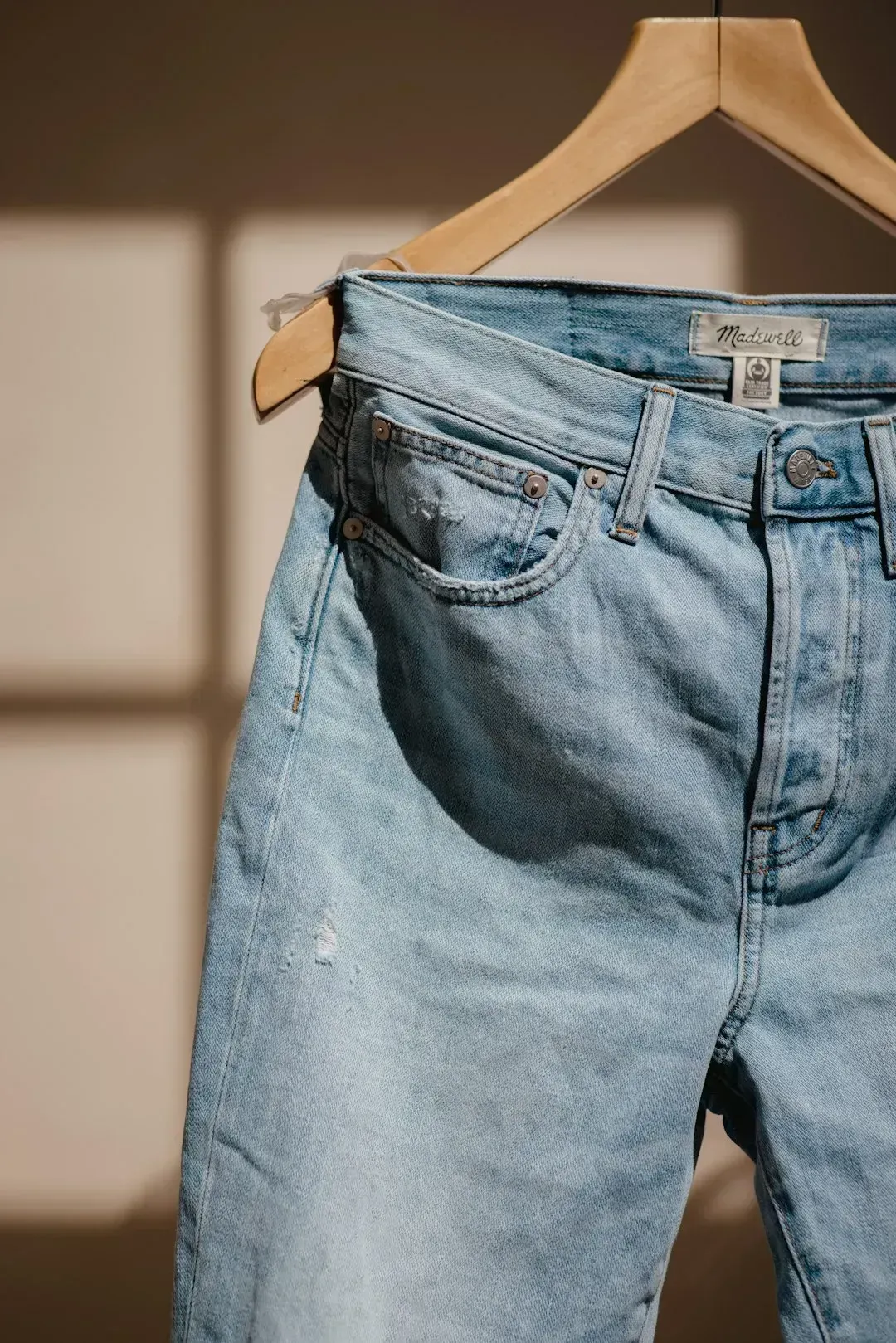
Not every category benefits equally from the resale boom. Some pieces simply hold up better and resell more easily than others. Denim benefits from the durability trend, with consumers consistently rating jeans as the category they are most willing to buy used.
Sportswear tells a similar story. Sportswear from recognizable brands has high resale velocity on both platform resale markets and traditional import channels. Shoppers have essentially voted with their wallets: durable, recognizable, well-made basics are worth searching for secondhand, while flimsier trend pieces rarely make the cut.
Mid-market brands are absorbing the shoppers fast fashion is losing
The space between ultra-cheap fast fashion and traditional luxury used to feel thin. That’s changing fast. The mid-market is emerging as the fastest-growing segment, replacing luxury as fashion’s main value creator by offering fashionable designs at more affordable prices while prioritizing quality.
Even the fast fashion giants are adjusting to this pressure. Brands like Bershka and H&M have started reducing their lowest price tier SKUs and diversifying their offerings with premium ranges, as ultra-low-cost competition from brands like Shein and Temu continues to dominate the very bottom of the market. It’s a telling move. When a fast fashion retailer starts trimming its cheapest products, it’s a sign the old formula isn’t pulling in shoppers the way it used to.
Repair, resale, and rewear culture reshaped everyday habits
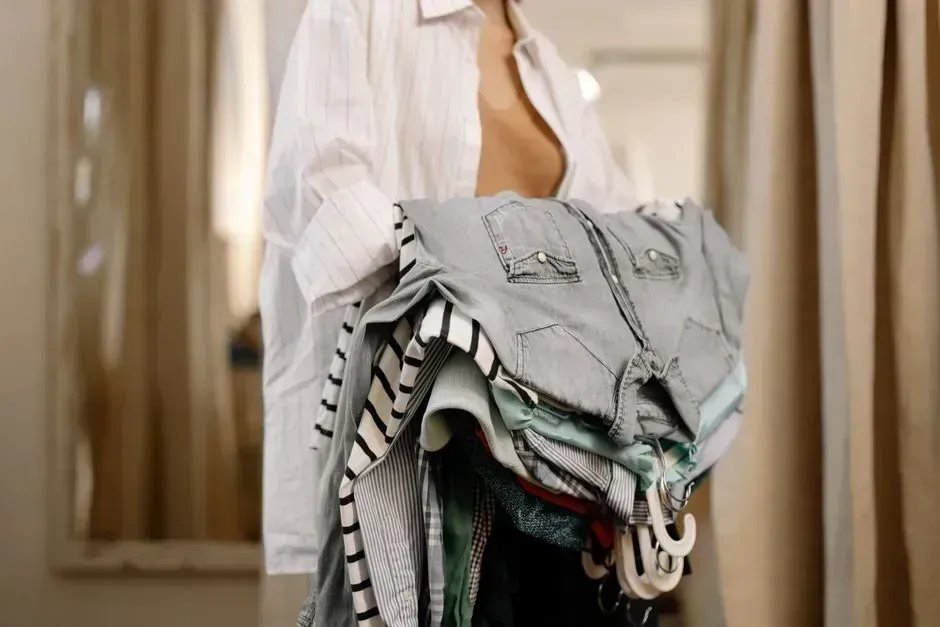
Buying less and better is only half the story. The other half is keeping what you already own in circulation longer. Mainstream consumers are becoming more interested in resale fashion, clothing repair, capsule wardrobes, and fewer but better purchasing habits.
This isn’t limited to budget-conscious shoppers either. Higher-income consumers are increasingly adopting make do behaviors by choice rather than obligation, and within the luxury fashion market, resale has become fully mainstream, attracting both aspirational shoppers and long-established luxury customers. Mending a favorite coat instead of replacing it, or reselling a bag instead of letting it sit in a closet, has become almost fashionable in its own right.
The bigger picture behind the shift
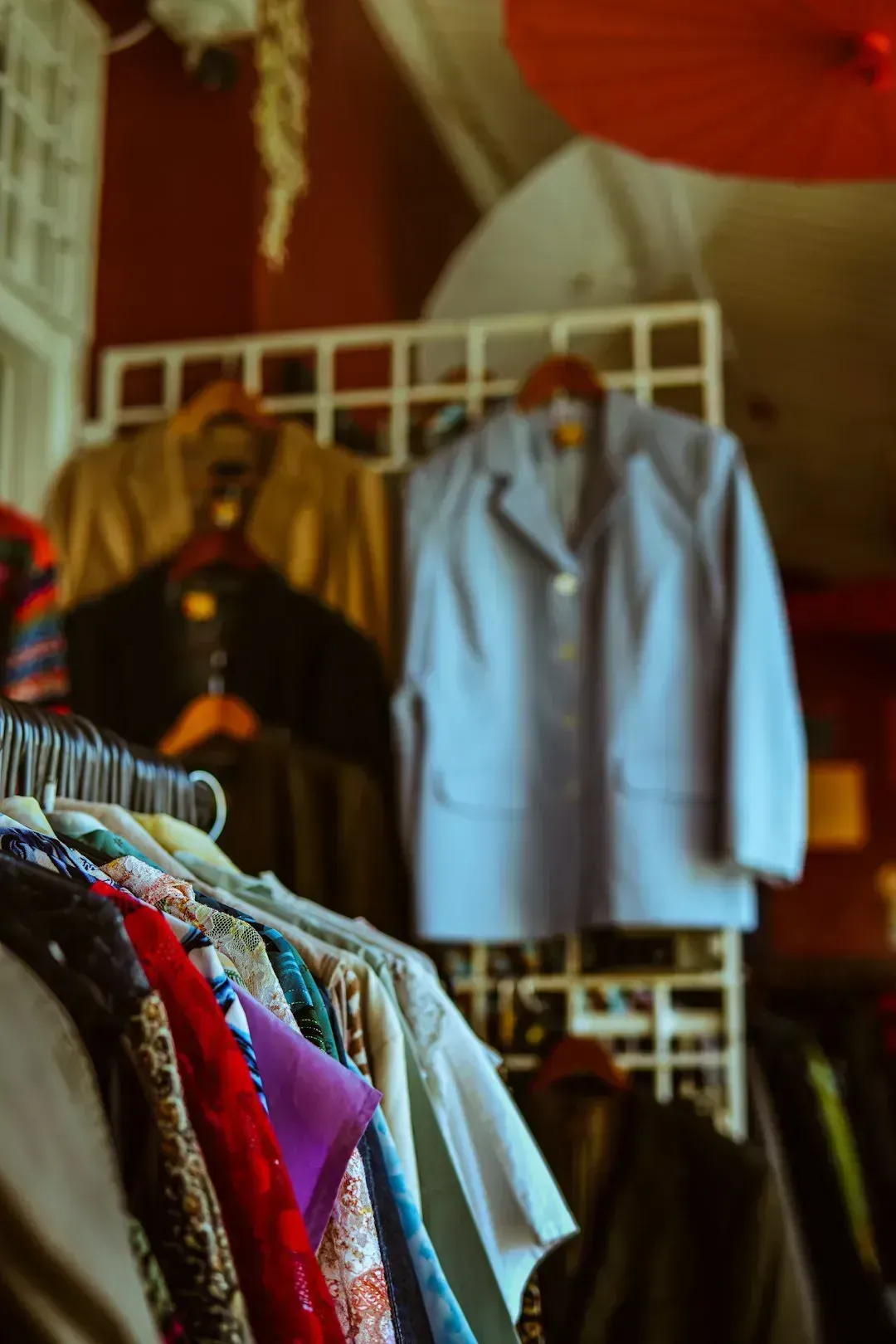
None of this means fast fashion is disappearing. Ultra-low-cost retailers still move enormous volumes of clothing every single day, and plenty of shoppers still reach for a cheap top when budgets are tight. What’s changed is the story people tell themselves about those purchases, and how those purchases fit alongside everything else in the closet.
The industry is growing, but the growth engine has shifted from volume-based fast fashion to sustainable, high-quality, and resale markets. That’s really the heart of it. Shoppers didn’t stop buying clothes. They just stopped believing that more, cheaper, and faster automatically means better, and that quiet correction is reshaping the entire market from the ground up.





Leave a Reply