
1. They sleep belly-up with their legs in the air
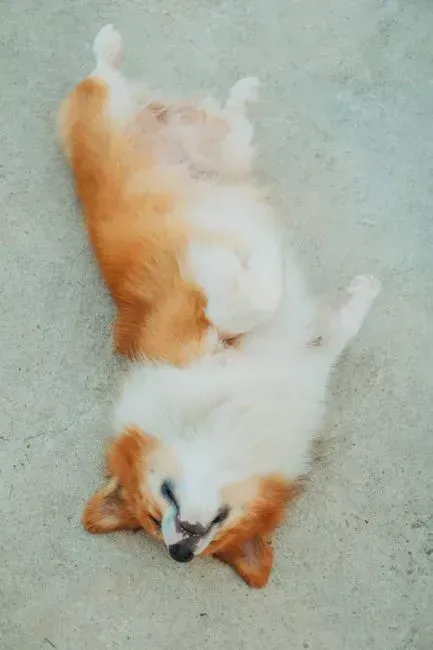
Few postures reveal trust the way a belly-up sleep position does. Sleeping on their back with their belly fully exposed is one of the clearest indicators of trust in a dog, since exposing the tummy essentially amounts to a vote of confidence. A dog would not put itself in such a defenseless position unless it had already decided the environment was safe.
A dog sleeping belly-up is displaying the most vulnerable posture possible, with organs exposed, legs in the air, and no ability to spring into action quickly. Veterinarians and behaviorists generally agree that belly-up sleeping commonly suggests that a dog feels secure in the environment. If your dog naps this way regularly, take it as a strong signal that your home feels like a genuine refuge to them.
2. Their body stays loose instead of stiff
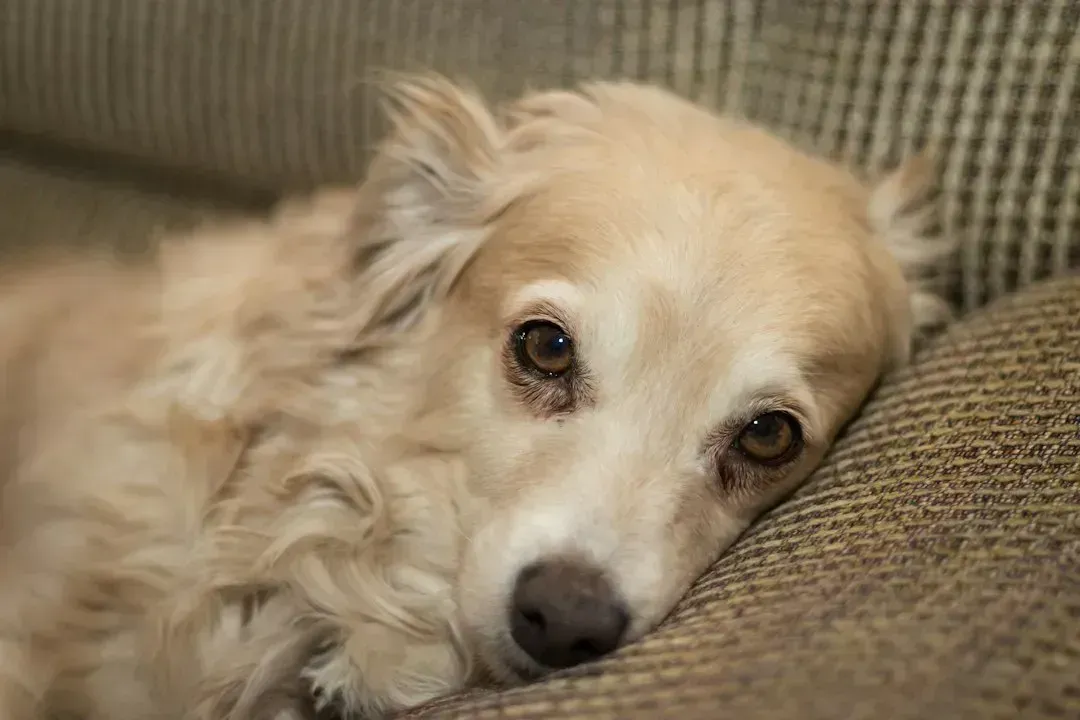
Watch how a dog moves around a room they consider theirs. A happy pet will exhibit a relaxed posture, free of tension, moving fluidly and comfortably without signs of stiffness or hesitation. Tension in the shoulders, back, or legs usually points to unease, while a loose gait suggests the opposite.
A relaxed dog is engaged in their surroundings and will have a loose, waggy posture. This looseness extends to how they settle onto furniture or the floor, often draping themselves over cushions or sprawling out with no apparent concern about who might walk by. It is one of the easiest signs to spot once you know to look for it.
3. Their ears sit in a natural, relaxed position
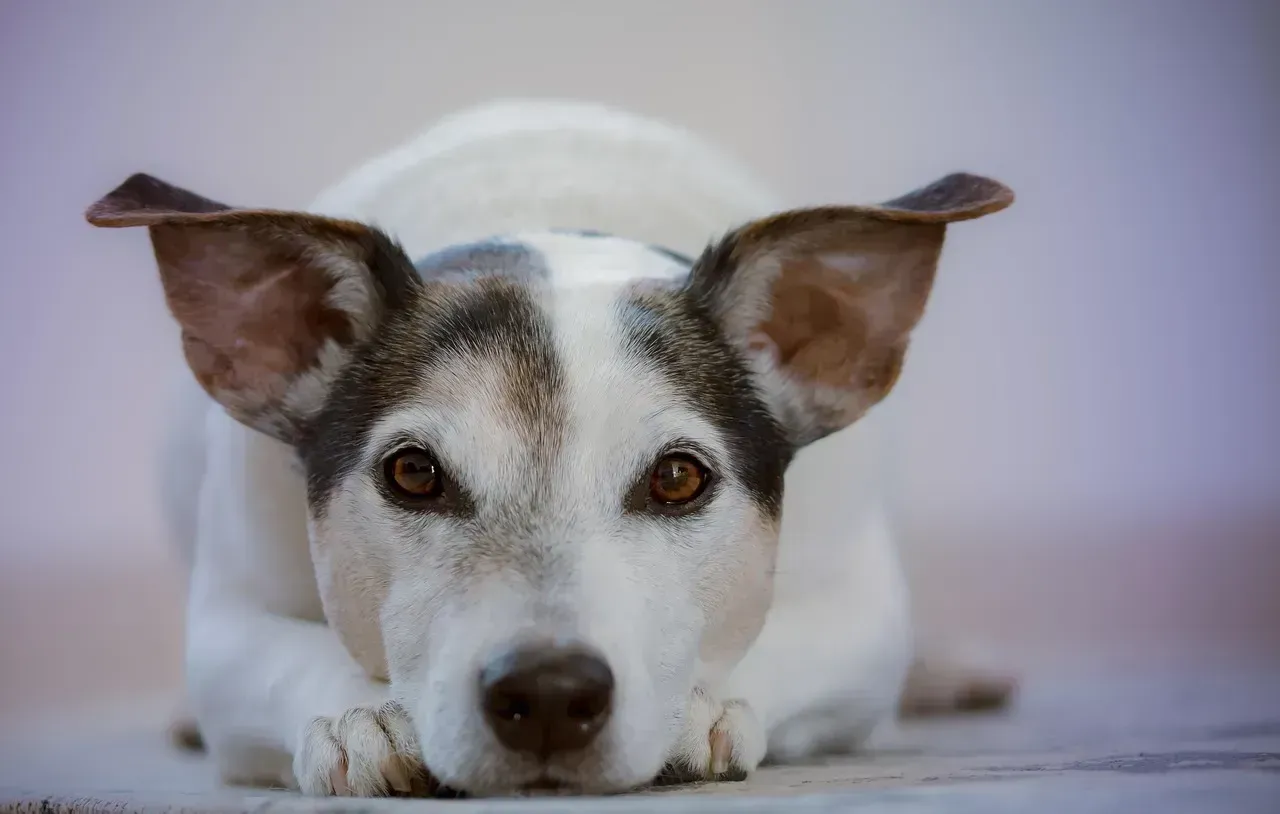
Ears are a surprisingly reliable barometer of comfort. Ears in a natural, neutral position indicate relaxation, meaning they are not pinned back or pricked forward but resting comfortably. Because ear shape varies so much between breeds, it helps to know what is normal for your own dog rather than comparing them to a different breed entirely.
Depending on the shape and structure of a dog’s ears, they could be perfectly content and relaxed even with ears back, since big floppy ears rest differently than tall, pointed ones. The key is context. A relaxed set of ears paired with soft eyes and a loose body almost always points to a dog who feels at ease in that moment.
4. Their tail moves in slow, wide sweeps
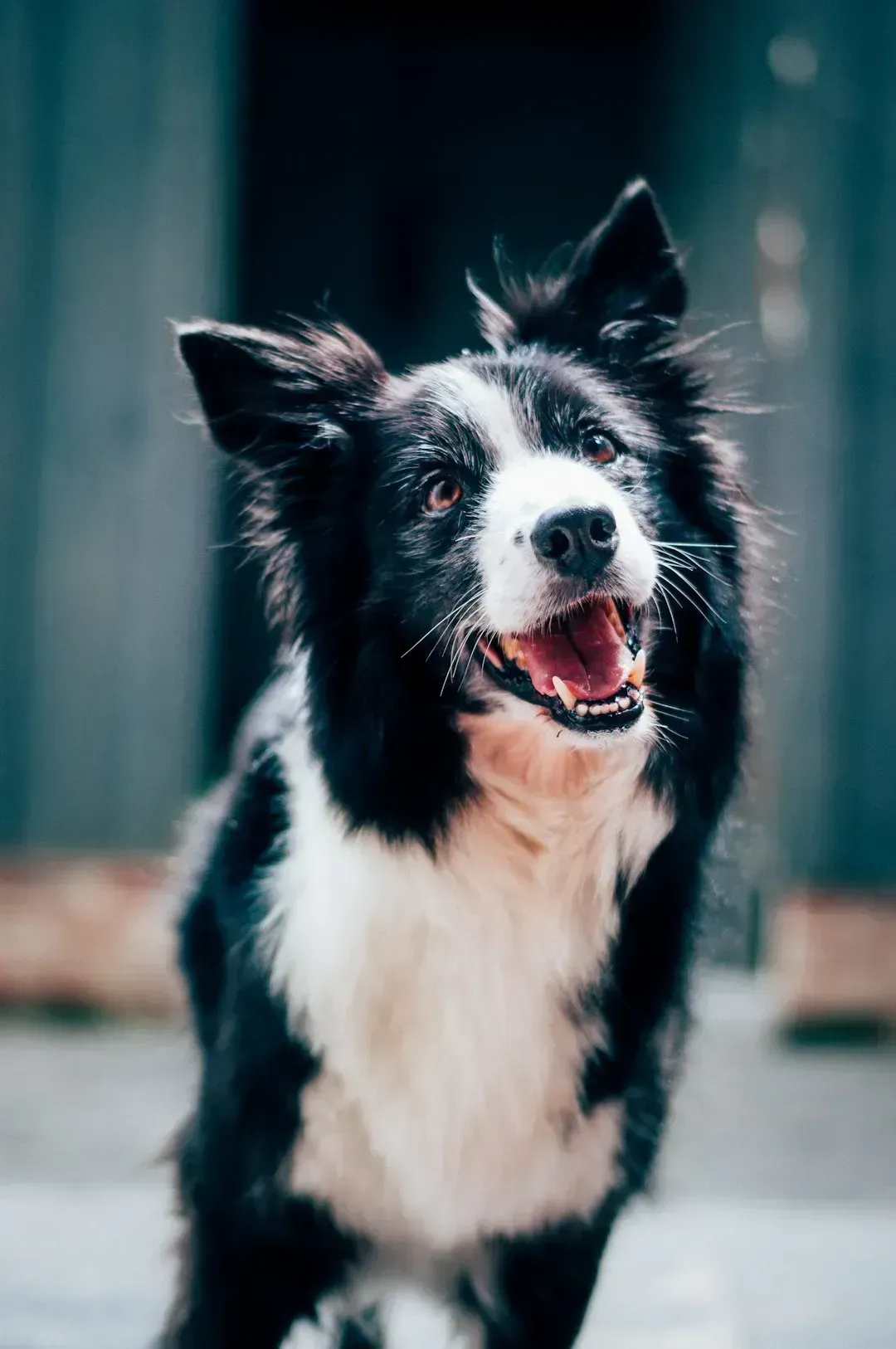
Tail wagging gets misread constantly, but the pattern matters as much as the motion itself. A relaxed and happy dog will have a smooth, easy tail wag that moves back and forth or in a circular motion. A stiff, high, rapid wag tells a very different story than a loose, mid-height sway.
Tail position is a clear indicator of a pet’s mood, and in dogs, a wagging tail held at mid-height usually signifies happiness. If you notice your dog’s tail hanging naturally and swinging gently rather than snapping side to side, that is a good sign they feel settled rather than alert or anxious.
5. Their face looks soft, not tense
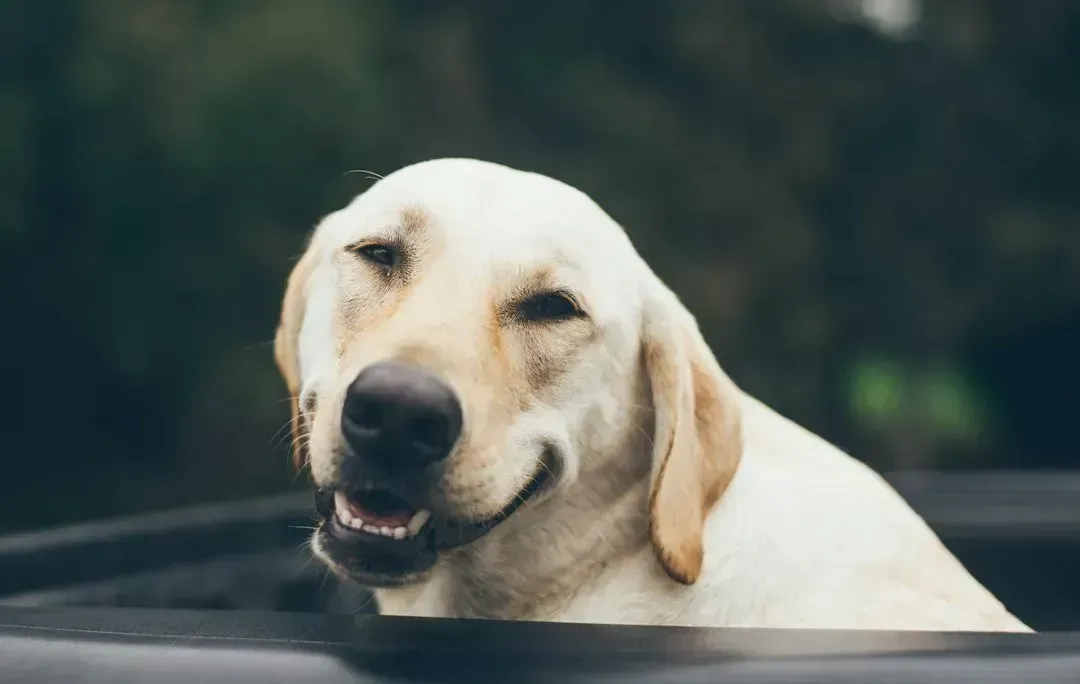
A dog’s facial muscles hold a lot of information if you know how to read them. The muscles in a happy pet’s face stay calm and smooth, free of tension, and dogs may have a relaxed mouth that sometimes appears to be smiling. Compare that to a tight, closed mouth or a furrowed brow, which usually signals stress.
A soft facial expression typically includes a slightly open mouth, a relaxed tongue, and eyes that are soft and squinty rather than wide or staring. This softness tends to show up most clearly during quiet moments at home, like when a dog is lounging near you rather than reacting to something outside.
6. They seek out physical closeness with you
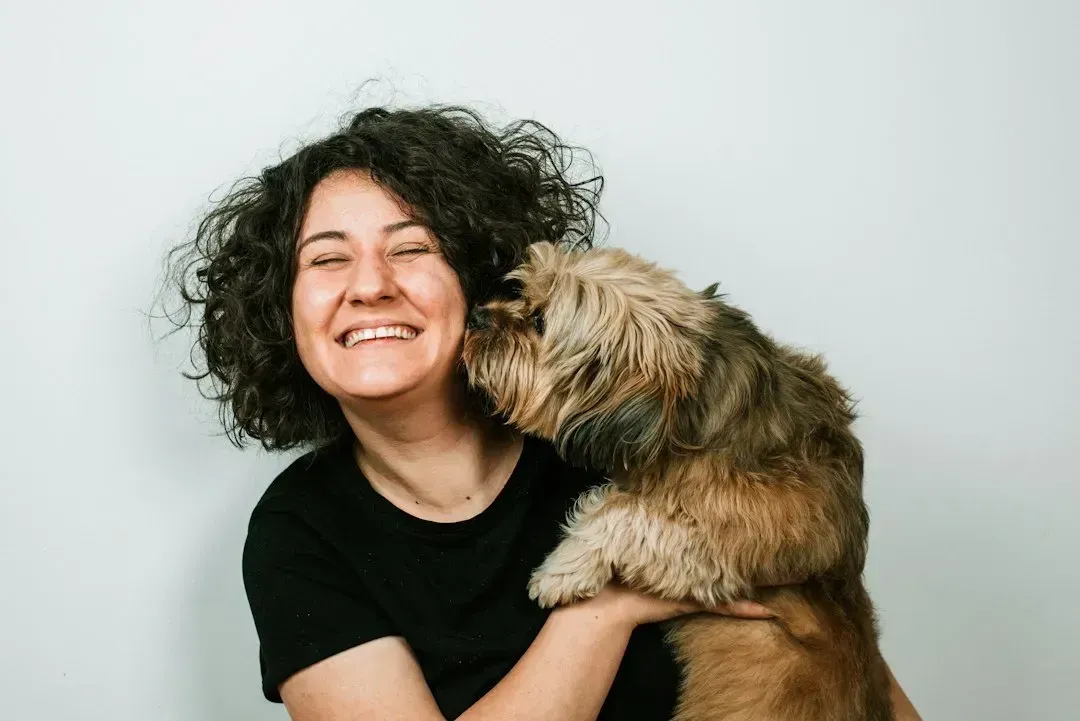
Dogs that feel secure tend to want to be near their people, not just tolerate their presence. A happy dog may seek attention by nudging you with their nose, pawing at you, or leaning against you, which signals that they feel safe and comfortable around you and want to be close. This is different from clingy, anxious behavior, which usually comes with visible tension elsewhere in the body.
Comfortable closeness tends to look relaxed rather than desperate. A dog who flops against your leg on the couch or drapes over your lap without constantly checking your face for reassurance is showing genuine ease, not just habit.
7. They choose open, exposed spots to rest
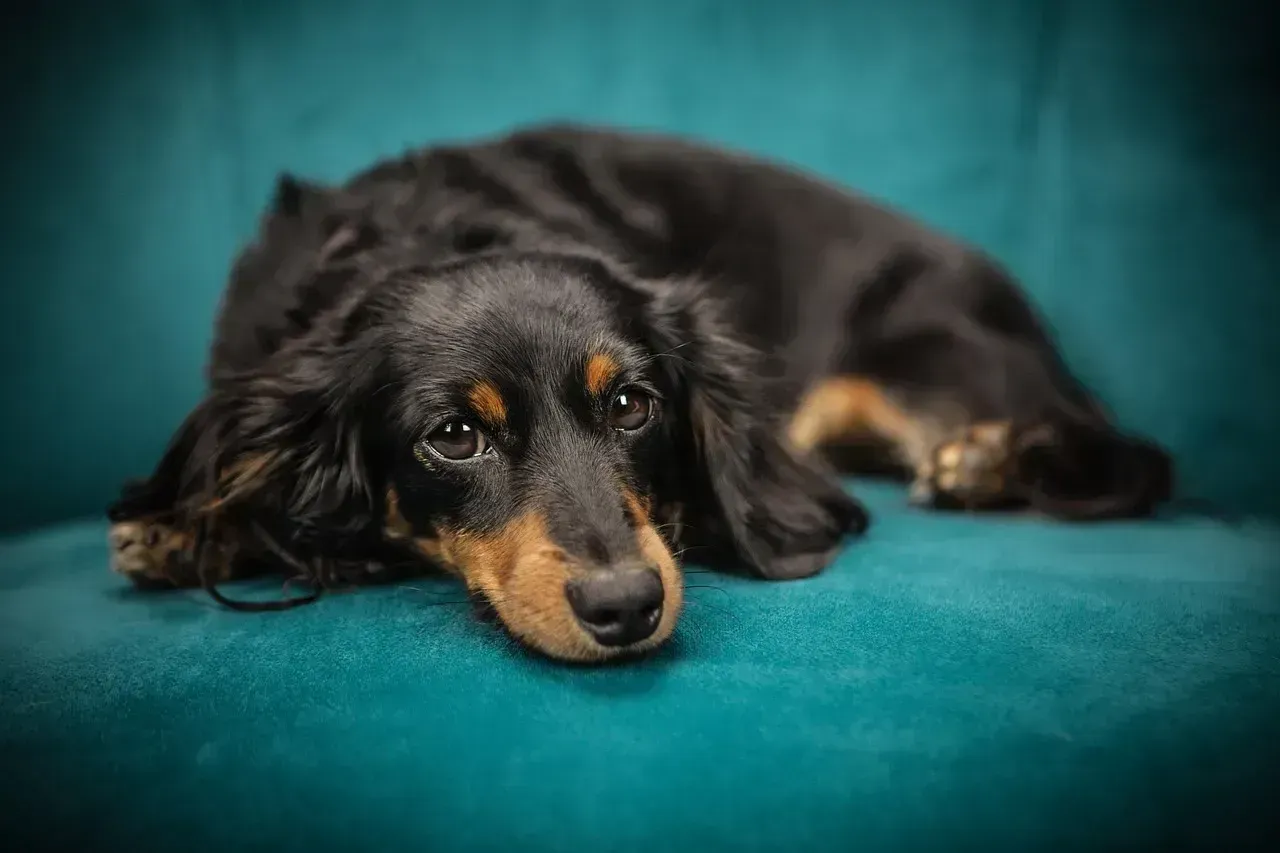
Where a dog decides to sleep says a lot about how safe they feel in a space. Dogs that feel safe often choose consistent places to rest, sometimes in the middle of a room or in a high-traffic area, because they trust that no harm will come to them. A dog constantly retreating to closets or tight corners may be telling you something different.
Secure dogs will stretch out freely, sometimes exposing their belly, and sleep without the muscle tension seen in anxious pets. That willingness to be out in the open, rather than hidden away, is a quiet but telling vote of confidence in their surroundings.
8. They stay calm during normal household noise
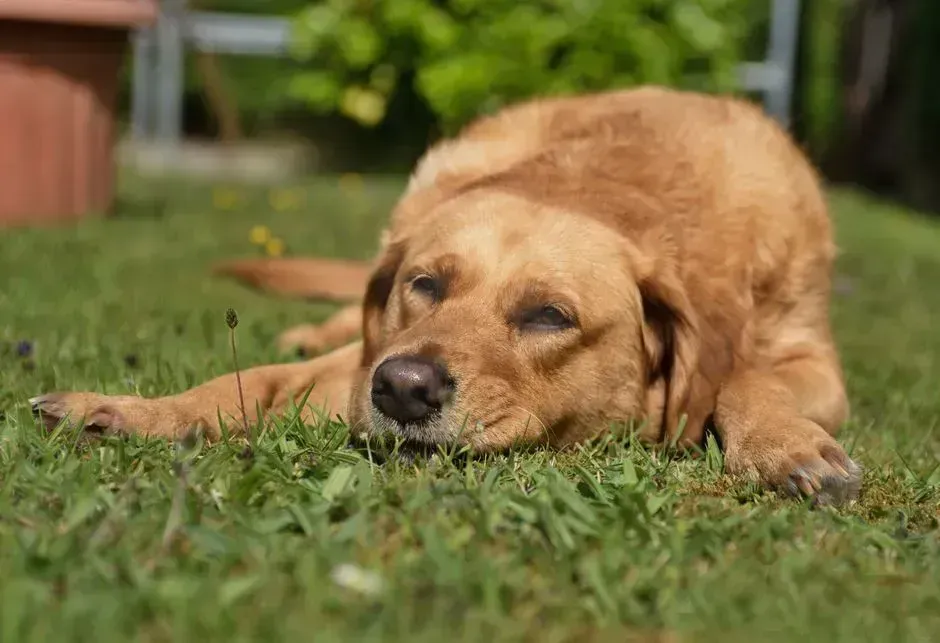
How a dog reacts to everyday sounds reveals a lot about their baseline comfort level. A hallmark of a secure dog is their ability to distinguish between a normal event and a threat, since secure dogs are significantly less reactive to household noises like the vacuum or visitors at the door, and may show relaxed curiosity instead of running away. A dog that startles violently at every sound may still be adjusting to their environment.
This calmness usually builds over time as a dog learns the rhythms of a household. Consistent routines help reinforce that sense of predictability, which in turn makes everyday disruptions feel far less threatening.
9. They maintain soft, relaxed eye contact
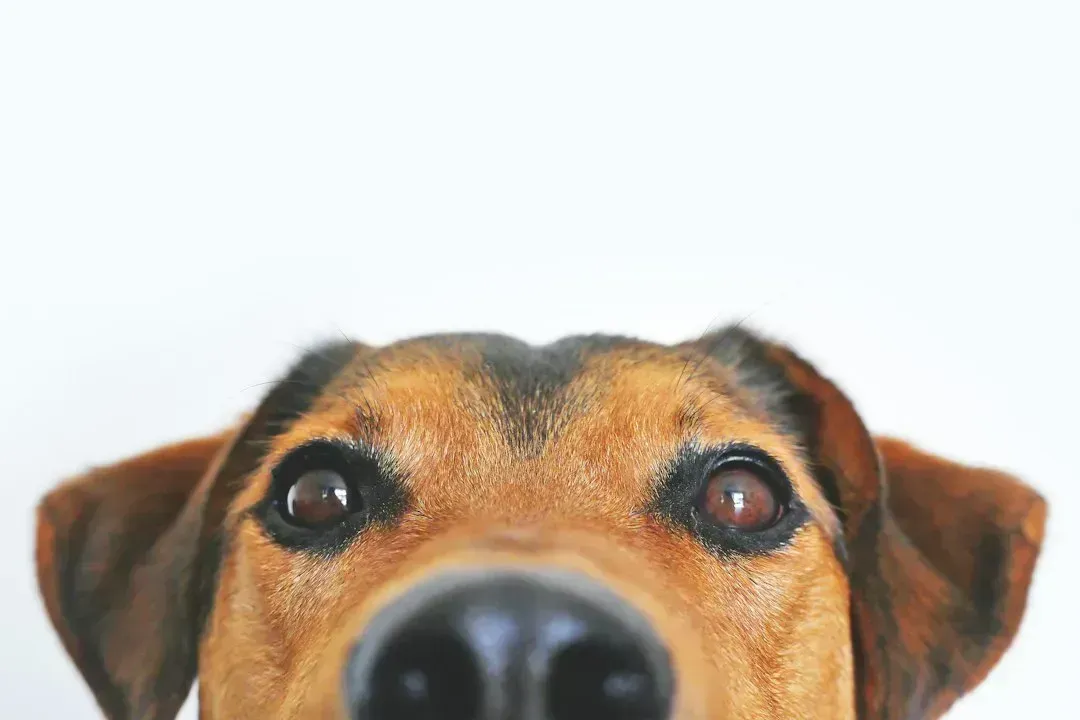
Eyes are often the fastest way to gauge how a dog is feeling in the moment. Maintaining eye contact is often confirmation that a dog is content and stress-free around you, especially when the gaze is calm and quiet rather than intense or staring. Hard, fixed stares tend to signal something closer to alertness or discomfort.
Eyes that are wide open, focused, and paired with a neutral, relaxed forehead point toward a genuinely relaxed dog. Soft blinking and casual glances away, rather than a locked stare, round out the picture of a dog who feels no need to stay on guard.
10. They move with a loose, bouncy wiggle
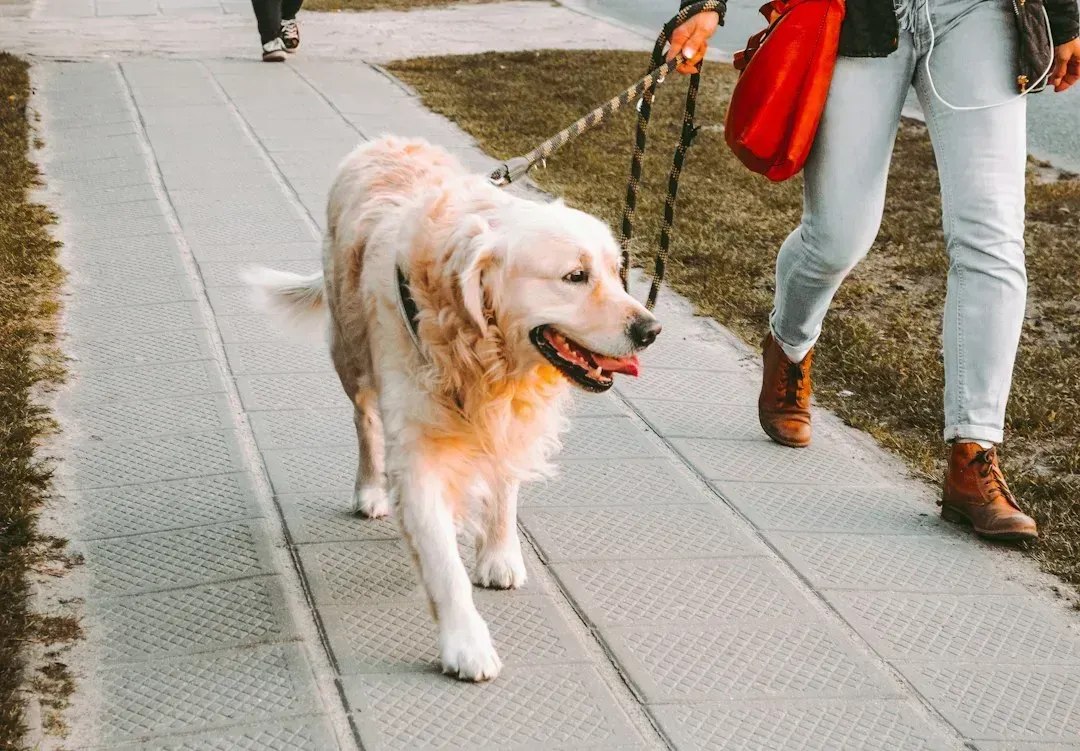
The way a dog carries their whole body during everyday movement is often the clearest tell of all. Happy dogs often move with a loose, bouncy body, with the wiggle traveling from shoulders to hips. This kind of relaxed motion is hard to fake and tends to show up naturally once a dog feels fully settled somewhere.
A happy, comfortable dog usually looks soft overall, with relaxed muscles, smooth movement, and a body that may curve rather than stand stiff and straight. This whole-body ease, rather than any single gesture, is usually the most honest signal a dog can give about how they feel in your home. None of these signs work in isolation, and vets generally caution against reading too much into any single behavior on its own. A wagging tail paired with a stiff body means something different than the same wag paired with soft eyes and a loose gait. Looking at the whole picture, and knowing what is normal for your individual dog, remains the most reliable way to understand what they are actually telling you.



Leave a Reply