
1. Not pre-chilling the cooler before loading it
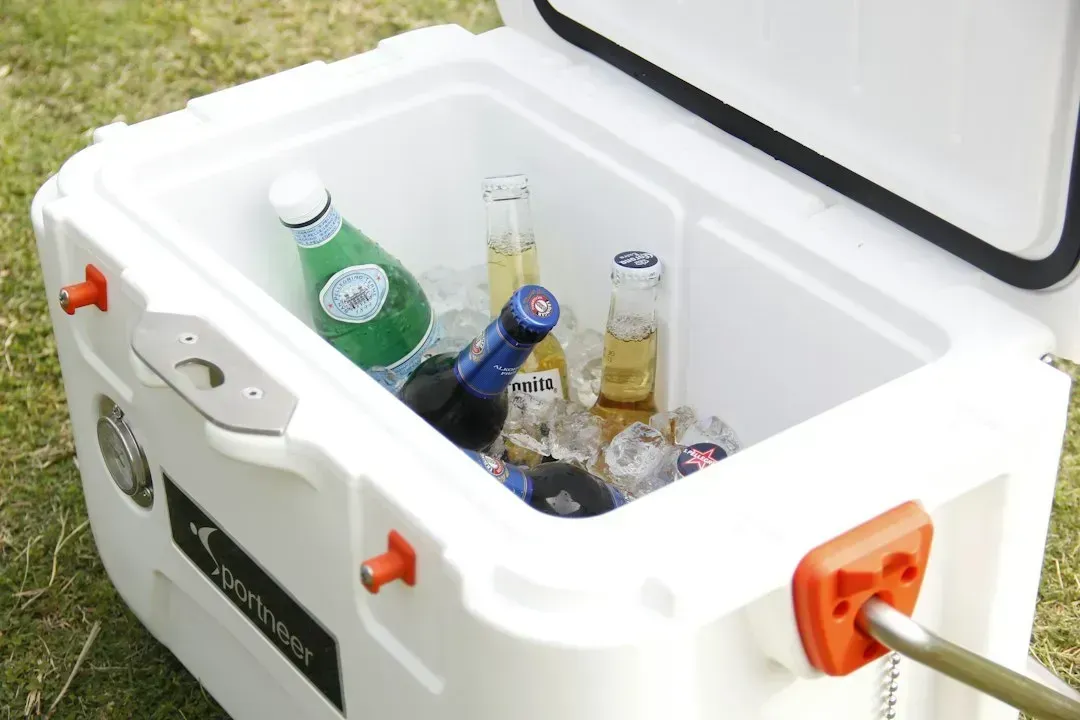
One of the biggest oversights is loading a cooler straight from the closet without giving it a chance to cool down first. A warm cooler has to work overtime to bring both itself and the food inside down to a safe temperature, which wastes precious ice in the first few hours. This early inefficiency is often why coolers that should last two days barely make it through one.
A simple fix is filling the cooler with ice or frozen gel packs an hour or two before packing food, then dumping that ice out right before loading the actual trip items. Pre-chilling the interior walls means less energy is spent fighting residual warmth once the real cargo goes in. It is a small step that meaningfully extends how long food stays at a safe temperature.
2. Packing raw meat next to ready to eat food
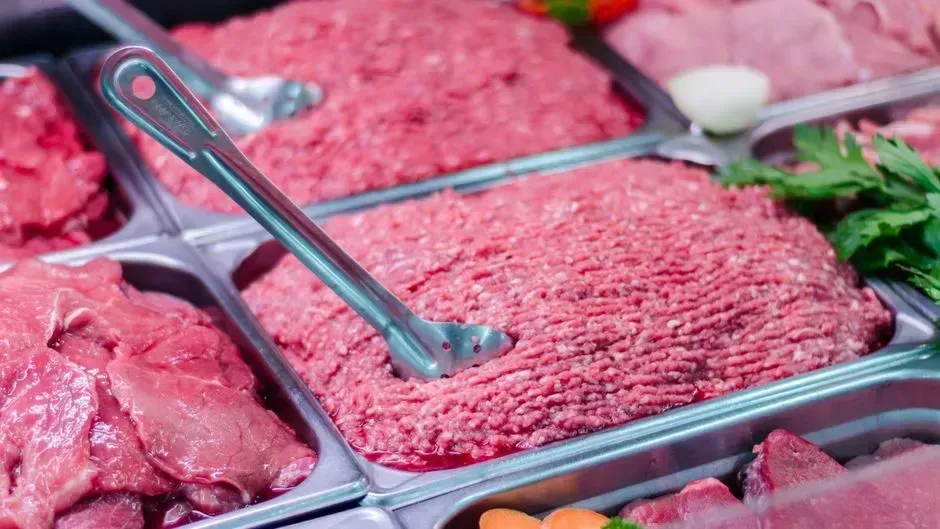
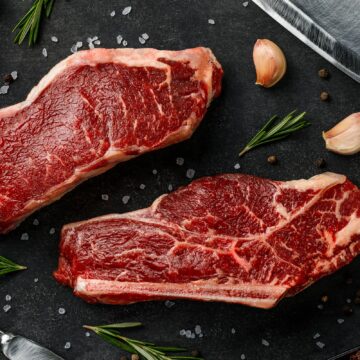
Cross contamination is a real risk in the tight confines of a car cooler, especially when raw meat, poultry, or seafood sits loose next to fruit, cheese, or sandwiches. The USDA has long recommended keeping raw proteins sealed and separated from foods that will be eaten without further cooking. On a road trip, where there is no sink for handwashing and no immediate way to clean a spill, this separation matters even more.
The safer approach is placing raw items in leak proof bags or containers and setting them at the bottom of the cooler, below anything ready to eat. Doing this also protects other food from any juices that might escape as ice melts throughout the day. It takes only a minute of extra care to avoid a foodborne illness scare hundreds of miles from home.
3. Ignoring the two hour rule for perishable food
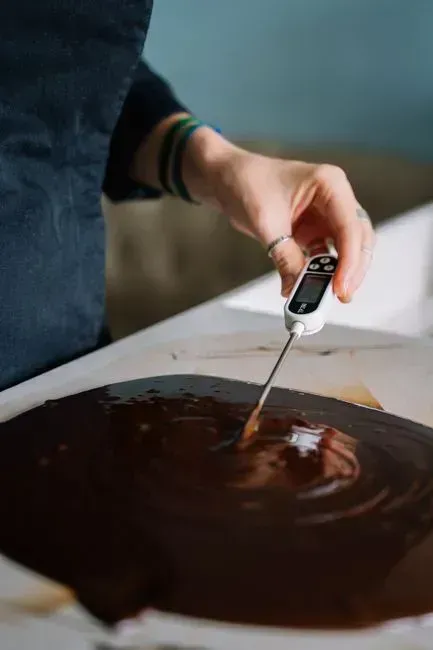
Many travelers assume that as long as food is in a cooler, it is automatically safe, but time still matters. Food safety guidelines generally advise that perishable items should not sit at unsafe temperatures for more than two hours, and that window shrinks to about one hour when outside temperatures climb above ninety degrees Fahrenheit. Road trips through summer heat, especially across states like Arizona, Texas, or Nevada, can push cooler contents into risky territory faster than people expect.
Checking a cooler’s internal temperature with a simple thermometer, rather than guessing based on how the ice looks, gives a much clearer picture. If food has been sitting above forty degrees Fahrenheit for longer than the recommended window, it is safer to toss it than risk it. This is one of those situations where being overly cautious costs far less than the alternative.
4. Overpacking snacks that turn into crumbs
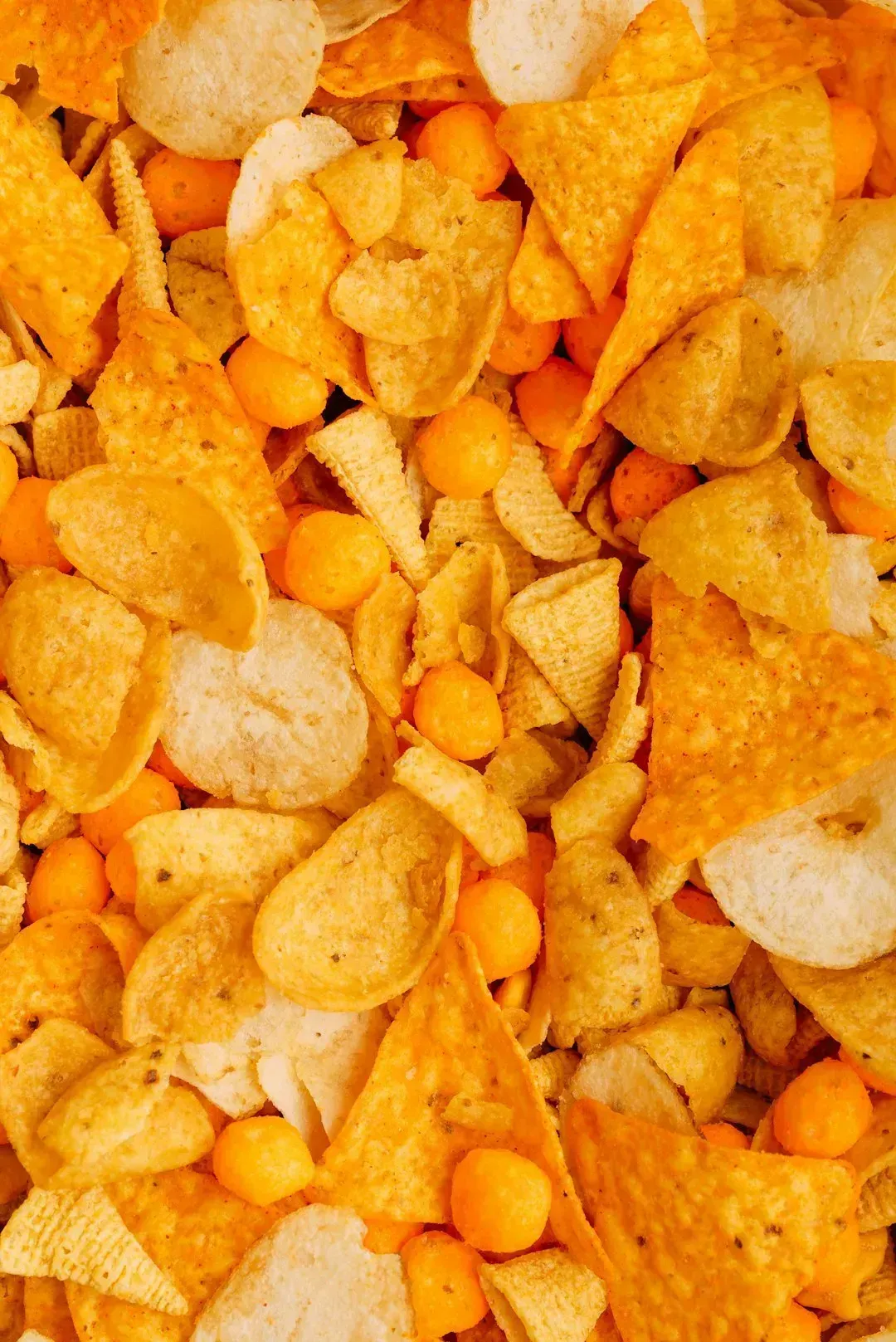
Chips, crackers, and delicate baked goods might seem like easy grab and go options, but they rarely survive being tossed into a bag alongside heavier items. By the time a cooler or snack bin gets jostled over a few hundred miles of highway, bags that started full often end up as bags of crumbs. This is more than just a texture complaint since crushed snacks are harder to eat cleanly in a moving vehicle and tend to create more mess.
Sturdier snacks like nuts, dried fruit, granola bars, or pretzels in rigid containers tend to hold up far better under vibration and shifting weight. Packing fragile items in hard sided containers, rather than their original bags, also helps preserve both shape and freshness. A little structural planning saves both the snack and the interior of the car.
5. Forgetting that ice melts and creates a mess

Traditional ice is affordable and widely available, but it comes with an unavoidable downside: it turns into water. Coolers packed without any barrier between food and melting ice often end up with soggy sandwiches, waterlogged fruit, or floating snack bags by the time the trip is half over. This is a frustratingly common issue on longer drives where ice has more time to break down.
Using reusable ice packs instead of loose cubes, or placing food in waterproof containers even inside the cooler, helps prevent this soggy outcome. Some travelers also freeze water bottles ahead of time, which double as both ice packs and drinkable water once they melt. Either method keeps food dry and drinkable water available without the cooler turning into a shallow pool.
6. Choosing food that requires utensils and plates
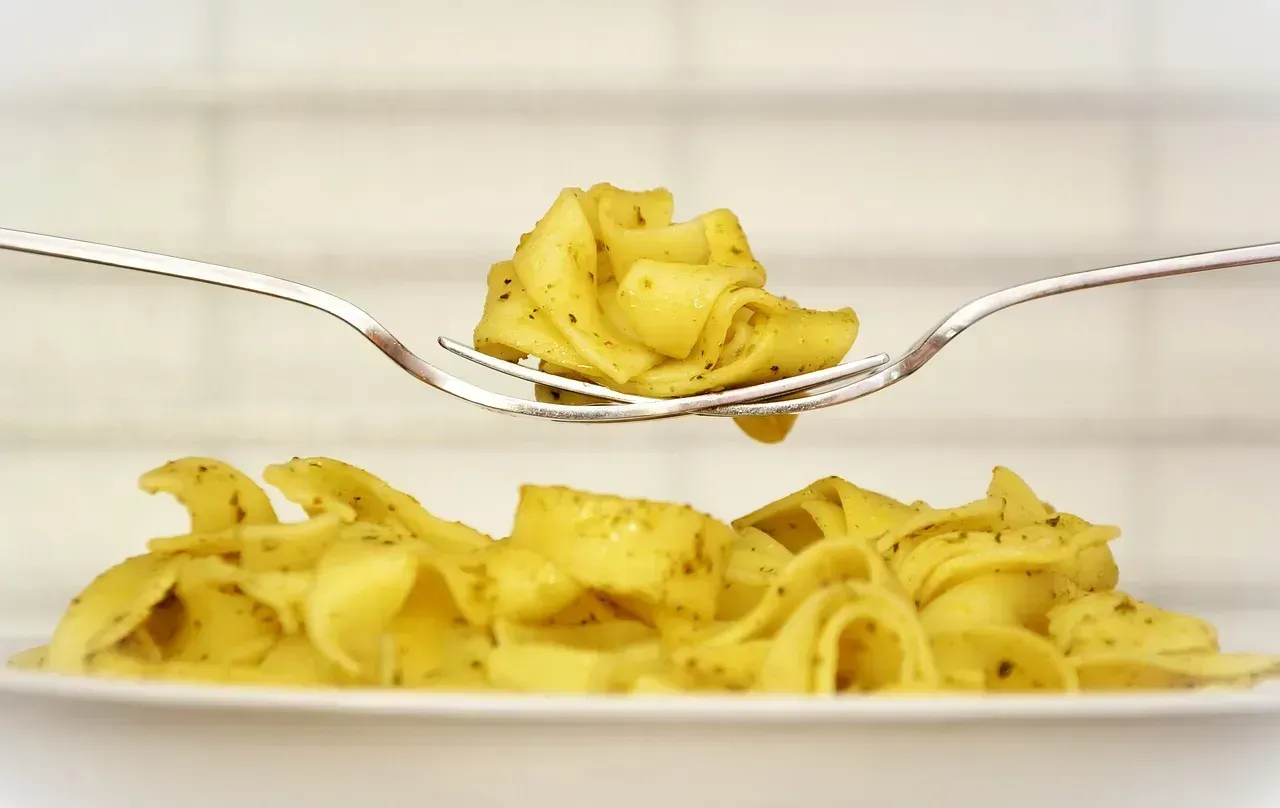
Packing a stew, a saucy pasta dish, or anything requiring a fork and a stable surface sounds fine in theory until it is time to actually eat while parked at a rest stop or, worse, while still moving. These meals demand plates, utensils, napkins, and usually a flat surface, none of which a car provides comfortably. The cleanup alone can eat into driving time and leave crumbs or stains in hard to reach places.
Finger foods like wraps, sandwiches, cut vegetables, and boiled eggs are far more practical for eating on the move. They require little more than a napkin and can be eaten one handed if someone is behind the wheel and genuinely needs a snack without stopping. Simplicity in food choice translates directly into less mess and fewer distractions while driving.
7. Not accounting for food allergies or dietary needs of passengers

When packing for a group, it is easy to default to what one person likes without checking whether everyone in the car can safely eat it. Food allergies affect millions of people, and reactions can range from mild discomfort to medical emergencies, which is a serious concern in a vehicle far from a hospital. Overlooking a passenger’s dietary restriction, whether it is a nut allergy, lactose intolerance, or a religious dietary rule, can turn a road trip into a stressful situation.
A quick conversation before packing, asking who eats what and who avoids what, prevents most of these problems entirely. Labeling containers clearly, especially when nuts, dairy, or gluten are involved, also helps avoid confusion once everyone is digging through the same cooler. This small step of communication protects both comfort and safety for the whole group.
8. Packing food in containers that leak or do not seal properly
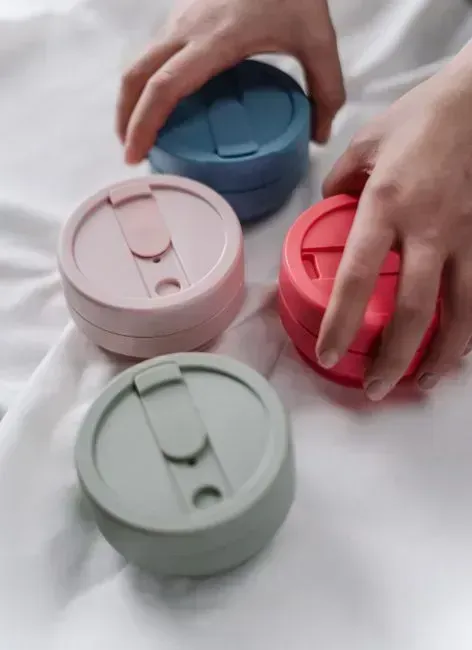
Reusing containers with worn out lids, mismatched pieces, or thin plastic that warps under pressure is a recipe for spills. Car cabins are rarely level for long, between hills, turns, and sudden stops, so anything not properly sealed tends to shift and leak eventually. A leaking container of dressing or sauce can ruin snacks, bags, or even upholstery within minutes.
Investing in a few genuinely leak proof containers, the kind with silicone seals or locking clips, solves most of this problem before it starts. Testing lids by shaking a filled container upside down over a sink before the trip is a quick way to catch weak seals early. This is one of the cheapest problems to prevent and one of the most annoying to clean up after the fact.
9. Skipping hydration and relying only on gas station drinks
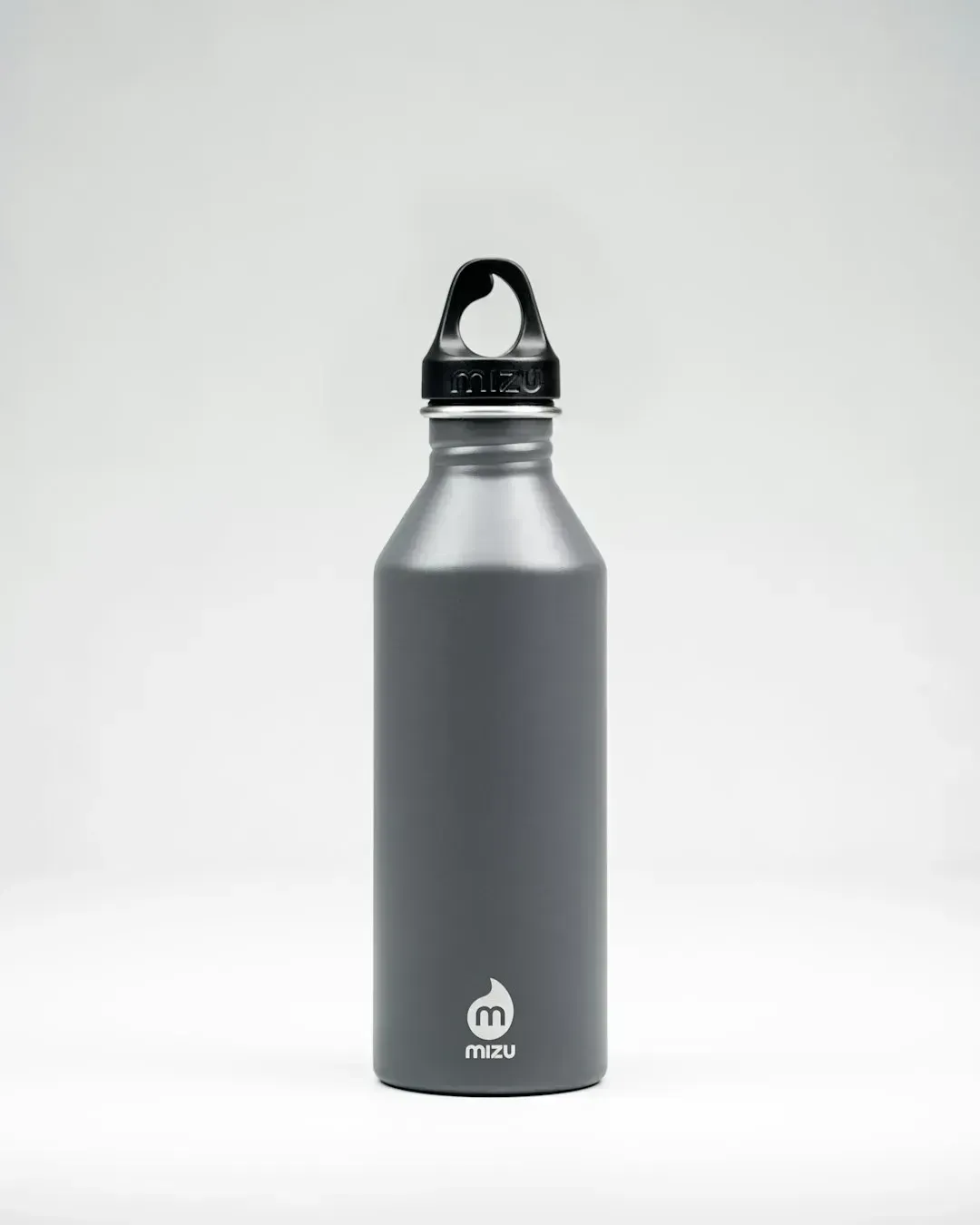
It is easy to focus entirely on food and forget that hydration deserves the same planning. Relying solely on gas station stops for water or drinks means paying inflated prices and depending on whatever happens to be in stock at a random convenience store. Dehydration can also creep up quietly during long drives, especially in hot weather or at higher altitudes, contributing to fatigue behind the wheel.
Packing a case of water bottles or a reusable water jug alongside the food supply, rather than treating drinks as a separate afterthought, solves this cheaply. Frozen water bottles, as mentioned earlier, offer a dual benefit of cooling the cooler while providing drinking water later in the trip. Staying hydrated is a small logistical detail with a direct impact on alertness and overall comfort during long stretches of driving.
10. Underestimating how much food is actually needed
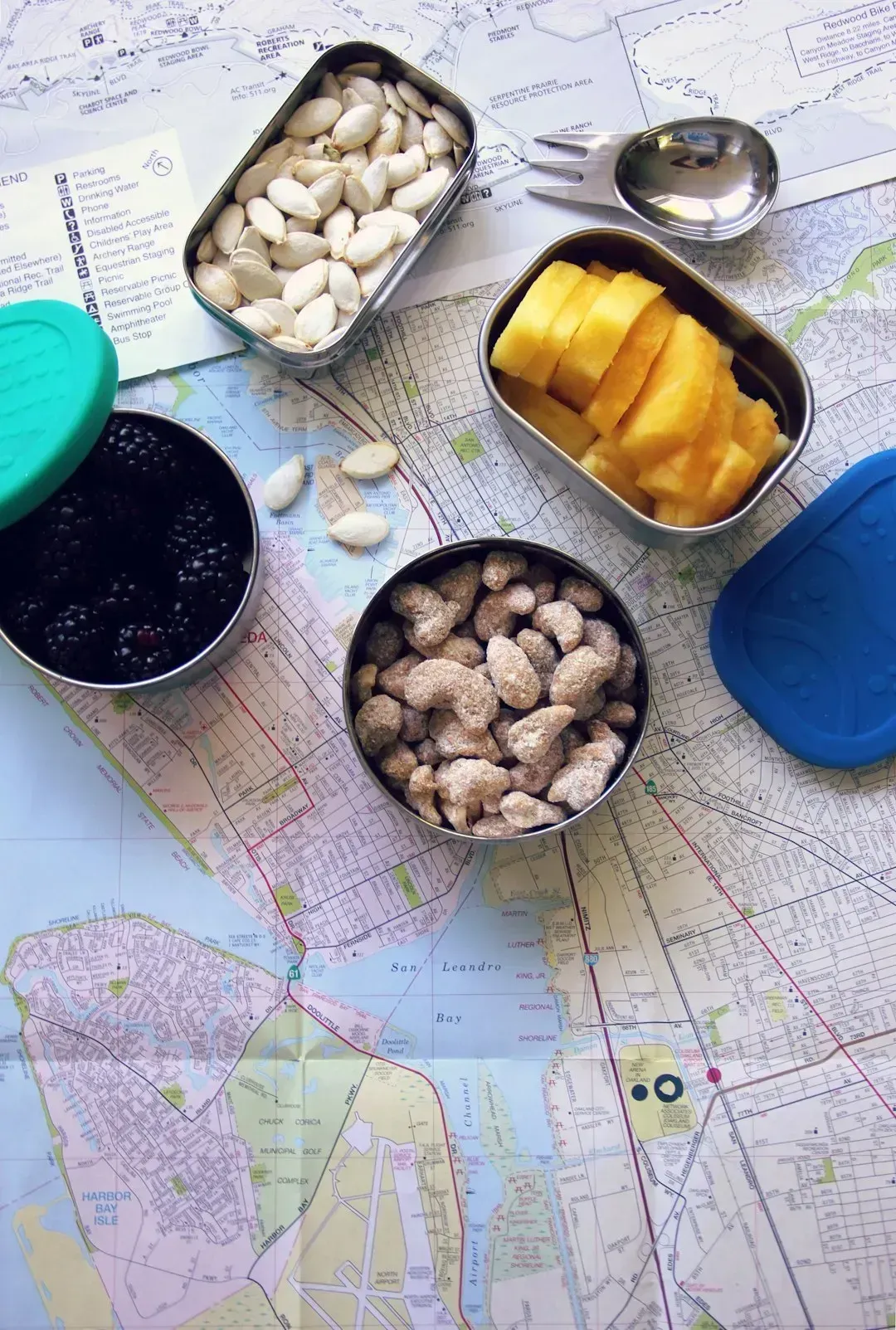
Road trip distances and drive times are notoriously easy to underestimate, and food quantities often get planned around the trip people expect rather than the trip that actually happens. Traffic delays, detours, and extra stops can stretch a six hour drive into eight or nine hours without much warning. Running out of food halfway through, especially in areas with limited dining options, forces unplanned and often overpriced stops.
Packing slightly more food than seems necessary, along with a buffer of shelf stable options like granola bars or trail mix, provides a safety net for unexpected delays. This is especially relevant on long rural stretches of highway where restaurants or grocery stores may be few and far between. A little overestimation here rarely goes to waste, since leftover snacks are far less disruptive than a car full of hungry passengers and no options nearby.
Avoiding these ten mistakes does not require expensive gear or elaborate meal planning, just a bit of foresight before the drive begins. Small adjustments, like pre-chilling a cooler, separating raw proteins, and packing slightly more food than expected, tend to make the biggest difference once the miles start adding up.

Leave a Reply