
1. Cooking everything in a cast iron skillet, no exceptions
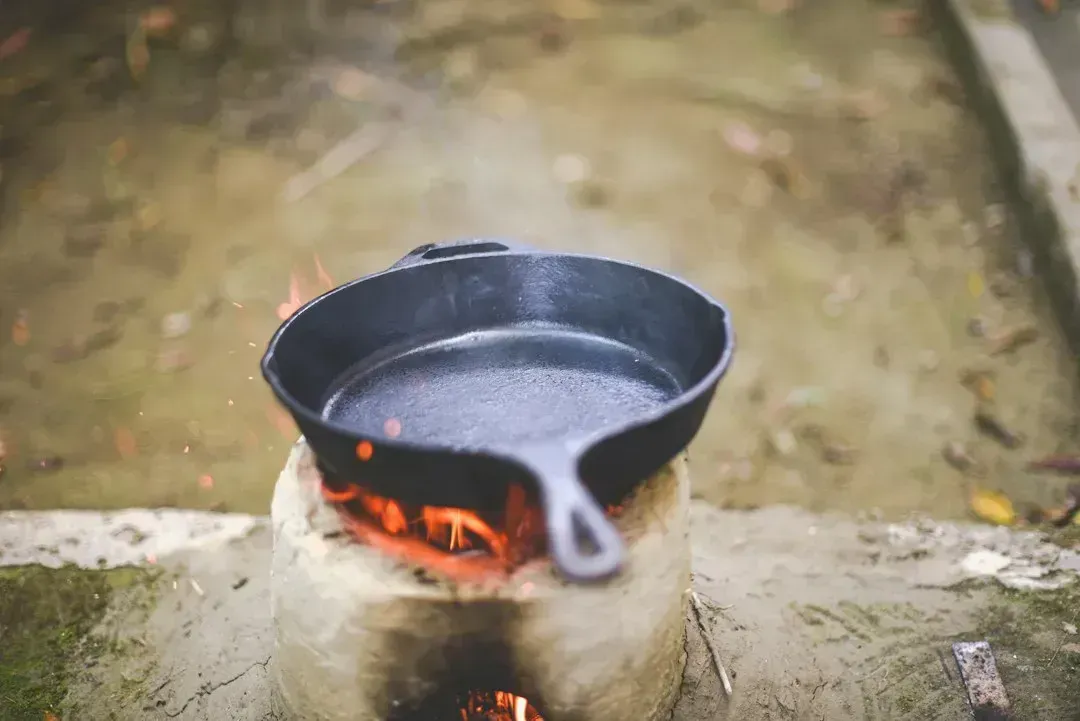
Ask an Ozarks cook what pan they use for eggs, cornbread, fried chicken, or even a cake, and the answer is almost always the same well seasoned cast iron skillet. Many families pass these skillets down through generations, and some are old enough that nobody remembers exactly when they were bought. The seasoning, that dark slick coating built up over years of use, is treated like a prized possession rather than something to scrub off.
Outsiders sometimes assume this is just old fashioned stubbornness, but there’s a real reason behind it. Cast iron holds heat evenly and gets hotter than most nonstick pans allow, which matters for things like frying chicken or getting a proper crust on cornbread. Washing one with soap is treated almost like a small betrayal, and newcomers who try it in someone else’s kitchen usually get a quick, polite correction.
2. Adding sorghum instead of sugar or maple syrup

Sorghum molasses shows up in Ozark kitchens the way maple syrup shows up in New England ones, except most outsiders have never even tasted it. It’s made by pressing and boiling down sorghum cane, a process that used to happen at community mills where neighbors brought their own cane to be processed together. The flavor is earthier and less sweet than cane molasses, with a slight tang that takes some getting used to.
Locals drizzle it on biscuits, stir it into baked beans, or use it in place of sugar in cookies and cakes. Sorghum production has actually seen a small resurgence in parts of Missouri and Arkansas as younger farmers revive old mills for a niche but loyal market. For someone raised on standard grocery store syrup, the first taste can be genuinely disorienting, in a good way once it clicks.
3. Frying nearly everything, including foods most people boil or bake
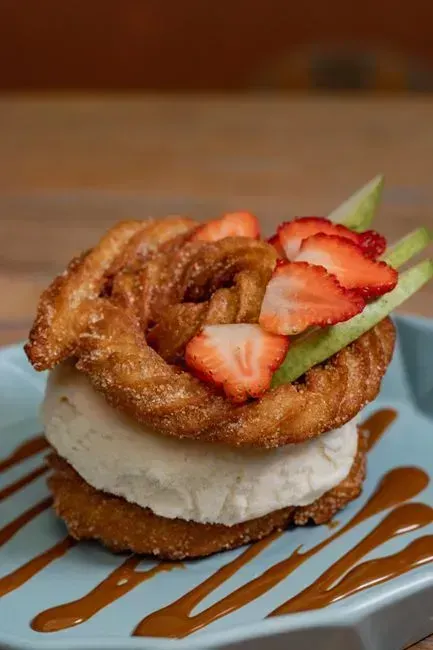
Fried potatoes, fried green tomatoes, fried squash, fried okra, fried apples, the list goes on longer than most outsiders expect. Frying became a dominant cooking method in the Ozarks partly out of necessity, since lard and bacon grease were cheap, storable, and added flavor to otherwise plain vegetables. Even breakfast often includes something fried beyond the usual bacon and eggs.
What confuses visitors most is seeing fruit treated the same way as vegetables, like apples sliced thin and fried in a skillet with a little sugar and cinnamon until soft. It’s not dessert exactly, and it’s not a side dish exactly either, it just exists in its own category. Once someone tries a plate of fried apples next to a pork chop, though, the confusion usually turns into a request for the recipe.
4. Saving and reusing bacon grease like it’s a pantry staple

Most Ozark kitchens have a small container, sometimes an old coffee can, sometimes a dedicated ceramic crock, sitting near the stove filled with saved bacon grease. Nothing gets thrown out after cooking bacon, the drippings get strained and stored for the next round of fried potatoes, greens, or cornbread. This habit stretches back to depression era frugality, when wasting fat simply wasn’t an option for families stretching every ingredient as far as it would go.
Outsiders raised on nonstick cooking and vegetable oil often find the idea a little unsettling at first, especially the part where the grease sits at room temperature for days or weeks. It’s shelf stable enough in practice, and the flavor it adds to fried foods is hard to replicate with plain oil. Many Ozark households still keep this tradition going, treating it less like a health concern and more like common sense passed down from people who never wasted food.
5. Making gravy for nearly every meal, not just breakfast
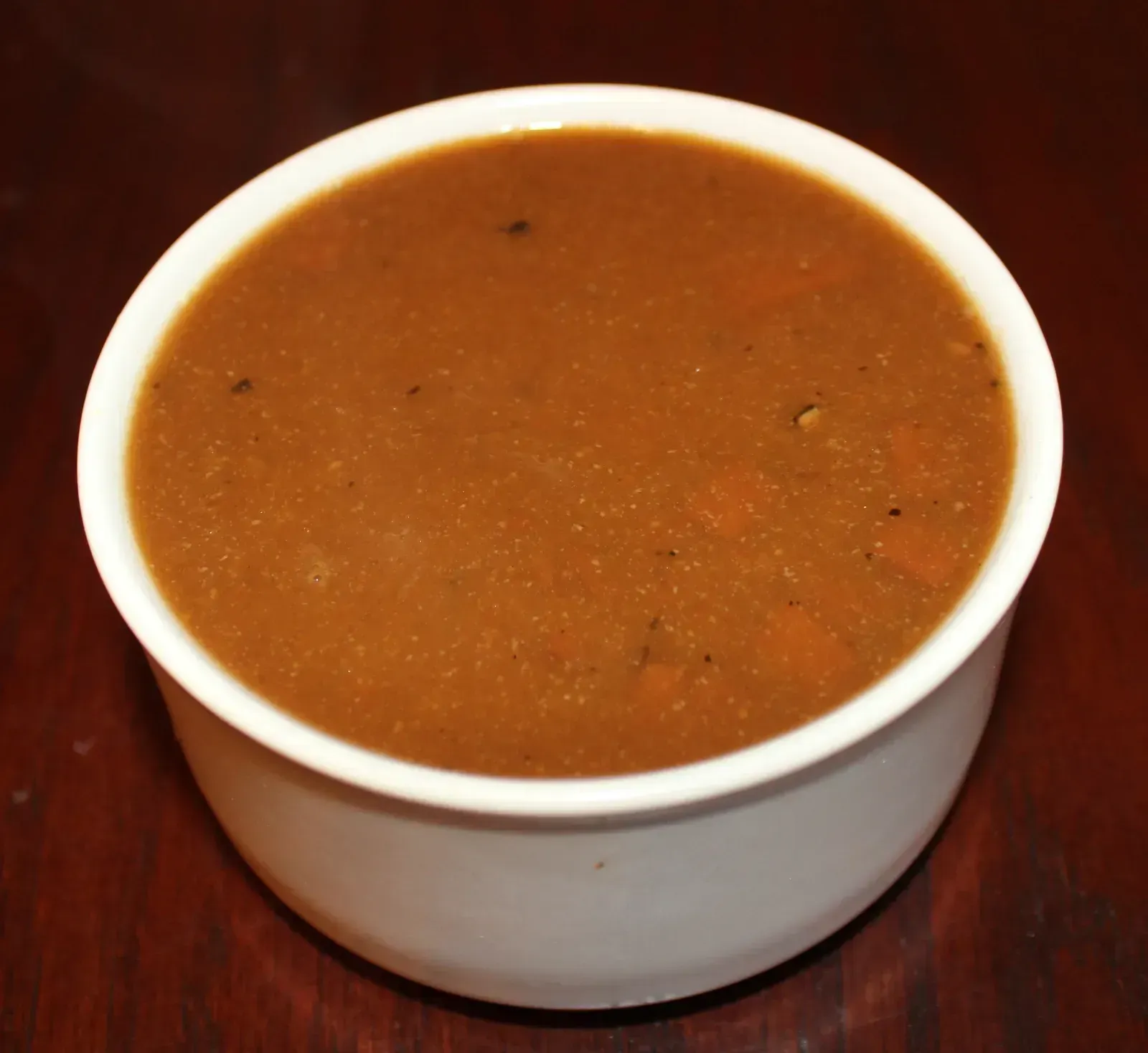
Sausage gravy over biscuits is well known outside the region, but Ozark cooking takes gravy much further than that single breakfast dish. Brown gravy, tomato gravy, and even a simple flour and milk gravy show up alongside dinner meals too, poured over meatloaf, fried chicken, or mashed potatoes without much ceremony. It’s treated less like a sauce and more like a basic building block of a proper meal.
Visitors sometimes assume gravy is reserved for special occasions or big holiday dinners, since that’s often how it works elsewhere. In the Ozarks, though, a weeknight supper without some kind of gravy can feel incomplete to someone raised on the tradition. The simplicity of the ingredients, usually just flour, fat, and milk or broth, is part of the appeal, since it stretches a meal further without much added cost.
6. Canning and pickling nearly everything from the garden
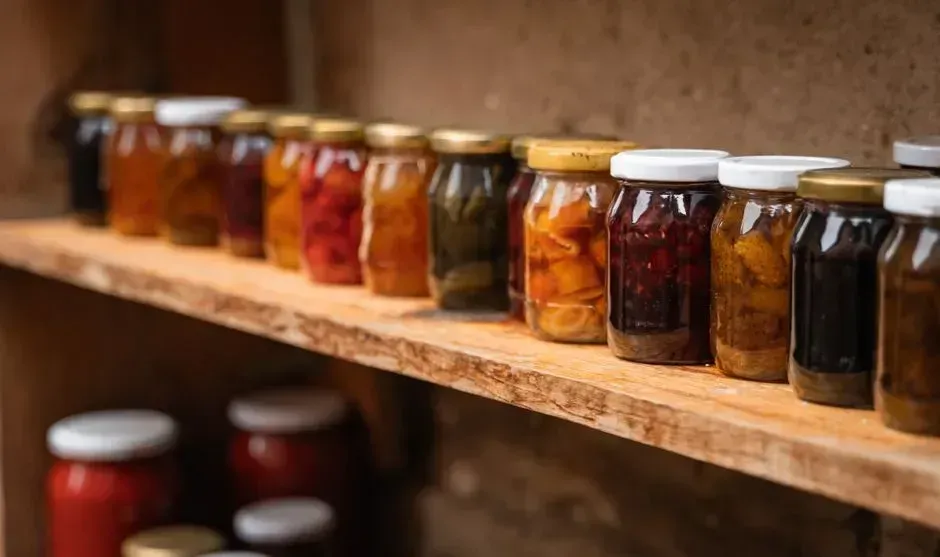
Home canning remains far more common in Ozark households than in most other parts of the country, a holdover from a region where growing seasons are short and grocery access used to be limited. Green beans, tomatoes, corn, pickles, and jams line pantry shelves in mason jars that families often reuse for decades. The process still follows techniques passed down through relatives rather than instructions found online.
What throws outsiders is the sheer scale of it, entire weekends dedicated to canning dozens of jars at once during peak harvest season. It’s treated as normal seasonal work rather than a hobby, the same way someone else might treat mowing the lawn. Interest in home canning has actually grown slightly nationwide in recent years, but in the Ozarks it never really went away to begin with.
7. Cooking dried beans low and slow with a ham bone or fatback
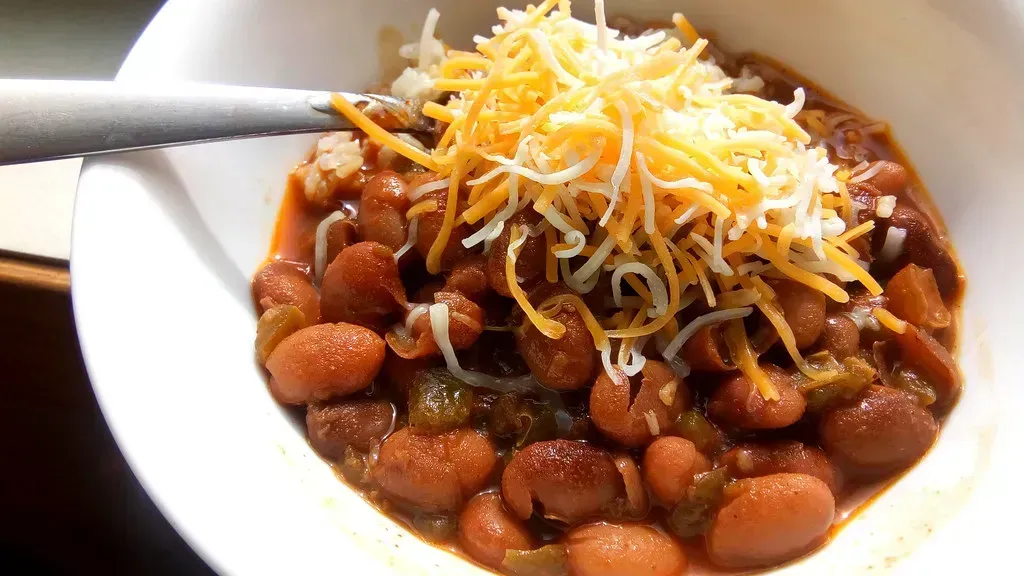
Dried beans, usually pinto or great northern, get simmered for hours with a piece of ham bone, fatback, or salt pork rather than cooked plain or seasoned lightly. The long cooking time isn’t just tradition, it’s necessary to soften dried beans properly and let the smoky pork flavor work its way through the whole pot. A pot of beans often gets started in the morning and left to simmer most of the day.
Outsiders used to canned beans or quick pressure cooker versions sometimes find the process baffling, especially the patience it requires. There’s also the matter of cornbread, which almost always accompanies a pot of beans, crumbled in or eaten alongside. The pairing is so standard in the region that asking for beans without cornbread nearby earns a puzzled look from most locals.
8. Using buttermilk as a near constant kitchen ingredient
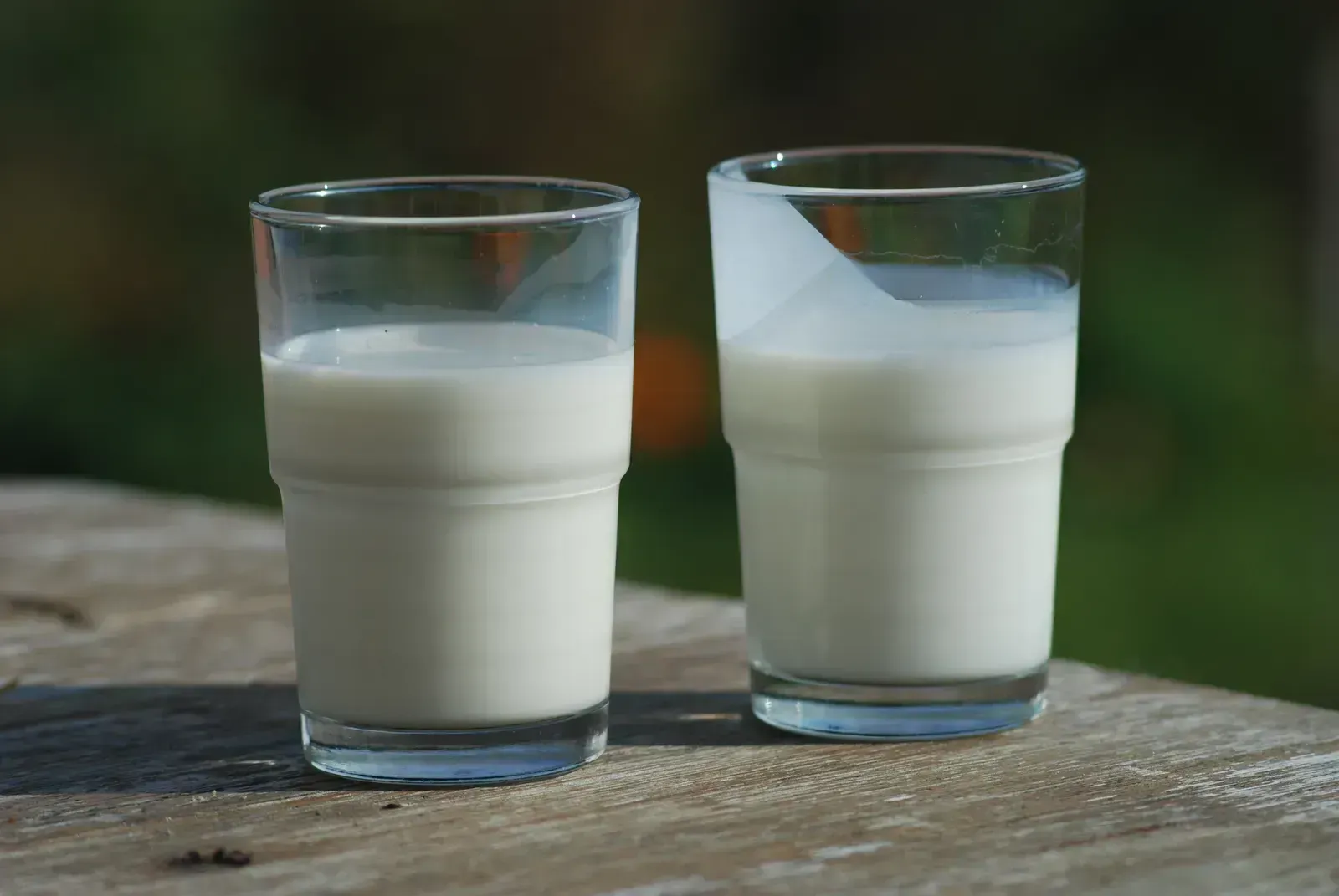
Buttermilk shows up far more often in Ozark kitchens than a simple glass to drink, working its way into biscuits, cornbread, fried chicken marinades, and even pie fillings. Its tang and acidity help tenderize batters and doughs, which is part of why old family recipes lean on it so heavily. Some households still keep a jar going regularly rather than buying it only when a specific recipe calls for it.
Visitors sometimes assume buttermilk is an outdated ingredient replaced by newer substitutes, but in the Ozarks it never lost its place. Drinking a plain glass of cold buttermilk, something older generations still do, tends to be the part that confuses newcomers most. It’s an acquired taste that many outsiders never quite warm up to, even if they come around on the cooking uses.
9. Treating cornmeal as a base ingredient rather than a side dish item
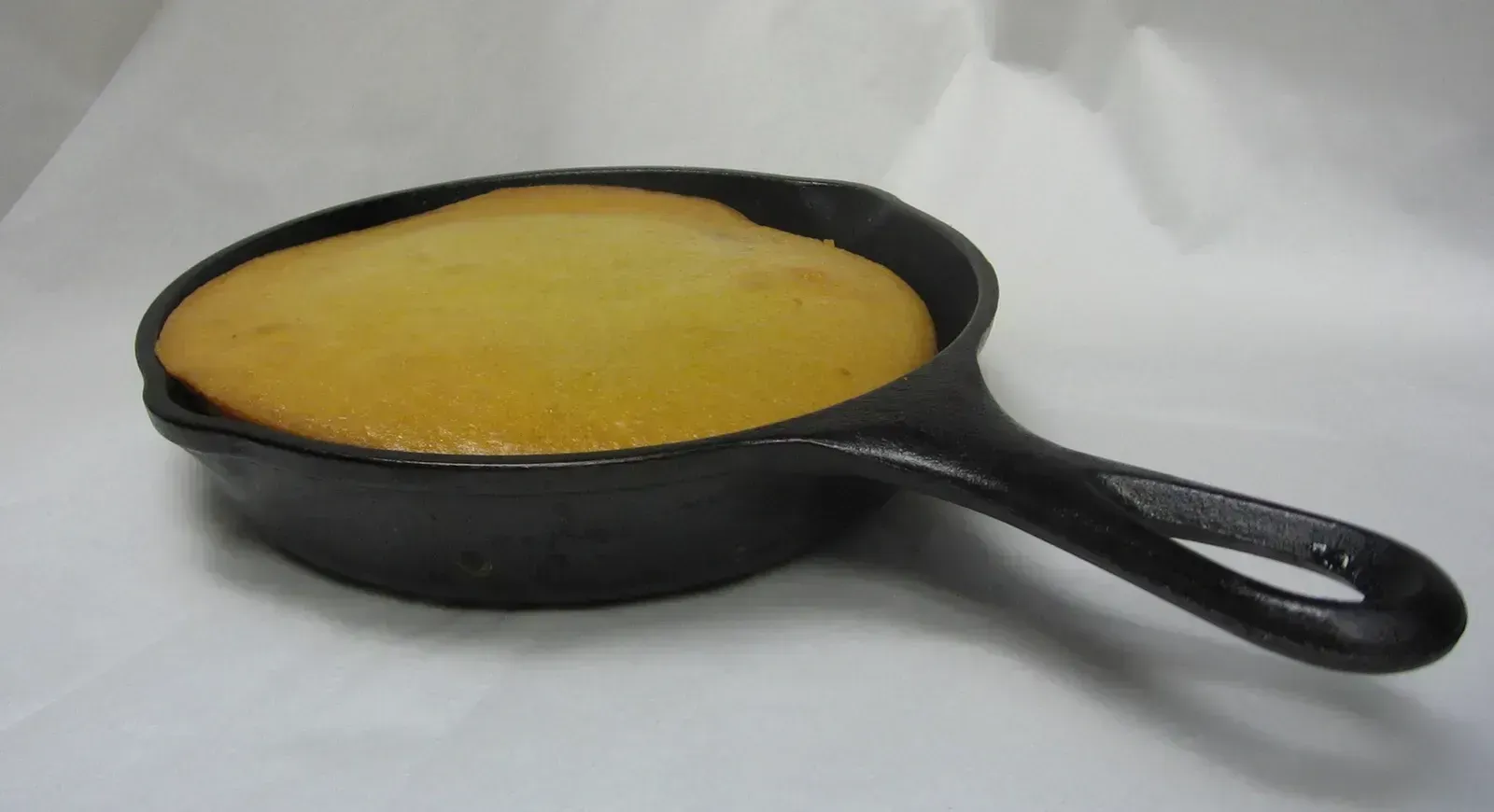
Cornbread gets the most attention, but cornmeal shows up in far more Ozark dishes than most outsiders realize, including hush puppies, corn fritters, and even a thin fried cornmeal mush served at breakfast. The region’s history with corn as a staple crop, easier to grow in rocky Ozark soil than some other grains, explains why it became such a foundational ingredient. Families often have strong opinions about whether cornbread should be sweet or unsweetened, a debate that can get surprisingly heated.
What confuses visitors is how central cornmeal is to the overall structure of a meal rather than functioning as an occasional side. A meal built around beans, greens, and cornbread is considered complete on its own, no meat required, which surprises people used to meat centered dinners. The versatility of cornmeal in the region reflects decades of resourceful cooking built around whatever grew reliably in the local terrain.
10. Foraging wild greens and mushrooms as part of regular seasonal cooking
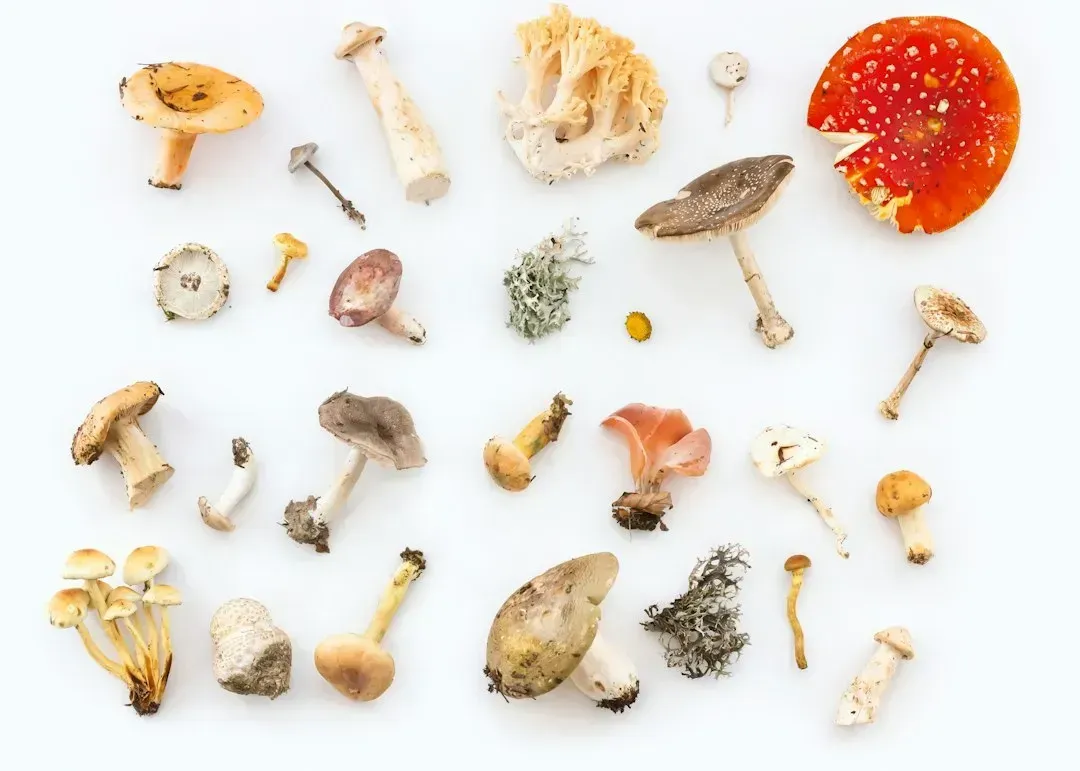
Poke salad, wild onions, and morel mushrooms all show up in Ozark cooking during specific windows each spring, gathered from woods and fields rather than bought at a store. Morel hunting in particular draws serious attention every April, with families keeping their best spots secret across generations. Poke salad requires careful preparation, since the plant is toxic if not boiled and drained properly multiple times, a detail passed down carefully through oral tradition rather than written recipes.
Outsiders often find the whole practice surprising, partly because foraging sounds trendy elsewhere but has simply always been normal here. Local festivals, including morel mushroom festivals held annually in parts of Missouri, celebrate the seasonal hunt as a community event rather than a niche activity. The knowledge required to forage safely, especially with something like poke salad, represents generations of accumulated experience that isn’t easily replicated by someone new to the region.
These habits reflect a food culture shaped by geography, necessity, and a strong sense of continuity between generations. What looks unusual from the outside usually has a practical root, whether it’s a full pantry of canned vegetables or a skillet that’s never touched soap. For people from the Ozarks, these aren’t quirks worth explaining, they’re simply how a kitchen is supposed to run.




Leave a Reply