
Walk through a Minnesota or Wisconsin neighborhood in January and you’ll notice the small details. Dogs in jackets, a bag of salt by the front door, a damp towel waiting in the entryway. None of it is fancy, and most of it comes from vets who see the same winter problems year after year.
These habits aren’t official rules. They’re routines that have settled in across the Upper Midwest because the season is long and the hazards are predictable. Here are ten of the most common ones, along with what veterinary sources say about why they matter.
Putting Boots on Before the Walk
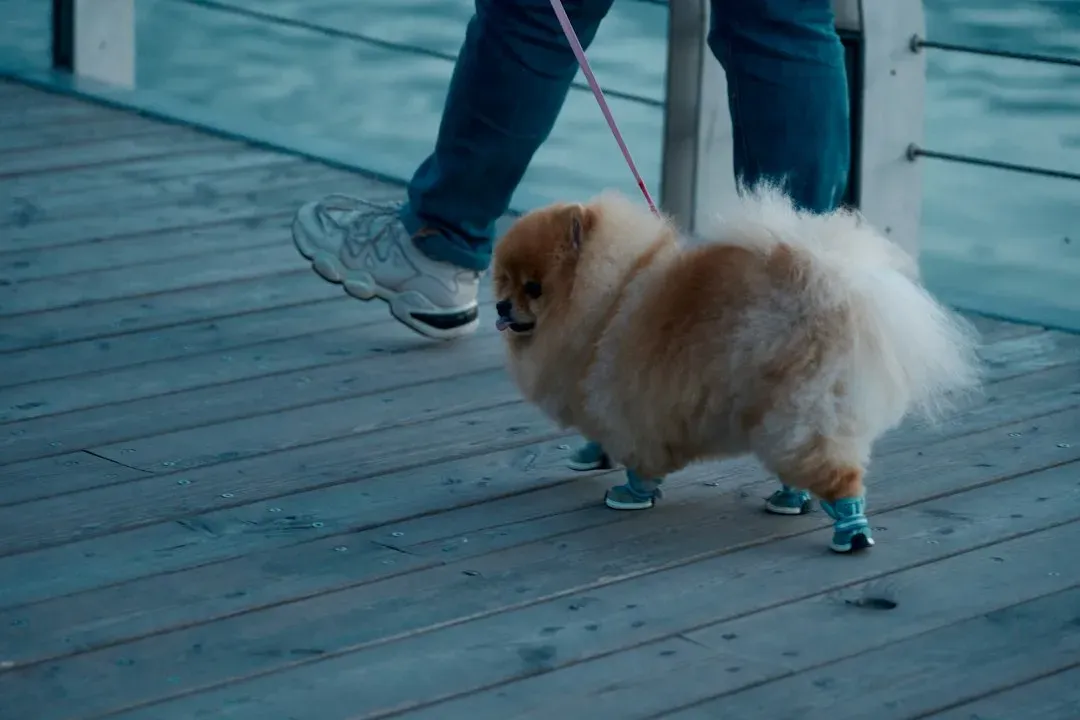
Booties are the most visible winter custom for dogs in the region. One NBC News piece that interviewed veterinarians notes that wearing booties every time a dog goes outside is the only way to fully avoid contact with rock salt and ice melt. That’s a high bar, but it explains why so many owners keep a set by the door.
Boots also help dogs with furry feet. One 2026 winter guide says breeds like Doodles and Spaniels benefit from them because ice balls tend to form between the toes. Many dogs hate them at first, so owners often start with short indoor practice sessions.
Using Paw Wax for Boot Refusers

Not every dog will tolerate boots, and local vets have a fallback. A Minnesota veterinary dermatology practice recommends paw wax for dogs that resist booties. The wax acts as a thin barrier against cold, dryness, and de-icing chemicals.
The ASPCA’s poison control center makes a similar point. It says paw wax or booties give sensitive dogs an excellent barrier when ice melts are irritating or cracking their pads. Wax won’t stop everything, so it works best alongside the cleanup habits below.
Wiping Paws at the Door
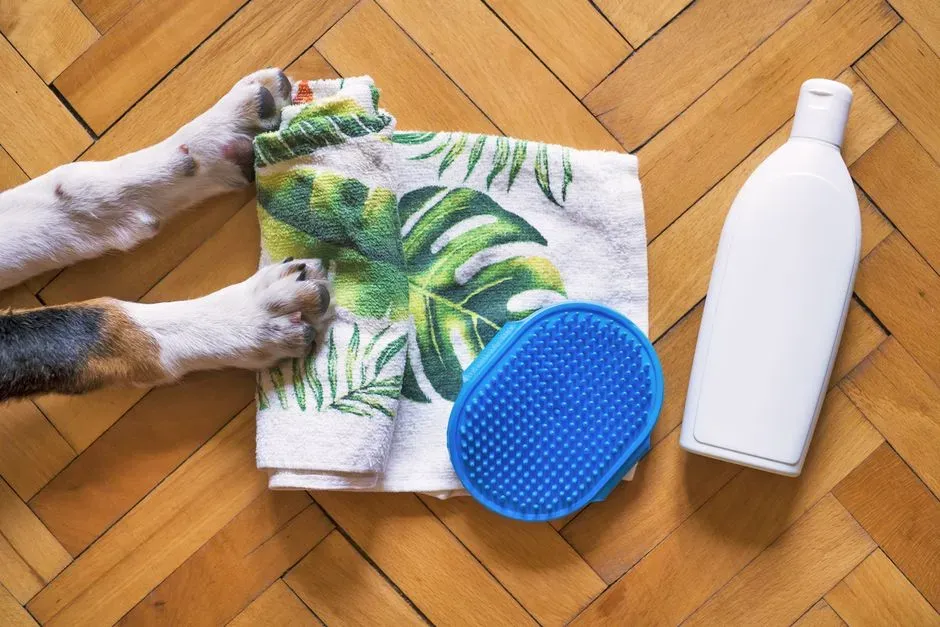
The towel by the door might be the most universal custom of all. Veterinary advice from a Minnesota emergency clinic is to use a damp cloth on a pet’s paws as soon as you come inside. The reasoning is simple, since you can’t know what your neighbors put on their walks.
Whole Dog Journal, citing the American Veterinary Medical Foundation, suggests a damp cloth or baby wipe. Pay attention to the pads and between the toes. A Minnesota dermatology practice adds that regular cleaning also lowers the odds of a dog licking off harmful substances.
Switching to Pet Friendly Ice Melt at Home
Many Upper Midwest households choose a different product for their own steps and driveways. Most ice melts contain large amounts of sodium salts, according to Pet Poison Helpline, and some can damage paw pads. Pet friendly versions may reduce the chance of injury or toxicity.
There’s a catch, though. Whole Dog Journal says these alternatives can still irritate paws and may work less well in very cold temperatures. Another guide puts it bluntly that no ice melt is completely safe, so the product is only one layer of protection.
Skipping Salted Sidewalks and Slush
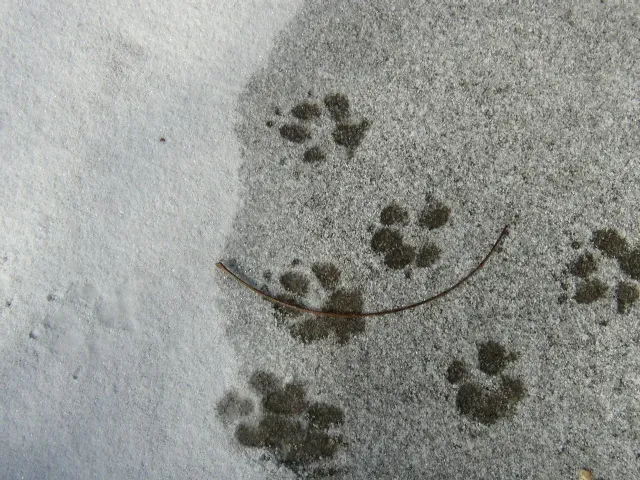
Route planning is a quieter habit. A Minnesota dermatology practice advises avoiding salted sidewalks when possible. Fresh snow or untreated paths are easier on pads, even if they take a little more effort to find.
The ASPCA also warns against letting dogs eat salt or snow, especially slushy snow, that may have been treated with ice melt. It adds that paw licking should be kept to a minimum until the feet are completely clean. Too much ice melt can raise sodium levels and cause tremors and seizures.
Putting a Coat on Thin Coated Dogs
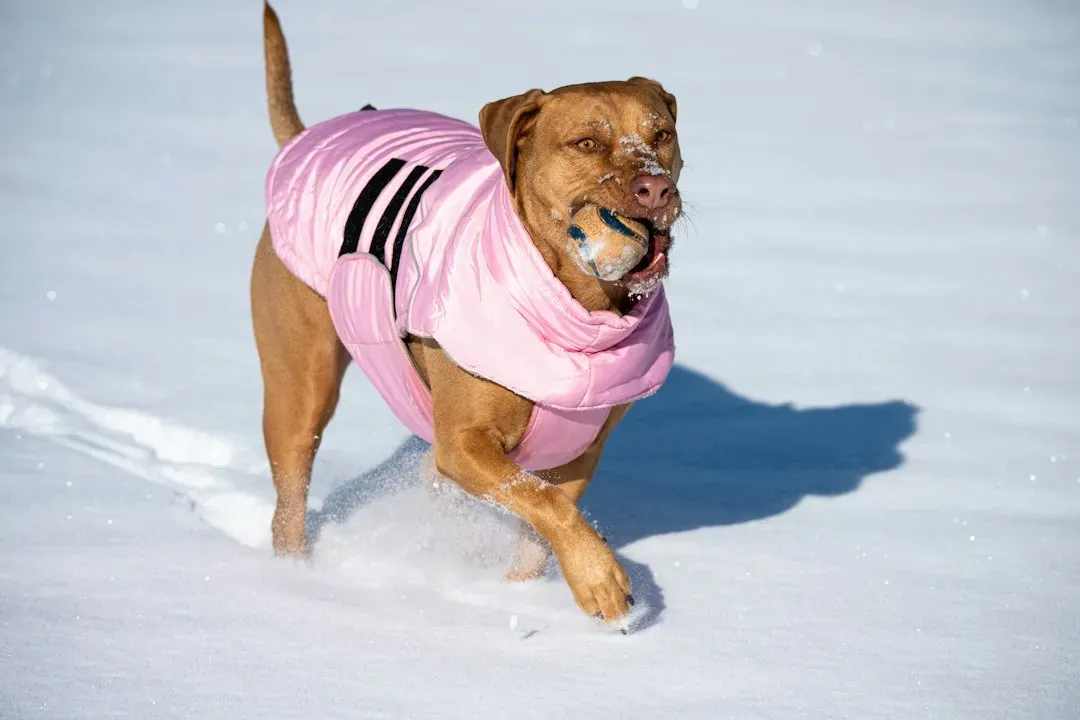
Winter jackets are an ordinary sight, not a fashion statement. A Minnesota emergency and specialty hospital suggests considering one when temperatures drop below 20 degrees Fahrenheit if a dog lacks a thick, plush coat. It also says the jacket should fit snugly.
Coat type matters a great deal. One cold tolerance guide notes that double coated breeds like Huskies, Malamutes, and Samoyeds have insulating undercoats, while hairless breeds need protection in any cool weather. Owners tend to learn their own dog’s limits quickly.
Shortening Walks When the Mercury Drops

Cutting walks short in extreme cold is a common, sensible adjustment. A Minnesota veterinary clinic in Oakdale recommends shorter outings during very cold weather. It says that if a dog keeps lifting its paws, shivers, or tries to turn back, it’s time to go inside.
Even dogs with thick coats can get frostbite or hypothermia if they stay out too long. The most vulnerable spots are the ears, tail, and paws. Pet Poison Helpline explains that the body pulls blood toward the core in the cold, leaving those extremities exposed.
Keeping Antifreeze Out of Reach

Garage habits matter as much as sidewalk habits. A Minnesota animal hospital describes antifreeze as sweet tasting and highly toxic, with traditional versions containing ethylene glycol. Even small amounts can shut down a dog’s kidneys.
Owners often wipe up drips right away and store containers on high shelves. Some switch to propylene glycol based products, which the same hospital calls a simple swap. Another guide cautions that these are still toxic in large amounts, only less sweet.
Giving Outdoor Dogs Raised, Wind Blocked Shelter

Dogs that spend part of the day outside need more than a doghouse. Minnesota emergency vets advise that shelter be out of the wind and raised off the ground. Direct contact with ground, snow, or ice cools a dog by conduction, which isn’t appropriate in cold weather.
Many owners bring their dogs in when the forecast turns severe. Shelter is only the minimum, and the colder it gets, the less a doghouse can do. The goal is to limit how long any dog stays exposed.
Knowing When to Call the Vet or Poison Control
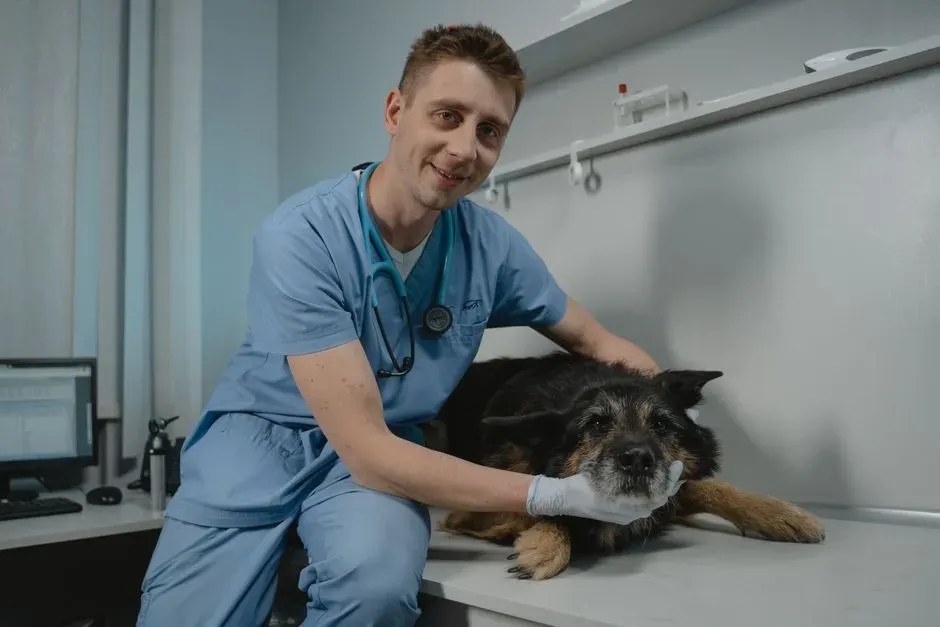
The last custom is knowing the numbers. The ASPCA says to contact a veterinarian or its Animal Poison Control Center at 888 426 4435 right away if a pet has been exposed to ice melt or shows signs of ingesting it. It also advises keeping ice melt packaging out of paws’ reach.
A Minnesota animal hospital lists situations that call for a phone call rather than waiting. These include any suspected antifreeze exposure, hypothermia symptoms, paw injuries that don’t heal within a day or two, and persistent limping after winter walks. Frostbite is a concern for dogs doing long runs or skijoring, where ice crystals can form in tissue like the ears, tail tip, and toes.

Leave a Reply