
Ask people in long marriages how they stay close, and few will mention grand gestures. Most describe small habits that repeat so often they barely register as effort. A coffee made the way the other person likes it, a hand on the back in a crowded room.
Relationship research has pointed in the same direction for years. Small, frequent signs of care tend to matter more than occasional big events. Here are ten ordinary keep that closeness going.
Turning Toward Each Other’s Small Bids

Psychologist John Gottman coined the term “bids” for little attempts to get attention or connection, like pointing out a bird or sighing after a rough day. Couples who stay together tend to respond to these moments instead of ignoring them. It can be as simple as looking up from your phone and saying “huh, tell me more.”
Gottman’s lab research found that couples who stayed married turned toward bids far more often than couples who later divorced. Nothing about it is dramatic. Yet it builds a steady sense of being noticed.
Saying Thank You for the Routine Stuff
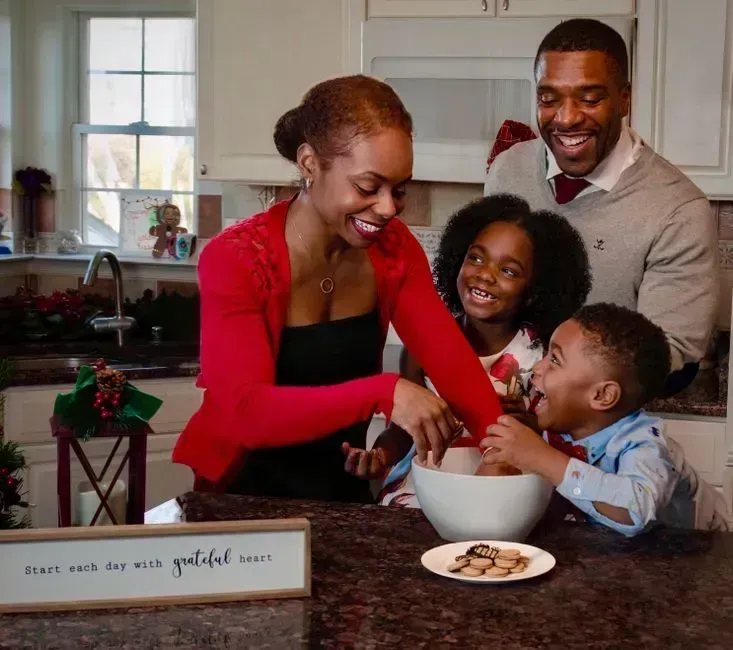
Long-term partners often stop thanking each other for chores, since those jobs feel like a given. The couples who keep doing it tend to feel more appreciated. Thanking someone for taking out the trash or handling the school pickup tells them the work is seen.
Studies on gratitude in relationships have linked expressed appreciation to higher satisfaction and a stronger sense of commitment. It costs nothing and takes a few seconds. That’s a good return for a two-word habit.
Physical Touch That Isn’t Going Anywhere

Holding hands on a walk, resting a foot against a partner’s on the sofa, or a quick squeeze of the shoulder all count. This kind of touch isn’t always a lead-up to anything else. It simply says, “I’m here.”
Research on affectionate touch has associated it with lower stress and better relationship satisfaction. Many couples say it becomes more valued over time, not less. It also tends to be one of the first things to fade when life gets busy, so keeping it up takes some intention.
Sharing Daily Check-Ins

A text at lunch, a call on the drive home, or a few minutes at the kitchen table to talk through the day. Long-term couples often have a reliable moment when they catch up without an agenda. The content matters less than the habit.
These check-ins keep partners current on each other’s inner lives. When something big does happen, they aren’t starting from zero. Gottman’s work calls this knowing your partner’s “love map,” meaning the details of their worries, hopes, and daily world.
Doing Favors Without Being Asked

Filling the car with gas, warming up the windshield in winter, or taking over a task you know your partner dreads. Acts of service are often quiet, and that’s part of their charm. They show that you’ve been paying attention to what makes the other’s day harder.
Research on household labor suggests that perceived fairness plays a big role in how happy couples feel. Doing something unprompted signals that you’re carrying part of the mental load, not waiting to be told. Over years, that kind of reliability becomes its own form of romance.
Sharing Humor and Inside Jokes

Nearly every long-term couple has a private language of nicknames, odd phrases, and jokes that make no sense to anyone else. Laughing together is a form of affection because it shows comfort and shared history. A look across a dinner party can say a whole paragraph.
Studies on couples have connected shared laughter and playfulness with greater closeness and satisfaction. Humor also helps defuse tension during disagreements. A well-timed joke, used kindly, can bring both people back to the same side.
Making Time for Shared Rituals
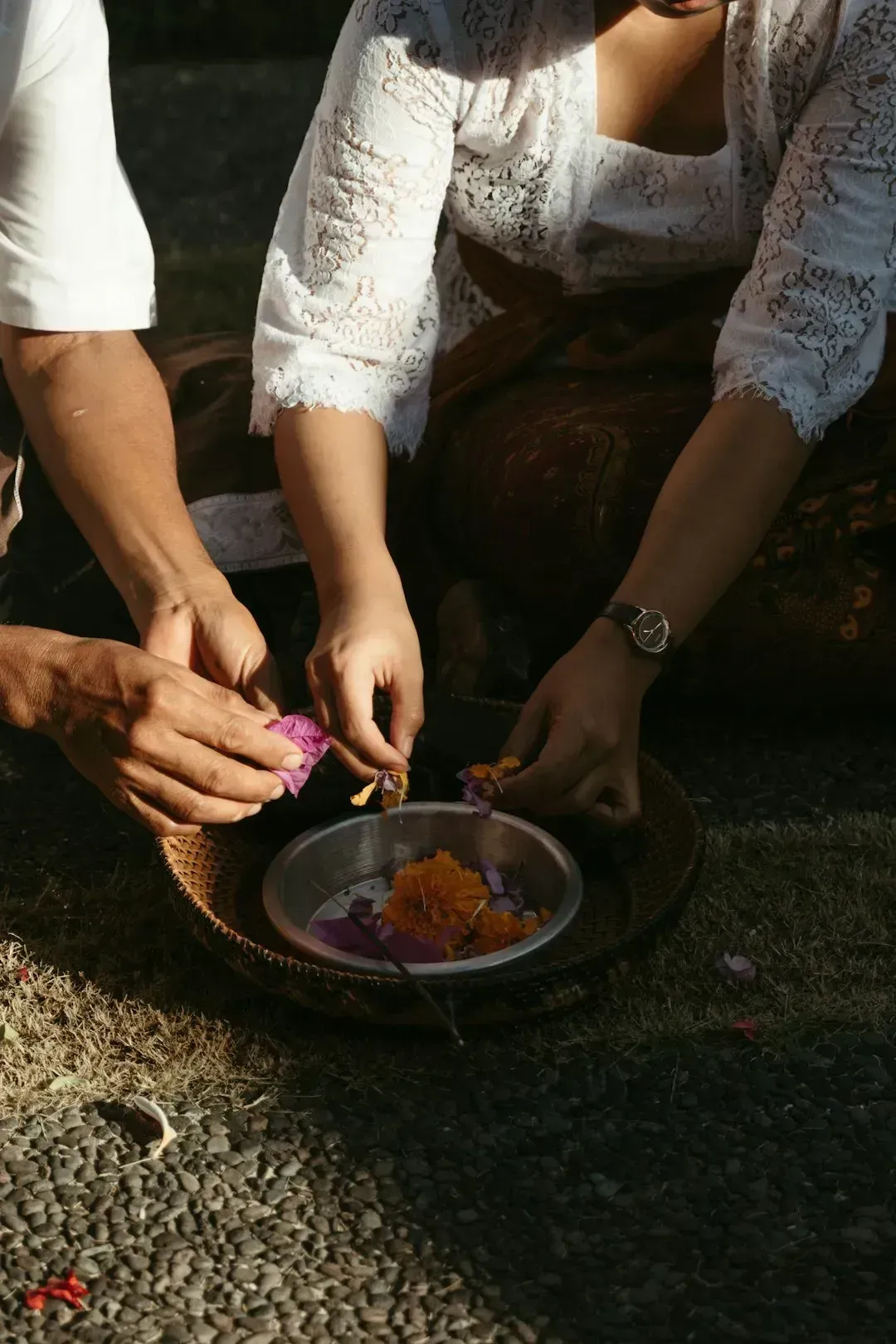
Sunday pancakes, an evening walk, a show watched together every week. Rituals give a relationship a rhythm, and that predictability can feel deeply comforting. They tell each partner that the other is worth protecting time for.
Research on relationship rituals suggests that regular shared routines can strengthen a couple’s sense of identity as a unit. They don’t need to be elaborate or expensive. Consistency is the point, not the budget.
Offering Real Attention During Conversations

Putting the phone down when your partner starts talking is a surprisingly meaningful gesture. Researchers have used the word “phubbing” to describe snubbing someone for a phone, and studies have linked it to lower relationship satisfaction. Eye contact and a few follow-up questions show interest without a single big declaration.
Long-term couples often get good at this because they’ve learned what being ignored feels like. Listening doesn’t always mean solving the problem. Often the other person just wants to feel heard.
Expressing Affection in Words, Even After Decades

Saying “I love you” at the door, leaving a note in a lunch bag, or sending a short message that says you’re thinking of them. Some couples worry these phrases go stale. Many find the opposite, that the regular repetition becomes reassuring.
Research on expressed affection has tied verbal and written appreciation to better health and relationship outcomes. Specifics tend to land best, like noting what you admired about how your partner handled a tough day. Generic words are fine, though personal ones stick longer.
Repairing After Arguments

Affection also shows up in how couples make up. A sincere apology, a touch on the arm, or a softer tone after a heated exchange signals that the relationship matters more than winning. Gottman’s research describes these as repair attempts, and happy couples use them often and accept them.
Conflict itself isn’t the problem in lasting relationships. What counts is whether partners can reconnect afterward without holding a grudge. Over decades, those small reconciliations add up to a deep sense of safety.
Affection in a long relationship rarely looks like the movies. It looks like turning toward each other, saying thanks, laughing at the same old joke, and making up after a spat, day after day.

Leave a Reply