
Somewhere along the way, the freezer aisle got a reputation it never quite deserved. The image of sad, salt-laden TV dinners from decades past still lingers in people’s minds, even as the science has moved on entirely. The landscape of frozen meals and frozen foods has dramatically changed, and today many options are rich in nutrients, featuring whole foods and balanced portions.
Frozen foods are convenient, last months, and can be just as healthy as fresh foods. They’re often more affordable and help reduce food waste too. The people who actually understand nutrition best, registered dietitians and nutritionists, have known this for a long time. Their own freezers tell the real story.
1. Frozen Wild-Caught Salmon
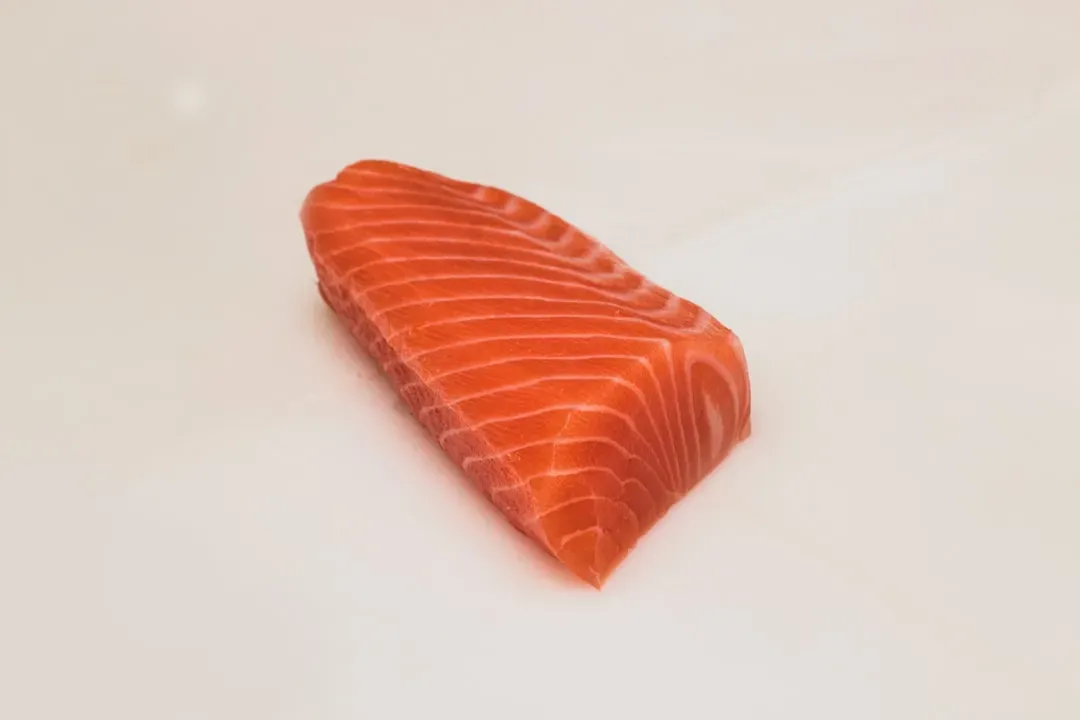
Frozen fish is a go-to for nutritionists who want convenient sources of lean protein and omega-3 fatty acids. Wild-caught frozen salmon, in particular, is loaded with heart-healthy fats that support brain function and reduce inflammation. Freezing preserves its flavor and texture, often making it just as good as fresh fillets. For many dietitians, keeping individually wrapped portions on hand means a genuinely nourishing weeknight dinner is always within reach.
Salmon is packed with omega-3 fatty acids, and it’s one of the richest food sources of vitamin D, which supports healthy bones and immune function, while also providing vitamin B6 and B12. With modern technological advances, fishing fleets are able to clean and flash-freeze fish virtually moments after they’re caught, and flash-freezing instantly preserves juices while maximizing flavor and texture when cooked.
2. Frozen Mixed Berries
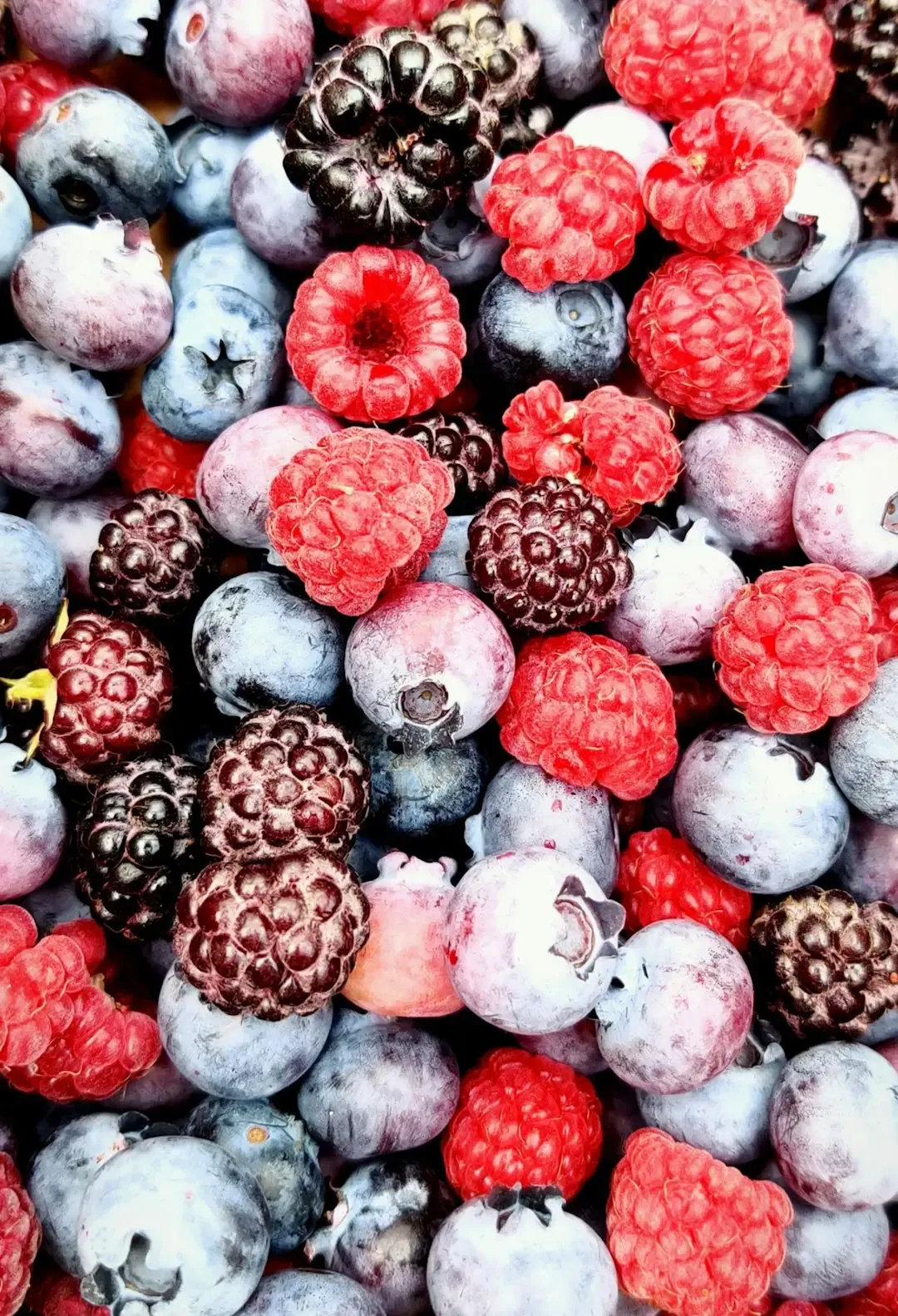
Frozen berries are often labeled as inferior compared to fresh fruit, but they’re actually just as nutritious. They’re typically frozen shortly after harvest, which helps preserve essential nutrients like vitamin C, fiber and antioxidants like anthocyanins, which help fight inflammation and support immune and heart health. In some cases, frozen berries may retain nutrients better than fresh berries that have traveled long distances or sat in the refrigerator for days.
Red, blue and purple berries are packed with anthocyanins, a type of antioxidant that may help reduce inflammation in the body. Eating patterns that include these compounds have also been linked to lower chronic disease risk, improved cardiovascular health and greater longevity. Whenever possible, choose packages labeled “no added sugar” for maximum nutritional benefits.
3. Frozen Spinach
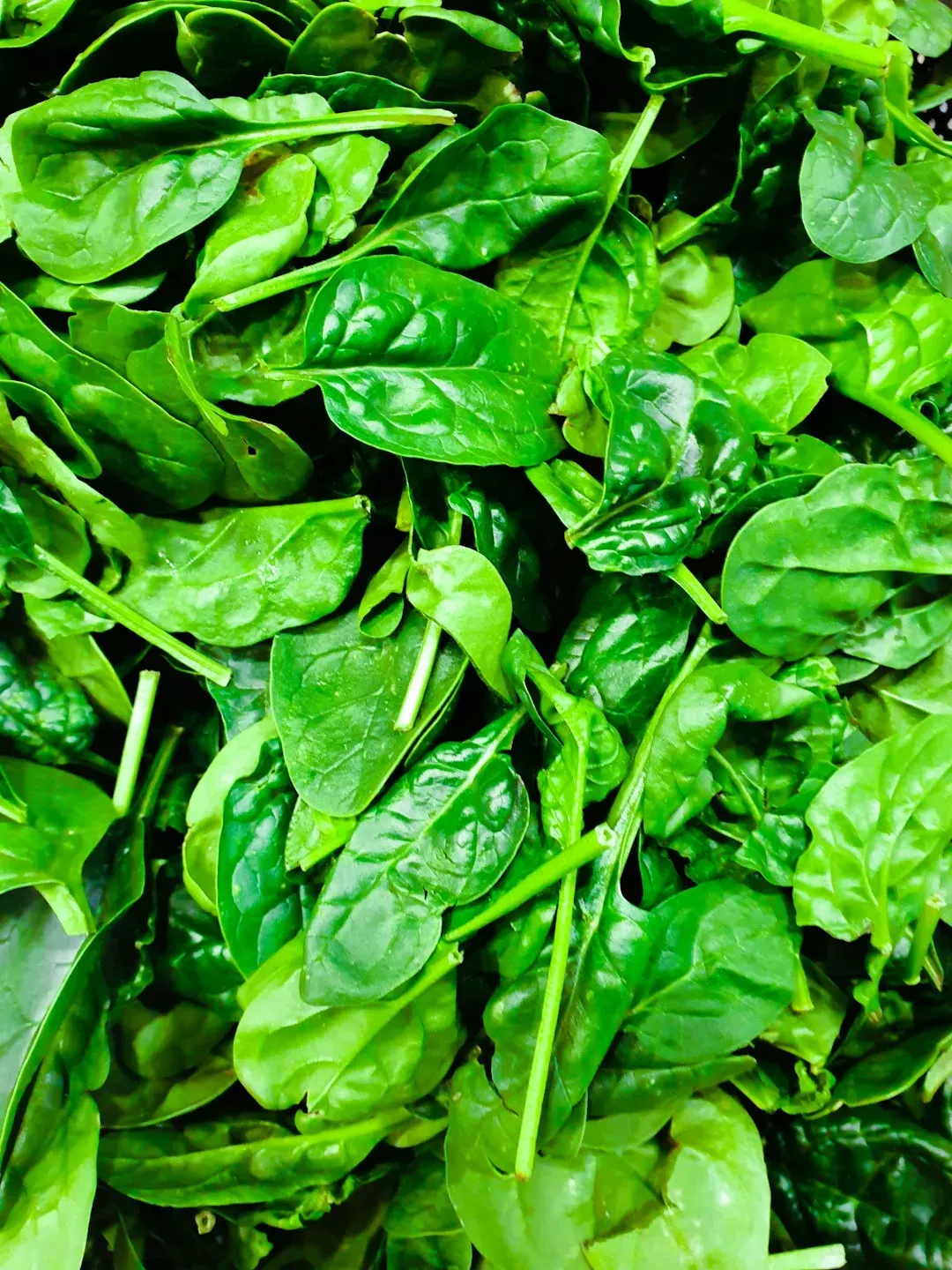
Fresh spinach is notorious for wilting quickly, which can often lead to food waste. Frozen spinach helps solve that problem while delivering the same nutritional benefits. Spinach is also rich in iron, folate, magnesium and antioxidants, making it one of the most nutrient-dense leafy greens you can keep on hand without any spoilage concerns.
Spinach is rich in a compound called lutein, an antioxidant known to help reduce inflammation. Research suggests that lutein may help with cholesterol oxidation, which may help prevent cholesterol from sticking to artery walls. Studies show that eating more dark leafy greens like spinach is linked with lower rates of cardiovascular disease. Tossing a handful into a morning smoothie, soup, or egg scramble takes about ten seconds and adds serious nutritional value.
4. Frozen Edamame
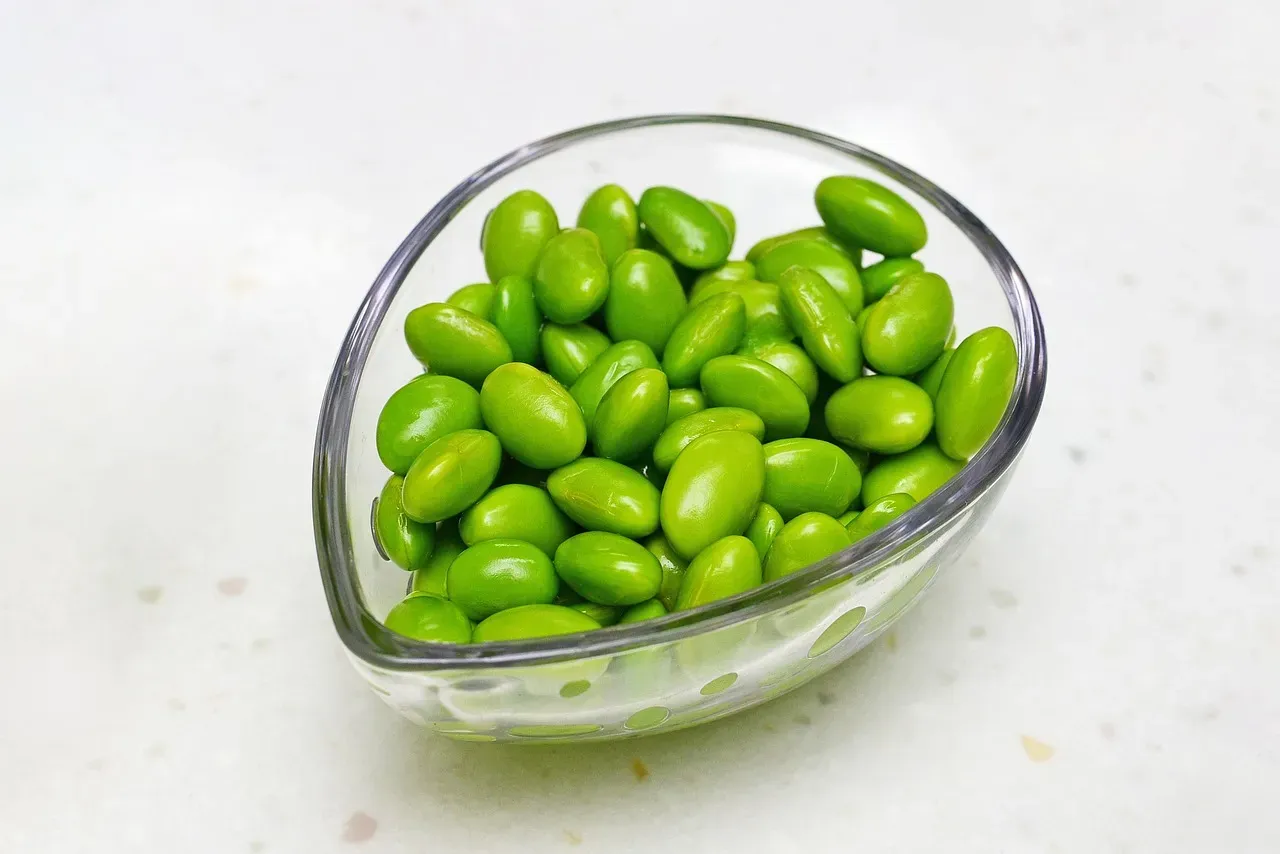
Edamame is a good source of a key nutrient for cholesterol: soluble fiber. Soluble fiber binds to bile in the digestive tract and carries it out of the body, prompting the liver to use cholesterol to create new bile, thus lowering blood cholesterol levels. Just one cup of frozen edamame contains 8 grams of fiber and 18 grams of plant-based protein.
Edamame is also rich in fiber, iron, and magnesium, as well as isoflavones that may offer protection against certain types of cancer. Frozen edamame is a must-have as a snack or salad addition. Frozen edamame can be quickly steamed or microwaved and added to salads or stir-fries, or enjoyed on its own as a satisfying snack.
5. Frozen Cauliflower
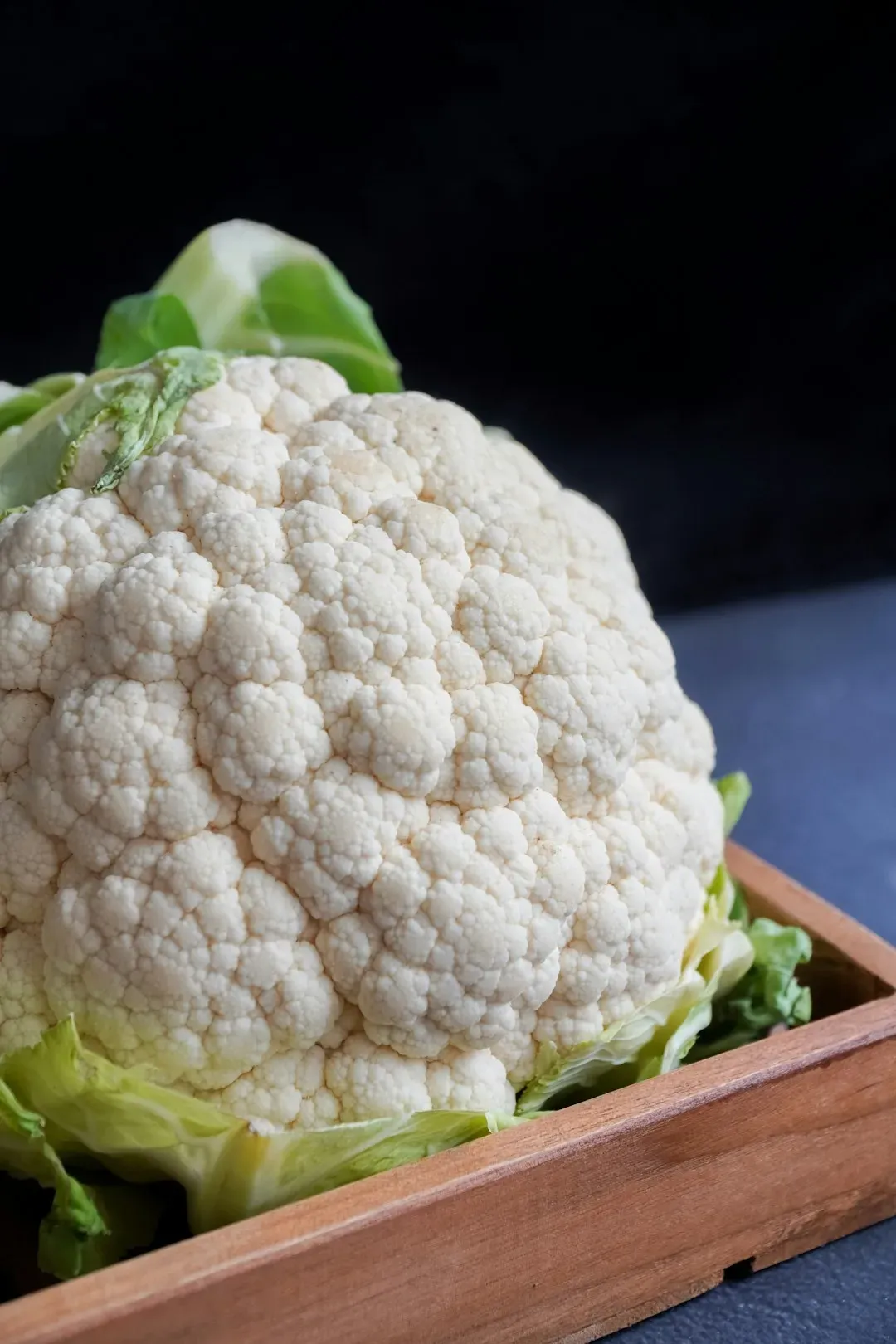
Cauliflower continues to rise in popularity due to its versatility, but prepping it from fresh can be time-consuming and inconvenient. Frozen cauliflower, whether florets or riced, offers the same nutritional benefits with far less effort, providing a source of fiber, vitamin C, and compounds that support gut and immune health.
A 2024 study in the Journal of Food Science found that frozen cauliflower retained its vitamin C content better than the fresh variety stored for several days. Registered dietitian Heidi McIndoo recommends frozen cauliflower for its heart-healthy fiber and lack of saturated fat, noting that each cup contains 3 grams of fiber. It’s genuinely one of the more versatile items in the freezer.
6. Frozen Broccoli
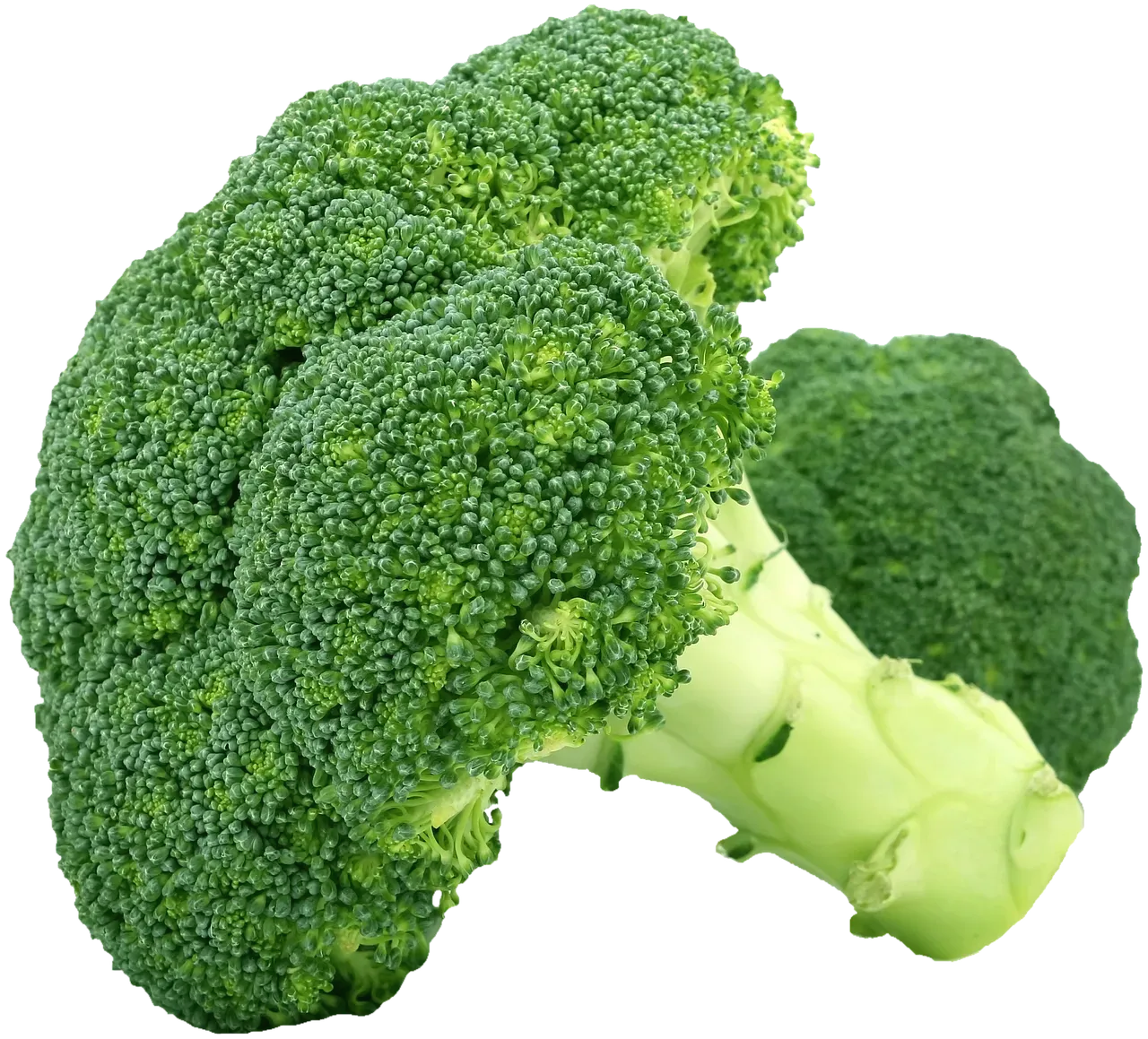
A study published in the Journal of Food Composition and Analysis found that frozen vegetables like broccoli, green beans, and corn often retained more nutrients like vitamin C and folate than fresh versions. Broccoli in particular holds up exceptionally well through freezing, making it a reliable source of vitamins even months after purchase. Frozen broccoli, for instance, often retains more riboflavin than its fridge-bound counterpart.
Nutritionists often recommend frozen spinach, broccoli, and cauliflower for easy meal prep. They’re perfect for quick stir-fries, omelets, or soups. The fact that it comes pre-cut means zero prep time on a busy evening, which dietitians consistently cite as one of the biggest practical advantages of keeping frozen vegetables stocked at all times.
7. Frozen Pre-Cooked Quinoa or Brown Rice
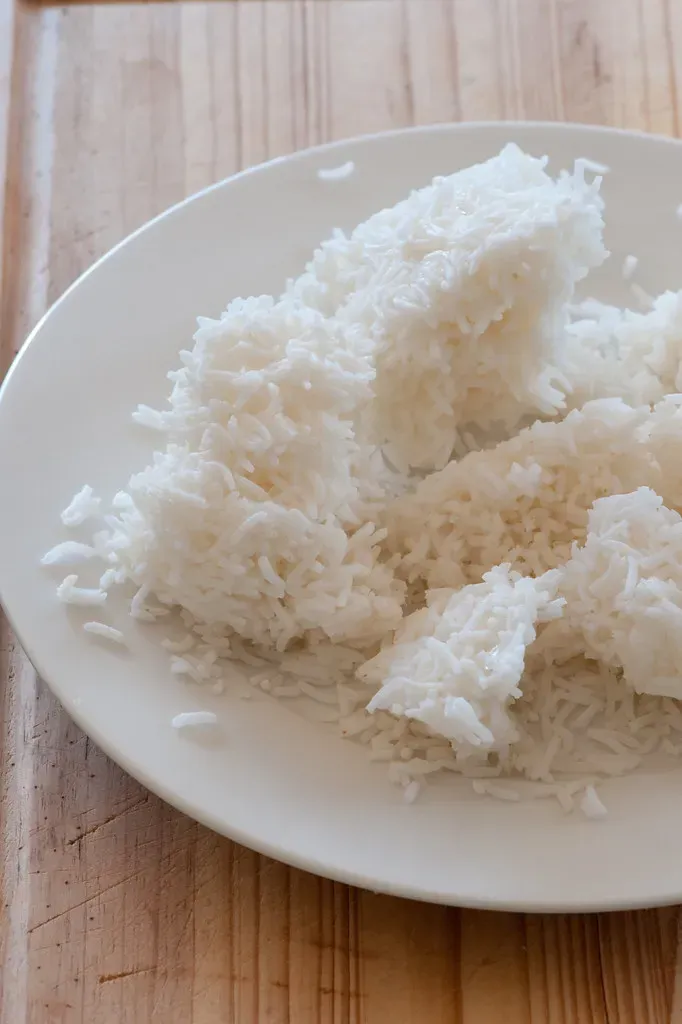
Whole grains are a freezer-friendly option. Pre-cooked frozen rice and quinoa can be reheated in minutes, making it easier to build balanced meals quickly. Meal prep gets noticeably easier with frozen, pre-cooked quinoa. This complete protein is an ideal base for salads, bowls, and side dishes. Freezing quinoa not only saves significant cooking time but also preserves its nutritional profile, including fiber that helps with digestion and blood sugar levels.
Pre-cooked rice and quinoa save a tremendous amount of time on busy nights. They’re a great base for stir-fries, grain bowls, or quick side dishes. No waiting around for water to boil, just heat and serve. For nutritionists who prioritize consistent, balanced eating over perfect meals, this is one of the most practical shortcuts in the freezer aisle.
8. Frozen Butternut Squash or Sweet Potato
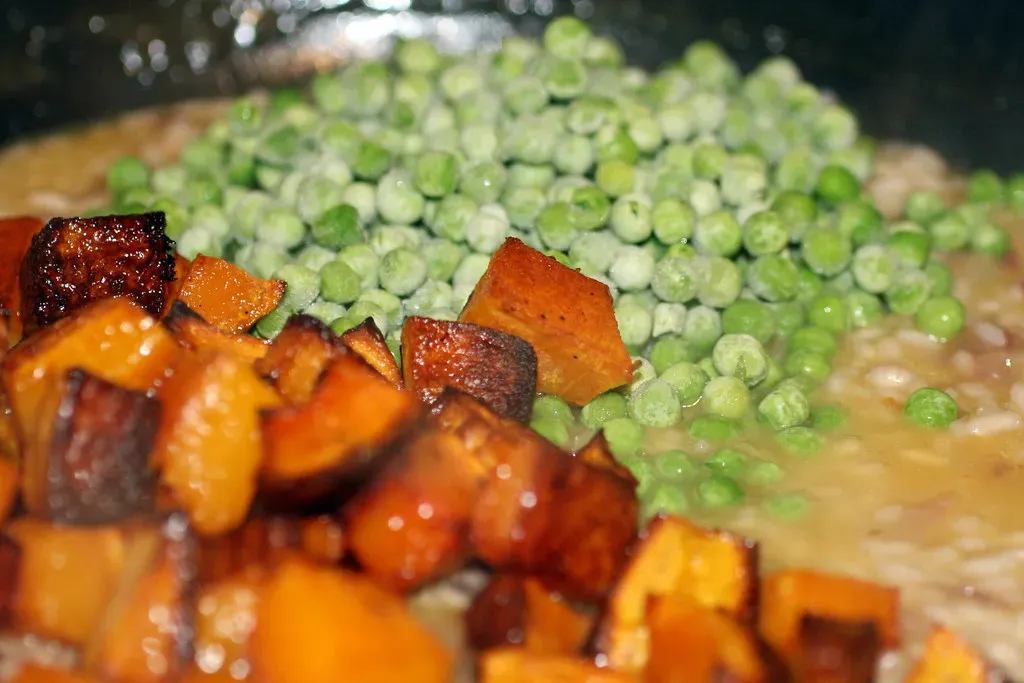
Dietitians recommend products like butternut squash or sweet potato which can go straight from the freezer into soups, stews, or sheet-pan meals, saving valuable prep time. Both are naturally rich in beta-carotene, potassium, and dietary fiber, making them among the most nutrient-dense vegetables you can keep in the freezer without any worrying about a fresh one going soft on the counter.
According to the American Frozen Food Institute, the nutritional value of many frozen fruits and vegetables is generally equal to that of their fresh counterparts, and in some cases it’s even higher due to nutrient degradation in fresh produce during storage. Butternut squash, with its relatively long prep time when fresh, is arguably one of the smartest trades you can make for the frozen version.
9. Frozen Shrimp
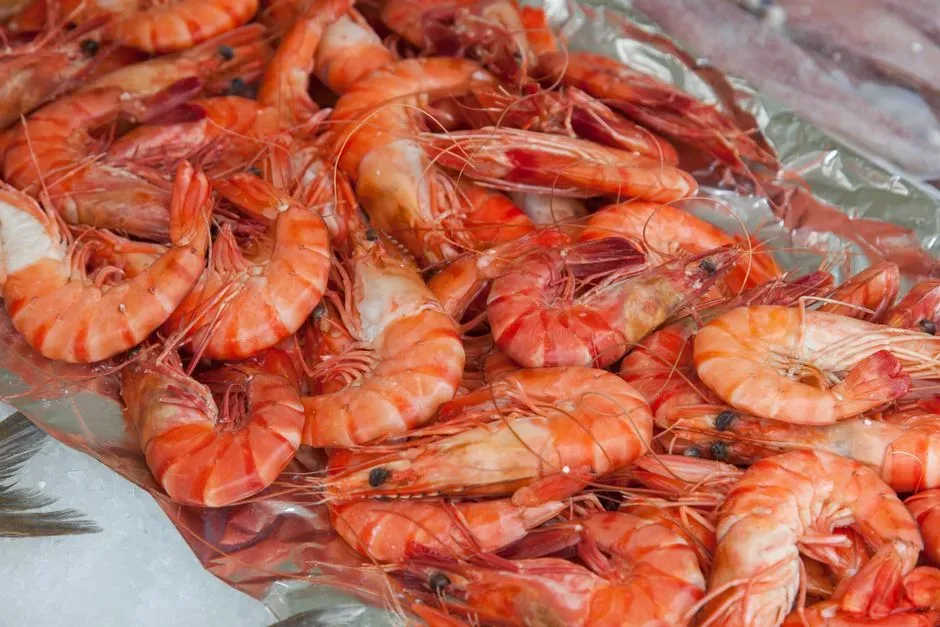
For those looking for something great for weight management, frozen shrimp is hard to beat. Shrimp is a lean, low-calorie protein that cooks in just a few minutes, making it one of the fastest wholesome proteins available. Dietitians have also suggested frozen proteins like bagged shrimp and other seafood as smart, budget-conscious choices.
Fish and seafood overall are a good source of lean protein and healthy fats like omega-3s. Seafood is also a good source of micronutrients like vitamin D, iron, selenium and iodine, which are important parts of good nutrition. Shrimp fits neatly into stir-fries, grain bowls, pasta, and quick tacos, which is probably why so many nutritionists reach for it when they need dinner in under fifteen minutes.
10. Frozen Avocado Chunks
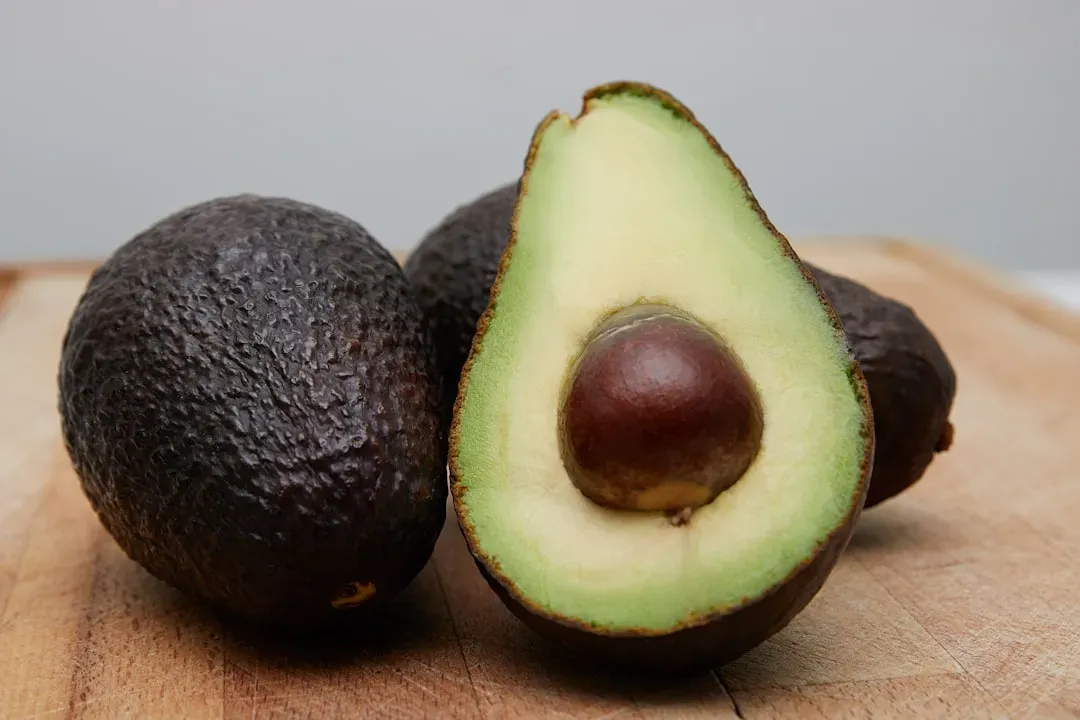
Frozen avocado chunks offer the same creamy texture and heart-healthy monounsaturated fats as fresh, with the added convenience of long-term storage. A 2025 study confirmed that frozen avocados retain their nutrients, making them a smart freezer staple. Anyone who has watched a perfectly ripe avocado turn brown overnight understands the particular frustration this product solves.
Frozen avocado is great to add to smoothies or thaw and use for avocado toast or guacamole. The monounsaturated fats in avocado support heart health and help the body absorb fat-soluble vitamins from other foods eaten alongside it. It’s one of those items that feels like a small luxury in the freezer but consistently earns its place there.
What unites all ten of these items is a theme that nutrition professionals return to again and again: the freezer is not a compromise, it’s a resource. The frozen food aisle can play a powerful role in helping people eat well, reduce waste, and support long-term health, and frozen food can serve as an excellent foundation for healthy eating by providing convenient access to nutrient-dense ingredients year-round. The nutritionists who keep these items stocked aren’t cutting corners. They’re just being practical about how good nutrition actually works in real life.


Leave a Reply