
There’s a kind of quiet social theater that plays out at the checkout lane every single day. You’re thinking about what you forgot, whether you grabbed the right brand, and how long the line is going to take. The cashier, meanwhile, is doing something a little different. They’re reading your cart.
A grocery store cashier is a trained observer of human behavior. In the few moments you have in their line, they make several surprisingly accurate judgments about you. Most of it is involuntary – pattern recognition built up across thousands of transactions. None of these judgments are necessarily fair, but they’re real. Here are seven things that register with cashiers before you’ve even said hello.
1. How You’ve Organized (or Not Organized) Your Items on the Belt
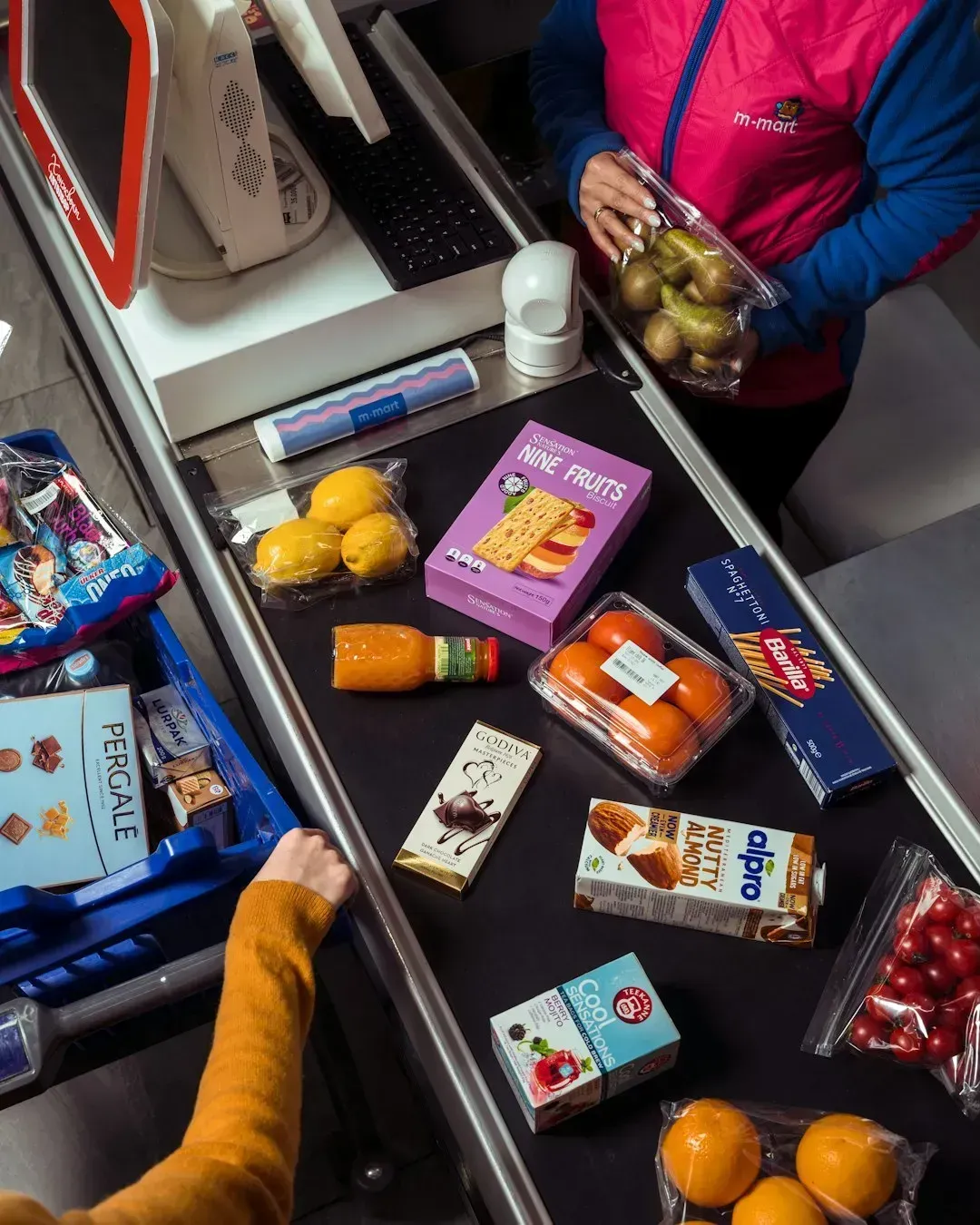
The way you load your items onto the conveyor belt tells a cashier a lot about your personality. A neat and organized person will group their items – all the produce first, then the pantry items, then the cold ones. It’s a small habit, but it signals awareness of the process and consideration for the people working the register.
An organized cart can make the scanning process quicker and smoother, allowing the cashier to serve you and others more efficiently. When someone dumps everything in a chaotic heap, it’s noticed. It usually means more rearranging and a slower checkout for everyone behind you, which doesn’t exactly endear you to the person doing the scanning.
2. Whether You’re a List Shopper or a Pure Impulse Buyer
A cashier can instantly tell the difference between a “list” shopper and an “impulse” shopper. A list shopper will have a cart filled with a logical assortment of items for a week of meals. An impulse shopper will have a cart with a chaotic mix of snacks, drinks, and a few random, expensive items. The contrast is genuinely striking when you’ve seen enough carts roll through.
The contents of your cart are a clear window into your level of planning. There’s no judgment attached to an occasional impulse buy – everyone’s grabbed a random snack at the end of a long aisle. It’s the cart that looks like it was assembled blindfolded that raises an eyebrow or two.
3. Abusing the Express Lane With a Full Cart
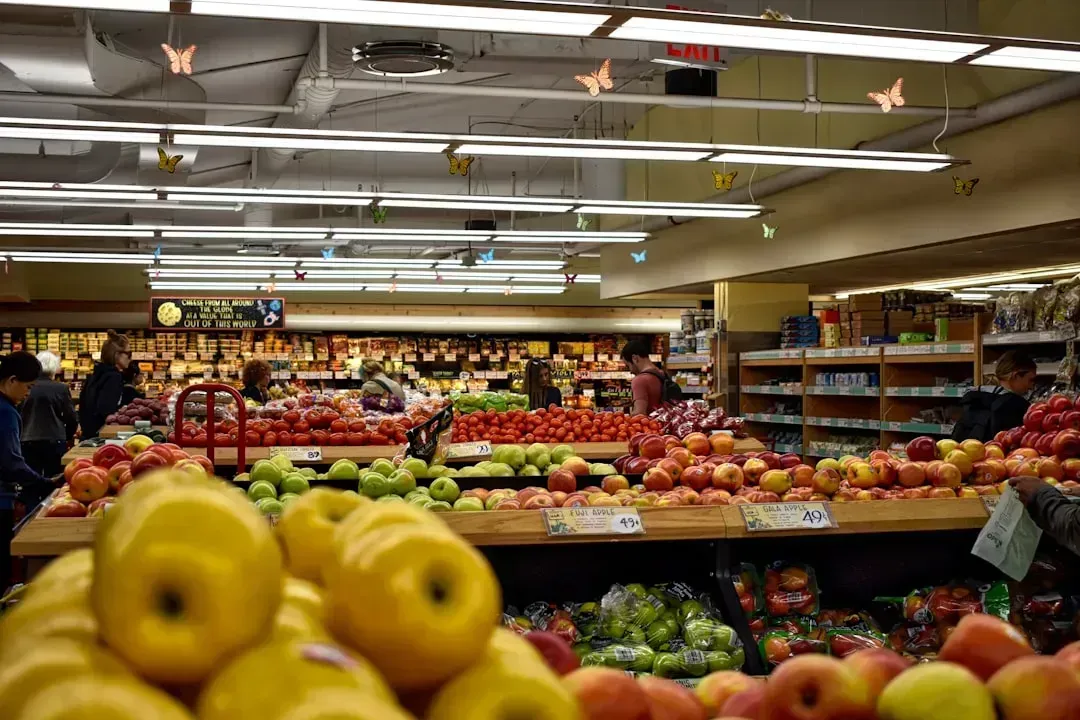
You might think you’re being sneaky by sliding into the express lane with a mountain of groceries, but the cashier definitely notices. They’re trained to keep things moving quickly, and when you hold up the line with a cart full of items, you’re slowing everyone down. It’s one of the most consistent frustrations cashiers report, and it happens at nearly every shift.
Many shoppers ignore the rule and hop into the express lane with a cart full of items that obviously exceed the limit. Not only is this inconsiderate towards other shoppers standing in the line, but it also puts extra pressure on the cashier. Since other customers waiting in that line may hesitate to confront the person breaking the rule, they might end up unfairly lashing out at the cashier. So it’s not a victimless shortcut.
4. Leaving Trash, Wrappers, or Eaten Packaging in the Cart
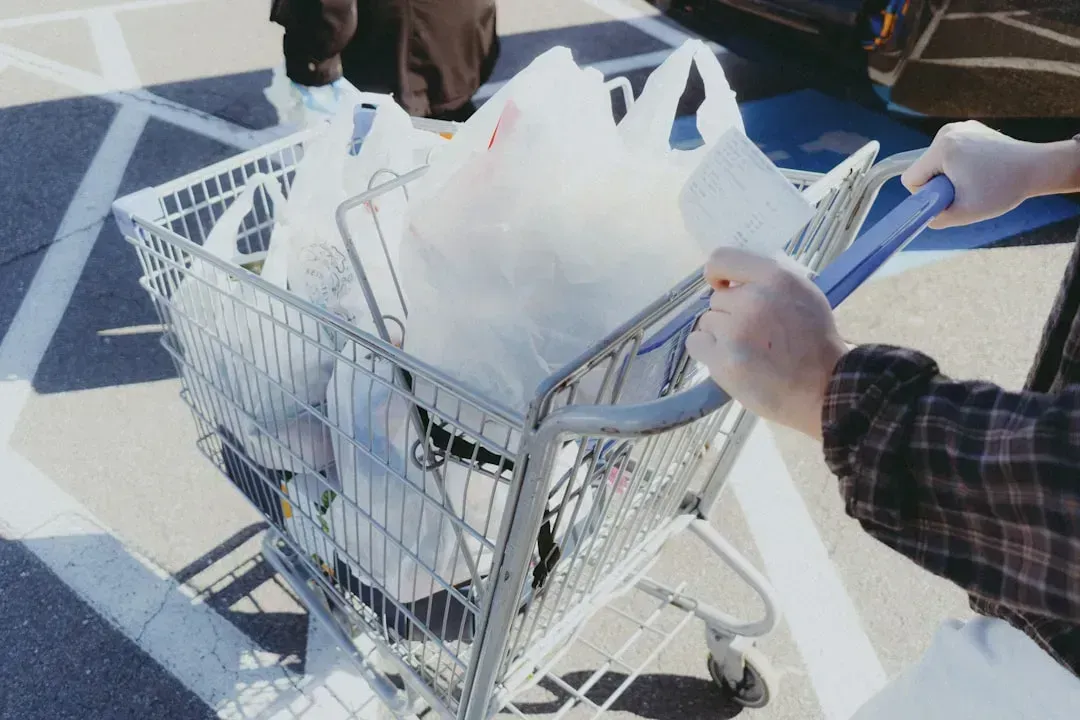
One of the worst things customers do is leave random trash in their carts, and grocery store workers aren’t afraid to sound off about it online. While sometimes the trash involves small items like receipts, more often it’s food or worse. Cashiers and cart attendants deal with this constantly, and there’s nothing subtle about their feelings toward it.
This behavior not only grosses out the employees of supermarkets, but it’s also offensive to anyone who uses the cart after you. Not only is it disgusting, but it’s actually something of a safety hazard. If you’re leaving behind used tissues or wrappers, your germs are likely all over them. While you only touch one cart, employees can touch dozens within a shift. That context changes things considerably.
5. The Food Choices That Paint a Picture of Your Lifestyle

A cashier will get a very clear picture of your lifestyle from the quality of the food you buy. They can see if you are a “health nut” with a cart full of organic produce. Maybe they see a cart filled with fresh fruits, vegetables, and whole grains, and intuitively feel that person must be health-conscious. Or they see a cart filled with junk food and sodas, and instinctively feel concerned about their health.
Judging others by their grocery cart contents is a quick, low-effort social shortcut people use to infer habits, values, and life stage. That judgment is automatic and largely unconscious. To their credit, most experienced cashiers know better than to read too much into a single shopping trip. A single shopping trip could be for a party, a sick relative, or temporary budget constraints. Still, the first impression happens whether anyone intends it to or not.
6. Keeping Items in the Cart Instead of Placing Them on the Belt
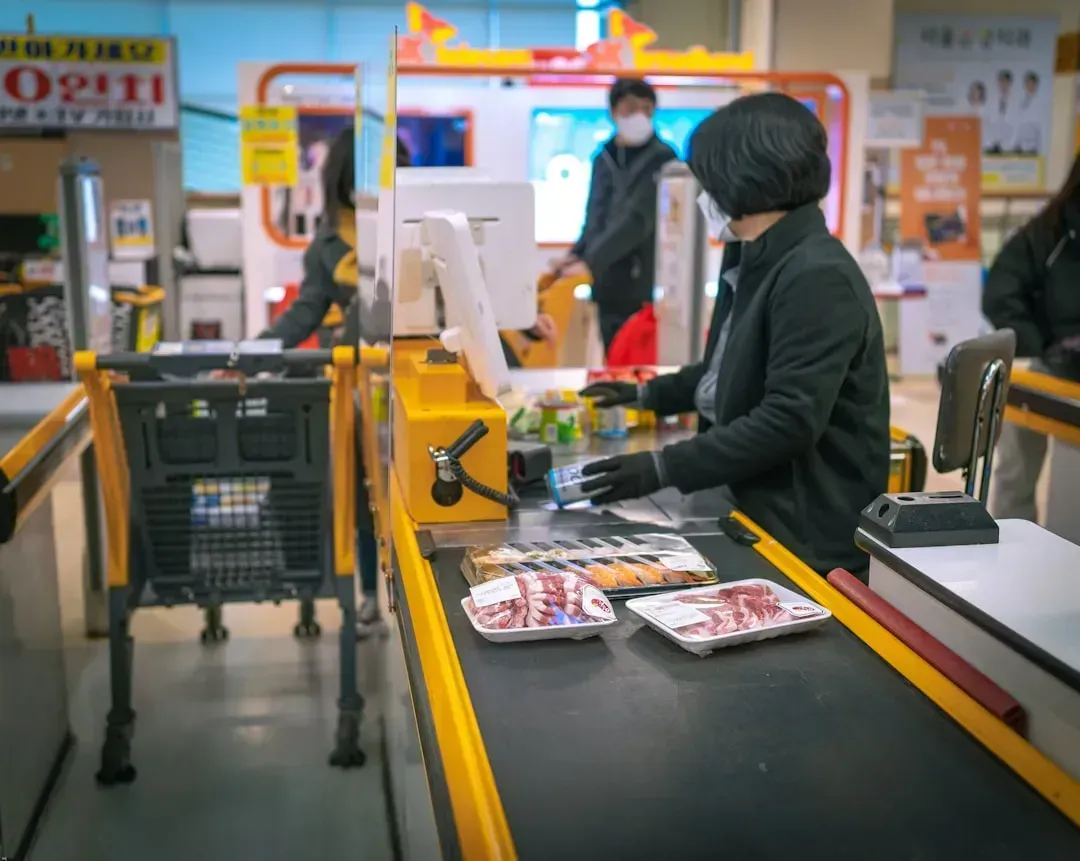
Many assume it’s the cashier’s job to take things out of the basket or cart during the checkout process, but that isn’t the case at most grocery stores. The cashier is generally only supposed to bill and bag the items to expedite the process. On top of that, if some of the products are too heavy, it may even get difficult for the cashier to take them out while standing behind the counter.
Not all conveyor belts are built to handle too much weight when it’s concentrated in a single spot. If everything is placed in a basket, the excess weight might even cause the belt to malfunction. Former cashiers have been vocal about this one online for years, describing it as awkward, time-consuming, and sometimes physically uncomfortable. It’s the kind of thing customers rarely think about until it’s pointed out.
7. Damaged, Open, or Suspiciously Handled Products
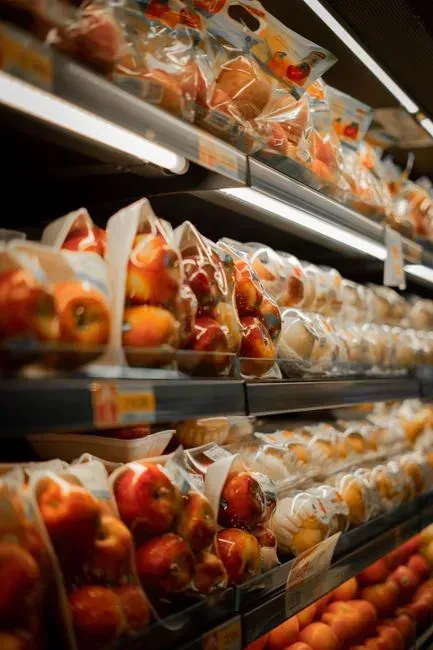
Food that has gone bad often looks and smells normal, so we often have to rely on other ways of knowing if it may be unsafe – for example, if the seams of a package or can are open or if a package hasn’t been properly refrigerated. When a cashier spots an open package or a visibly damaged item in your cart, they’re flagging it not just out of professional habit but out of genuine concern for food safety.
Grocery shopping actually requires customers to adhere to a social contract a lot more than you might think. For example, you shouldn’t just leave perishable foods outside of their coolers if you’ve changed your mind about them. Bringing a torn, leaking, or already-opened item to the register creates headaches for everyone involved – it delays the line, it requires a manager, and it raises an obvious question about how it got that way in the first place. Cashiers notice, and they remember.
The checkout lane is a brief but oddly revealing moment. It’s two or three minutes where the contents of your cart, your habits, and your consideration for others are all on quiet display. Cashiers aren’t villains for noticing – they’re just humans doing a repetitive job who’ve learned to read the room, one cart at a time.




Leave a Reply