
There’s a version of air travel where everyone gets along, the service runs smoothly, and the crew genuinely enjoys looking after you. That version is entirely possible. Most cabin crew members genuinely love their work, and the majority of passengers are perfectly pleasant. The gap between a smooth flight and a tense one often comes down to a handful of very specific behaviors that passengers repeat, often without realizing the effect they have.
Flight attendants carefully observe passengers from the moment boarding begins, looking for unusual behavior and trying to assess whether someone might later cause friction in the air, because it’s far easier to resolve a problem on the ground. So yes, the impression you make starts earlier than you think. Here are nine habits that quietly, consistently erode a crew member’s goodwill toward you.
1. Physically Poking or Touching the Crew to Get Their Attention
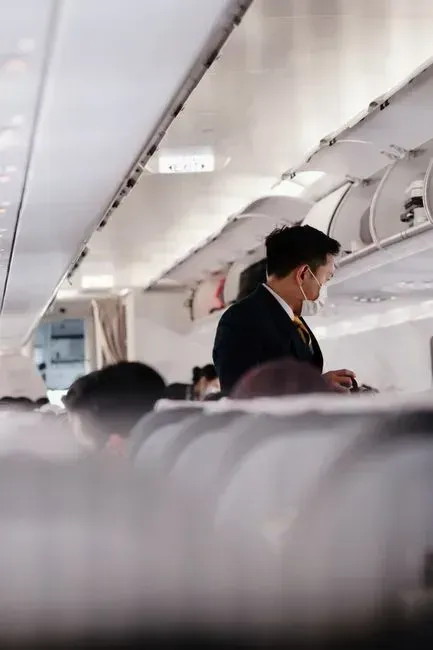
Flight attendants have been increasingly vocal about passengers physically touching them to get their attention, and several veteran crew members recently addressed it on the “Jumpseat Chronicles” podcast, describing it as one of the most persistent frustrations they face on the job. One co-host put it bluntly, saying crew members get poked and touched so often that if they were paid a dollar for every instance, they would be millionaires.
The Association of Flight Attendants has been clear on this point: if you want a crew member’s attention, use your voice or press the call button. Physically touching or poking strangers is not something people do in other public settings, and the cabin is no different. More egregious physical contact can rise to the level of a criminal offense, and passengers who repeatedly touch flight attendants even for routine service requests can be removed from the flight for disrupting the crew.
2. Ignoring the Safety Demonstration
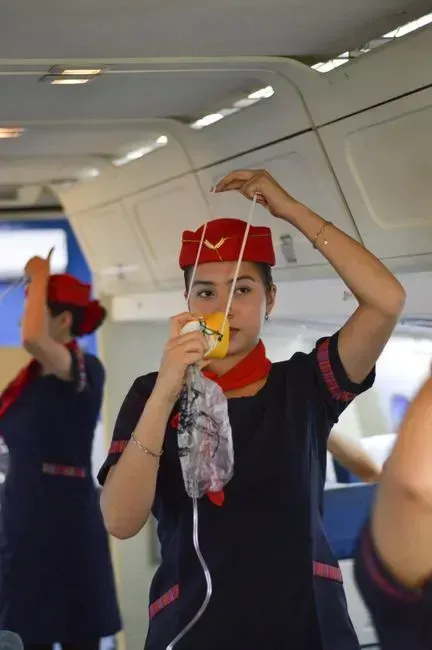
The safety demonstration covers how to assume the brace position during an emergency landing and where the emergency exits are located. Passengers should always know how many rows their nearest exit is in front of or behind them. Talking through it, keeping headphones on, or staring at a phone sends a clear signal to the crew that you consider their safety briefing beneath your attention.
Talking loudly during a manual safety demonstration is considered rude to those who may genuinely be trying to pay attention. Flight attendants take the demonstration seriously because their own safety procedures depend on it going smoothly. The safety demonstration exists specifically to increase passengers’ chances of survival in an emergency, and crew members notice every person who treats it as background noise.
3. Refusing to Follow Crew Instructions
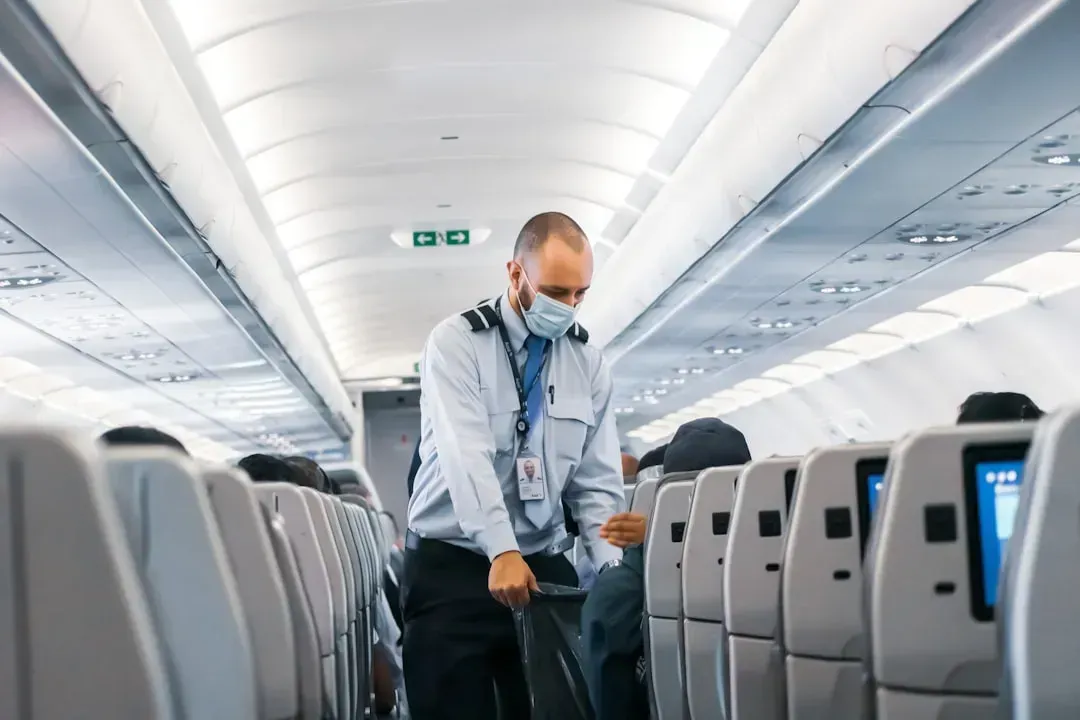
This is among the most frustrating behaviors for cabin crew. When they ask you to do something, whether it’s raising a window blind or removing headphones, it’s for a specific safety purpose. They are not being difficult. Disobeying a crew member can result in flight delays, flight bans, imprisonment, or fines of up to $37,000 in the United States.
When a crew member makes a request, safety is the motive behind it. Some passengers do not comply because they believe the instruction seems unimportant or unnecessary, which puts both the crew and other passengers in a difficult position. It’s the kind of defiance that colors every interaction for the rest of the flight.
4. Handing Over Trash at the Wrong Time
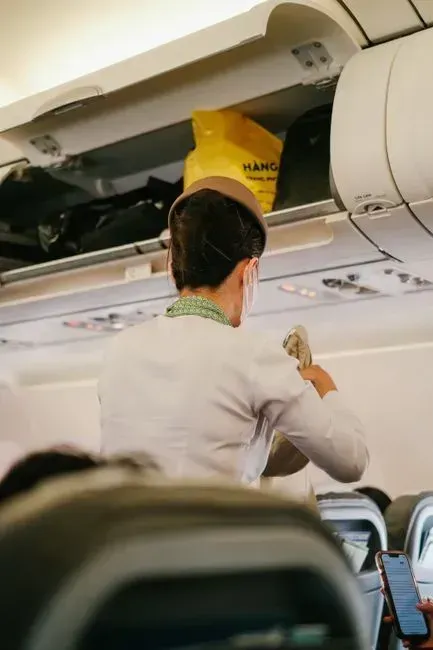
Flight attendants would genuinely appreciate it if passengers did not hand them trash during meal or bar service. Hygiene considerations make it especially important not to pass sick bags or dirty diapers during this time. Waiting until service is finished is all that’s needed. What feels like being helpful is actually interrupting a carefully sequenced workflow.
What seems like a small tidying gesture can actually slow down the boarding or service process quite a lot, and in some contexts it also raises the possibility of a security concern. Stacking meal trays together with trash piled on top adds directly to the crew’s workload, since each tray has its own individual space in the cart. The instinct to be tidy is good. The timing and method matter.
5. Going Barefoot Into the Lavatory

While flight attendants work hard to keep passengers safe at altitude, many passengers do something that concerns crew members deeply: walking barefoot into the plane lavatory. Flight attendants on Reddit have repeatedly highlighted this habit as surprisingly common. One former commercial flight attendant and inflight services director noted that during training, crew members learn that the liquid often found on the lavatory floor is frequently more than just water.
Research has found that the lavatory flush button on planes carries significantly more bacteria per square inch than a home toilet seat. While most of these bacteria are not a serious threat to a healthy adult, reducing exposure is always the wiser choice. Beyond the personal health concern, crew members find the sight genuinely unsanitary and inconsiderate to the passengers who use the same space afterward.
6. Pressing the Call Button Repeatedly for Non-Urgent Matters

Pressing the call bell repeatedly is something cabin crew members find particularly grating. They will get to you as soon as they can, and sometimes they are physically stuck between meal carts with no way to reach a seat immediately. Even if a flight attendant is taking a short break, they will come. The expectation of an instant response, especially for non-urgent requests, creates real friction.
If someone is repeatedly pressing the call bell without a valid reason, crew members do take note and are able to disable it. More importantly, when cabin crew hear a repeated call bell, their trained instinct is to assume it signals a medical emergency or something serious, like smoke in the cabin. Constantly pressing the call button for non-urgent matters is disruptive to the crew’s work and to the rhythm of the whole cabin.
7. Boarding Without a Simple Greeting
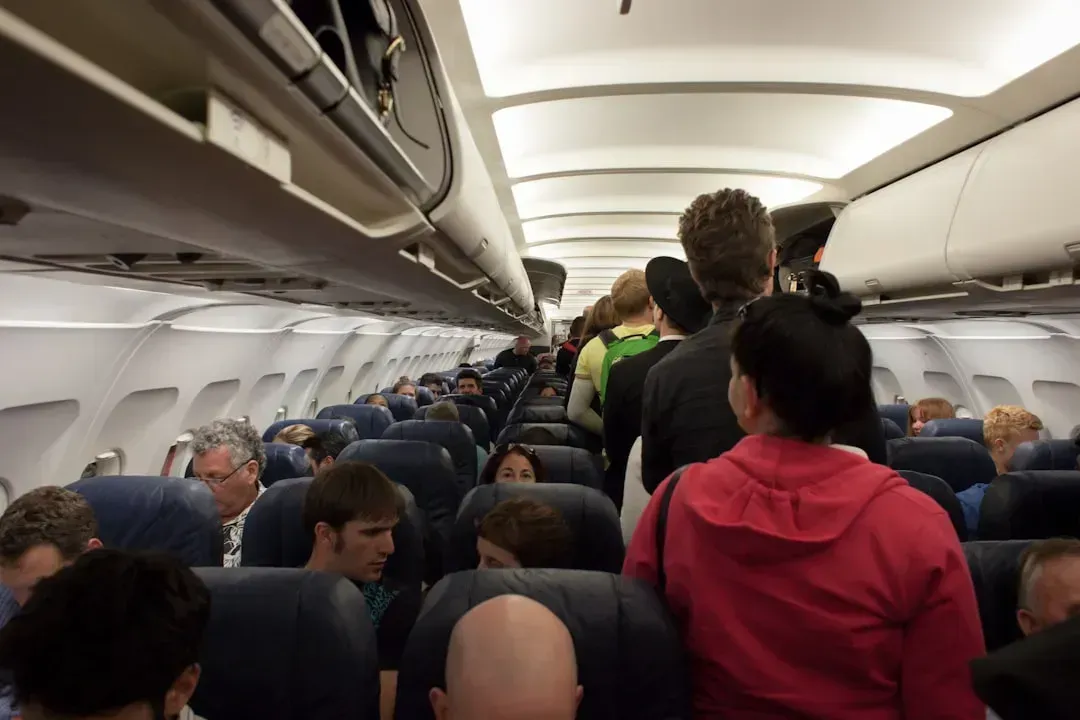
Flight attendants say one of the things that wears on them is when passengers not only fail to return a greeting, but immediately start making demands the moment they step on board. Being tired or distracted is understandable. Treating the crew as invisible service infrastructure is another matter entirely. Even a simple “thank you” can go a long way and may genuinely shape the experience you have throughout the flight.
Cabin crew are safety professionals, not simply servers, and they deserve to be treated with basic respect. The boarding moment is a brief but telling window. Crew members greet hundreds of passengers per flight, and those who take two seconds to acknowledge the greeting are noticed in the best possible way. Those who don’t are also noticed.
8. Reorganizing the Overhead Bins Without Permission
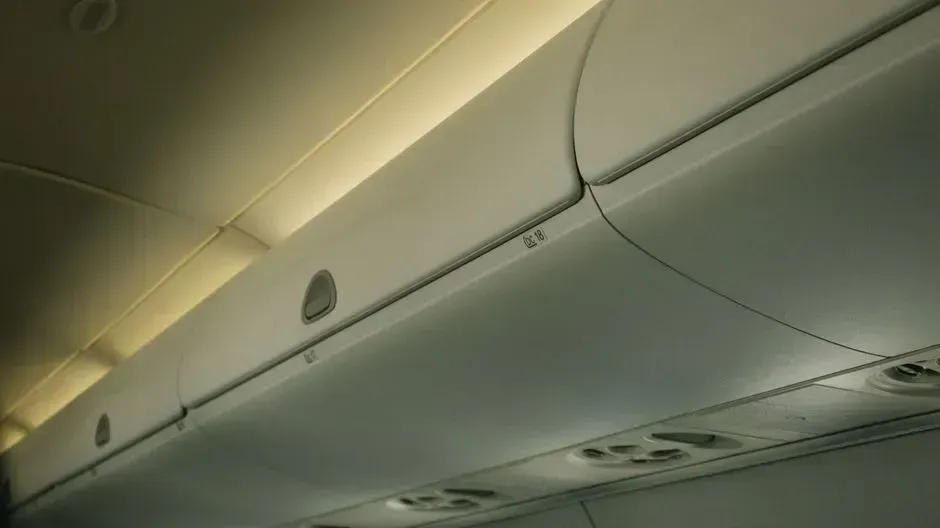
Some passengers mean well and try to help by rearranging overhead compartments during boarding. But flight attendants say this creates real problems: passengers have been known to take items directly out of crew members’ hands, reorganize all the carry-ons, shut compartments to “save” them, and remove bags they personally decided shouldn’t be there. This angers other passengers and can make it nearly impossible to locate belongings when disembarking.
Overhead bins generate tension on almost every flight, and while some well-intentioned passengers try to get involved by reshuffling luggage while boarding is still ongoing, it nearly always creates more chaos than it resolves. Crew members are trained to manage bin space. The better approach is to stow your own items quickly and let the cabin crew handle the rest.
9. Changing a Baby’s Diaper at the Seat or on the Tray Table
Using the tray table or an empty crew or passenger seat to change a baby’s diaper is something flight attendants see more regularly than most people would expect. Baby-changing tables are available in most aircraft lavatories, making the seat or tray table option entirely unnecessary. The tray table, in particular, is a shared surface that dozens of passengers use for eating and resting.
Being considerate of other passengers and the shared environment matters, and using the proper baby-changing facilities in the lavatory is the expected standard. Cabin crew who witness this in the seat area are put in the uncomfortable position of having to address it mid-flight, which is an awkward and avoidable situation for everyone involved. It’s one of those moments that stays with a crew member for the rest of the journey.
Most of these behaviors share a common thread: a lack of awareness about how the cabin actually functions. Flight attendants are managing safety, logistics, timing, and the wellbeing of hundreds of people simultaneously. Small adjustments in how passengers interact with them don’t just improve the crew’s experience. They tend to improve the flight for everyone around you, too.





Leave a Reply