
There’s a specific moment when it hits you. You’re standing at the stove, stirring something that has been simmering for nearly an hour, and your younger colleague texts to ask what you had for dinner. You send a photo. They respond: “You actually made that?” That quiet gap between generations in the kitchen is wider than most people realize, and it shows up in the smallest, most ordinary habits.
It’s not about whether you can cook. Research from 2025 found that Gen Z actually enjoys cooking more than any other generation, and they’re not shying away from the kitchen. The difference is in the texture of those habits. If the following seven micro-habits feel deeply familiar, congratulations. You’re officially old-fashioned, and that’s probably something to be proud of.
You Write Your Grocery List by Hand on an Actual Piece of Paper
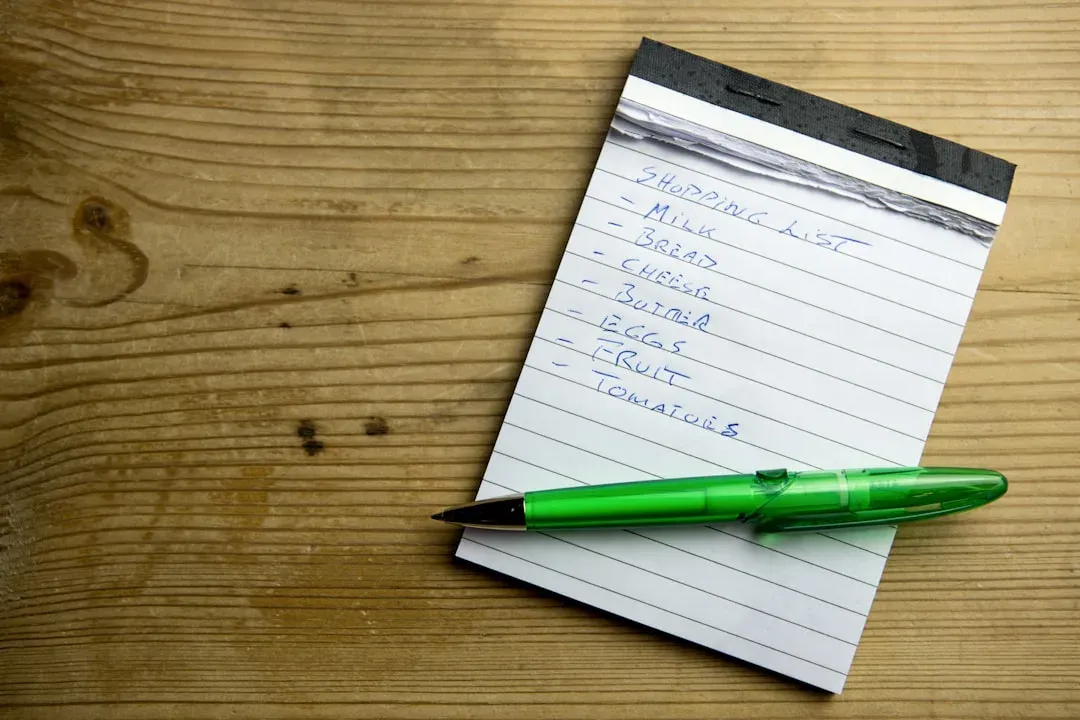
Not a shared notes app. Not Alexa. A scrap of paper, probably rescued from a kitchen drawer, written in pen. This habit is so deeply ingrained in older cooks that it barely registers as a conscious choice anymore. It’s just what you do before heading to the store.
Younger generations have fully migrated to digital grocery management. A 2023 Deloitte survey found that Gen Z eats out more than any other generation, with nearly half ordering food at least once a day, which means a formal grocery list itself is becoming a generational marker. The handwritten version? Even more so. There’s something quietly deliberate about writing things down that a notification ping simply doesn’t replicate.
You Cook Entirely from Scratch, Including Things You Really Didn’t Have to
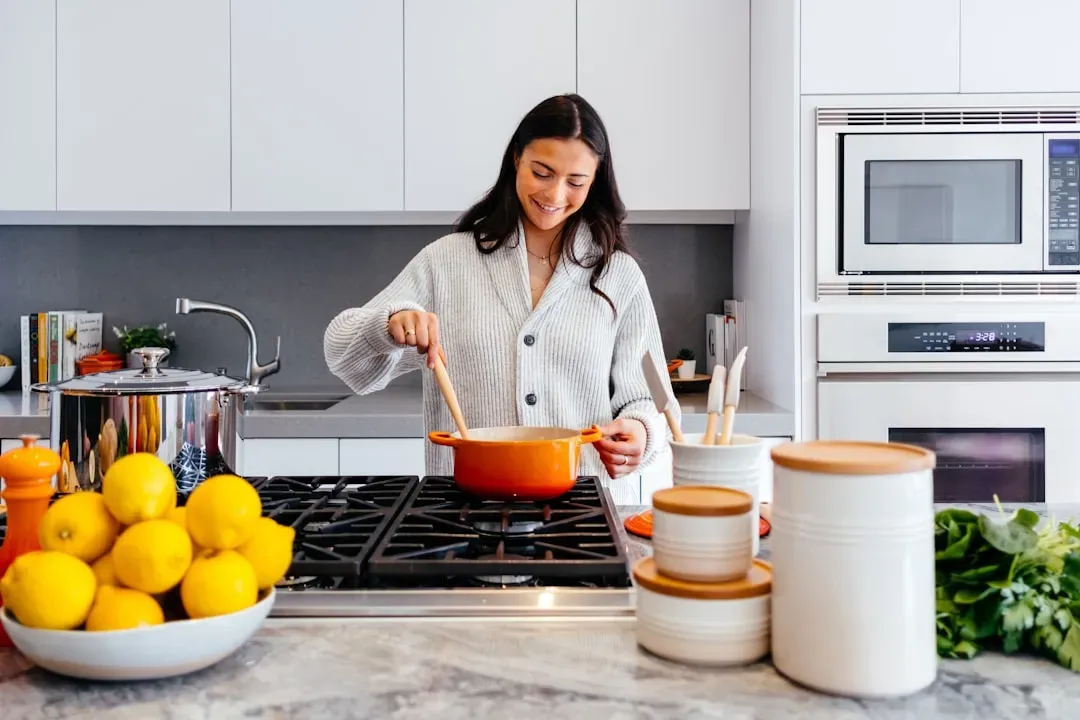
Older people often spend hours preparing meals from raw ingredients, believing home-cooked food is healthier, tastier, and more economical. This habit primarily stems from their upbringing in an era when the concept of processed and packaged food was minimal. If you’ve ever made your own stock, rolled out pastry dough, or soaked dried beans overnight when a can was right there on the shelf, you know exactly what this means.
Younger generations, pressed for time, rely on ready-to-eat meals, takeout, or meal kits. For many of them, cooking an elaborate meal is often a luxury, one that feels time-consuming. Scratch cooking isn’t just a technique for the old-fashioned cook; it’s a philosophy. The process matters, not just the result. That distinction is increasingly rare.
You Pre-Rinse Every Dish Before It Goes in the Dishwasher
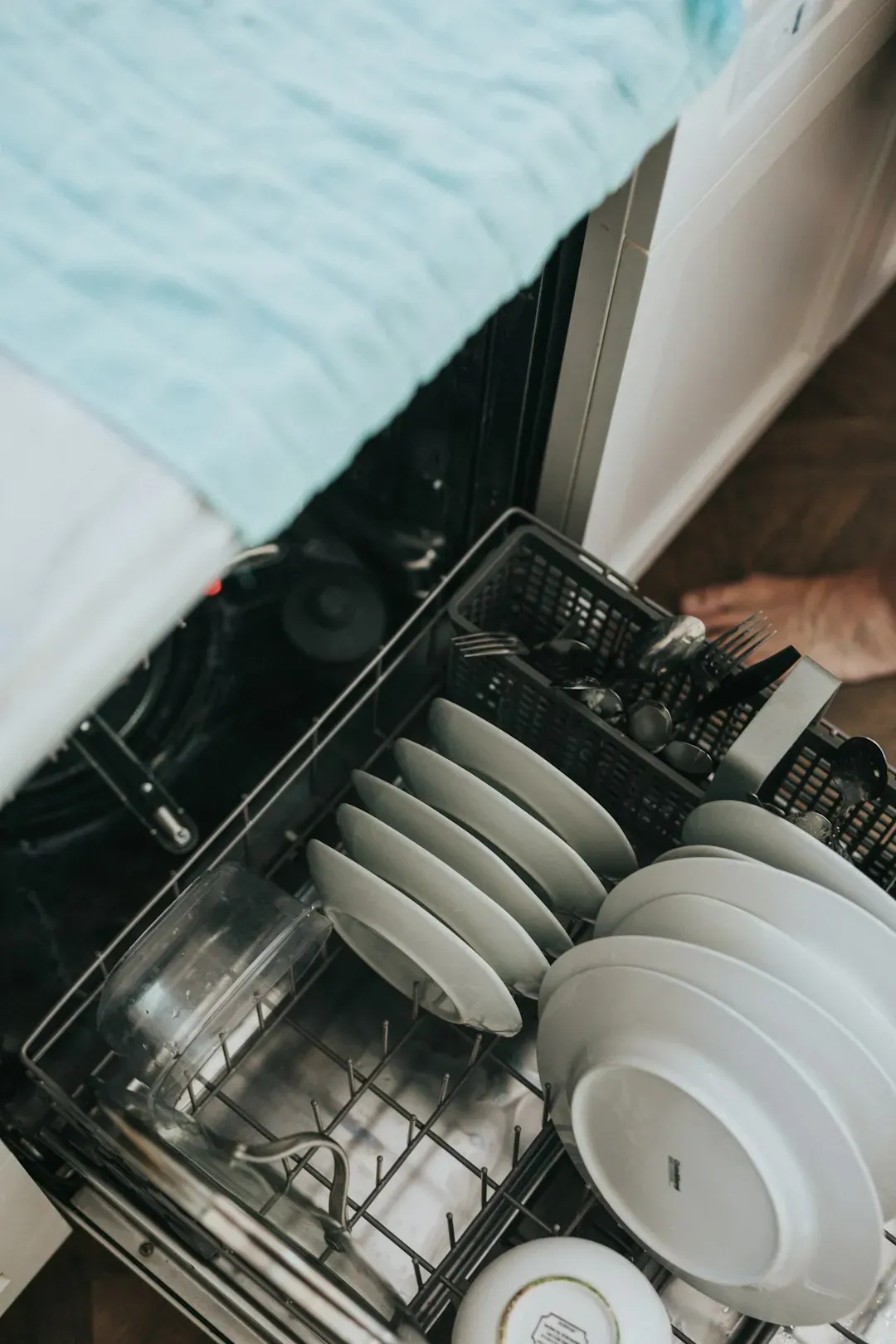
You know the routine. Scrub, rinse, inspect, then load. The dishes go into the dishwasher already essentially clean. To younger cooks watching this unfold, it looks like a redundant ritual. To you, it’s just responsible kitchen behavior that was passed down without question.
ENERGY STAR data shows that a certified dishwasher uses less than half the energy of hand washing and can save thousands of gallons of water, so the old rinse-first routine can waste both time and water. The smarter move is to scrape food into the trash or compost, then let the machine work, since modern dishwashers use sensors, detergents, hot water, and spray patterns designed to handle some food residue. Still, logic rarely overrides a habit that’s been hardwired since childhood.
You Keep a Fully Stocked Pantry Like Something Might Happen
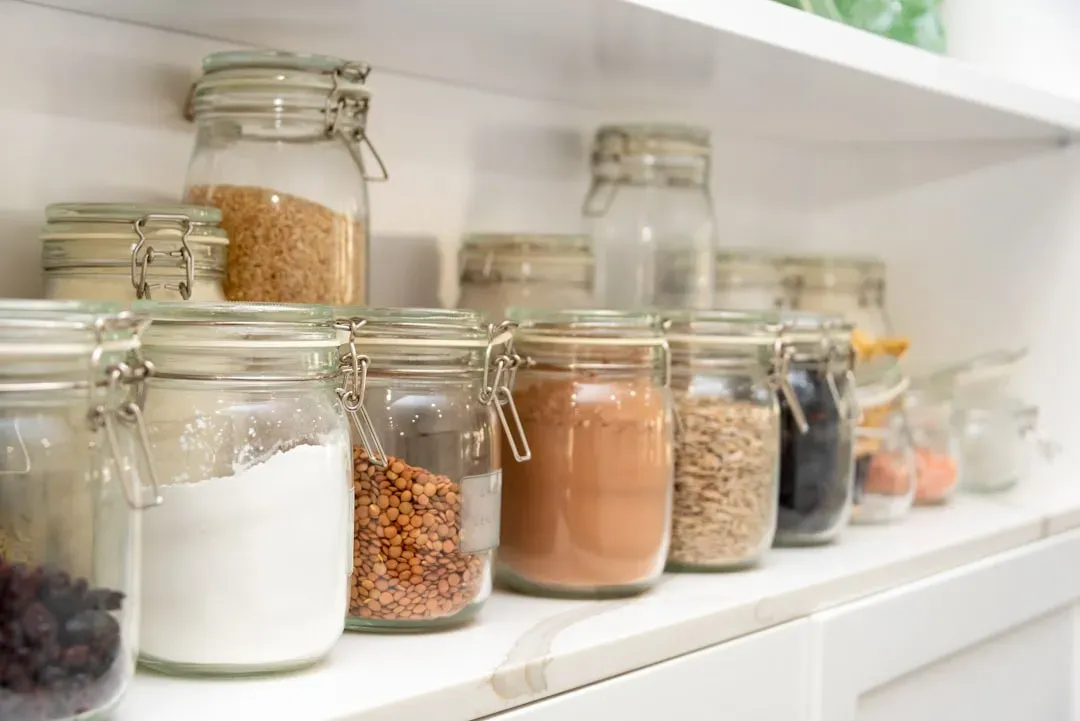
Those from younger generations who keep smaller amounts of food on hand can’t help but notice just how much food older cooks like to keep in their homes and for how long. The cupboards, freezer, fridge, and even the countertops are sometimes stocked like they’re planning for the apocalypse. The old-fashioned cook doesn’t run to the store for one ingredient. They pull it from the shelf.
Often, these habits were instilled by parents who grew up during the days of rations and food shortages in the Great Depression and World War II. Other reasons for overstocking include worrying about being stuck at home, unable to get out if sick or if the weather turns unfavorable. It’s a deeply practical instinct, one that younger generations, raised around on-demand delivery, simply don’t carry the same way.
You Look to Cookbooks and Cooking Shows for Recipe Ideas, Not TikTok
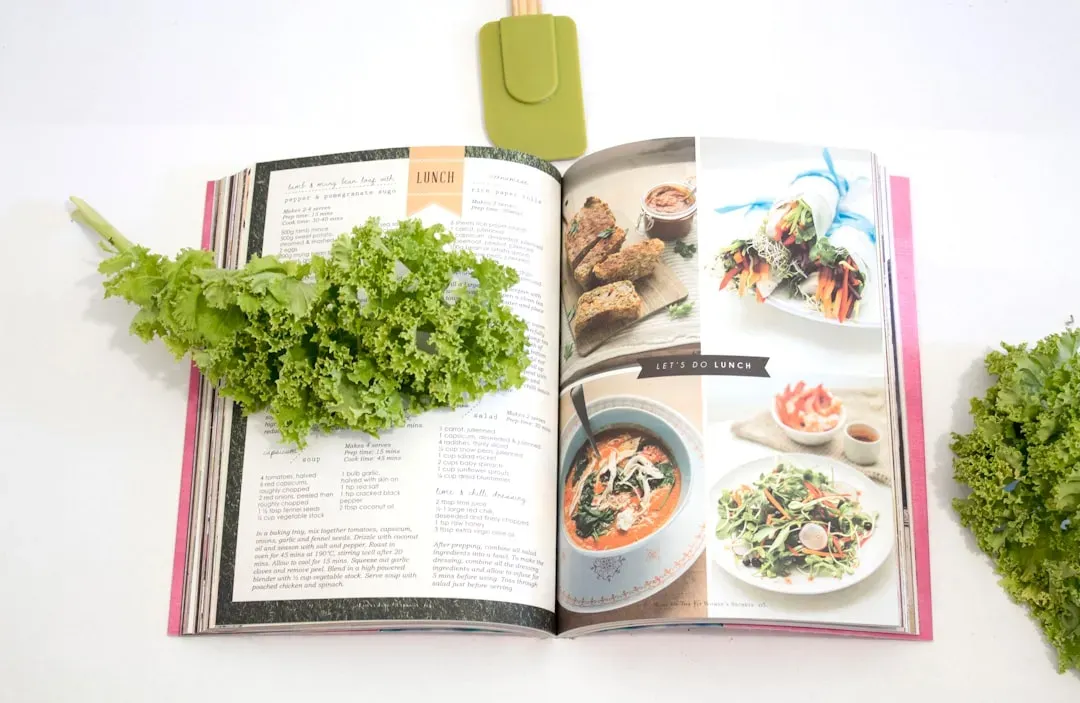
When you need a new recipe, you reach for a worn cookbook with notes in the margins, flip on a cooking show, or check a food website you’ve trusted for years. The idea of watching a 30-second vertical video and following that into dinner feels slightly chaotic. You want context, technique, and maybe a bit of backstory.
While more than half of Americans now look to social media for new recipe inspiration, a large share of roughly more than half still get ideas the old-fashioned way, from cookbooks, cooking shows, or websites, while many also turn to friends and family. The generational split here is real. The growing community of home chefs on social media is helping fuel interest in cooking from scratch, experimenting with new ingredients, and reconnecting with traditional recipes, and the DIY food movement is rooted in a desire for control over ingredients, health, and sustainability. The old-fashioned cook arrived at that same place decades earlier, just without the hashtag.
You Assign Meals to Specific Days of the Week Without Thinking About It
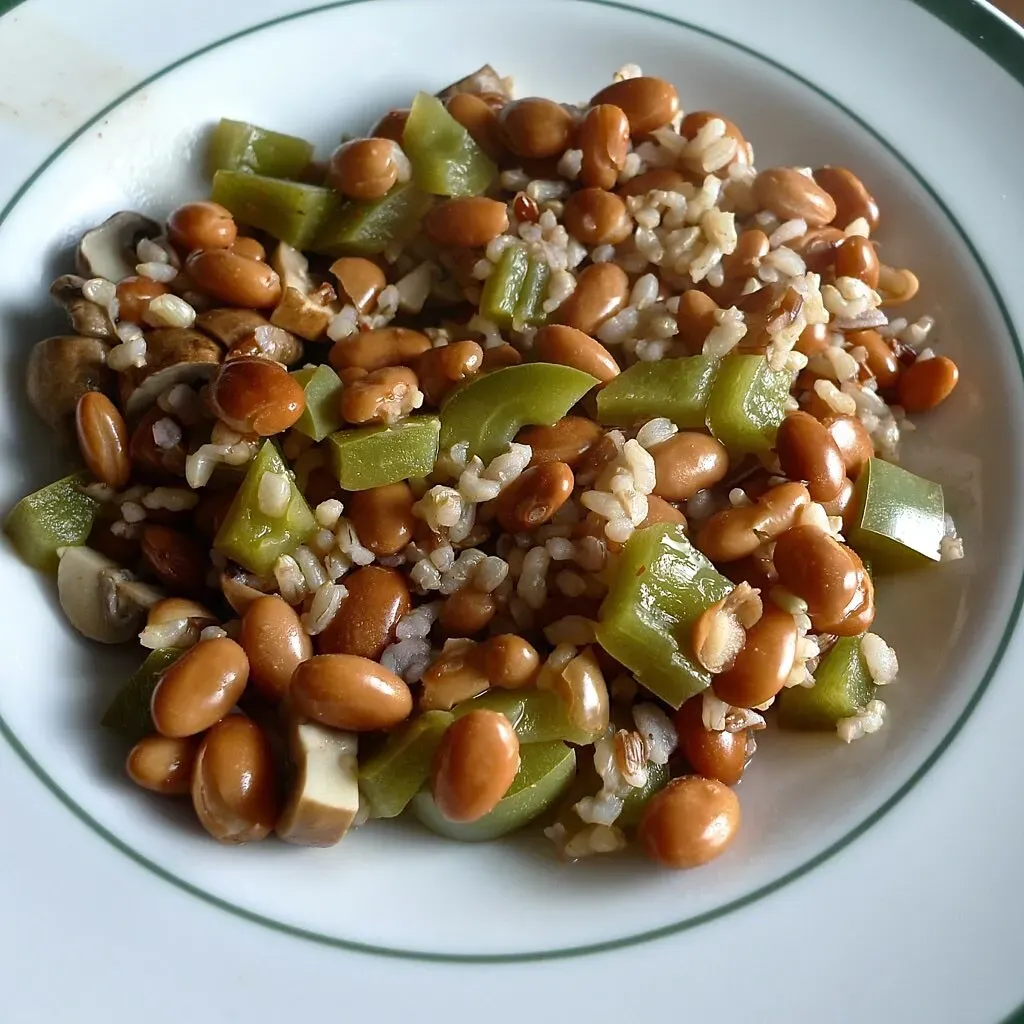
Monday is soup. Friday is fish. Sunday is the big meal. It’s not written anywhere. It doesn’t need to be. The rhythm of the week has always been organized around what’s for dinner, and that structure is as much about comfort as it is about convenience. Deviation from the pattern feels mildly disorienting.
Over a quarter of Americans cook certain meals on specific days of the week, such as “Meatless Monday” or “Pizza Friday.” “Taco Tuesday,” after all, is always something to look forward to. What’s interesting is that this habit, once entirely the domain of older, more routine-bound cooks, has gradually filtered back into younger households, though often framed as a wellness or budgeting strategy rather than simple tradition. The old-fashioned cook never needed a framing. It was just Tuesday.
You Save and Reuse Everything in the Kitchen, Including Containers, Fats, and Leftover Water
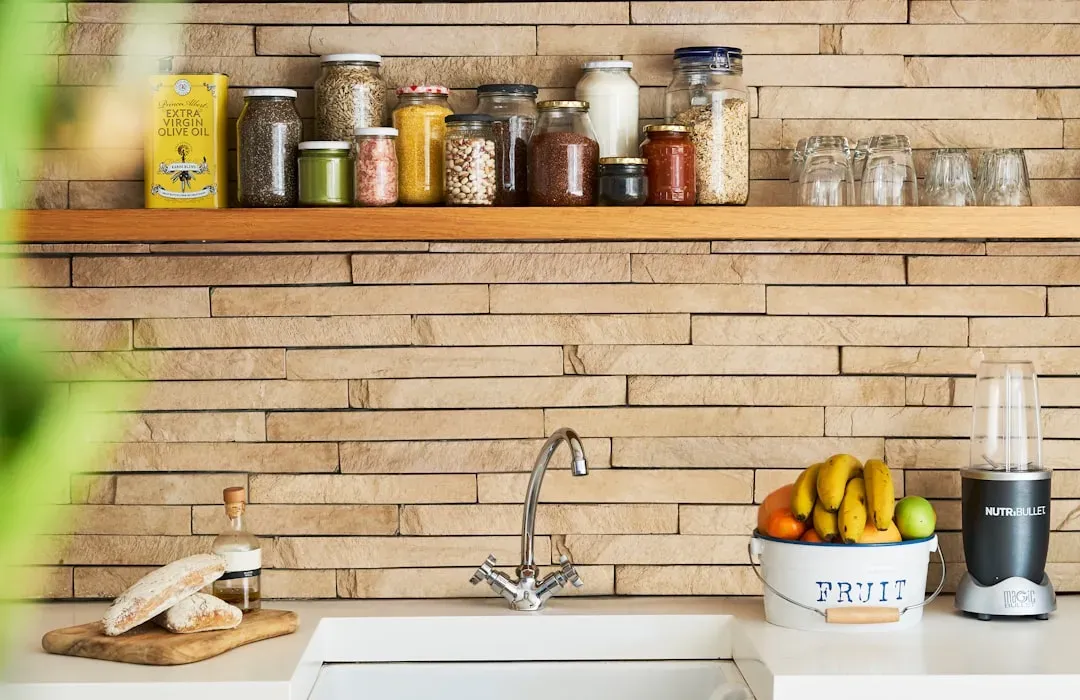
The butter dish is a repurposed margarine tub. The pasta water doesn’t go down the drain; it goes into the sauce or the soup pot. Bacon grease lives in a small jar near the stove. Vegetable scraps accumulate in the freezer until there are enough for a proper stock. None of this is trendy “zero-waste” cooking. It’s just how you’ve always done it.
Traditional techniques like pickling, fermenting, making bone broths, and preserved vinegars are making a strong comeback in modern kitchens, with methods once seen as old-fashioned now valued for their sustainability. The irony is that food culture in 2026 has largely caught up to what older, frugal cooks have practiced for generations. The growing trend for sustainability in the kitchen continues to accelerate, as cooks strive to make better choices to reduce food waste and invest in long-lasting materials. The old-fashioned cook didn’t need a movement to convince them. Wasting food was simply never an option.



Leave a Reply