
There’s a particular kind of disappointment that comes with a high-end dinner that doesn’t quite deliver. The lighting is flattering, the menu sounds extraordinary, and yet something feels slightly off by the time your entrée arrives. Most diners can’t name exactly what’s wrong, which is precisely how restaurants that are quietly cutting corners want it.
The pressure on upscale restaurants to protect their margins has never been greater. According to a 2024 Restaurant Association of America report, nearly four in ten restaurant operators said they were not profitable in 2023, with nearly all of them citing higher food costs as a challenge for their business. When revenue gets tight, corners get cut. The trick is knowing how to spot it before the bill arrives.
1. The Menu Descriptions Are Lavish but Vague
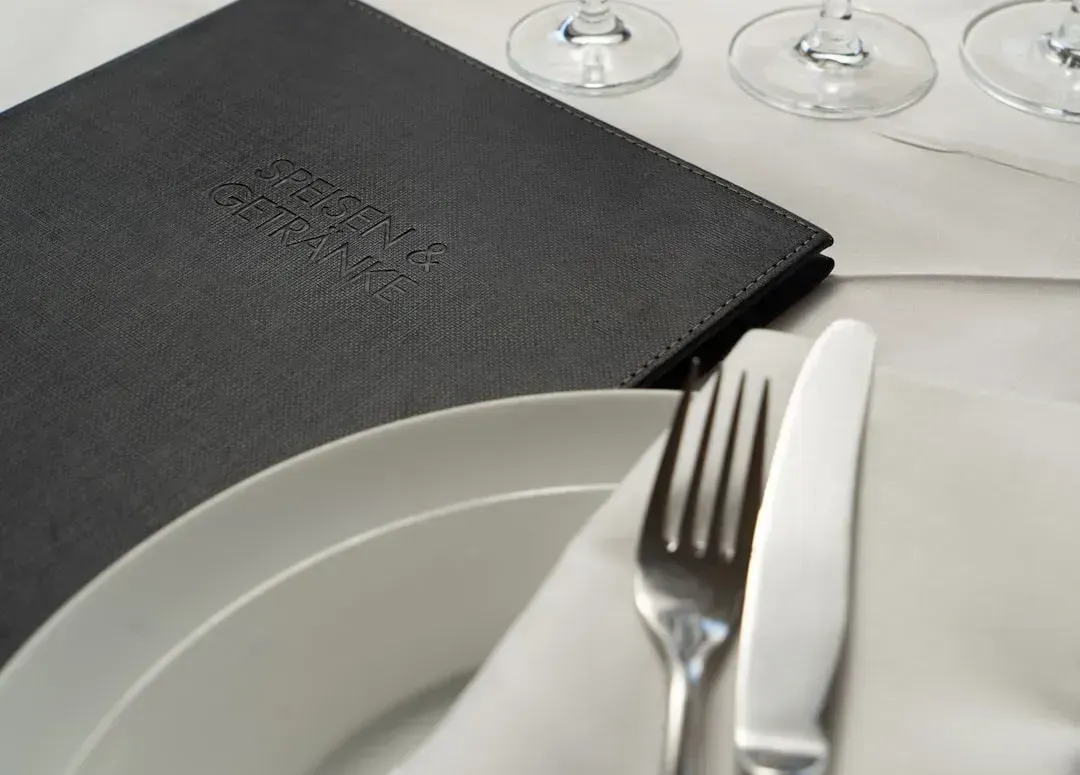
A well-run fine dining kitchen is proud of exactly where its ingredients come from. Menus at serious restaurants typically name the farm, the region, or the specific producer behind key components. When a menu leans on sweeping, poetic language without those specifics, it’s often masking a shift toward cheaper, generic sourcing.
Phrases like “seasonal vegetables” or “sustainably raised protein” without any further detail are classic signs of what the industry calls menu engineering applied to language. Often this tactic involves cheaper ingredients or financially re-engineering the menu in ways that aren’t immediately obvious to the diner. A kitchen with nothing to hide tends to name its suppliers openly.
2. Portion Sizes Have Quietly Shrunk
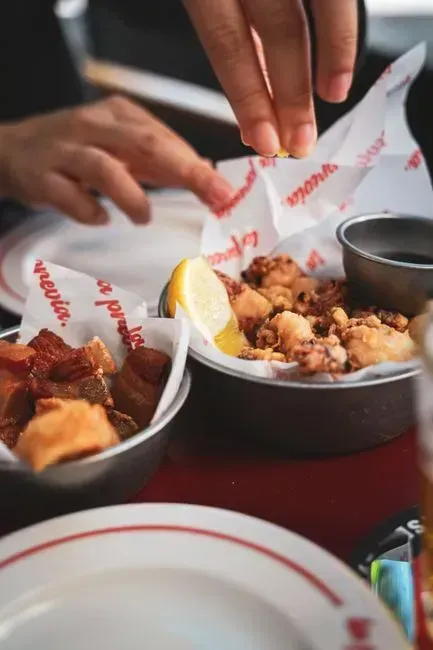
Shrinkflation, which means reducing serving sizes while keeping prices steady, is becoming a common tactic to manage rising ingredient costs. In fast-casual settings this is obvious. In an upscale restaurant, it’s subtler. Proteins are sliced thinner, garnishes become the focal point, and the plate’s white space is framed as minimalism.
Some customers have noticed a frustrating trend at their favorite restaurants with smaller portions coming without a corresponding price drop. While shrinkflation has affected everything from grocery store staples to packaged snacks, restaurant settings seem to be quietly cutting back on serving sizes too, with rising food costs, supply chain challenges, and economic pressures potentially driving these changes. In a fine dining context, a single scallop presented architecturally on a king-size plate is a telltale example worth noticing.
3. The Wine List Is Heavy on High-Markup, Low-Quality Bottles
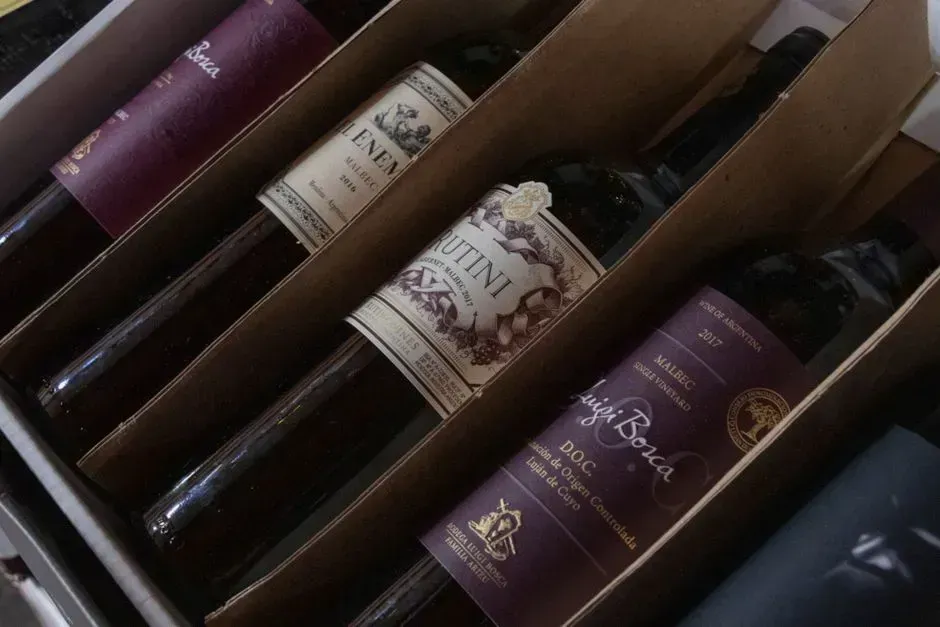
A wine program at a serious restaurant is curated to complement the food, not just to maximize margin on bottles diners recognize. When a wine list skews heavily toward popular varietals from well-known regions, that’s not necessarily a sign of good taste. Many times, cheaper bottles carry higher markups, as do well-known varietals such as Malbec or Pinot Noir, because most diners default to popular wines without much consideration, so restaurants can get away with charging more, knowing that a markup won’t be an obstacle for casual drinkers.
A genuinely thoughtful wine program includes some lesser-known producers, older vintages, and at least a few wines that reflect the chef’s palate. If everything on the list is something you’d spot at a well-stocked supermarket, the sommelier may be choosing bottles for margin rather than quality. When you scan the wine list, keep an eye out for options that don’t match up with their price, because a red flag would be seeing wine that’s inexpensive and easily found in a wine store or supermarket featured on a wine list for a lot more money.
4. Tableside Service Has Disappeared Without Explanation

Tableside preparation – finishing sauces, carving meats, presenting cheese boards, or even simple rituals like grinding fresh pepper – has always been one of the defining signals of a restaurant that values ceremony as part of the meal. These touches require skilled, well-paid staff and take time. They’re usually among the first things to go when labor costs are being squeezed.
Service quality is a restaurant’s unique value proposition in fine dining, and if optimizing costs means rushing guests or cutting corners on presentation, a restaurant risks alienating the affluent clientele who expect flawless service for their special occasions. When those small ceremonial moments vanish from a restaurant that used to include them, it’s rarely a philosophical shift. It’s almost always a staffing or cost decision dressed up as a refinement.
5. Staff Turnover Is Visibly High
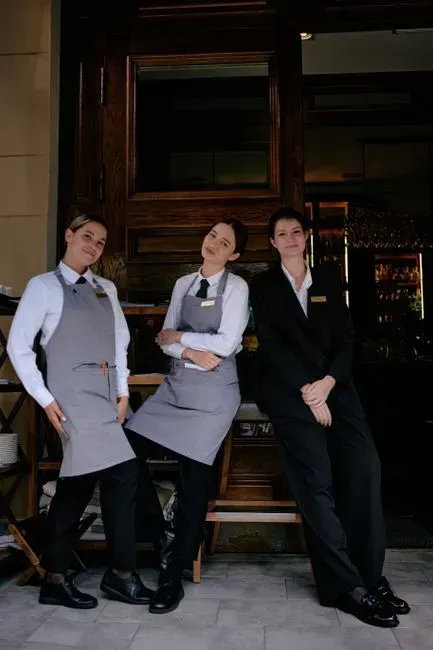
When the business begins to get tough, operators start cutting corners and skimping on essential details, and the first to notice are the employees, especially those in the customer-facing team like waitstaff and bartenders. In an upscale setting, this plays out in ways a careful diner can detect: servers who don’t know the menu’s sourcing story, unfamiliar faces at every visit, or a dining room managed by people who seem to be learning the room rather than owning it.
When food quality declines, shrinking tips follow, and the most talented bartenders and waitstaff find work elsewhere. The kitchen suffers too. A restaurant losing its best front-of-house staff is almost always under financial pressure, and that pressure rarely stays confined to staffing. It bleeds into the kitchen, the sourcing, and ultimately the plate.
6. The Menu Changes Very Rarely, or Almost Never
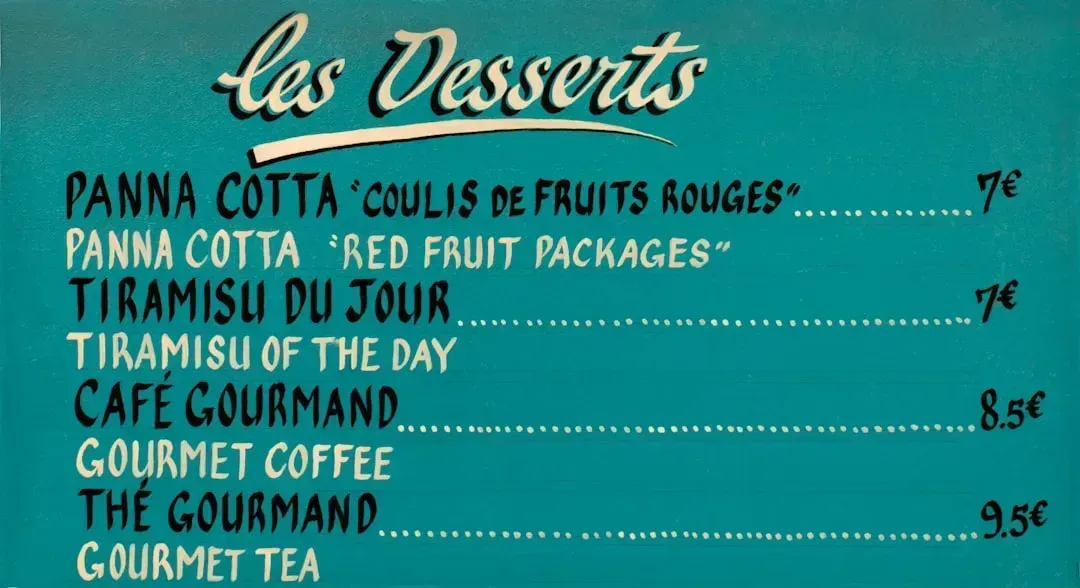
Frequent, seasonally responsive menu changes are expensive and logistically demanding. They require constant work from the kitchen team, ongoing supplier relationships, and a head chef who is actively developing dishes rather than simply executing a fixed playbook. A menu that hasn’t meaningfully changed in six months or more at a restaurant charging fine dining prices is a quiet warning sign.
Across the restaurant industry, leading brands are announcing plans to pare down menus, driven by rising ingredient costs, labor pressures, and the need for faster, more consistent operations. There’s nothing inherently wrong with a focused menu, but a stagnant one at a premium price point suggests the kitchen may be optimizing for predictability and cost control rather than creativity and fresh ingredients. Regulars tend to notice long before the reviews do.
7. The Décor Is Getting More Attention Than the Plate
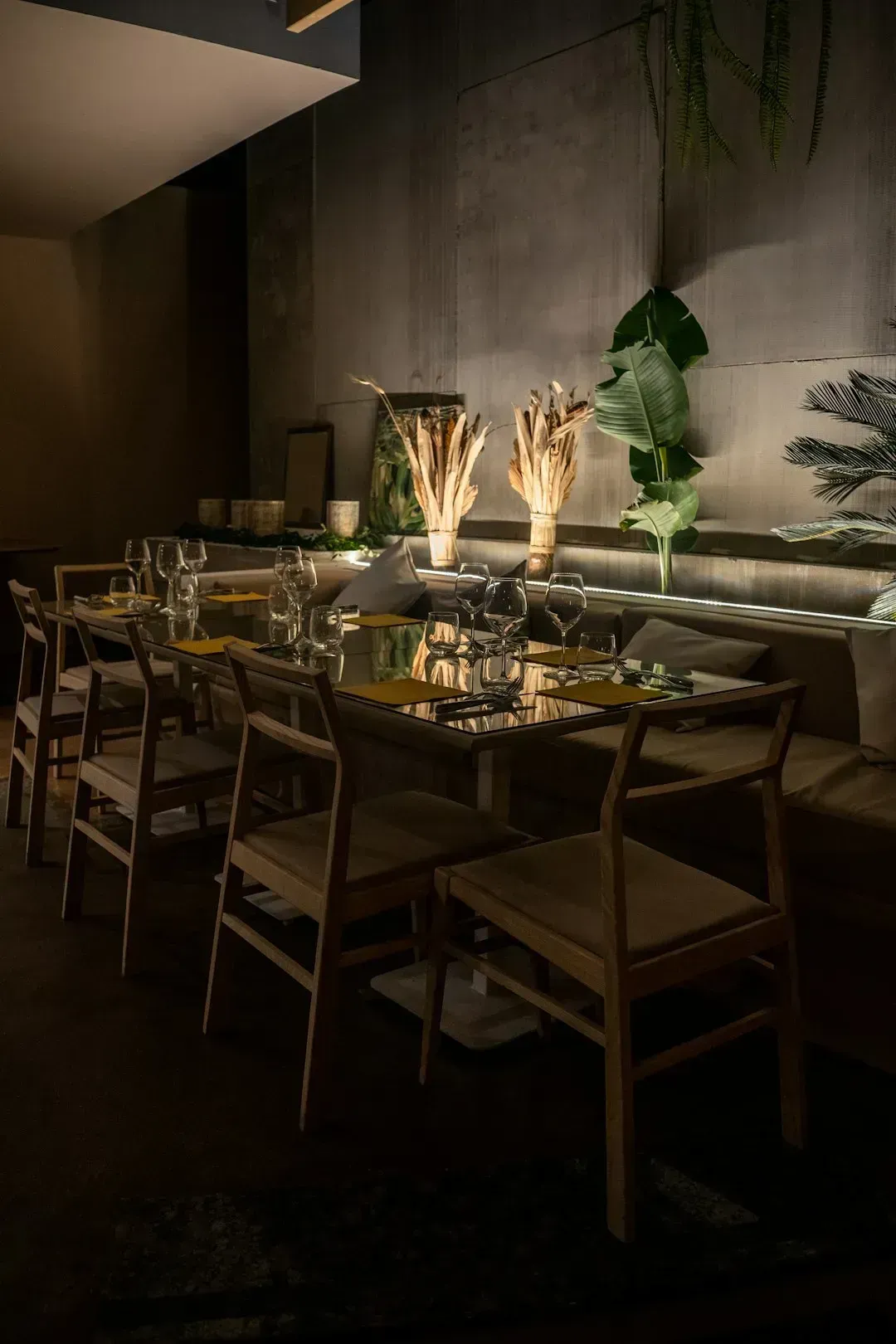
Among the top restaurant red flags to watch out for are fake flowers, selfie bathrooms, and elaborate serving dishes. When a restaurant invests heavily in atmosphere while the food quality quietly slides, it’s usually a deliberate strategy. Dazzling interiors and photogenic plating can generate social media buzz and justify high prices even when the kitchen is sourcing cheaper ingredients behind the scenes.
Some restaurants are rolling out sweeping cost-cutting measures that directly affect the dining experience while simultaneously investing in visual elements that suggest premium quality. If the cocktail garnish is more elaborate than the protein on your main course, or if the restaurant’s Instagram account is stronger than its Michelin credentials, it may be prioritizing appearance over substance. Genuine quality in a kitchen tends to show up on the plate first, and the room second.
Paying attention to these signs doesn’t mean approaching every reservation with suspicion. Most upscale restaurants are doing their honest best in a genuinely difficult economic environment. Running a successful restaurant in 2025 and 2026 means more than just great food; it requires smart financial decisions, and with rising ingredient prices, labor shortages, and tighter margins, operators must find strategic ways to reduce costs without compromising quality or customer experience. The difference is whether those decisions are made at the expense of the diner or in service of them. The subtle signs described here are worth knowing, because they tend to appear quietly, long before a restaurant’s reputation catches up with its reality.


Leave a Reply