
Open a mid-century cookbook, the kind with a spiral binding and a casserole stain on page forty-two, and you’ll find a whole world of holiday baking that never made the leap into modern kitchens. These were the cookies that showed up on tin plates at church bazaars, got wrapped in wax paper for the mail carrier, and disappeared from family rotations somewhere between the microwave era and the rise of the internet recipe box.
Some fell out of favor because the ingredients got harder to find. Others just lost the marketing war to chocolate chip and sugar cookies with sprinkles. Either way, these ten recipes deserve a second look this holiday season, if only because your grandmother’s generation knew something about texture and spice that a lot of modern baking has quietly forgotten.
1. Ambrosia Cookies
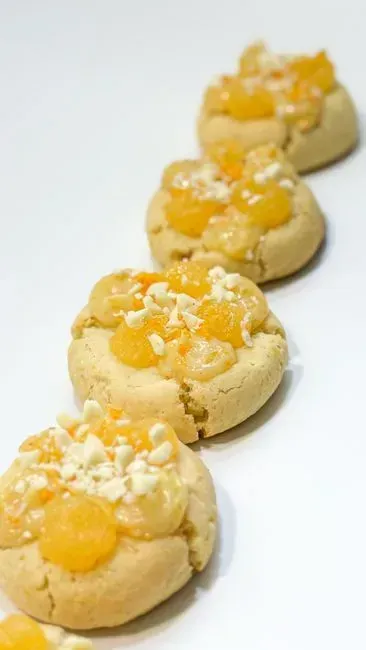
Named after the fruit salad that dominated 1960s potlucks, these cookies packed shredded coconut, chopped pecans, and candied orange peel into a soft, cake-like base. The orange flavor came from actual zest or peel rather than extract, which gave the cookies a brighter, slightly bitter edge that balanced the sweetness. They were often rolled in powdered sugar while still warm, so the coating melted into a thin glaze.
Home bakers loved ambrosia cookies because they used pantry staples that were already stocked for holiday fruitcakes and salads. As candied citrus peel became harder to find in grocery stores outside specialty shops, the recipe quietly slipped out of most family collections. A handful of Southern community cookbooks still carry versions of it, but it rarely shows up in mainstream holiday roundups anymore.
2. Benne Wafers
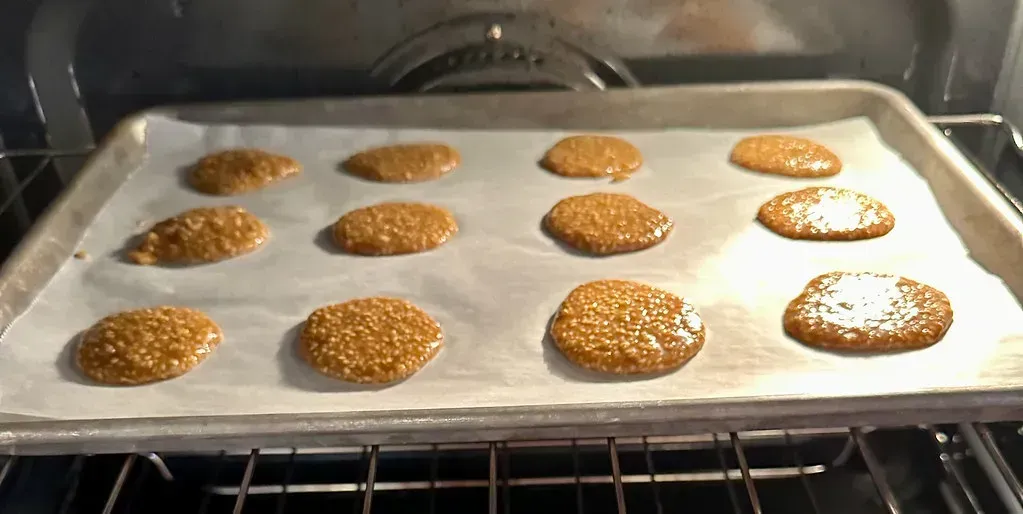
Benne wafers trace back to West African sesame seed traditions brought to the American South, and by the 1960s they were a fixture on Lowcountry holiday cookie plates. The word “benne” is an old term for sesame, and the cookies are thin, crisp, and deeply caramelized thanks to toasted seeds and brown sugar. They’re closer to a candy than a soft cookie, snapping cleanly when broken.
What made them special was the toasting step, which most modern shortcuts skip entirely. Untoasted sesame seeds produce a flatter, less nutty flavor, and that difference is likely why benne wafers rarely turn up outside of Charleston-area bakeries today. They remain a regional specialty rather than a national one, which is part of why so many bakers have never heard of them.
3. Swedish Sandbakkels
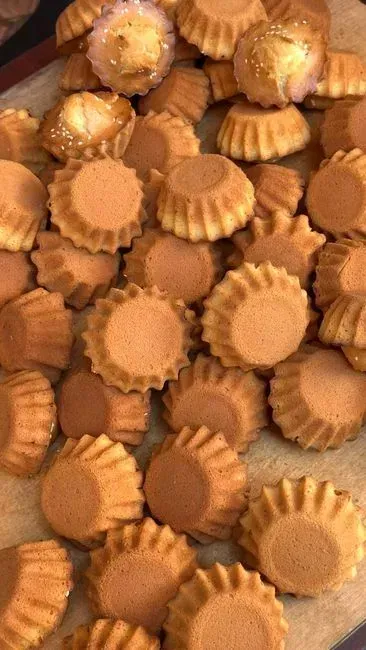
Sandbakkels are delicate, buttery tart-like cookies pressed into small fluted tins rather than rolled out on a counter. The dough is rich with butter and almond flavoring, pressed thin, and baked until just golden, then popped out of the tins once cooled. In the 1960s, owning a set of sandbakkel tins was almost a rite of passage in Scandinavian-American households.
The catch is that the tins themselves are the hard part. Without the specific molds, the cookies lose their signature shape and thin, crackly texture, which is likely why the recipe faded as fewer households inherited or bought the equipment. Specialty Scandinavian shops and a few heritage bakeries in the upper Midwest still sell the tins, but they’re a niche purchase now rather than a common holiday tool.
4. Fried Rosettes
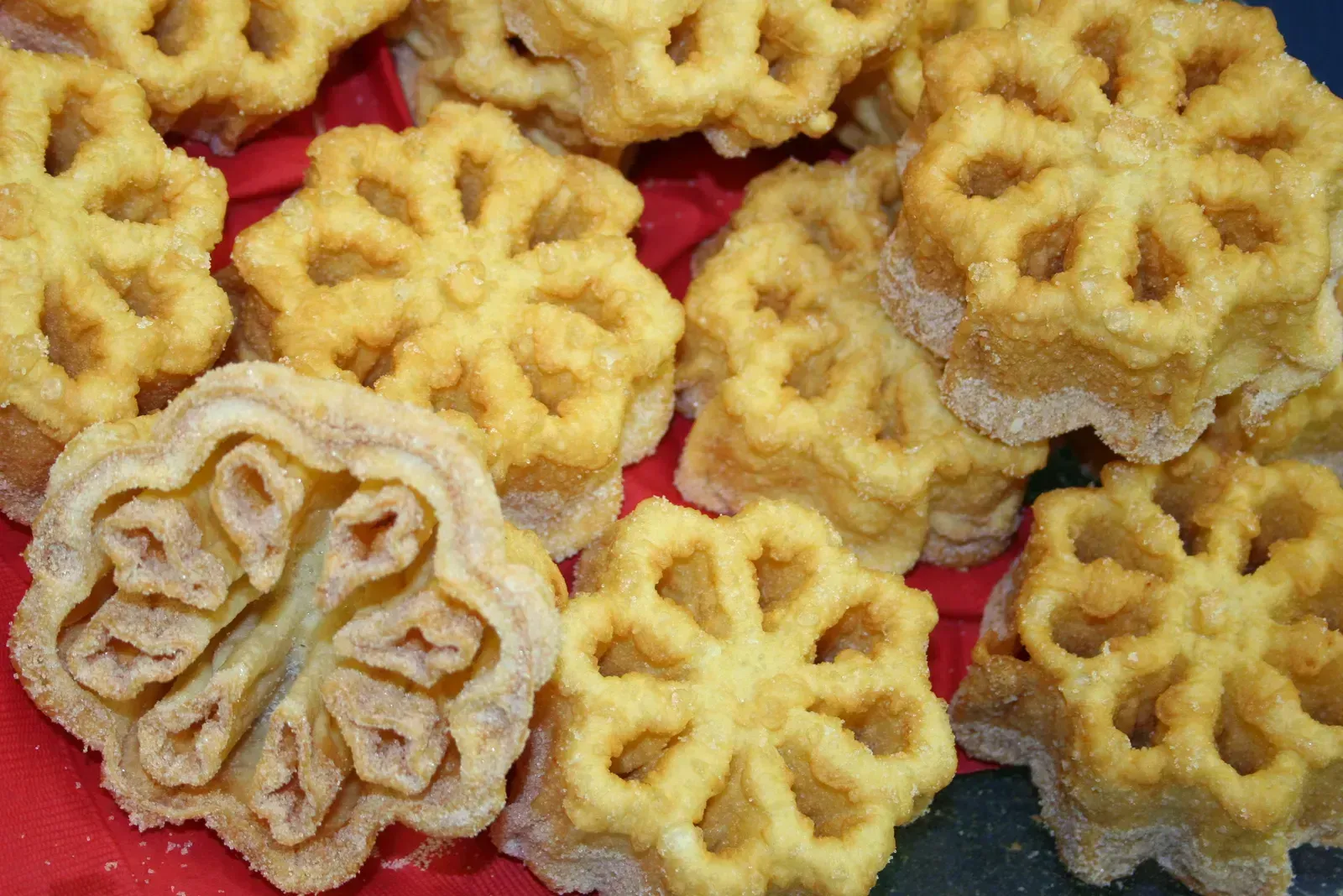
Rosettes are thin, lacy cookies made by dipping a patterned iron into batter and frying it in hot oil until crisp. The iron itself, usually shaped like a snowflake or flower, was a common holiday tool in Scandinavian and Central European households through the 1960s. Once fried, the cookies were dusted heavily with powdered sugar and stacked in tins lined with wax paper.
Frying cookies at home fell out of fashion as ovens became the default appliance for holiday baking, and the specialized irons aren’t something most kitchens keep on hand anymore. There’s also a genuine skill involved in getting the batter consistency and oil temperature right, which discouraged casual bakers from trying it. Rosettes still appear at some church holiday sales in Minnesota and Wisconsin, but they’ve largely vanished from everyday baking.
5. Cry Baby Cookies
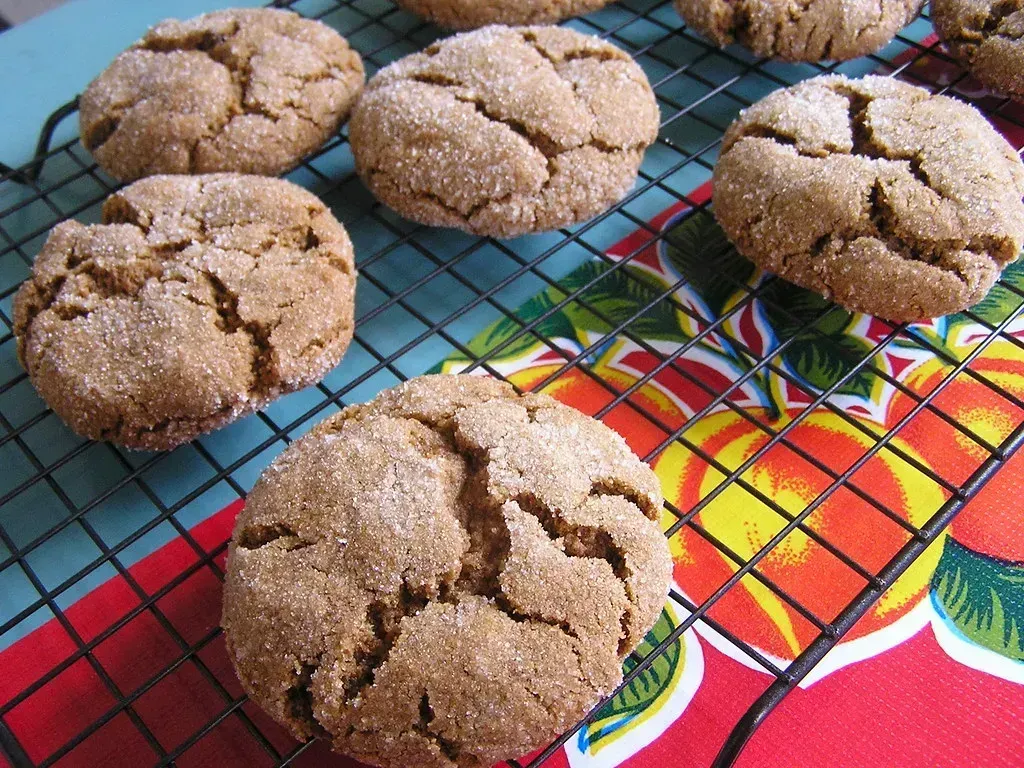
The name comes from the sharp bite of molasses and black pepper baked into these soft, spiced drop cookies. They were a common Pennsylvania Dutch holiday treat in the 1960s, often mistaken for gingerbread until that peppery kick hits. The dough typically included cloves, cinnamon, and a small amount of vinegar to balance the baking soda’s flavor.
Cry baby cookies never quite fit the modern preference for sweeter, milder spice cookies, and the pepper addition confuses people who expect a standard molasses cookie. As Pennsylvania Dutch baking traditions became less visible outside their home region, the recipe mostly stayed local rather than spreading nationally. A few Lancaster County bakeries still make them seasonally, but they’re a genuine rarity elsewhere.
6. Hungarian Kiffles
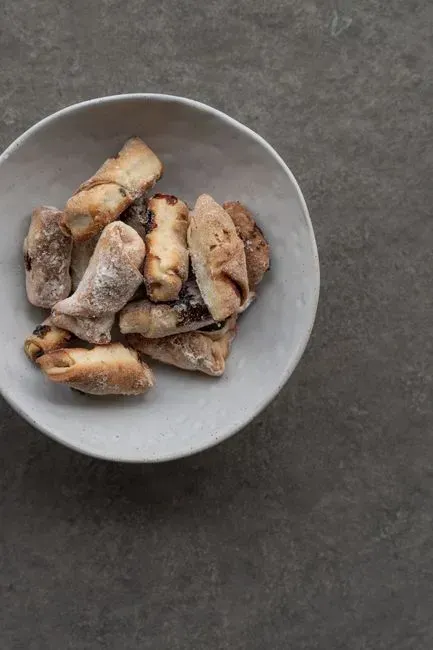
Kiffles are crescent-shaped cookies made from a cream cheese dough wrapped around a filling of ground walnuts, poppy seeds, or fruit preserves. Hungarian and Eastern European immigrant families brought the recipe to American kitchens, and by the 1960s it was a staple in cities with strong Central European communities like Pittsburgh and Cleveland. The dough is notoriously finicky, requiring overnight chilling and careful rolling to avoid tearing.
Because the filling and dough both take real time to prepare, kiffles were often a multi-day project rather than a quick holiday bake. That labor intensity is likely the biggest reason the recipe hasn’t kept pace with quicker modern cookies. They still show up at Eastern European bakeries and some family tables during the holidays, but the homemade version has become increasingly rare.
7. Peppernuts (Pfeffernüsse)
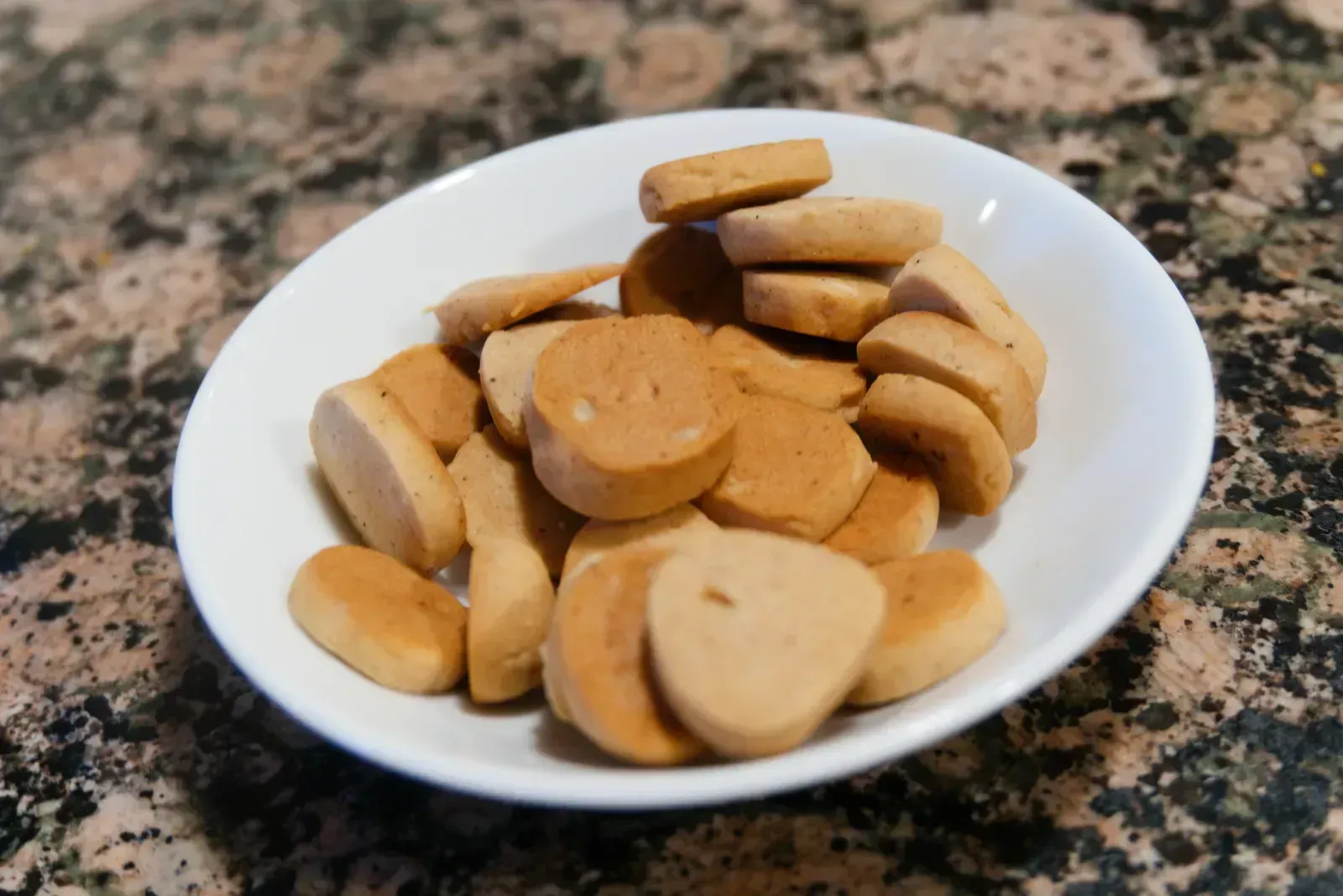
These tiny, dense spice cookies get their name from the black pepper mixed into a blend of cinnamon, cloves, and anise. German and Dutch-American communities baked peppernuts by the hundreds each December, often storing them in tins for weeks so the flavors could deepen and the texture could firm up. Unlike most cookies, they were meant to be eaten hard, almost like a spiced hardtack.
The waiting period required for peppernuts to develop their full flavor doesn’t fit modern baking habits, which lean toward same-day results. Many bakers who tried the recipe without understanding the aging step ended up with cookies that tasted flat or overly hard too soon. Peppernuts survive mostly in Mennonite and German-American heritage cookbooks now, largely absent from mainstream holiday baking lists.
8. Ranger Cookies
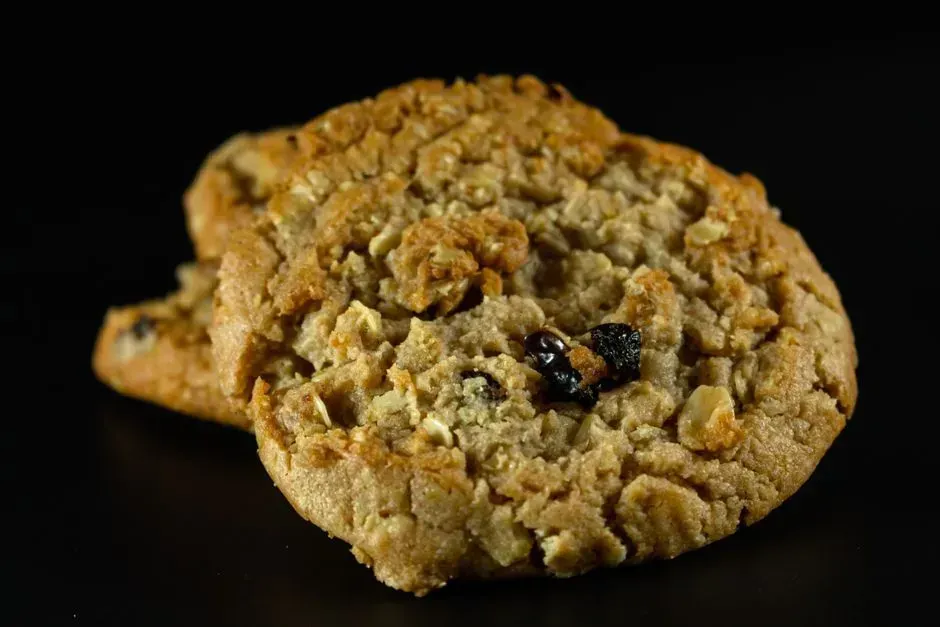
Ranger cookies combined crisped rice cereal, rolled oats, and shredded coconut into a chewy, textured drop cookie that was extremely popular in 1960s Midwestern kitchens. The combination gave the cookie a crunch that set it apart from standard oatmeal cookies, and it was a favorite for lunchbox packing as much as holiday plates. Some versions added chopped pecans or a light glaze on top.
As branded cereal-based recipes fell out of favor with home bakers chasing more “from scratch” reputations, ranger cookies lost their place in cookbooks. The cereal box recipe cards that once spread the recipe nationally also became less common as packaging changed and recipe inserts disappeared. Today it’s mostly remembered by people old enough to recall the original recipe cards themselves.
9. Sour Cream Drop Cookies
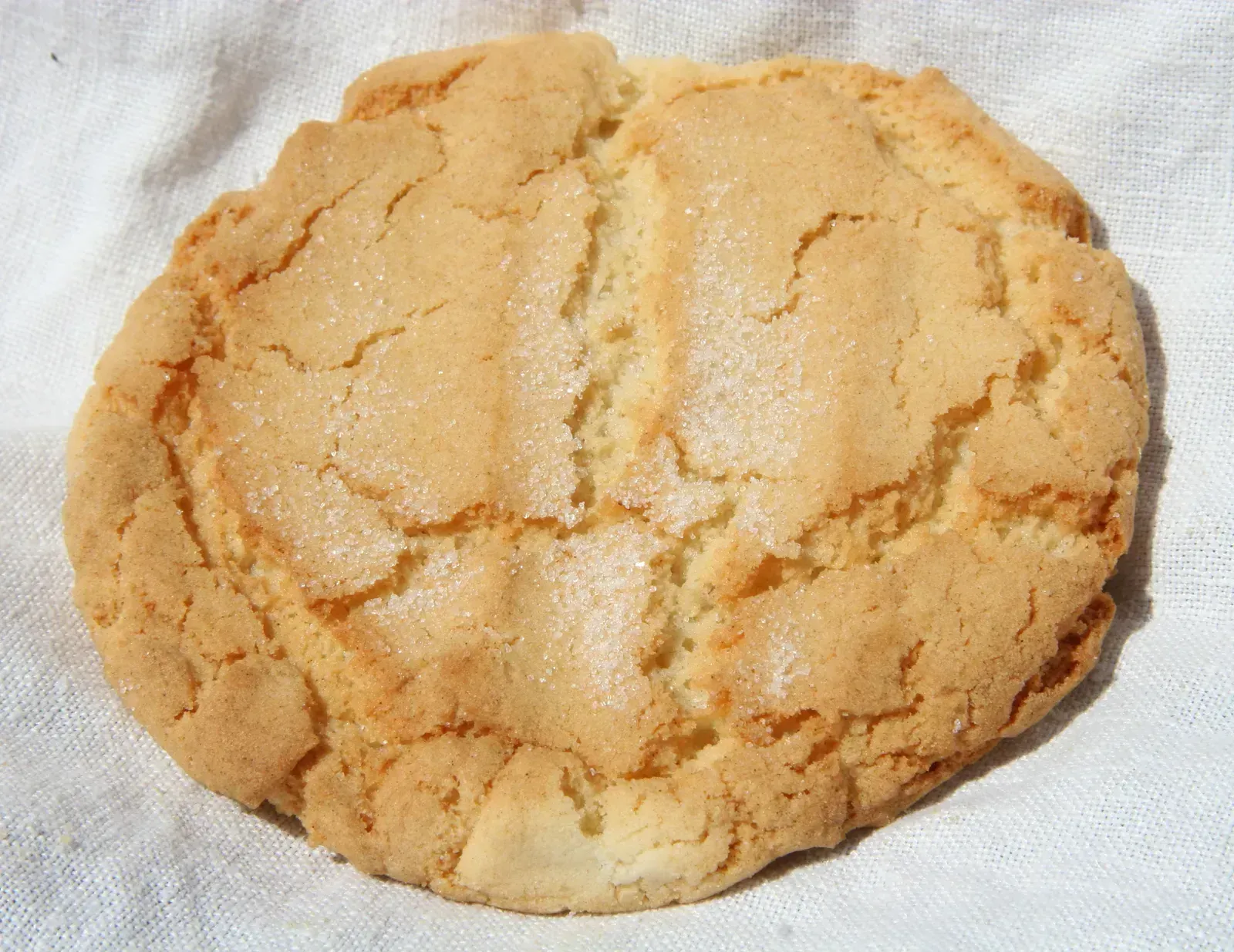
Soft, cake-like, and often topped with a simple sugar glaze, sour cream drop cookies were a fixture of 1960s holiday tables because sour cream was a common refrigerator staple. The acidity in the sour cream reacted with baking soda to create an unusually light, pillowy texture that’s hard to replicate with modern butter-heavy recipes. Nutmeg was the most common spice addition, giving the cookies a subtle warmth.
These cookies never developed a strong brand identity the way sugar or spritz cookies did, which made them easy to forget as recipe trends shifted. They also don’t photograph particularly well, being plain and pale rather than decorated, which likely hurt their staying power in an increasingly visual recipe culture. They still turn up occasionally in older Midwestern church cookbooks, quietly holding on.
10. Filled Date Pinwheel Cookies
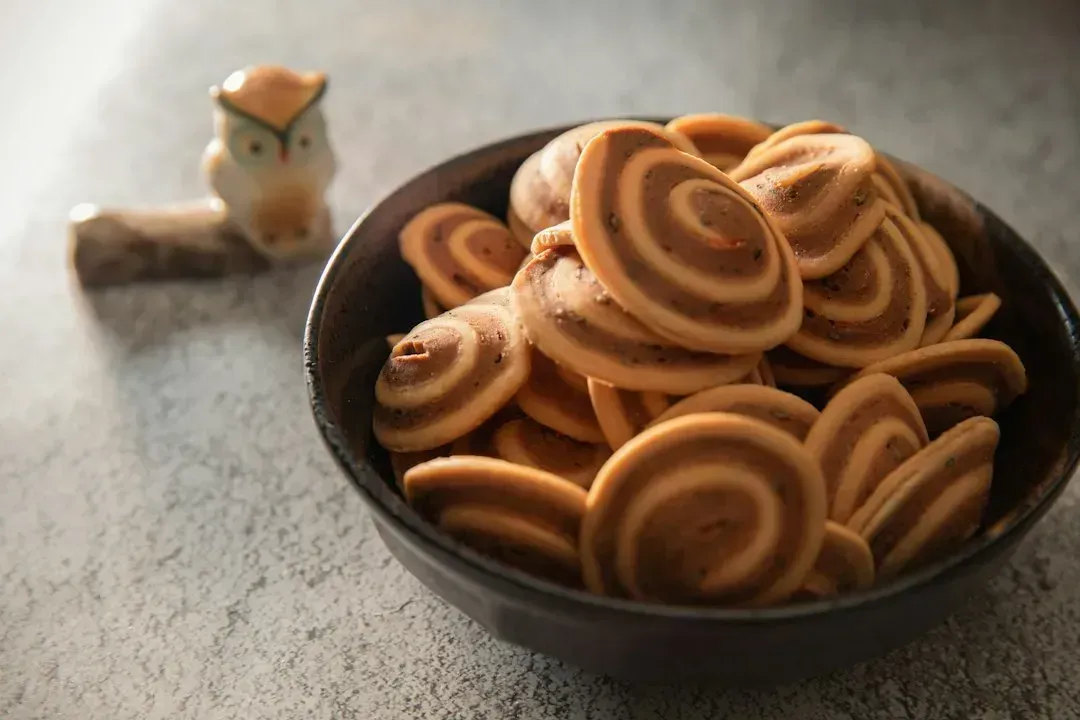
These cookies involved rolling out a spiced dough, spreading it with a cooked date filling, and rolling it into a log before slicing into individual pinwheels. The technique required patience, since the dough had to chill thoroughly before slicing to keep the spiral shape intact. Dates were a popular holiday ingredient in the 1960s, often bought in blocks and chopped by hand rather than pre-diced as they are now.
The multi-step process, combined with the decline of date usage in everyday baking, pushed this cookie toward obscurity. Most modern bakers reach for chocolate or fruit preserves instead of cooking down a date filling from scratch. Filled pinwheel cookies occasionally reappear in vintage recipe revival articles, but they’re rarely made at home anymore.
Each of these recipes reflects a different regional tradition and a different set of kitchen habits that shaped American holiday baking well before convenience took over. Trying even one of them this season offers a small, direct link to how families baked sixty years ago, using ingredients and techniques that modern kitchens have mostly left behind.



Leave a Reply