
Once your suitcase disappears down the conveyor belt, you lose control of it. It might arrive late, get rerouted, or be searched along the way. Most of the time it turns up fine, but “most of the time” isn’t good enough for everything you own.
Some items are restricted by safety rules, and others simply cost too much trouble to replace on the road. Here are ten things worth keeping with you in the cabin.
Power Banks
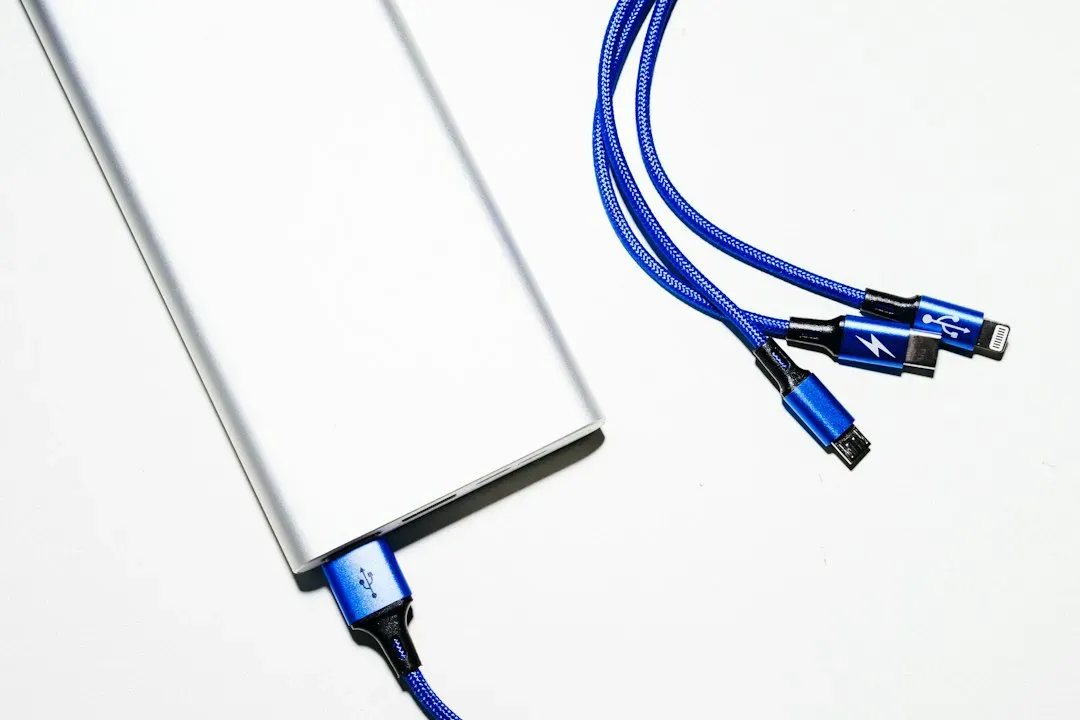
This one isn’t just advice, it’s a rule. IATA says spare batteries and power banks should never go in checked baggage. In the United States, TSA and FAA regulations prohibit them in checked bags, on all airlines and at all airports.
The reasoning is about fire. A lithium battery fire in the cargo hold can’t be detected or suppressed by the crew. A power bank in your personal item, by contrast, can be spotted and dealt with quickly.
Spare Lithium Batteries
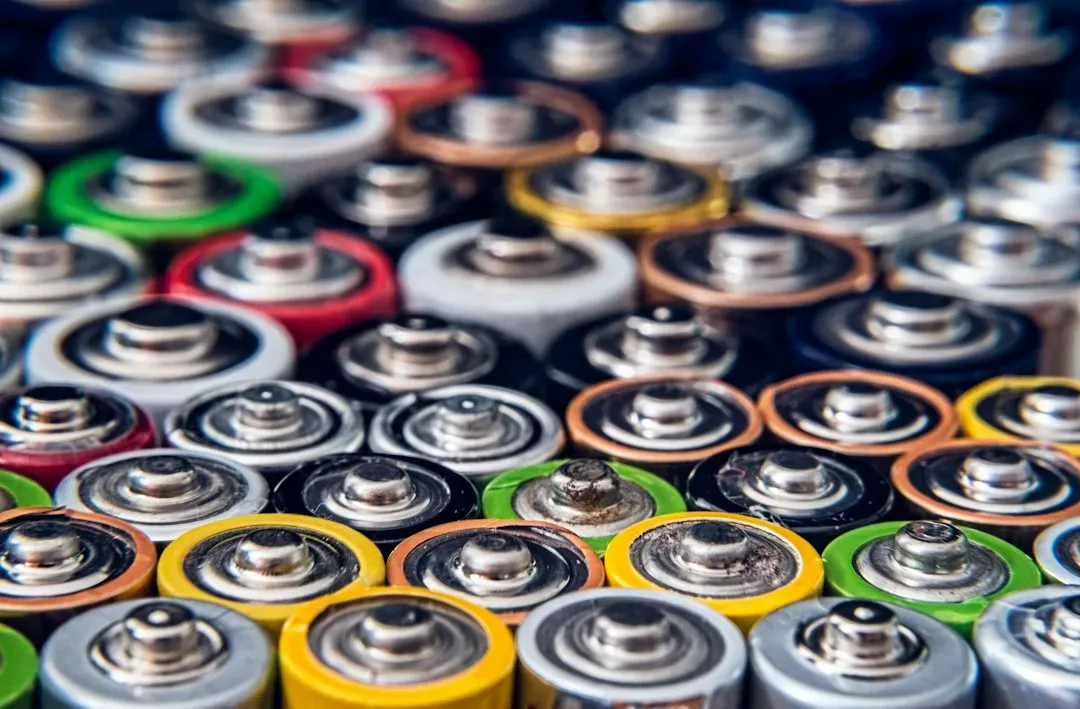
Loose spare batteries for cameras, drones, and laptops fall under the same restriction. The rule covers power banks, spare laptop batteries, and external battery packs. If it has a lithium battery, it goes in the cabin.
Size matters too. Batteries under 100 Wh are generally fine, those between 101 and 160 Wh need airline approval, and anything above 160 Wh is prohibited. IATA suggests keeping spares in their original packaging, or taping the terminals, and using a protective pouch.
Laptops, Phones, and Tablets
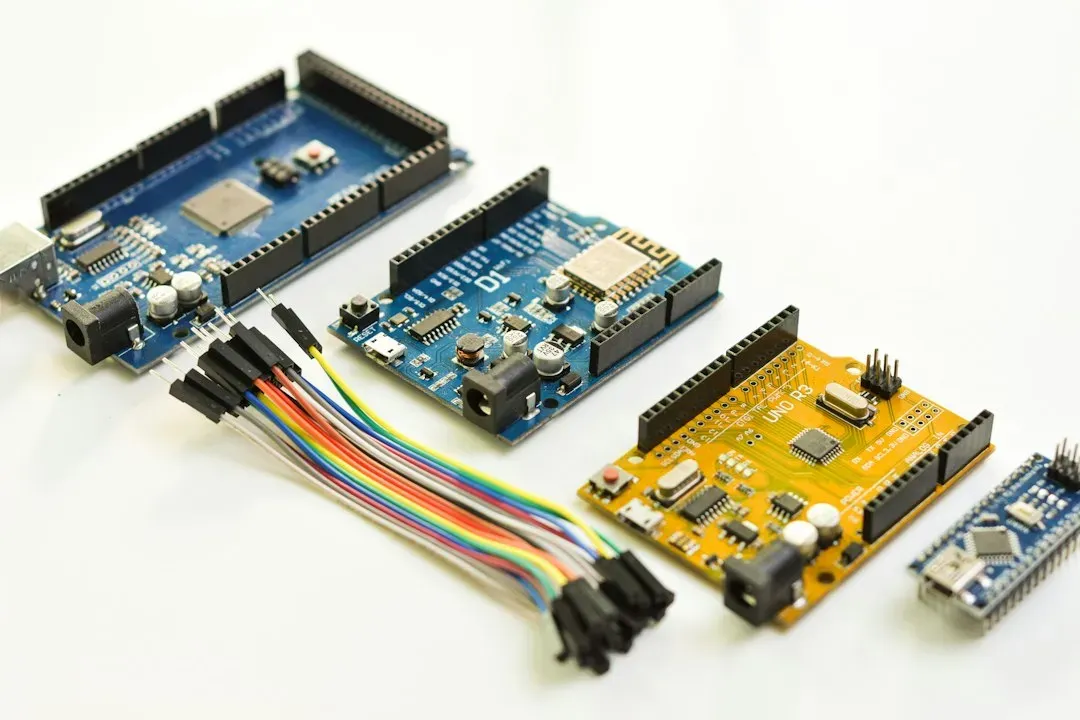
Devices with built in batteries are on the list as well. IATA advises carrying phones, laptops, cameras, and other battery powered items in hand baggage. That also happens to protect your most expensive gadgets from rough handling.
There’s a practical catch if your cabin bag gets taken at the gate. In that case, remove all lithium devices and batteries before it goes into the hold. Do it at the gate, not at the baggage drop, because you’ll be rushed.
E-Cigarettes and Vapes
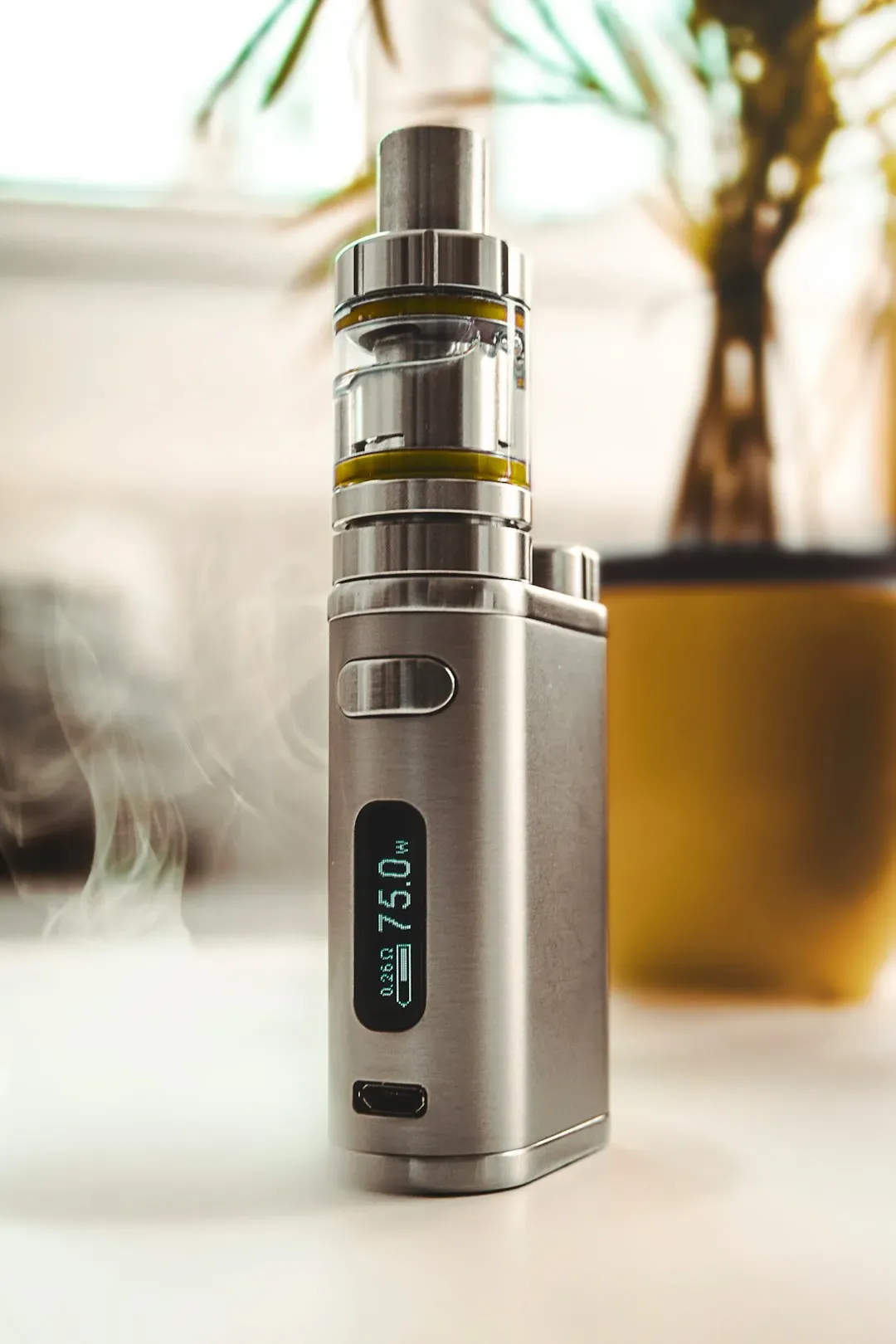
Vapes contain lithium batteries, so they follow the same logic. IATA includes vapes, where allowed, among the battery powered items to keep in hand baggage. Leaving one in a checked suitcase can mean a confiscation or something worse.
Rules on vaping itself differ widely by country. Some destinations ban the devices outright, so check local laws before you pack one at all.
Prescription Medications

Medication is the item people regret putting in the hold most. If your bag is delayed for a day or two, you can replace a toothbrush, but you can’t easily replace a specific prescription in a foreign country. Keep it in the cabin, in original labeled containers.
It’s also smart to carry a copy of the prescription or a doctor’s note, especially for controlled substances. Pack more than you need for the trip, in case your return gets delayed.
Passports and Travel Documents
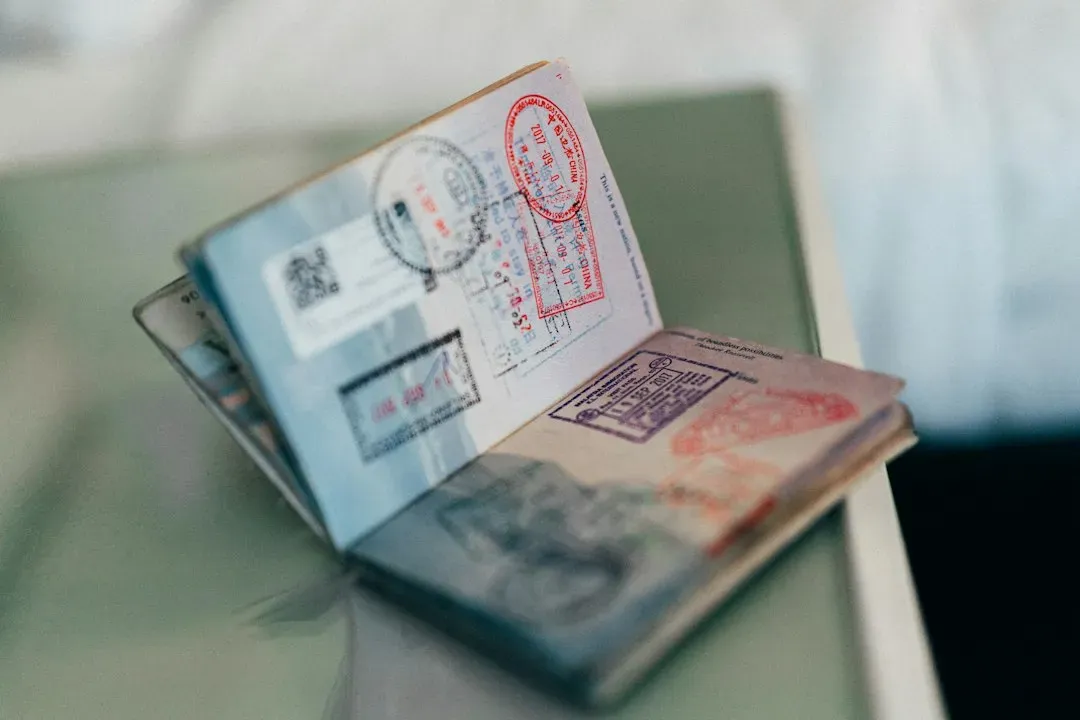
Passports, visas, boarding passes, and ID should never leave your side. You’ll need them before you even reach the baggage claim, and a checked bag can’t help you at immigration. Losing a passport abroad is a slow and costly headache.
Consider keeping a digital copy of each document on your phone and in a secure cloud folder. Printed copies stored separately from the originals are a useful backup too.
Cash and Credit Cards

Money and cards are an obvious target for theft and an obvious loss if your bag goes astray. Keep your wallet, cards, and foreign currency on you or in a bag that stays within reach. A suitcase passes through many hands between check in and arrival.
If you’re carrying a spare card, store it in a different spot than your main wallet. That way one lost bag or pocket doesn’t leave you stranded without payment.
Jewelry and Valuables
Watches, rings, and anything with sentimental value belong in your cabin bag. Airline liability for checked baggage is limited, and many carriers exclude valuables like jewelry and electronics from compensation, so read your airline’s terms. Insurance may not cover them either if they were checked.
The simplest approach is the most reliable one. If losing it would upset you, don’t put it in the hold.
Cameras and Drones
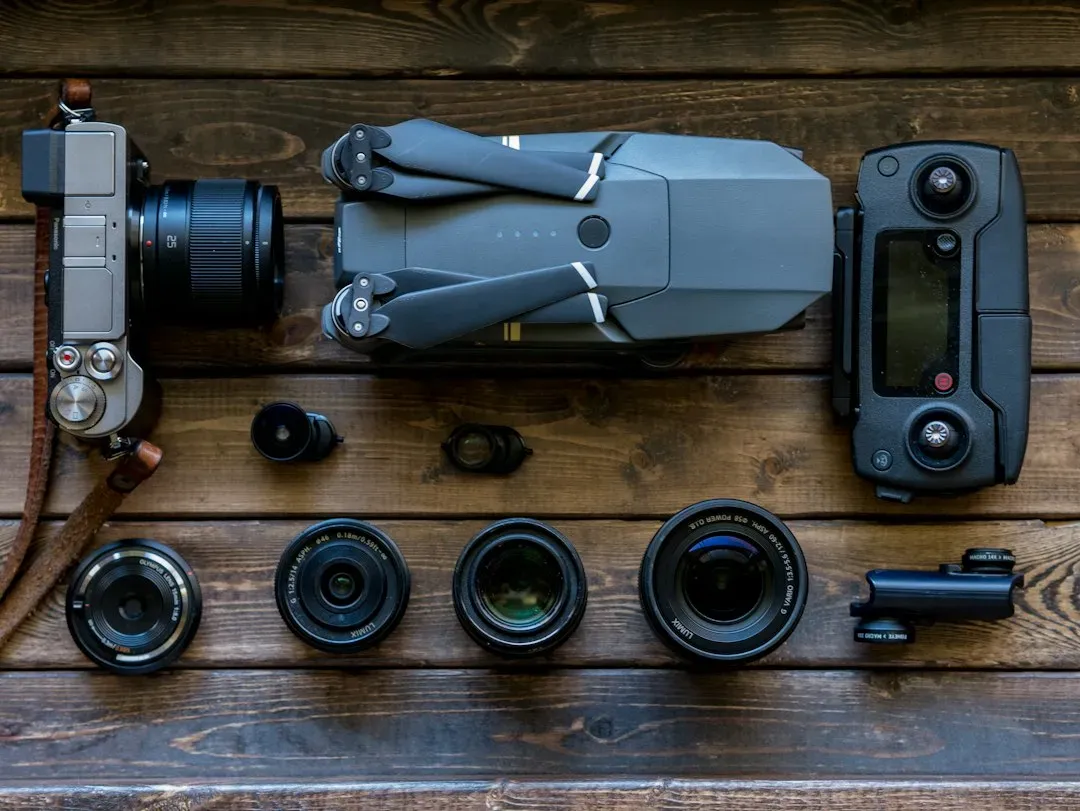
Photography gear is both fragile and expensive. A camera body with a couple of lenses can cost thousands, and baggage handling is not gentle. Cabin storage gives you far more control over how it’s treated.
Drones add the battery issue on top. Drone batteries between 100 and 160 Wh need airline approval and are limited to two per passenger. Check with your airline well before the trip.
A Change of Clothes and Basic Toiletries

This item isn’t restricted, just sensible. If your suitcase is delayed, a spare outfit, underwear, and a few toiletries can make the first day or two much easier. It’s a small cost for a lot of comfort.
Keep liquids within your airport’s cabin limits. Add a phone charger and a light layer, and you’re covered for most short delays.





Leave a Reply