
American food looks national on the surface. Burgers, pizza and tacos show up in every state. Drive a few hundred miles, though, and menus start to change in ways that surprise you.
Some dishes never spread because they depend on local ingredients, immigrant traditions or a single restaurant that never expanded. Here are twelve that tend to stay close to home, and the reasons why.
Cincinnati Chili, Ohio
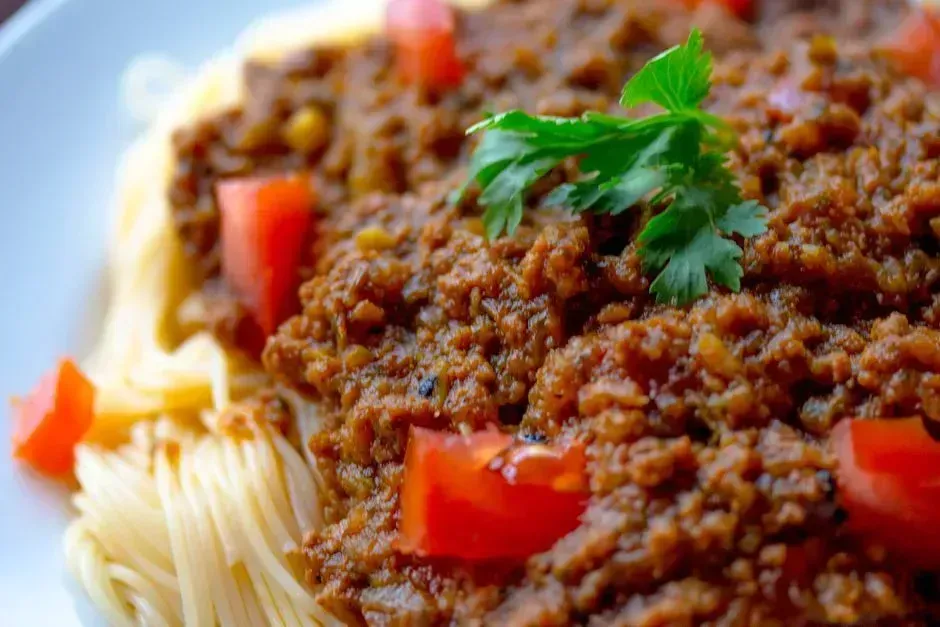
Cincinnati chili is a thin, spiced meat sauce served over spaghetti, not the bean and chunk version most Americans picture. It was developed by Macedonian immigrant brothers who opened Empress Chili in the 1920s, and the seasoning leans toward warm spices rather than heat.
Order it as a three way and you get spaghetti, chili and a heap of shredded cheddar. Add onions or beans and it becomes a four way or five way. Chains like Skyline and Gold Star keep it concentrated in southwest Ohio and nearby states, so it rarely appears elsewhere.
St. Louis Gooey Butter Cake, Missouri
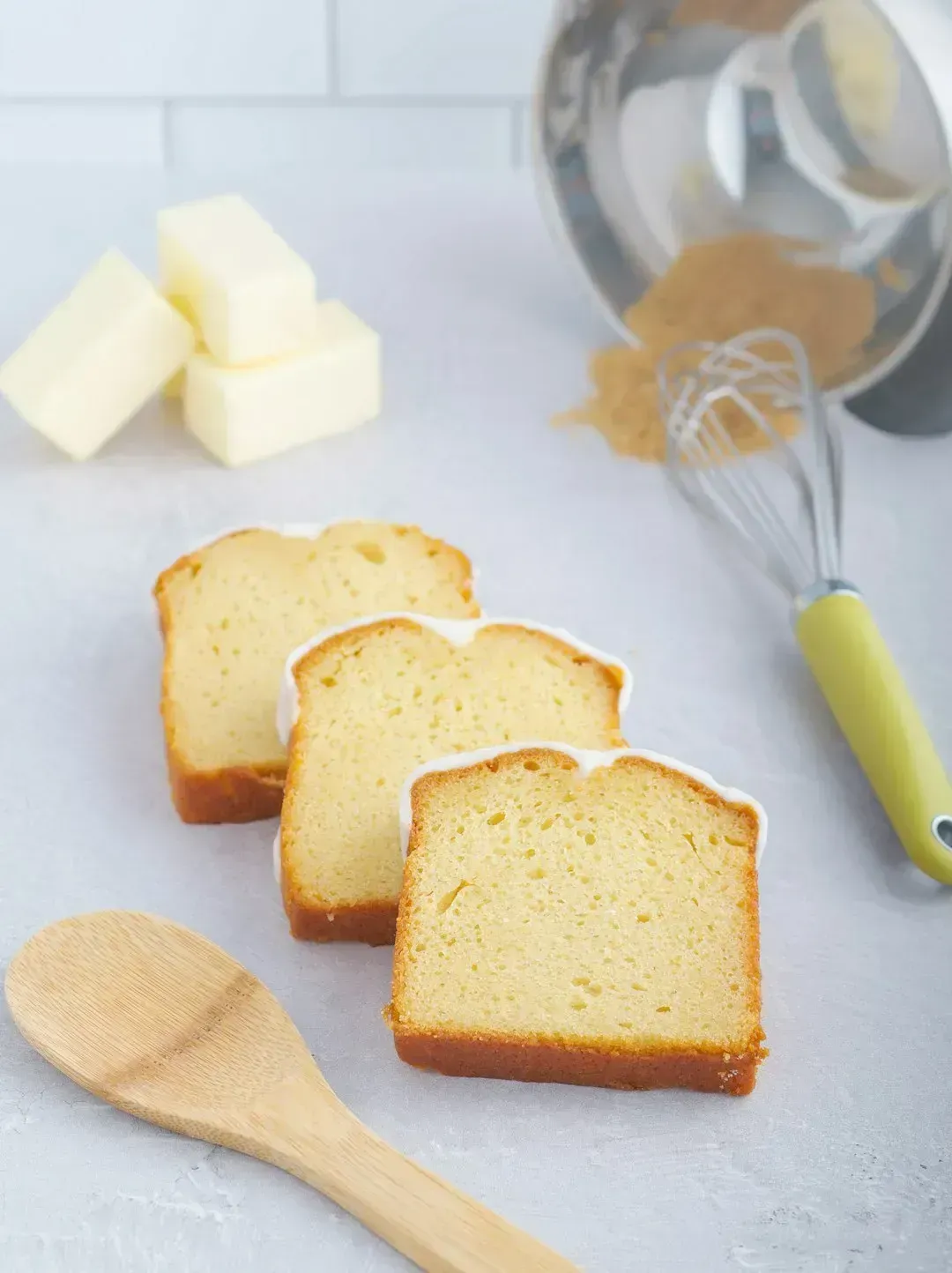
This is a flat, dense cake with a soft, almost custardy top layer, dusted with powdered sugar. Local lore says it came from a baker’s mistake in the 1930s, when the proportions of a batter went wrong and the result sold anyway.
Bakeries across St. Louis still sell it by the slab. Outside the region, you’ll mostly find recipes rather than finished cakes. It’s a good example of a dish that is simple to bake but never became a national bakery staple.
Fry Sauce, Utah
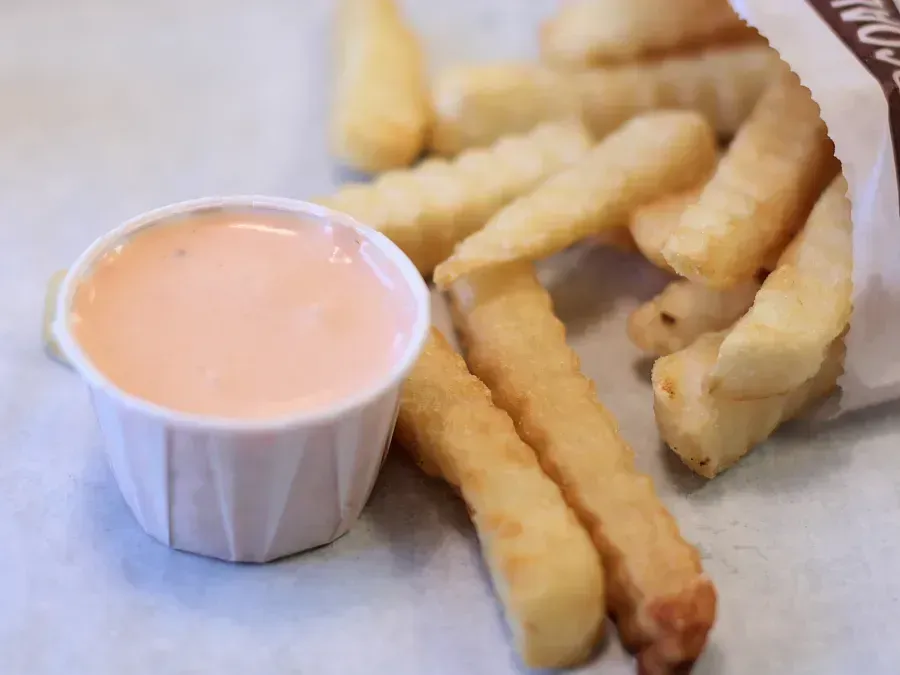
Fry sauce is a pink dip, usually built on ketchup and mayonnaise, served with fries and burgers. Utah restaurants, including the regional chain Arctic Circle, have long put it on tables and trays as a default condiment.
Because it’s so easy to mix, you can make it anywhere. Ordering it by name in a restaurant outside the Intermountain West, though, often gets you a confused look. In Utah it comes without asking.
Moxie, Maine
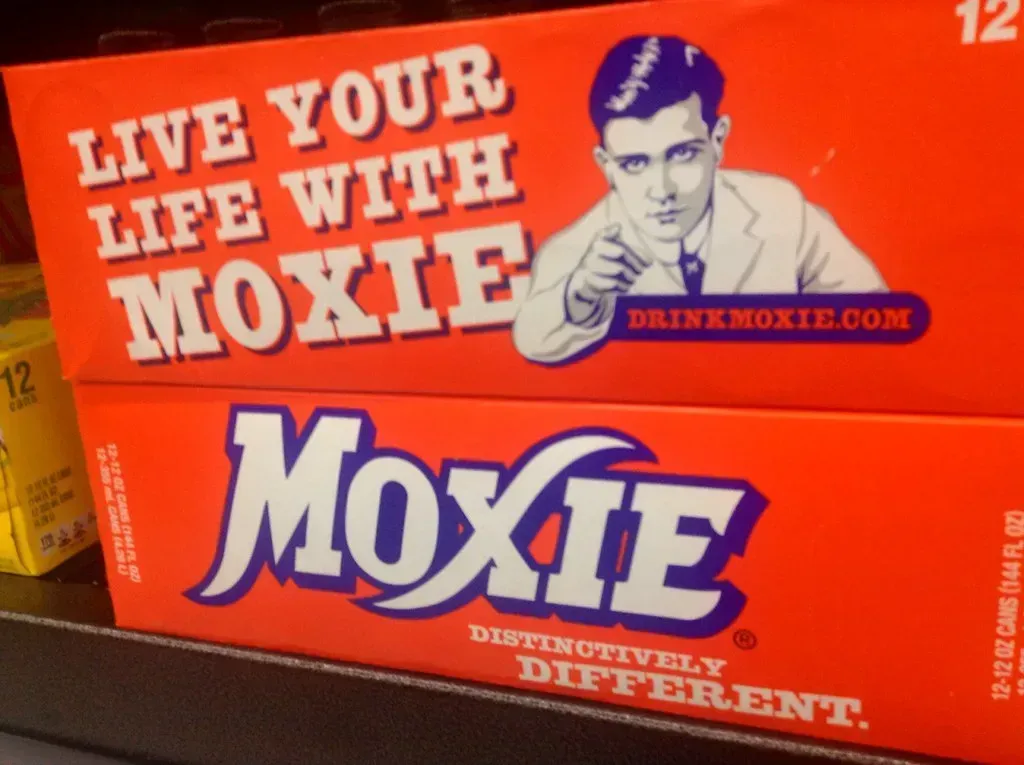
Moxie is a bitter, gentian root flavored soda that first appeared in the 1880s. Maine officially named it the state soft drink in 2005, and the Lisbon Falls area even hosts an annual Moxie Festival.
The flavor is divisive. It starts sweet and finishes with a sharp, medicinal bite that surprises first timers. New England stores stock it reliably, while shelves in much of the country never have.
Hatch Green Chile, New Mexico
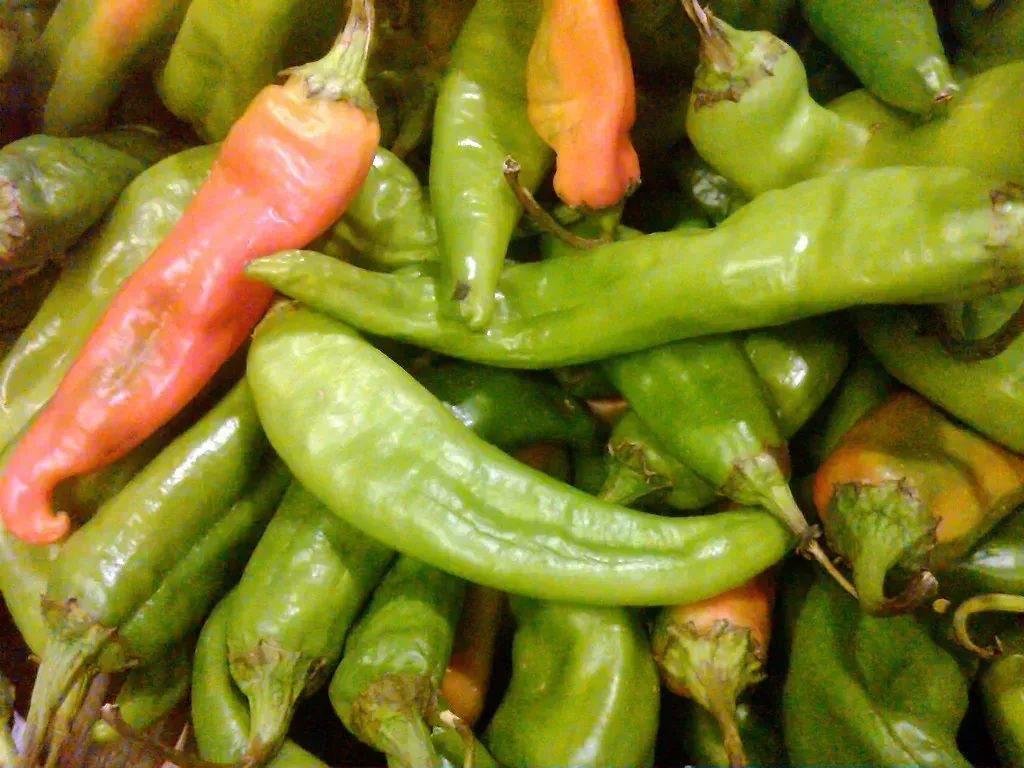
Chile from the Hatch Valley is roasted over open flames each late summer, and the smell fills parking lots across New Mexico. The state’s well known menu question, red or green, refers to the chile sauce you want on your plate. Asking for both is called Christmas.
Fresh Hatch chile has a short season, which limits how far it travels. Some grocers elsewhere hold seasonal roasts or sell frozen packs, yet many products labeled Hatch aren’t the real thing. Eating it at the source remains the surest way to taste it.
Scrapple, Pennsylvania
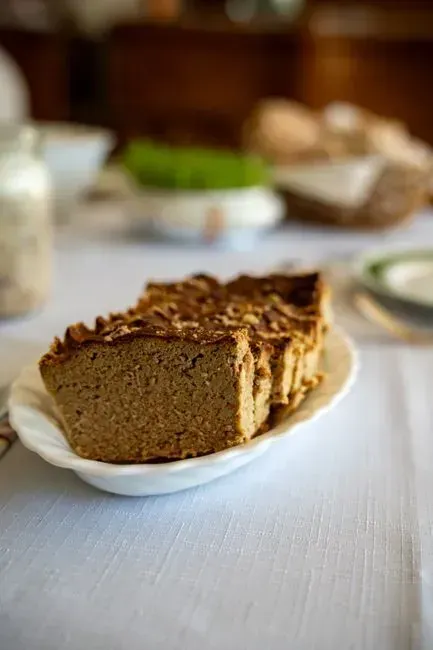
Scrapple is a loaf made from pork scraps and broth thickened with cornmeal, then sliced and fried until the edges crisp. It comes from Pennsylvania Dutch kitchens, where cooks stretched every part of a butchered hog.
Mid Atlantic diners and grocers carry it, especially in Pennsylvania, Delaware and Maryland. Elsewhere, the idea of a meat and grain loaf is a tough sell. Fans eat it with eggs, syrup or ketchup, and they rarely agree on which is right.
Upper Peninsula Pasties, Michigan
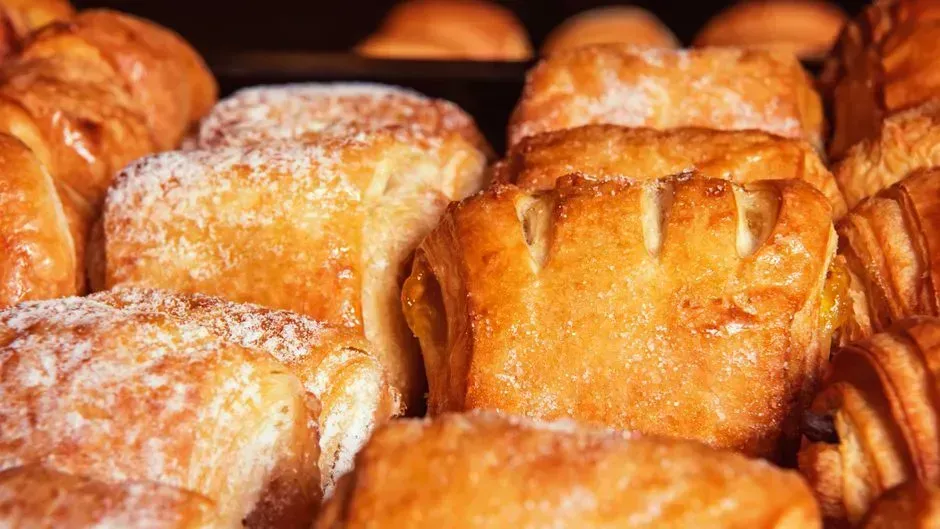
The pasty is a hand pie of beef, potato, onion and often rutabaga, baked in a sturdy crust. Cornish miners brought the recipe to Michigan’s Upper Peninsula in the 1800s, where it made a portable, hearty lunch underground.
Pasty shops still dot the peninsula, and locals have firm views on gravy and ketchup. Cornwall is its original home, but the American version stayed largely regional. Outside the Great Lakes, a real pasty is a rare find.
Boudin, Louisiana
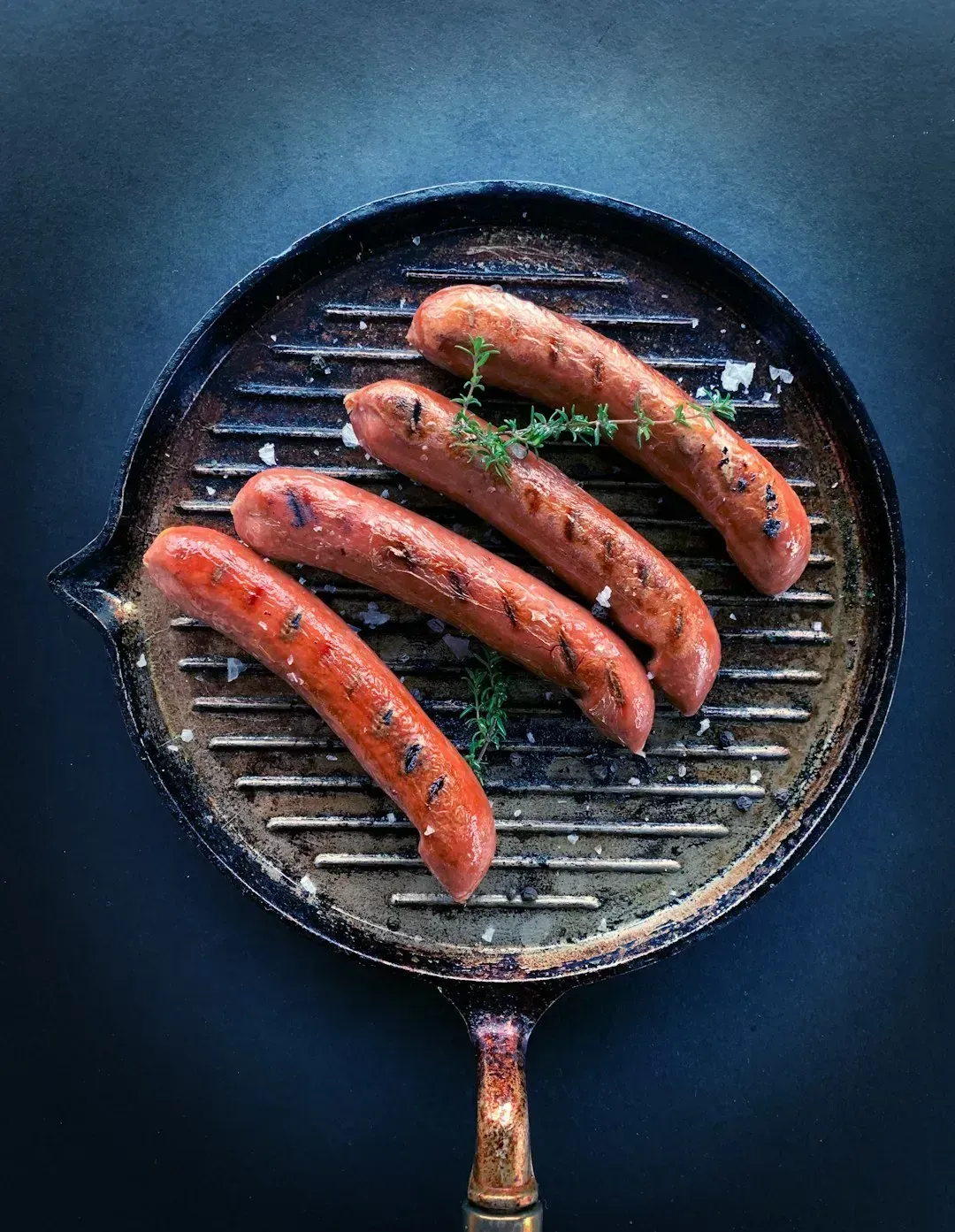
Boudin is a Cajun sausage stuffed with pork, rice, onion and seasonings. In south Louisiana you’ll see it sold hot at gas stations and meat markets, often eaten on the drive home before it ever reaches a plate.
Shipping it is possible, and some Louisiana shops mail it frozen. Still, fresh boudin is a local habit more than a packaged product. The texture and heat from a steaming link are hard to reproduce away from Cajun country.
Loco Moco, Hawaii
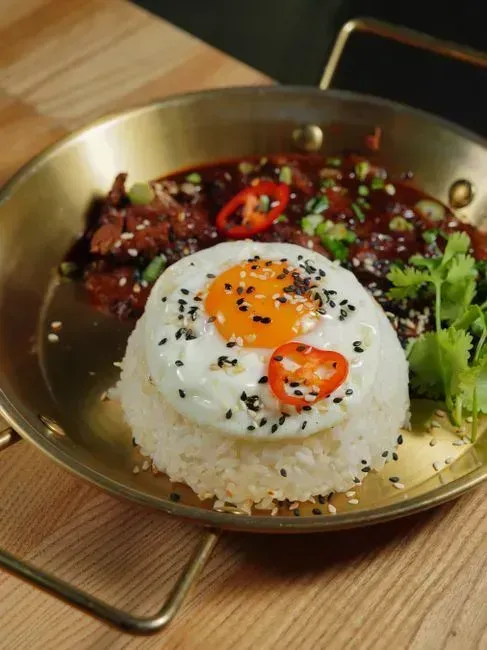
Loco moco stacks white rice, a hamburger patty, a fried egg and brown gravy in a bowl. It is widely credited to Hilo on the Big Island, where it was created in the late 1940s as a cheap, filling meal for local teenagers.
Variations now use spam, fried chicken, teriyaki or mushrooms. On the mainland, you may find it at Hawaiian restaurants, though it isn’t standard fare. In the islands, it’s a diner staple that shows up at breakfast, lunch and late night.
Runza, Nebraska
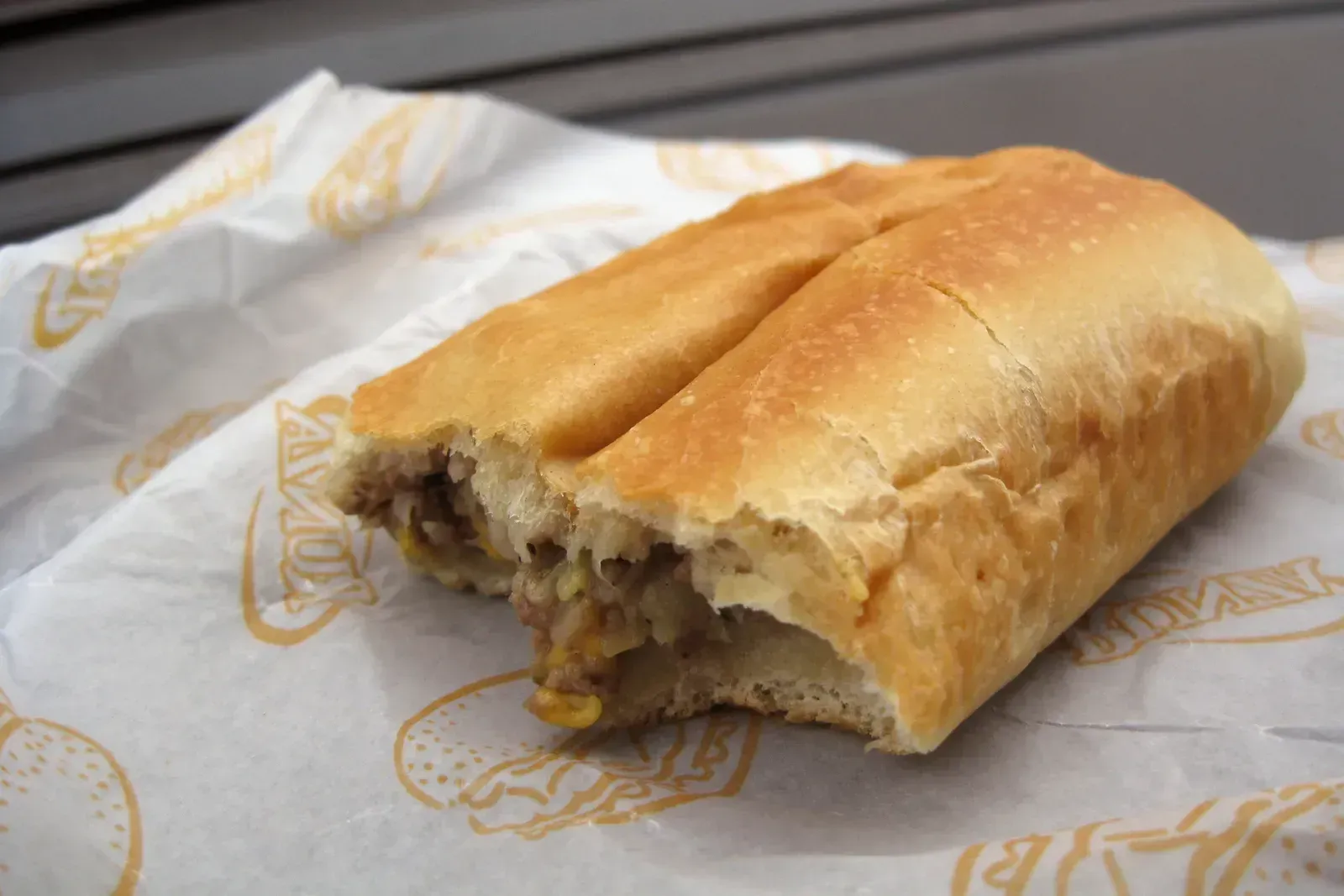
A runza is a bread pocket filled with seasoned beef, cabbage or onion, baked until golden. The dish traces back to German Russian immigrants on the Great Plains, and Nebraska is where it became a local brand.
The Runza chain operates mainly in Nebraska and a handful of neighboring states. That limited footprint makes the sandwich a point of pride for Nebraskans. Travelers elsewhere seldom meet one unless they visit.
Hot Brown, Kentucky
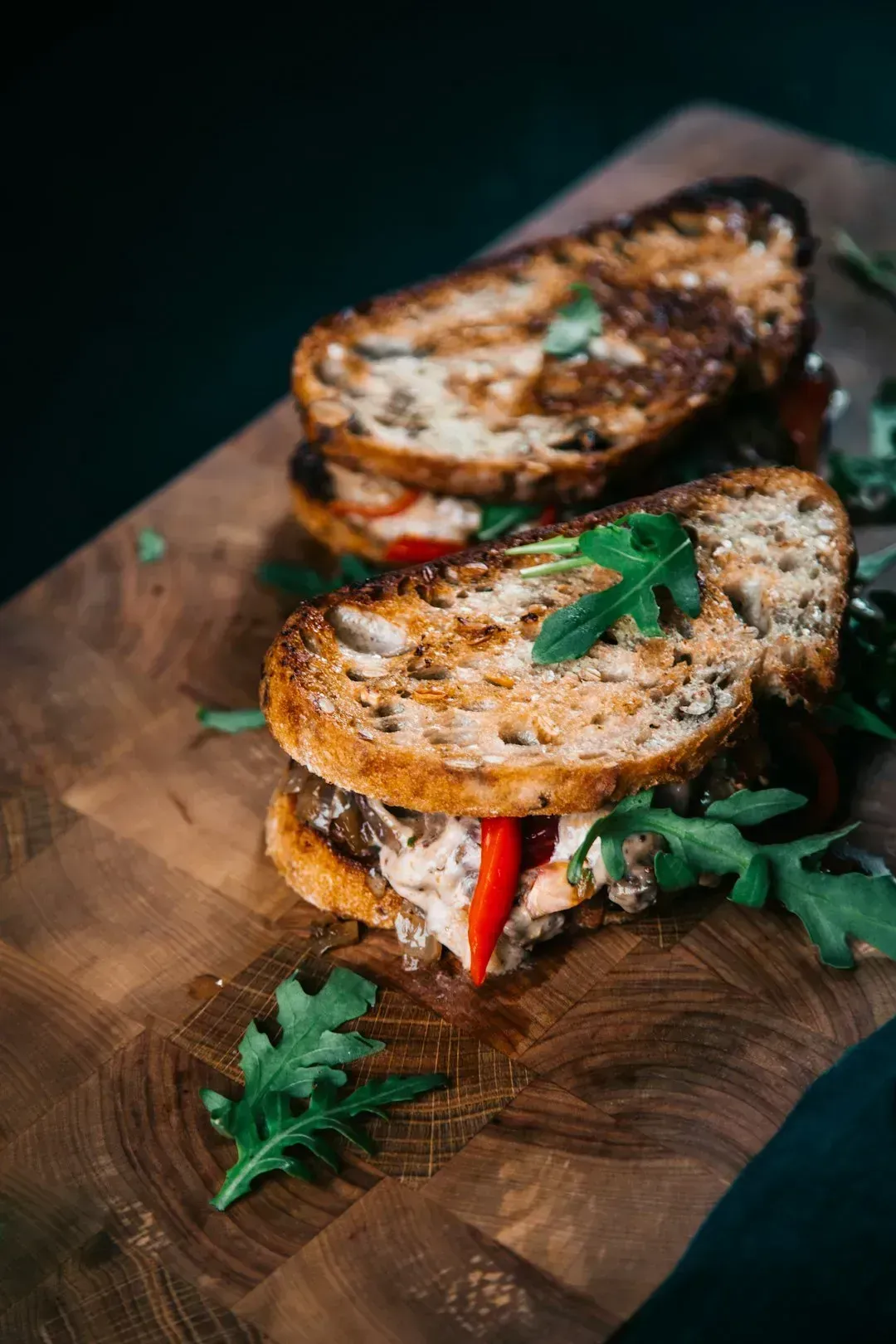
The Hot Brown is an open faced turkey sandwich smothered in Mornay sauce, topped with bacon and tomato, and broiled. It was created at the Brown Hotel in Louisville in the 1920s, reportedly by chef Fred Schmidt, as a late night alternative to ham and eggs.
The Brown Hotel still serves it, and many Kentucky restaurants offer their own versions. It’s rich enough that few menus beyond the state attempt it. If you want the classic, Louisville is where to order it.
Smith Island Cake, Maryland
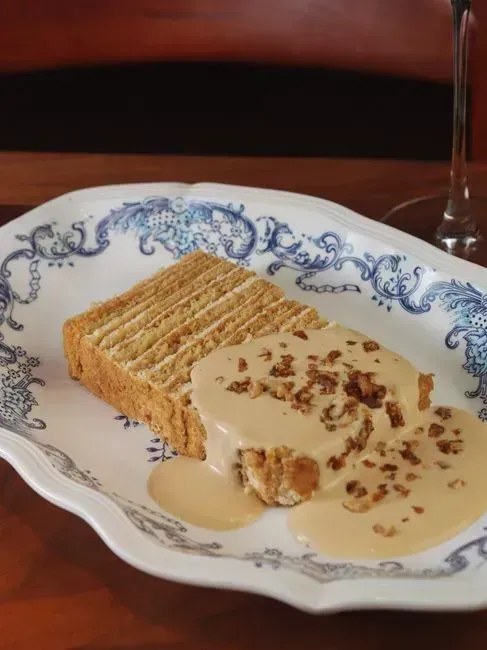
Smith Island cake is built from eight to ten very thin yellow layers separated by cooked chocolate fudge frosting. Maryland designated it the official state dessert in 2008, and it comes from a small Chesapeake Bay island community with a long baking tradition.
The labor involved is part of why it stays local. Each thin layer is baked and stacked by hand, and bakers on and around the island take pride in the method. Outside Maryland, it mostly appears as a specialty mail order item.





Leave a Reply