
Ask a few seasoned travelers what they pack now compared with what they carried twenty years ago, and the answers tend to shrink fast. Retirement changes how people move through airports, hotels, and foreign streets. Time is less tight, budgets are more deliberate, and experience has taught what actually earns a place in the suitcase.
This isn’t a rulebook, and plenty of retirees still buy every item below. Still, certain purchases show up again and again on the “not anymore” list. Here are thirteen of them, with the reasoning behind each.
Oversized Checked Suitcases
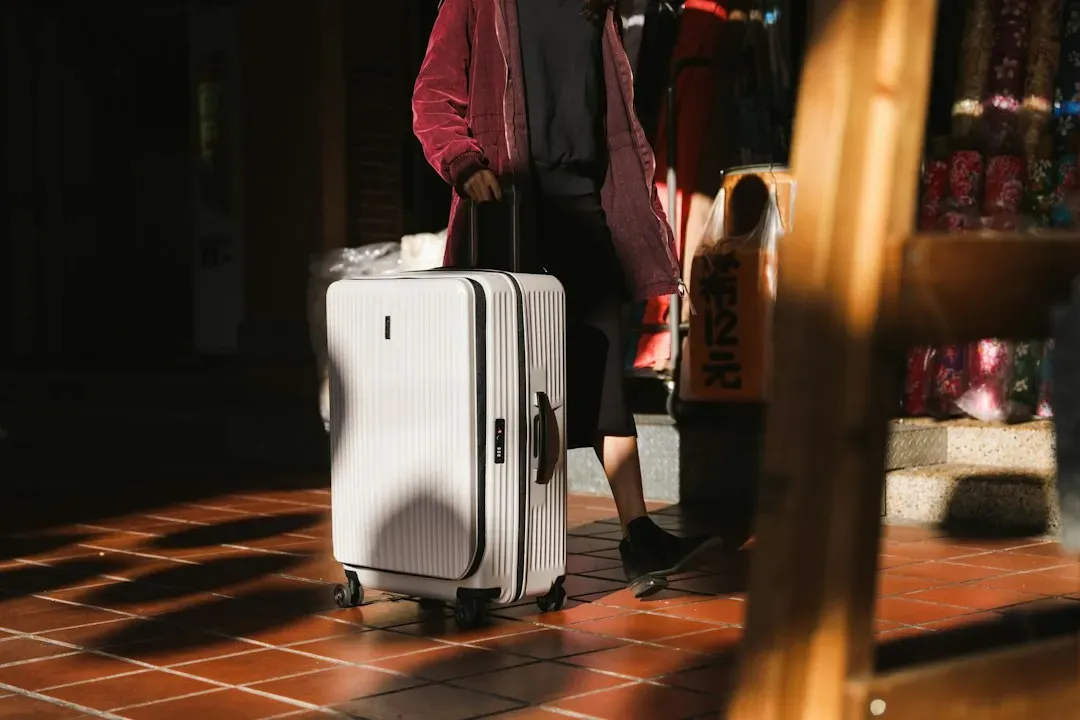
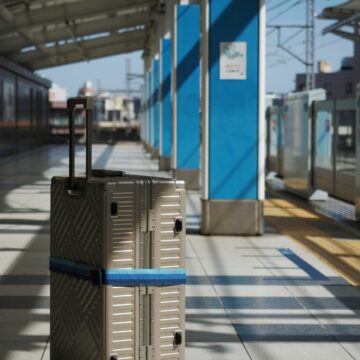
Big hard shell bags look great in the store, yet they’re awkward on cobblestones, stairs, and older trains. Many retirees now lean toward smaller carry-on sizes or one medium case they can lift on their own.
Weight is the other factor. Most airlines charge extra for heavy or additional checked bags, and lifting a heavy case gets harder with age. A lighter, smaller bag saves both money and shoulder strain.
Single Use Travel Gadgets
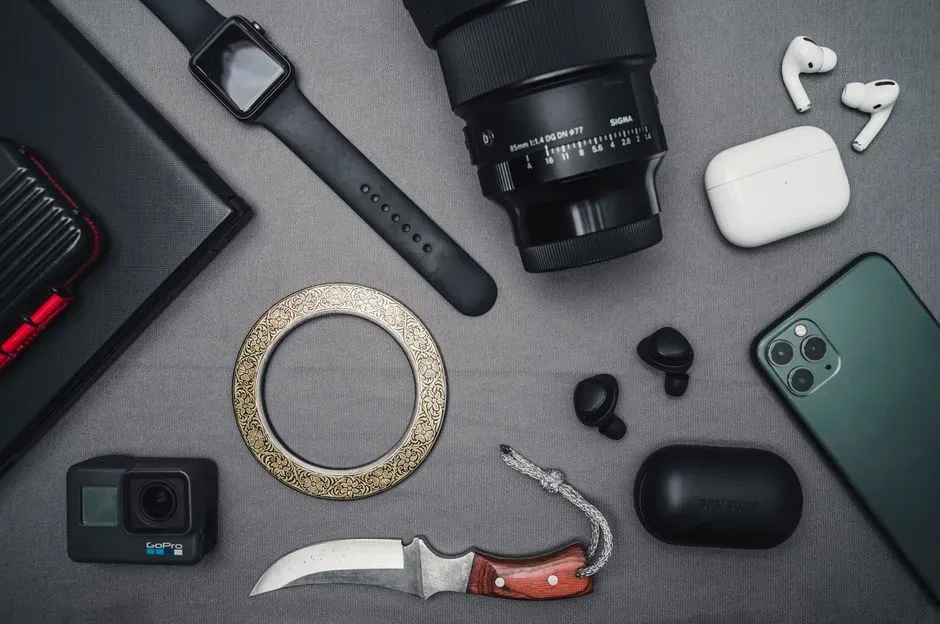
The drawer of novelty travel gadgets is a familiar sight, from inflatable hangers to folding gizmos that never quite fold. After a few trips, many retirees notice these items rarely leave the suitcase unused. They take up space and add weight without solving a real problem.
A multipurpose item usually wins. A simple scarf, a small clothesline, or a sturdy zip bag does several jobs and costs less.
Bulky Guidebooks

Thick printed guidebooks once felt essential. Now many travelers rely on phone apps, downloaded offline maps, and official tourism websites, which are updated far more often than a book printed years earlier.
Some still like a small paper map or a slim regional guide for pleasure. They just aren’t buying the five hundred page edition for every country anymore.
Expensive Travel Clothing Sets

Matching technical outfits with special pockets and sun protection labels can be costly. Experienced travelers often discover that ordinary wrinkle resistant shirts, comfortable trousers, and layers they already own work just as well.
Retirees tend to value comfort and repeat wear over a trendy look. Spending that money on a better meal or an extra night somewhere is an easy trade.
Disposable Plastic Rain Ponchos

Those thin ponchos tear, trap heat, and end up in the trash after one drizzle. After a few soggy trips, many people simply buy one decent compact umbrella or a light rain jacket.
A good item lasts for years and packs small. It’s a small shift, but it cuts waste and avoids repeat buying in every destination.
Souvenir Trinkets

Fridge magnets, shot glasses, and mass produced figurines pile up quickly. Many retirees who have downsized their homes now feel the weight of every extra object, literally and figuratively.
Instead, they often choose photos, a local food item, or one meaningful handmade piece. Experiences take no shelf space and can’t break in transit.
Extra Travel Guidebooks and Phrasebooks

Phrasebooks are being replaced by translation apps that handle speech, text, and even camera translation. Several major apps now allow downloaded language packs for use without a data connection.
Retirees often keep a handful of polite phrases in their heads and let the phone cover the rest. It’s lighter, faster, and far less embarrassing than flipping pages at a counter.
Single Trip Travel Insurance for Every Journey

Buying a separate policy for each trip can add up for people who travel several times a year. Many frequent travelers compare annual multi trip plans, which may cover repeated departures within a set period.
Coverage details vary by insurer, age limit, and medical history, so it’s worth reading the terms carefully. Still, the per trip habit is one many retirees reconsider once they travel more often.
Foreign Currency at Airport Exchange Counters
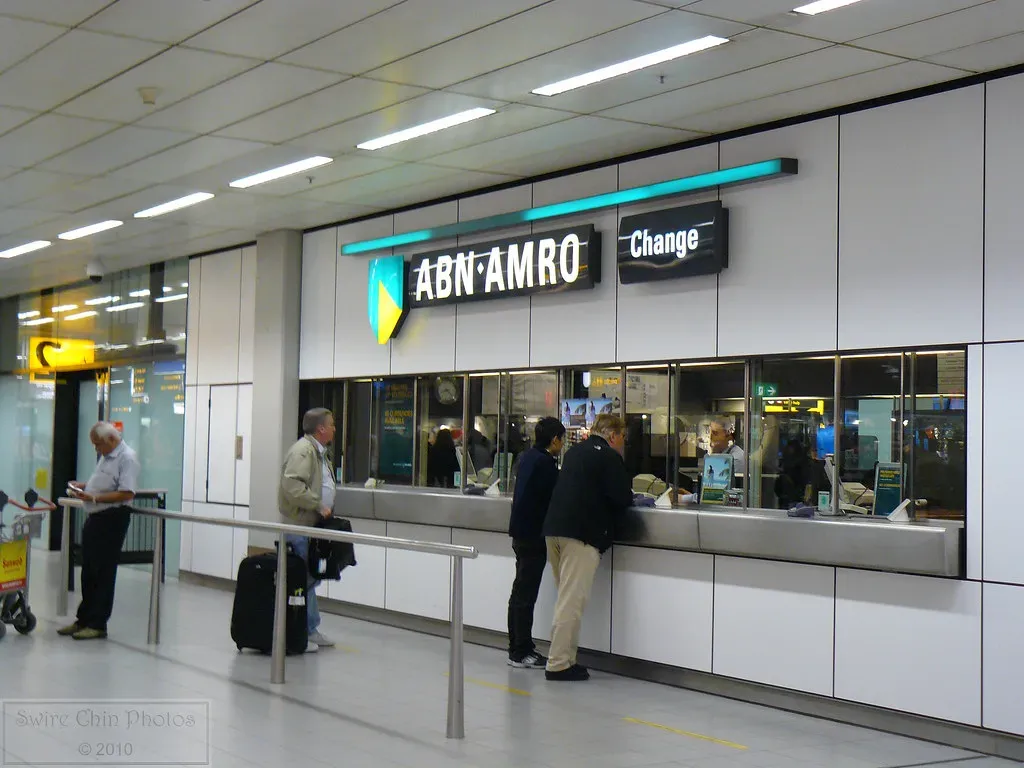
Airport currency desks usually offer weaker rates and higher fees than other options. Experienced travelers tend to withdraw modest amounts from a local ATM or rely on a card with no foreign transaction fees.
The consumer finance guidance from regulators such as the U.S. Consumer Financial Protection Bureau also encourages comparing fees before exchanging money. Small savings per transaction add up over a long trip.
Travel Size Toiletries in Bulk
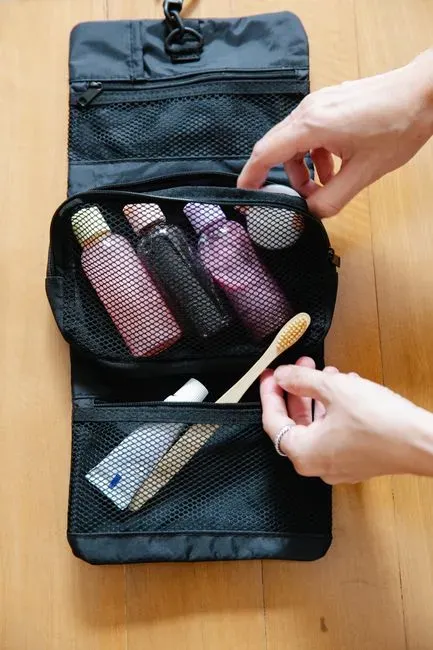
Buying fresh miniature bottles for each trip is wasteful and pricey per ounce. Many retirees pour their regular products into a few reusable containers that meet liquid carry-on limits.
Others skip liquids entirely with solid shampoo bars or simply use what the hotel provides. It’s one of the easiest habits to drop.
Neck Pillows That Never Get Used

The U-shaped airplane pillow is a classic impulse buy at the terminal. Plenty of travelers find it bulky and not especially comfortable, so it ends up clipped to a bag or left at home.
Some switch to a small scarf or a rolled sweater, while others invest once in a compact option that actually suits them. Either way, they new ones at every airport.
Prepackaged Group Tour Extras

Optional add ons, photo packages, and tour shop upsells can inflate the cost of an otherwise fair itinerary. Retirees with flexible schedules often skip these and book local activities directly, sometimes at lower prices.
That freedom to decide on the spot is one of retirement’s quiet perks. Reading reviews from recent visitors helps judge whether an extra is worth it.
Peak Season Plane Tickets

This one isn’t an object, yet it’s a purchase many retirees avoid. With no school calendar or fixed vacation weeks, they can travel in shoulder seasons when fares, hotel rates, and crowds are often lower.
Spring and fall trips to popular destinations commonly bring milder weather and shorter lines. Flexibility turns out to be the cheapest travel upgrade available.




Leave a Reply