
You catch someone’s eye across a room, and they hold the look a beat longer than you expected. Was that interest, or just a friendly glance? Reading attraction is rarely simple, and researchers who study nonverbal behavior keep reminding us that no single gesture proves anything.
Still, certain patterns show up again and again in studies of courtship and in the observations of body language specialists. Looked at together, they can help you make a more informed guess. Here are twelve of the most commonly cited signals.
Prolonged Eye Contact

Eye contact is probably the most talked about flirting cue. Research on gaze and attraction has long found that mutual looking can raise feelings of closeness, and experts often point to glances that last a little longer than normal conversation requires. Interest tends to show in how often the eyes return to you, not just in one long stare.
Context matters, though. Some people naturally maintain steady eye contact with everyone. Compare how they look at you with how they look at others before drawing conclusions.
The Glance Away and Back

A quick look, a shy glance down, then another look back is a classic pattern. Body language writers often describe it as a way of signaling interest while staying a little guarded. It can feel like a tiny game of hide and seek.
Nervousness can look the same, so notice the repetition. One glance means little, while several over a few minutes suggest real curiosity.
Leaning In Toward You
People tend to orient their bodies toward whatever holds their attention. When someone leans in as you speak, it often shows they want to hear you and be closer. Experts commonly describe this as one of the more reliable indicators of engagement.
Pay attention to their torso and feet too. If both point at you rather than toward the exit or another person, the interest is probably genuine.
Mirroring Your Movements
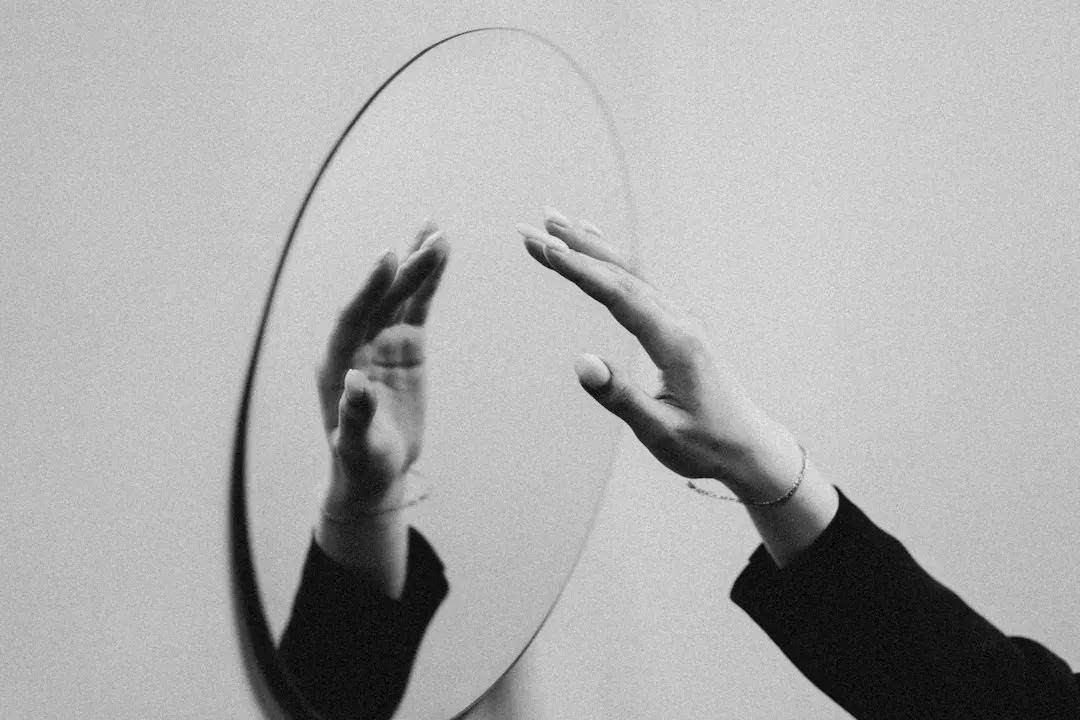
Mirroring happens when someone unconsciously copies your posture, pace, or gestures. Psychologists have studied this for decades and link it to rapport and liking. You might notice they pick up their drink right after you do, or shift their weight the way you just did.
It’s subtle, and it’s usually not deliberate. Because mirroring also occurs in friendly or professional settings, treat it as one clue rather than proof.
Light Touches
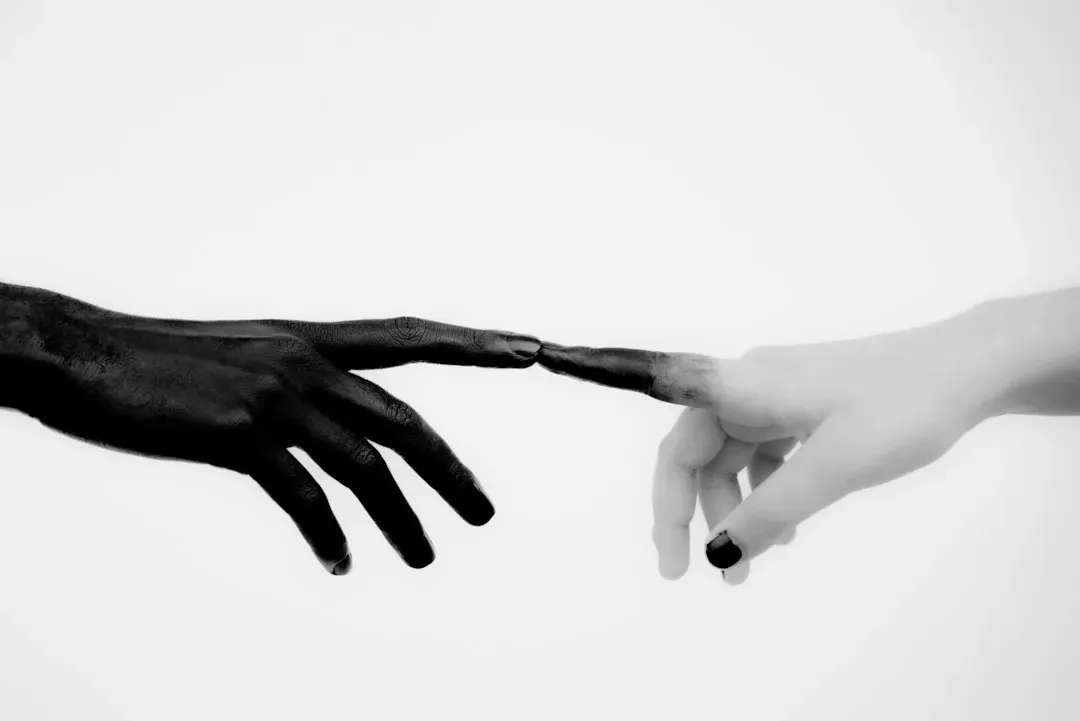
A brief touch on the arm, shoulder, or hand during conversation is a frequently cited sign of flirtation. Touch communicates warmth quickly, and research on social touch shows it can strengthen feelings of connection. Body language experts often say the key is whether the contact seems purposeful and repeated.
Cultural norms and personal comfort vary a lot, however. Some people are simply touchy with everyone, and others avoid it entirely, so read it against their usual behavior.
Playing With Hair or Accessories

Twirling hair, adjusting a collar, or fiddling with a necklace or watch can be a preening behavior. Observers of courtship behavior have long noted these small grooming gestures as ways people draw attention to themselves. They often happen when someone feels both interested and slightly self-conscious.
Fidgeting alone doesn’t mean attraction, since anxiety causes it too. It becomes more meaningful when paired with eye contact and a turned body.
Open Posture

An open posture usually means someone feels at ease with you. Uncrossed arms, relaxed shoulders, and an exposed torso suggest comfort and receptiveness. Experts often contrast this with closed postures that signal defensiveness or disinterest.
Of course, someone might cross their arms because the room is cold. Look at the overall picture rather than a single position.
Smiling More Than Usual

A genuine smile involves the muscles around the eyes, not just the mouth, a distinction researchers have discussed since the work of Paul Ekman. When someone’s face lights up as you approach or speak, that’s a good sign. Frequent smiling in your presence can show they enjoy your company.
Polite smiles exist too, especially in customer service or professional settings. The warmer and more spontaneous it looks, the more likely it reflects real feeling.
Closing the Physical Distance

Personal space is a useful measuring stick. People generally stand closer to those they like or find attractive, a pattern studied in the field of proxemics. If someone keeps drifting nearer, or finds reasons to sit beside you, that’s worth noticing.
Crowded places distort this, so it works best in roomy settings. If they move closer and you step back, watch whether they respect that comfort level, since good flirting responds to your cues.
Changes in Voice

Voice can shift when someone is attracted. Some people speak more softly, slow their pace, or change pitch, and studies on vocal attractiveness suggest people do adjust their voices around those they find appealing. You may also notice more laughter, even at mildly funny remarks.
Nerves can alter a voice as well. Notice whether the change appears with you specifically, not in every conversation.
Lip and Face Cues

Licking or touching the lips, a slight head tilt, and raised eyebrows are often listed as flirtatious signals. A head tilt tends to show interest and attentiveness, while a brief eyebrow flash is a common friendly greeting that can carry extra warmth. Flushed cheeks may also appear when someone feels excited or shy.
Individually these are weak signs. Experts typically recommend looking for clusters of several behaviors appearing together.
Finding Reasons to Stay Close

Beyond individual gestures, behavior over time can tell you plenty. Someone who lingers after a conversation should have ended, asks personal questions, or keeps inventing excuses to talk is showing investment. Effort and attention are often more convincing than any single movement.
No body language reading is foolproof, and experts consistently stress that these cues vary by person and culture. The most dependable way to know is to start a friendly conversation and see how they respond.





Leave a Reply