
1. The Countertop Fondue Pot
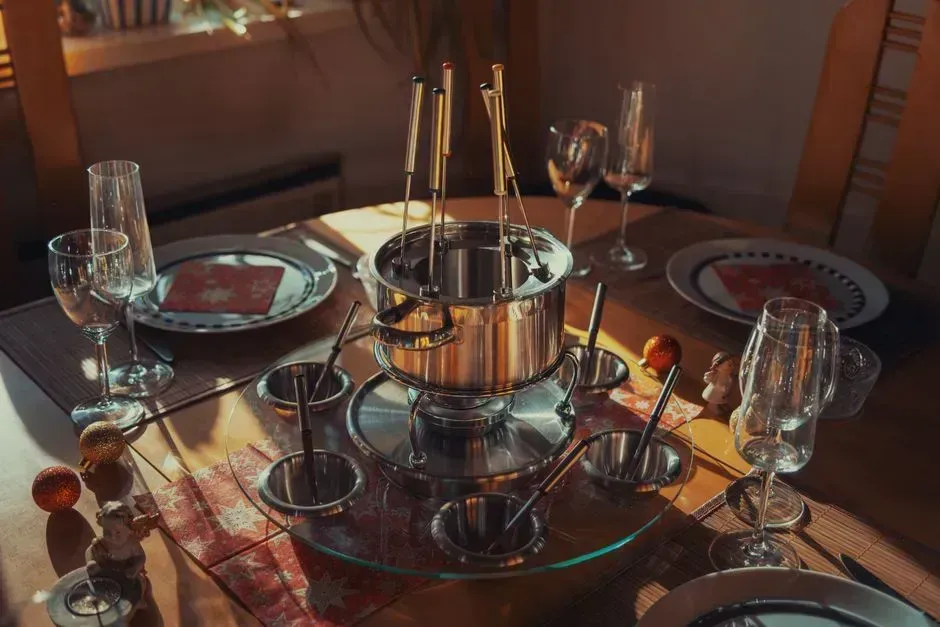
Fondue sets exploded in popularity during the 1970s, riding a wave of interest in European-style entertaining that had started in the previous decade. Families gathered around bubbling pots of cheese or chocolate, spearing bread cubes and fruit on long forks while chatting late into the evening. It wasn’t just a meal, it was an event, often reserved for dinner parties or special occasions.
Most sets came with a metal stand, a small burner fueled by fondue fuel or sterno, and a set of color coded forks so nobody lost track of whose fork was whose. Brands like West Bend and Fondue Magic sold millions of units throughout the decade. Even now, vintage fondue pots show up regularly at estate sales, often still in their original boxes with the instruction booklet intact.
2. The Electric Percolator
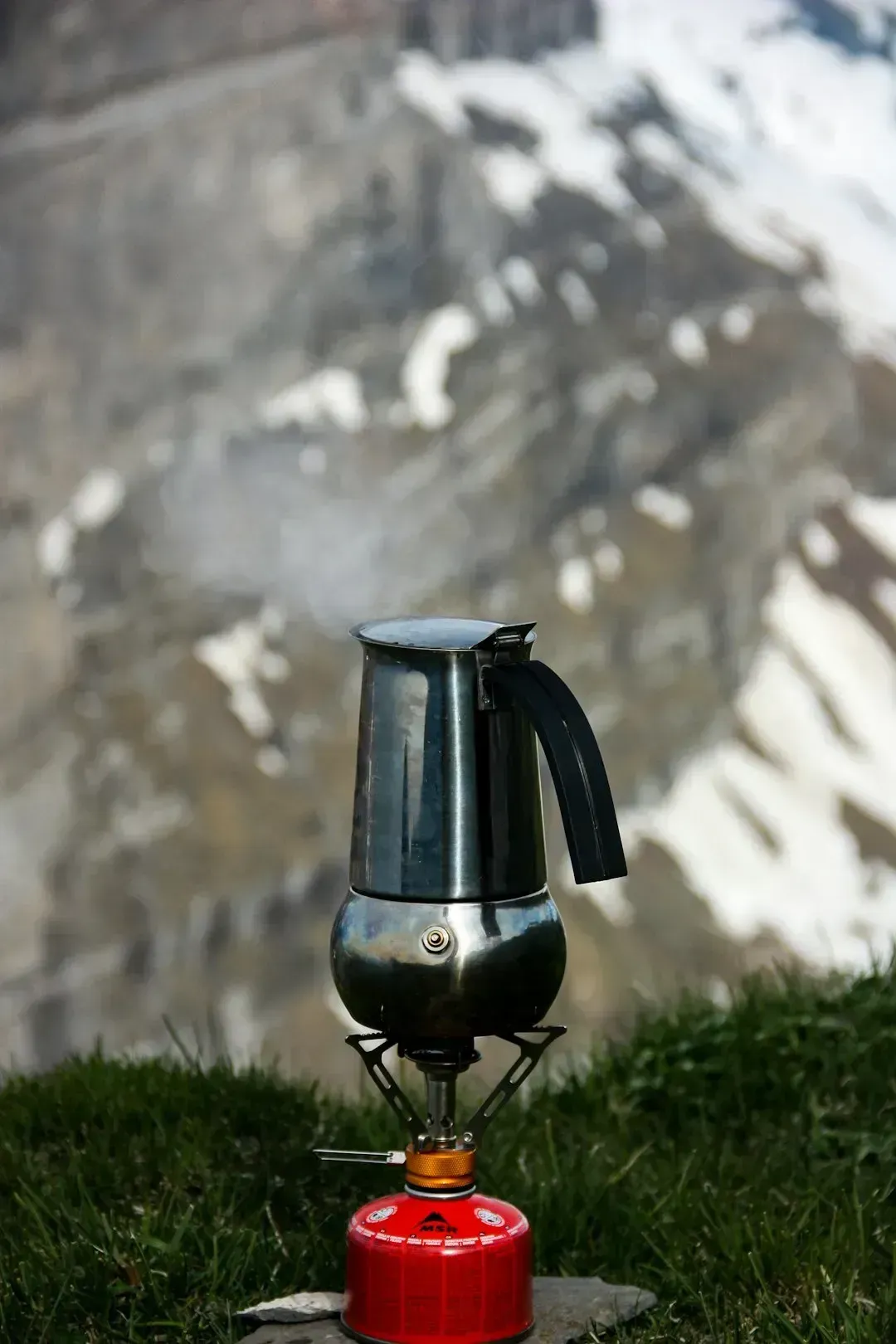
Before drip coffee makers took over kitchens in the following decade, the electric percolator ruled the counter. These stainless steel or chrome pots brewed coffee by cycling boiling water up through a tube and over the grounds repeatedly, producing a strong, sometimes bitter cup that many people associate with their grandparents’ kitchen. The gentle gurgling sound and the little glass knob on top that let you watch the coffee bubble were part of the ritual.
Percolators were sturdy and often lasted decades, which is part of why so many still turn up in secondhand shops today. Farberware and Sunbeam were two of the most trusted names, and their percolators frequently came in stainless steel with wood-look plastic handles. The design was simple but effective, and many households didn’t switch to automatic drip machines until well into the 1980s.
3. The Crock Pot Slow Cooker
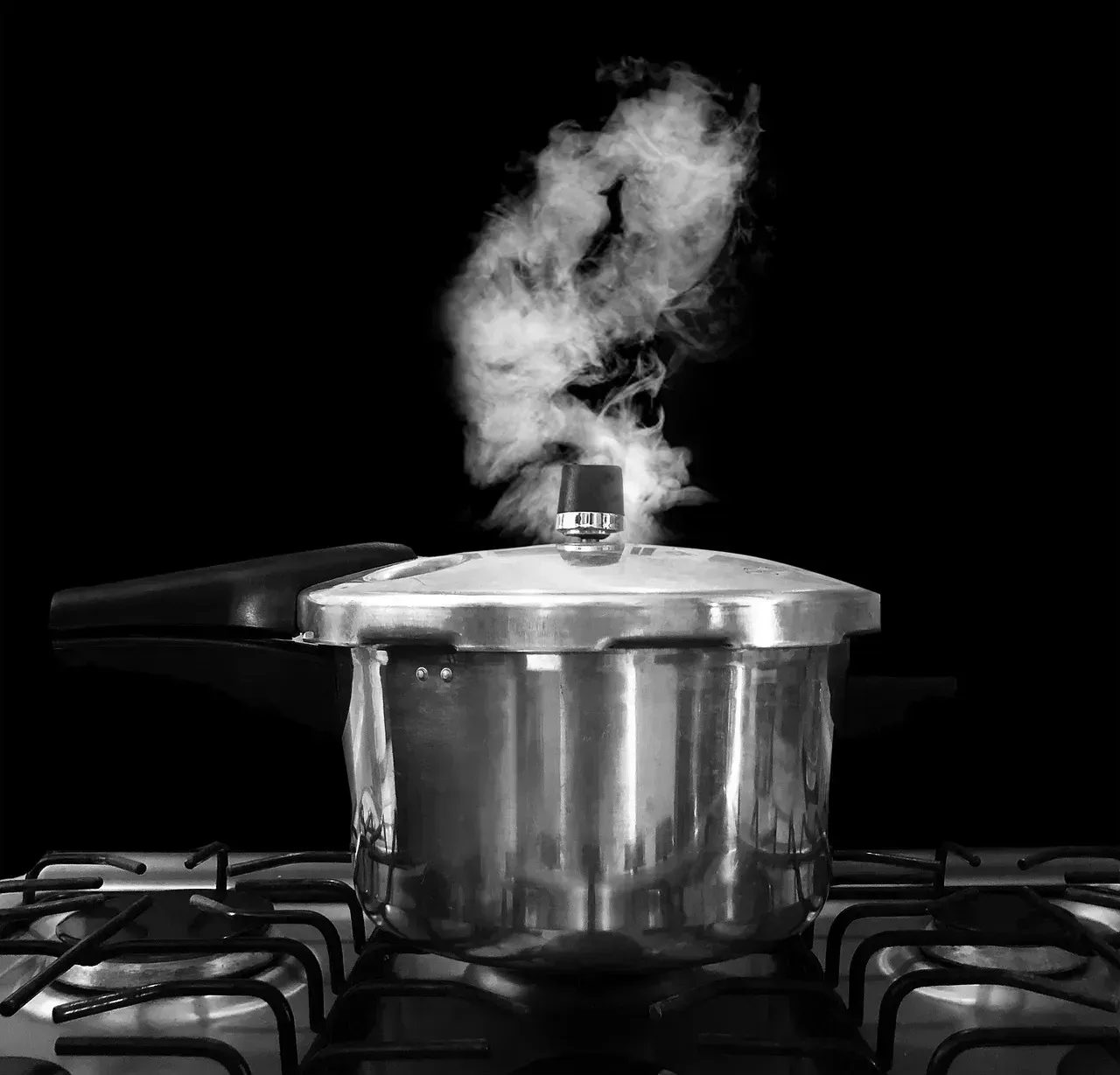
The Rival Crock Pot became a genuine cultural phenomenon after its wider release in the early 1970s, largely because it solved a real problem for working parents. Families could load it up with a roast or stew in the morning, leave for the day, and come home to a hot meal without hovering over the stove. This convenience arrived just as more women were entering the workforce, making the timing almost perfectly aligned with a shifting American household.
The classic model featured a removable stoneware insert set inside a metal shell, with a simple low, high, and off dial on the front. Millions were sold throughout the decade, and the basic design has changed remarkably little in the fifty years since. Even in 2026, plenty of families still cook the exact same way their grandparents did, just with a slightly more modern version of the same appliance.
4. The Toaster Oven
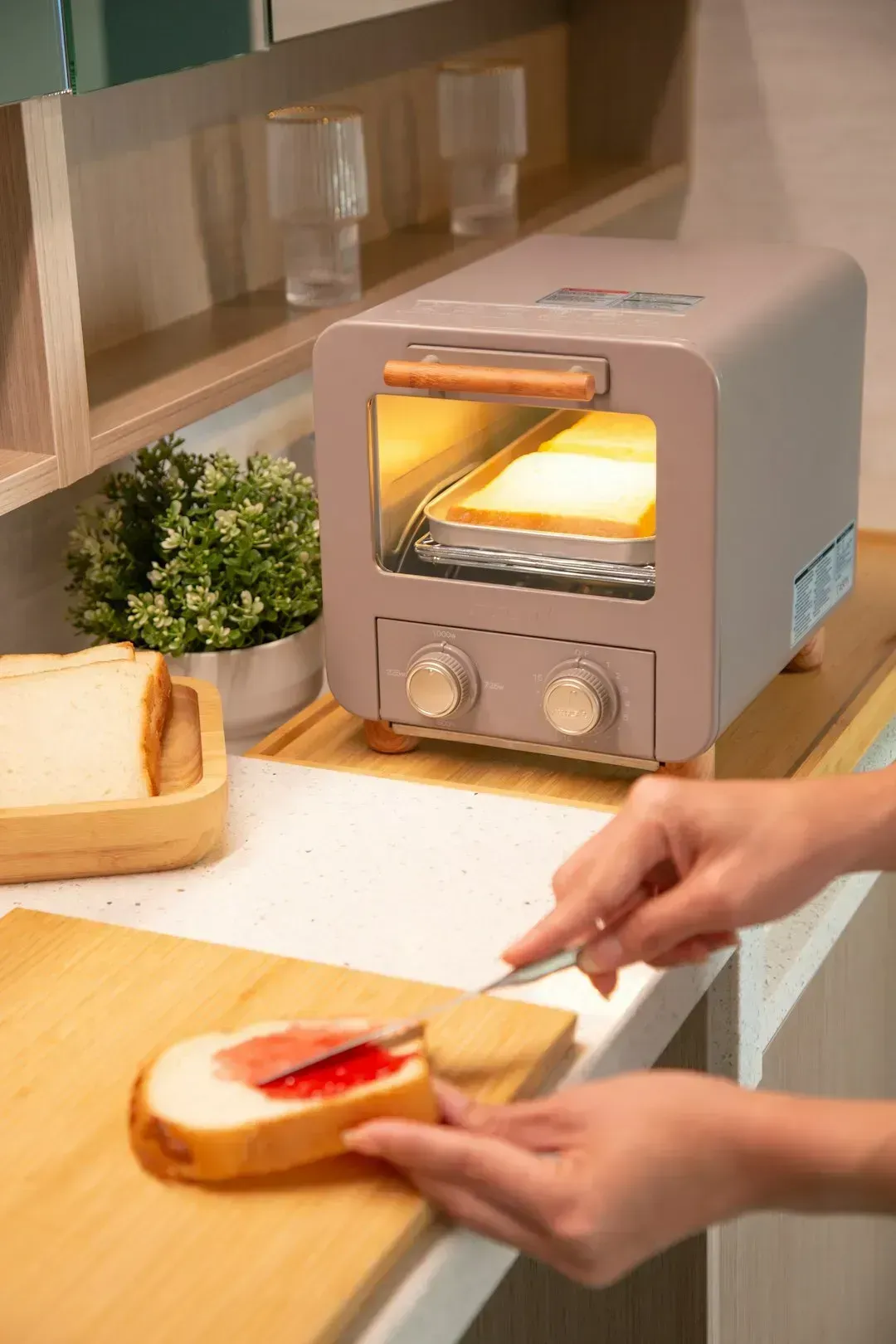
Toaster ovens gained serious ground in the 1970s as an in-between appliance, smaller than a full oven but capable of more than a standard toaster. They could bake small casseroles, broil a couple of chicken breasts, or reheat leftovers without firing up the big oven and heating the whole kitchen. For smaller households or apartments, this made a real difference in both convenience and energy use.
General Electric and Toastmaster were two of the dominant brands, often finished in the era’s signature avocado green or coppertone. The glass door and metal wire rack inside gave people a chance to watch their food cook, which was still a bit of a novelty at the time. Many of these units were built to last, and it wasn’t uncommon for a single toaster oven to serve a family for fifteen or twenty years.
5. The Electric Can Opener
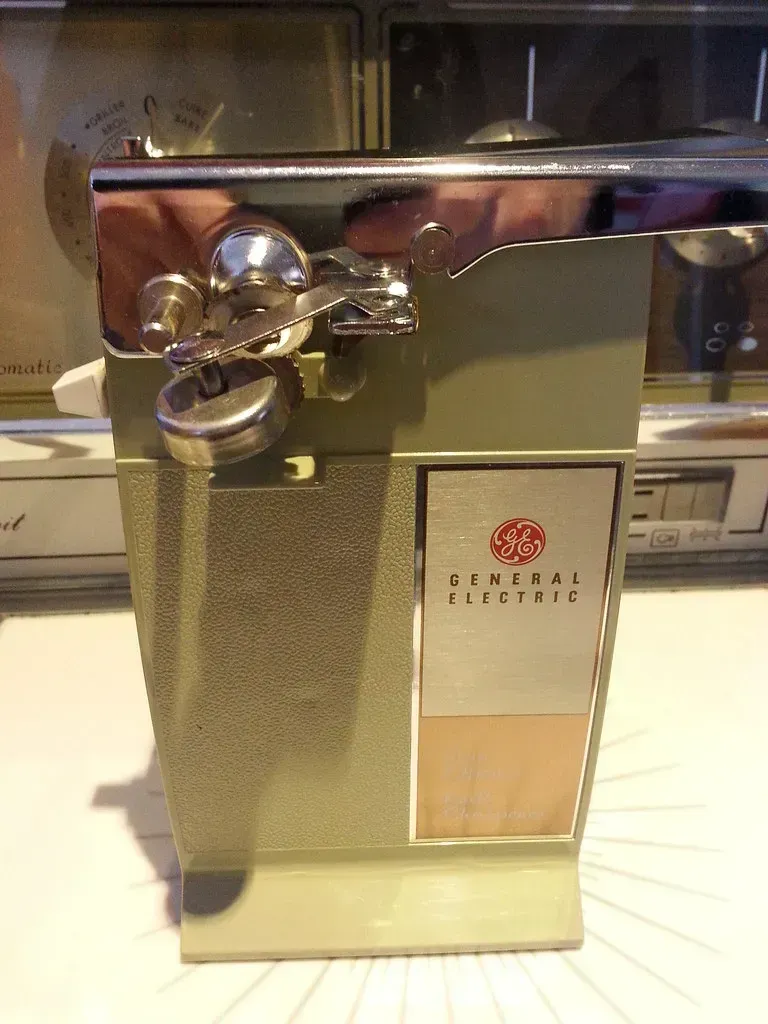
An electric can opener sitting on the counter was practically a given in most 1970s kitchens, often mounted under a cabinet or sitting near the stove for easy reach. Canned goods were a staple of the era’s cooking, from soups to vegetables to fruit cocktail, so a reliable opener wasn’t a luxury, it was closer to a necessity. The magnetic lid holder on many models was considered a small marvel, catching the sharp lid so nobody had to fish it out of the can.
Rival and Sunbeam produced some of the most popular versions, often paired with a built-in knife sharpener on the side. These gadgets were reliable workhorses, humming along with a low buzz that many people who grew up in that decade still remember distinctly. Their simplicity is part of why they remained largely unchanged well into the 1980s and beyond.
6. The Standing Mixer
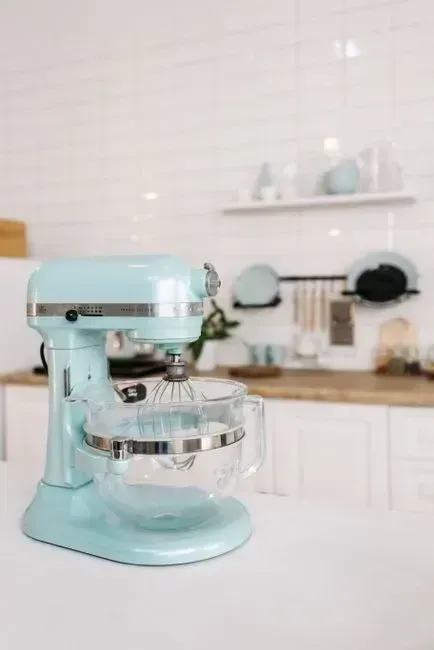
KitchenAid’s stand mixer had already been around for decades by the 1970s, but this was the era when it truly became a fixture for home bakers rather than just professional kitchens. Its heavy metal body and tilt head design made mixing cake batter, whipping cream, or kneading dough far less of a workout than doing it by hand. Owning one was often seen as a sign that a household took baking seriously.
The mixer’s versatility came from its range of attachments, including dough hooks, wire whisks, and flat beaters that could handle everything from bread to meringue. Sunbeam’s Mixmaster was another popular option during the decade, competing directly with KitchenAid for counter space. Both brands built machines so durable that a surprising number are still functioning in kitchens today, some passed down through three generations.
7. The Waffle Iron
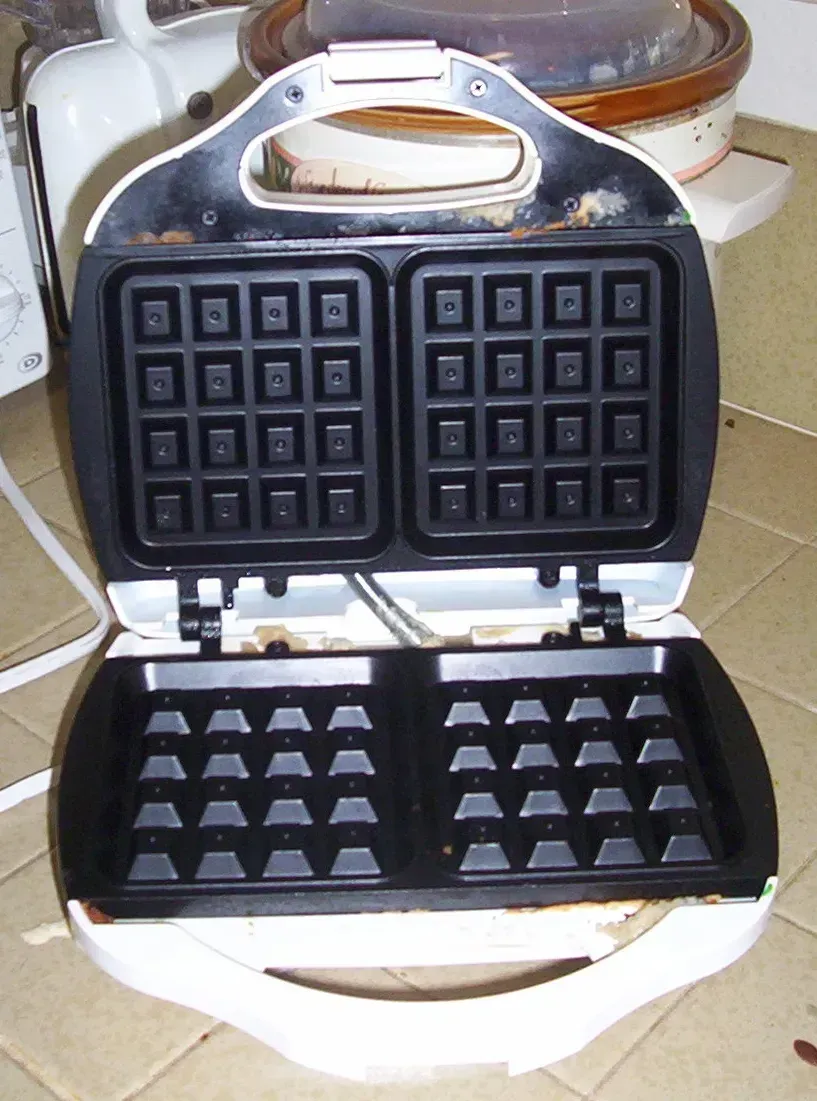
Weekend mornings in the 1970s often meant the smell of waffles filling the kitchen, thanks to the electric waffle iron that many families kept plugged in and ready to go. These appliances typically had two hinged plates with a nonstick coating, a relatively new feature at the time that made cleanup significantly easier than older cast iron versions. A small indicator light usually signaled when the iron had reached the right temperature.
General Electric, Proctor Silex, and Toastmaster all made popular models, often finished in the same color palette as the rest of the kitchen’s appliances. Waffle irons were frequently given as wedding gifts during the decade, which explains why so many still turn up in near mint condition at flea markets. Their straightforward mechanics meant there wasn’t much that could go wrong, and many simply outlived their original owners’ kitchens.
8. The Electric Knife
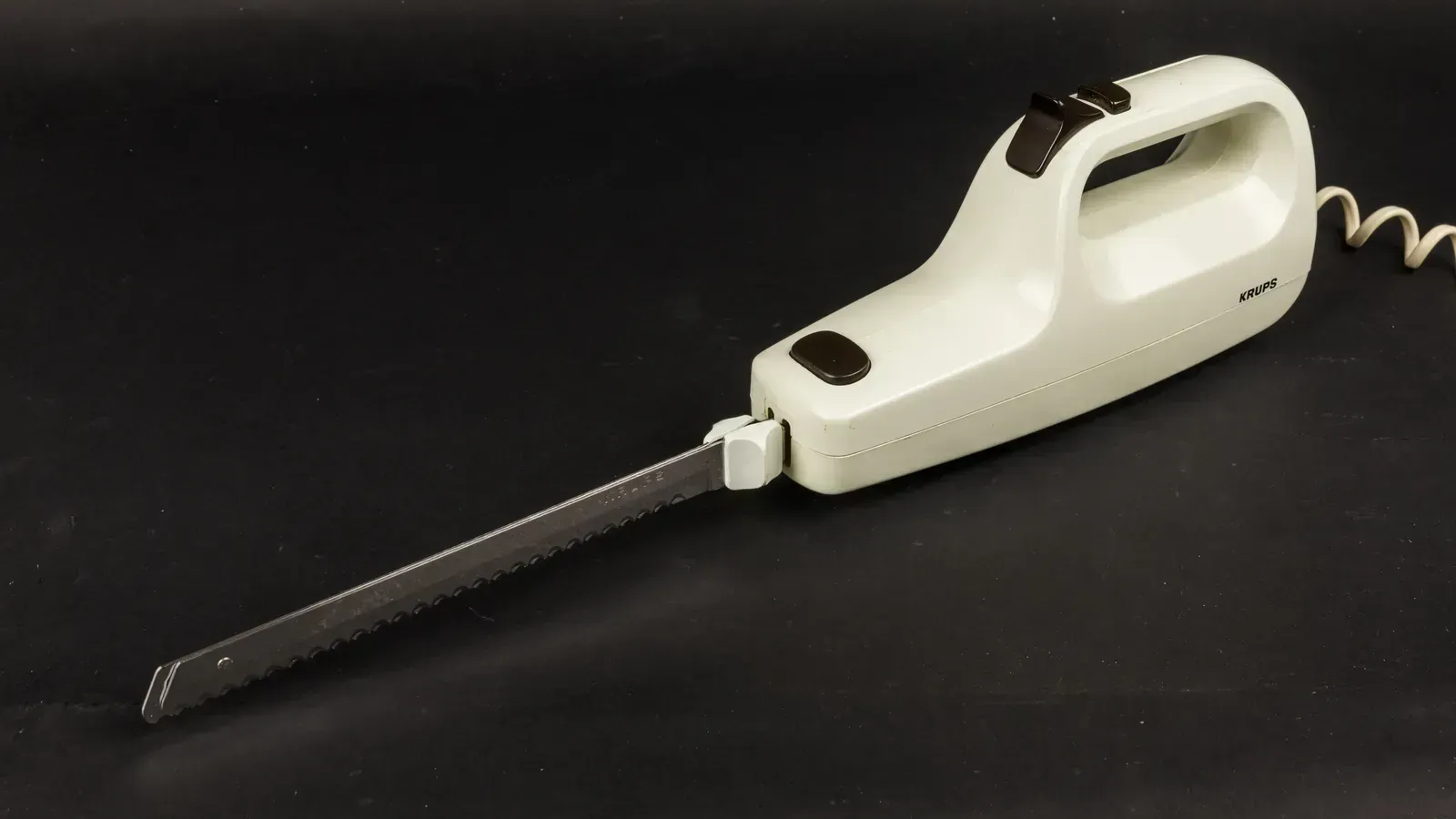
The electric knife had its heyday in the 1970s, particularly around holidays when carving a turkey or ham became a small performance at the dinner table. Two serrated blades vibrated rapidly back and forth, powered by a corded handle that plugged directly into the wall. It promised cleaner, more even slices than a standard carving knife, especially in hands that weren’t naturally steady.
Hamilton Beach and General Electric were among the leading manufacturers, and their models often came in a fitted storage case to keep the blades protected between uses. While the electric knife’s popularity faded somewhat in later decades, it never fully disappeared, and many families still pull one out specifically for Thanksgiving. Its 1970s design has proven surprisingly resistant to modern replacement.
9. The Blender
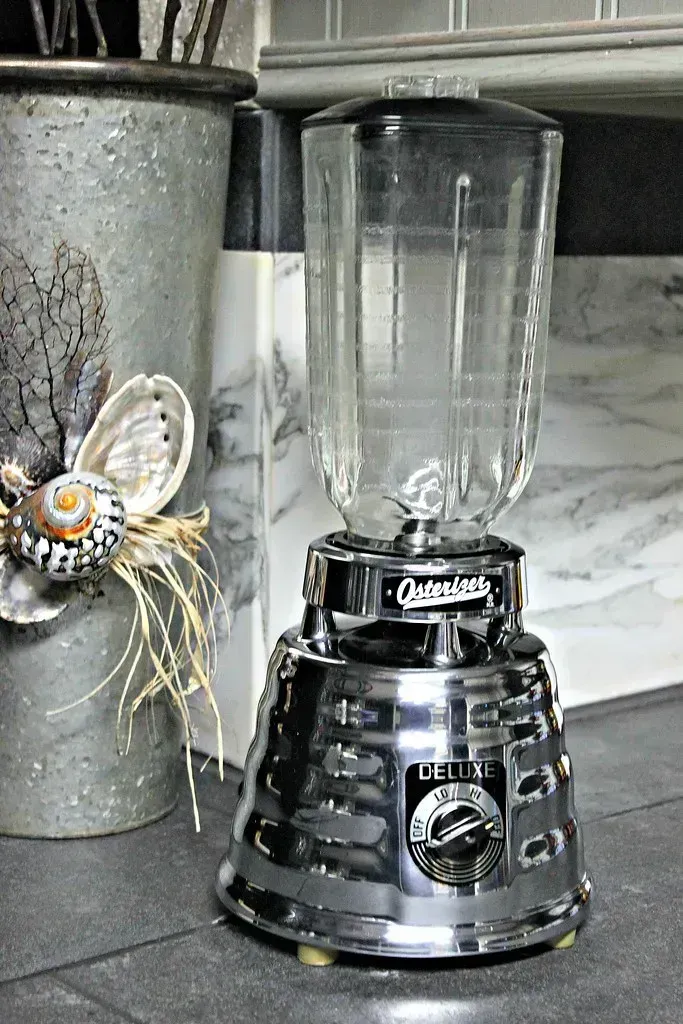
Blenders were already common by the 1970s, but this decade saw them become genuinely indispensable, fueled partly by the rising popularity of smoothies, frozen cocktails, and homemade baby food. Oster’s Osterizer was one of the most recognized names, with its heavy glass pitcher and multiple speed settings becoming a countertop standard. The dial often listed a surprising number of speeds, even if most people only ever used two or three of them regularly.
Waring also remained a strong competitor, building on its earlier reputation from the 1950s to stay relevant through the changing decade. These blenders were solidly built, with motors that could handle crushed ice and frozen fruit without much complaint. Many of these same glass pitcher blenders are still functional today, which says something about how overbuilt appliances used to be compared to some modern equivalents.
10. The Rotisserie Oven
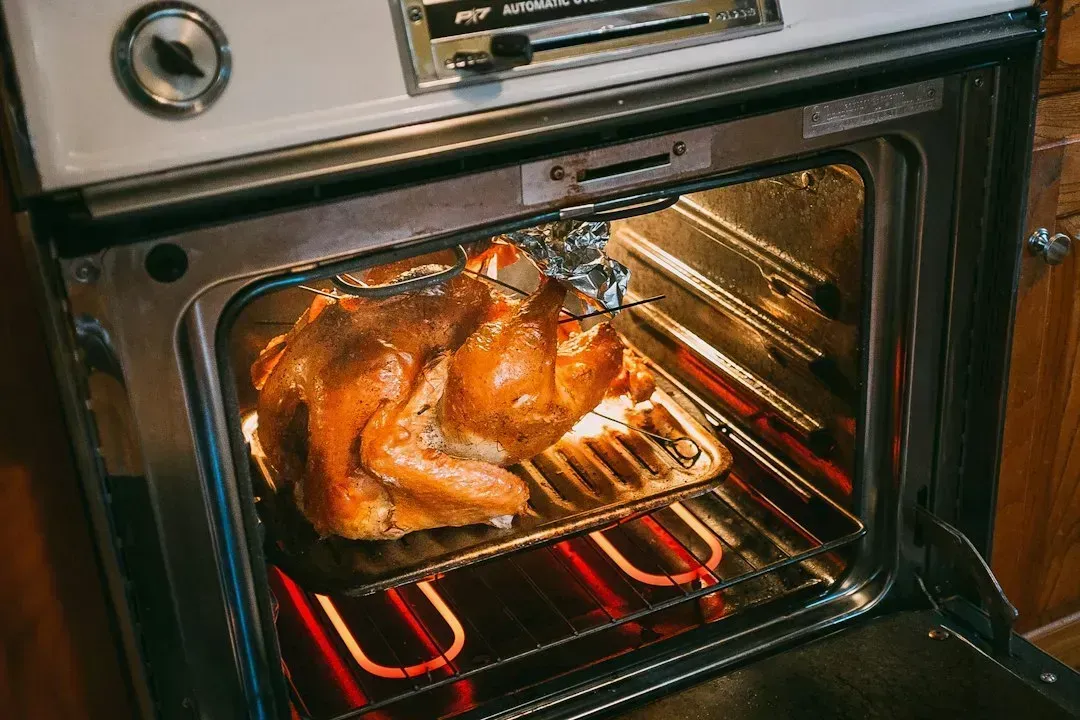
Countertop rotisserie ovens brought a bit of restaurant style cooking into home kitchens during the 1970s, letting families roast chickens or small cuts of meat on a slowly turning spit. The rotating motion helped the meat cook evenly while basting itself in its own juices, producing a result that felt noticeably more special than a standard oven roast. Watching the spit turn through the glass door had a certain hypnotic quality that made dinner prep feel like a bit of a show.
Farberware was the dominant name in this category, and its Open Hearth rotisserie became something of an icon for the era, often advertised heavily on television. The appliance’s popularity dipped in later decades as air fryers and other conveniences took over counter space, but it never disappeared completely. Interest in these old rotisserie ovens has actually seen a modest resurgence recently, with vintage models selling briskly on resale platforms as people rediscover the appeal of slow, even roasting.
Looking at this list side by side, it’s clear that 1970s kitchen design was as much about personality and color as it was about function. These gadgets reflected a decade caught between old world cooking habits and a growing appetite for convenience, and many of them proved so well built that they’re still finding their way into kitchens today, whether through inheritance, thrift store finds, or simple nostalgia.




Leave a Reply