
1. Leaving a snow shovel and ice scraper in the car year round
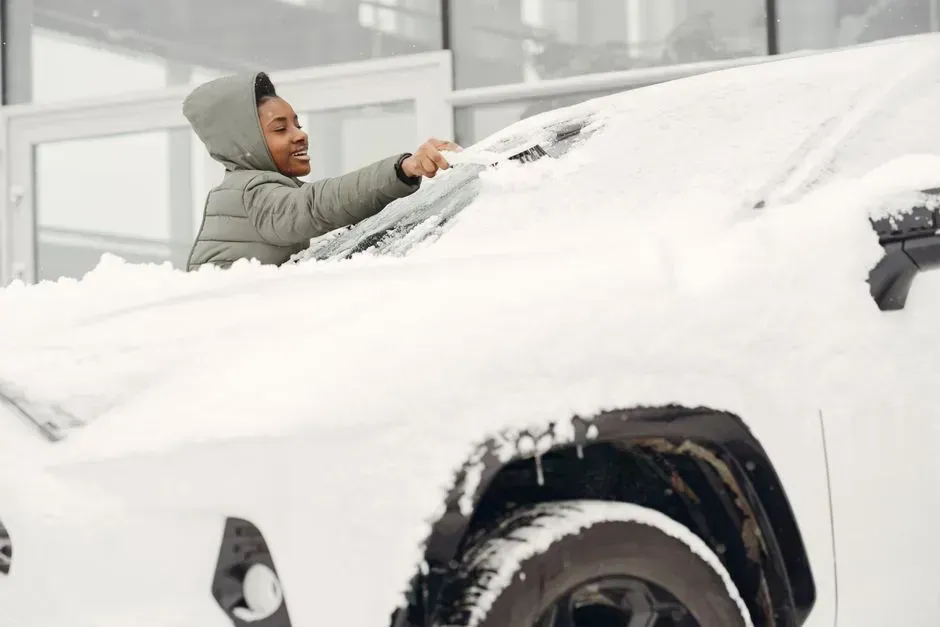
In New England, the ice scraper does not get put away in April and pulled out again in November. It just lives in the car permanently, tucked into a door pocket or the back seat, because a surprise frost or early season flurry can hit as early as October and linger into May. Locals treat this tool the way someone in Florida treats sunscreen, always within reach, no special planning required.
Southerners visiting the region for the first time are often startled to see grown adults with a full shovel in the trunk in what feels like still technically autumn. It is not paranoia. Lake effect snow bands and nor’easters can appear with little warning, and having gear ready means not getting stranded scraping a windshield with a credit card in a parking lot.
2. Wearing shorts once the temperature clears freezing

There is a well known regional joke that once it hits about 40 degrees Fahrenheit, New Englanders start showing up in shorts, and it is not entirely an exaggeration. After weeks of bitter cold, a stretch of weather that would still feel chilly to a Southerner can feel almost balmy by comparison. It is less about the actual temperature and more about the contrast with what came before.
This habit tends to bewilder visitors who see people walking around in short sleeves while snow is still melting on the sidewalk. Body temperature perception really does shift after prolonged cold exposure, and locals will often say that 40 degrees in March feels nothing like 40 degrees in October.
3. Treating a foot of snow as a normal Tuesday
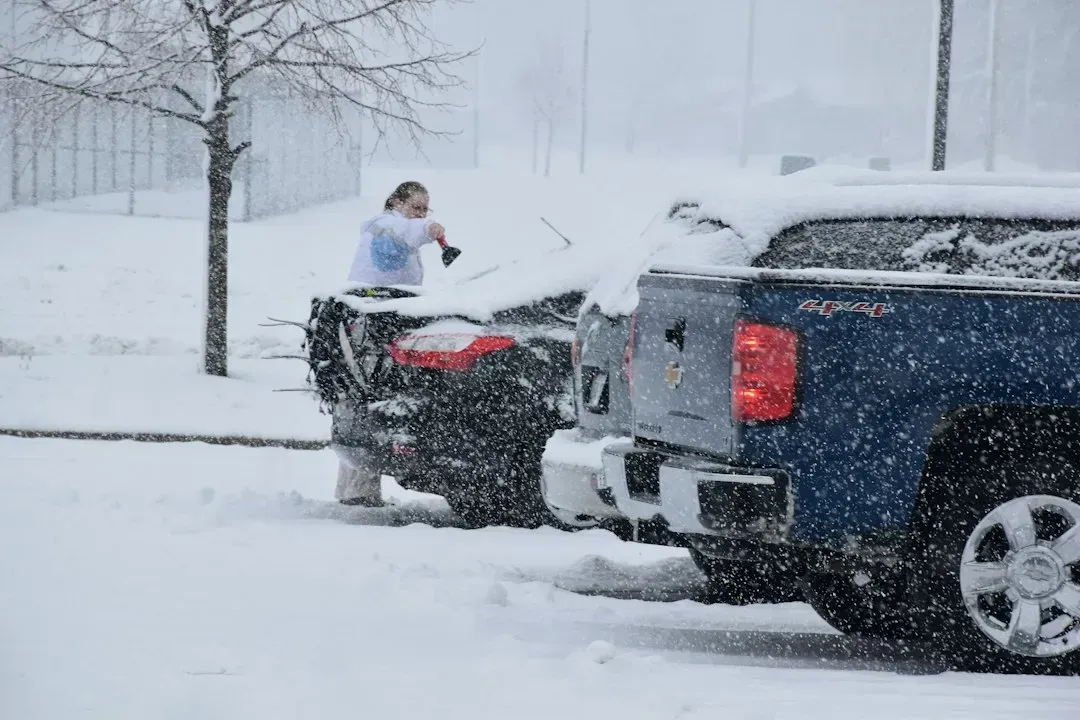
Boston averages roughly 43 to 48 inches of snow per winter depending on the year, and inland areas of Vermont, New Hampshire, and Maine often see considerably more. A storm that dumps eight to twelve inches overnight rarely closes schools or businesses for more than a day, because towns are equipped with plow fleets, sand and salt trucks, and residents who already know the drill. Life mostly continues on schedule.
In much of the South, even a couple of inches of snow can shut down entire cities for days, largely because the infrastructure and equipment simply are not built for it. Southerners are often stunned watching New Englanders shovel out, salt the driveway, and head to work as if nothing unusual happened. It genuinely is not a big deal there, mostly because the region has invested heavily in the equipment and systems needed to handle it.
4. Stockpiling firewood and heating oil well before the cold arrives
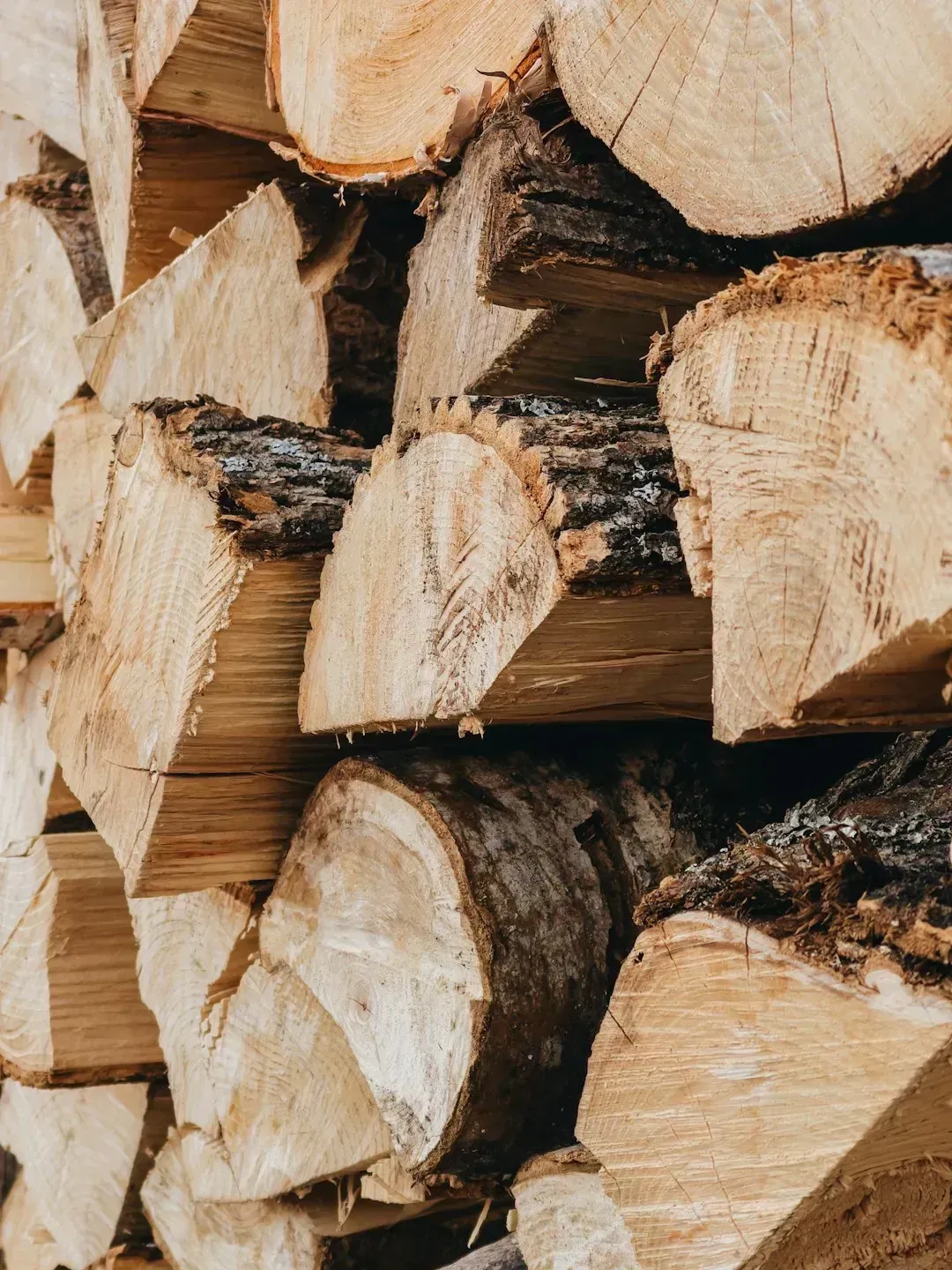
Many homes across rural New England still rely on heating oil, propane, or wood stoves as a primary or backup heat source, and residents typically start filling tanks and stacking wood as early as September. This is not just thriftiness. Heating oil prices can spike during peak winter demand, and running out during a deep freeze with icy roads is a real safety concern.
Visitors from warmer climates sometimes find it odd to see a full season’s worth of split logs stacked along a garage wall in late summer. For locals, it is simply forward planning, the same way someone might stock a pantry before a hurricane season, just spread out over a much longer and colder stretch of the year.
5. Driving confidently through snow and ice with winter tires
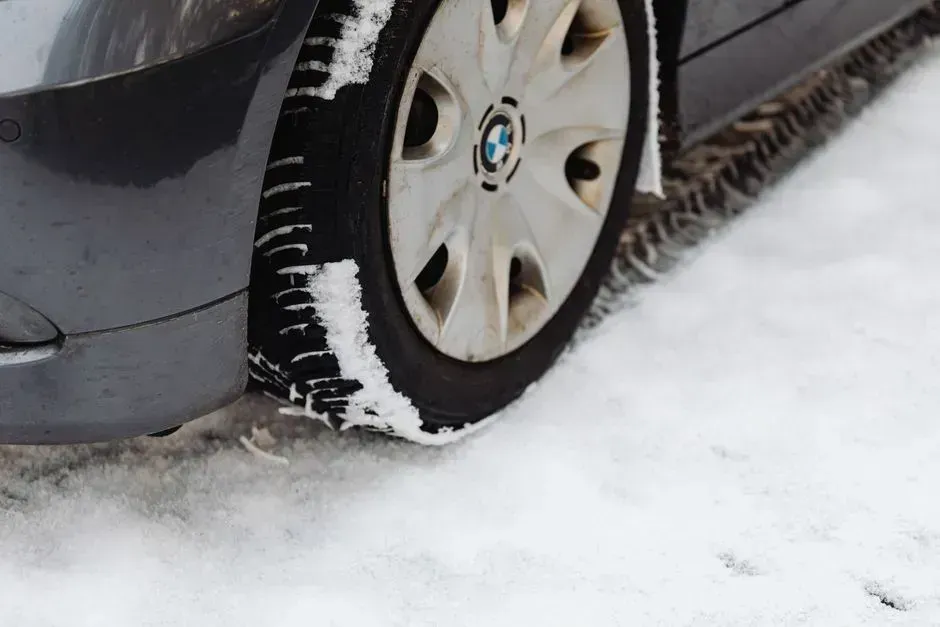
A large share of New England drivers switch to dedicated winter tires each year, not all season tires, but tires specifically designed with softer rubber compounds and deeper tread for snow and ice grip. Studies from tire manufacturers and safety groups have shown winter tires can reduce stopping distances significantly compared to all season tires in cold, icy conditions. This is treated as standard maintenance, similar to an oil change.
Southerners who rent cars while visiting the region are sometimes surprised at how calmly locals drive through conditions that would feel harrowing elsewhere. It is not recklessness. It reflects genuine experience combined with vehicles that are properly equipped for the roads they are actually driving on.
6. Layering clothing instead of relying on one heavy coat

Ask a New Englander about winter dressing and they will almost always describe layers rather than a single bulky parka. A base layer for moisture control, a middle layer for insulation, and an outer shell for wind and moisture are considered basic winter literacy, not an outdoor sports specialty. This system allows people to adjust throughout the day as they move between a cold outdoors and an overheated indoor space.
Visitors from milder climates often overpack with one giant coat and then either freeze outside or sweat indoors. The layering habit looks fussy at first glance, but it solves a real problem, since New England buildings often run warm indoors while the outside air can swing from the twenties to the single digits within the same week.
7. Checking the weather forecast multiple times a day

During an active winter storm pattern, many New Englanders check forecasts several times daily, not out of anxiety, but because storm tracks and snowfall totals can shift meaningfully within just a few hours. Local news stations and weather apps become essential daily tools rather than background noise. Knowing whether a storm will bring six inches or eighteen can determine whether someone leaves work early or cancels plans entirely.
Southerners sometimes see this constant checking as excessive worry. In reality, it reflects how genuinely variable nor’easter tracks can be, since a shift of even fifty miles in a storm’s path can mean the difference between a light dusting and a foot of heavy, wet snow in a given town.
8. Keeping an emergency kit in the house for power outages
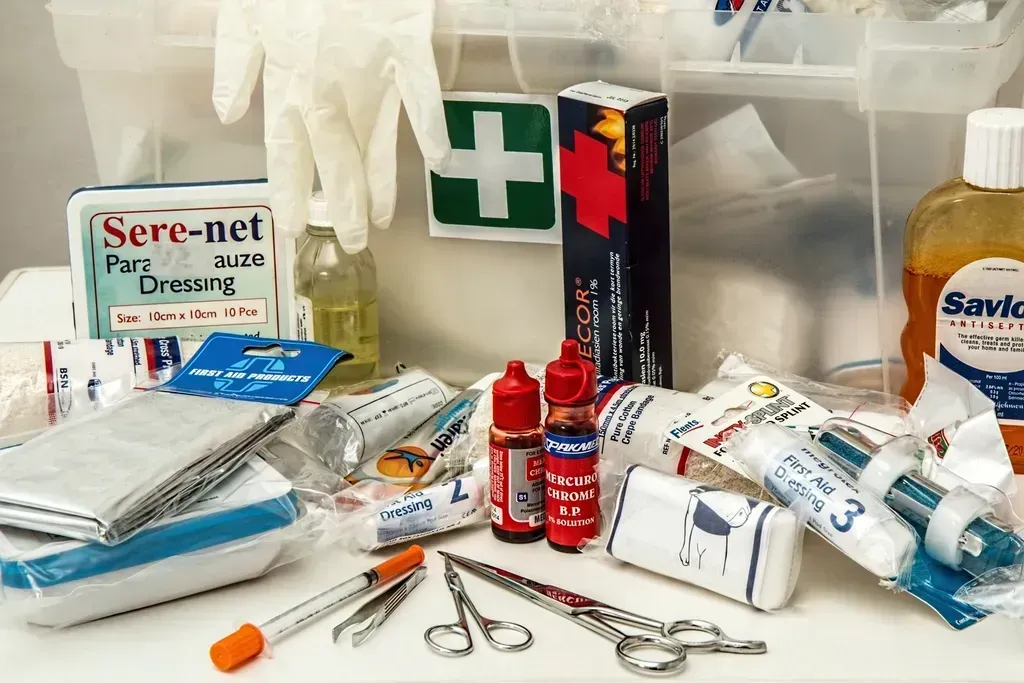
Ice storms and heavy wet snow can knock out power for days across parts of New England, and many households keep flashlights, batteries, bottled water, and a battery powered radio stocked specifically for winter outages. Some homes also keep a generator on standby, particularly in rural areas where utility crews may take longer to reach downed lines. This preparation is treated as routine household maintenance rather than an emergency measure.
To someone from a warmer state where winter outages are rare, this level of readiness can look almost survivalist. For New Englanders, it is simply informed by memory, since major ice storms in past decades left hundreds of thousands of households without power for over a week at a time.
9. Going for a swim or dip in freezing water on New Year’s Day
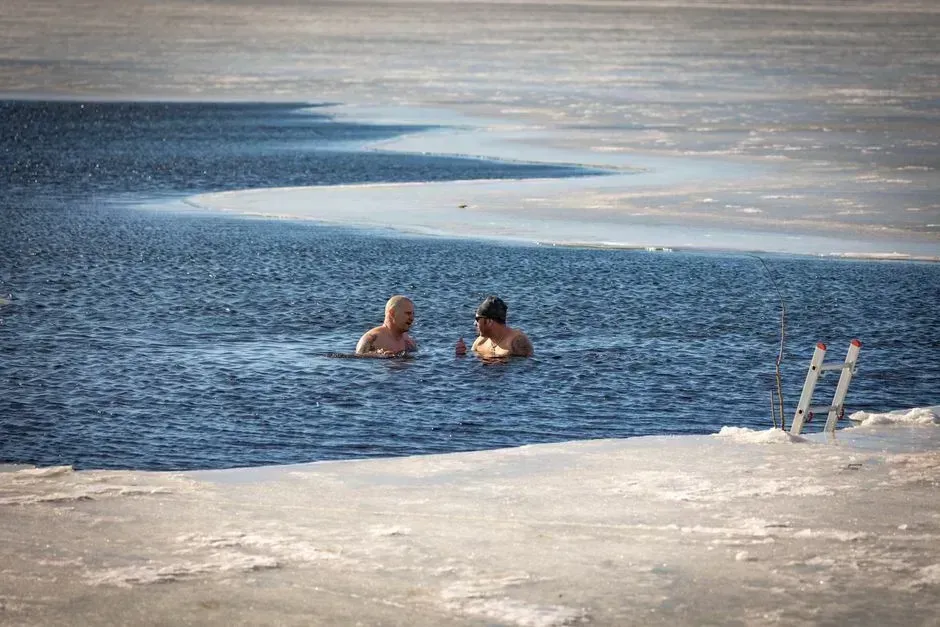
Polar plunge events are a genuine winter tradition across coastal New England, with organized dips happening from Maine down through Rhode Island, often to raise money for charity or simply to mark the new year. Participants run into ocean water that can sit in the thirties or low forties Fahrenheit, sometimes cutting through actual ice at the shoreline. These events draw hundreds or even thousands of participants in cities like Boston each year.
For Southerners, the idea of voluntarily entering near freezing seawater sounds closer to a dare than a tradition. Locals generally describe it as bracing rather than dangerous when done briefly and in groups, and many treat it as an annual ritual they genuinely look forward to rather than something to be endured.
10. Salting driveways and sidewalks before a storm even arrives
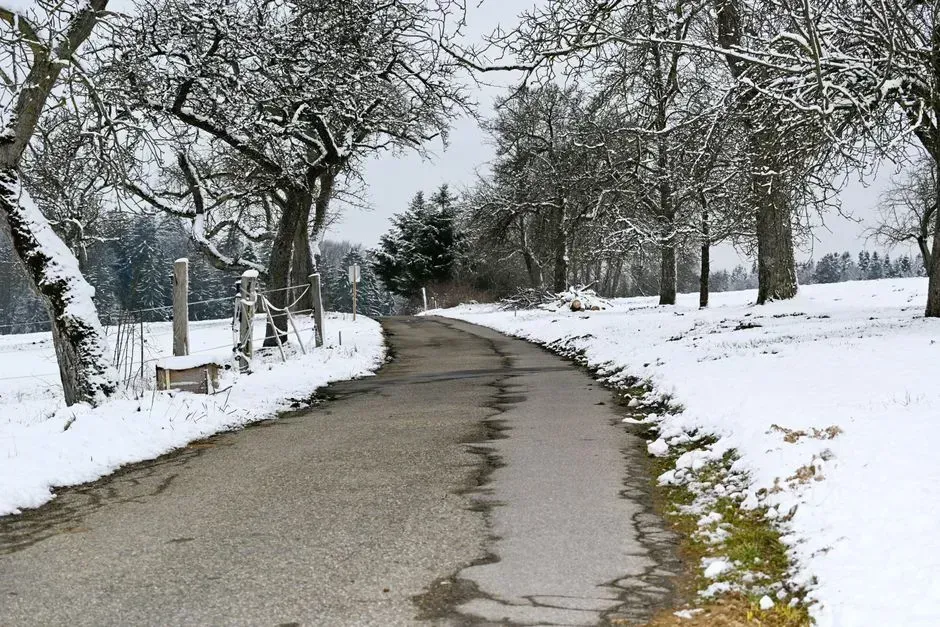
Pre-treating pavement with salt or brine before snow starts falling is common practice across New England, done specifically to prevent ice from bonding to the surface in the first place. Many town public works departments apply brine solutions to roads a day or two ahead of a forecasted storm, and homeowners often do the same with their own walkways. This proactive approach makes cleanup considerably easier once the snow actually stops.
Visitors unfamiliar with the practice sometimes wonder why anyone would salt a dry driveway with no snow in sight yet. The logic is straightforward once explained, since ice that never gets the chance to form is far easier to deal with than ice that has to be chipped away after the fact.
Winter habits like these are not really about toughness for its own sake. They are practical adaptations shaped by geography, infrastructure, and generations of experience with a climate that simply does not let up for months at a time. What looks unusual from a warmer state is, for most New Englanders, just how the season gets handled.




Leave a Reply