
1. Loud, sudden noises
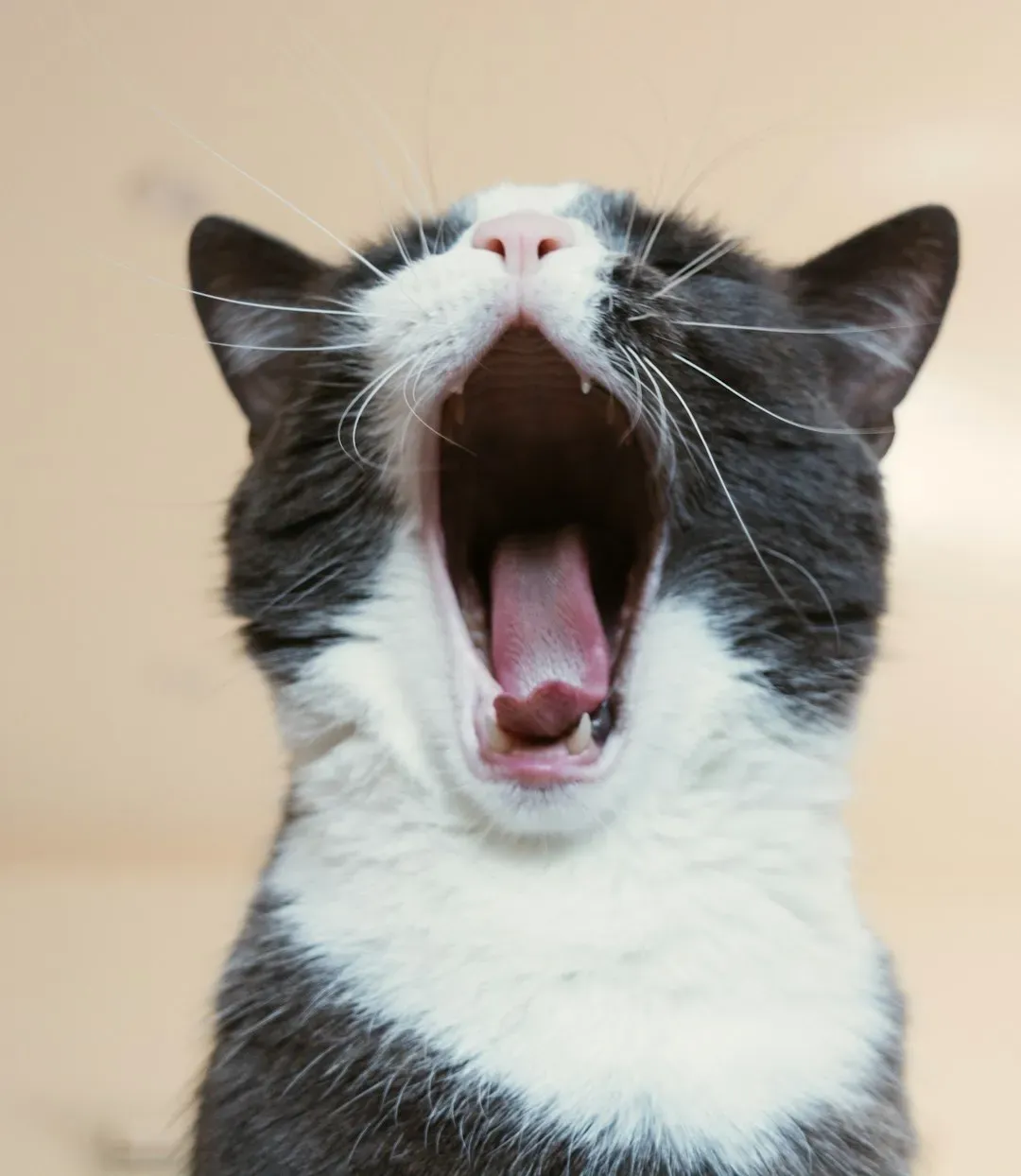
Cats have far more sensitive hearing than humans, picking up frequencies well beyond our range, which means everyday sounds like vacuum cleaners, blenders, or slamming doors can feel jarring rather than just annoying. Their startle reflex is strong, and repeated exposure to loud noise without any control over it can lead to chronic stress rather than simple habituation.
This sensitivity is part of why many cats bolt at the sound of a doorbell or fireworks. Giving a cat a quiet retreat space during noisy events, rather than forcing interaction, tends to reduce anxiety far more effectively than trying to soothe them directly.
2. Being picked up and restrained
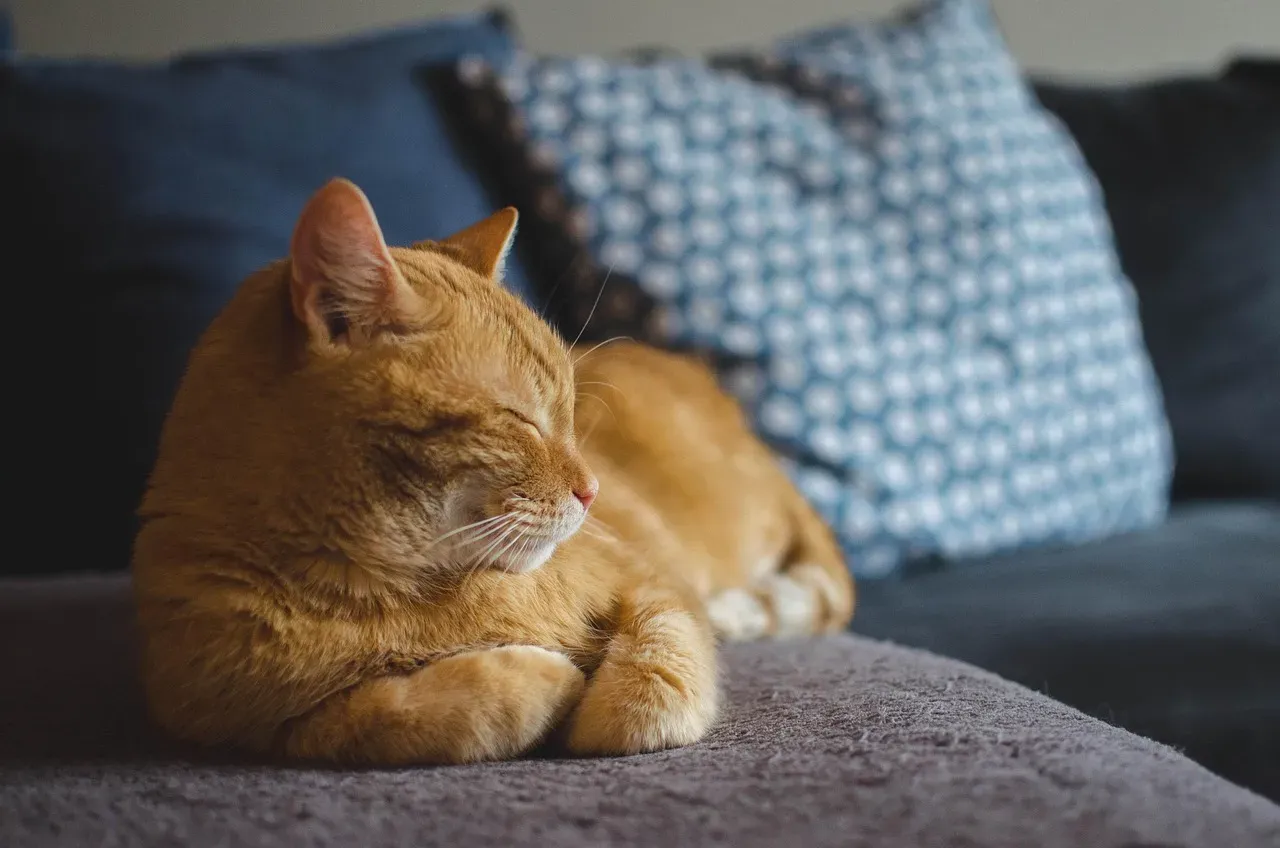
Despite the popularity of cat-cuddling videos online, many cats tolerate being held rather than genuinely ing it. Cats are ground-dwelling hunters by instinct, and losing contact with a stable surface can trigger a mild sense of vulnerability, especially if the hold is tight or prolonged.
Veterinary behaviorists often point out that forced restraint, even gentle restraint, can undermine trust over time. Cats generally respond better to being approached at their level and allowed to initiate contact, rather than being scooped up unexpectedly.
3. Strong or unfamiliar scents
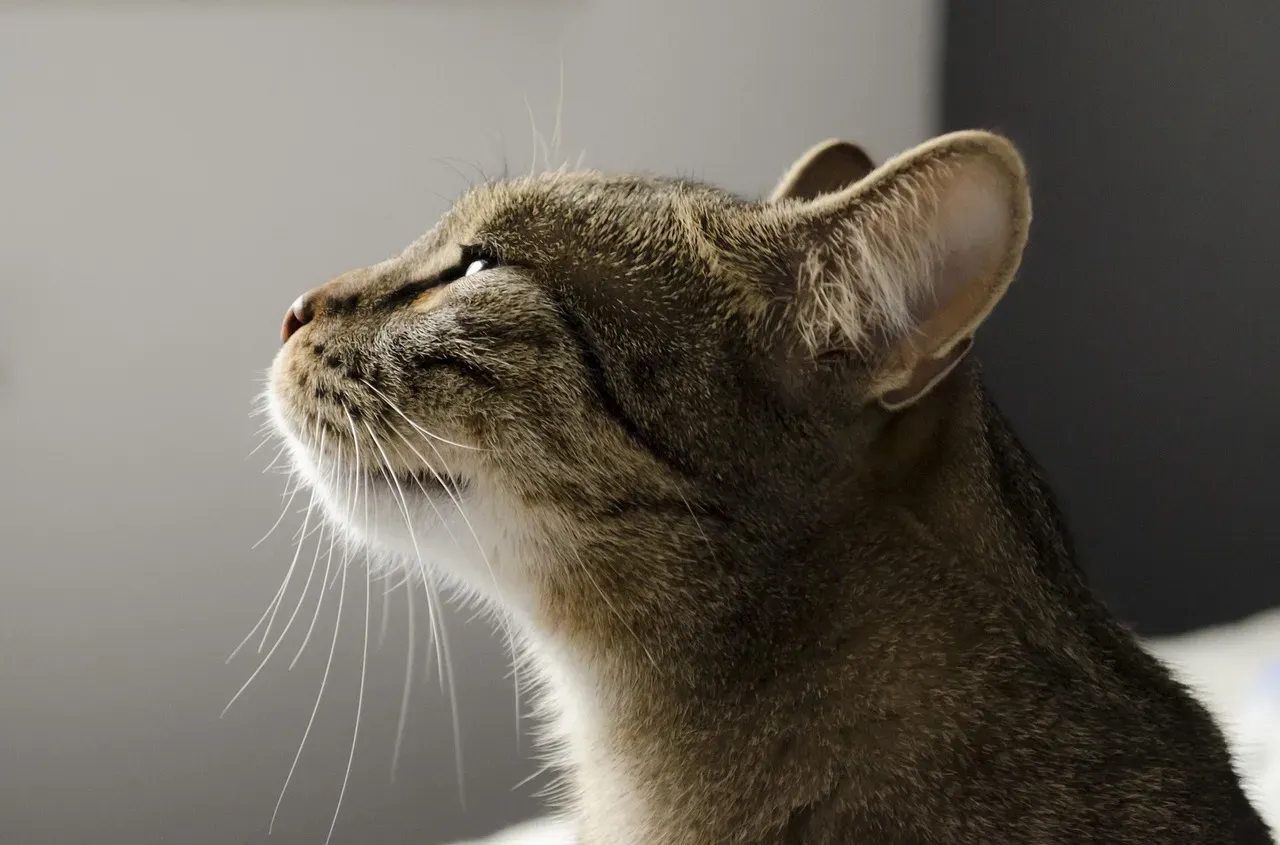
A cat’s sense of smell is remarkably more acute than a human’s, which makes strong perfumes, cleaning products, and citrus-based scents particularly overwhelming. Many commercial cat repellent sprays actually rely on this sensitivity, using citrus or menthol notes specifically because cats tend to avoid them.
Scent also plays a major role in a cat’s sense of territory and safety. Introducing new smells too quickly, whether it’s a new detergent or an unfamiliar houseguest, can create low-level unease that shows up as hiding or reduced appetite.
4. Dirty or shared litter boxes
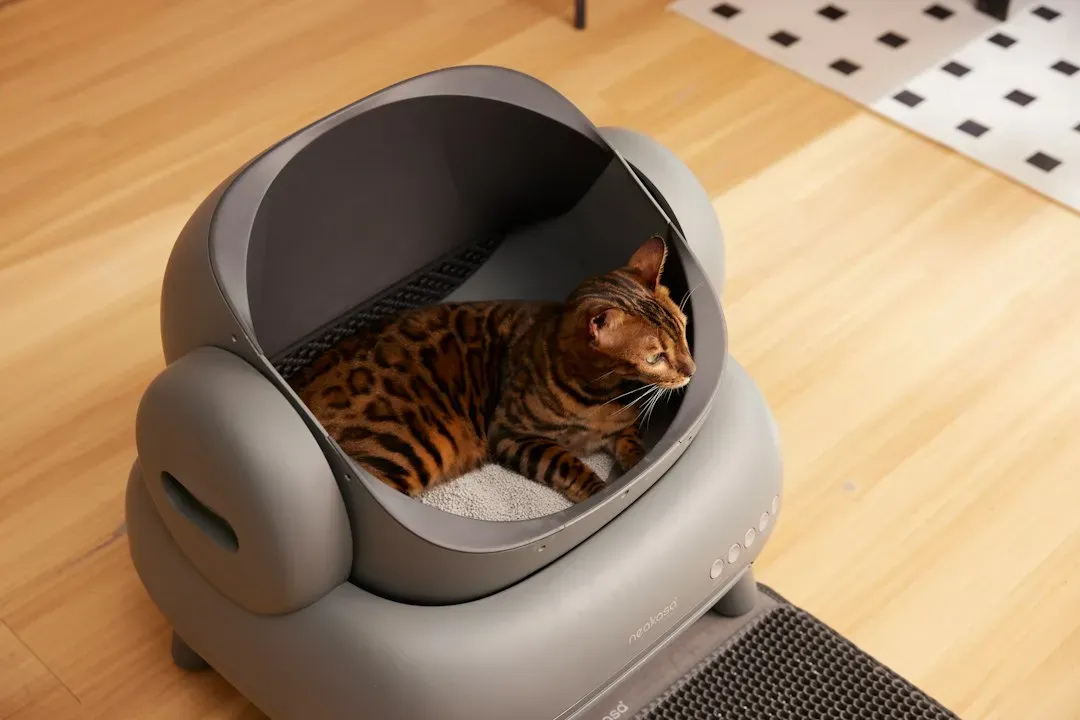
Litter box aversion is one of the most well-documented triggers for behavioral issues in cats, according to veterinary behavior researchers. Cats are naturally inclined to bury waste to avoid detection by predators, so a box that isn’t scooped regularly can feel unsafe rather than just unpleasant.
The general guideline from feline welfare organizations is one litter box per cat, plus one extra, placed in quiet, low-traffic areas. Multi-cat households that skip this rule often see an uptick in inappropriate elimination, which is frequently a stress response rather than defiance.
5. Sudden changes to their environment
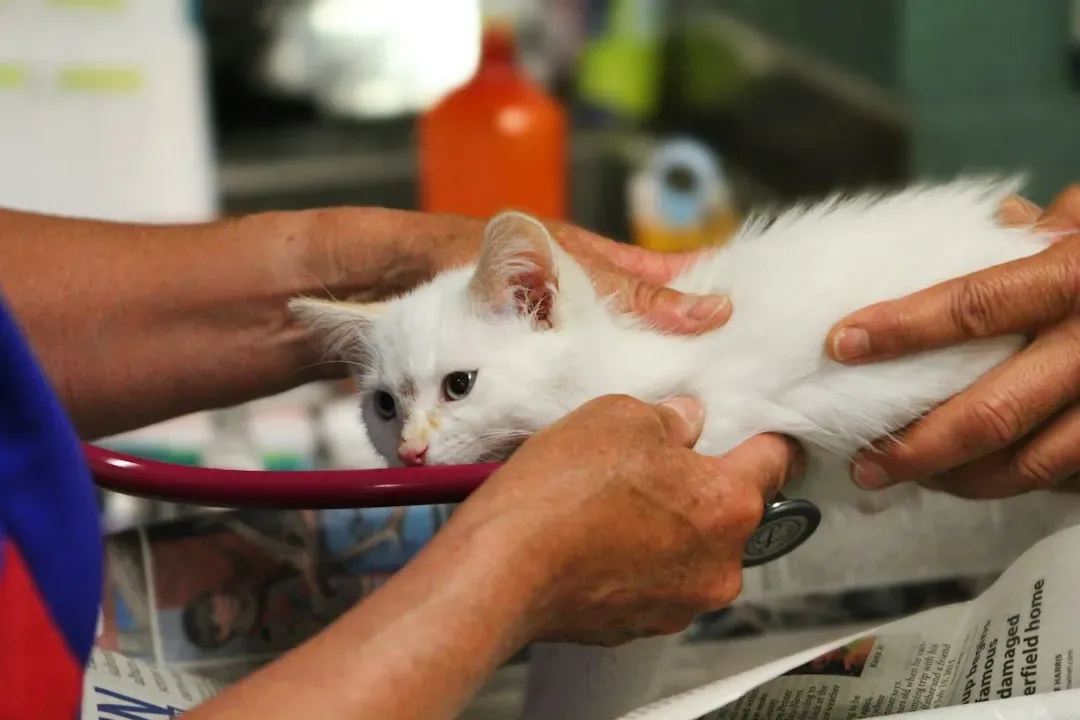
Cats are creatures of routine, and abrupt changes such as rearranged furniture, a new pet, or even a different feeding schedule can be genuinely destabilizing. This isn’t simple stubbornness; it reflects how strongly cats rely on predictable surroundings to feel secure in their territory.
Gradual introductions tend to work far better than abrupt ones, whether it’s a new roommate or a home renovation. Giving a cat time to explore changes at its own pace, without being pushed toward them, usually shortens the adjustment period considerably.
6. Direct, prolonged eye contact from strangers
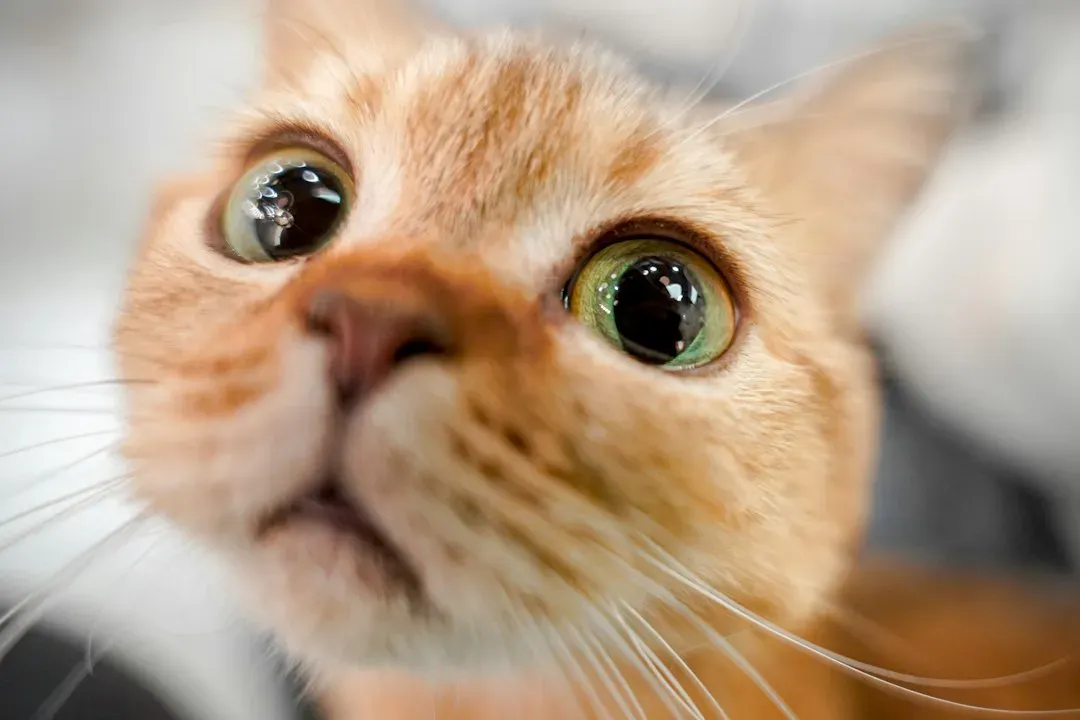
In feline body language, a slow blink between a cat and a trusted person is a sign of comfort, but a hard, unblinking stare from an unfamiliar face can read as a threat. This is rooted in predator-prey communication patterns, where sustained eye contact often signals aggression rather than friendliness.
Cat behavior specialists frequently advise visitors to avoid staring directly at an unfamiliar cat and instead let the animal approach on its own terms. Turning slightly to the side and blinking slowly is a more effective way to signal non-threatening intent.
7. Water on their fur

While there are some famously water-tolerant breeds, most domestic cats are not fond of getting fully wet. Their fur doesn’t dry quickly, and a soaked coat can feel heavy and uncomfortable, which likely explains why bathing a cat is often listed as one of the more stressful routine care tasks for owners.
This aversion doesn’t mean all cats hate water entirely; many are curious about dripping faucets or shallow water play. The dislike tends to be specifically about submersion or having their body drenched, not water as a concept.
8. Being ignored when seeking attention
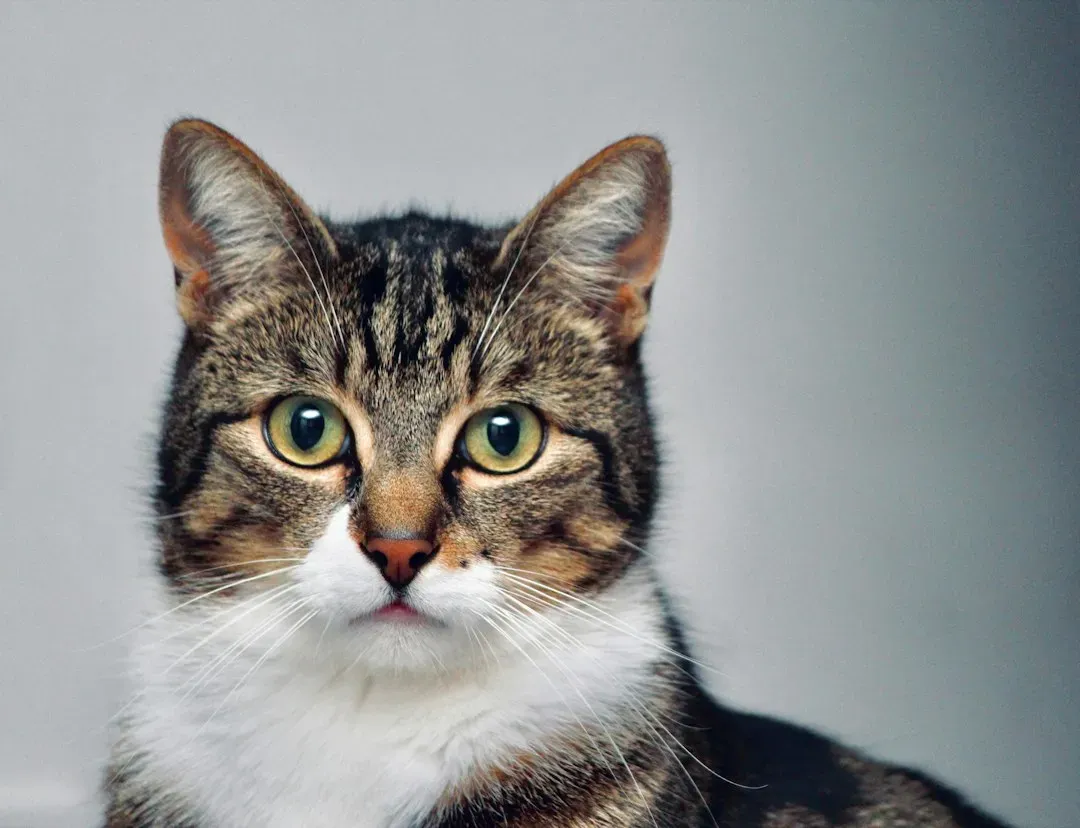
Contrary to the aloof stereotype, many cats form strong attachments to their owners and can become visibly frustrated when consistently ignored. Research on cat-human bonding published in recent years has shown that a significant portion of cats display attachment behaviors similar to those seen in dogs and young children.
When a cat’s bids for interaction, like meowing, pawing, or sitting on a keyboard, go unanswered repeatedly, some cats escalate to more disruptive behavior just to get a response. It’s less about demanding constant attention and more about wanting consistent, predictable engagement.
9. Punishment-based training methods
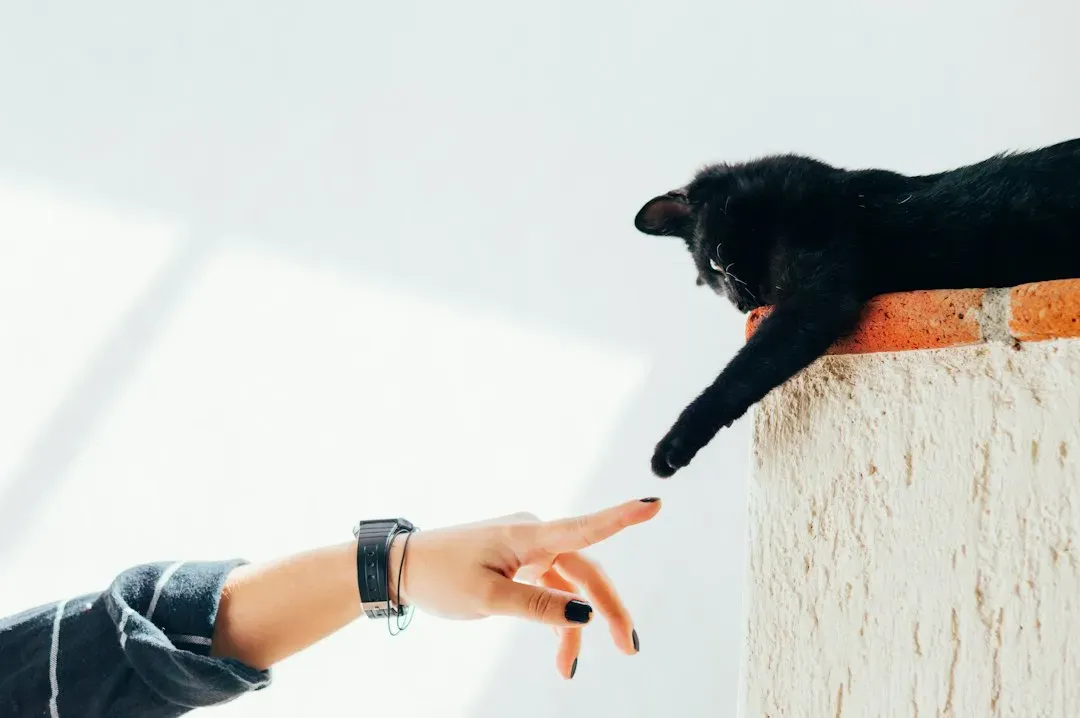
Yelling, spray bottles, or other punishment-based corrections are widely discouraged by veterinary behaviorists because they tend to increase fear and anxiety rather than change unwanted behavior long-term. Cats don’t reliably connect punishment with a specific action unless it happens within a second or two, so most attempts at correction just teach the cat to fear the person delivering it.
Positive reinforcement, using treats, play, or praise to reward desired behavior, has become the standard recommendation among feline behavior professionals in recent years. This shift reflects a broader trend in animal training generally, where reward-based methods have shown more consistent, lasting results than aversive ones.
Most of what looks like feline moodiness is really just a cat communicating discomfort in the only ways it knows how. Paying attention to these nine triggers doesn’t require major lifestyle changes, just a bit more awareness of what a particular cat is signaling in the moment.




Leave a Reply