
After more than a decade of walking through homes that families are clearing out, I’ve noticed a pattern. People move fast when grief is fresh, and speed makes for bad decisions. The items on this list aren’t always the most valuable ones in the house, but they’re the ones I get calls about months later, asking if there’s any way to track them down.
Most of these regrets share a common thread: sentimental value that only reveals itself once the object is gone. Here are the six things I watch families sell too quickly, almost every single time.
1. Handwritten letters and cards
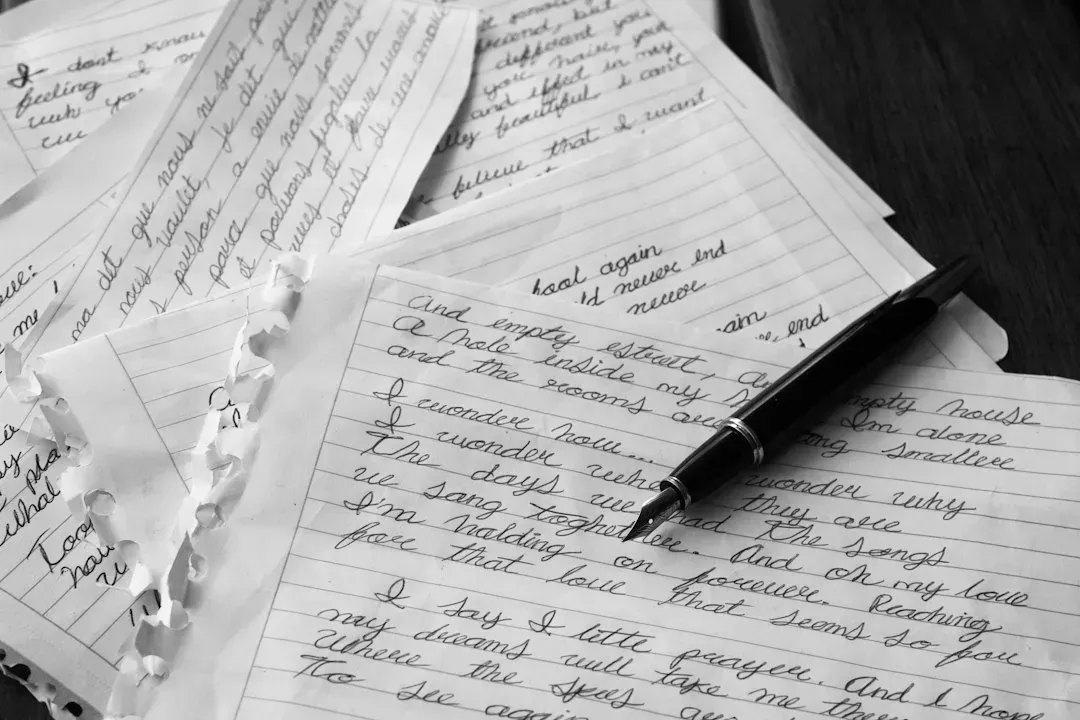
Boxes of old correspondence get tossed into “miscellaneous paper” piles constantly, and buyers rarely pay for them since they have no resale value. Yet these are often the first thing a family member asks about weeks after the sale, once the adrenaline of cleaning out a house has worn off. A birthday card from a grandmother, a letter written during a deployment, these things carry a voice that photographs simply don’t replicate.
I’ve started setting aside personal letters in a separate labeled bin at every sale I run now, just so families have one more chance to look through them before anything gets discarded. It takes maybe twenty minutes, but I’ve seen grown adults cry with relief when I hand them a shoebox of their parents’ old letters instead of letting it go to a paper recycler. Paper doesn’t sell, but it’s rarely replaceable either.
2. Basic kitchen tools with decades of use
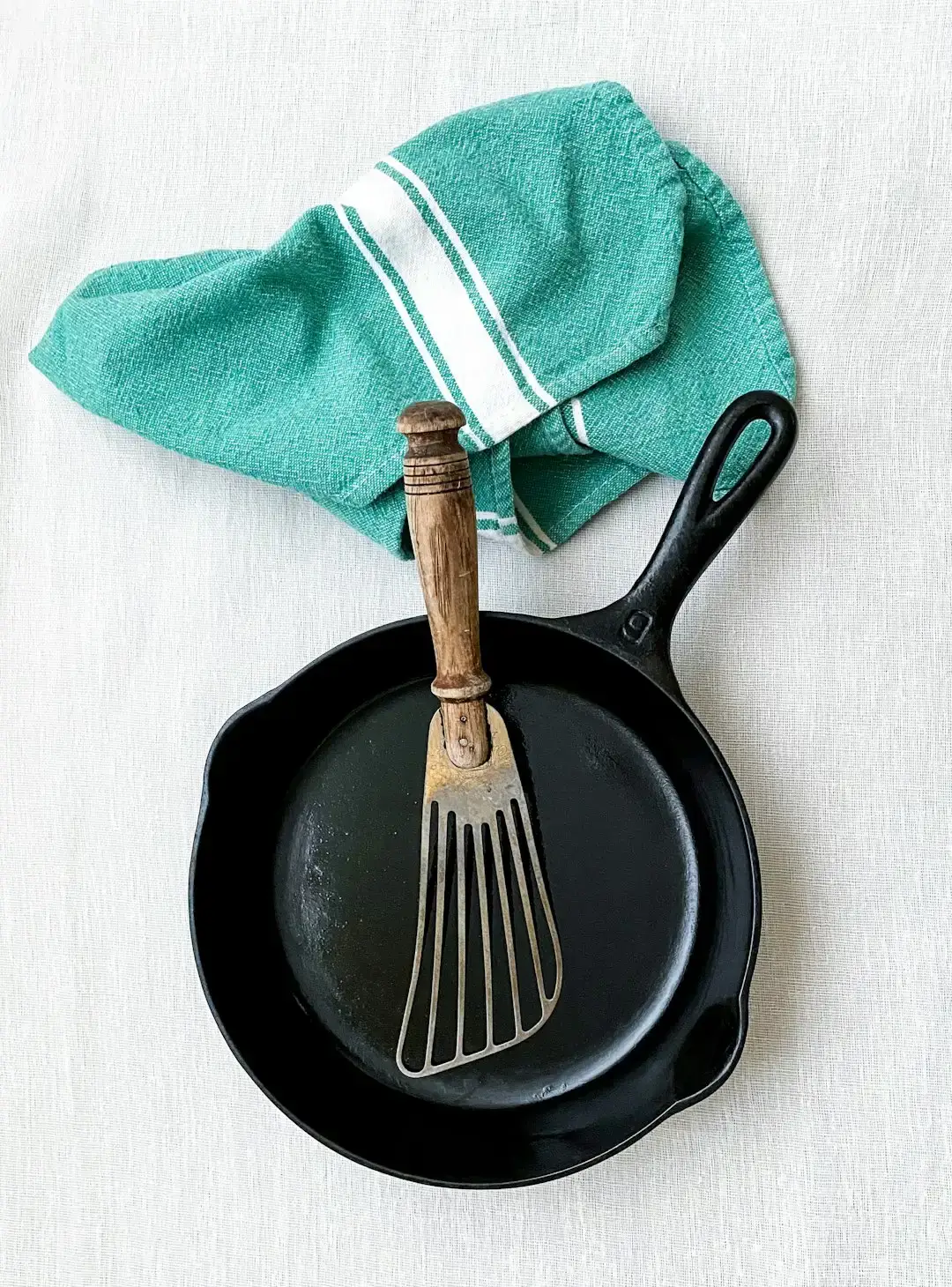
Nobody thinks twice about selling a worn wooden spoon or a dented muffin tin for a dollar at an estate sale. Then six months later, someone tries to make grandma’s cornbread and realizes the recipe only ever worked in that specific cast iron skillet, seasoned over forty years of use. Cookware absorbs history in a literal sense, and that seasoning or wear pattern can’t be recreated with a replacement from a big box store.
I always encourage families to pull at least one or two everyday kitchen items before pricing begins, especially anything tied to a specific dish or holiday tradition. It’s rarely about monetary worth. A twelve dollar pan means nothing to a stranger walking through a sale, but it can mean everything to someone standing in their childhood kitchen for the last time.
3. Home movies and photo negatives

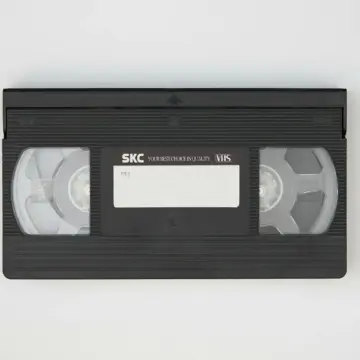
Digital photography has made physical film feel disposable to a lot of people, especially younger family members helping clear out a relative’s house. Boxes of negatives, VHS tapes, and old camcorder cassettes get sold in bulk lots to whoever will take them, sometimes for just a few dollars total. The problem is that once those tapes are gone, so is footage that was never digitized or backed up anywhere else.
I’ve had families come back a year later asking if I remember who bought a box of home movies, and unfortunately the honest answer is almost always no. Estate sale buyers move fast, and film reels don’t come with return addresses. If there’s any home video footage in a house, it’s worth the afternoon it takes to check what’s actually on it before it leaves the property for good.
4. Costume jewelry mixed in with the real thing

This one surprises people, but costume jewelry gets undervalued and sold off constantly, sometimes right alongside genuinely valuable pieces that nobody bothered to separate. A tangled jewelry box might have a plastic bead necklace worth nothing next to a gold pin worth several hundred dollars, and in a rushed sale, both get priced the same low amount or bundled together. Beyond the money, costume pieces are often the ones a mother or aunt wore constantly, meaning they carry more emotional weight than their appraised value would suggest.
I recommend every family get jewelry professionally sorted before a sale, not sold as one giant lot to save time. It typically takes a jeweler under an hour to separate real gold and silver from base metal pieces, and that hour has saved families from both financial loss and the regret of selling a beloved piece for pocket change. Jewelry regret is one of the most common calls I get after a sale wraps up.
5. Furniture with hidden family history
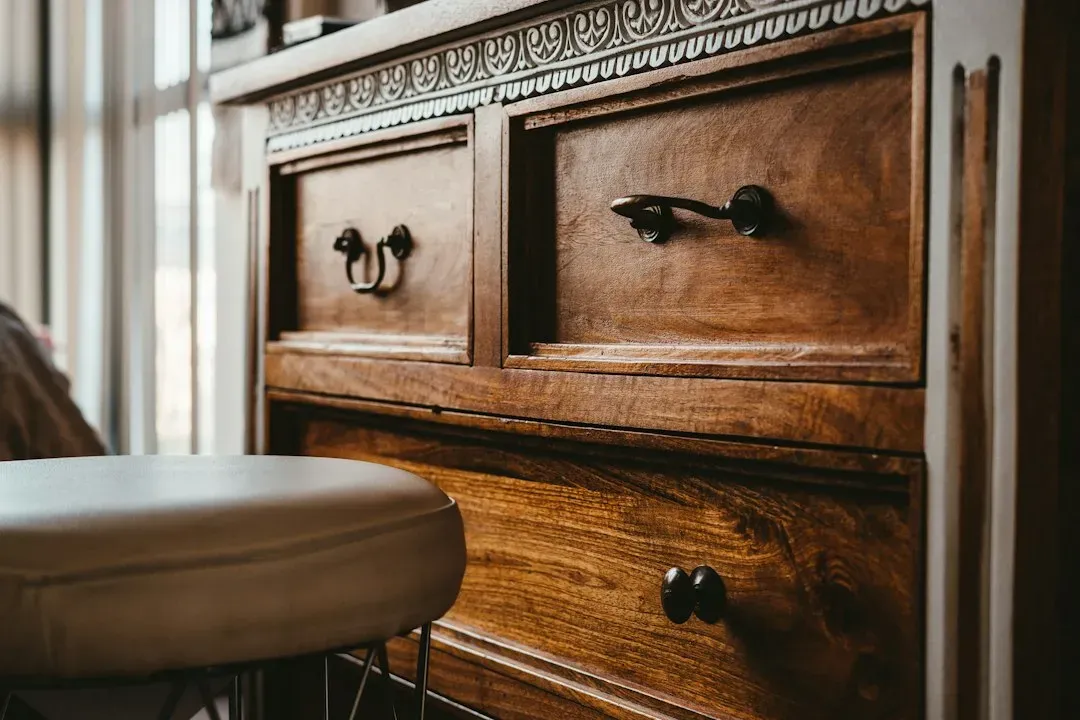
A plain looking dresser or dining table can seem like an easy sale item, especially if it’s not in great condition or doesn’t match anyone’s current décor. What families sometimes forget is that furniture often gets passed down for a reason beyond its condition, whether that’s a table where every holiday dinner happened or a dresser built by a grandfather who worked as a carpenter. Once it’s sold, refinished, or repurposed by a stranger, that specific piece and its history are gone.
I always ask families directly if any furniture has a story attached before pricing goes up, because people don’t always volunteer that information under stress. A worn rocking chair might look like a two dollar sale item, but if it’s the chair every child in the family was rocked in as a baby, that context changes everything. It’s a conversation worth having before, not after, the sale.
6. Handmade or hand-me-down clothing items
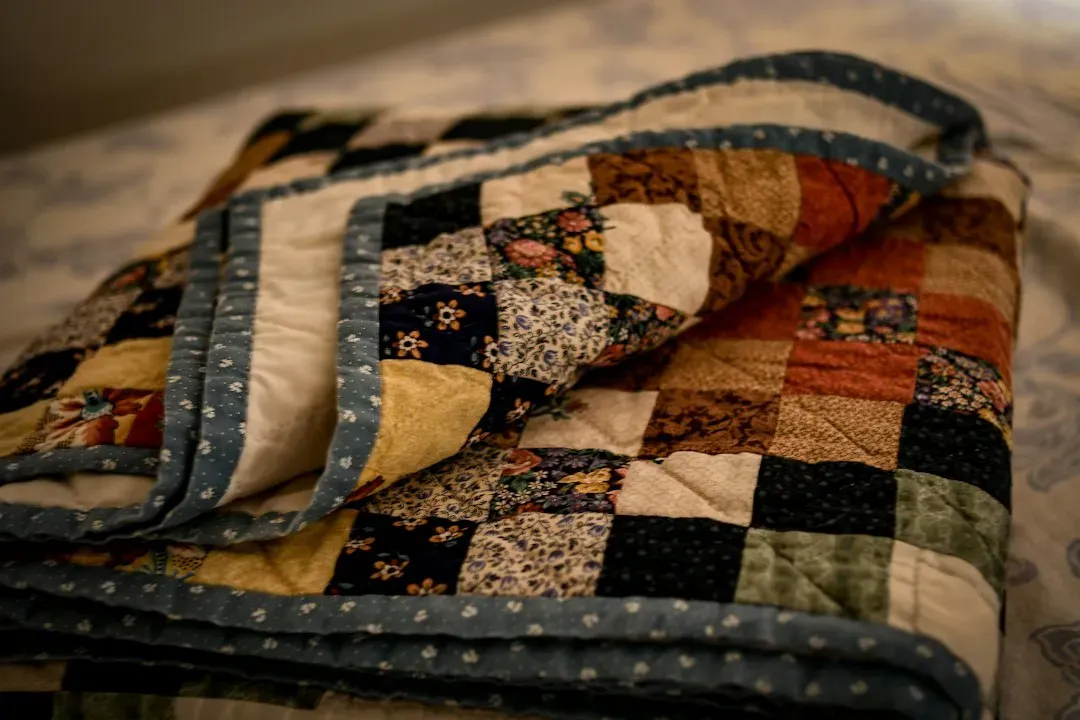
Clothes are usually treated as low priority at estate sales, often bagged up and sold for a few dollars per bundle to resellers or donation centers. The exception families regret losing is anything handmade, like a quilt sewn by a grandmother, a hand knitted sweater, or a christening gown passed down through generations. These items typically have no real resale value to a stranger, but they’re irreplaceable to the family they came from.
I make it a habit to flag handmade textiles separately during setup, since they’re easy to miss in a pile of ordinary clothing. Quilts especially tend to get overlooked because they’re bulky and don’t photograph well for online listings. A single afternoon spent checking labels, stitching, or fabric type can be the difference between a keepsake staying in the family and disappearing into a donation bin.
These six categories come up again and again, regardless of the size of the estate or the value of everything else in the house. Money is rarely the reason for the regret. It’s almost always about the things that can’t be replaced once they’re gone, and the fact that grief doesn’t leave much room for careful decision making in the moment. A short pause before pricing day, even just an hour spent walking through a house with fresh eyes, tends to prevent most of these regrets before they happen.




Leave a Reply