
1. Wallpaper on every wall of a room
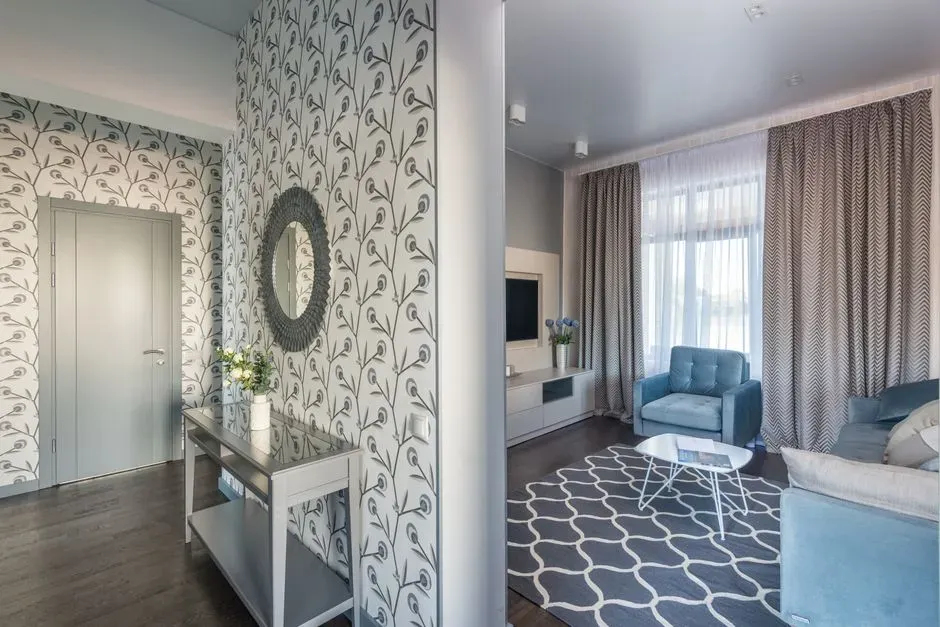
Full wallpaper coverage used to be the default, not the exception. Parents didn’t agonize over it the way people do now; they picked a pattern, sometimes a loud one, and lived with it for a decade or more. Removing it later was a nightmare, and that memory alone seems to have scared an entire generation away from trying it themselves.
Today most people opt for a single accent wall, if they use wallpaper at all. Peel-and-stick versions exist specifically to lower the commitment level, which says a lot about the anxiety around permanence. The fear isn’t really about the pattern, it’s about being stuck with a choice that can’t be undone in an afternoon.
2. A landline phone bolted to the kitchen wall

The corded phone with the impossibly long cable that stretched from the kitchen into the hallway was a fixture in nearly every household. It wasn’t private, it wasn’t portable, and everyone in the family could hear both sides of the conversation. Somehow that lack of privacy never felt like the invasion it would feel like now.
Landline subscriptions have dropped sharply over the past two decades, with most American households relying entirely on cell phones. Bringing back a shared home phone feels almost radical in an era built around individual devices and constant personal access. The idea of a phone the whole family uses, and overhears, now reads as an odd throwback rather than a practical option.
3. Shag carpet in the living room

Deep pile shag carpet covered floors from the late 1960s through the early 1980s, and plenty of parents kept it going well into the 1990s. It felt good underfoot, it muffled sound, and it came in colors that had no business existing in nature. Vacuuming it was a chore nobody misses, but the comfort factor was real.
Modern flooring trends favor hardwood, laminate, or low-pile options that are easier to clean and photograph well for listings. Shag carpet now carries a slightly kitsch reputation, something for a themed rental rather than an everyday home. Millennials tend to associate it with allergens and outdated style rather than the coziness their parents actually experienced.
4. Plastic covers on the good furniture
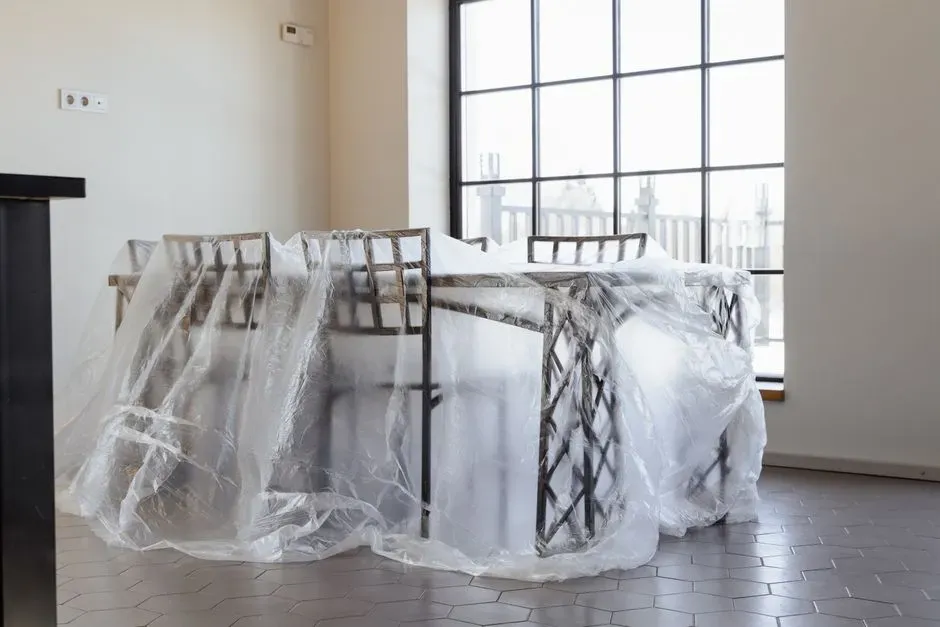
Protecting a couch or dining chairs with plastic slipcovers was a common practice, especially in households that wanted furniture to last for special occasions only. The crinkling sound and the way it stuck to skin in summer became part of the sensory memory of visiting relatives. It was practical in a very specific, no-nonsense way.
Nobody does this anymore, and it’s not hard to see why. Interior design now leans toward furniture that’s meant to be lived on immediately, stains and all, rather than preserved behind plastic. The instinct to protect an investment has been replaced by an instinct to just enjoy it, wear and all.
5. A single family television in a shared room
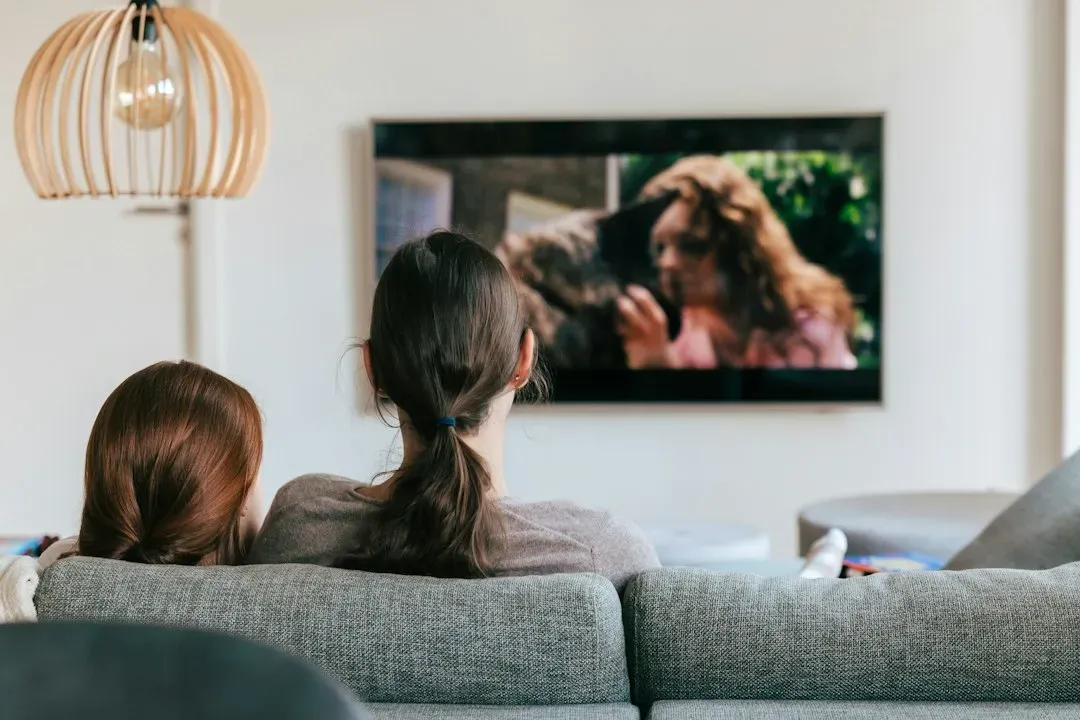
One television, usually in the living room, meant negotiating what to watch and when. Families gathered around it because there wasn’t another option, and that shared viewing created a kind of forced togetherness. Arguments over the remote were common, but so were the shows everyone ended up watching together.
Multiple screens per household are now standard, and streaming has made individual viewing the norm rather than the exception. The idea of one television dictating a household’s evening feels almost impossible to enforce with kids who have tablets and phones. Millennials raising families often find the single-screen model appealing in theory but nearly impossible to maintain in practice.
6. Ashtrays as standard living room decor
Smoking indoors was common enough that ashtrays sat on coffee tables as a normal decorative object, not a hidden habit. Even non-smoking households often kept one out for guests. It was simply assumed that some visitors would want to smoke, and the home was set up to accommodate that.
Indoor smoking rates have declined dramatically since the 1990s, and public health campaigns have reshaped attitudes around secondhand smoke exposure. Having an ashtray displayed today would strike most guests as unusual, even if they smoke themselves outside. The shift isn’t really about nervousness, it’s a genuine change in norms, though it does illustrate how differently homes were once furnished around habits now considered outdated.
7. Heavy dark wood furniture passed down for generations
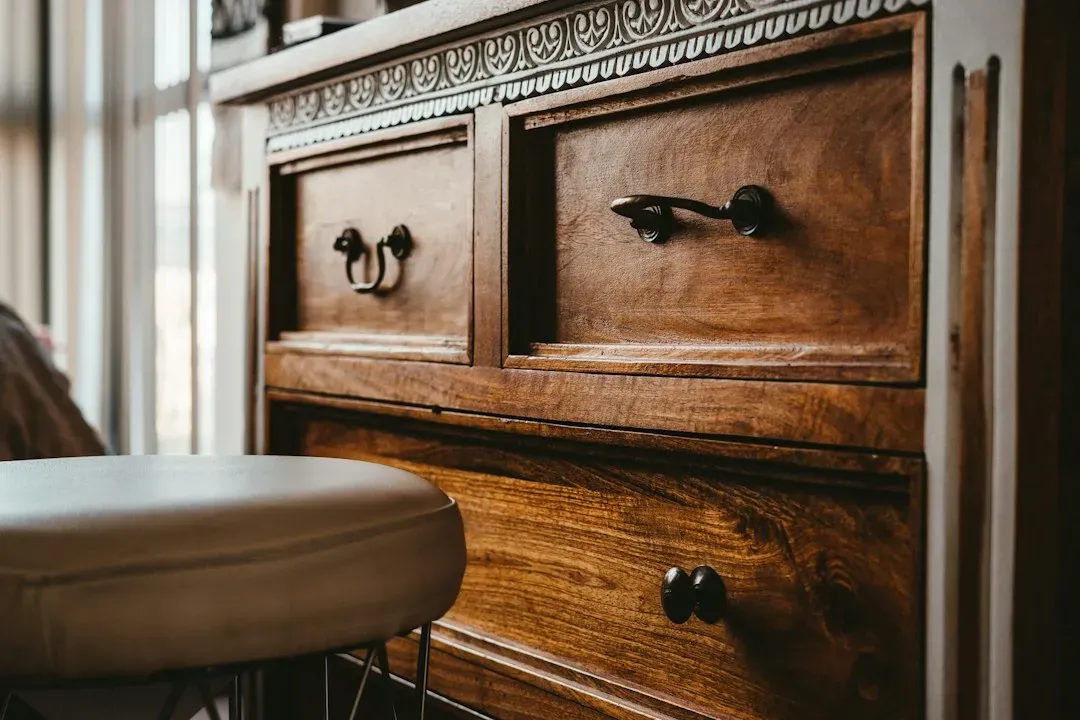
Solid wood dressers, hutches, and dining sets were built to last decades and often did, moving from one generation to the next. These pieces were heavy, sometimes ornate, and rarely matched anything else in the room, yet they anchored a home in a way lighter furniture doesn’t. Refinishing them was normal maintenance, not a renovation project.
Millennials furnishing apartments now often gravitate toward lighter, modular pieces that are easier to move and reflect frequent relocations rather than permanent settling. Heavy inherited furniture can feel like a burden rather than a gift when someone expects to move again within a few years. The reluctance isn’t about taste so much as lifestyle, since owning less and staying flexible has become its own kind of value.
8. Letting kids roam the neighborhood unsupervised

Parents in previous generations commonly let children leave the house after breakfast and not return until dinner, with minimal check-ins throughout the day. This kind of independent, unsupervised play was standard practice and considered a normal part of growing up. There was no expectation of constant contact or tracking.
Concerns about safety, combined with the ease of constant communication through smartphones, have made this kind of unsupervised freedom far less common today. Many parents now feel real anxiety about letting children roam without a way to reach them instantly. Even when statistically the neighborhood may be just as safe as it once was, the psychological shift toward constant oversight is hard to reverse.
9. A well-used front porch for socializing with neighbors
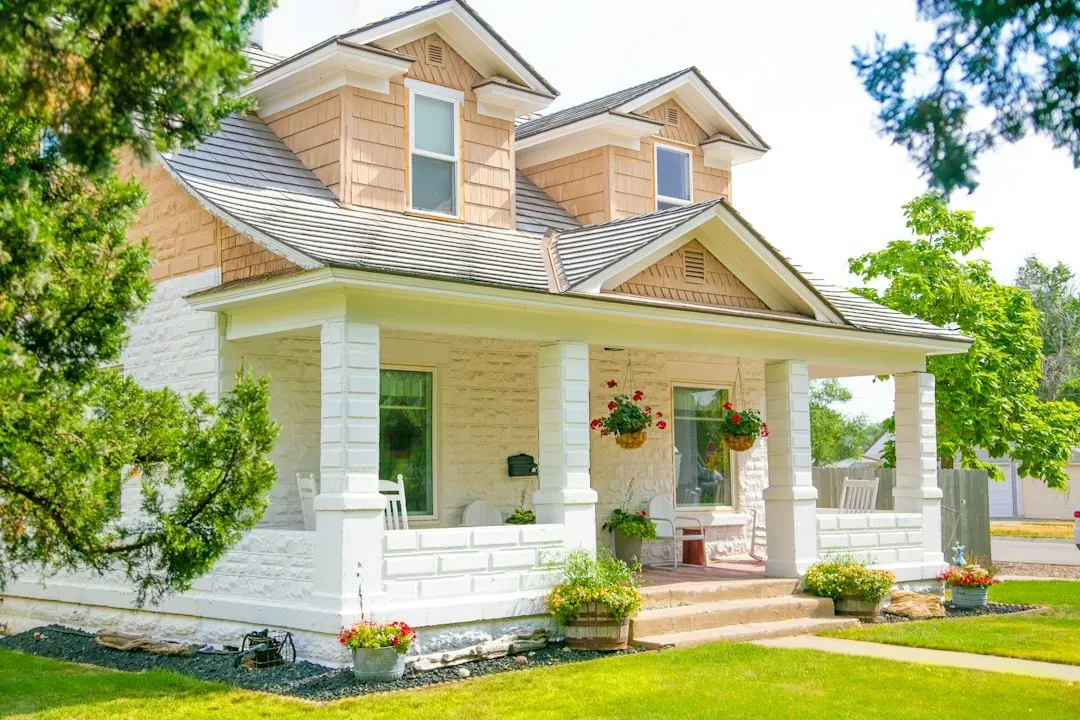
Front porches served as informal gathering spaces where neighbors stopped by, conversations happened spontaneously, and people simply sat outside because that’s what evenings were for. It fostered a kind of casual community connection that didn’t require planning or invitations. People knew each other because they saw each other regularly, unprompted.
Suburban design over the past few decades has shifted many homes toward backyard-facing layouts with less porch use, and social interaction has moved largely online or into scheduled gatherings. Sitting outside just to see who walks by can feel oddly exposed or even pointless to people used to curated social contact. Rebuilding that kind of casual neighborhood familiarity takes more intention now than it ever used to.
10. A dedicated formal dining room used weekly
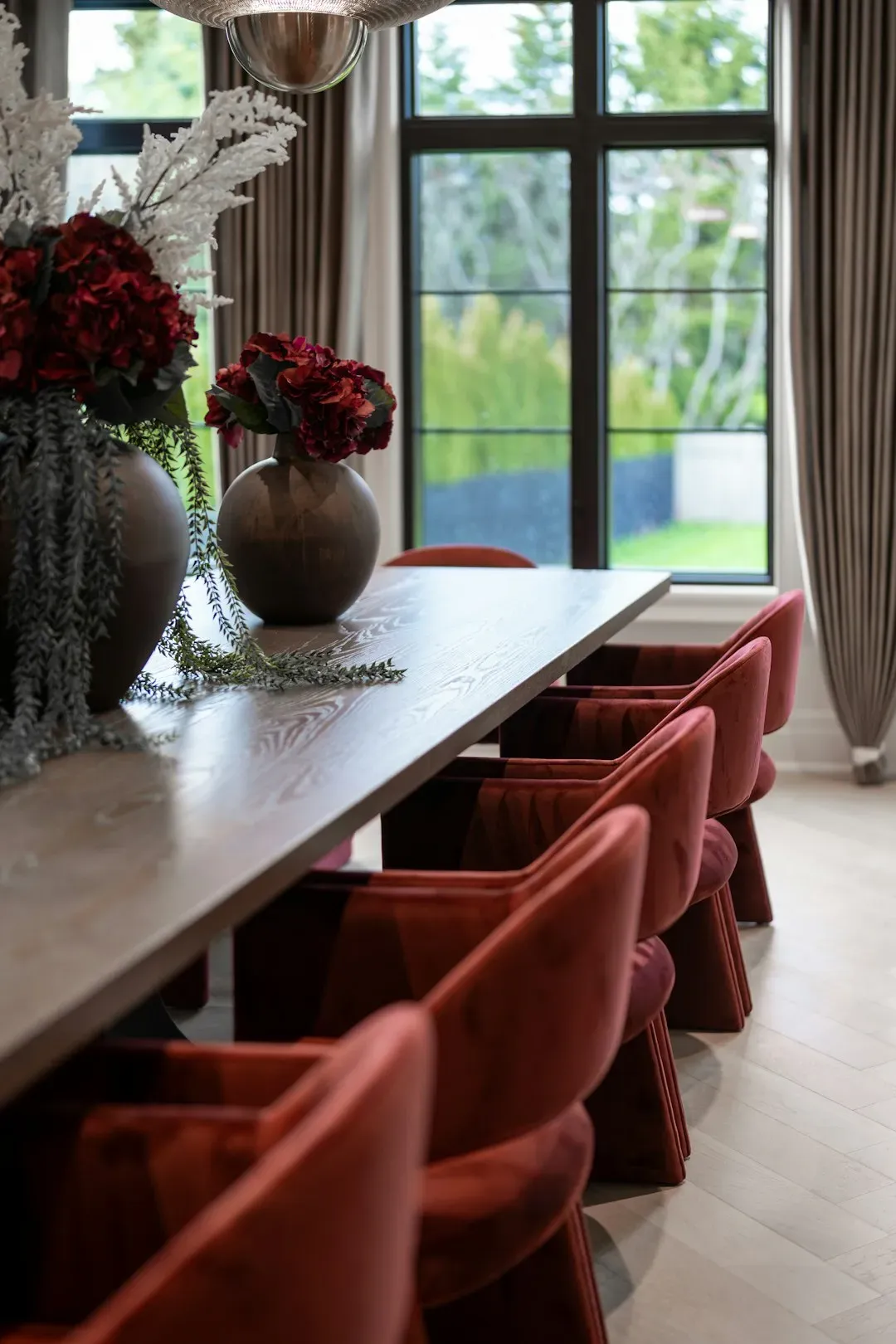
Many homes had a formal dining room separate from the kitchen table, reserved for Sunday dinners or holiday meals, complete with china that rarely left the cabinet otherwise. Using that space regularly was part of a rhythm that structured the week around a shared meal. It wasn’t fancy so much as consistent.
Newer home layouts increasingly favor open-concept kitchens that absorb dining space entirely, and formal dining rooms have become less common in new construction. Even in homes that have one, many families use it only a few times a year rather than weekly. Committing to a regular formal meal now competes with schedules that rarely align the same way twice.
11. Line-drying laundry outside on a clothesline

Hanging laundry outside to dry was standard practice, partly for cost savings and partly because dryers weren’t yet universal in every household. It took planning around weather and added time to laundry day, but it also gave clothes a specific smell and texture people still remember fondly. The clothesline itself was often a permanent backyard fixture.
Energy-efficient dryers and busy schedules have made this practice far less common, and some homeowners associations have even restricted visible clotheslines for aesthetic reasons. Millennials interested in energy savings sometimes bring it up as an idea, but between time constraints and unpredictable weather, it rarely becomes a regular habit. The convenience of an appliance has mostly won out over the extra effort, even when the nostalgia for it lingers.
None of these things disappeared because they stopped working. Most of them worked fine for decades. What changed was the tolerance for inconvenience, permanence, and a little bit of unpredictability, three things that used to just be part of running a household.




Leave a Reply