
Packing a suitcase used to come with rules, the kind passed down like family recipes. Fold everything just so, bring a little extra “just in case,” and never leave home without a proper travel outfit. Somewhere between the rise of budget airlines and the spread of carry-on-only travel, a lot of that wisdom quietly got left at the door.
Millennials didn’t set out to rebel against their parents’ luggage logic. Most of them just started traveling more often, with tighter budgets and smaller bags, and the old habits stopped making sense. Here’s a look at ten packing traditions boomers swear by that younger travelers have mostly walked away from.
1. Packing a full outfit for every single day

Boomers were often taught to plan one distinct outfit per day of travel, sometimes with a backup in case of spills or weather changes. That meant a week-long trip could easily require seven or eight complete looks, packed neatly and pressed. It made sense in an era of checked bags and slower travel, when suitcases weren’t weighed at the counter with the same scrutiny they are now.
Millennials tend to build a small rotation of mix-and-match pieces instead, often repeating pants or a jacket across several days. Airlines have tightened baggage allowances significantly in the past few years, with many budget carriers charging extra for anything beyond a small personal item. That financial reality alone has pushed younger travelers toward capsule wardrobes rather than daily outfit changes.
2. Bringing a “travel outfit” for the flight itself
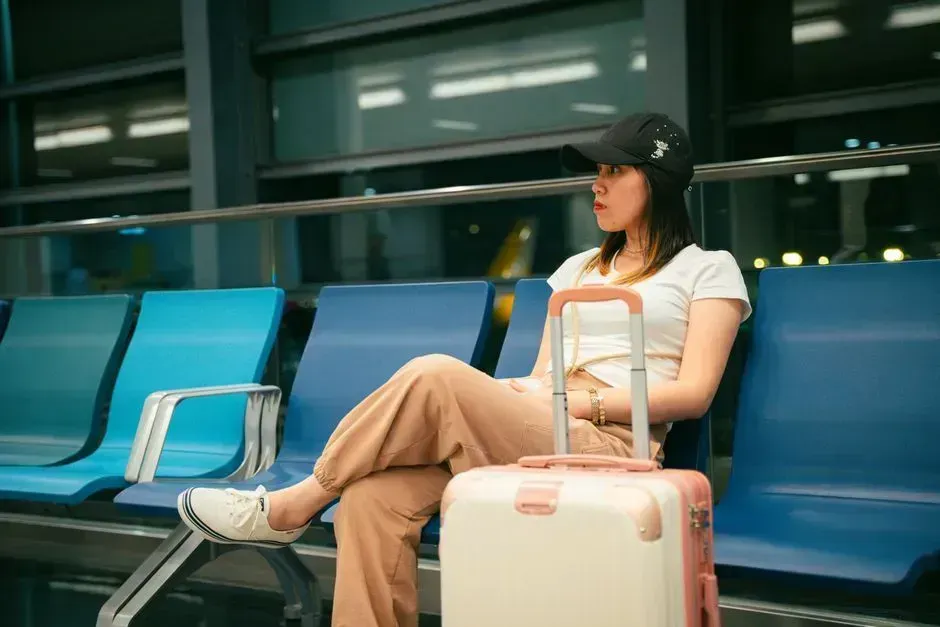
There was a long-standing idea that flying meant dressing up a bit, slacks instead of sweatpants, a blazer instead of a hoodie. It stemmed partly from an era when air travel was less common and felt like an occasion worth dressing for. Boomers were often taught that looking presentable on a plane was simply good manners.
Younger travelers largely see flights as functional rather than formal, prioritizing comfort over polish. Leggings, hoodies, and slip-on shoes have become the unofficial uniform of modern air travel, especially on long-haul routes. Comfort-focused loungewear brands have expanded rapidly in recent years, a trend at least partly fueled by travelers who’d rather be comfortable than composed.
3. Ironing clothes before folding them into the suitcase
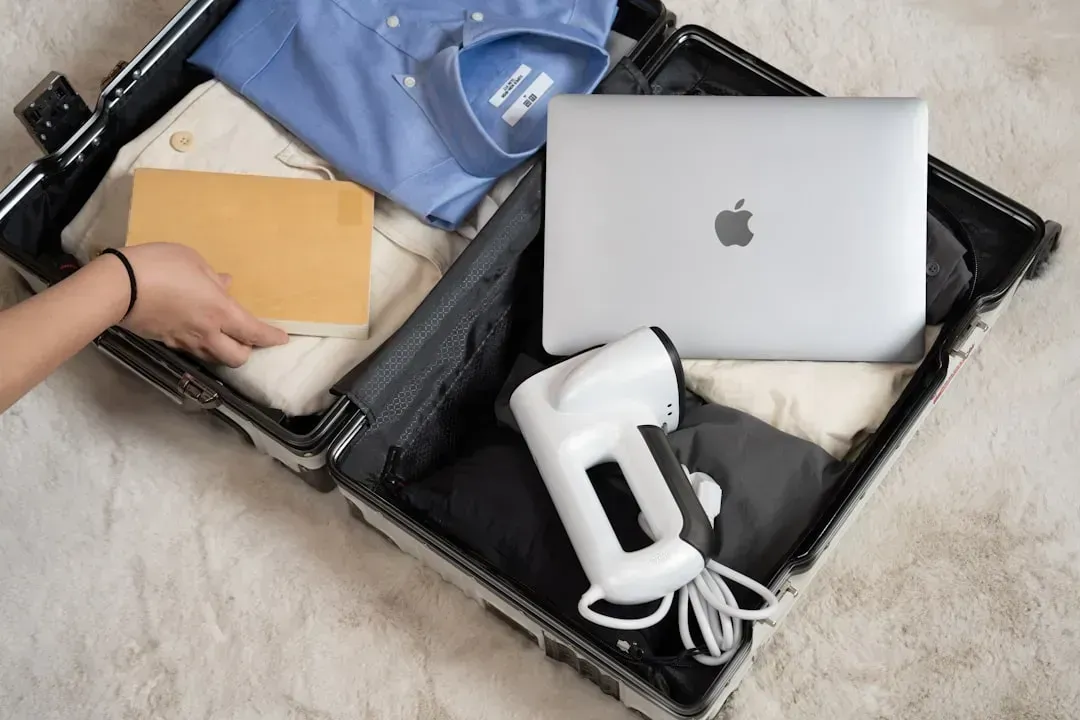
Older generations were often taught to iron shirts and pants before packing, keeping everything crisp until arrival. Some even packed a small travel iron just in case hotel amenities didn’t include one. The goal was to arrive looking put-together, no matter how long the flight or how cramped the cabin.
Millennials have largely swapped ironing for rolling clothes tightly to save space and reduce wrinkles naturally. Wrinkle-resistant fabrics have also become far more common in everyday clothing lines, reducing the need for pressing altogether. Packing cubes, which compress clothing into tight bundles, have become a popular substitute for the ironing board entirely.
4. Packing extra “just in case” items for every scenario
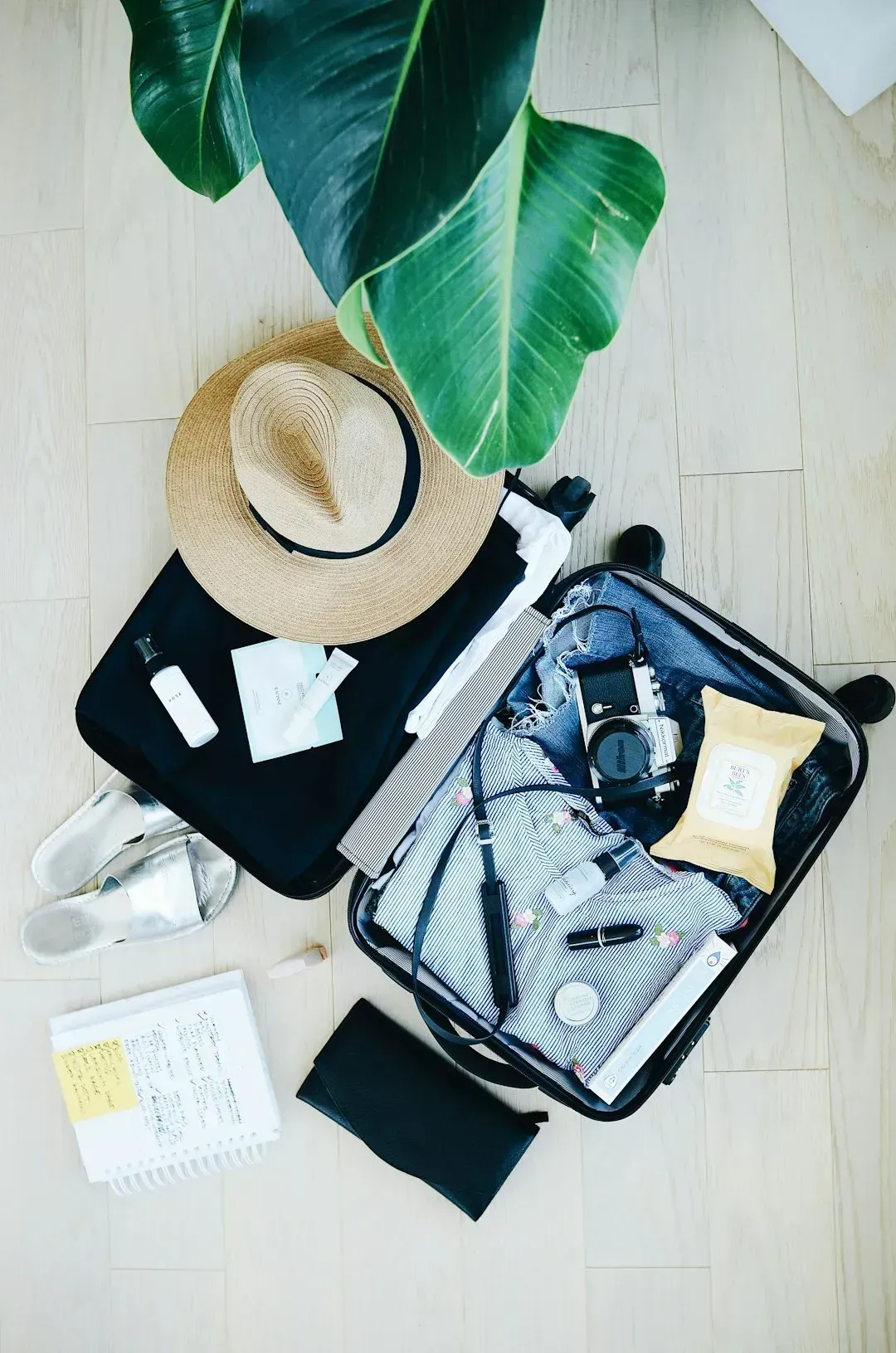
Boomers were frequently taught to overpack slightly, bringing a spare sweater, an extra pair of shoes, or a backup toiletry kit in case something got lost or damaged. This came from a time when replacing forgotten items abroad wasn’t always convenient or affordable. Better safe than sorry was often the guiding principle.
Millennials tend to pack closer to the bare minimum, trusting that most items can be bought locally if truly needed. Global access to pharmacies, convenience stores, and delivery apps has made “just in case” packing feel less necessary than it once did. Many younger travelers would rather travel light and problem-solve on arrival than lug around unused backups.
5. Using paper tickets, printed itineraries, and physical maps
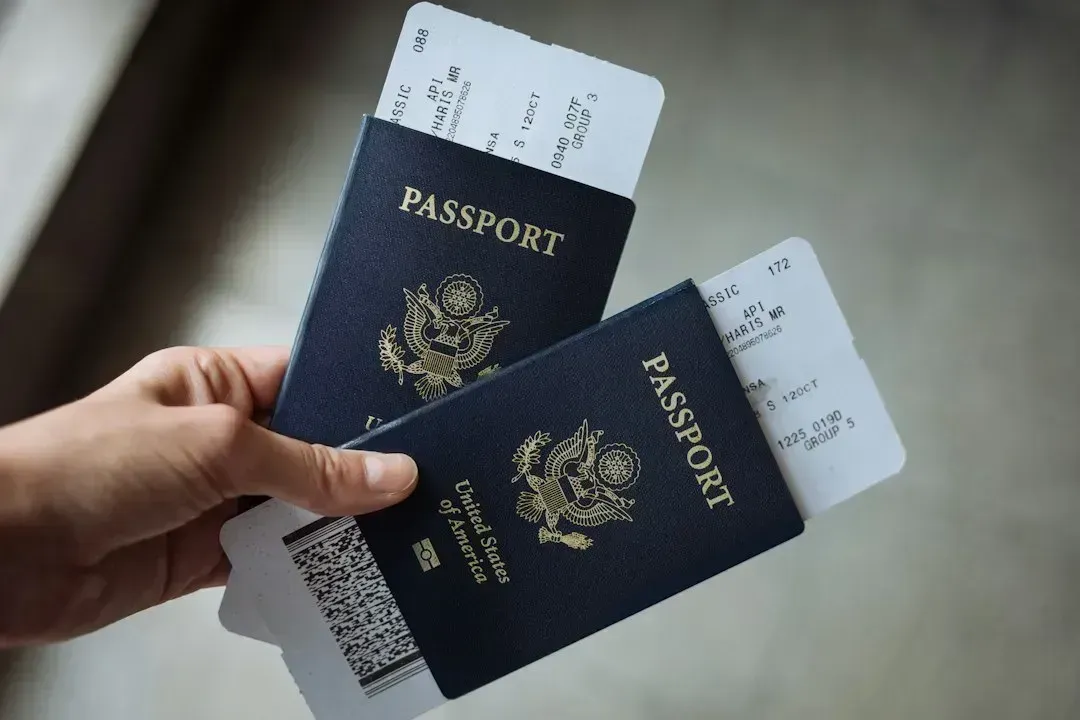
Packing a folder of printed boarding passes, hotel confirmations, and paper maps was standard advice for decades. It wasn’t just about convenience, it was about having a backup in case anything went wrong electronically. Boomers were taught to treat that paper folder almost like a passport, essential and not to be misplaced.
Millennials rely almost entirely on smartphones, storing boarding passes, reservations, and offline maps digitally. Mobile boarding passes have become standard across most major airlines, and many airports now support digital check-in from start to finish. The paper folder has largely been replaced by a phone with a full battery and a couple of downloaded apps.
6. Packing a separate bag just for toiletries and medicine

Older travelers were often taught to dedicate an entire toiletry bag to full-sized shampoo, lotion, and a stocked first-aid kit. It reflected a mindset of self-sufficiency, since hotels weren’t always guaranteed to provide the basics. That bag alone could take up a significant chunk of luggage space.
Millennials tend to travel with smaller, multi-purpose products or rely on what’s provided at their accommodation. Security regulations limiting liquids in carry-ons have also pushed younger travelers toward solid toiletries like shampoo bars or travel-sized refillable bottles. The full first-aid kit has often been trimmed down to a few essentials tucked into a side pocket.
7. Bringing separate shoes for every outfit and activity
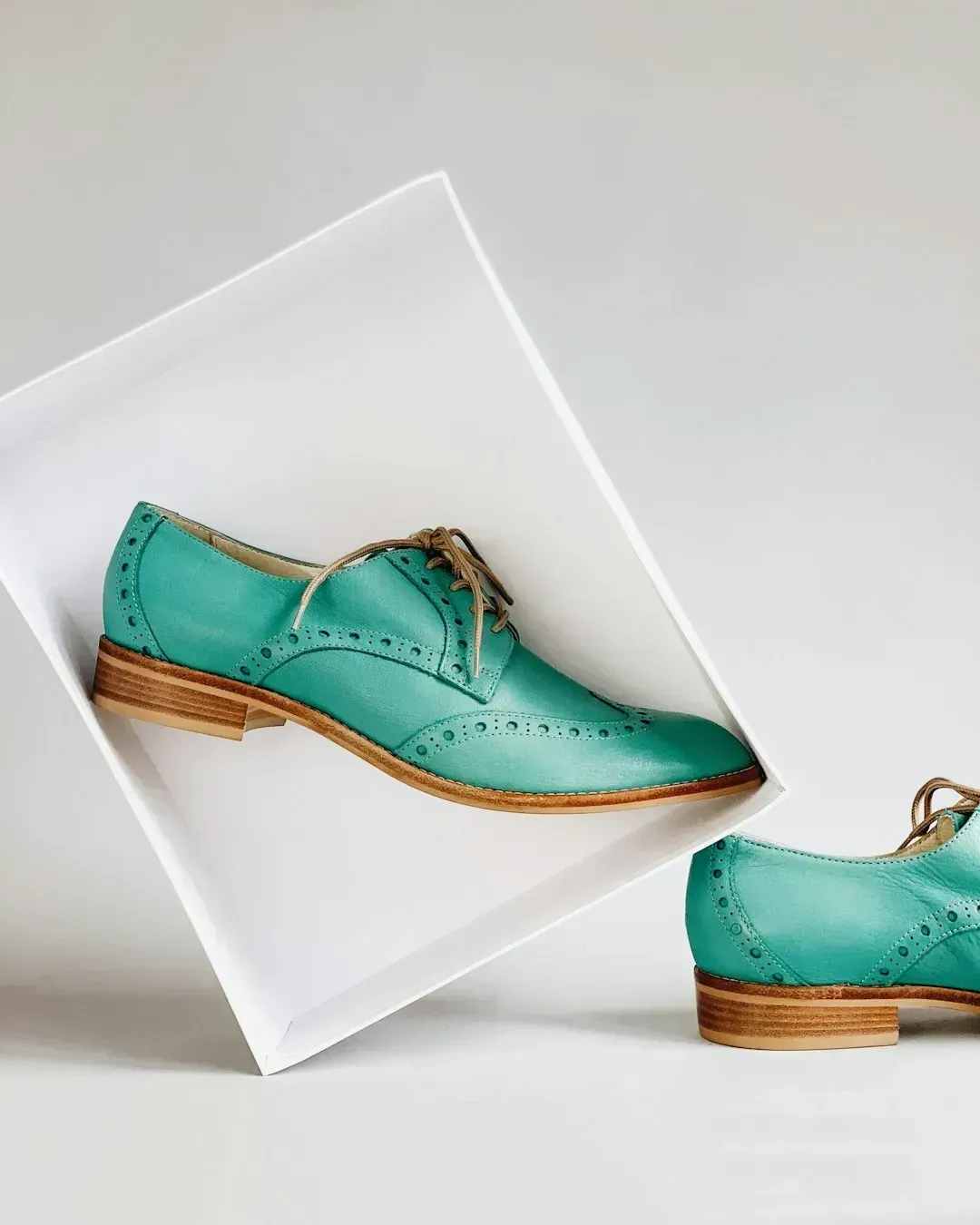
Boomers were taught that shoes finished an outfit, and different occasions called for different pairs, dress shoes, walking shoes, and something for the beach or pool. A single trip could easily mean packing three or four pairs of shoes, which took up considerable suitcase space. Shoes were treated as non-negotiable extras rather than something to minimize.
Millennials generally limit themselves to one or two versatile pairs that can handle walking, dining, and casual outings alike. Sneakers that look presentable but remain comfortable for long days have become a popular middle ground. The logic is simple: fewer shoes mean more room for everything else, and most trips don’t actually require a wardrobe of footwear.
8. Packing heavy, hardshell suitcases as the default choice
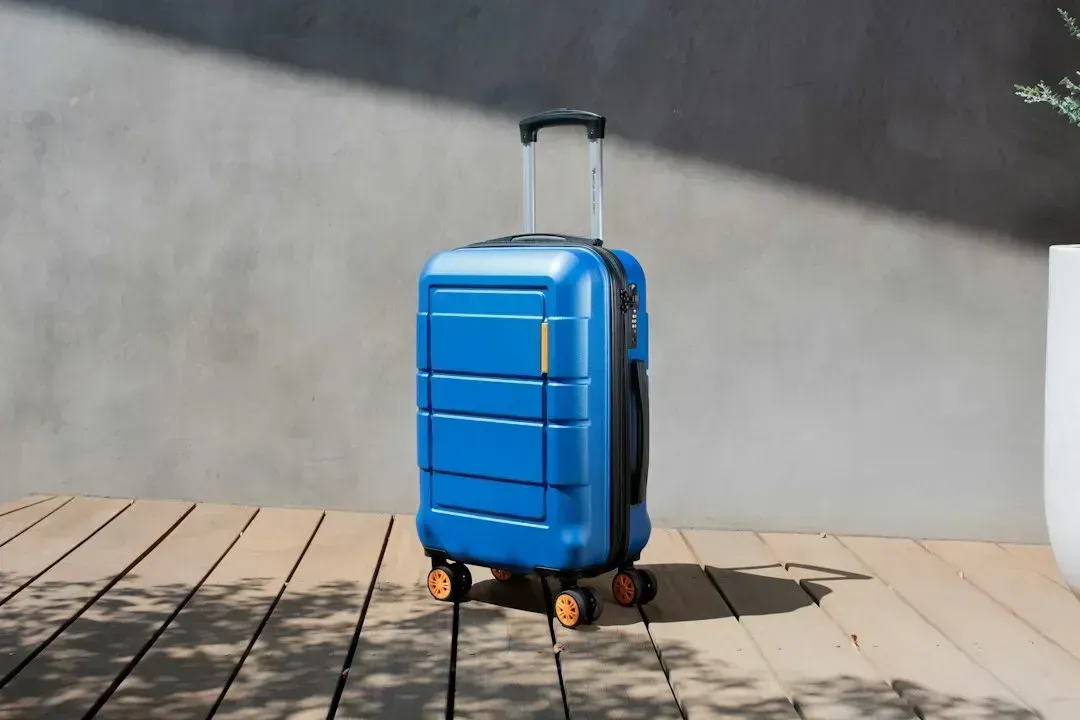
For a long time, sturdy hardshell suitcases were considered the responsible choice, protecting belongings from rough handling during transit. Boomers were often taught to invest in a solid, heavy-duty case built to last for years. Durability mattered more than weight, even if that meant sacrificing packing space to the suitcase itself.
Millennials increasingly favor lightweight soft-shell luggage or structured backpacks that maximize interior space while minimizing empty weight. With baggage fees tied closely to weight limits, every extra pound of suitcase competes directly with what can actually be packed inside. Brands offering ultralight frames and expandable compartments have grown in popularity as a direct response to that shift.
9. Packing books, guidebooks, and paper novels for the trip
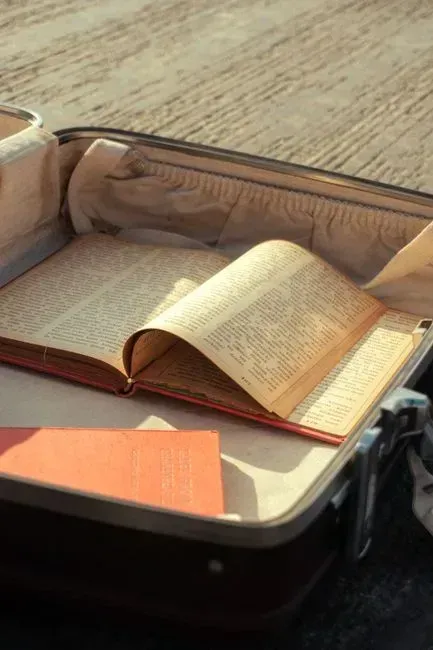
Older generations were taught to pack a couple of paperbacks or a thick travel guidebook to keep busy during flights and downtime. It wasn’t unusual to see a suitcase with a dedicated slot just for reading material. Guidebooks in particular were treated as essential research tools for navigating an unfamiliar destination.
Millennials typically carry e-readers, tablets, or simply rely on their phones for both entertainment and travel information. Digital travel guides, translation apps, and downloaded shows have made printed books feel like unnecessary extra weight. A single lightweight device now often replaces what used to be a small stack of paperbacks.
10. Wrapping and packing formal gifts or souvenirs for family back home
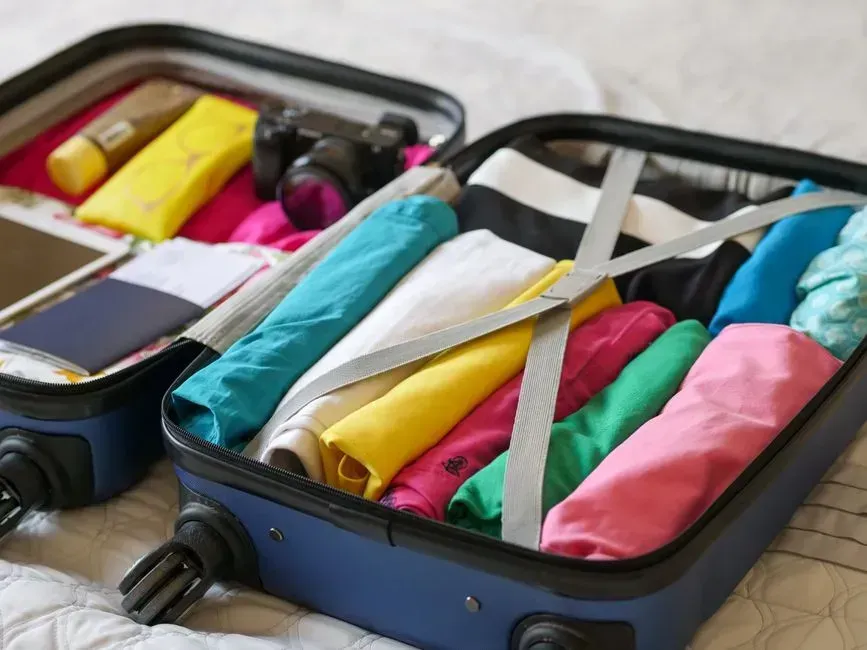
Boomers were often taught to leave room in the suitcase specifically for gifts, bringing back wrapped souvenirs or local specialty items for relatives and friends. Entire sections of luggage were sometimes reserved just for this purpose, planned before the trip even began. Returning empty-handed wasn’t really considered an option.
Millennials are more likely to send digital photos, skip souvenirs altogether, or pick up something small and practical rather than ceremonial. Shipping services and online shopping have also made it easier to send gifts directly rather than carrying them through several flights. The suitcase space once reserved for presents now tends to go toward personal items instead.
These shifts reflect broader changes in how people travel now, shaped by tighter airline policies, smaller carry-on allowances, and a growing preference for convenience over tradition. What one generation saw as thoughtful preparation, another has reframed as unnecessary weight, both literally and otherwise.





Leave a Reply