
Most travelers walk up to a hotel front desk assuming the room, the rate, and the rules are fixed. In practice, agents have more room to adjust than many guests realize, especially when the hotel isn’t full. A calm, friendly tone often matters more than any clever script.
None of the requests below are guaranteed, and results vary by hotel, brand, and how busy the night is. Still, these are the ones agents can most often say yes to. Asking costs nothing, and the worst outcome is a polite no.
1. Early Arrival Access to Your Room
Standard arrival times are usually mid afternoon, but rooms are sometimes ready hours sooner. If housekeeping has finished and the previous guests have left, an agent can often assign you a room right away. Calling ahead or asking when you arrive gives them the chance to flag it.
Flexibility helps. Saying you’re happy to take any available room type, rather than a specific one, makes a yes far easier. If nothing is ready, many desks will hold your bags and text you when a room opens.
2. A Later Departure Time

Late checkout is one of the most common favors guests ask for. Agents can usually see the next day’s arrivals, so if your room isn’t needed until the afternoon, an extra hour or two is often simple to approve. Some hotels offer it as a perk for loyalty members, while others may charge a modest fee for a longer extension.
Asking the evening before, or first thing that morning, works best. Sunday stays at business oriented hotels tend to be easier, since demand is often lower. Fully booked weekends are a tougher sell.
3. A Room Upgrade When Space Allows

Upgrades are never owed, but front desks do use them to reward goodwill. If a better room is empty and would otherwise go unsold, an agent may be happy to move you into it. Mentioning a special occasion, such as an anniversary, gives them a friendly reason to say yes.
Keep the request light. Something like asking whether any nicer rooms happen to be open tends to land better than asking for a suite. Booking directly with the hotel and joining its free loyalty program can also improve your odds.
4. A Quieter Room or a Different Floor
Noise is one of the most common travel complaints, and agents know which rooms tend to be loud. Rooms near elevators, ice machines, or busy streets can be swapped for quieter ones when inventory allows. Asking for a higher floor, or one away from the lobby, is a reasonable request at check in.
Specific preferences help the agent help you. Saying you’re a light sleeper gives context, and it’s easier to accommodate than a vague wish for something nice. Requests made at arrival are far simpler than after your bags are upstairs.
5. Extra Pillows, Towels, and Bedding
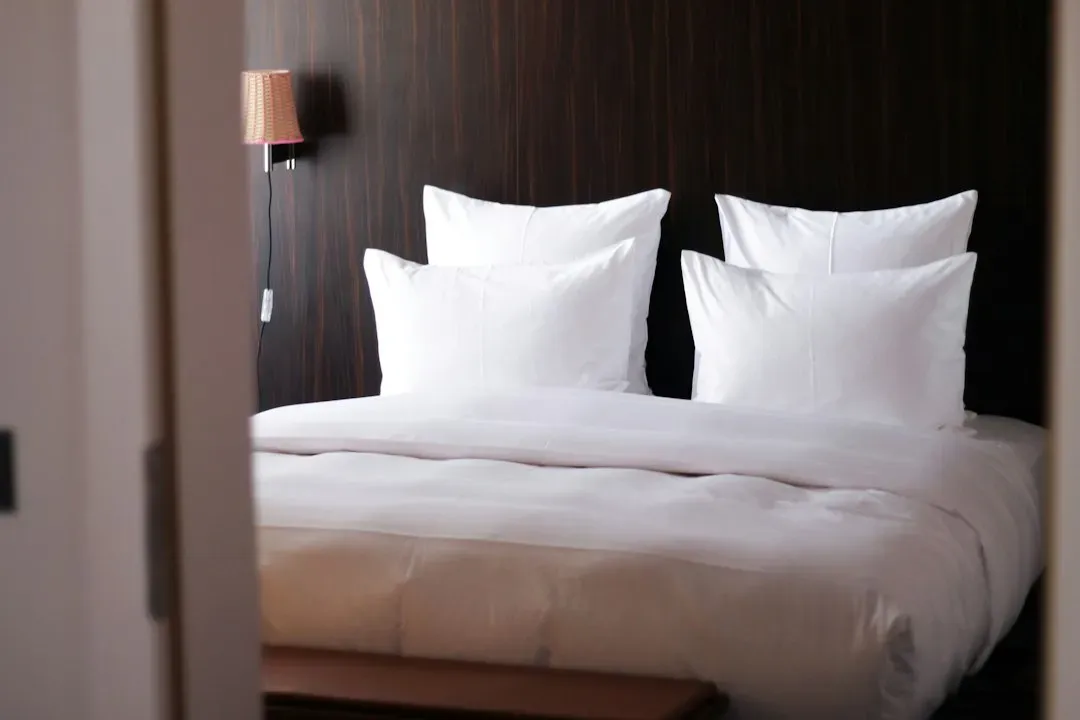
This is about as easy as requests get. Most hotels keep spare pillows, blankets, and towels ready, and housekeeping can bring them to your door quickly. Many properties also stock hypoallergenic pillows or firmer and softer options for guests who ask.
If you need something less common, like a rollaway bed or a crib, ask before you arrive. Those items are limited and some hotels charge for them. Basic linens, however, are almost always free.
6. Free Luggage Storage Before or After Your Stay

Flights and trains rarely match hotel schedules, so bag storage is a routine favor. Most front desks will hold luggage for guests on arrival day and after checkout, often at no charge. Staff usually tag the bags and keep them in a back room or a secured closet.
It’s smart to keep valuables, medications, and documents with you. Ask what time the desk is staffed so you know when you can collect your things. Some hotels will hold bags even for guests who haven’t checked in yet.
7. A Room Change If Something Is Wrong
If a room smells of smoke, has a broken air conditioner, or just feels off, speak up quickly. Hotels generally want to fix problems on the first night rather than lose a guest’s goodwill. When another room is available, moving you is often the fastest solution.
Be specific and polite about the problem. Explaining what’s wrong helps the agent choose a suitable replacement rather than just any open room. Reporting it promptly also gives the hotel a chance to send maintenance.
8. A Refrigerator or Microwave for Your Room
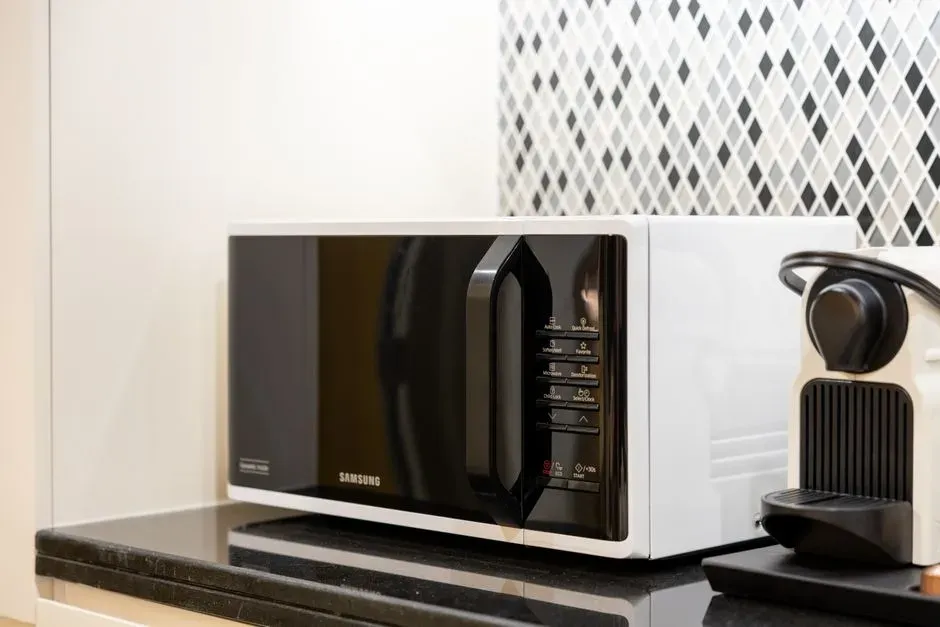
Rooms without a minibar fridge can sometimes get one delivered, particularly for guests who need to store medication, baby food, or leftovers. Some hotels provide them free for medical needs, while others may add a small fee. It’s worth asking when you book or arrive.
Microwaves are less common as add ons, but some properties have them available or can point you to a guest kitchen. Extended stay style hotels usually build these into the room. Availability is limited, so early requests fare better.
9. Printing Boarding Passes and Documents
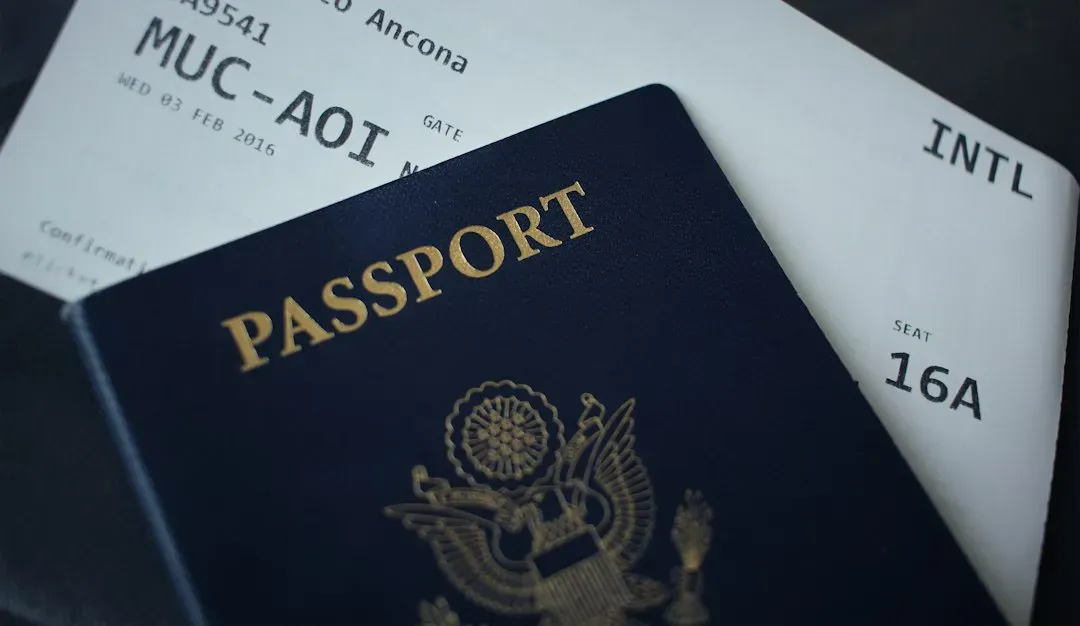
Even in a phone first world, paper still matters. Some airlines, visa forms, and event tickets want a printed copy. Many hotel front desks and business centers will print a few pages for guests without charge.
Emailing the file to the desk, or bringing it on a USB drive, makes it easier for staff. Larger jobs may be declined or charged. A couple of pages, asked for kindly, is rarely a problem.
10. Local Tips and Help with Reservations
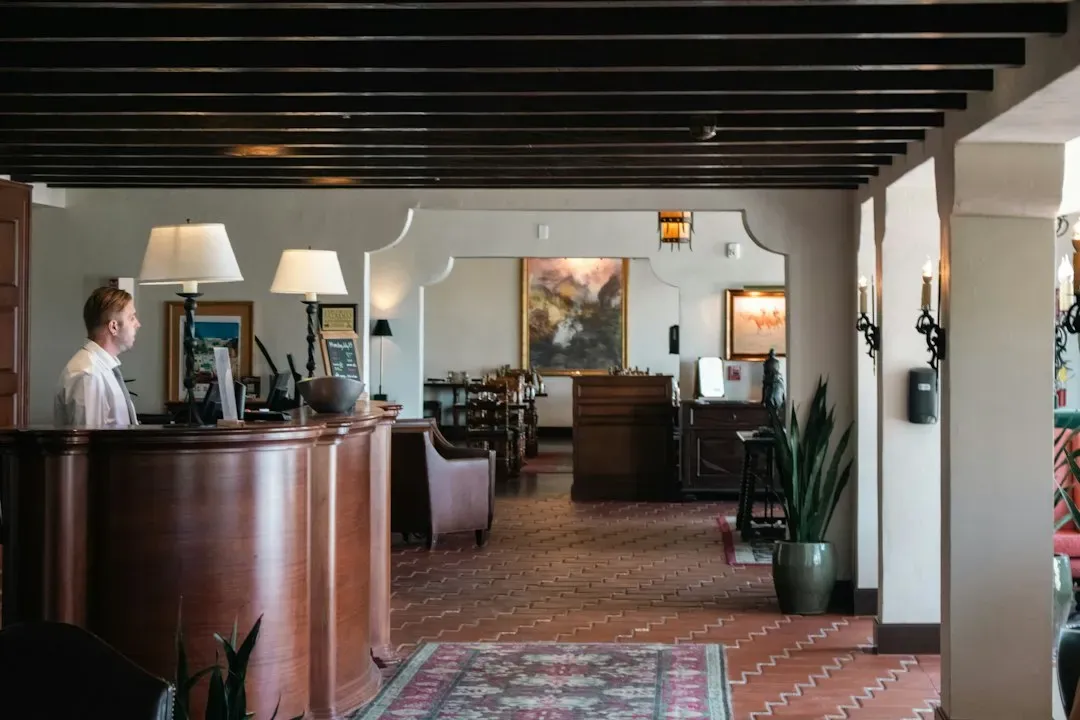
Front desk agents live in the neighborhood, and many keep a mental list of reliable restaurants, transit shortcuts, and places worth skipping. Asking for their honest favorites often gets better results than searching online. Many will also call ahead to book a table or arrange a taxi for you.
Some hotels have concierge desks that can go further, such as securing tickets or arranging tours. Details help: mention your budget, tastes, and how far you’re willing to travel. A small thank you, whether words or a tip for extra effort, goes a long way.





Leave a Reply