
Before phones and streaming, a family road trip ran on paper maps, a cooler on the back seat, and billboards that promised something worth stopping for. Many of those stops were odd, loud, and a little bit silly, which is exactly why kids remembered them.
Plenty of the places that filled station wagon windows in the 1970s are still open today. Here are ten that many parents of that era would recognize, along with what they were and what became of them.
Wall Drug, Wall, South Dakota
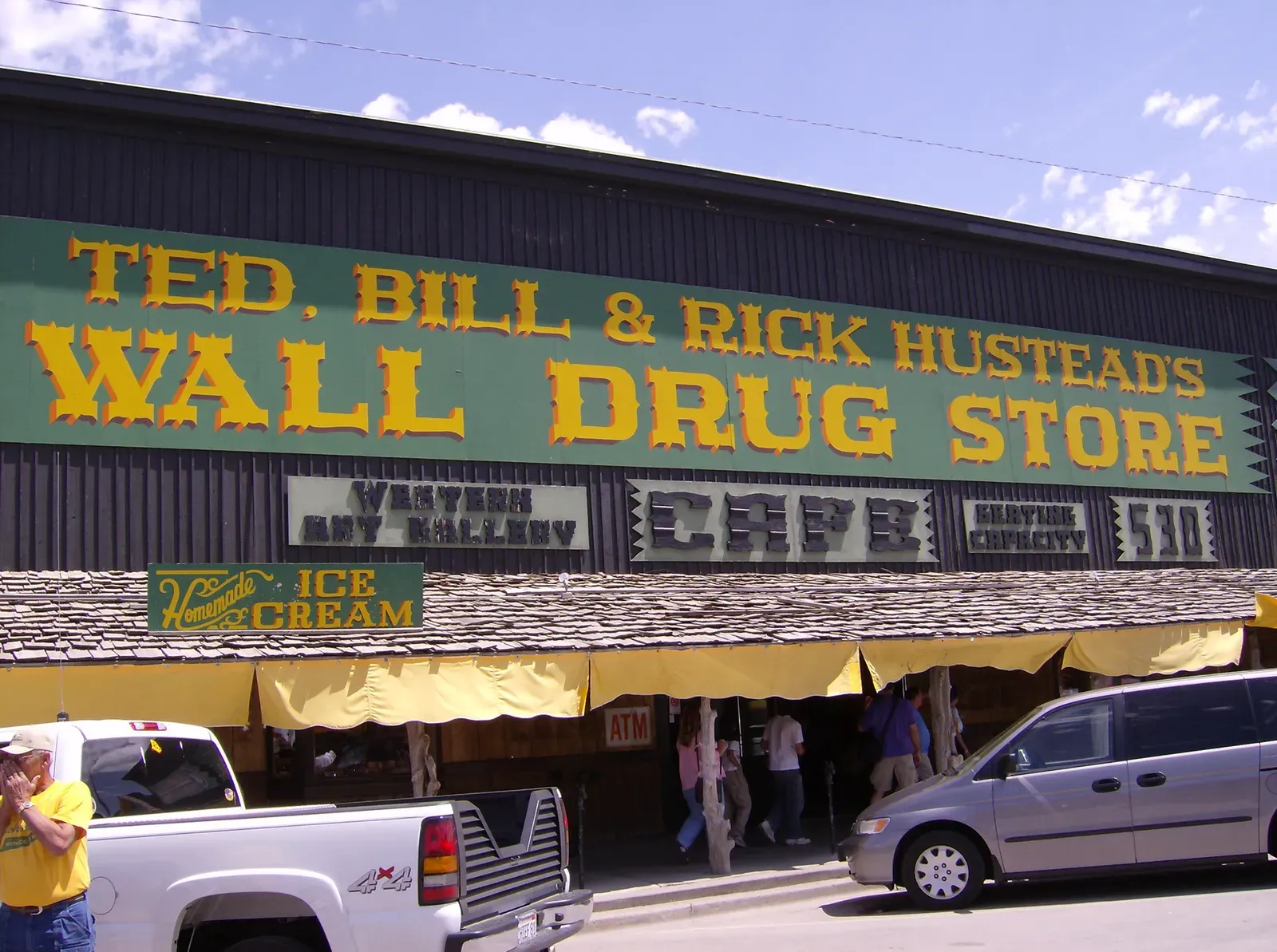
Ted and Dorothy Hustead opened their drugstore in 1931 in a tiny Badlands town. The business took off when they began offering free ice water to travelers crossing the dry prairie. By the 1970s, signs for the store appeared along highways across the country, and some even popped up overseas.
Today it has grown into a sprawling complex of shops, a café, and a backyard of photo props. It’s still known for the free water and the five cent coffee. For many families, the sheer number of billboards was half the fun of the drive.
South of the Border, Dillon, South Carolina
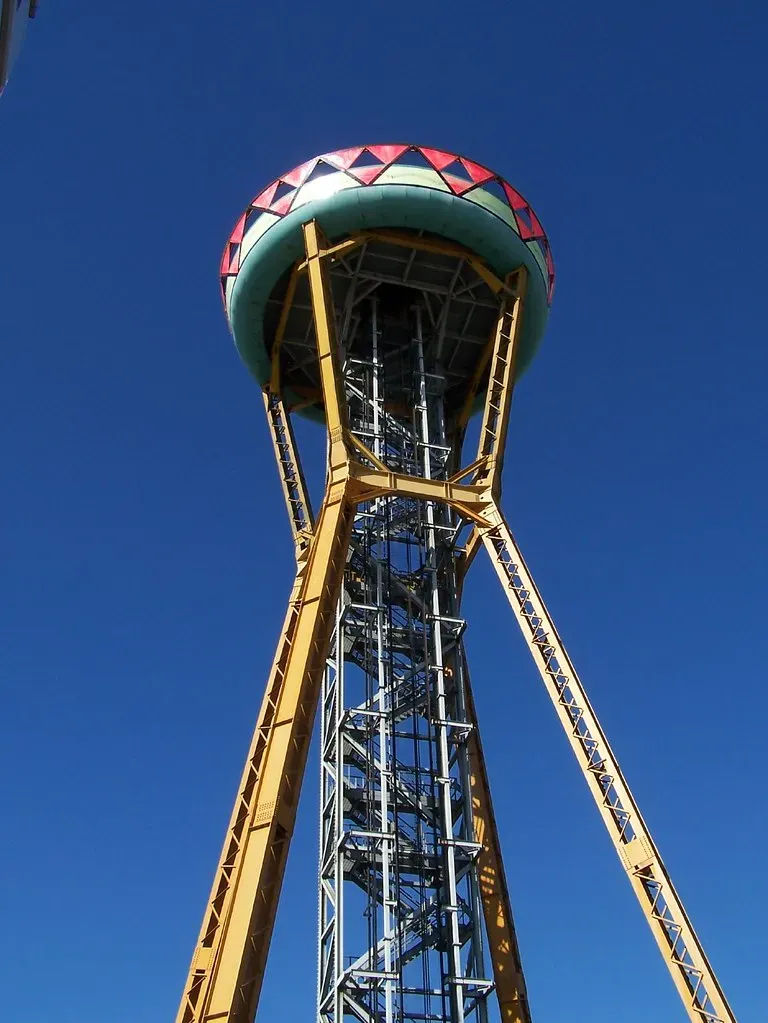
This roadside complex began in 1950 as a small beer stand near the North Carolina line. It grew into a sprawling stop along Interstate 95, with motels, restaurants, fireworks shops, and a mascot named Pedro. Billboards stretching for many miles built up the suspense long before drivers arrived.
The most recognizable landmark is Sombrero Tower, a tall observation structure that visitors can still ride up. Over the years the place has been scaled back, but it remains open. Kids of the seventies often remember the fireworks and the souvenir shops best.
Mystery Spot, Santa Cruz, California
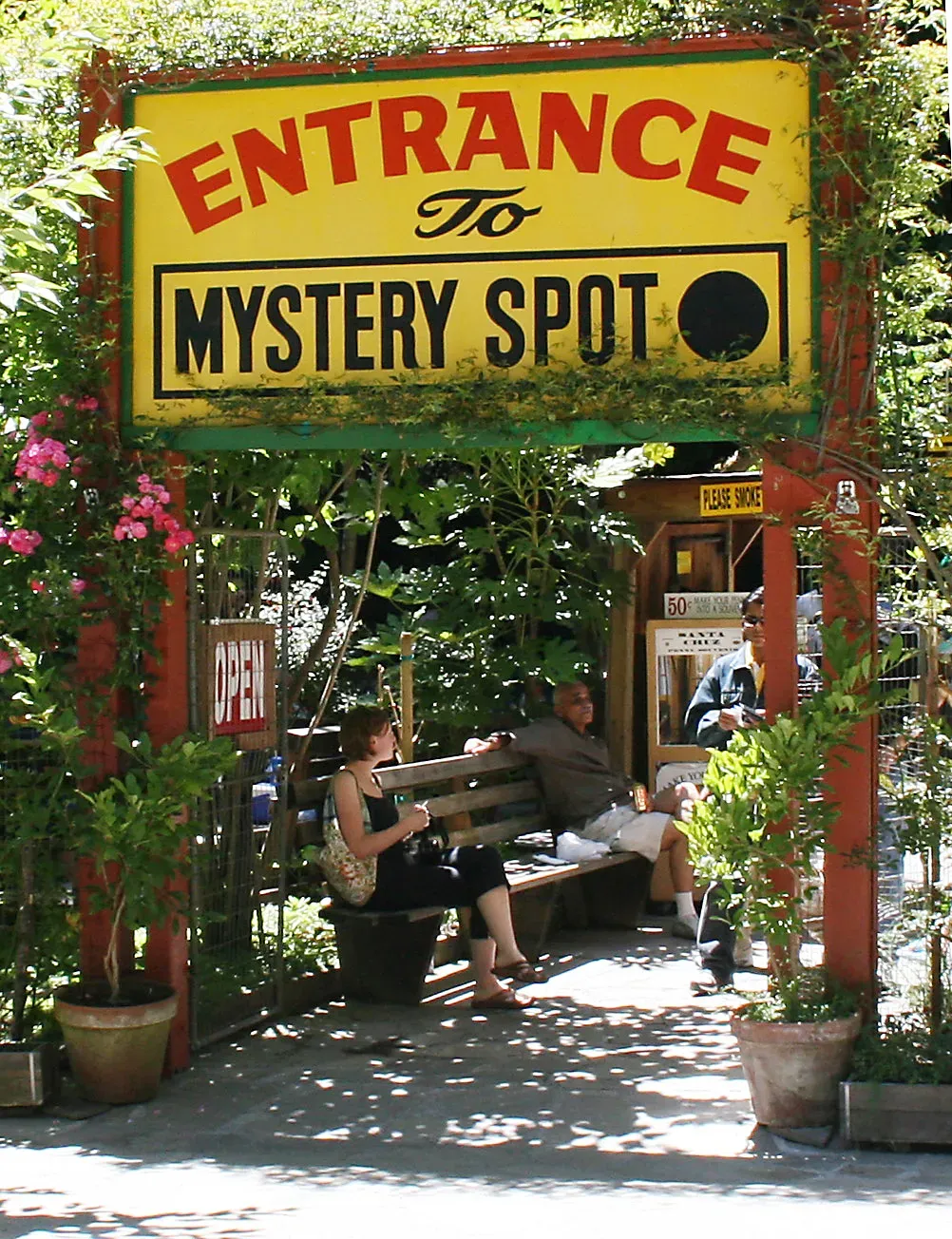
The Mystery Spot opened in 1941 in the redwoods near Santa Cruz. Guides lead visitors around a sloped, tilted area where people appear to change height and balls seem to roll uphill. The effect comes largely from the angled setup and tricks of perspective.
Families flocked to it for the bumper stickers as much as the tour. It’s still operating today and still runs the same style of guided walk. Parents who went as kids often say the odd lean in their stomachs is the part they remember most.
Rock City, Lookout Mountain, Georgia
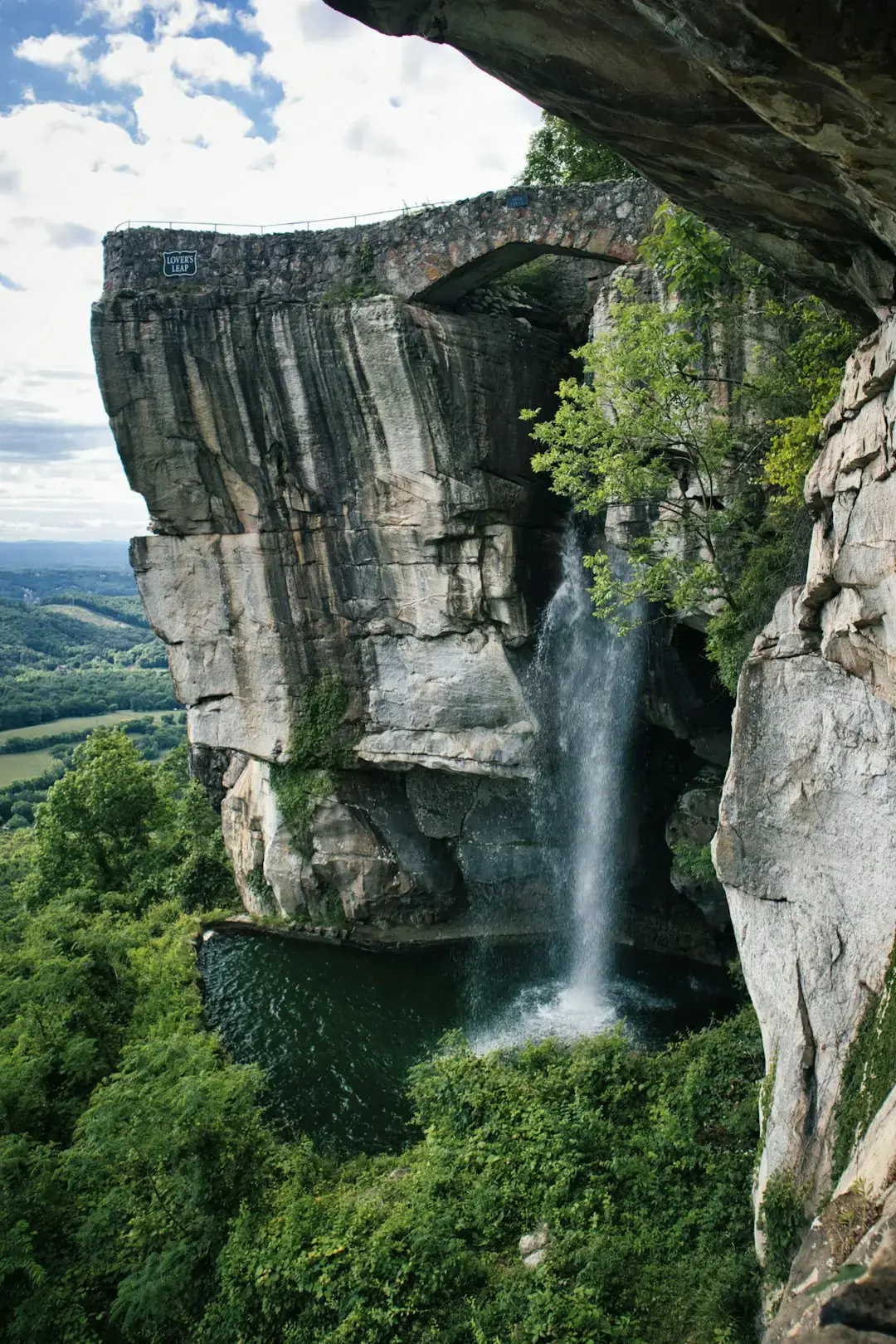
Rock City opened in 1932 as a garden trail winding through towering rock formations atop Lookout Mountain. Its owner, Garnet Carter, built a gift for travelers who wanted a view stretching across several states. The attraction became famous for painted barn roofs that urged drivers to see Rock City.
Those barns began to appear in the 1930s, and many were still visible along southern roads in the seventies. The attraction continues to welcome visitors, with the Swing-A-Long Bridge and Fairyland Caverns among its best known features. A handful of the old painted barns survive as rural landmarks.
Meramec Caverns, Stanton, Missouri
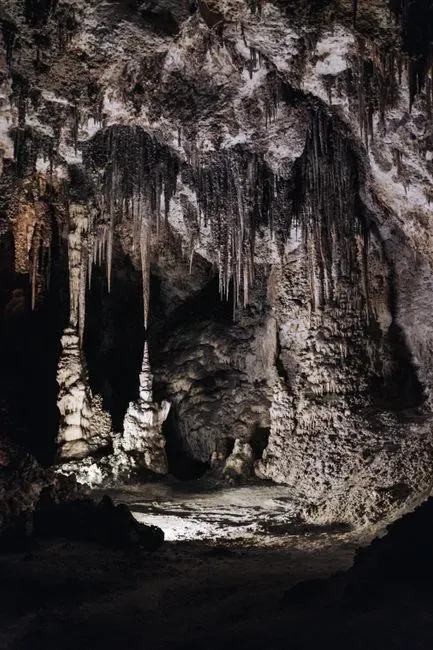
This cave system in Missouri was promoted for decades as a hideout of outlaw Jesse James. Owner Lester Dill made it famous with an aggressive advertising campaign, including bumper stickers and painted barn roofs along Route 66. Whether or not the legend is fully true, it drew crowds for generations.
Guided tours take visitors through large chambers and rock formations, ending with a light show. The caverns remain open and have added activities like zip lines and boat rides. For many parents, the cool air inside was a welcome break from a hot, sticky backseat.
Cadillac Ranch, Amarillo, Texas
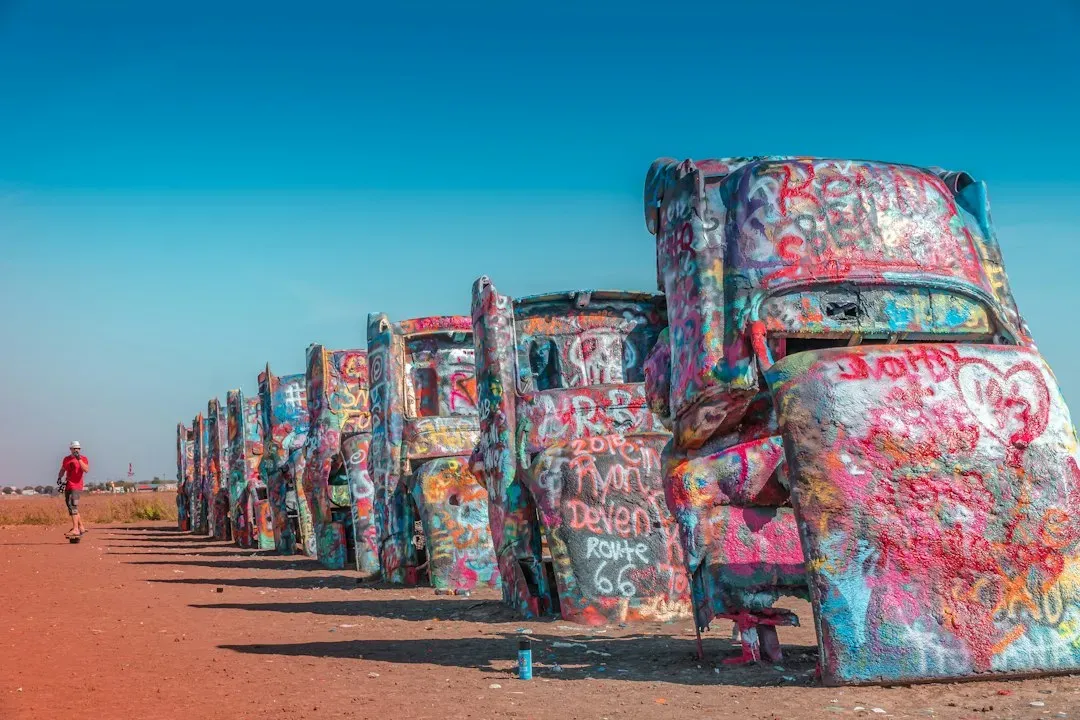
Cadillac Ranch was created in 1974 by the art collective Ant Farm, with funding from local millionaire Stanley Marsh 3. Ten Cadillacs, representing different tail fin eras, were buried nose down in a wheat field along Route 66. It was brand new in the seventies, so families were early witnesses to a now iconic piece of public art.
Visitors have always been encouraged to add their own spray paint, so the cars change color constantly. The site remains free and open, though it has moved from its first location to a spot a few miles west. Bring a can of paint if you want to leave your own mark.
Blue Whale of Catoosa, Oklahoma
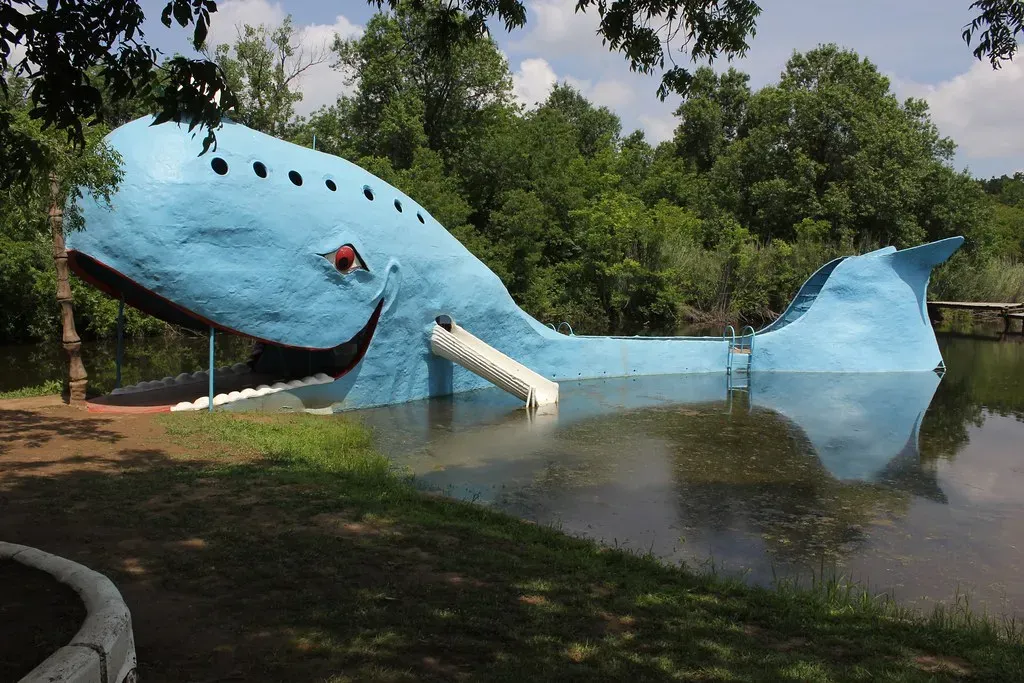
Hugh Davis built this smiling concrete whale along Route 66 as an anniversary gift for his wife, Zelta, who collected whale figurines. He finished the project in the early 1970s and turned the pond around it into a popular swimming hole. Families used to stop for a quick dip, a picnic, and plenty of photos.
The swimming days are long over, but the whale itself has been restored and remains a beloved Route 66 stop. Visitors can walk through the structure and picnic nearby. It’s a good example of how a personal gesture turned into a public landmark.
World’s Largest Ball of Twine, Cawker City, Kansas
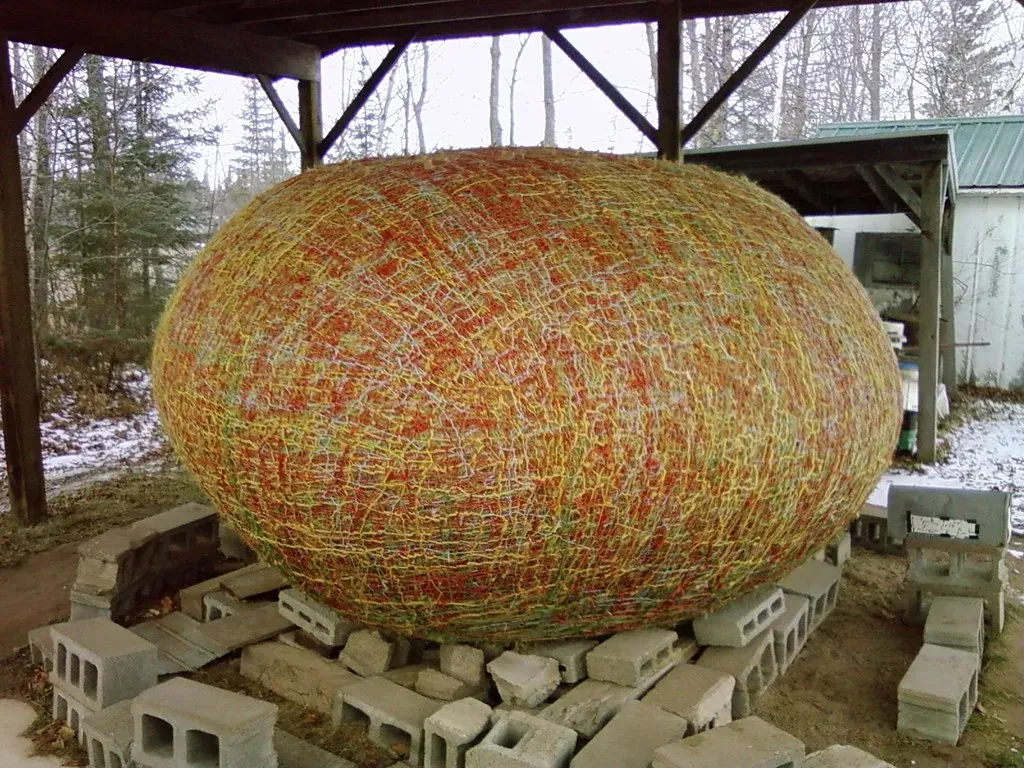
Frank Stoeber began winding sisal twine into a ball in 1953 on his farm in Kansas. After he finished, the town of Cawker City took over care of the ball and moved it to a downtown shelter. In the seventies it was already a curious sight for families crossing the plains.
The ball keeps growing today thanks to visitors who add twine, and the town holds an annual twine celebration in August. Other places claim larger twine balls, so the title is disputed. Still, Cawker City’s version remains the one with the strongest community story behind it.
Corn Palace, Mitchell, South Dakota
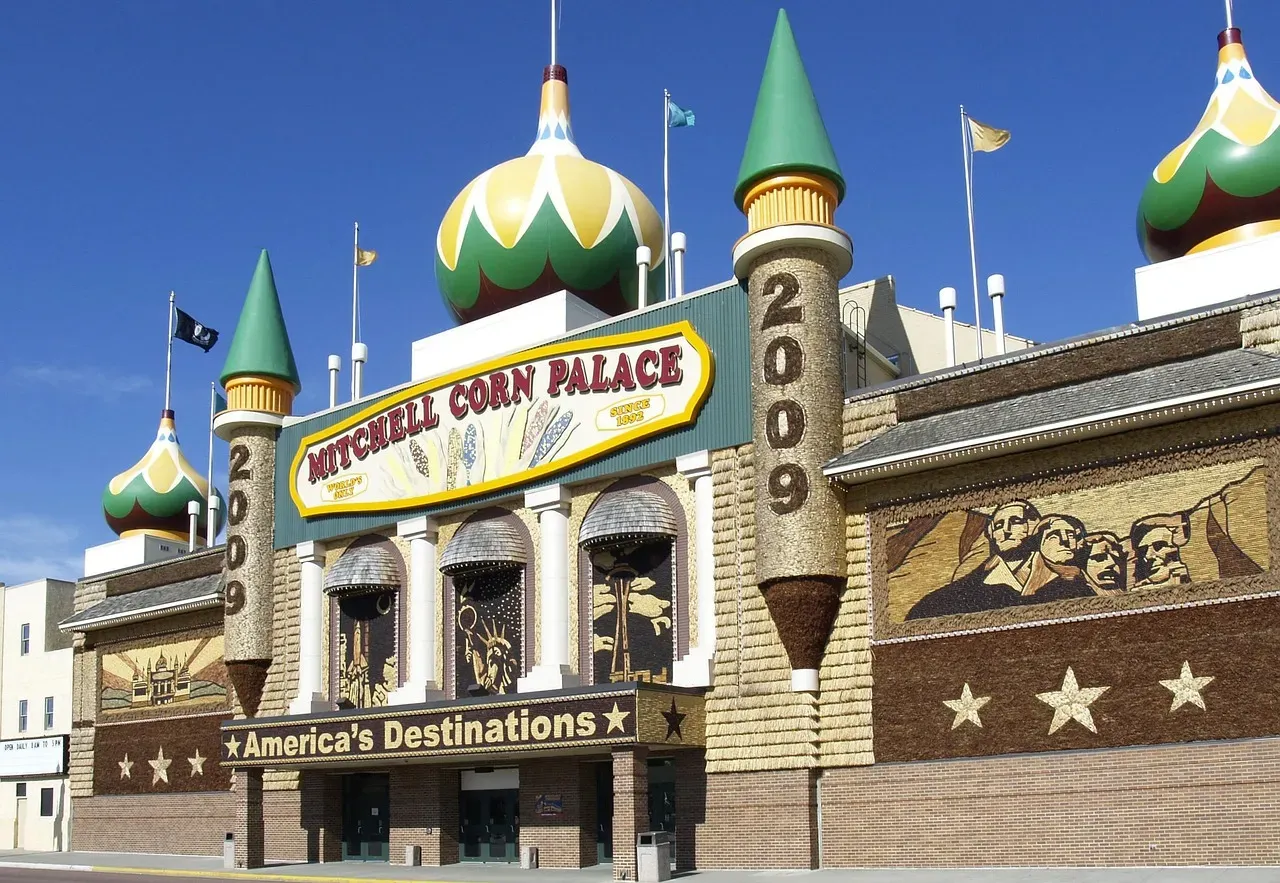
The Corn Palace is a civic arena in Mitchell whose exterior is decorated with murals made from corn and other grains. The designs are replaced every year, so each season brings a new theme. It was already a staple for families driving across South Dakota during the 1970s.
The building still hosts concerts, sports, and community events inside. The colorful murals use naturally colored corn, grasses, and grains rather than paint. Visitors can still stop in for free and see the current display.
Trees of Mystery, Klamath, California
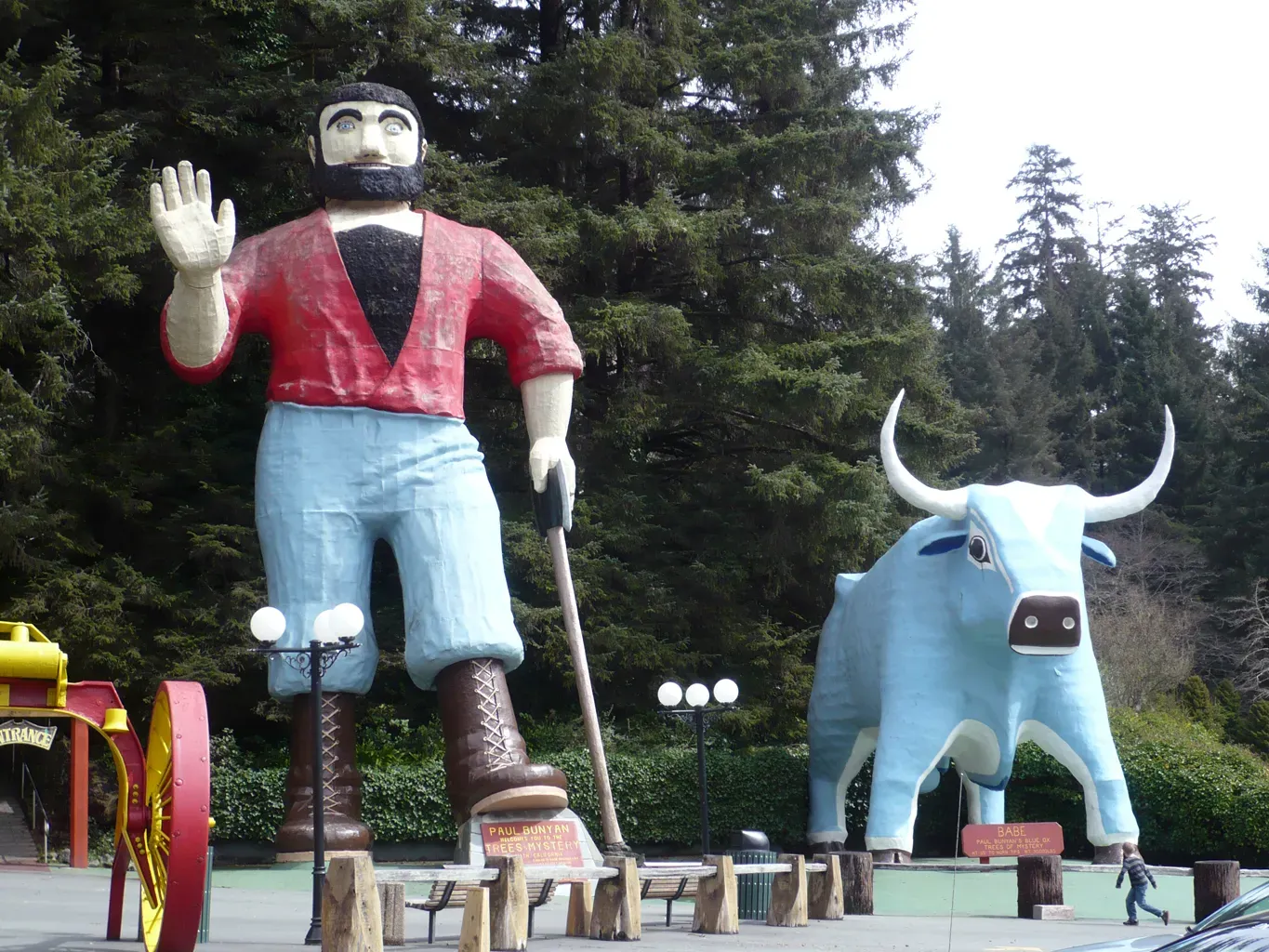
Trees of Mystery opened in 1946 in the redwood forest of Northern California. Its best known sight is a towering Paul Bunyan statue, roughly fifty feet tall, that greets visitors at the entrance. The giant figure has long been a favorite photo stop for families heading up Highway 101.
A walking trail leads visitors past redwoods carved into odd shapes and other forest curiosities. A gondola ride, added in more recent decades, carries guests above the treetops. The attraction remains in operation and keeps much of its classic roadside charm.




Leave a Reply