
Music is a strange kind of magic. You can listen to a song a hundred times, hum it in the shower, blast it at a party, and still have absolutely no idea what the artist was actually saying. Some of the most beloved hits in history are wrapped in a kind of beautiful deception, where the melody is bright and cheerful, and the story beneath is something else entirely.
Honestly, some of these revelations will make you listen to your favorite songs in a completely different way. A few might even make you a little uncomfortable. So buckle up, and let’s dive in.
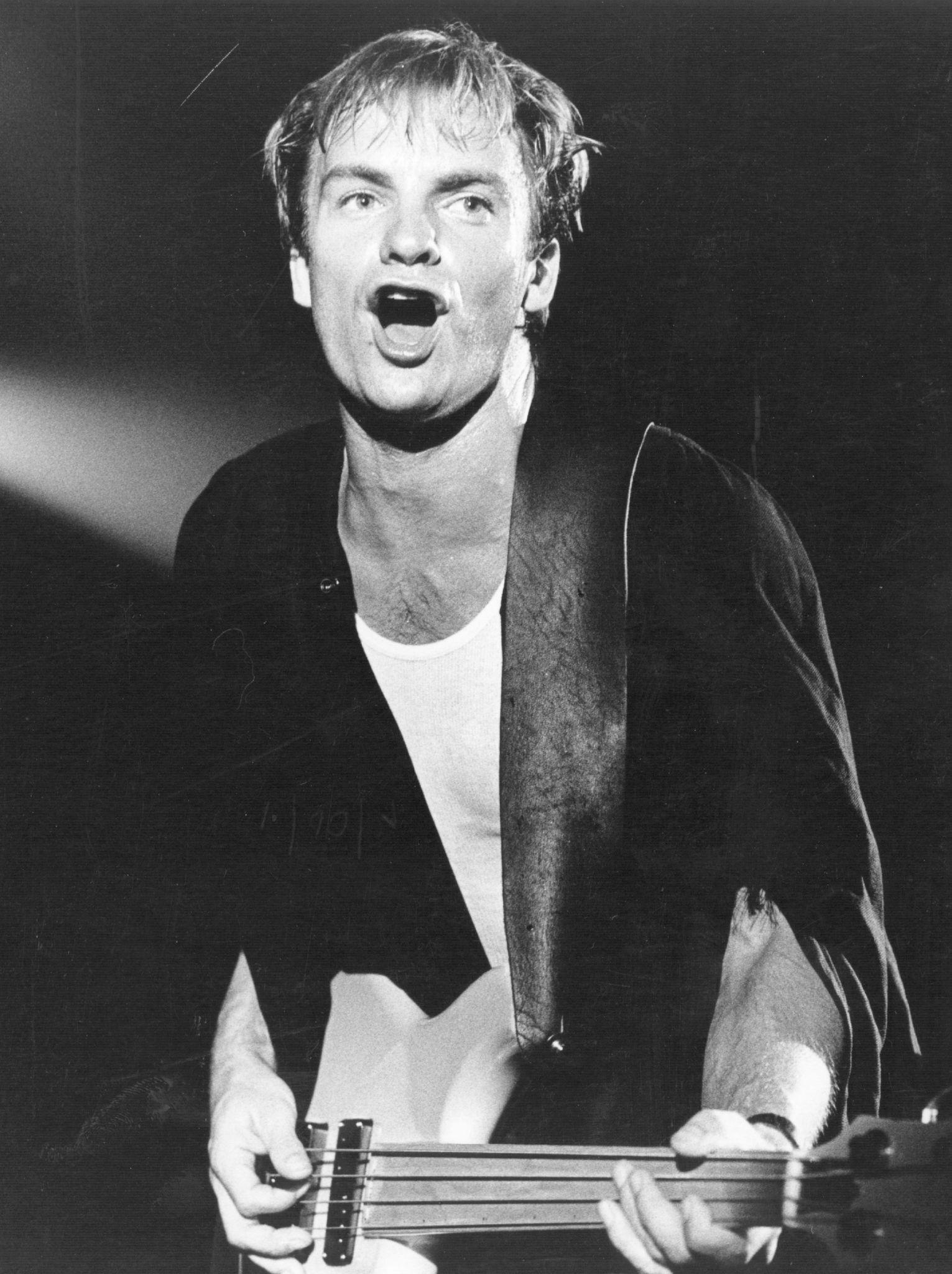
1. “Every Breath You Take” – The Police (1983): The Stalker’s Anthem Nobody Questioned
For decades, this song was played at weddings, dedicated between couples, and used as a backdrop for romantic moments around the world. It is one of the most misread songs in pop culture, and while many couples chose it as their romantic anthem, the truth is far more unsettling. The song is, at its core, about obsession and surveillance, not love.
Sure, this song is known as one of the most romantic love ballads of all time, but it’s actually quite creepy. Sting wrote the song about a breakup, and he didn’t mean for it to come off romantic. Every line about watching, every move, every breath, is the perspective of someone who cannot let go. The beauty of the melody buried the darkness for years.
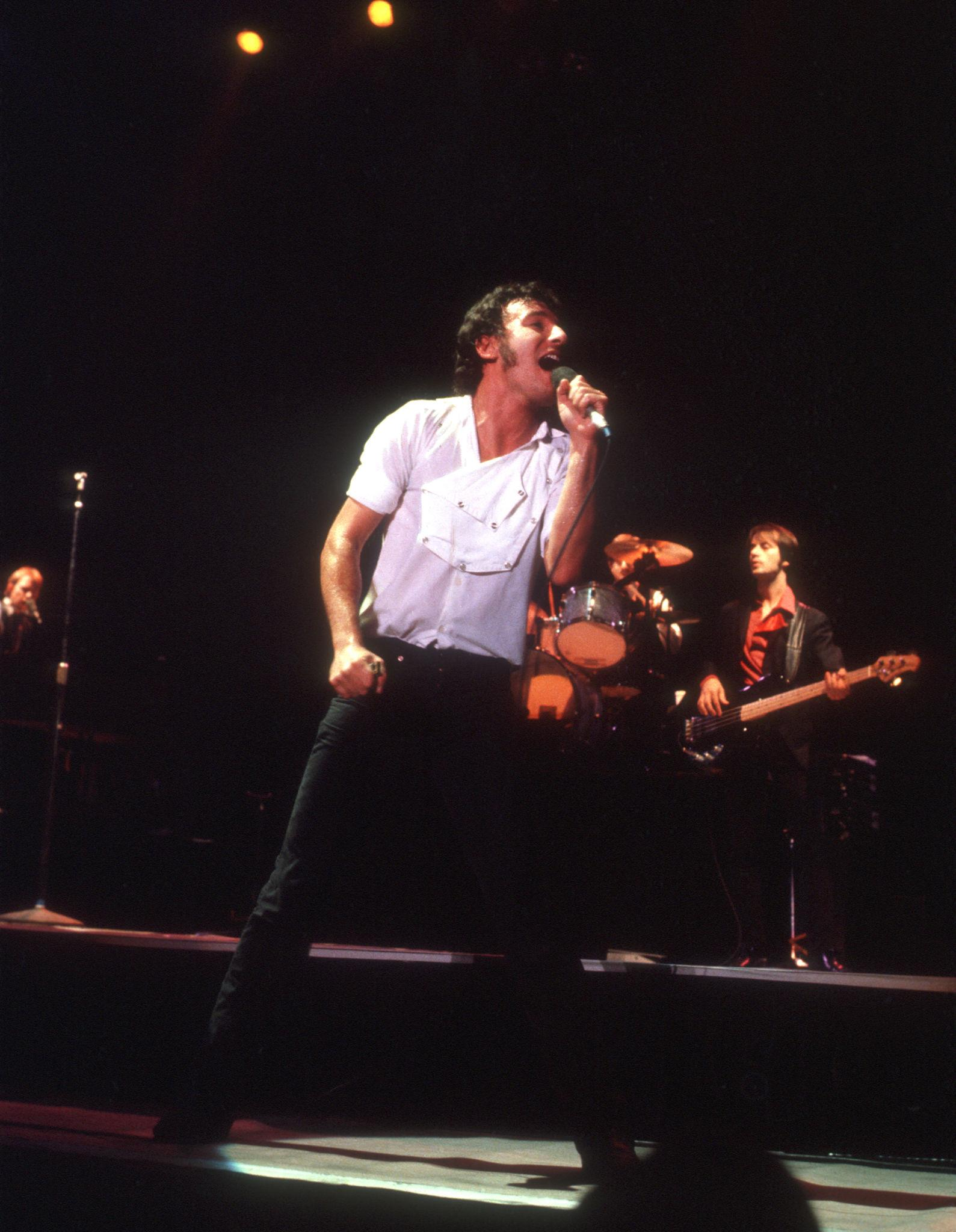
2. “Born in the U.S.A.” – Bruce Springsteen (1984): The Protest Song That Became a Rally Cry
No list of misunderstood songs is complete without “Born in the U.S.A.” As Songfacts points out, “Most people thought it was a patriotic song about American pride, when it actually cast a shameful eye on how America treated its Vietnam veterans… with the rollicking rhythm, enthusiastic chorus, and patriotic album cover, it is easy to think this has more to do with American pride than Vietnam shame.”
“Born in the U.S.A.” is the antithesis of the American Dream-chasing optimism that listeners construe the rock number as; the song captures the desperate feelings of a working-class citizen in post-Vietnam America. Politicians even tried to use it as a campaign anthem, completely missing the bitter irony baked into every verse. It remains one of the greatest misreadings in the history of popular music.
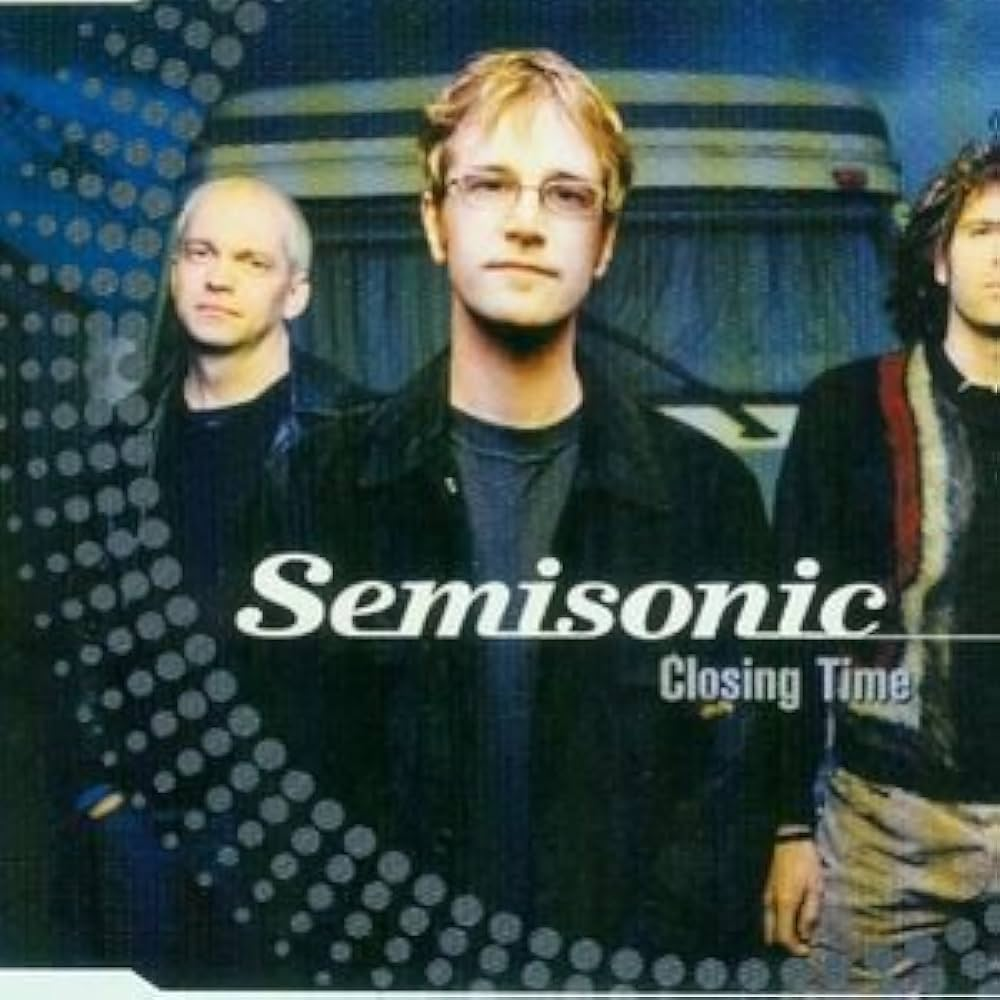
3. “Closing Time” – Semisonic (1998): Last Call or First Breath?
This song is often played during graduation ceremonies or at the end of wedding receptions because the lyrics seem to reflect on the closing hours of a bar or life event. However, the track is actually about the birth of Semisonic singer Dan Wilson’s daughter. Most listeners assumed it was a bar-closing song for years. The actual subject was a newborn entering the world.
Wilson said, “Some bouncers yelling things, closing time coming, all that imagery, literally, that’s how the song started and then when I was halfway done, I started realizing the whole thing was a pun about being born, so I just made sure that the rest of the thing could ride with that double meaning, but nobody got the joke and I didn’t bother to explain. I thought everyone would get it.” Turns out, hardly anyone did. The metaphor was sitting right there on the surface, and the world walked right past it.
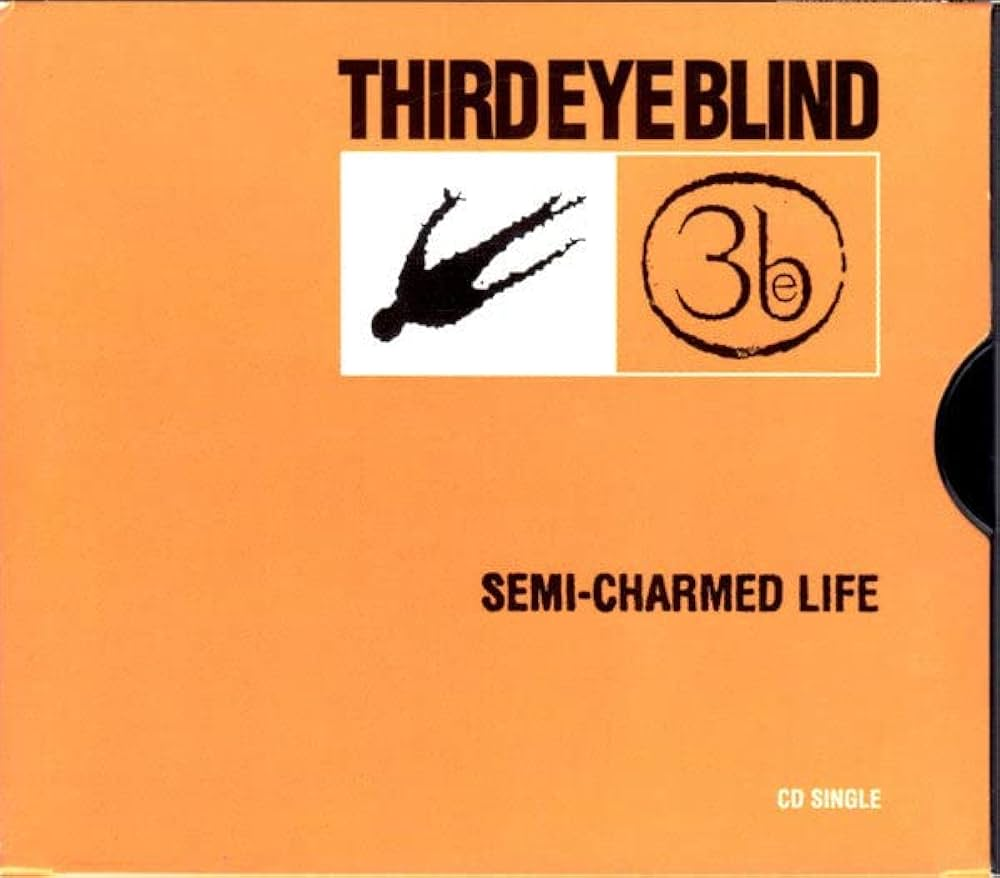
4. “Semi-Charmed Life” – Third Eye Blind (1997): The Sunny Drug Binge
The song is perhaps one of the most universally misunderstood popular songs. It has been used in movie montages to denote a certain “good life” aesthetic, but the real meaning behind the lyrics is darker than the melody makes it seem. In reality, this is a song about a drug bender. The bouncy guitar and almost childlike energy of the song masked the subject completely.
Radio purists of the ’90s probably missed out on the fact that the upbeat Third Eye Blind anthem is about a couple on a crystal meth binge, and the two censor-triggering words would get backmasked in an edited version of the song played by radio stations. Lead vocalist Stephan Jenkins has explained, “When I wrote ‘Semi-Charmed Life,’ the guitar riff was intended to have this shiny thing because that was a feeling of speed.” That’s one of the most brilliant disguises in pop history.
5. “Good Riddance (Time of Your Life)” – Green Day (1997): Rage Dressed as Nostalgia
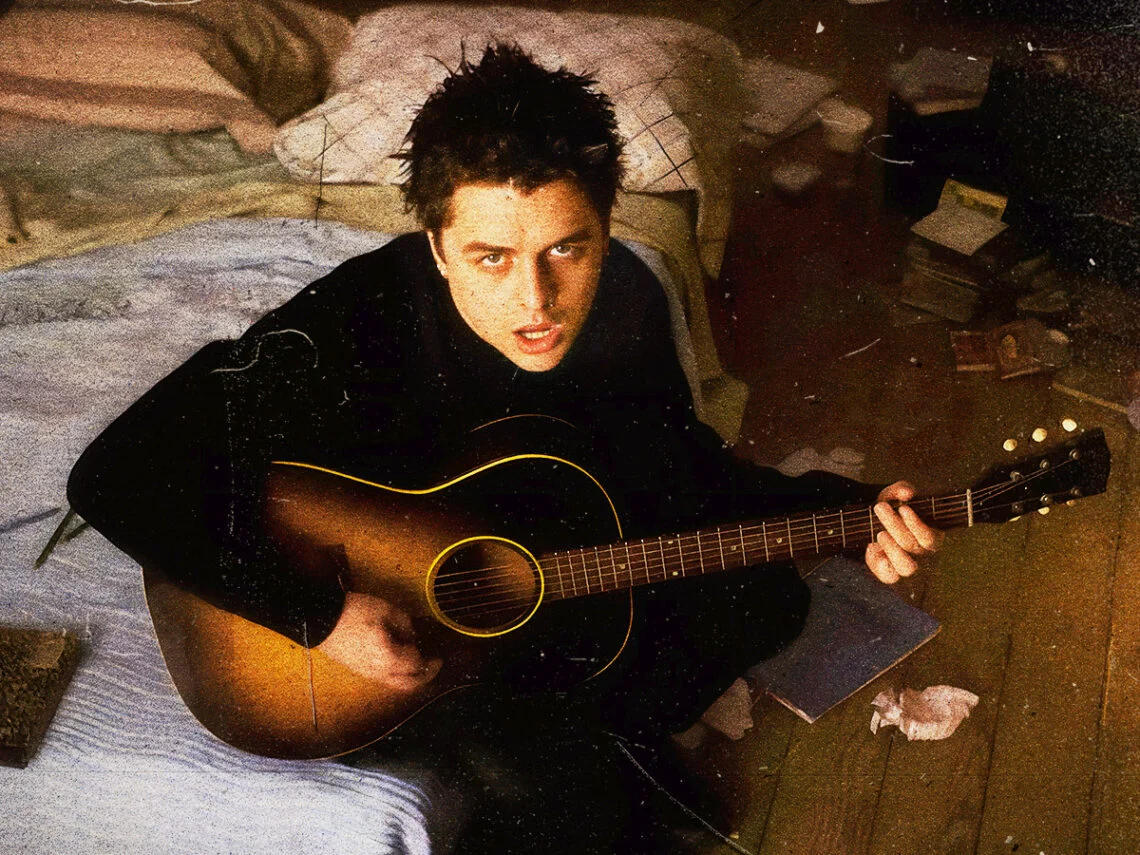
If you have attended a graduation ceremony, funeral, wedding, or goodbye party in the last 20 years, it’s highly likely that you’ve heard “Good Riddance (Time of Your Life)” by Green Day. The 1997 song has been widely interpreted to be about moving on to the next chapter of one’s life. But in 2006, the band’s lead singer, Billie Joe Armstrong, confessed to Guitar World that the song was actually penned when he was feeling incredibly angry and resentful over a breakup with an ex-girlfriend who was moving to Ecuador.
Armstrong said that this song was written about a breakup he had gone through back in the day. His girlfriend at the time dumped him to move to Ecuador, and “Good Riddance” was his angsty way of dealing with it. Yet for decades, schools used it to send off graduates. There’s something almost poetic about that unintentional irony. Let’s be real, it’s also a little bit funny.
6. “Hey Ya!” – OutKast (2003): The Breakup Hit That Made Everyone Dance
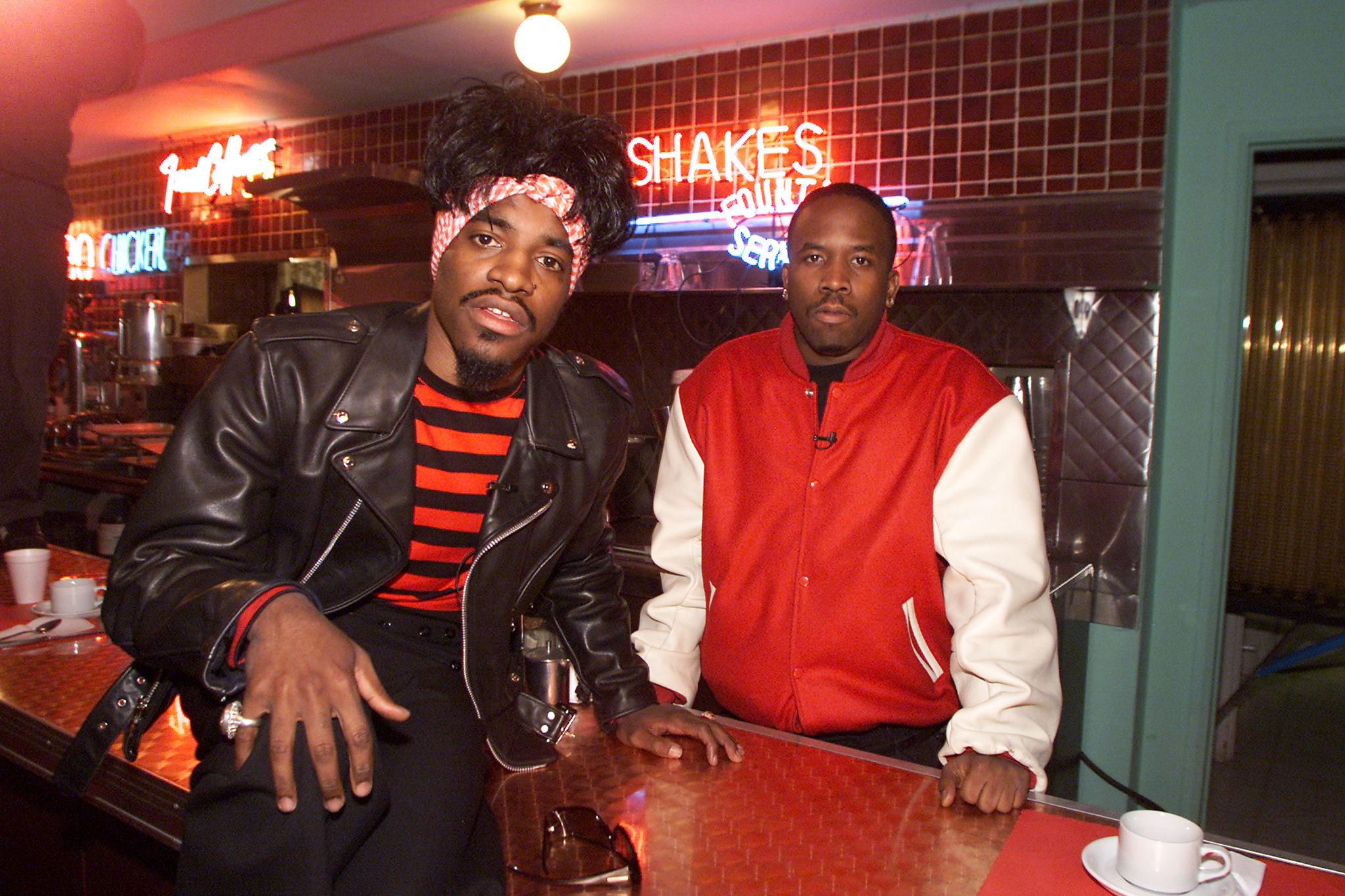
The song is a dance-floor favorite, but the lyrics are surprisingly cynical about love and relationships. Andre 3000 wrote the song during a breakup, using an infectious beat to disguise the bitterness of the words. Nobody noticed because the groove was simply too good. The song essentially tricked the entire world into dancing at its own funeral.
Lines like “If what they say is nothing is forever, then what makes love the exception?” challenge the idea of lasting romance. Released in 2003, the song’s energetic sound made it a massive hit, but the message went over many heads. The contrast between music and meaning is stark, showing how pop can mask pain. Andre 3000 himself even pointed this out at the end of the song, essentially telling the crowd they just wanted to dance, not listen. He was right.
7. “Angel” – Sarah McLachlan (1997): The Song Everyone Got Wrong
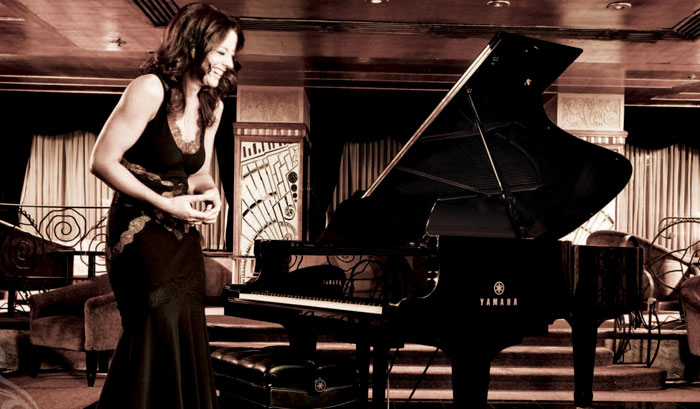
It’s an uplifting song about finding solace at your lowest point through the comforting arms of an angel, a sweet message carried by McLachlan’s heavenly voice and soothing piano tones. As it turns out, the “angel” is heroin. To be specific, anything someone might use to escape themselves at low points. The song became a staple for charity commercials and emotional montages. The irony is staggering.
McLachlan wrote the song following a brutal two-year stint of touring and recording. She read a Rolling Stone article about Smashing Pumpkins touring keyboardist Jonathan Melvoin overdosing on heroin and felt moved by his struggles with drug addiction. The song is a portrait of addiction as a seductive escape, not a spiritual comfort. It took years for many listeners to even begin connecting those dots.
8. “Slide” – Goo Goo Dolls (1998): The Teen Dilemma Nobody Heard
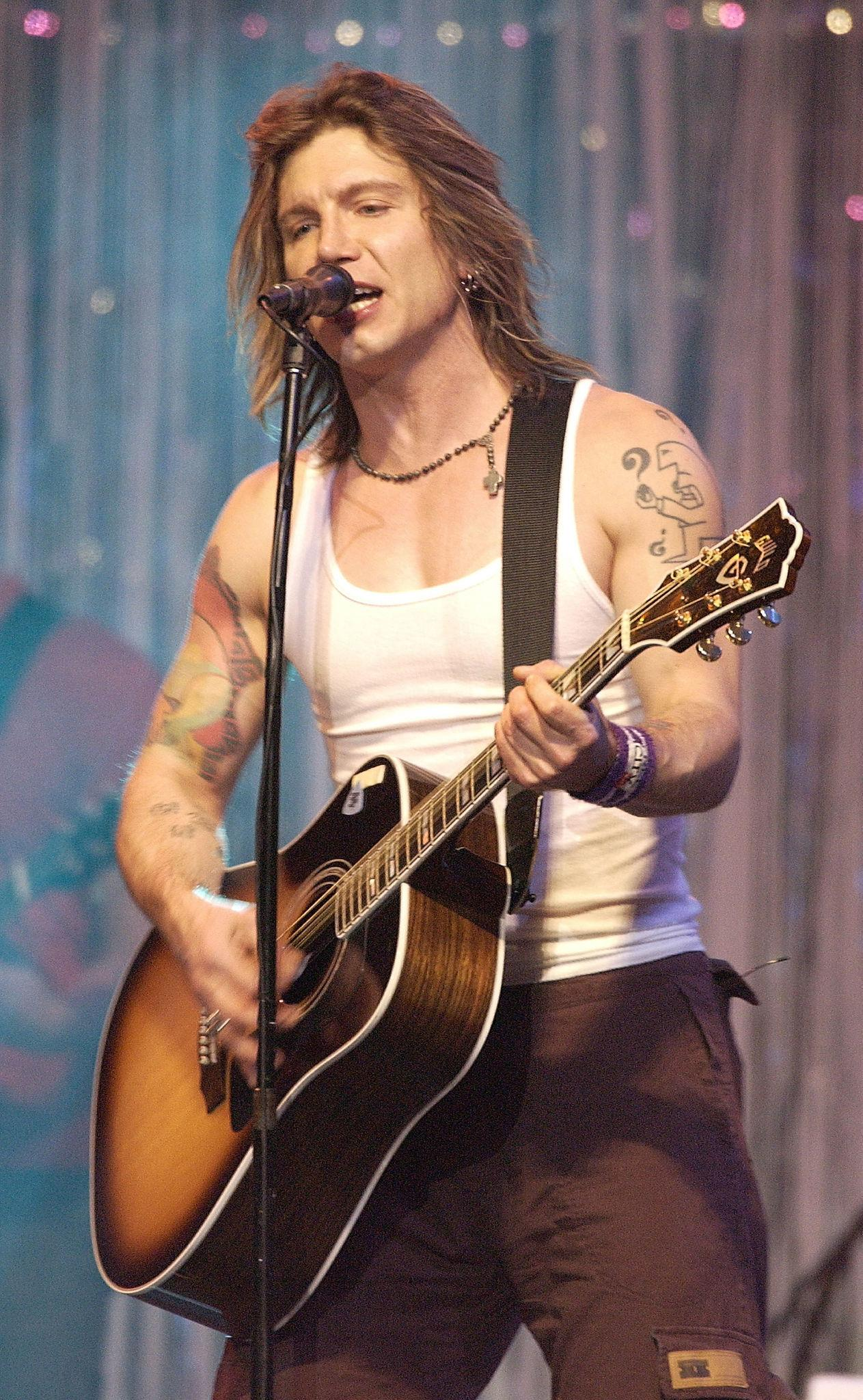
Since its release in 1998, many believed that this popular song by the Goo Goo Dolls is a love story. But in a 2002 episode of VH1’s Storytellers, lead singer Johnny Rzeznik revealed the song’s true meaning, and it’s much darker than anyone had anticipated. The gentle acoustic tone and warm production gave no hint of what the song was really about.
Lead singer Rzeznik revealed the song’s true meaning and said “Slide” is about “these two teenage kids, and the girlfriend gets pregnant, and they’re trying to decide whether she should get an abortion or whether they should get married… and I don’t think a lot of people got that.” It’s a quietly brave piece of songwriting buried beneath what most people assumed was a simple, romantic hit. The clues were always there in the lyrics, but the melody kept everyone from looking too closely.
9. “I Can’t Feel My Face” – The Weeknd (2015): The Love Song About Cocaine
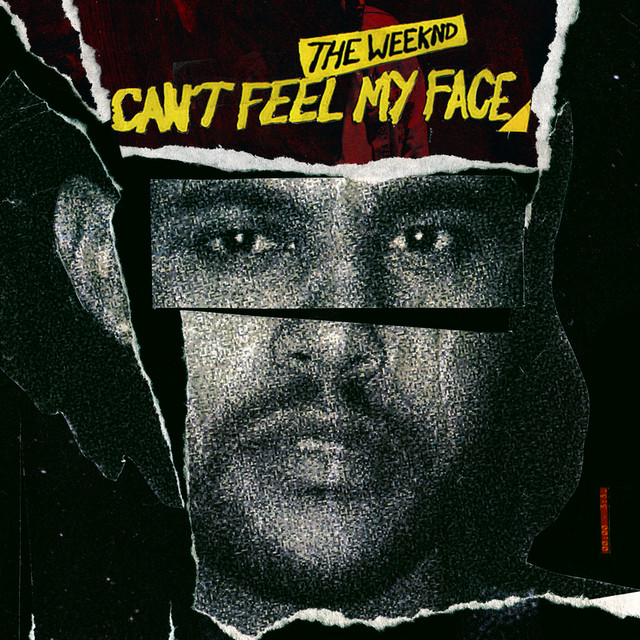
Many of The Weeknd’s fans initially believed that his hit song “I Can’t Feel My Face” was about the euphoria of being in an exciting new relationship. But he was actually using his songwriting prowess to personify his past drug abuse, according to Billboard. The song charted massively, became a summer anthem, and almost nobody at first noticed what it was truly describing.
The physical sensation described in the title is a well-known effect of cocaine use, and the “she” in the song is the drug itself. In a New York Times profile, The Weeknd revealed that as a teenager, he would “get high on whatever was around.” It’s hard to say for sure how many people caught on right away, but given how many fans danced to it at clubs and bars completely unaware, the answer seems to be: not many.
10. “Pumped Up Kicks” – Foster the People (2010): Violence Hidden in a Pop Song
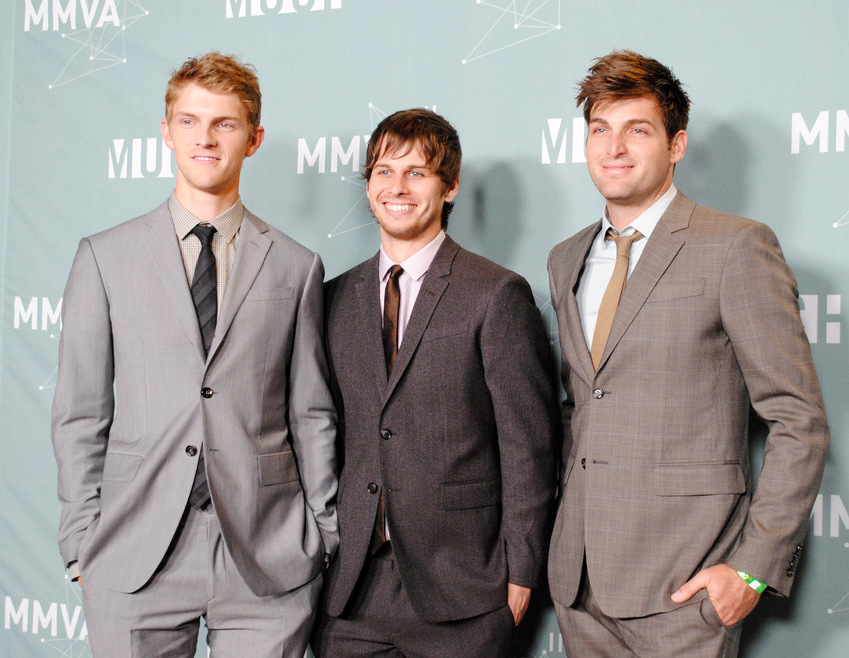
As soon as “Pumped Up Kicks” was released to the public, it went viral. The song earned a Grammy Award nomination for Best Pop Duo/Group Performance. Although the song became a favorite across the U.S., this happy, upbeat track actually hides a dark message. “Pumped Up Kicks” is about gun violence. The whistling intro and feel-good summer vibe made it one of the most deceptively dark songs ever to dominate the charts.
Growing up, members of Foster the People were exposed to youth gun violence. Cubbie Fink’s cousin survived the Columbine High School shooting in 1999. Lead singer Mark Foster said during a 2011 Rolling Stone interview, “I was trying to get inside the head of an isolated, psychotic kid.” The contrast between the cheerful pop melody and the chilling subject matter is still shocking once you really sit with it.
Conclusion
Music is not always what it sounds like. That much is painfully clear. The songs we have grown up with, cried to, celebrated with, and played at our most important moments are sometimes saying things we never quite caught. The artists who pull this off are not deceiving us out of malice. Most are processing real pain, real anger, or real social commentary through the only language they trust.
There is something oddly beautiful about that. A song can carry two lives at once, the one the listener hears and the one the artist intended. The gap between those two versions is where the most fascinating stories live. Go back and listen to a few of these again. Chances are, they sound completely different now. What other songs do you think have been hiding something in plain sight all along? Tell us in the comments below.





Leave a Reply