
Family road trips looked a lot different before smartphones and instant booking apps took over. Gen X vacations were shaped by paper maps, landline check-ins, and a general willingness to just wing it once you got there. Millennials, raised alongside the early internet and now living in a world of trip-planning apps and real-time reviews, often look at these old habits and wonder how anyone survived them.
The gap between the two generations isn’t just about technology. It’s about a different relationship with uncertainty, spontaneity, and the idea that a vacation didn’t need to be perfectly optimized to be memorable. Here are ten travel habits that felt completely normal to Gen X kids but strike younger generations as downright strange.
1. Driving somewhere without knowing exactly where you’d sleep
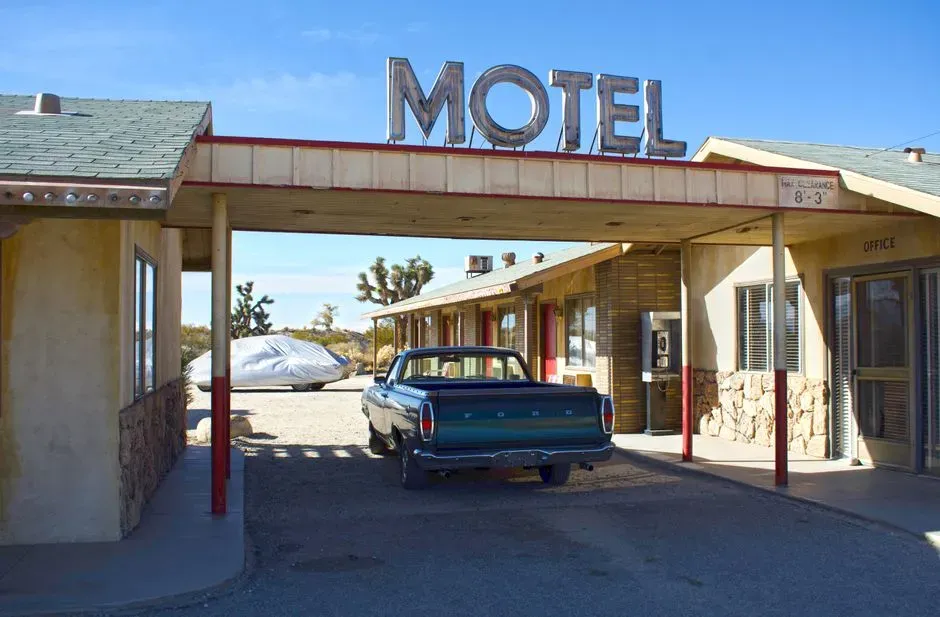
Plenty of Gen X family trips started with a full tank of gas and a rough idea of a destination, but no hotel reservation. Parents would pull off the highway when they got tired and check whatever motel had a vacancy sign lit up. It wasn’t reckless so much as it was just how travel worked before booking sites made instant comparisons possible.
Millennials, who grew up checking reviews before committing to a coffee shop, find this approach almost unthinkable. The idea of arriving in an unfamiliar town after dark with no confirmed room feels like an unnecessary gamble rather than an adventure. For Gen X, though, it was simply part of the rhythm of the road.
2. Relying on paper maps and getting lost on purpose

Before GPS became standard in cars, the glove compartment held a well worn road atlas that doubled as a communal responsibility. Someone in the back seat was always in charge of tracking exits and calling out turns, often a beat too late. Wrong turns weren’t a crisis; they were just part of the trip, sometimes leading to a diner or roadside attraction nobody planned to see.
Millennials who grew up with turn-by-turn navigation on their phones tend to see this as needless stress. Getting lost isn’t romantic to a generation that expects real-time rerouting the moment a wrong turn happens. Gen X, though, often remembers those detours as some of the best parts of the trip.
3. Calling home from a payphone to check in

For Gen X teens and young adults traveling without their parents, checking in meant finding a payphone, digging up loose change, and hoping the call connected before the beeping cut you off. There was no texting a quick photo or dropping a location pin. A phone call home was an event, not a constant background presence.
Millennials, especially younger ones, sometimes struggle to picture a vacation where you could be genuinely unreachable for hours. The idea of loved ones simply trusting that everything was fine until the next scheduled call feels foreign in an era of location sharing and instant messaging. That built-in distance, though, gave Gen X trips a different kind of independence.
4. Packing an entire cooler instead of stopping for food
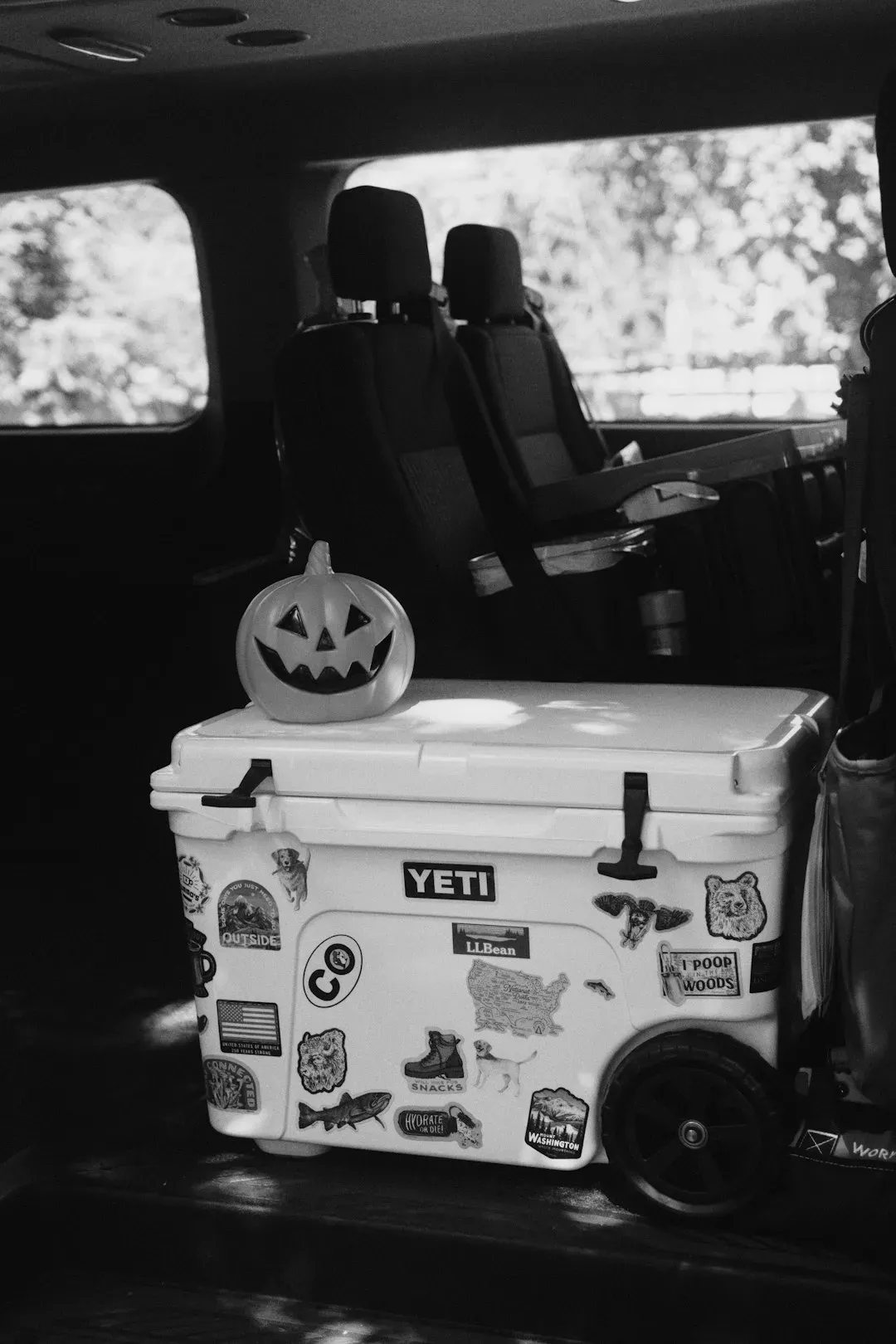
Road trip coolers packed with sandwiches, juice boxes, and snacks were a fixture of Gen X childhood vacations, largely because eating out for every meal wasn’t in most family budgets. Parents would pack enough food to avoid unnecessary stops, turning the trunk into a makeshift kitchen. Rest stops became picnic spots rather than detours to a drive-through.
Millennials, who often prioritize trying local food as part of the travel experience, see this as a missed opportunity rather than a smart cost-saving habit. Skipping regional diners or food trucks in favor of a cooler sandwich seems to clash with how younger travelers now treat food as part of the destination itself. For Gen X families, though, practicality usually won out over exploration.
5. Booking a vacation through a travel agent
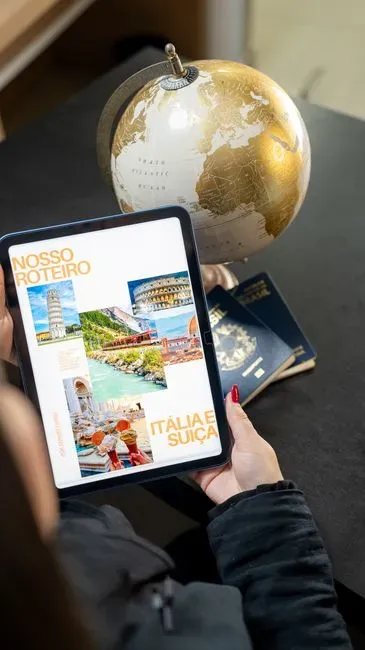
Long before comparison sites and last-minute deal alerts, travel agents were the default resource for planning anything beyond a simple road trip. Families would sit down, flip through brochures, and trust an agent’s recommendations for flights, hotels, and package deals. It required an in-person appointment and a fair amount of patience.
According to travel industry data, online travel booking now accounts for the majority of trip planning, with traditional agencies representing a shrinking share of the market. Millennials, who can compare dozens of options from their phones in minutes, often find the idea of waiting for an agent’s callback almost quaint. Gen X, meanwhile, remembers that dependence on an agent as simply the only practical option available.
6. Taking actual film photos and waiting weeks to see them

Vacation photography for Gen X meant loading a camera with film, being selective about every shot because rolls were limited, and then waiting for the pharmacy to develop the pictures once you got home. There was no instant preview, no deleting a blurry photo and retaking it. Sometimes an entire roll came back with half the shots ruined by bad lighting or a thumb over the lens.
Millennials, who grew up transitioning into digital cameras and then smartphones, find the delay almost unbearable to imagine. The idea of not knowing whether a photo turned out until days or weeks later feels like an unnecessary risk for capturing a memory. Yet that delayed gratification gave old vacation photos a kind of unpredictable charm that digital shots rarely replicate.
7. Sending postcards instead of posting updates

A staple of Gen X vacations was picking out postcards from gift shops, writing a few lines, and mailing them to friends or grandparents back home. The postcard often arrived after the traveler was already back, which nobody seemed to mind. It was more about the gesture than the timing.
Millennials, accustomed to sharing vacation updates in real time through photos and stories, see the appeal but also the impracticality of a system with such a long delay. Waiting days or weeks for a small piece of mail to arrive feels like the opposite of how travel is documented now. Still, many Gen Xers kept postcards as keepsakes in a way that a digital photo rarely gets treated.
8. Watching the same three VHS tapes on every long car ride
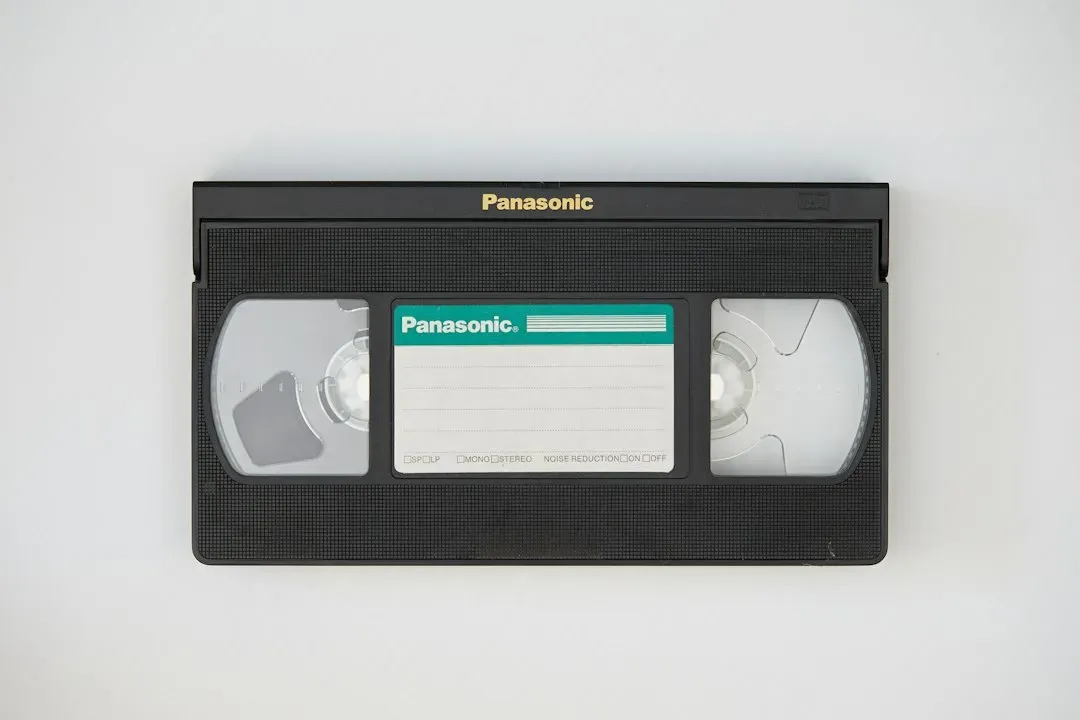
Before streaming and tablets, keeping kids entertained on long drives meant a small rotating library of VHS tapes played on a bulky portable player wedged between the front seats. The same movies got watched over and over, not because they were favorites necessarily, but because options were limited. Batteries dying or the screen glitching partway through was a common frustration.
Millennials who grew up with the earliest tablets and eventually smartphones loaded with endless content find the idea of three repeated movies almost comically restrictive. Unlimited streaming access has made scarcity of entertainment options feel like an unnecessary hardship rather than a normal part of childhood travel. For Gen X, though, rewatching the same films became part of the road trip’s familiar comfort.
9. Showing up to attractions without pre-purchased tickets

Gen X families often arrived at amusement parks, museums, or tourist attractions and simply bought tickets at the gate, sometimes waiting in long lines without much frustration since that was just how it worked. There was no app to check wait times or reserve a specific entry slot in advance. Flexibility was built into the day because nothing was locked in ahead of time.
Millennials, used to booking timed entry tickets online to skip lines entirely, see this lack of planning as needlessly inefficient. Showing up without a reservation to a popular attraction now often means missing out entirely, especially at places that cap daily visitors. Gen X trips simply operated on the assumption that patience would eventually get you through the door.
10. Trusting a hand-drawn tourist map from the hotel lobby

Instead of researching restaurants and attractions online beforehand, Gen X travelers frequently relied on whatever simplified map the hotel concierge or front desk handed over. These maps were often rough sketches highlighting a handful of nearby spots, sometimes outdated or biased toward businesses with connections to the hotel. Still, they were treated as a reasonably trustworthy starting point for the day.
Millennials, who cross-reference multiple review platforms before choosing where to eat or what to see, find this level of blind trust surprising. Depending on a single, potentially outdated paper map instead of aggregated traveler reviews feels like leaving too much to chance. For Gen X, though, it was simply one of the few tools available, and it usually got the job done well enough.
These differences say less about which generation traveled better and more about how dramatically the tools and expectations around vacations have shifted in a relatively short span of time. What felt completely ordinary to Gen X families now reads almost like a survival story to millennials raised on instant information and digital convenience.





Leave a Reply