
Most homeowners assume that if the lights turn on and the outlets work, the wiring is probably fine. That assumption gets tested every time an electrician opens a panel or a home inspector removes a cover plate and finds decades of creative problem-solving tucked behind the walls. The truth is, a house can function perfectly well on wiring that would fail an inspection the moment anyone looked closely.
As building codes have evolved over time to reflect modern safety standards, many older homes have outdated wiring, panels, and fixtures that no longer meet current electrical codes. These violations aren’t just technicalities – they can pose serious safety hazards and reduce a property’s resale value. Here are fourteen of the most common shortcuts that technically break code, yet keep showing up in houses across the country.
1. Knob-and-Tube Wiring Left in Place

Between the late 1800s and early 1900s, knob-and-tube wiring was considered state-of-the-art electrical technology. Today it is considered very dangerous because the wires aren’t grounded, the circuits support lower amperage than is needed, and the wires feature insulation that disintegrates over time. It simply was not designed for the loads that modern appliances pull every day.
Because of these issues, most insurance companies refuse to insure buildings with knob-and-tube wiring. If a home still has this system intact, a licensed electrician should assess it right away. Knob-and-tube wiring, common in homes built before the 1940s, lacks grounding and is unable to handle the electrical load of modern appliances.
2. Replacing Two-Prong Outlets With Three-Prong Ones Without Adding a Ground
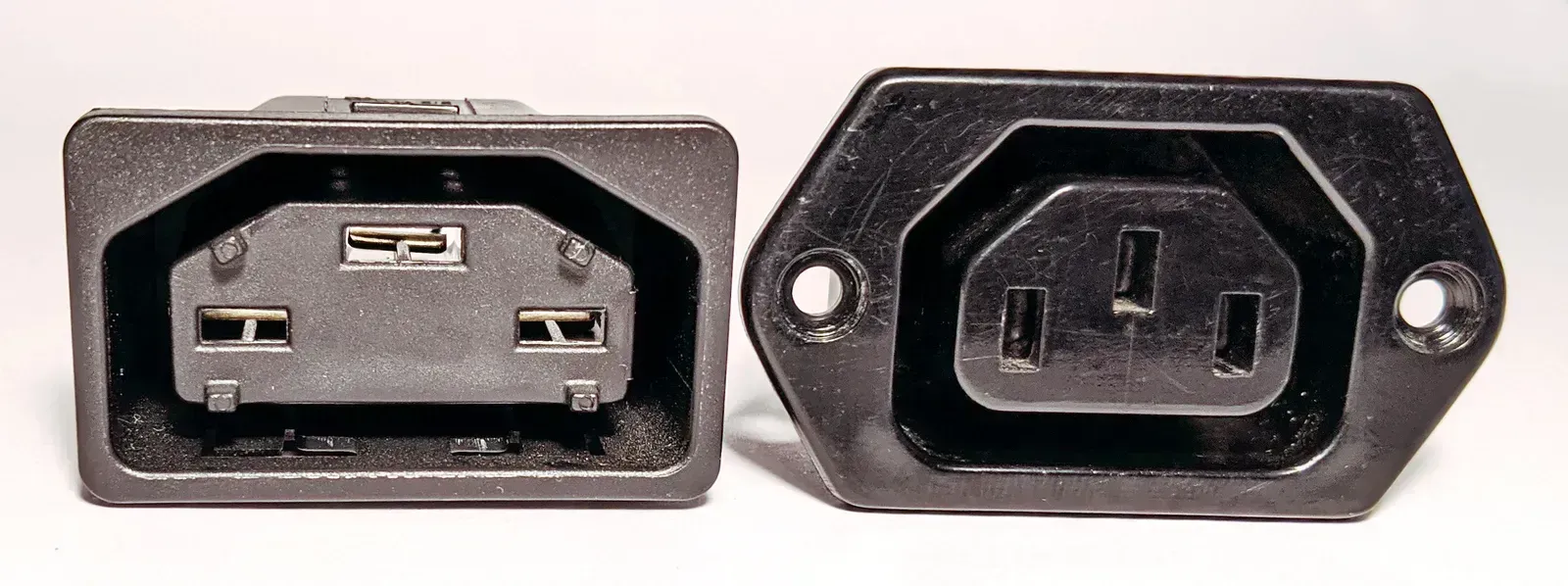
A previous homeowner getting sick of having nowhere to plug in a three-prong plug and swapping out two-slot, non-grounding type receptacles for three-slot, grounding-type ones is a code violation. It looks like the problem is solved, but the third slot is essentially decorative without an actual ground wire behind it.
Many older homes still have two-prong outlets that lack a proper ground connection. Grounding provides a safe path for excess electricity to dissipate, protecting people and appliances. Without grounding, electrical faults have nowhere to go, increasing shock risk and equipment damage. The correct fix involves either running a new ground wire to the panel or installing a GFCI outlet properly labeled “No Equipment Ground.”
3. Exposed Splices Without a Junction Box
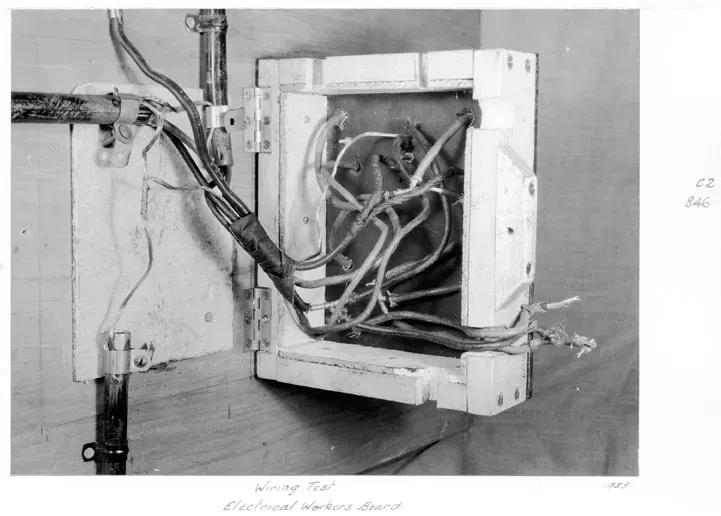
A splice is a connection between two or more wires and is one of the worst code violations. The splice is illegal and dangerous if not contained inside a junction box. The only times splices like this can legally occur are for temporary lighting and circuit troubleshooting. Yet it’s remarkably common to find bare wire-nut connections tucked into insulation or dangling in an attic.
Previous homeowners may have spliced wires together with tape instead of using junction boxes, run wires behind baseboards or under carpets, or added outlets and switches without following code. Open splices can overheat, spark, and cause fires. They’re also difficult to inspect and maintain.
4. Missing GFCI Protection in Wet Areas
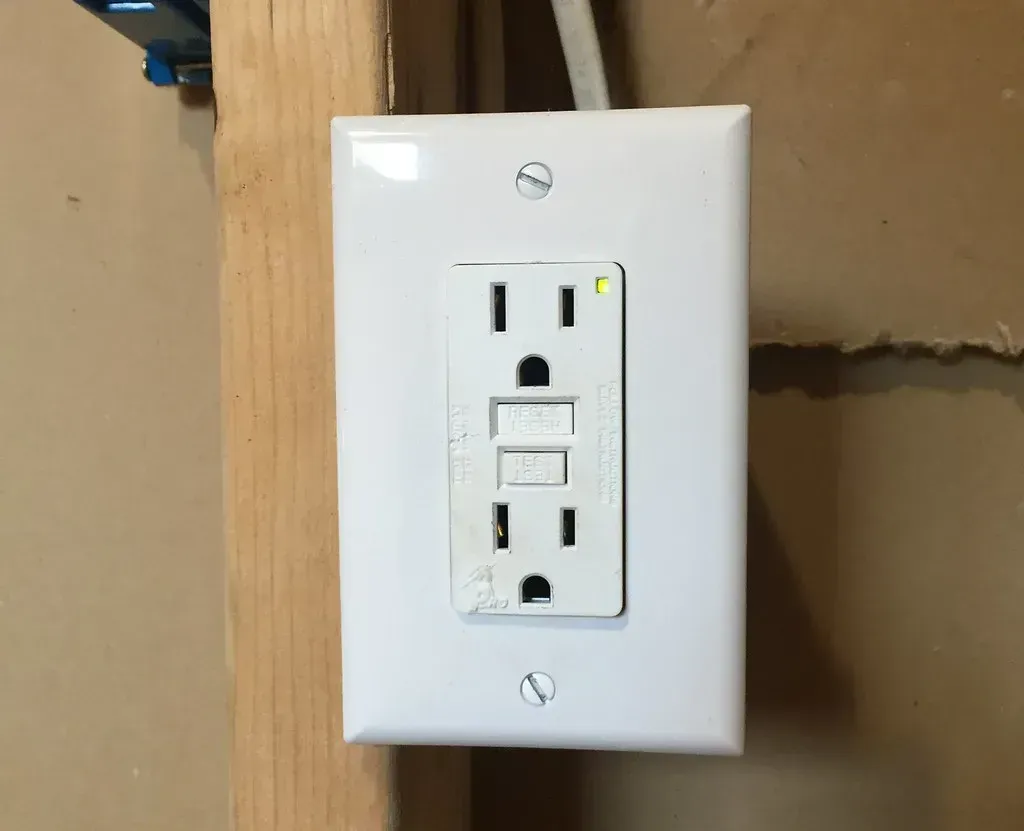
A frequent electrical code violation in older homes is the absence of Ground Fault Circuit Interrupters. Required in moisture-prone areas like bathrooms, kitchens, garages, laundry rooms, and outdoor outlets, GFCIs protect against electrical shock by cutting power to a circuit when they detect a fault or imbalance. Since GFCIs weren’t required in homes until the 1970s, many older houses do not have them installed, especially in key areas.
A GFCI device will interrupt electrical service when more than 4 to 6 milliamperes of current leaks to ground. It detects an imbalance between the current in the hot side and the current in the neutral side. That speed of detection is precisely what prevents electrocution near a sink or in a wet garage. When GFCIs were first required in the early 1970s, their use was sparse – you just had to have them outside and by pools. In the decades that followed, the NEC’s continual updates mandated GFCIs in more and more locations.
5. Double-Tapped Circuit Breakers
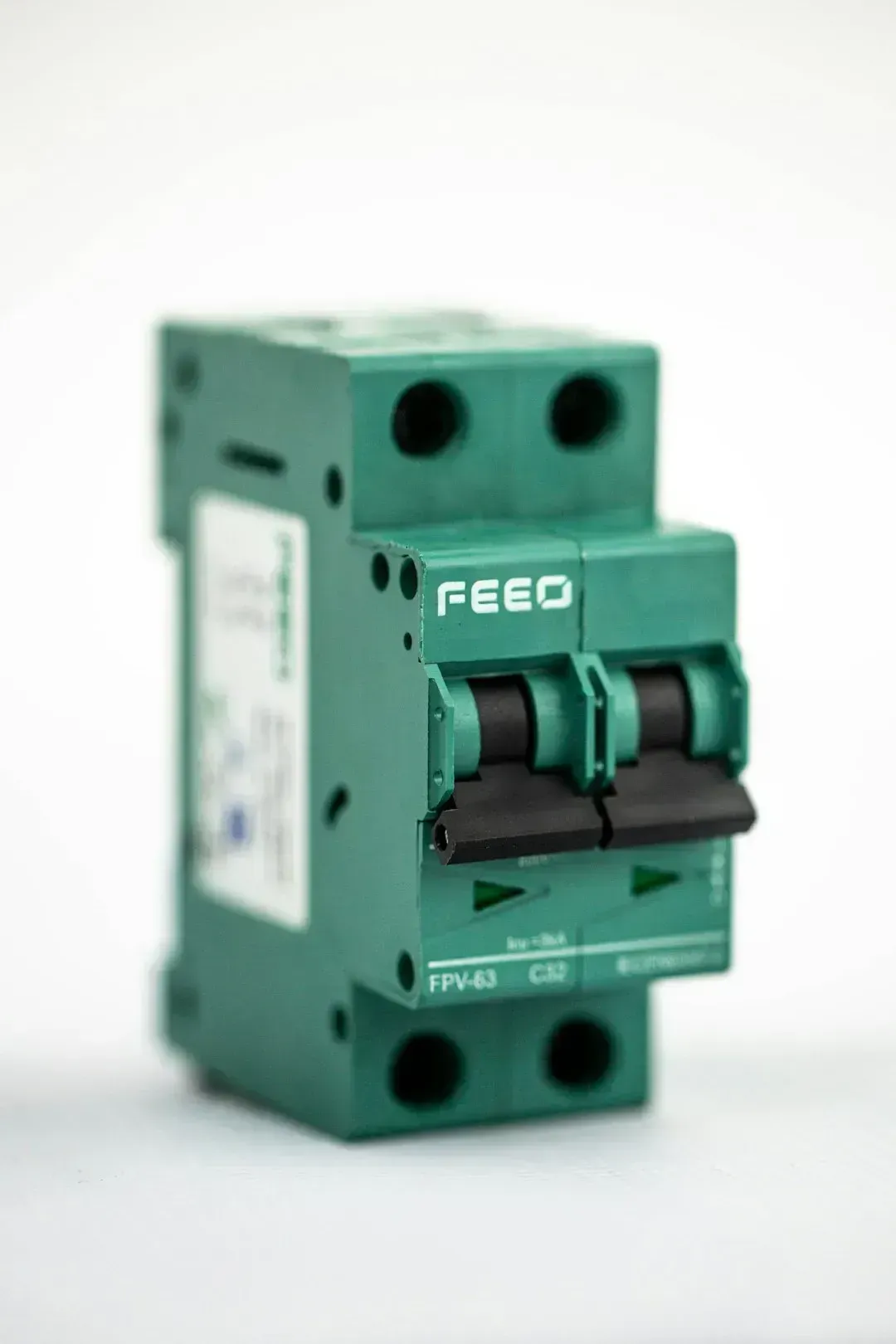
A double-tapped breaker occurs when someone attaches more than one wire to a breaker. It is generally not allowed and can be a fire hazard under certain conditions. It typically happens when someone adds a new circuit and the panel is already full, so they just squeeze the wire under an existing breaker’s screw rather than doing the job properly.
The double-tap electrical connection may violate electrical codes unless the manufacturer specifically designed a connector to hold multiple electrical wires. Double lugging or double tapping overloads the circuit breaker. If the circuit breaker is overloaded, it will repeatedly warm to the point of tripping, leading to loss of electrical power on the affected circuits. Most breakers are only rated for a single wire, so installing two is a code violation if the breaker isn’t listed for it.
6. Oversized Breakers on Undersized Wire
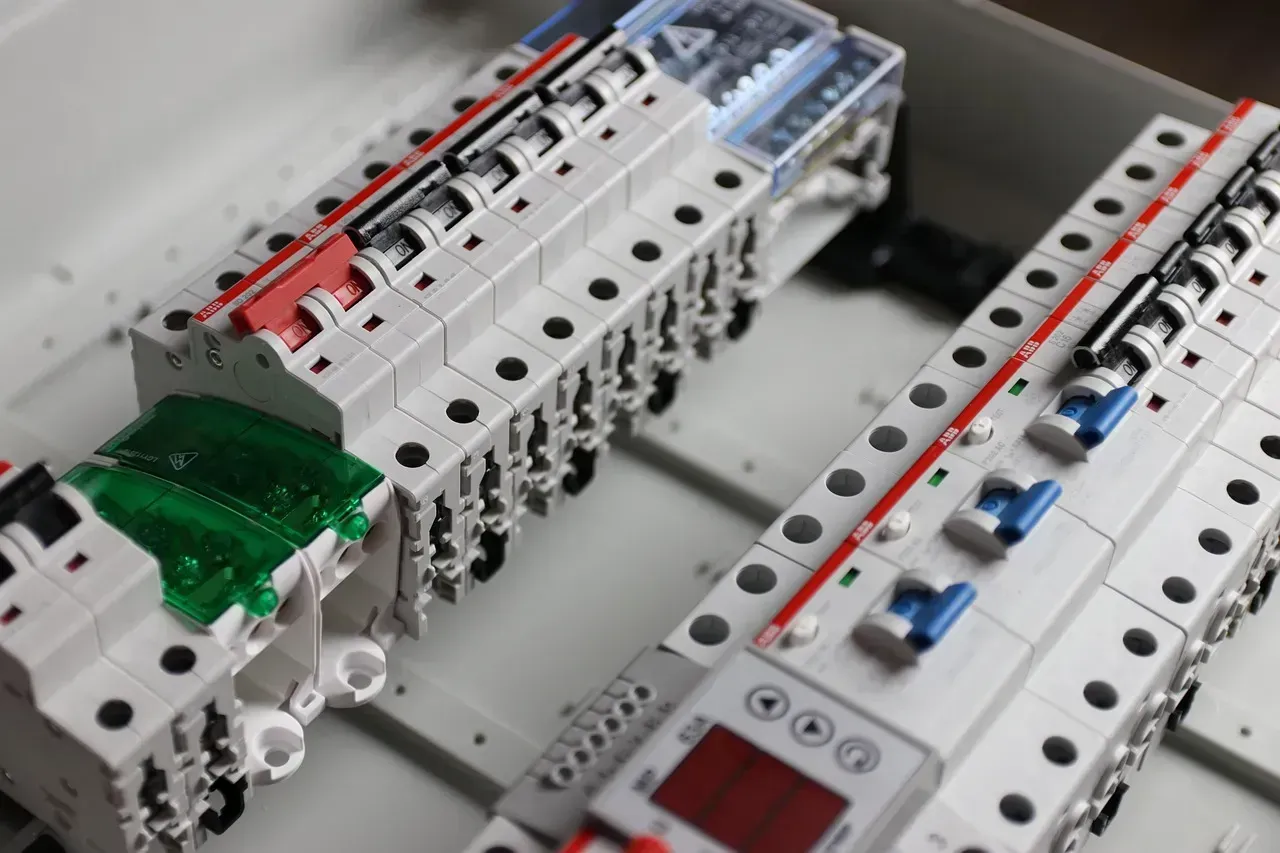
Using a breaker that’s too large for the wire size – for example, pairing a 30-amp breaker with 14-gauge wiring – is a known problem. Oversized breakers won’t trip when they should, allowing wiring to overheat and potentially catch fire. The NEC requirement is that breaker size must match the capacity of the circuit wiring.
DIYers aggravated by a constantly tripping fuse or breaker often hastily replace the offending breaker with a larger capacity one. In addition to being extremely dangerous, it is also illegal to have wrongly configured panels and is in direct violation of electrical codes. The tripping breaker was the warning signal. Silencing it with a bigger breaker removes the only protection the circuit had.
7. Overcrowded Junction Boxes
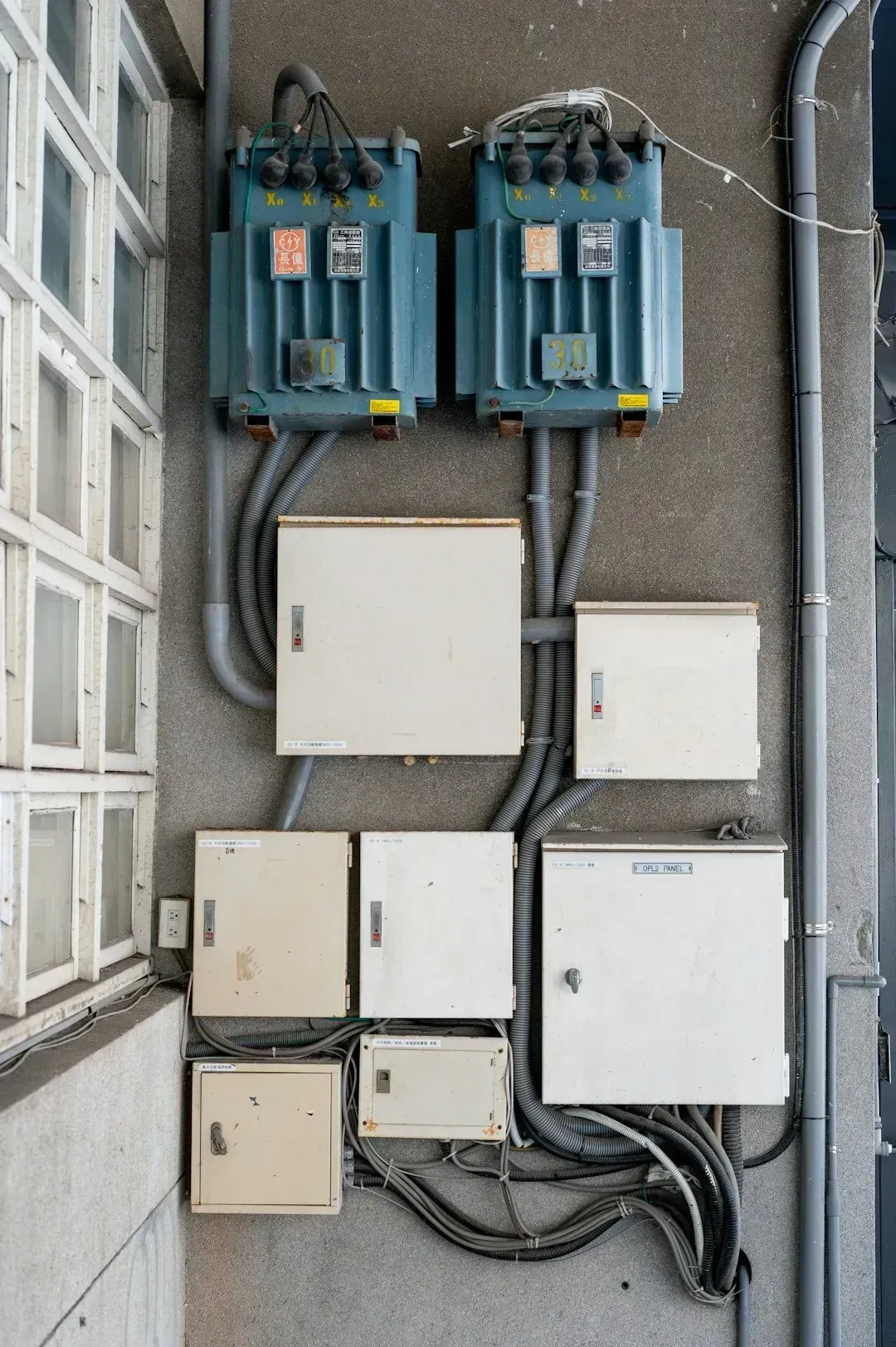
Too many wires crammed into a junction box creates heat, stresses connections, and increases the chance of arcing. Each box must meet specific volume requirements based on the number and size of wires inside. This is a code rule that even some experienced DIYers overlook because the outlet still works fine after the box is stuffed.
Overcrowding electrical boxes with too many wires and leaving exposed or unprotected wiring creates faulty conditions that can lead to overheating, short circuits, and even fires. The NEC assigns specific cubic-inch fill calculations to each wire and device, and exceeding those limits is not a judgment call. It’s a code violation regardless of whether the circuit performs normally afterward.
8. No AFCI Protection in Living Spaces
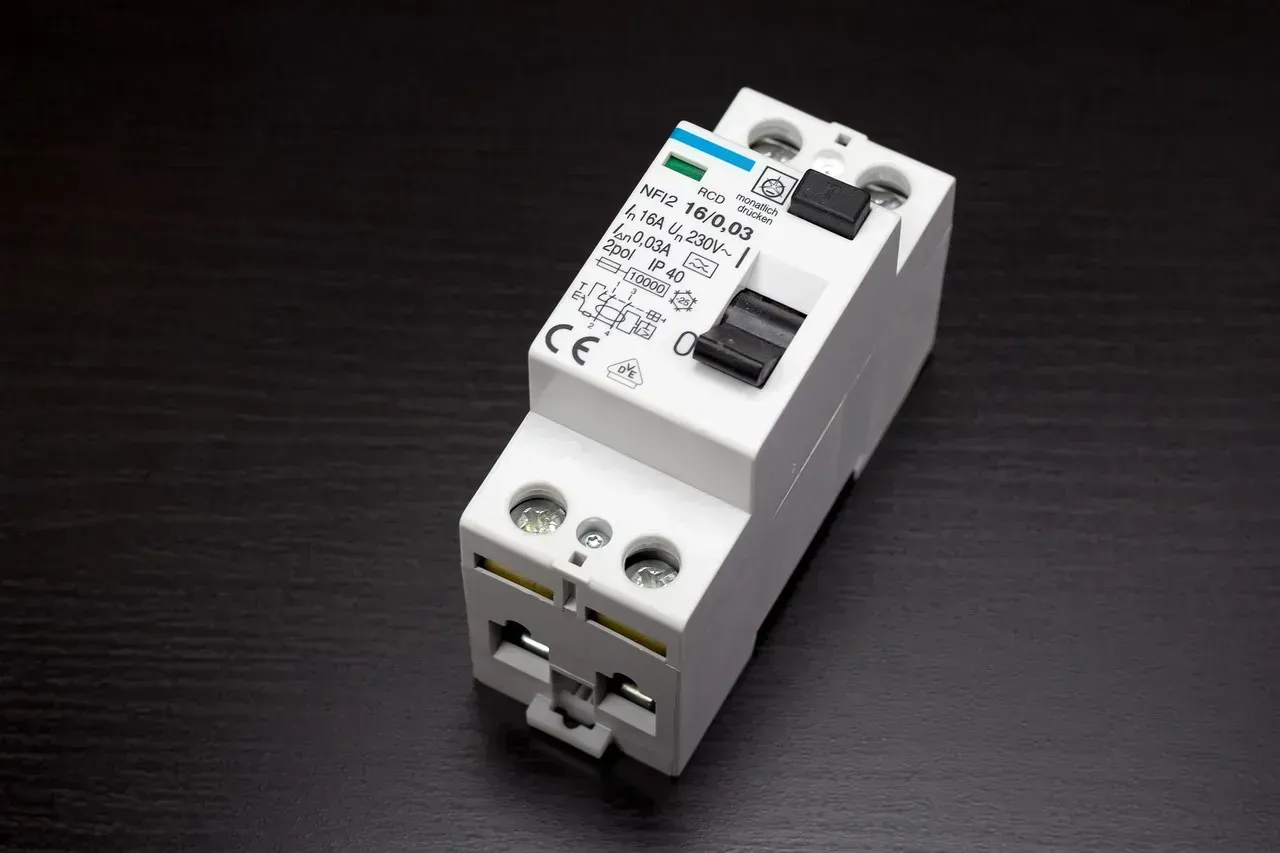
Arc fault circuit interrupters are designed to prevent fires caused by arc faults in wiring. The NEC requires arc fault protection in most living spaces, yet older electrical systems rarely have arc fault circuit interrupters installed. This is a common violation that many homeowners don’t even realize exists.
Another safety device introduced with the 1999 code is the arc-fault circuit interrupter. This device detects arcs from hot to neutral that can develop when insulation between wires becomes frayed. Many older homes still lack AFCI protection, especially in bedrooms and living areas. Homeowners often don’t realize this until a remodel or inspection. AFCIs are required on most 15- and 20-amp circuits in habitable spaces.
9. Aluminum Branch Wiring Connected Improperly to Copper

Homes built or renovated between the mid-1960s and late 1970s may contain single-strand aluminum wiring, which was used as a cost-effective alternative to copper. Aluminum expands and contracts more than copper, causing connections to loosen over time. Loose connections can lead to overheating, arcing, and electrical fires. When exposed to air, aluminum wiring oxidizes, creating resistance that can cause wires to overheat, which is especially problematic when aluminum is connected to copper wiring or devices not rated for aluminum.
Electrical wiring in dwellings constructed before 1970 may be in violation of local or regional electrical codes. Aluminum wiring widely used in the 1970s may be safe but could present safety issues if connected to copper wiring. Connections between the two metals need devices specifically rated for both, and that detail often gets skipped during a quick renovation.
10. Missing Neutral Wire at Switch Boxes
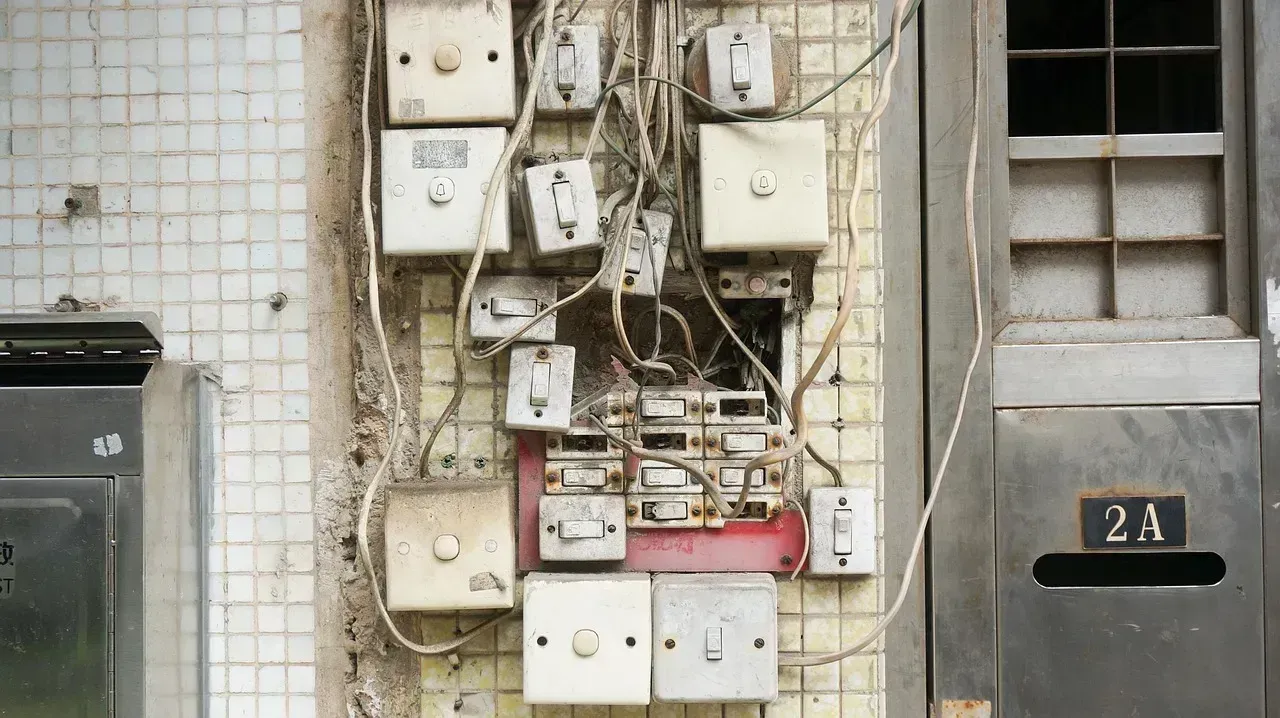
This configuration was standard practice for decades under older electrical codes. The National Electrical Code began requiring a neutral conductor at most lighting switch locations starting with the 2011 edition, specifically in section 404.2(C). The intent was to accommodate modern electronic devices, such as timers, occupancy sensors, and smart switches, which need that line-to-neutral voltage to operate their circuitry in standby mode.
Most switches don’t require a neutral to operate, so for decades the NEC didn’t require electricians or homeowners to bring a neutral to switch boxes. Today’s smart switches and dimmers have electronics, and most of them do need the neutral. The NEC now requires neutrals at switch boxes, or there must be a way to easily pull one later. Millions of homes built before 2011 are still missing this wire at every switch, which blocks safe smart switch installation.





Leave a Reply