
Walk into a modern diner and the dessert case still glows, though what sits inside has shifted. Cheesecake and chocolate layer cake hold their ground, while older favorites have quietly slipped away.
Many of these sweets were built for a different kitchen, one with time, lard, and a pastry cook in the back. Here are eleven that turn up far less often than they once did.
Baked Alaska
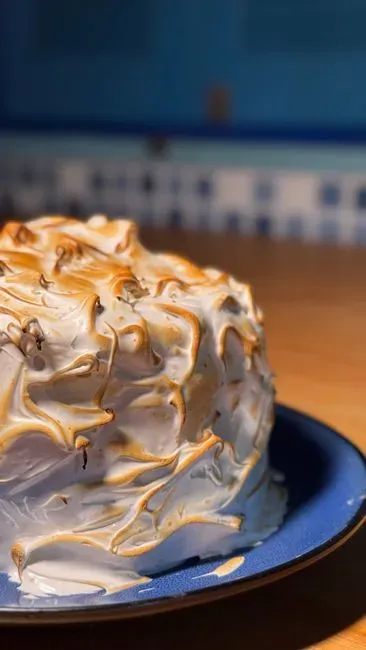
Baked Alaska pairs ice cream and cake under a shell of browned meringue. It looks like a magic trick, which is partly why it charmed mid-century diners and supper clubs. The dessert is usually credited to nineteenth-century American and French kitchens, though its exact origin is debated.
It’s fussy to make and hard to hold in a busy service line. Freezer space, torch work, and timing all get in the way. Most diners now leave it to fine dining restaurants that like a bit of theater.
Rice Pudding
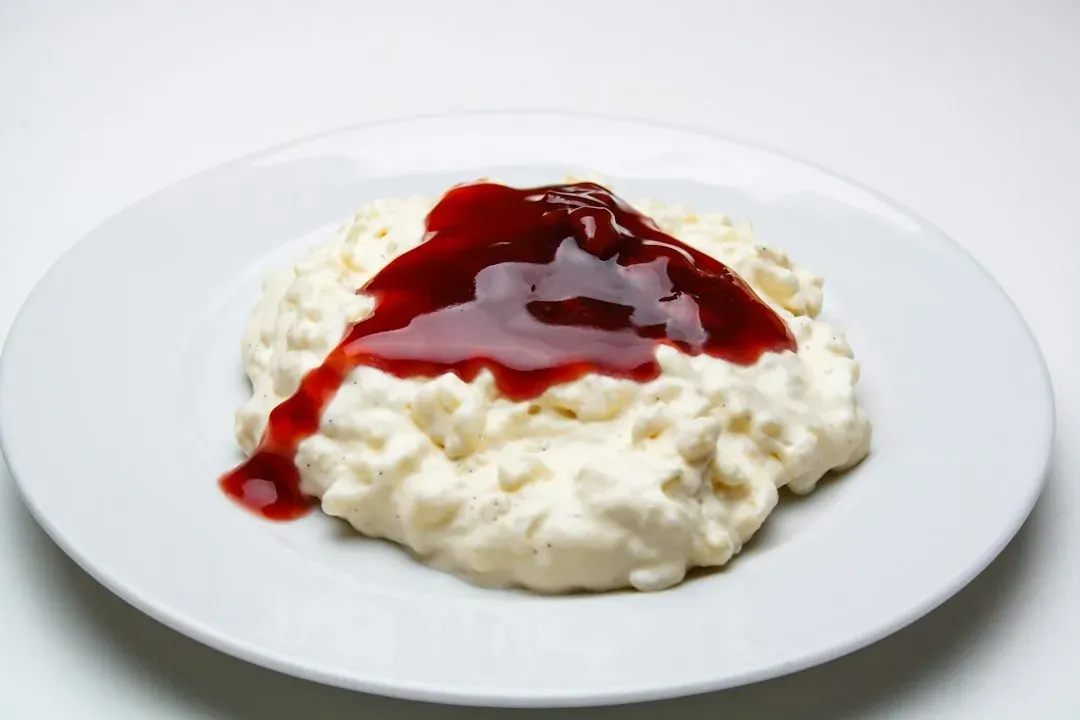
Rice pudding was once a dependable case staple, creamy and lightly spiced with cinnamon. It used up leftover rice and cheap pantry goods, which suited a thrifty kitchen. Many old Greek American diners built their reputations on a good version.
Today it appears less often, replaced by pre-made cups or dropped altogether. Making it well takes patient stirring and careful cooking. A few old school spots still keep a pot going.
Tapioca Pudding
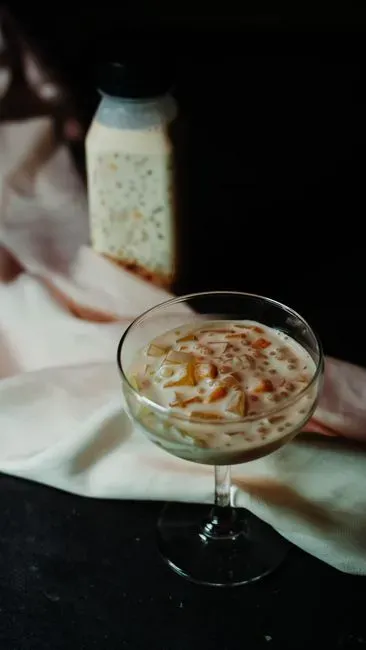
Tapioca pudding, with its soft pearls in vanilla custard, was a lunch counter regular for decades. It was easy to batch and cheap to serve. Many people remember it from school cafeterias as much as diners.
Its texture divides opinion, which hasn’t helped its survival. Younger customers often haven’t tried it at all. When it does appear now, it’s usually a nostalgic special rather than a fixture.
Junket
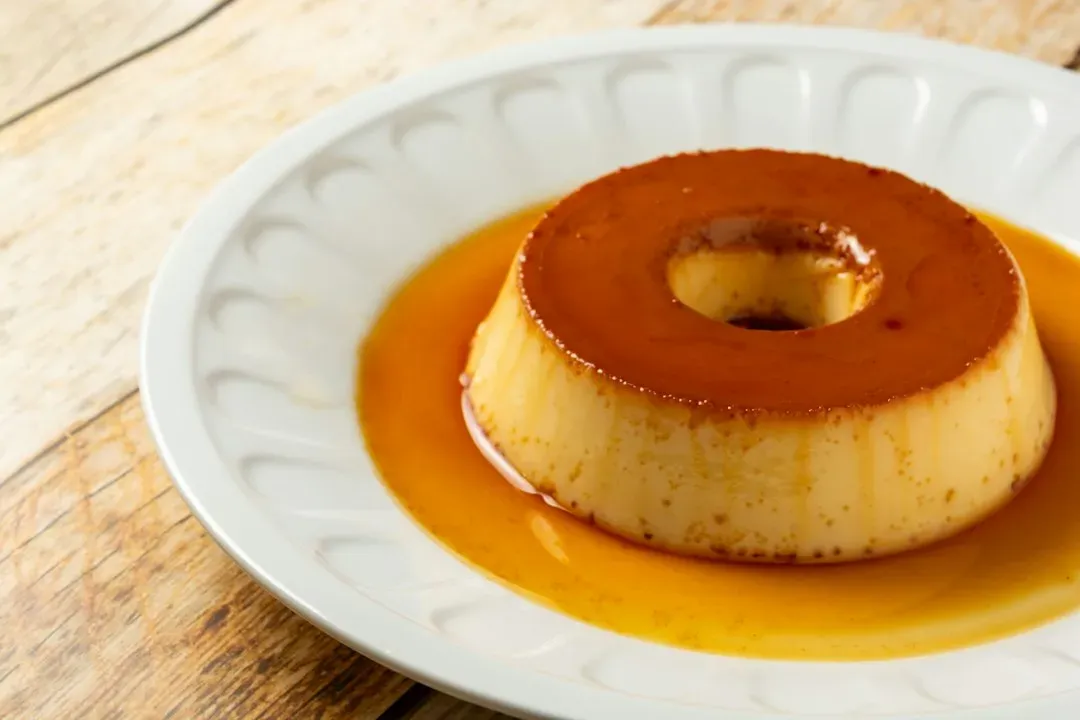
Junket is a milk dessert set with rennet, a gentle, jiggly pudding that was popular in the early twentieth century. Home cooks and diners alike served it as a light, digestible sweet. Brand name mixes helped spread it across American kitchens.
It’s now nearly extinct on menus. Tastes moved toward richer and sweeter desserts, and rennet puddings began to feel old fashioned. You’re more likely to find it mentioned in vintage cookbooks than on a chalkboard.
Bread Pudding
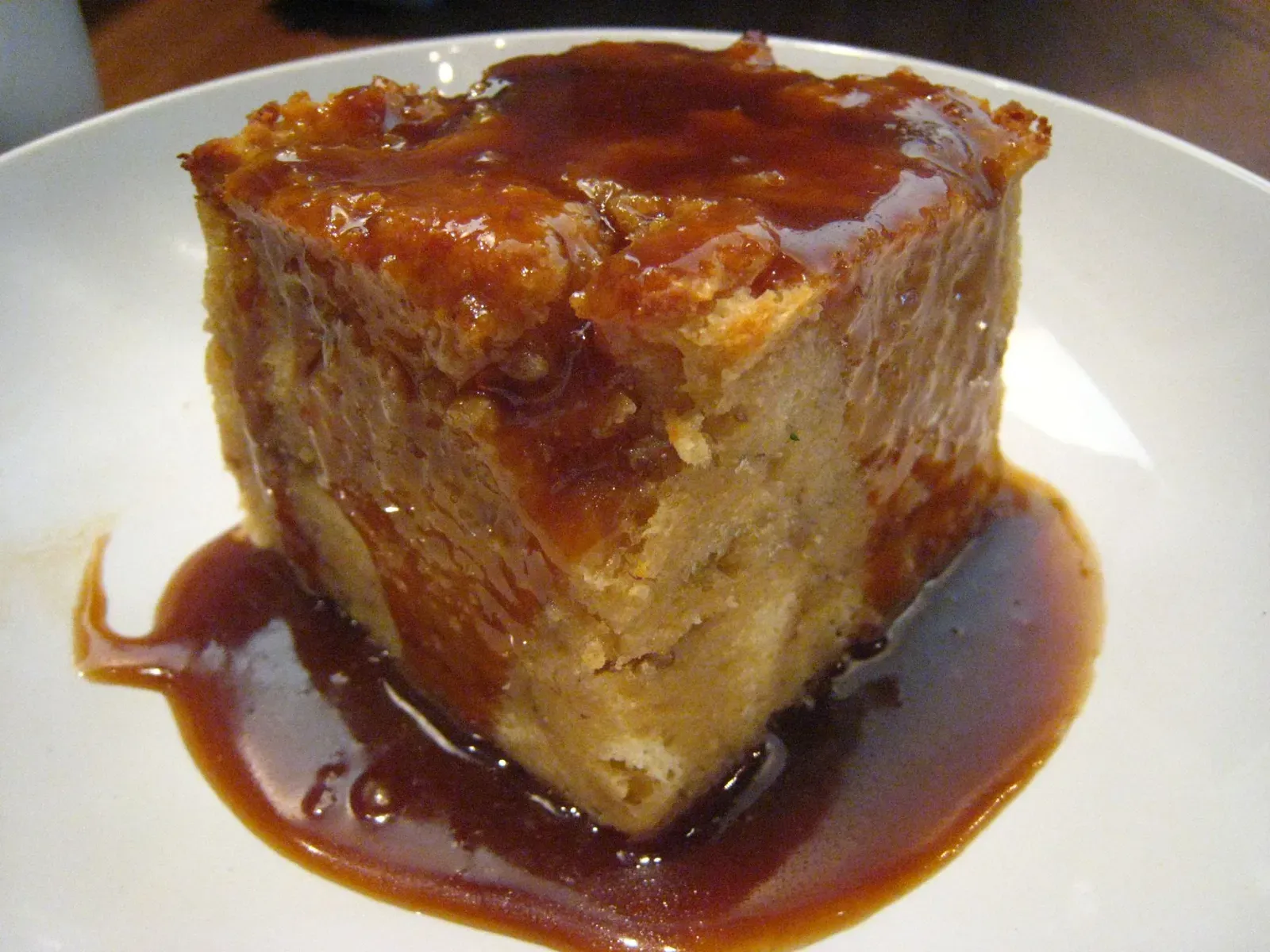
Bread pudding turned stale loaves into something warm and custardy, often with raisins and a vanilla or whiskey sauce. Diners once made it as a practical way to avoid waste. It rewarded the cooks who baked their own bread.
It hasn’t disappeared entirely, since upscale restaurants have adopted it. Still, in ordinary diners it’s much rarer than it used to be. Buying in bread rather than baking has weakened the whole idea.
Lemon Meringue Pie
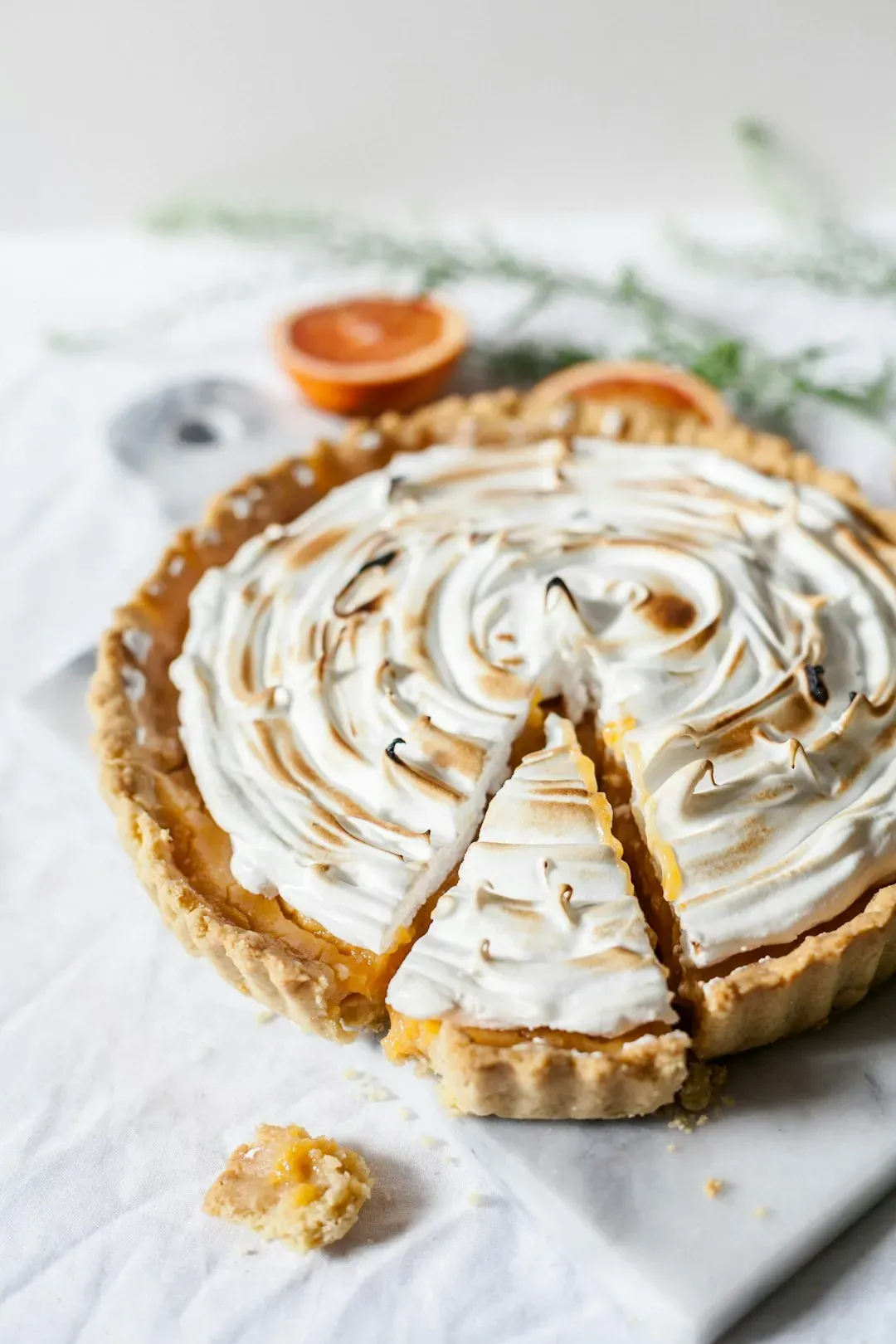
A tall lemon meringue pie once crowned the rotating dessert case. Its sharp filling and cloud of toasted meringue made it a favorite of the counter crowd. It was a fixture of the classic American pie repertoire.
Meringue weeps in humid air and doesn’t keep well over several days. That makes it risky for kitchens trying to reduce waste. Many now stock sturdier pies like apple or pecan.
Boston Cream Pie
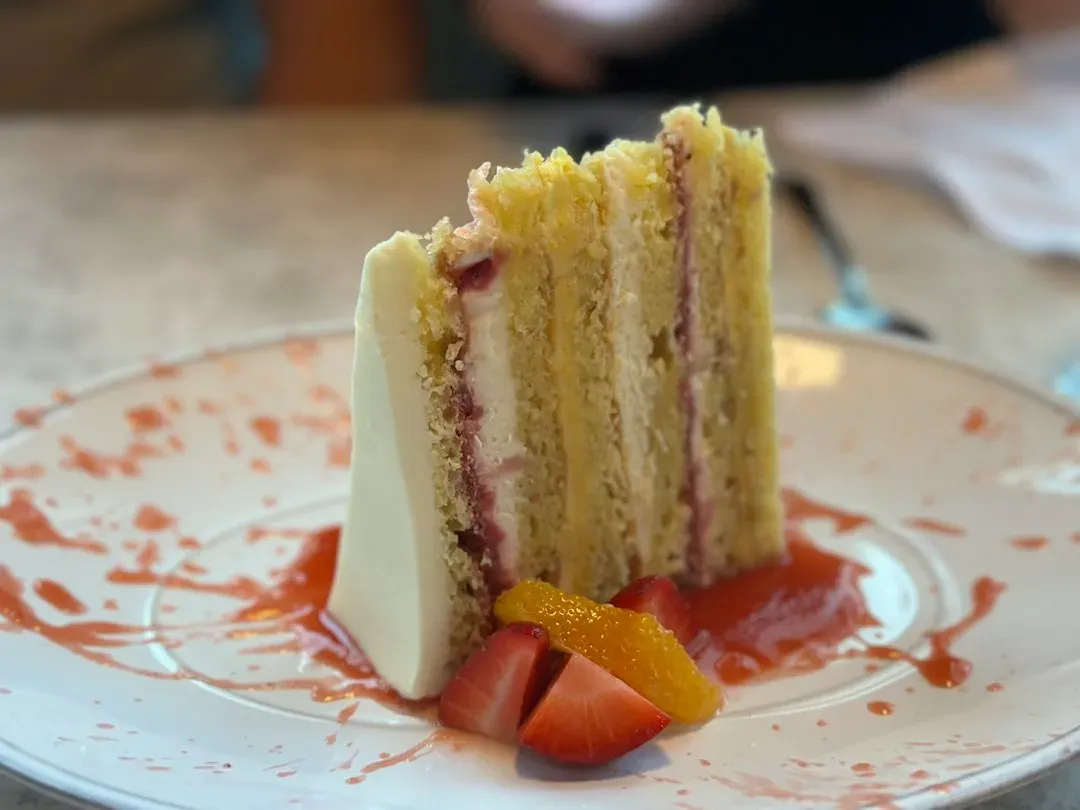
Despite the name, this is a cake: two sponge layers with custard filling and a chocolate glaze. It’s associated with Boston’s Parker House hotel in the nineteenth century, and it was named Massachusetts’ official state dessert in 1996. Diners once sold it by the slice.
Now it’s more often seen as a doughnut flavor than a proper cake. The multi step assembly of sponge, custard, and glaze suits bakeries better than short staffed kitchens. Finding a true slice takes some hunting.
Cherry Cobbler
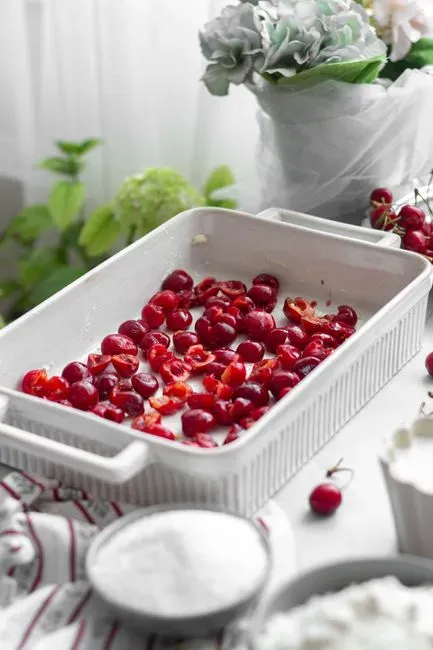
Cobblers offered fruit under a biscuit topping, served warm with a scoop of ice cream. They were quick, forgiving, and cheaper than pies with a full crust. Cherry was a classic choice when fruit was in season.
Cobbler has faded from many menus as diners trim their dessert lists. Seasonal fruit costs more and takes prep time. It survives mainly in Southern style restaurants and a few loyal regional spots.
Ambrosia Salad
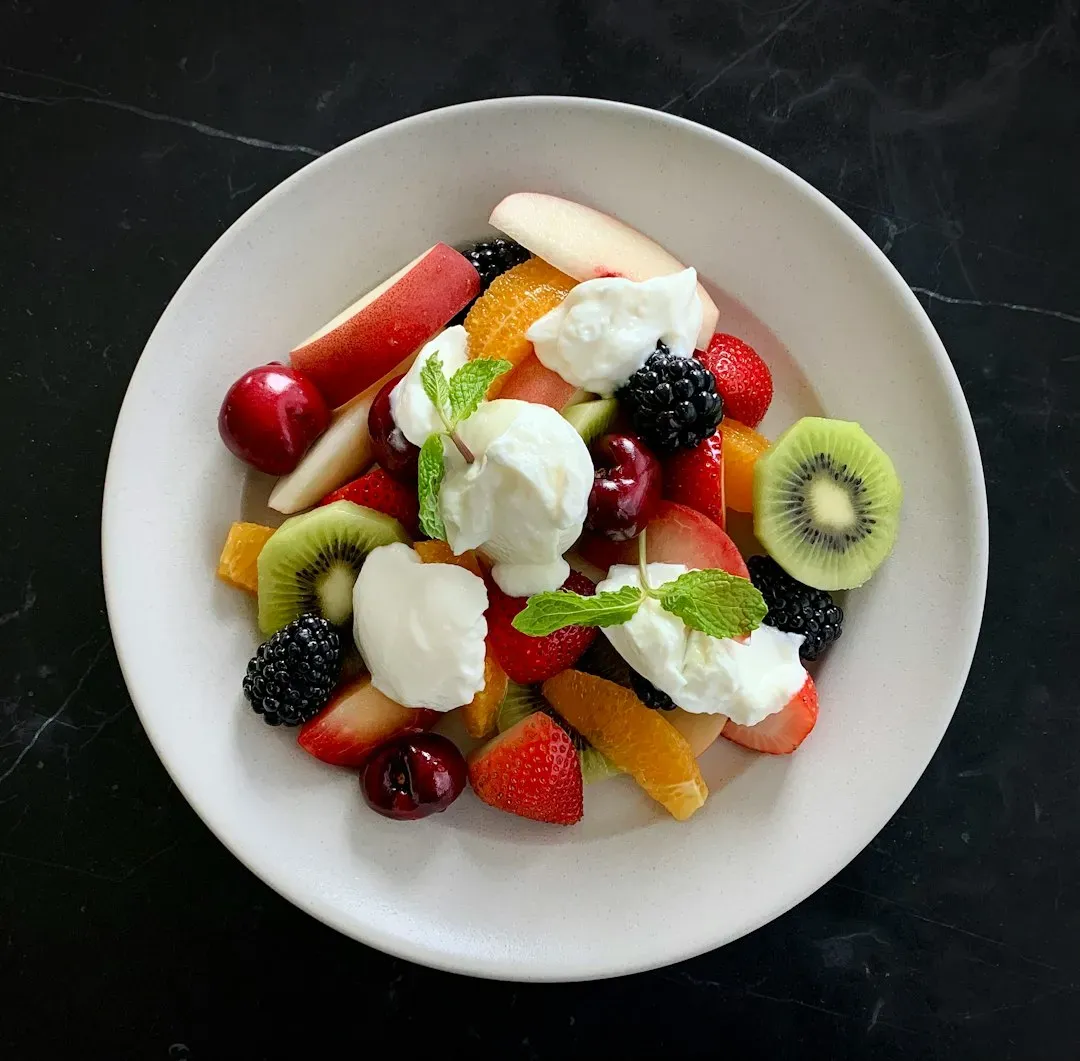
Ambrosia mixed canned fruit, coconut, and marshmallows, sometimes with sour cream or whipped topping. It sat somewhere between salad and dessert on older menus. It was especially common in the American South.
It’s a relic of the age of canned and packaged convenience foods. Modern diners lean toward fresh fruit or skip the category. Family holiday tables keep it going more than restaurants do.
Egg Cream Sundaes and Soda Fountain Floats
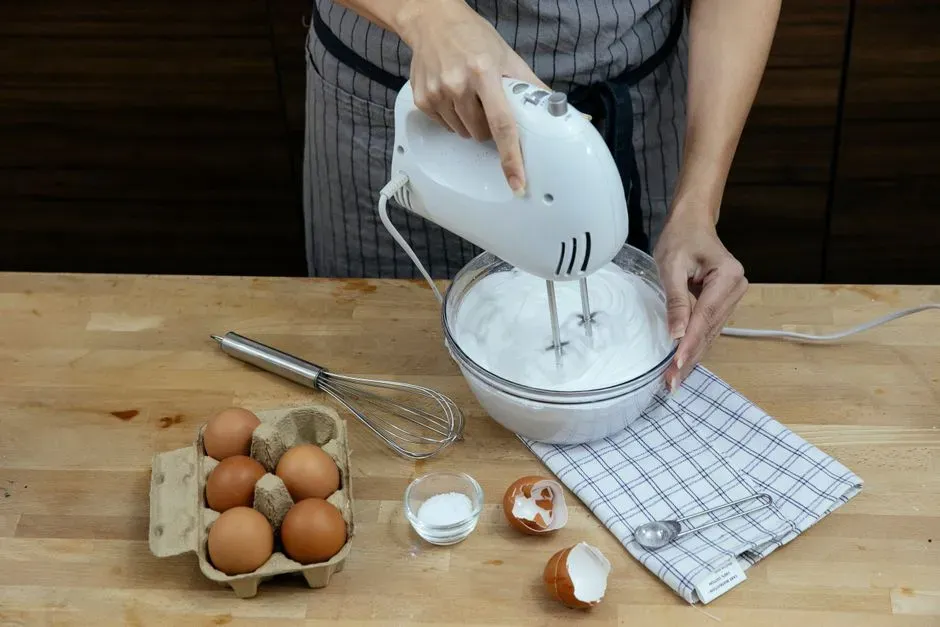
Soda fountain treats like egg creams, malts, and hand mixed floats once belonged to the diner counter. Chocolate syrup, seltzer, and milk made the egg cream, which has no egg or cream despite its name. Staff needed real training to make them properly.
Most diners have replaced the fountain with bottled drinks and a milkshake machine. The equipment and skill are costly to maintain. A handful of retro counters in New York and elsewhere still make them the old way.
Jell-O Parfaits and Gelatin Molds
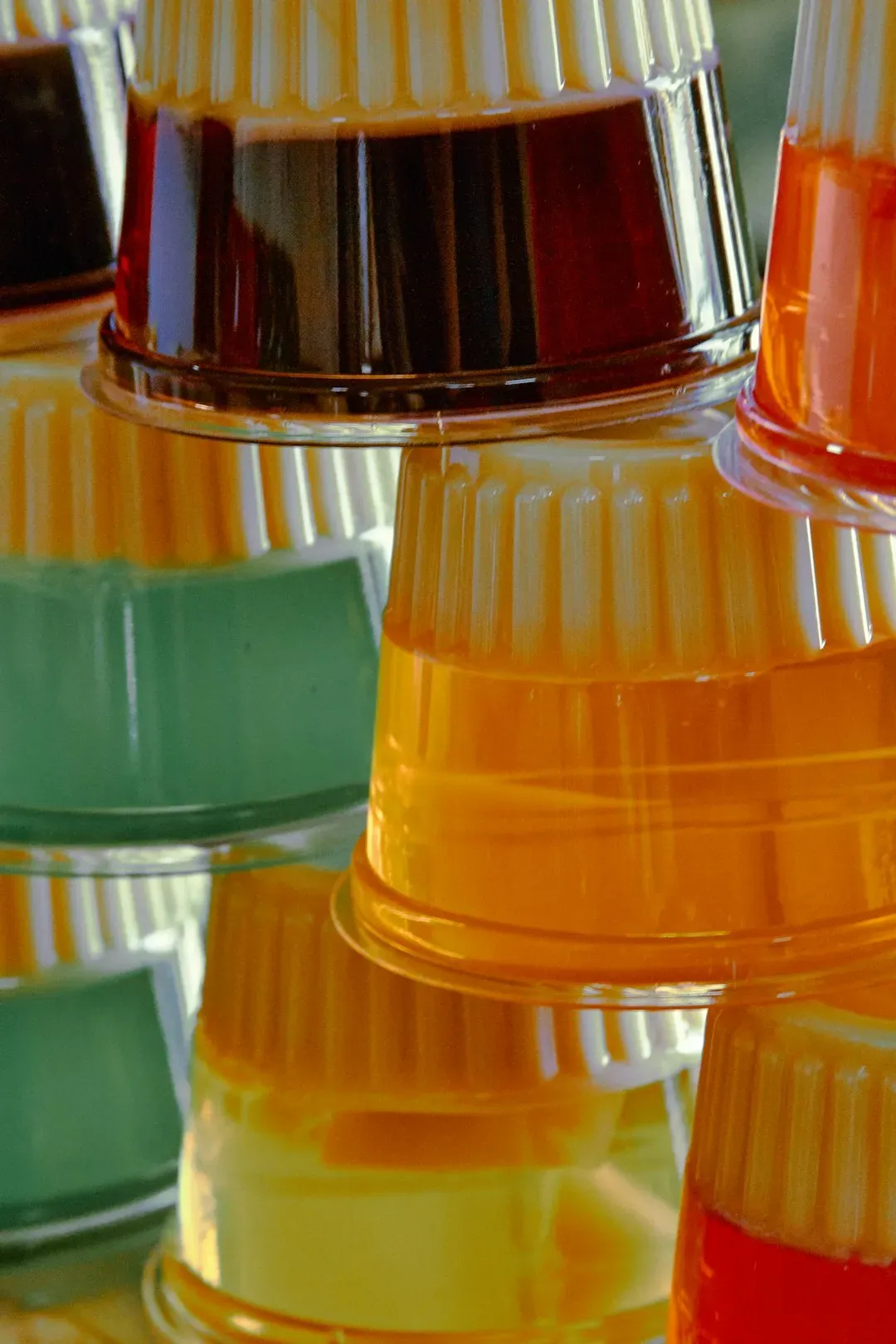
Gelatin desserts were everywhere in the mid twentieth century, from layered cups to molded rings with fruit suspended inside. They were cheap, colorful, and easy to keep cold. Diner cases often held a row of them.
Tastes changed as fresh and artisanal foods gained ground. Gelatin came to feel dated, and few kitchens bother with molds anymore. Today it’s mostly a cafeteria or hospital tray memory, with occasional retro revivals.
Together, these sweets show how much diner cooking depended on time, thrift, and a cook who liked to bake.

Leave a Reply