
Open a 1960s utility closet and you’d find a very different lineup from the one under most sinks today. There were boxes of flakes, tins of paste wax, and bottles with chemistry that wouldn’t pass today’s rules. Plenty of it worked well enough, though some of it left a lasting mark on rivers, lungs, and laundry rooms.
Some of these products vanished outright, while others simply changed shape. What follows is a look at eleven staples of the era, why they faded, and what took their place.
Bar Laundry Soap
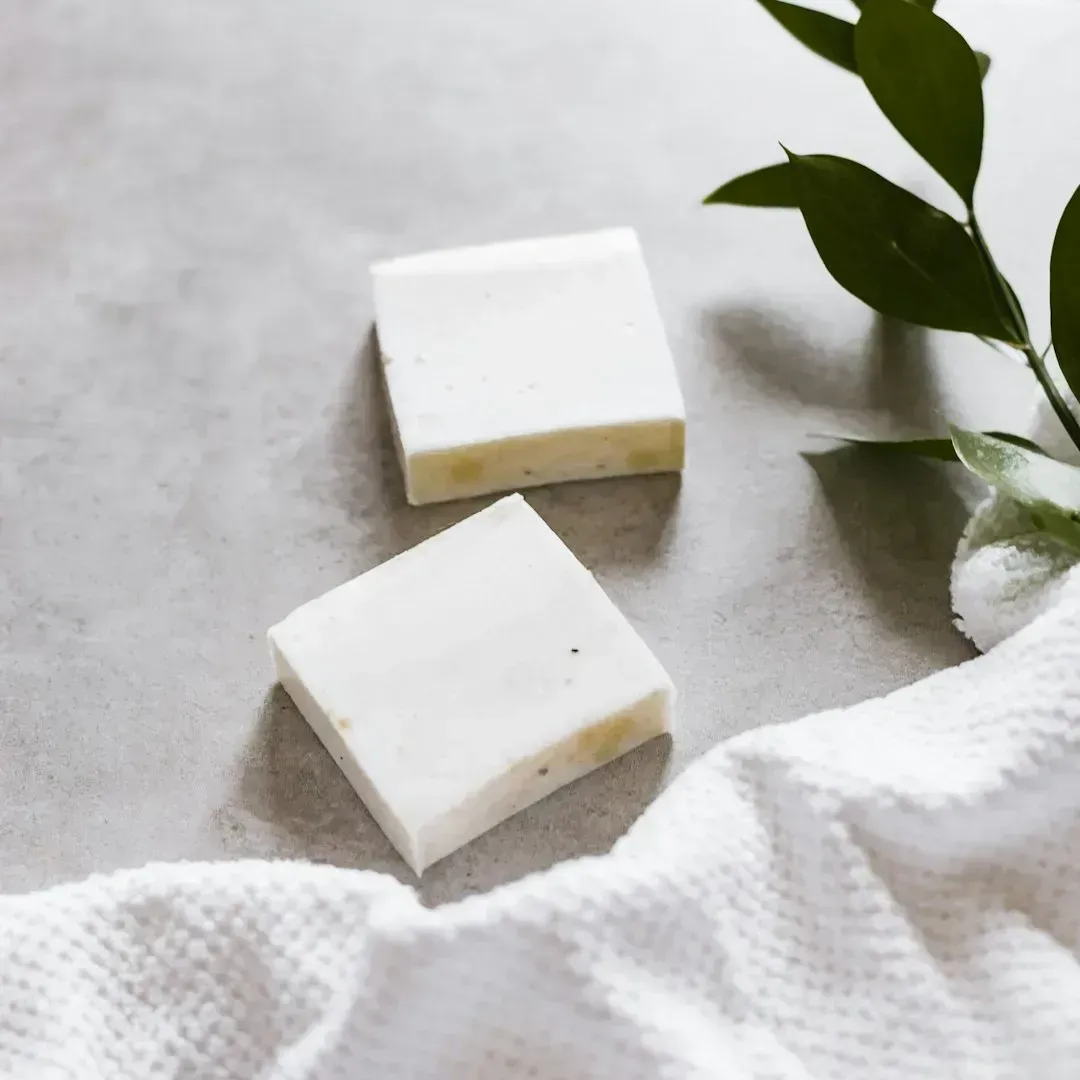
Many mid century homes kept a bar of laundry soap, such as Fels Naptha, near the sink or washboard. People rubbed it directly on collars, cuffs, and grease spots before washing. It was cheap, simple, and handy for stubborn marks.
Pretreating didn’t disappear, but the format changed. Liquid detergents, stain sticks, and sprays took over that job, and today’s enzyme based pretreaters target protein and grease stains more specifically. Fels Naptha is still sold, though it’s now more of a niche or nostalgic pick.
Soap Flakes
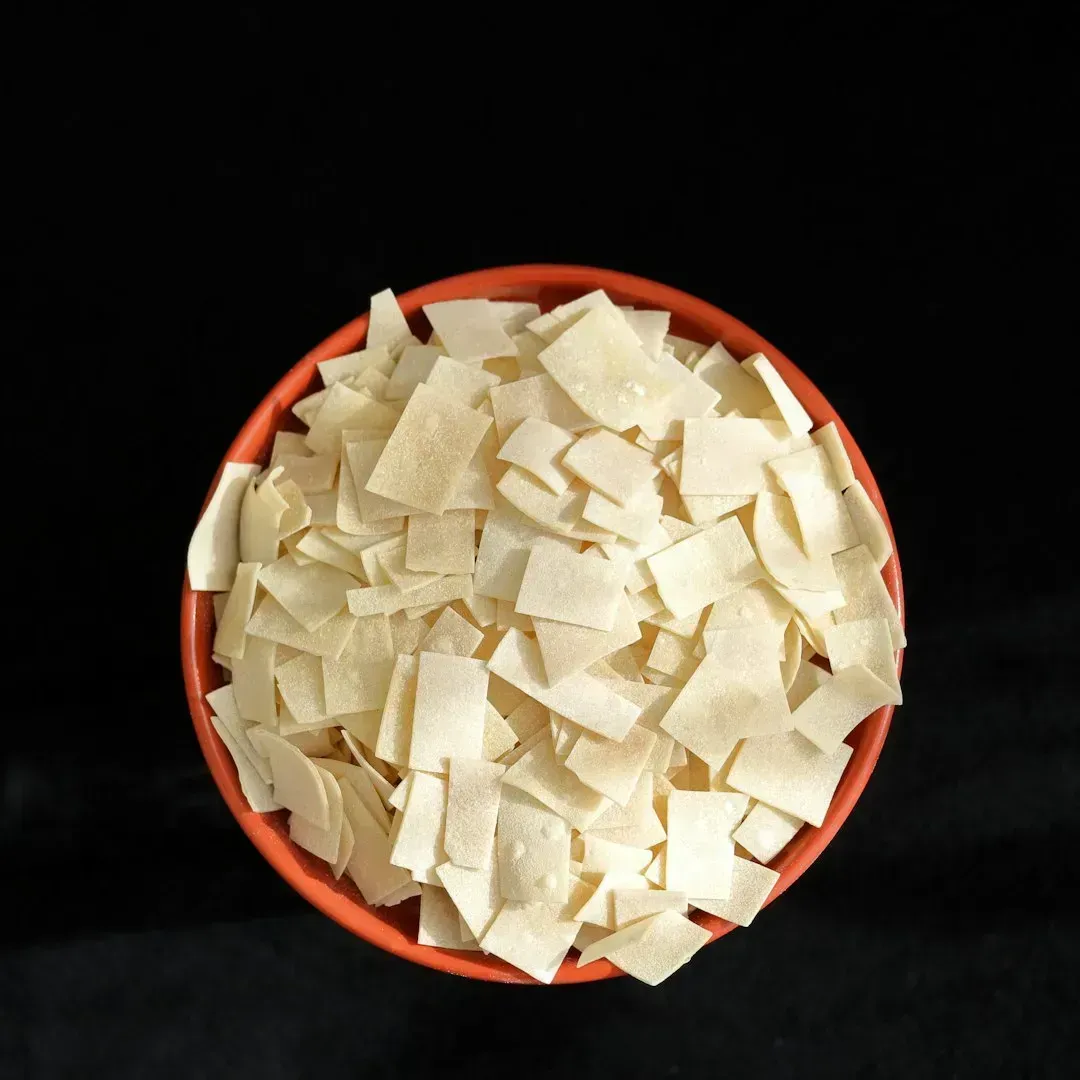
Flaked soaps like Ivory Snow and Lux were everyday choices for delicate fabrics and baby clothes. They dissolved in warm water and were gentle on hands. In hard water, however, they reacted with minerals and left a gray, scummy film.
Synthetic detergents solved much of that problem, since they don’t form soap scum the same way. Tide, launched in 1946, set the pattern for the modern laundry detergent. Soap flakes gradually gave way to powders, then liquids, and eventually single dose pods.
Laundry Bluing
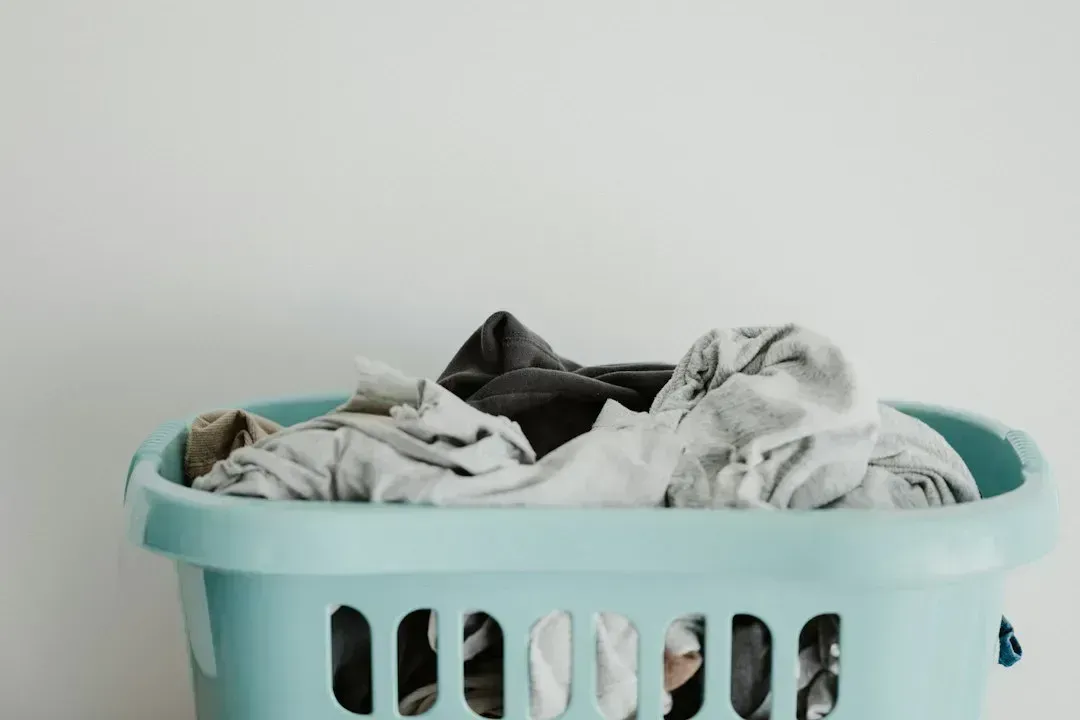
Bluing was a small bottle of blue dye added to the rinse water to make white clothes look brighter. It worked by masking the yellow tint that built up in aging fabric. Many households relied on it for sheets and shirts.
Modern detergents took over by including optical brighteners, which make fabric reflect more visible light and look whiter. Chemical whiteners and oxygen bleaches handle the rest. A few brands of bluing still exist, mostly for people who prefer the old method.
Carbon Tetrachloride Spot Removers
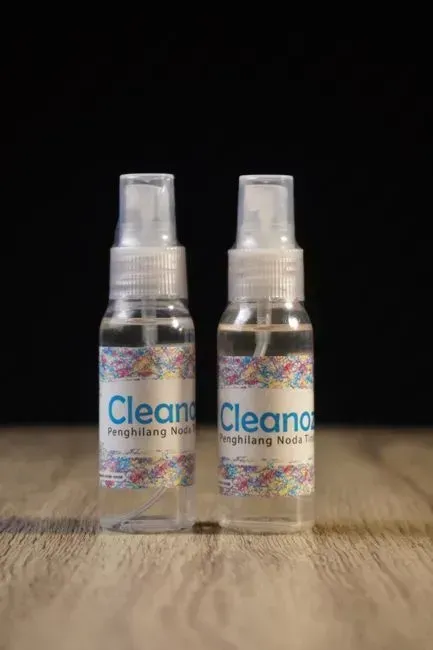
Dry cleaning fluids for home use once commonly contained carbon tetrachloride, which cut through grease with ease. It was also toxic, and breathing the fumes or absorbing it through skin could harm the liver and nervous system. The danger became harder to ignore as evidence piled up.
The U.S. Food and Drug Administration banned carbon tetrachloride in consumer products in 1970. Spot removers moved to other solvents and later to water based formulas with enzymes and surfactants. Those are generally safer to keep at home, though they still call for ventilation and label reading.
Paste Wax for Floors
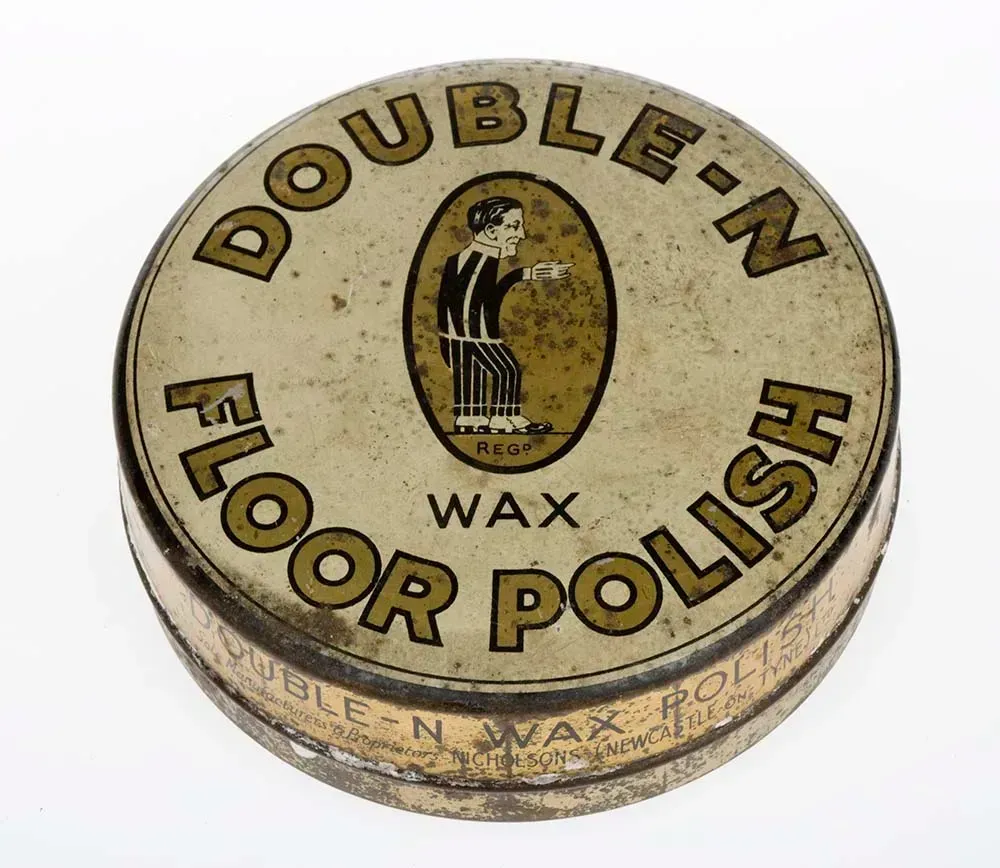
Hardwood, linoleum, and tile floors were often finished with paste wax, applied by hand and buffed to a shine. It took real effort and had to be repeated. Many families treated waxing day as a weekend chore.
Flooring itself changed the routine. Vinyl and other easy care surfaces, along with durable polyurethane finishes on wood, cut down the need for regular waxing. Water based floor polishes and pH balanced cleaners now handle most upkeep, with far less buffing.
Gritty Scouring Powders
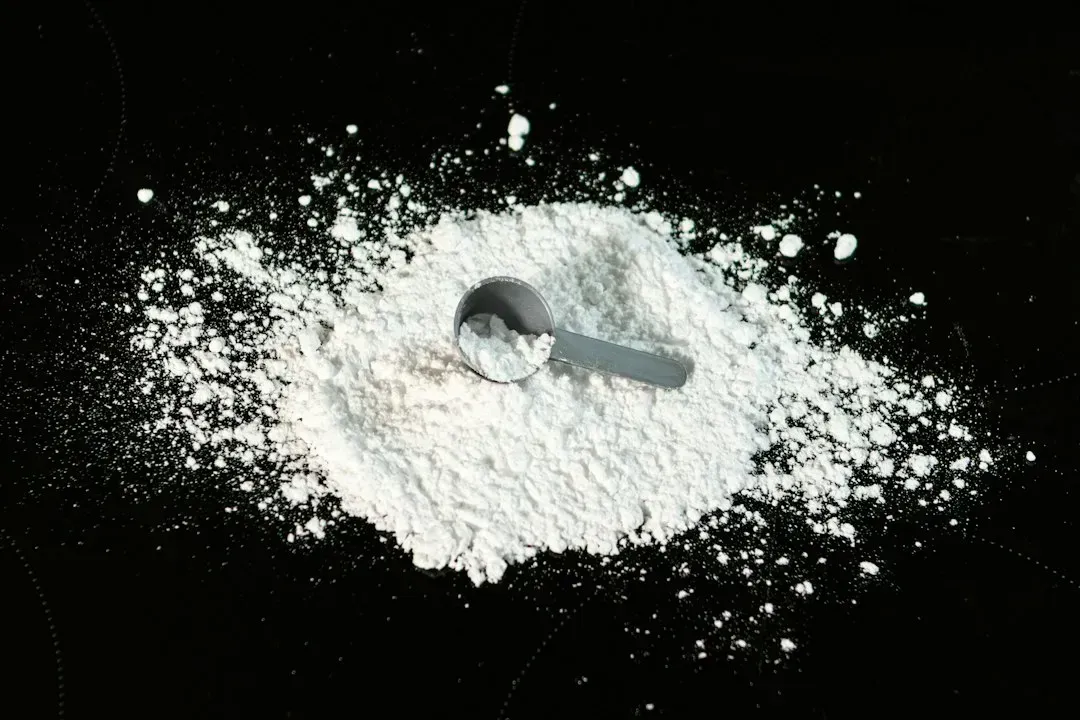
Canned scouring powders such as Comet and Ajax were the go to for sinks, tubs, and stovetops. They relied on abrasive particles to scrape away grime. The downside was that they could dull porcelain and scratch softer finishes over time.
Cream cleansers and spray bathroom cleaners gradually took a larger share of the shelf. They use gentler abrasives or chemical action instead of brute scrubbing. Powders remain on sale, but they’re no longer the automatic first choice.
CFC Aerosol Sprays
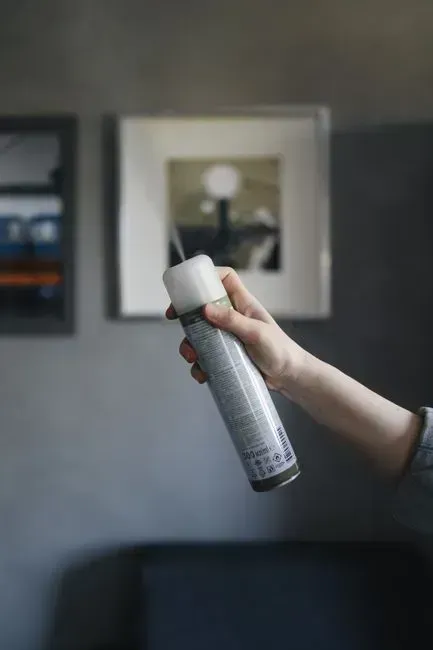
Spray cans of furniture polish, air freshener, and household sprays were a modern convenience in the 1960s. Many used chlorofluorocarbons as propellants. Back then, few people connected a can of polish with the upper atmosphere.
Scientists later linked CFCs to ozone depletion, and the U.S. banned them in most aerosol uses in 1978. Manufacturers shifted to hydrocarbon propellants, compressed gases, and pump sprays. The international Montreal Protocol later phased out CFC production more broadly.
Hard Detergents That Foamed Rivers
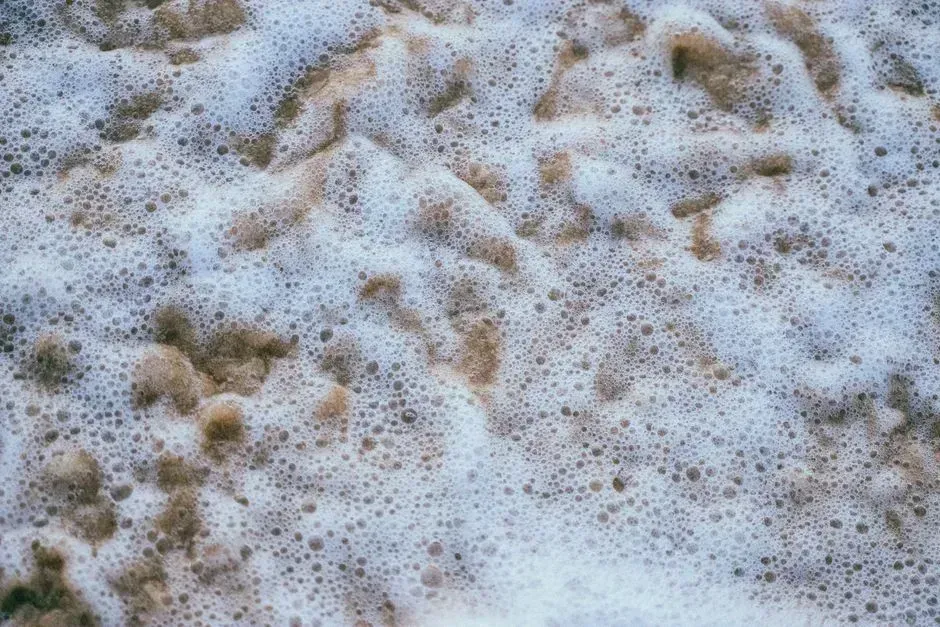
Early synthetic detergents often contained a surfactant that didn’t break down well after use. It passed through sewage treatment and ended up in waterways, where foam piled up on rivers and around treatment plants. Complaints from the public grew through the late 1950s and early 1960s.
The U.S. soap and detergent industry voluntarily switched to biodegradable linear alkylbenzene sulfonate in 1965. That surfactant family broke down far more readily, and it remains a common ingredient in detergents. The foam problem largely faded from public view.
Phosphate Heavy Dishwasher and Laundry Products
Phosphates were prized in 1960s detergents because they softened water and helped lift dirt. They worked very well. Yet they also fed algae growth in lakes and rivers, which can choke out oxygen and harm aquatic life.
Many U.S. states began restricting phosphates in laundry detergent in the 1970s, and restrictions on automatic dishwasher detergents followed in many states around 2010. Brands reformulated using other water softeners and enzymes. Results can vary by water hardness, which is why some people still notice a difference.
String Mops and Wringer Buckets
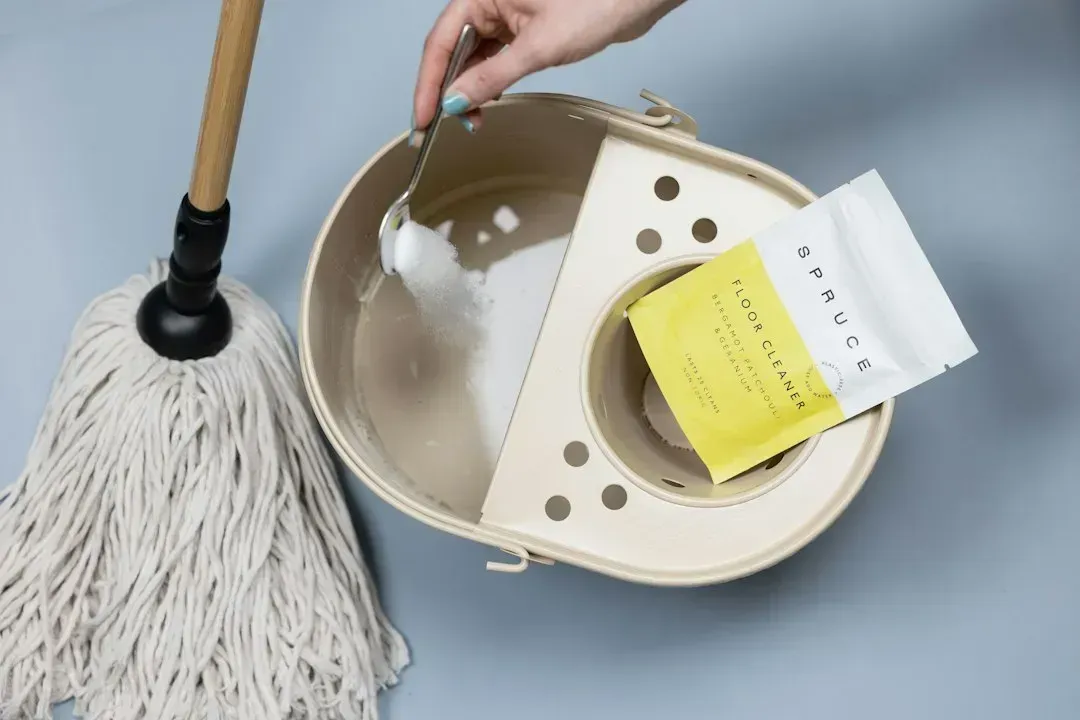
The classic floor cleaning kit was a cotton string mop and a bucket with a built in wringer. It soaked up lots of water and could be rinsed over and over. It also tended to push the same dirty water around the room, and a damp mop head could sour if stored wet.
Disposable and washable pad systems changed the routine. Procter and Gamble introduced the Swiffer in 1999, and spray mops and microfiber pads have become common since. String mops are still around, mostly in commercial settings and with people who like their capacity.
Phenolic Disinfectants
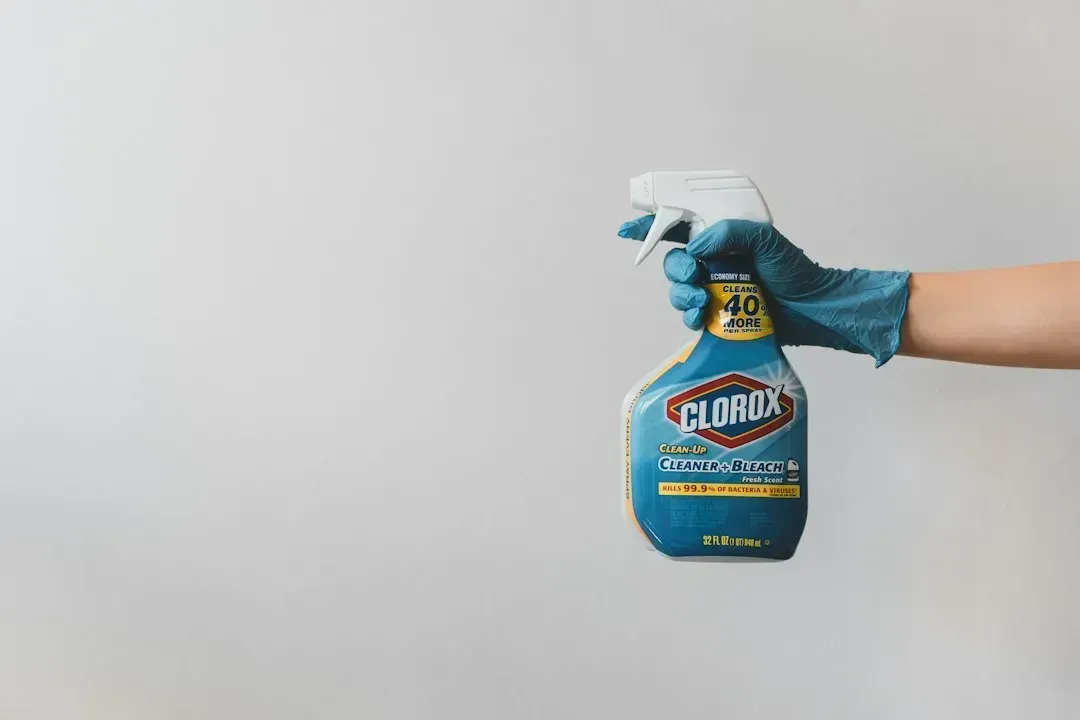
Many older household disinfectants were built on phenol related compounds, like the cresol in early Lysol. They had a strong, medicinal smell that many people associated with a clean house. They could also irritate skin and eyes and needed careful handling.
Modern disinfectants more often rely on quaternary ammonium compounds, alcohol, hydrogen peroxide, or bleach. The EPA registers products that make disinfecting claims, and labels list contact times needed to work. Cleaning first and following the directions matters more than any particular scent.




Leave a Reply