
Ask a grown adult how they first learned to cook, and the answer is rarely a class or a cookbook. More often it’s a parent at the stove, a stool pulled up to the counter, and a few quiet instructions like “stir that” or “watch the heat.”
Certain dishes show up again and again in these stories because they’re forgiving, cheap, and built from pantry staples. Here are eleven that many people first learned at home, along with what each one tends to teach.
Scrambled Eggs
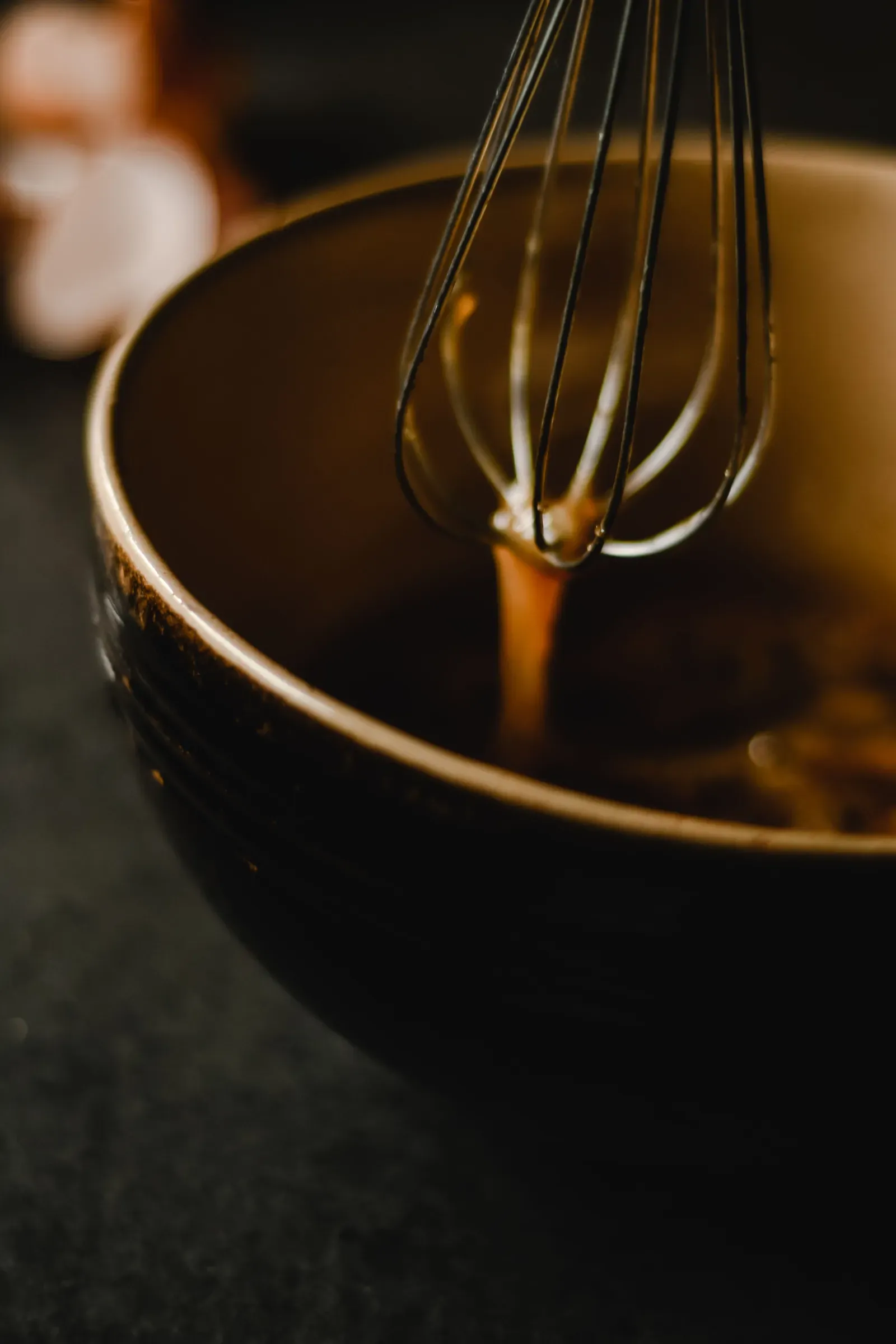
For a lot of kids, eggs are the first real dish. A parent shows how to crack the shell without losing bits in the bowl, and how to whisk until the yolk and white fully combine. It’s a small task, but it feels like real cooking.
The deeper lesson is heat control. Eggs set quickly, so low to medium heat and constant gentle stirring give soft curds, while a hot pan makes them rubbery. Few other foods teach that so fast.
Spaghetti With Tomato Sauce
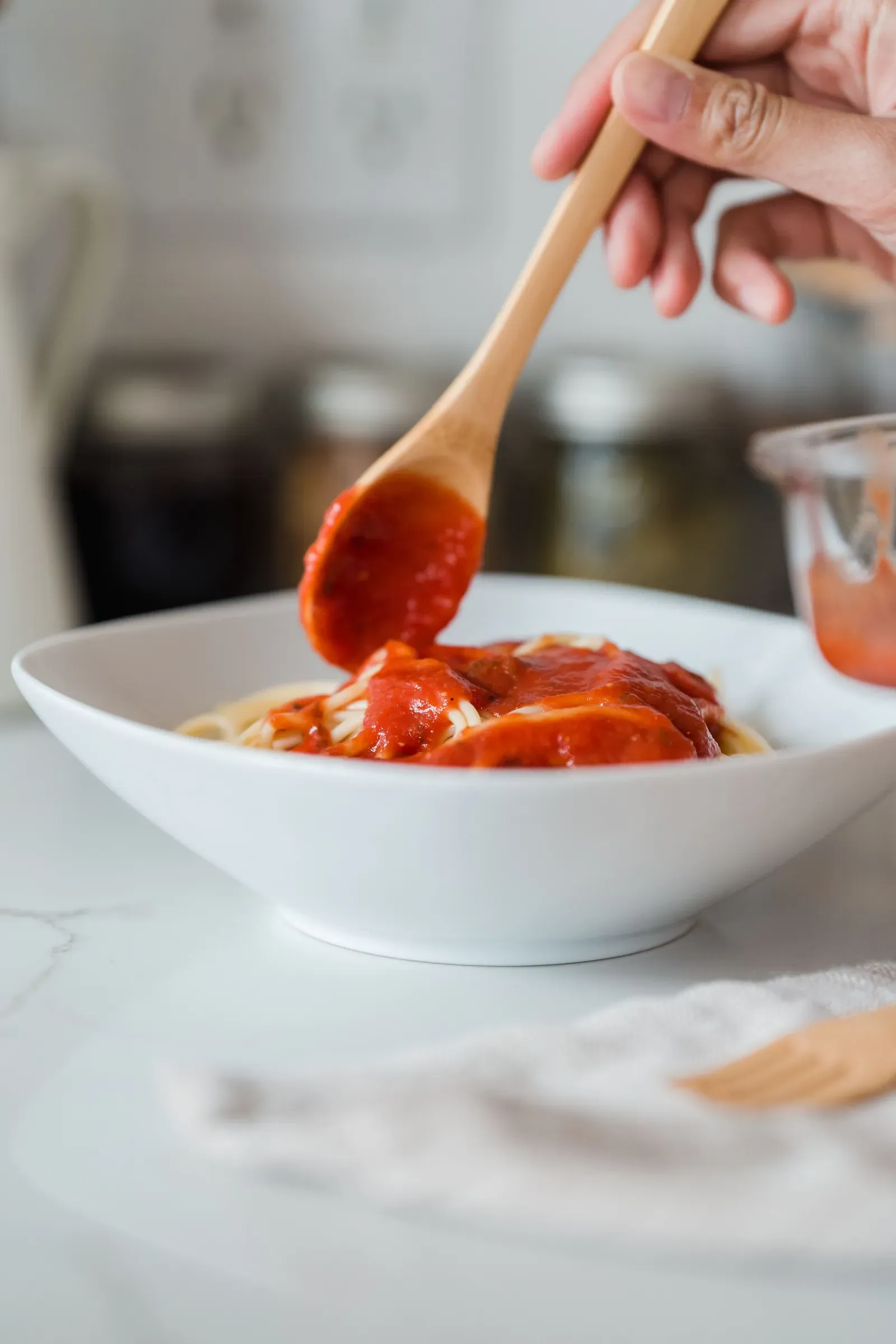
Pasta night is a classic handoff from parent to child. Kids usually start by salting the water and learning when to drop in the noodles. Later they graduate to the sauce, whether it’s from a jar or simmered from canned tomatoes.
It teaches timing, since the sauce and pasta should finish together. Many parents also pass down the habit of tasting a strand to check doneness instead of trusting the clock on the box.
Grilled Cheese Sandwiches
A grilled cheese looks effortless, yet it’s a lesson in patience. Butter the outside of the bread, keep the heat moderate, and wait for a golden crust before flipping. Rush it and you get burned bread over cold cheese.
Parents often show this one early because the stakes are low. It also introduces the idea that a pan needs to be preheated, which carries over to nearly everything else.
Pancakes
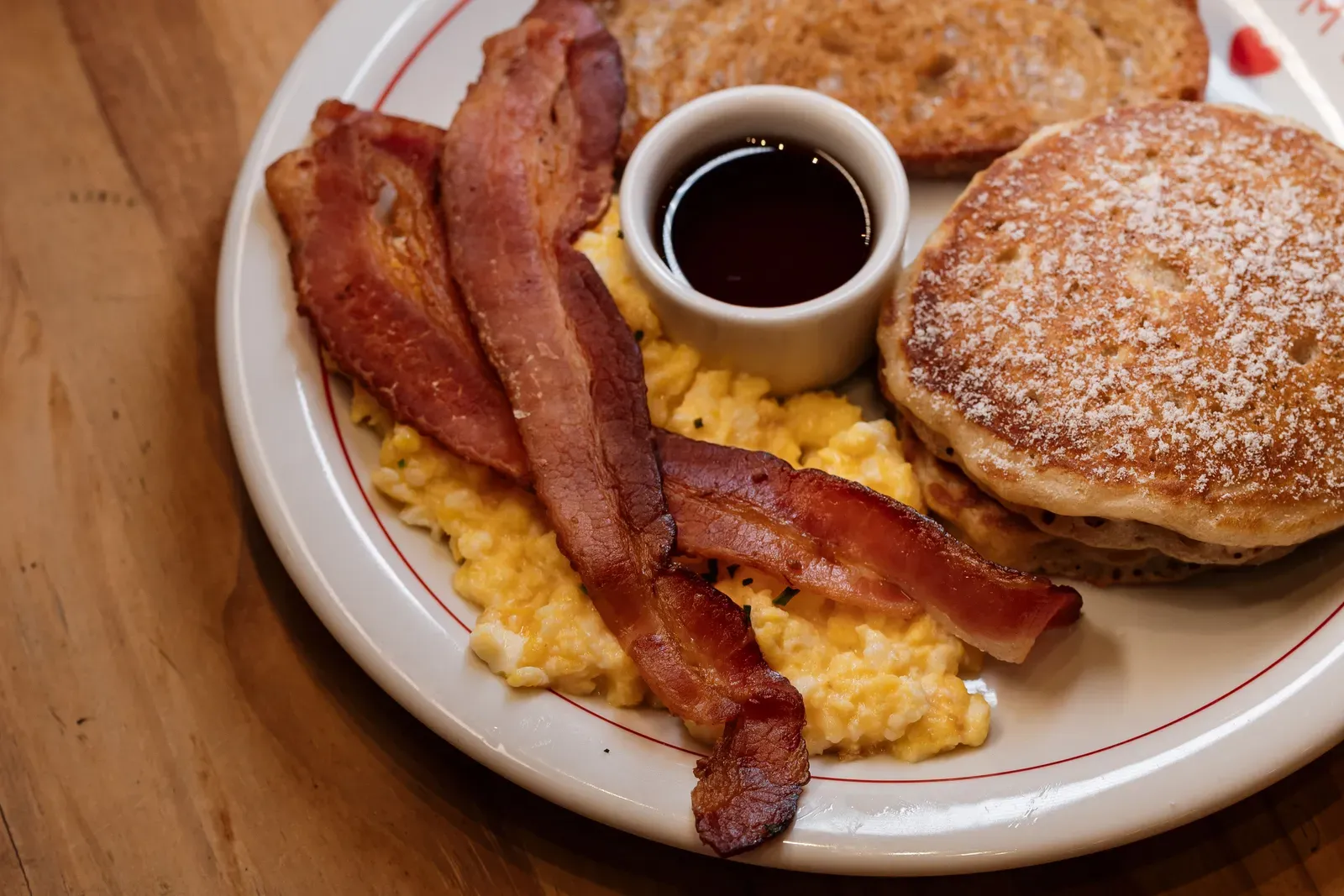
Weekend pancakes are a common family ritual. Kids measure flour, crack eggs, and learn that lumpy batter is fine and overmixing makes pancakes tough. That tip alone saves many a breakfast.
The first pancake is famously the throwaway. Parents usually use it to explain that the pan needs a little time to settle, and that bubbles on the surface signal when it’s time to flip.
Chicken Soup
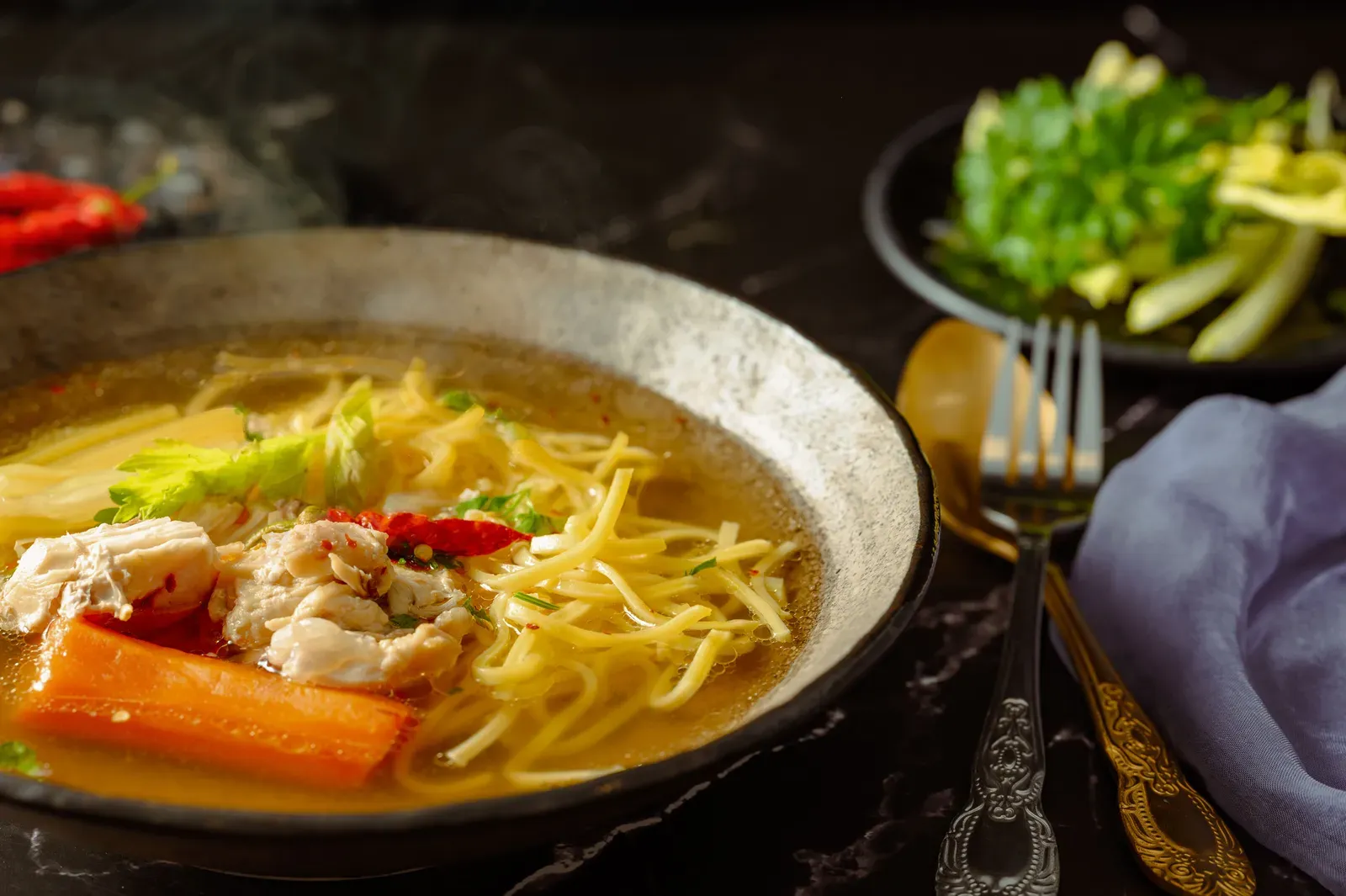
Chicken soup is often handed down with a family twist, whether that’s noodles, rice, matzo balls, or extra ginger. Kids start by chopping carrots and celery, then learn to skim and simmer instead of boil hard. It’s slow food that rewards a little attention.
It also teaches how flavor builds. Bones, aromatics, and time turn plain water into broth, and many cooks first grasp that idea standing beside a parent at the pot.
Tacos
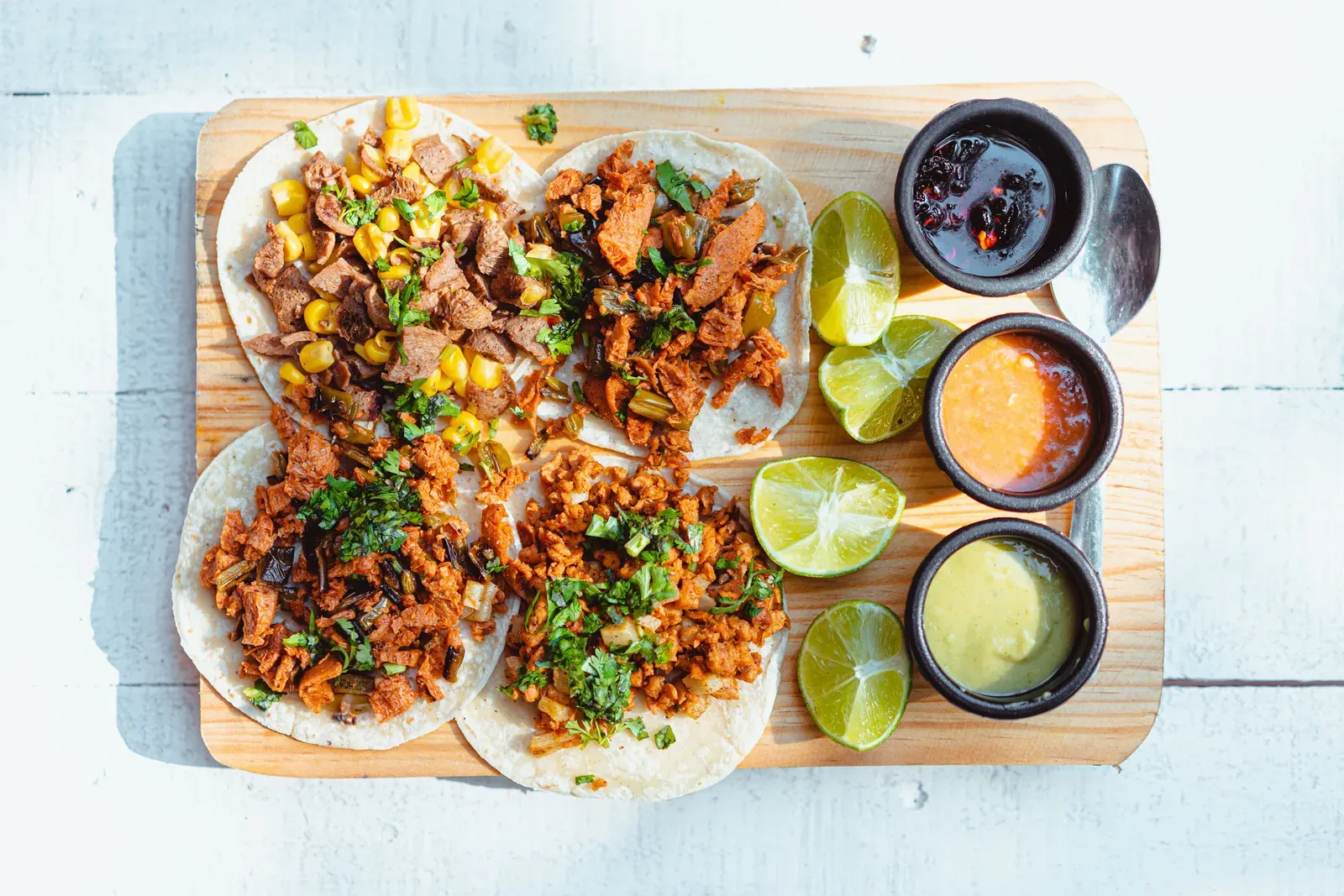
Taco night works well for teaching because everyone assembles their own. Browning seasoned ground meat or beans shows how to build flavor in a skillet, and chopping toppings gives young cooks safe knife practice under supervision.
Families personalize the spice mix, the tortillas, and the sides. That’s why two people’s “mom’s tacos” can taste completely different, and why the recipe is so often learned by watching instead of reading.
Roast Chicken
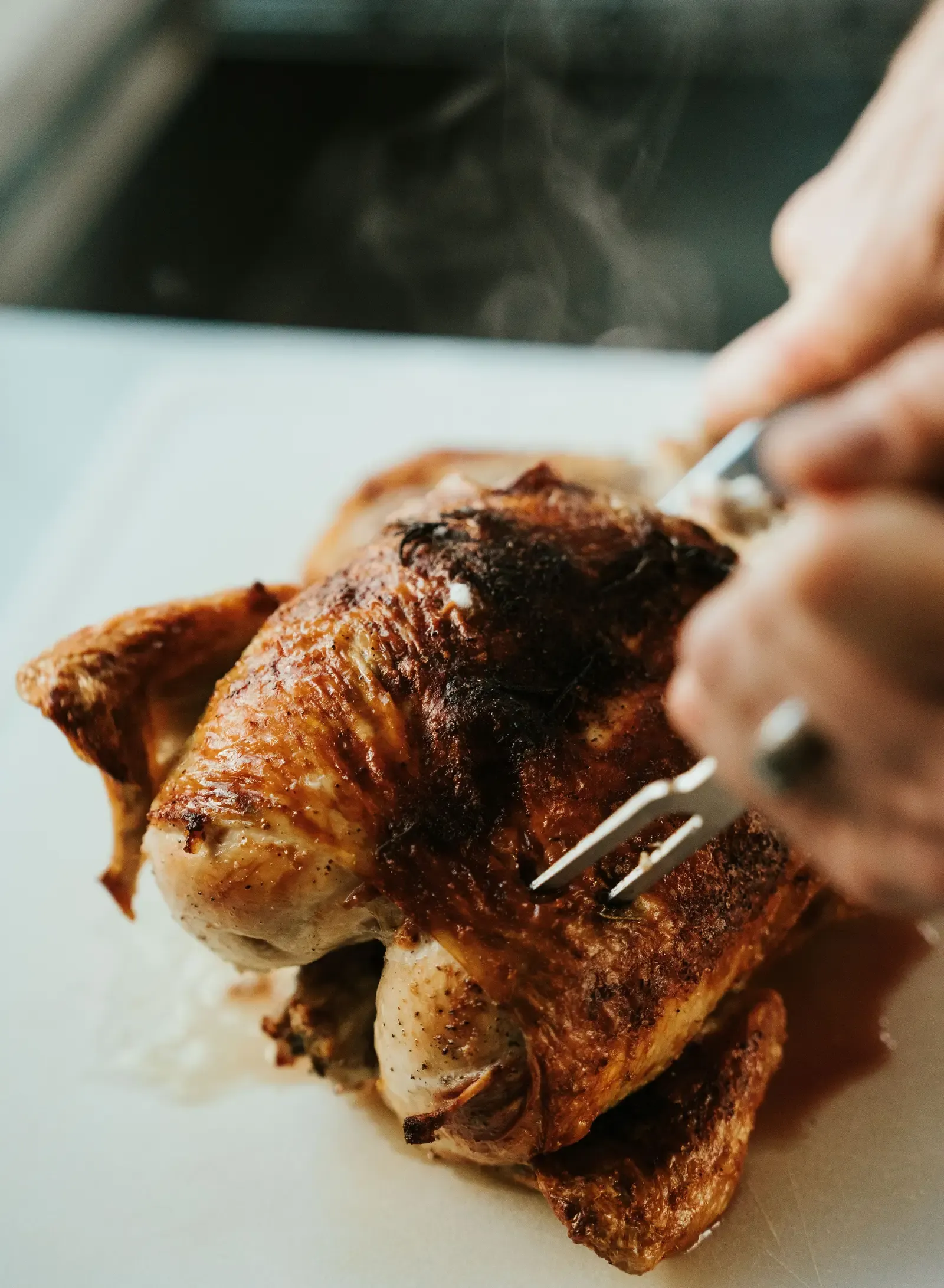
A whole roast chicken is a Sunday standard in many homes. Parents typically show how to pat the bird dry, season it generously, and rely on a thermometer to confirm it’s cooked through. The USDA recommends an internal temperature of 165°F for poultry, and the guidance is often passed along at the oven door.
Leftovers carry the lesson further. The carcass becomes stock, the meat goes into sandwiches or salads, and a child learns that one meal can stretch across several days.
Mashed Potatoes
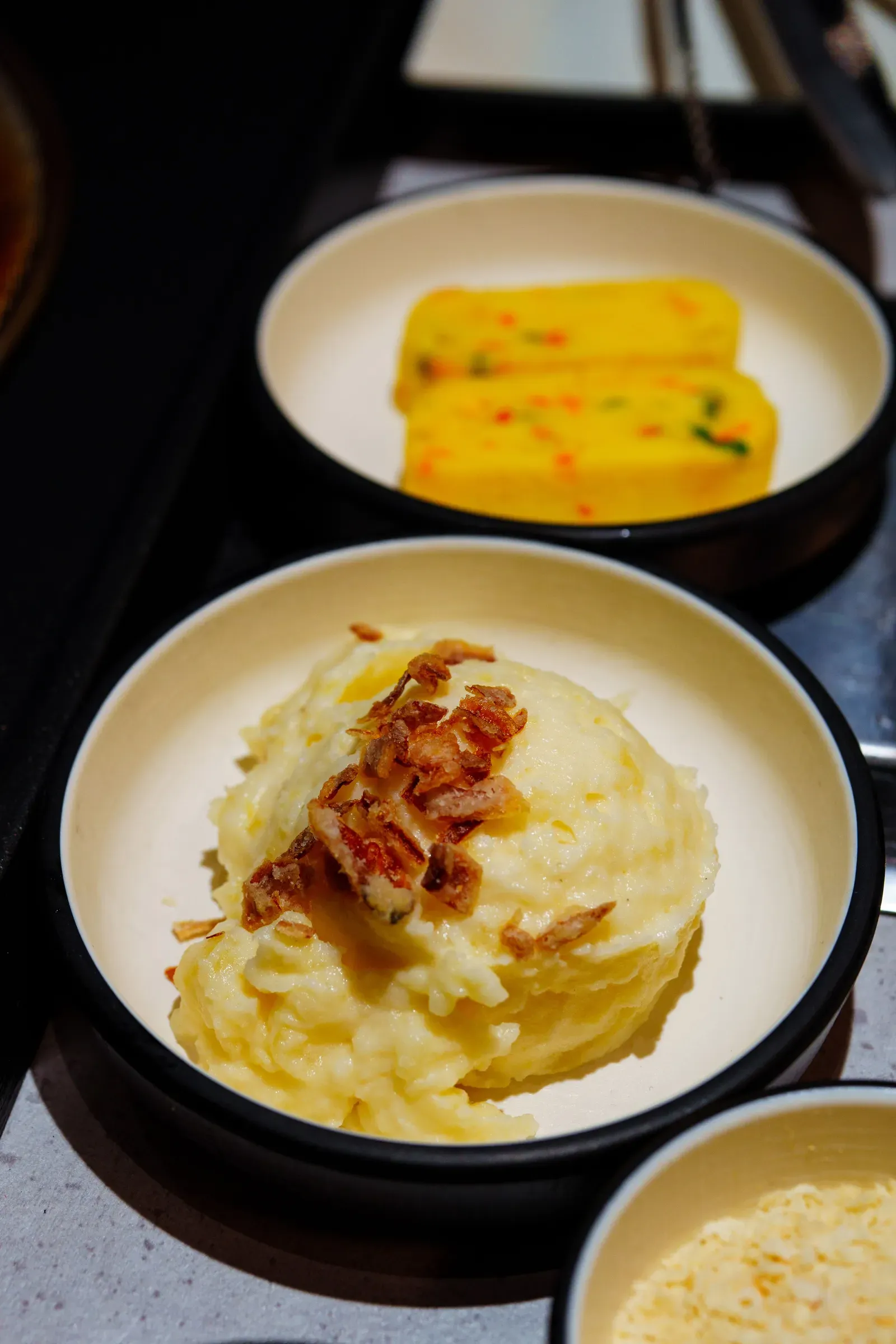
Mashed potatoes teach texture. Kids learn to start potatoes in cold salted water, cook until a fork slides in easily, and mash while they’re still hot. Butter and warm milk go in gradually, never all at once.
The common mistake is overworking them, which turns them gluey. A parent standing nearby usually catches that before it happens, and the correction sticks for life.
Meatloaf
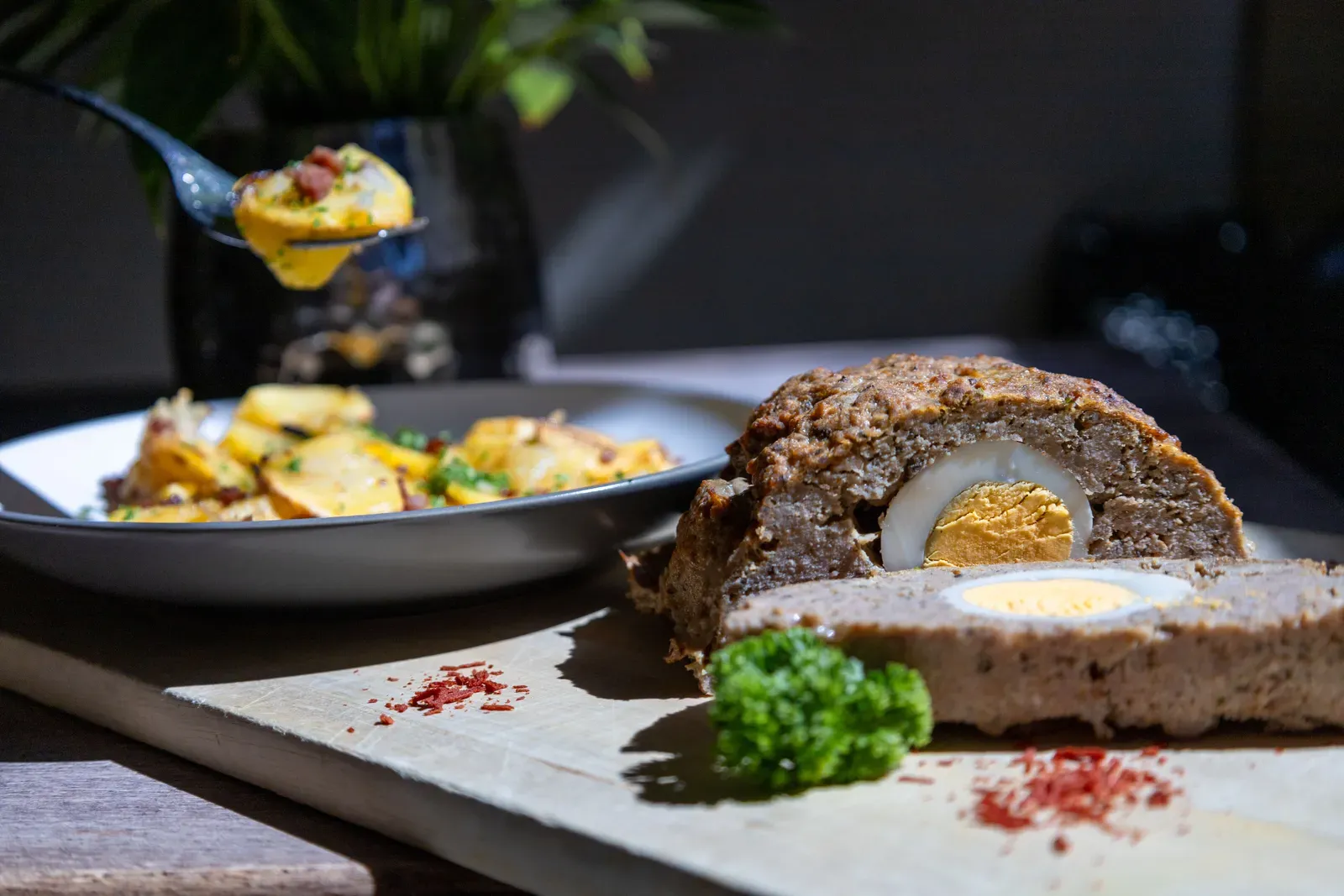
Meatloaf is a hands-on lesson in mixing and seasoning. Children often get the job of combining the meat, egg, breadcrumbs, and onion with clean hands. It’s messy, which is part of the appeal.
It also shows how a recipe can flex. Families swap in oats, add ketchup glaze, or tuck in vegetables, and the result becomes a signature dish that adults later recreate from memory.
Fried Rice
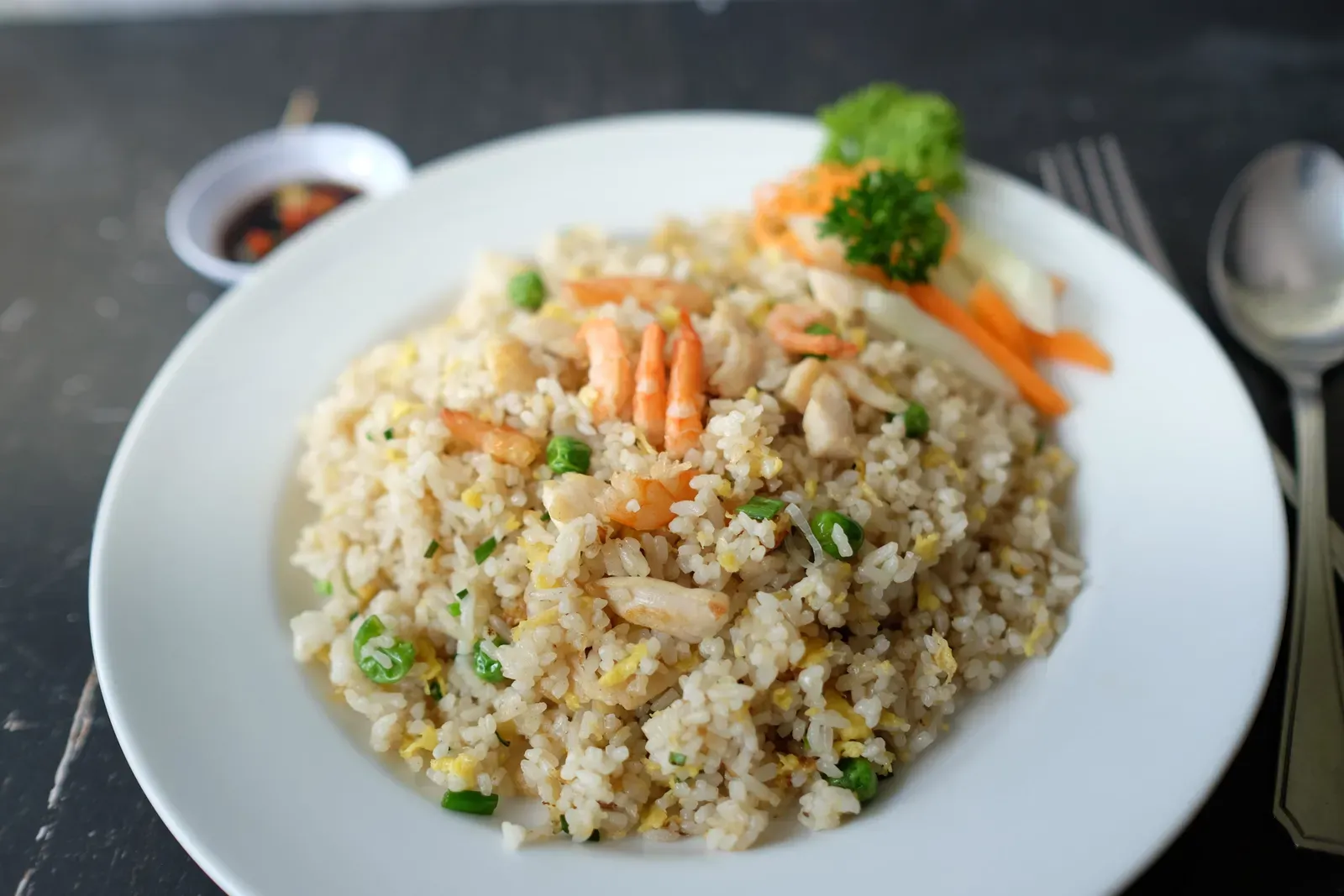
Fried rice is a lesson in using what’s on hand. Day-old rice works best because it’s drier and fries instead of clumping, a tip many families share. Leftover vegetables, a scrambled egg, and a splash of soy sauce are often enough.
It’s quick, high-heat cooking, so kids learn to prep everything first. That habit, often called mise en place, becomes second nature once you’ve watched a parent cook this way.
Chocolate Chip Cookies
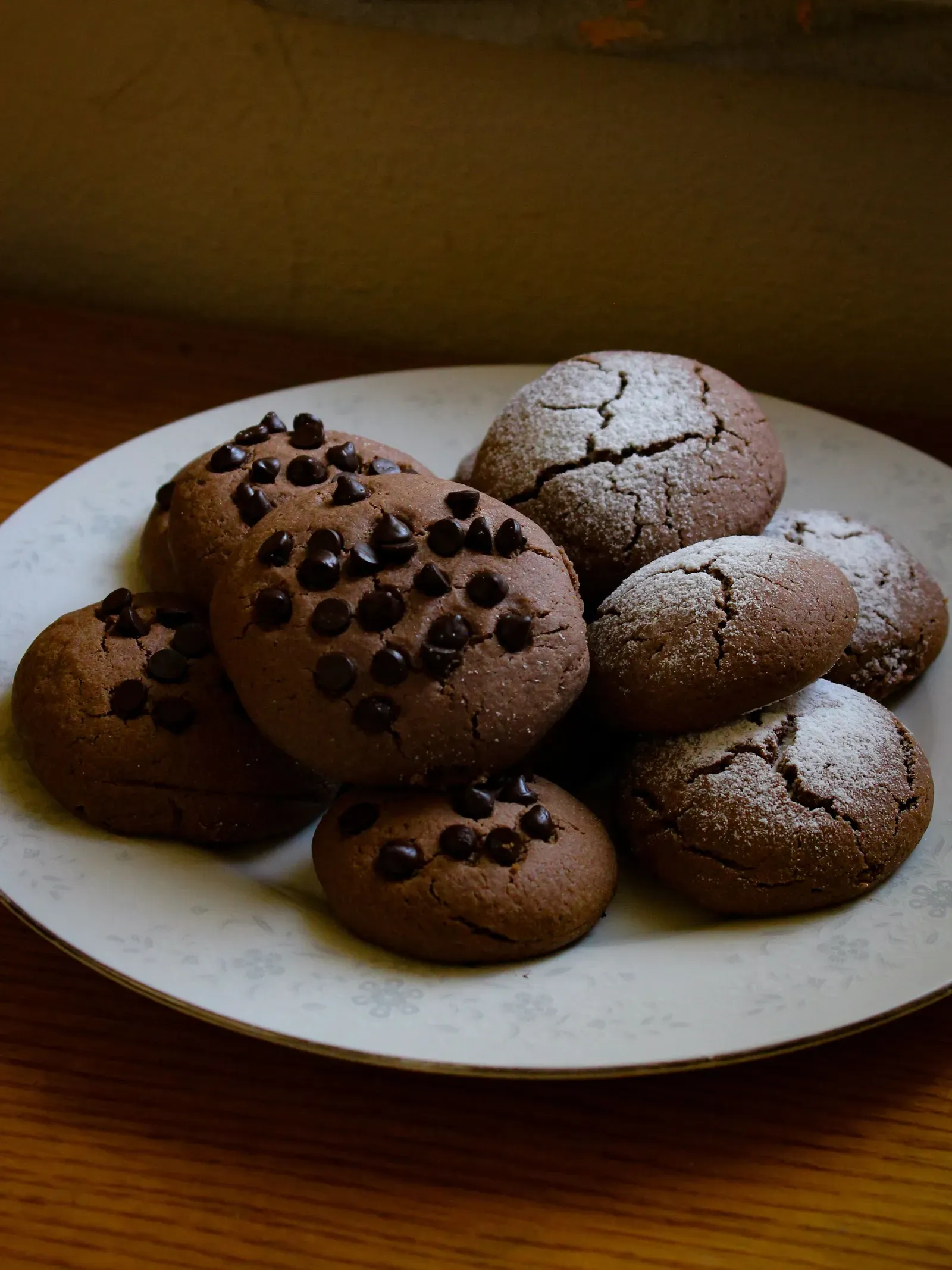
Baking cookies is often a child’s first encounter with precise measurement. Unlike soup, baking doesn’t forgive guesswork, so parents show how to level a cup of flour and let butter soften properly. The reward arrives in about ten minutes in the oven.
Most families print the recipe right on the chip bag or keep a stained card in a drawer. Years later, the smell of those cookies baking is what many adults say brings the whole kitchen memory back.



Leave a Reply