
Cooking at home is supposed to be the thrifty choice, and for plenty of meals it is. A pot of pasta or a tray of roasted vegetables will almost always beat a restaurant bill. Some dishes work differently, though.
When a recipe calls for a long list of specialty ingredients, hours of simmering, or equipment most kitchens don’t have, the math changes. A restaurant buys in bulk and spreads labor and fuel across dozens of portions, while a home cook buys one jar of everything. Here are eleven dishes where the restaurant price can honestly come out ahead.
Pho
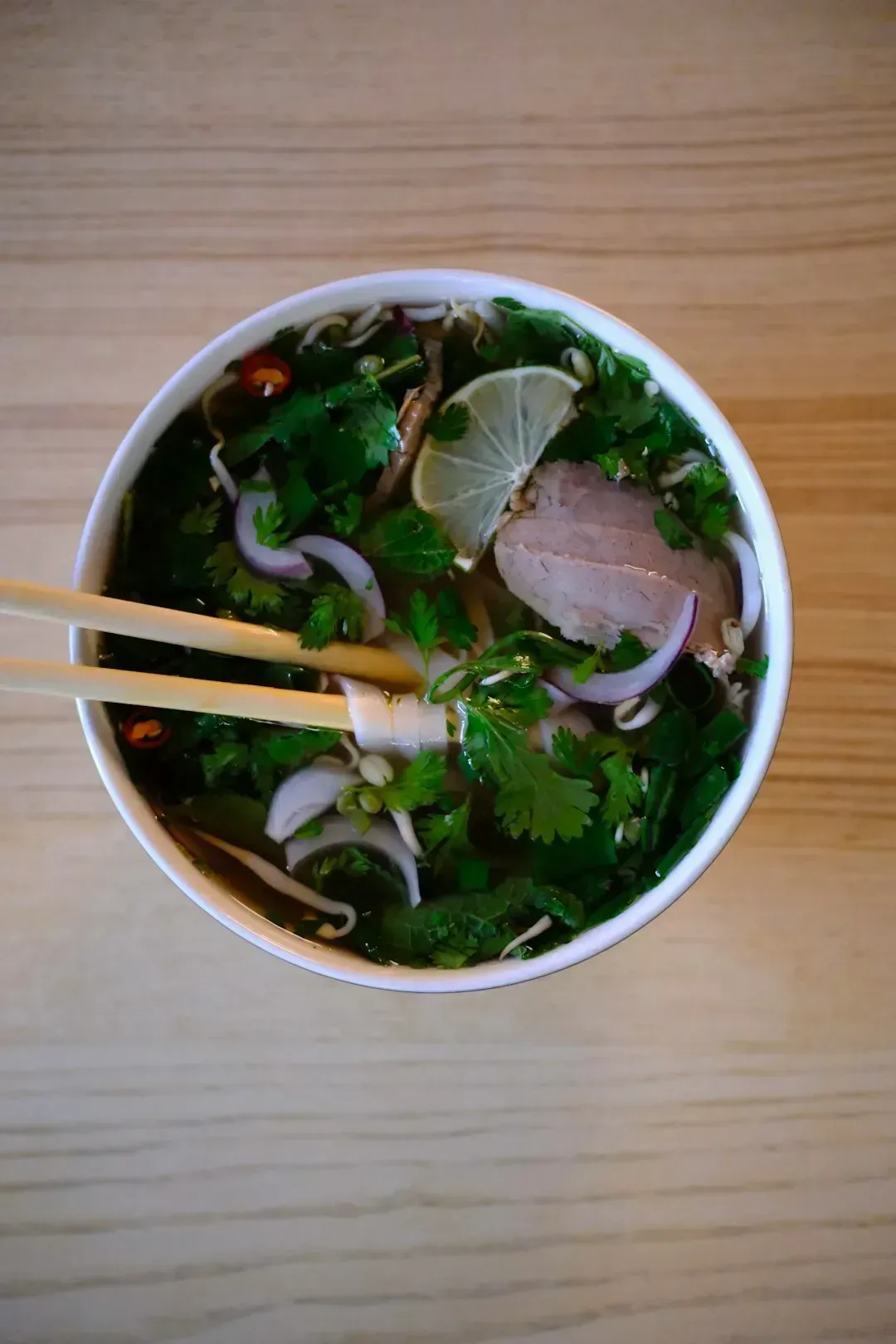
A proper bowl of pho depends on a broth built from beef bones, charred onion and ginger, and whole spices such as star anise, cinnamon, and cloves. The broth usually simmers for many hours, which means a lot of stove time and a big pot. Then come rice noodles, thinly sliced beef, fresh herbs, bean sprouts, and lime.
Buying all of that for a single meal can add up quickly, especially the spices and fish sauce you may use only once. Many casual Vietnamese restaurants charge a modest price for a large bowl, since they make broth in huge batches. Cooking pho for a crowd narrows the gap, but one or two diners usually pay less by eating out.
Tonkotsu Ramen
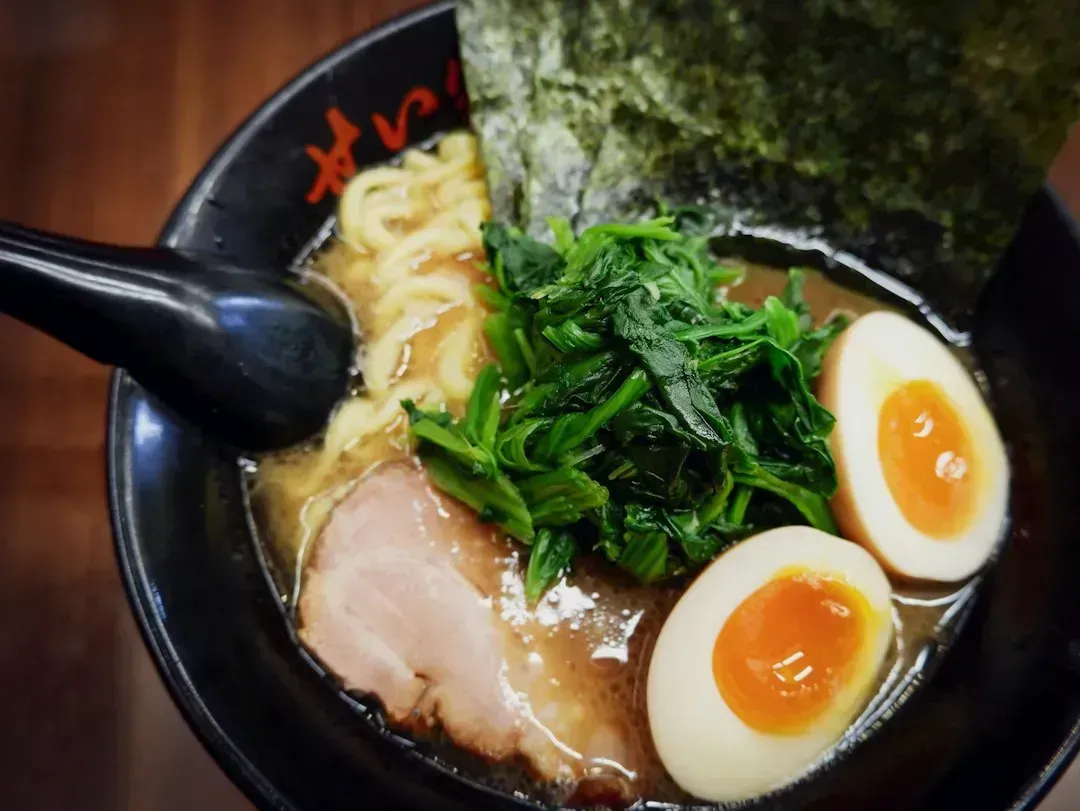
Real tonkotsu broth is made by boiling pork bones for many hours until it turns creamy and rich. On top of that, you need chashu pork, marinated soft eggs, fresh noodles, and tare, the seasoning base that gives each bowl its character. Each component is its own small project.
Ramen shops make the pieces in volume and serve them quickly. At home, the pork bones, noodles, and toppings can cost more than a bowl on the menu, and you’ll spend a whole day on it. Instant versions are cheap, but they’re a different dish.
Sushi Rolls
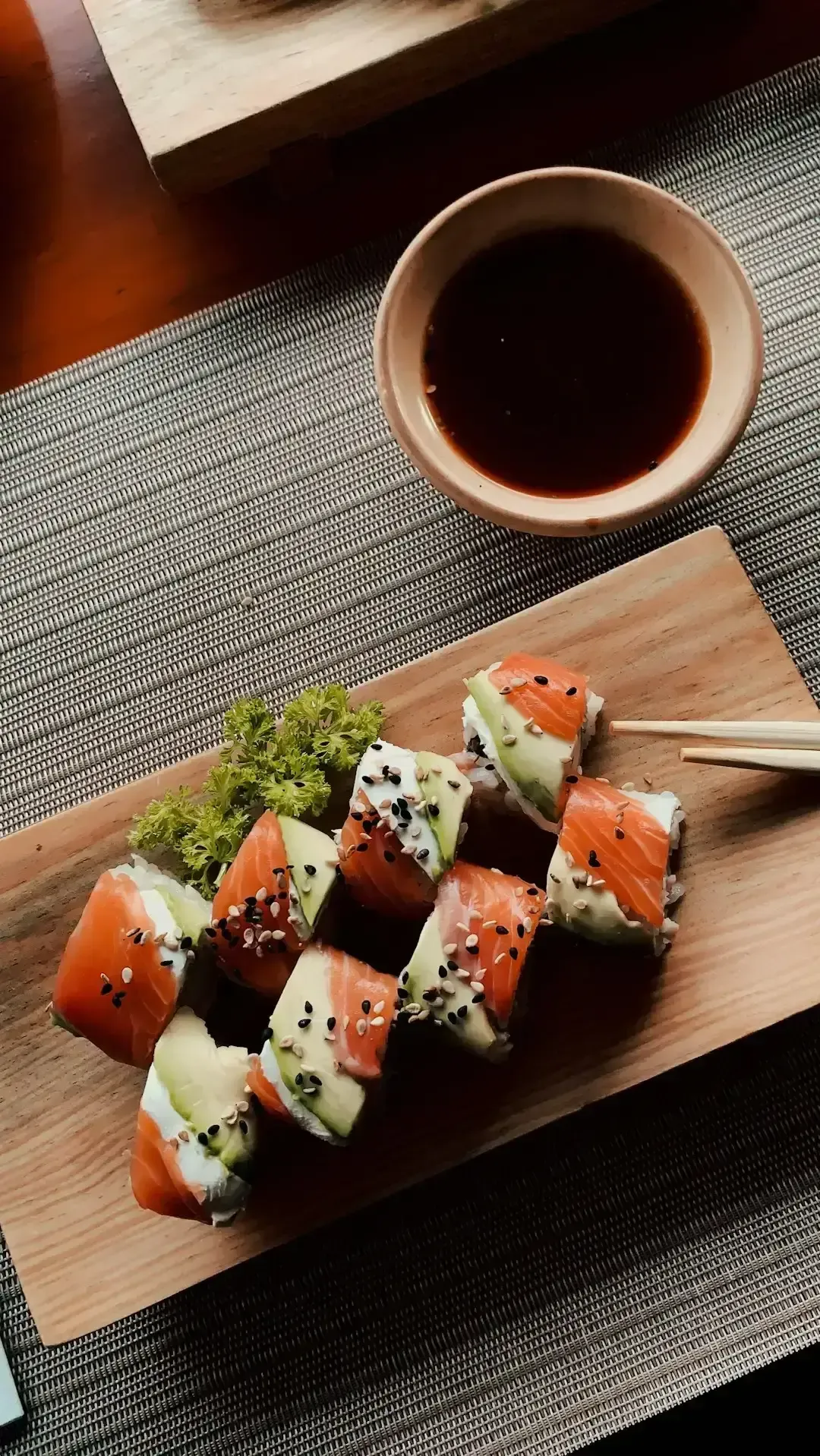
Sushi looks simple, yet the shopping list is not. You need sushi rice, rice vinegar, nori, and a bamboo mat, plus fish that is safe to eat raw. Sushi grade fish from a trusted fishmonger tends to be expensive in small amounts.
Restaurants can buy whole fish and use every cut across many orders, which keeps waste low. Lunch specials with a few rolls often cost less than the fish alone would at a specialty market. Vegetable rolls are cheaper to make at home, but anything with quality raw seafood often favors dining out.
Dim Sum
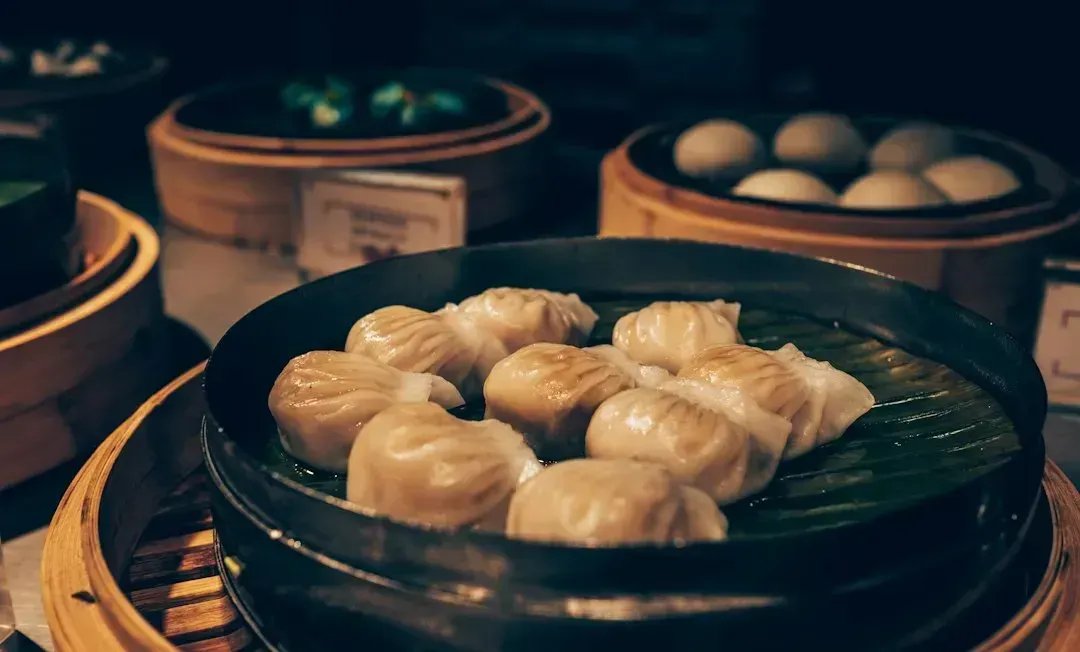
Dumplings, buns, and rolls take real labor. Each shumai or har gow needs filling prepared, wrappers made or bought, and careful folding. Steaming dozens of pieces is easy in a restaurant with stacked bamboo steamers, but awkward in a typical kitchen.
Ordering a few small plates with friends gives you variety that would be hard to reproduce without buying many separate ingredients. Cooking five or six different items at home means five or six fillings, sauces, and doughs. The per plate price in a dim sum house often looks reasonable by comparison.
Biryani
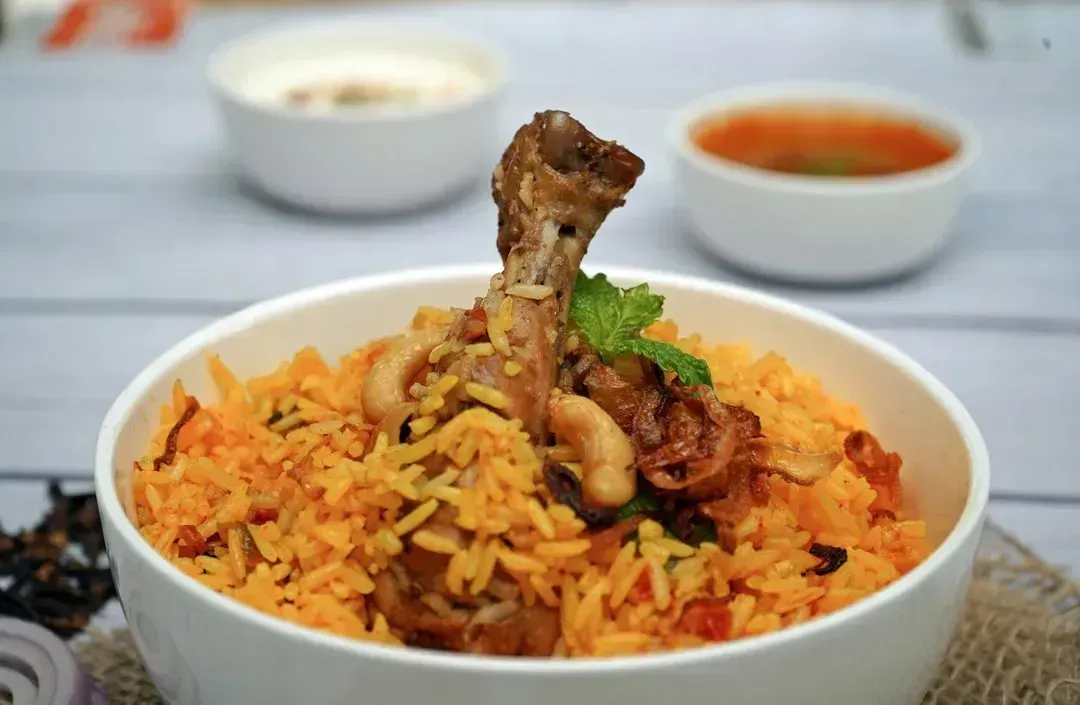
Biryani layers marinated meat, partly cooked basmati rice, fried onions, saffron, yogurt, and a long list of whole and ground spices. Done well, it is sealed and slow cooked so the flavors blend. Good basmati and saffron alone can push up the grocery bill.
Indian restaurants prepare big pots at a time, so the spice cost per serving drops sharply. For a household of one or two, you may end up with a cupboard full of half used jars. A takeout portion can easily feed two people, which tips things toward the restaurant.
Tamales
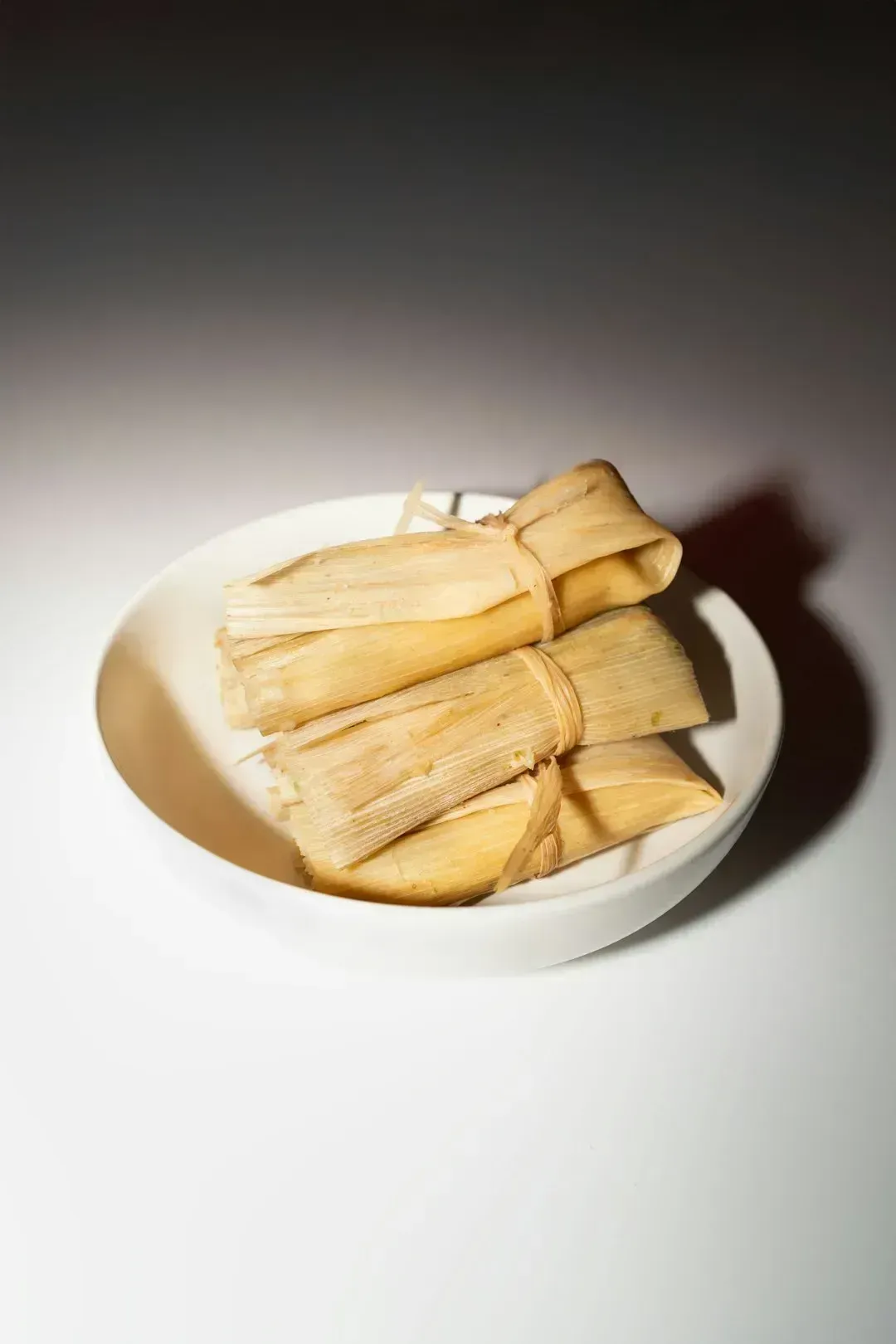
Tamales are a labor of love, which is the polite way of saying they take forever. You prepare masa, cook a filling, soak corn husks, then spread, fill, fold, and steam every single one. Families traditionally make them in big group sessions for good reason.
Making a small batch alone rarely makes sense financially or time wise. Tamale vendors and small restaurants produce them in quantity and sell them for a low price each. If you value your afternoon, a dozen from a local maker is hard to beat.
Mole Poblano
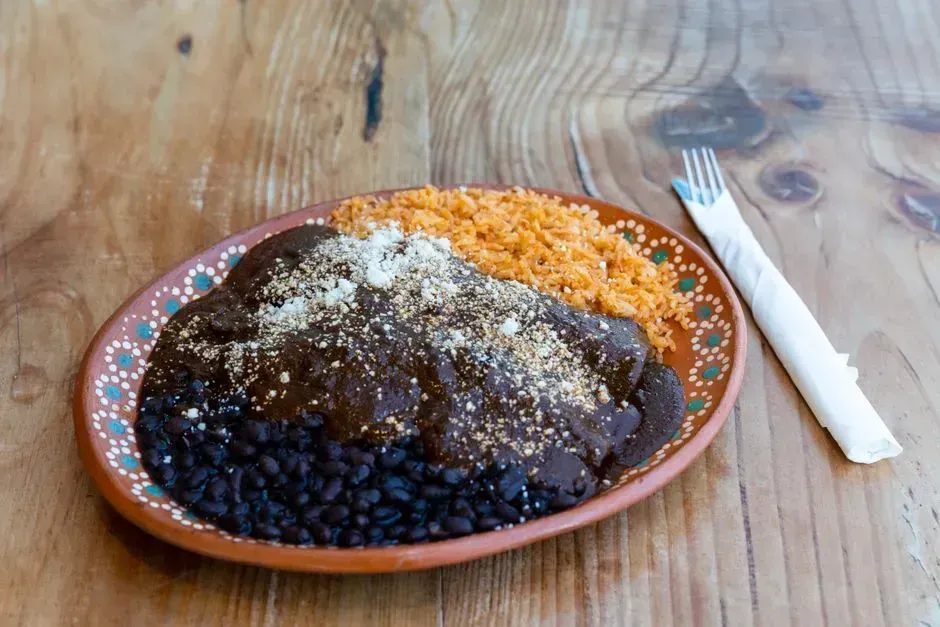
Authentic mole can include dozens of ingredients, among them several kinds of dried chiles, nuts, seeds, spices, dried fruit, and chocolate. Each is toasted, ground, and simmered into a deep sauce. Gathering that pantry from scratch is costly if you only want one dinner.
Restaurants and family run kitchens make mole in large batches that keep well, so the cost per plate falls. Jarred pastes exist and can help at home, though results vary by brand. For a first taste of the real thing, ordering it is usually cheaper and less risky.
Texas Style Brisket
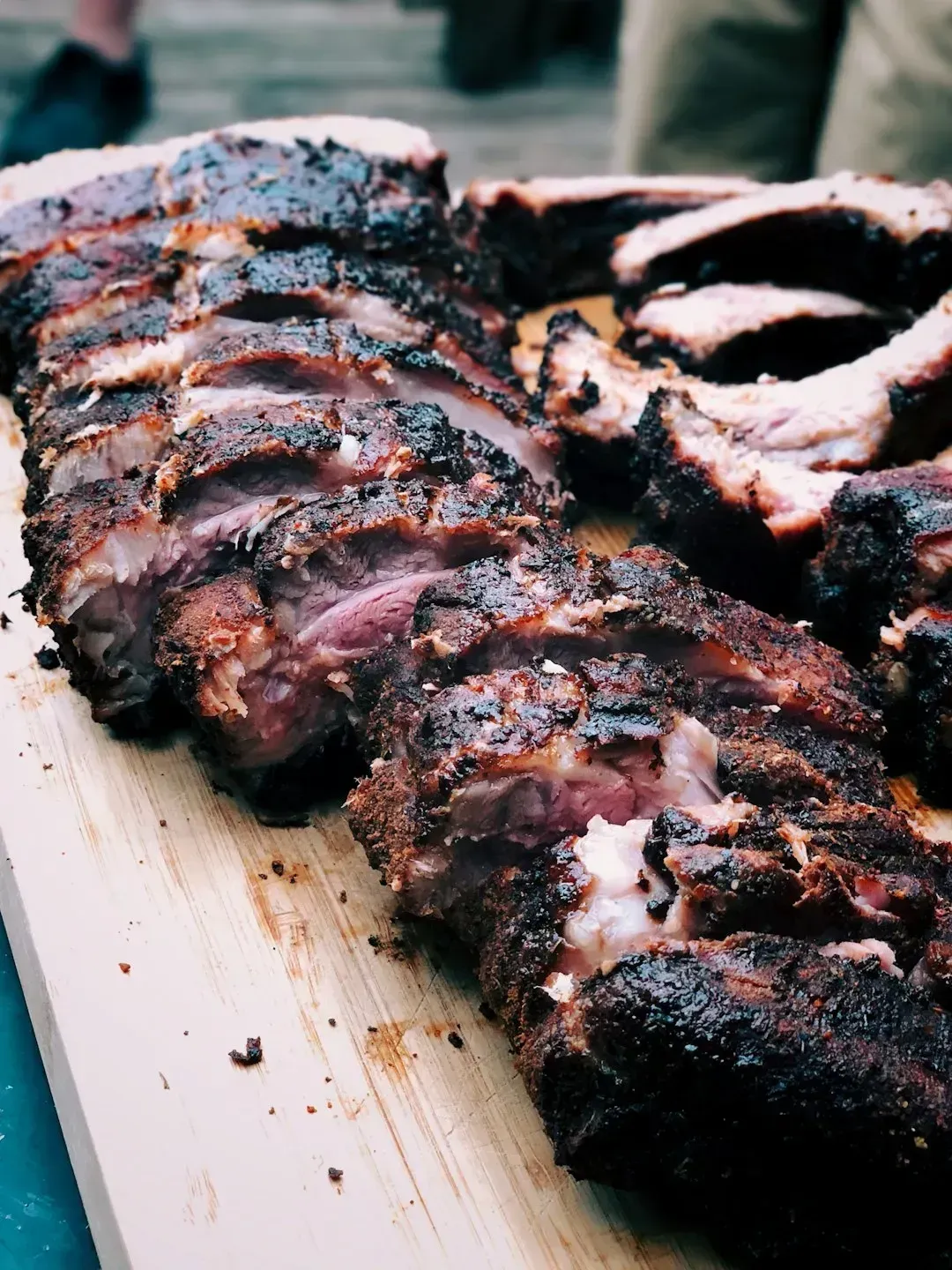
A whole packer brisket is a big, pricey cut, and cooking it right takes many hours at low heat. You also need a smoker or a well managed grill, along with wood or charcoal that you burn through steadily. One mistake can leave you with a dry, expensive disappointment.
Barbecue joints smoke many briskets at once and sell by the pound or the plate. Buying a half pound of sliced meat is often cheaper than buying and smoking a whole cut yourself. Unless you’re feeding a big gathering, the restaurant approach wastes less meat and less money.
Fried Chicken
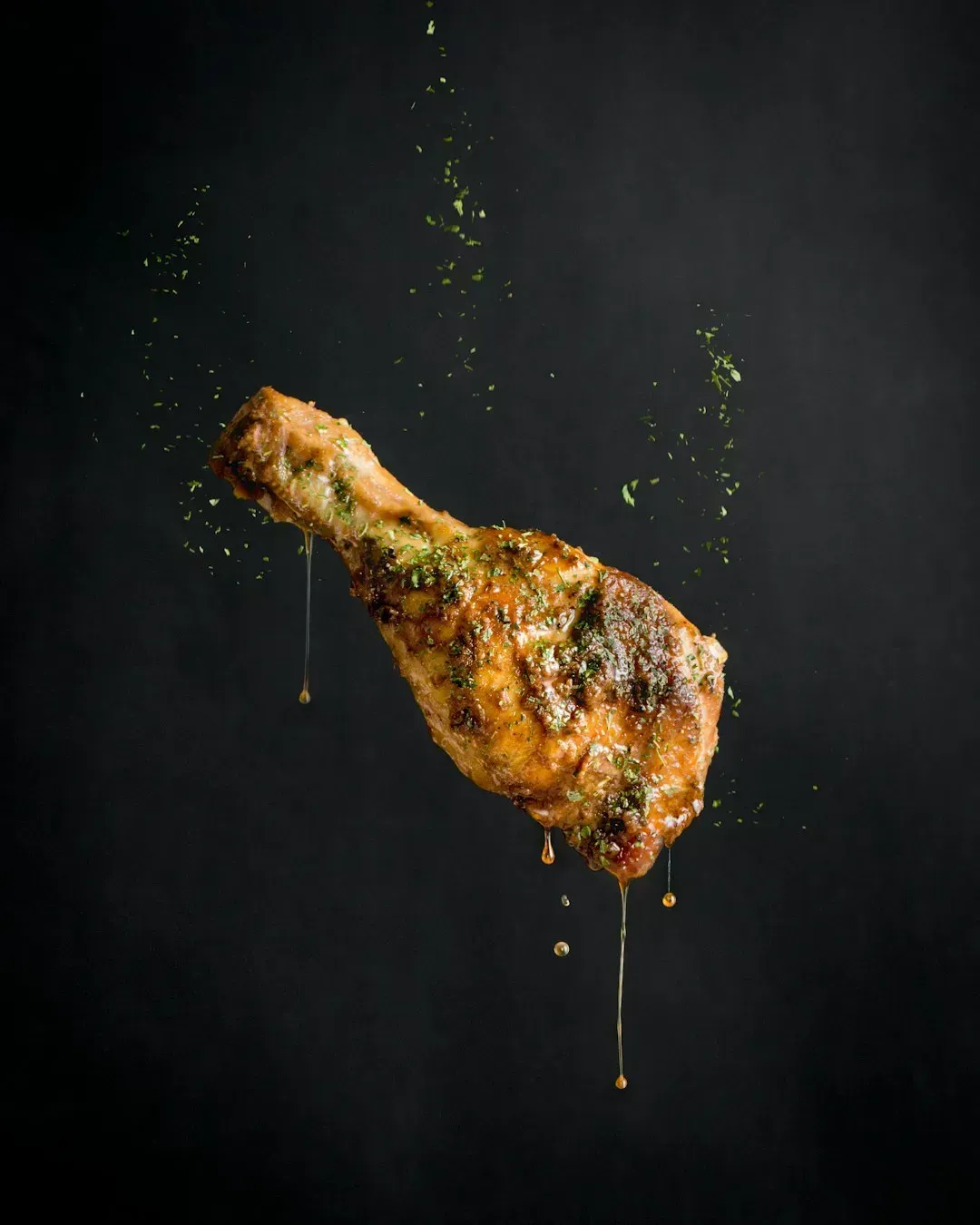
Fried chicken seems like a budget meal, until you count the oil. Deep frying needs a generous amount of oil, which is costly, messy to handle, and tricky to dispose of. Add buttermilk, flour, seasonings, and a good thermometer, and the total grows.
Restaurants and chicken shops filter and reuse their oil across many batches, which spreads the cost thin. Family bucket deals and combo meals frequently work out cheaper per piece than home frying a single small batch. Convenience is a bonus, since nobody has to clean the stove afterward.
Peking Duck
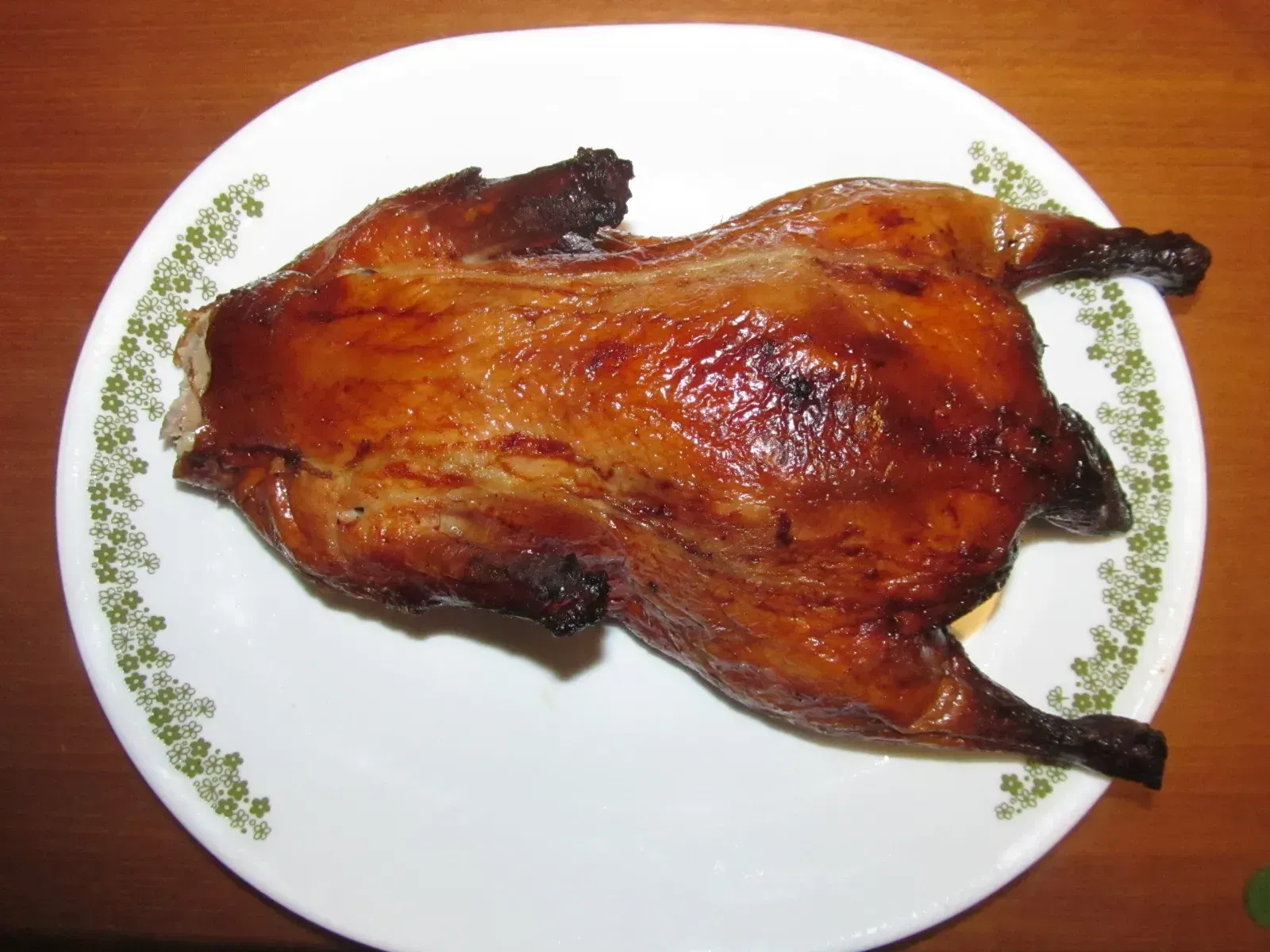
Peking duck is a showpiece. The bird is traditionally dried, glazed, and roasted until the skin turns glassy and crisp, then served with thin pancakes, scallions, cucumber, and hoisin sauce. At home it takes planning, fridge space, and careful technique.
A whole duck costs more than most people expect, and the extras add up. Restaurants that specialize in it roast several at a time and often offer the dish as a shared course for a group. For a special meal, the set price can be lower than the shopping bill and a day of effort.
Paella
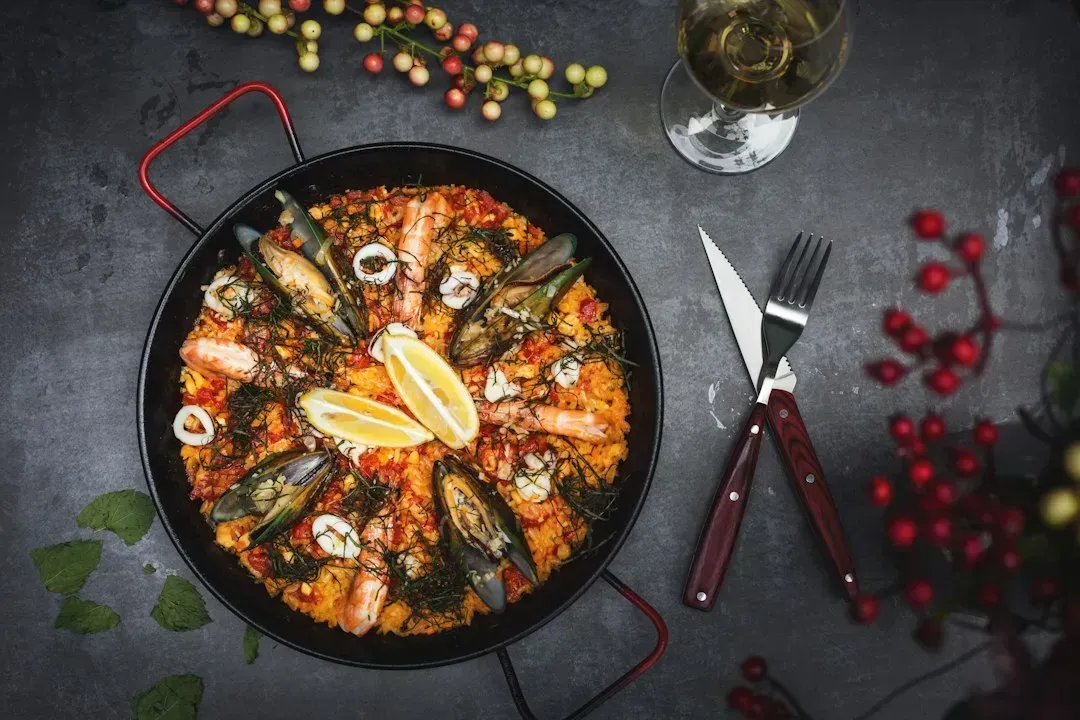
Paella needs bomba or similar short grain rice, good saffron, stock, and often a mix of seafood, chicken, or rabbit. A wide, shallow paella pan helps too, and so does a burner big enough to heat it evenly. Seafood and saffron are the two items that push the cost up fast.
Spanish restaurants buy these ingredients wholesale and cook paella for tables of several people. Ordering it for two or more often costs less than sourcing everything retail. Making it yourself is rewarding, but on price alone the restaurant version can win.



Leave a Reply