
Most of us don’t plan to give our kids a complicated relationship with food. We just say what our own parents said, or what slips out at a stressful dinner when someone’s pushing peas around a plate. Those offhand phrases can stick, though.
Pediatric and nutrition researchers have studied how feeding language shapes appetite, eating habits and body image. The findings are fairly consistent, and they apply to toddlers, school-age kids and teenagers alike. Here are nine phrases worth retiring, and why.
Finish Everything on Your Plate

It sounds harmless, even thrifty. Yet insisting on a clean plate asks a child to override the fullness signals their body is sending. Responsive feeding guidance from the American Academy of Pediatrics encourages parents to watch for a child’s cues of hunger and fullness instead of pushing for a set amount.
Kids are born fairly good at matching intake to need. Pressure to eat more than they want can wear that skill down over time. If waste bothers you, serve smaller portions and let them ask for more.
Just One More Bite
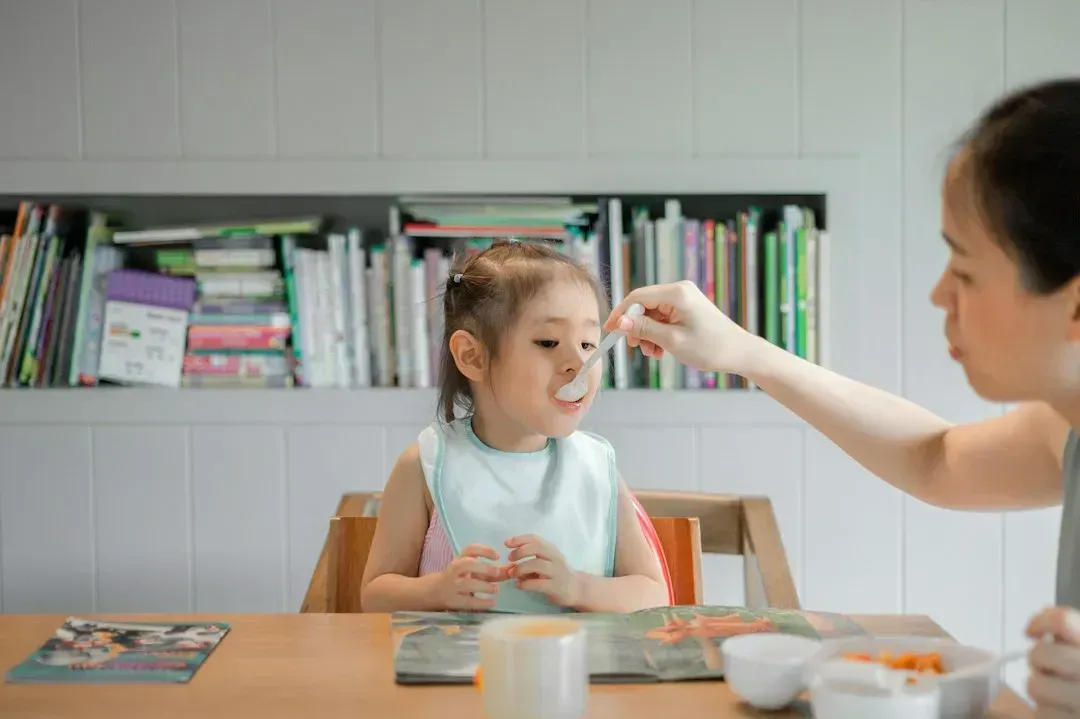
This one feels like a reasonable compromise. In practice it turns the meal into a negotiation, and the food becomes something to endure. Research on pressure to eat, including work by Leann Birch and colleagues, has linked pushing children toward certain foods with less liking for them.
Children often need many calm exposures to a new food before they accept it. Putting a small portion on the table without comment does more than a forced bite. Let them look, smell, touch or pass on it, and offer it again another day.
That’s a Bad Food

Sorting food into good and bad sounds like nutrition education, but it adds morality to something that’s really just eating. A child who hears that cookies are bad may come to feel that they’re bad for wanting one. That shame can follow people well into adulthood.
Neutral language works better. You can say that some foods help us grow and run around, and others are fun foods we have sometimes. Every food then has a place without anyone being judged for eating it.
Eat Your Vegetables and You Can Have Dessert
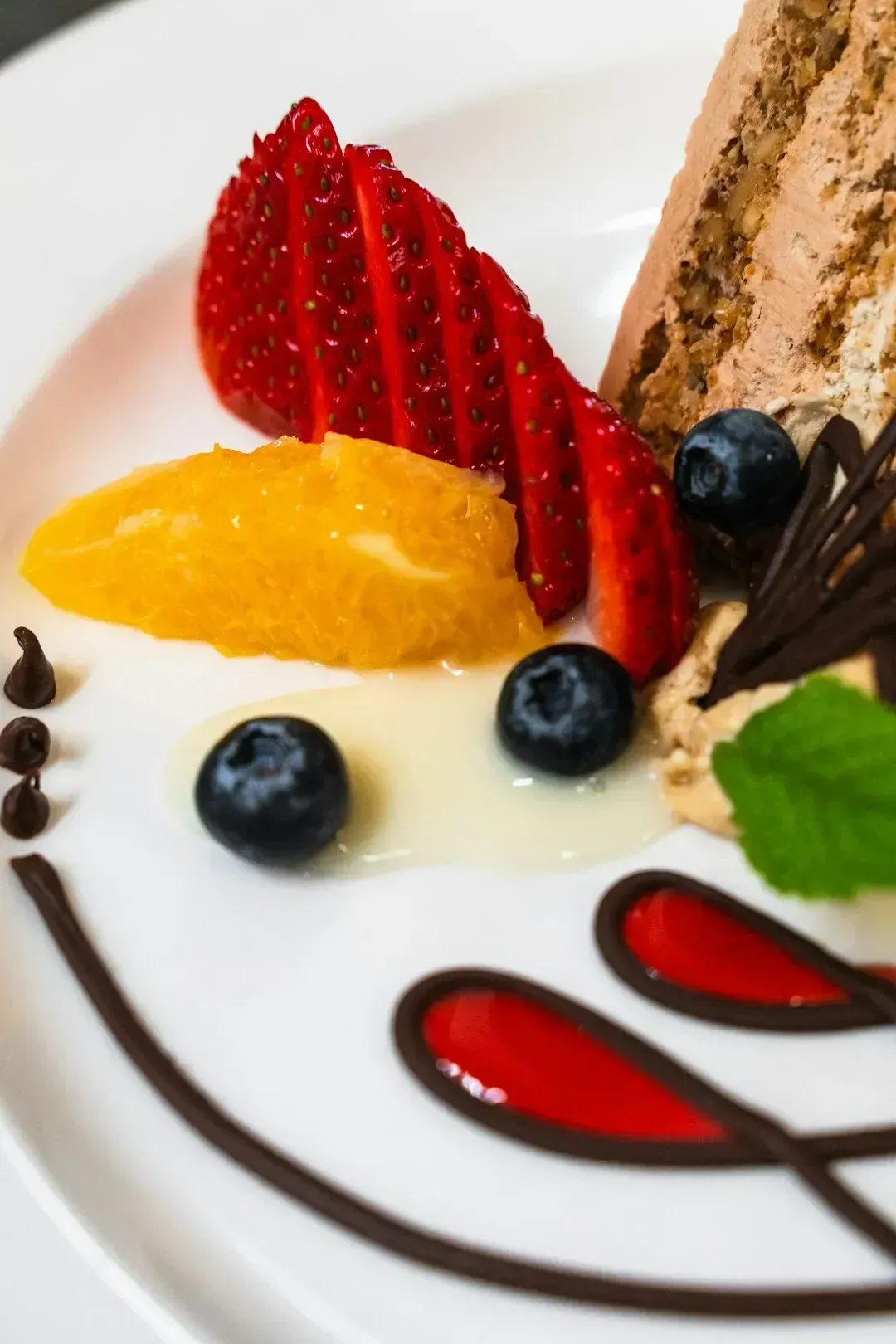
Bribes are tempting because they often work in the moment. The trouble is what they teach. Classic studies on food rewards found that when children are rewarded for eating a food, they tend to like it less afterward, since the lesson is that it must be unpleasant if it needs a prize.
The same deal also lifts dessert onto a pedestal. A calmer option is to serve a small portion of dessert alongside dinner now and then, without conditions. Over time, sweets lose some of their mystique.
You’re Getting Chubby
Comments about a child’s weight rarely motivate healthy change. Studies from the Project EAT research group, led by Dianne Neumark-Sztainer at the University of Minnesota, have found that parental weight talk is associated with unhealthy weight control behaviors and disordered eating in teens. Even well meant remarks can land as criticism.
If you have a real medical concern, take it to your child’s pediatrician and let them guide the conversation. At home, talk about what bodies can do and how foods help them do it. Keep appearance out of the kitchen.
I’m Being So Bad Today
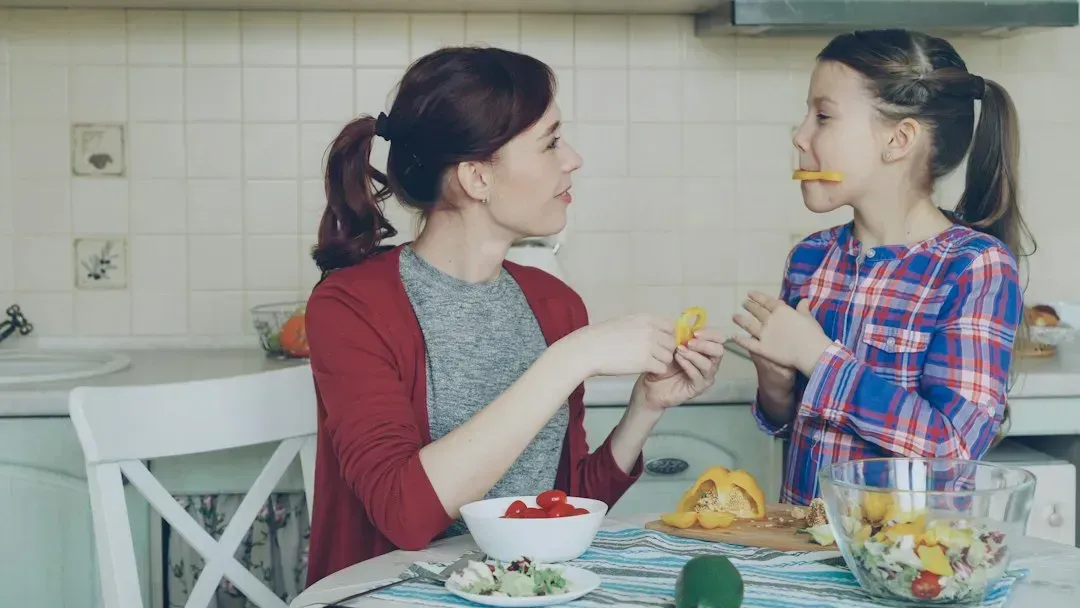
Kids hear more than we think, and they’re watching how you talk about your own food. Calling yourself bad for eating cake, or announcing that you need to burn off lunch, models guilt as the normal way to eat. Research on parental dieting and modeling suggests that children pick up these attitudes early.
You don’t have to fake perfect ease. Just try to keep commentary about your own body and diet away from the table. Enjoying a meal out loud is a better lesson than apologizing for it.
You Can’t Be Hungry Again
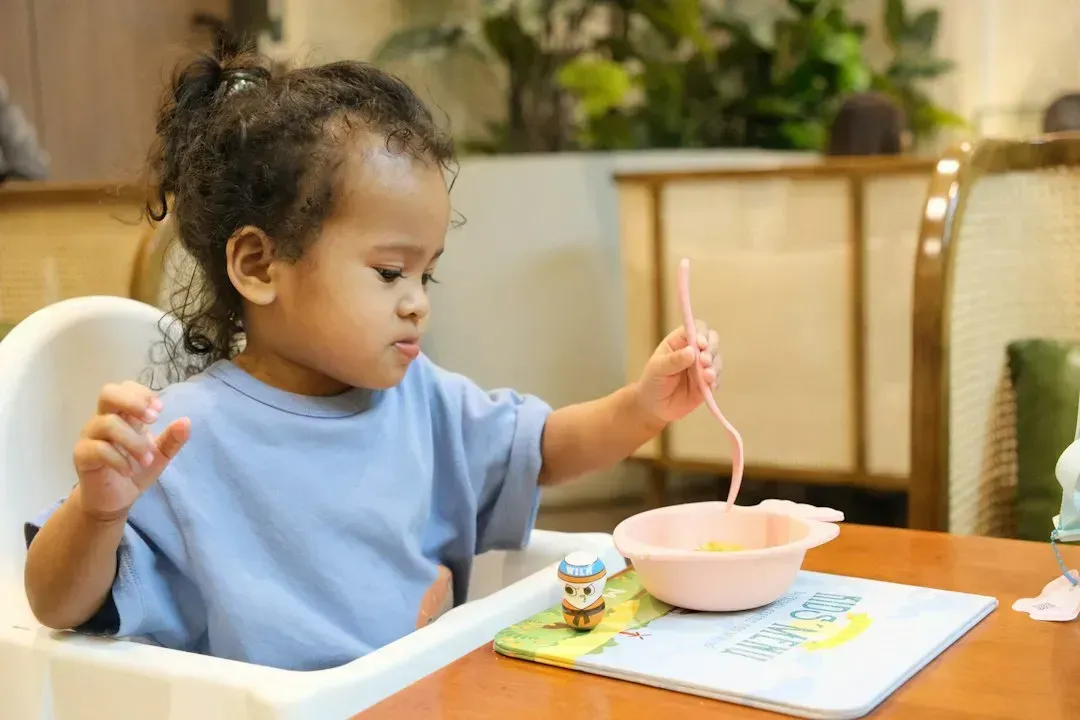
Children’s appetites swing from day to day, especially during growth spurts. Telling a child they aren’t hungry, or that they ate enough already, teaches them to distrust their own body. The same goes for the opposite, insisting they must be hungry when they say they’re full.
A more useful approach is to set the structure and let them manage the rest. Offer meals and snacks at fairly predictable times, and let them decide how much to eat from what’s served. This split of roles, often credited to dietitian Ellyn Satter, is widely used by feeding specialists.
You’re Such a Picky Eater
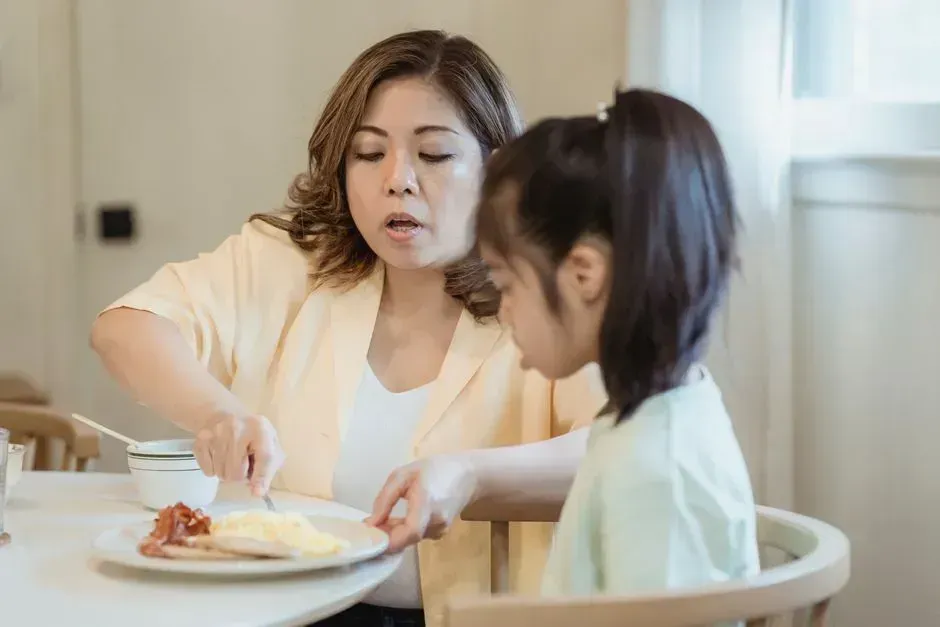
Labels have a way of becoming identities. A child who is called picky may start to see it as a fixed trait and live up to it, and parents may unconsciously stop offering variety. Fussiness is also common and developmentally normal in toddlers and preschoolers, so it usually passes without being named.
Try describing what’s happening instead. You might say that they don’t like that yet, and that tastes change. If a child’s eating is extremely limited or affects growth, a pediatrician can check for feeding difficulties.
Have a Cookie to Feel Better
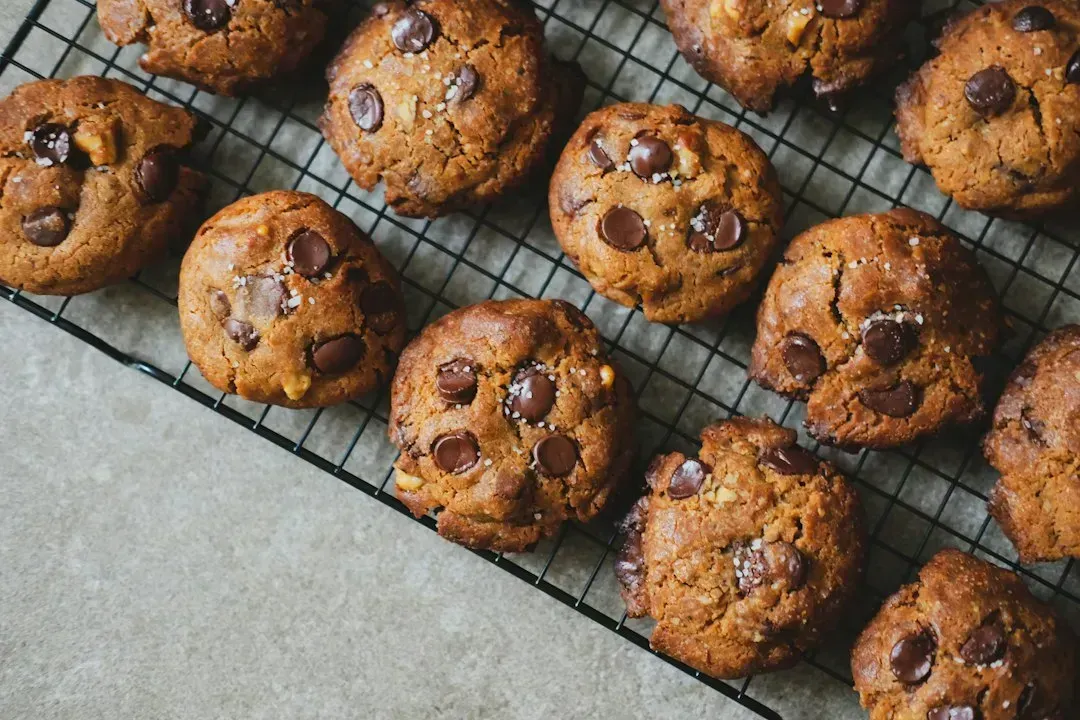
Handing over a treat to stop tears works fast, which is why so many of us do it. The risk is that food starts to double as a comfort tool, and research links using food to soothe distress with more emotional eating in children. Feeding feelings can become a habit that’s hard to unlearn.
Comfort can come from other sources, such as a hug, a quiet minute together, or naming the feeling out loud. Food can still be part of a warm moment, like baking together or sharing a snack. It just works better when it isn’t the fix for every upset.



Leave a Reply