
Ask ten sources which country eats the most meat and you’ll probably get a few different answers. The gap comes down to method: some count meat supply, others count what actually reaches the plate, and small island nations or trade hubs can skew the picture.
The seven places below show up again and again near the top of recent rankings. The numbers differ from list to list, so the figures here are best read as a range rather than a single verdict.
Tonga

On one recent ranking covering 189 countries, Tonga leads with about 157 kilograms of meat per person each year. Another compilation also puts it first, though at a lower figure of 148 kilograms. Either way, it sits at the top.
Figures for small island nations deserve some caution, since supply data can be rough. Still, the same pattern of heavy meat availability appears across several Pacific nations, with the Marshall Islands, Nauru and Samoa all appearing in the top fifteen of that list. The health concern is the obvious one, because diets built on imported, fatty meat tend to sit alongside rising rates of heart disease and diabetes in island communities.
Mongolia

Mongolia’s numbers reflect a pastoral way of life more than a modern food industry. Estimates range from about 111 kilograms to about 136 kilograms per person, depending on the source. The country is also in a category of its own for mutton and goat, where Mongolians eat roughly 68.5 kilograms per person.
Herding is central to the economy and culture, so meat is hard to separate from daily life. The worry here is partly environmental. Large herds of grazing animals can put pressure on grasslands, and a diet this heavy in red meat raises the usual questions about long term heart and digestive health.
Hong Kong

Hong Kong’s ranking swings widely depending on the dataset. One summary has it above 170 kilograms per capita, while another lists it at around 123 kilograms. A city that imports most of its food and serves huge numbers of visitors makes per person math tricky.
Pork and chicken dominate. Hong Kong is among the world’s biggest pork eaters, at about 52.6 kilograms per person. Processed meats are a particular health flag, since the World Health Organization’s cancer agency has classified them as carcinogenic to humans.
United States
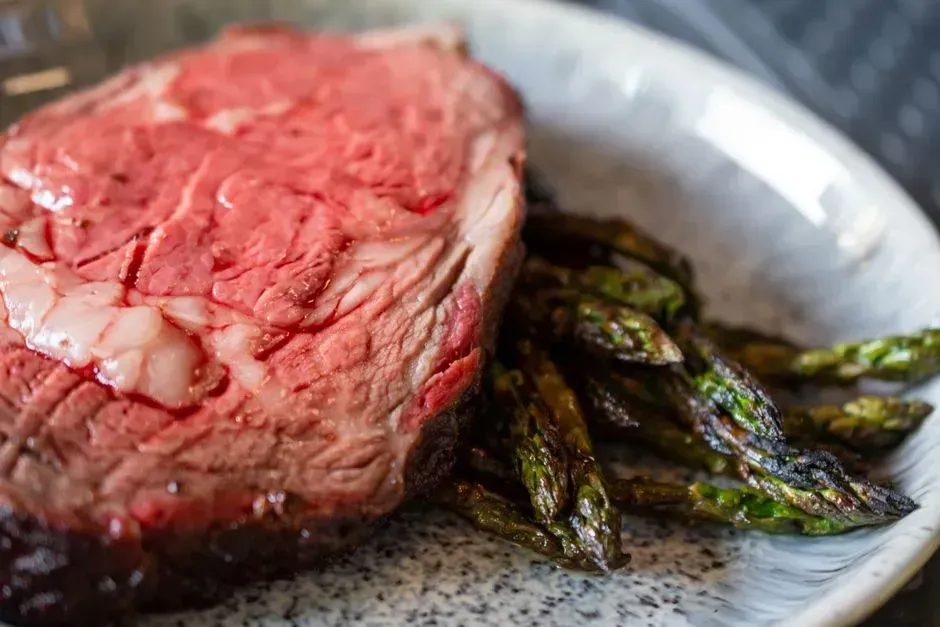
The United States sits in the top handful on most lists, at roughly 122 kilograms per person in one 2026 ranking. A different measure, retail weight from OECD figures, puts the 2024 total at about 80 kilograms. The gap is mostly about bones, trimming and waste.
Beef alone accounts for a large share, with about 37 kilograms per person in 2024, projected to ease toward 36 by 2028. Beef carries the biggest climate footprint of the common meats, and heavy red meat intake is tied to higher risks of heart disease and some cancers. Those two concerns are why the American diet gets so much scrutiny.
Australia
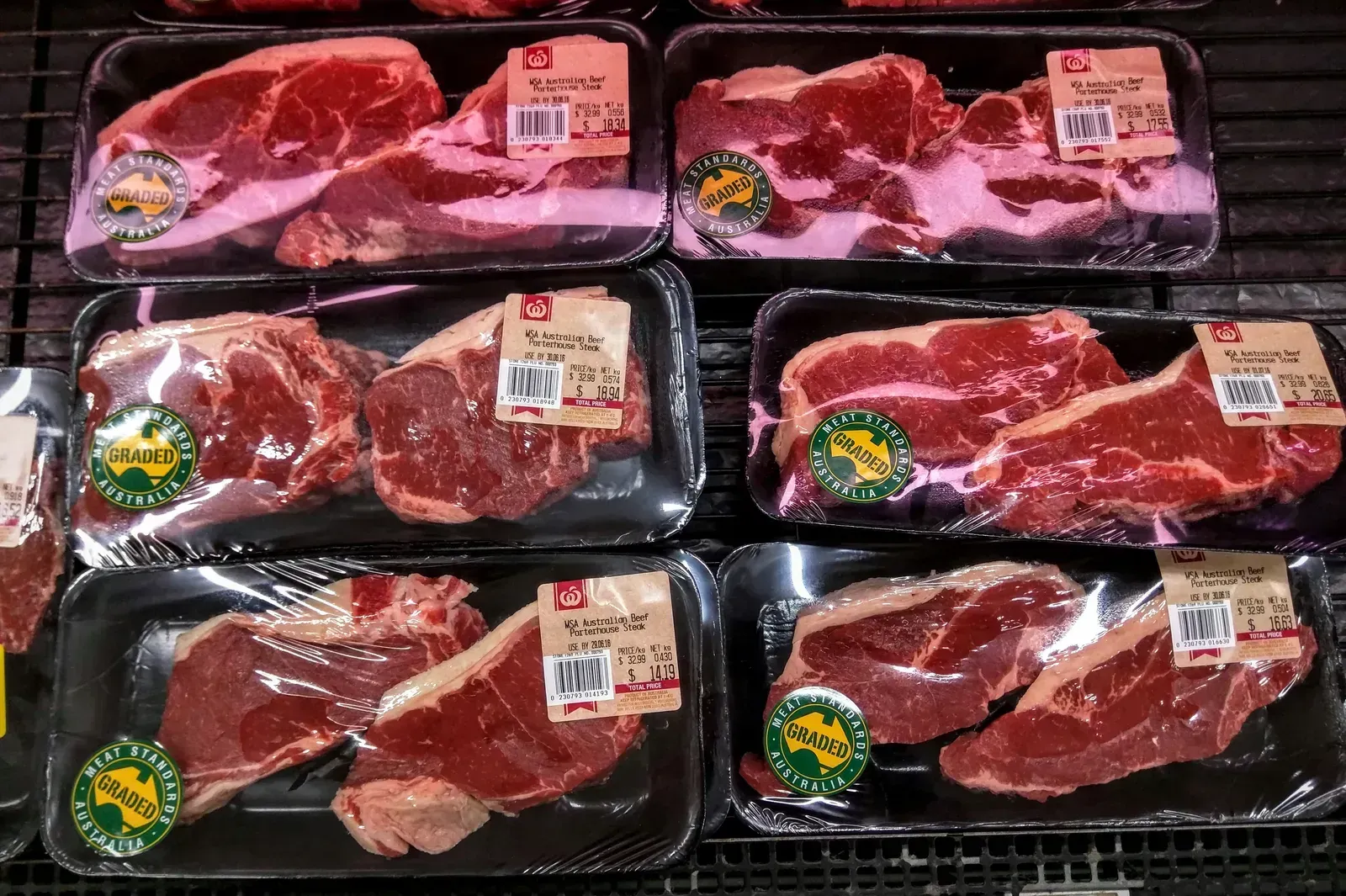
Australia typically lands just behind the United States. One ranking has it at about 117 kilograms per person, and OECD data for 2024 gives 82.5 kilograms in retail weight. The two numbers describe the same appetite measured differently.
Beef, lamb and chicken all feature heavily, and the country is a major livestock exporter. That makes the environmental angle especially relevant, because large scale cattle and sheep farming in a dry climate draws on land and water, and ruminant animals produce methane. Health advice about limiting red and processed meat applies here as it does elsewhere.
Argentina
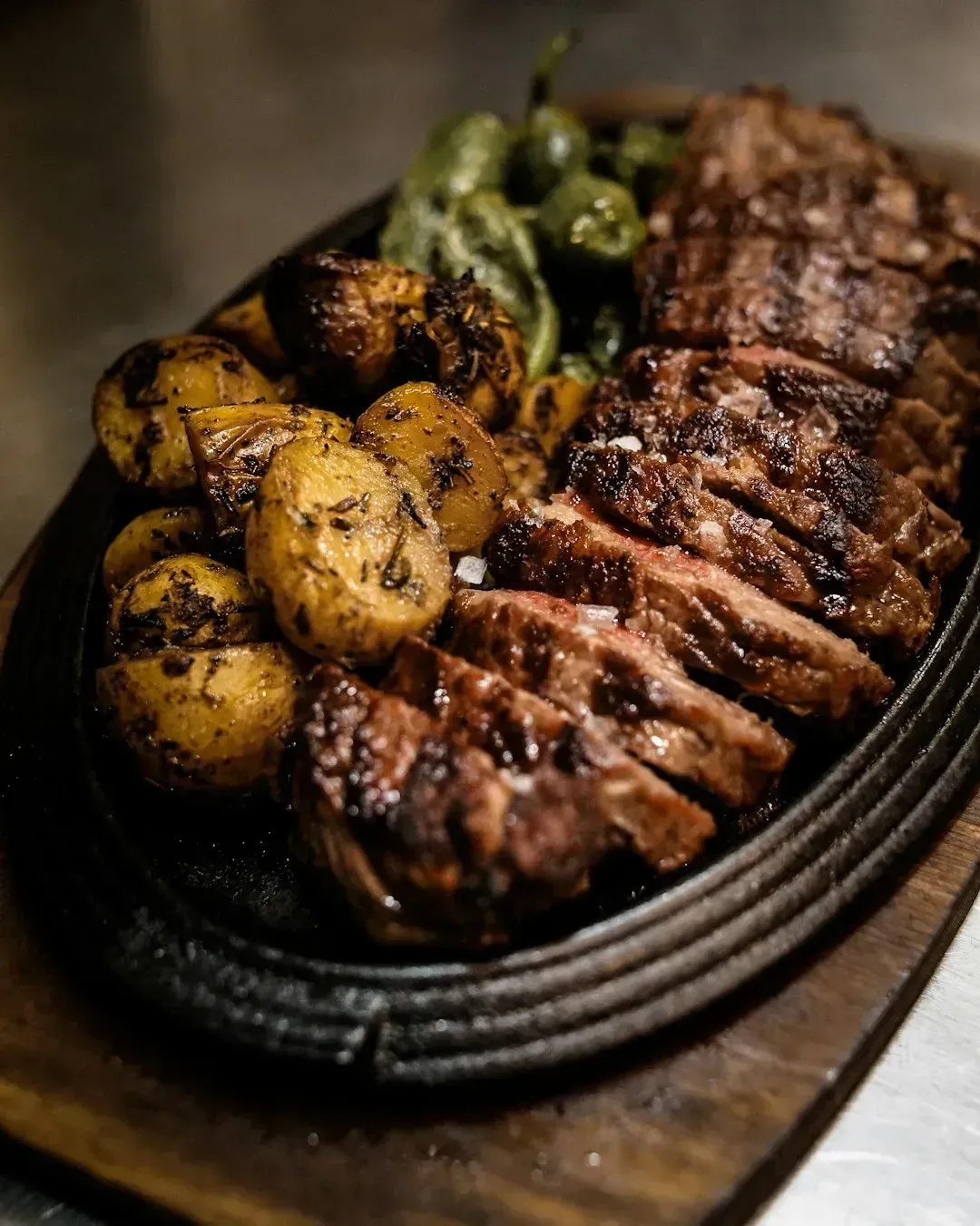
Argentina is the country most associated with beef. It tops the world for beef at about 46 kilograms per person, and its total meat figure is around 113 kilograms on one list. The asado, a long grilled meal shared with family, is a cultural fixture.
Because so much of the intake is red meat, the health questions focus on cardiovascular disease and colorectal cancer. Environmental concerns follow the cattle too, since beef production needs far more land and produces more emissions per kilogram than poultry or pork. Chicken has been gaining ground in some markets, though beef still defines the national table.
Israel

Israel makes the list thanks to poultry. It eats more chicken and turkey per person than anywhere else, at about 64.9 kilograms a year. Overall totals are listed at around 113 kilograms on one ranking, while OECD retail figures for 2024 show 68 kilograms.
Poultry is generally seen as lower in climate impact than beef, which softens one concern. Even so, intensive chicken farming raises questions about animal welfare, antibiotic use and the sheer volume of animals involved. Israel also eats a fair amount of beef, at about 36 kilograms per person.





Leave a Reply