
Most couples can name the moment. You’re mid-story, and your partner’s eyes drift down to a glowing screen. Nothing dramatic happens, yet something small shifts at the table.
Researchers even have a name for it: partner phubbing, a blend of “phone” and “snubbing.” The habits below are the ones that tend to land hardest, and each one is tied to what studies have found about how phone use affects couples.
Glancing at Notifications Mid-Sentence

This is the quietest version, and often the most common. A buzz, a quick look, a half-nod back to the conversation. The glance itself lasts seconds, but the person speaking usually notices.
Part of the sting is about expectations. One pair of studies, a survey of 180 adults in relationships and an experiment with 141 married adults, found that phubbing breaks what people expect from a partner. That violation in turn lowers relationship satisfaction.
Keeping the Phone Face Up on the Table
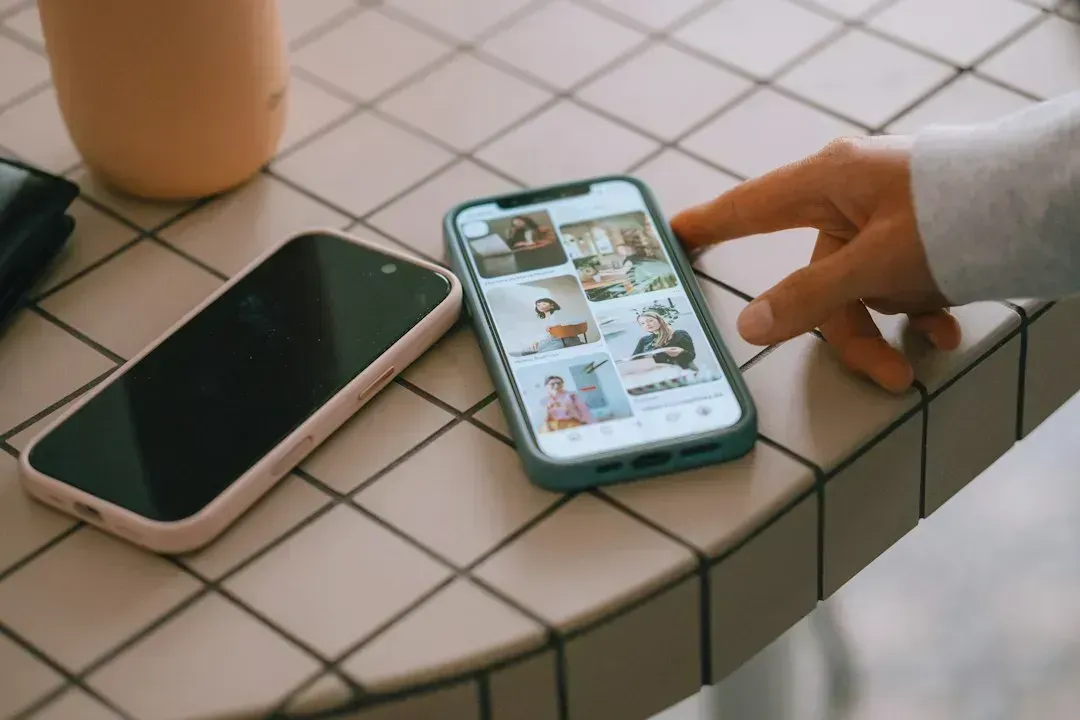
Even a silent phone says something. Placed beside the plate, it signals that the meal is open to interruption. Many partners read that as a quiet ranking of priorities.
Flipping it over or leaving it in another room removes the cue altogether. It also removes the temptation, which makes the gesture useful as well as polite. Couples who try it often find the dinner feels longer in a good way.
Scrolling While Your Partner Talks
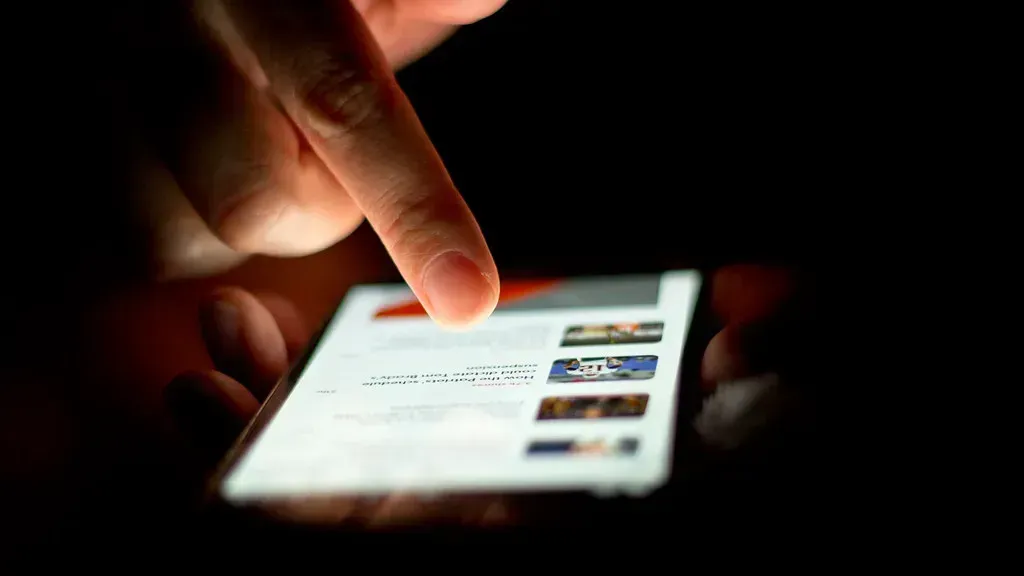
Answering with “mm-hmm” while thumbing through a feed is the classic move. The words may be heard, but the attention clearly isn’t there. Partners tend to describe this as feeling invisible rather than angry.
Anger does show up, though. In a 10-day daily diary study of 75 participants, people reported lower relationship satisfaction and more anger on days when they perceived high partner phubbing. The pattern suggests the effect builds day by day, not only in dramatic moments.
Answering Work Messages Without Saying Why

Work is a legitimate reason to check a phone. The dismissive part is the silence around it. A partner who suddenly starts typing, with no explanation, is left guessing whether it’s urgent or just habit.
A short sentence changes the picture: “I need to reply to this one, two minutes.” That turns a snub into a negotiated pause. It’s a small courtesy, and it costs almost nothing.
Showing Your Partner Something Online Mid-Meal

Sharing a video or post can be warm. It becomes dismissive when it replaces the conversation, or when one person ends up watching while the other waits. The phone quietly takes over the shared space.
Context matters here. Showing one funny clip and putting the phone away feels different from a ten minute detour through a feed. Partners usually judge by whether the interaction stays two-way.
Checking Social Media During Pauses
Lulls in conversation are normal, and a phone fills them instantly. The trouble is that quiet moments are often where the more personal talk starts. Reaching for a screen can close that door before it opens.
Some of this connects to jealousy and insecurity. Experimental work found that partner phubbing drives romantic jealousy and affects relationship satisfaction. A third study in that research found the downstream effects on well-being showed up only among anxiously attached individuals.
Getting Visibly Irritated When Asked to Put It Down

Sometimes the phone isn’t the only problem. The reaction to a gentle request can be worse, such as a sigh, an eye roll, or a defensive “I’m just checking one thing.” That response turns a small ask into a bigger hurt.
Research hints at why this loop is hard to break. Phubbing may reduce relationship satisfaction, but it could also be a consequence of lower satisfaction. In other words, a tense table and a busy phone can feed each other.
Making It a Nightly Pattern

One distracted dinner rarely does damage. The habit is what partners describe as dismissive, because it tells them the pattern is normal and unlikely to change. Recent work points the same way, noting that perceived partner phubbing scores generally increased as relationship duration lengthened.
The wider evidence is consistent too. A 2025 meta-analysis in Frontiers in Psychology links partner phubbing to lower relationship satisfaction and quality. Because most of this research is correlational, it shows a strong association rather than proof of a single cause, but the direction is steady across studies.





Leave a Reply