
Sit down in a diner in Alabama or a barbecue joint in the Carolinas, and you’ll probably notice the pace first. Nobody seems to be hurrying, and the person at the next table might already know your server’s mother.
Dining habits vary a lot across the South, from Texas to Virginia to the Gulf Coast, so none of this applies to everyone. Still, certain patterns come up often enough that visitors tend to mention them. Here are nine of them.
Calling the Server Ma’am, Sir, or Honey
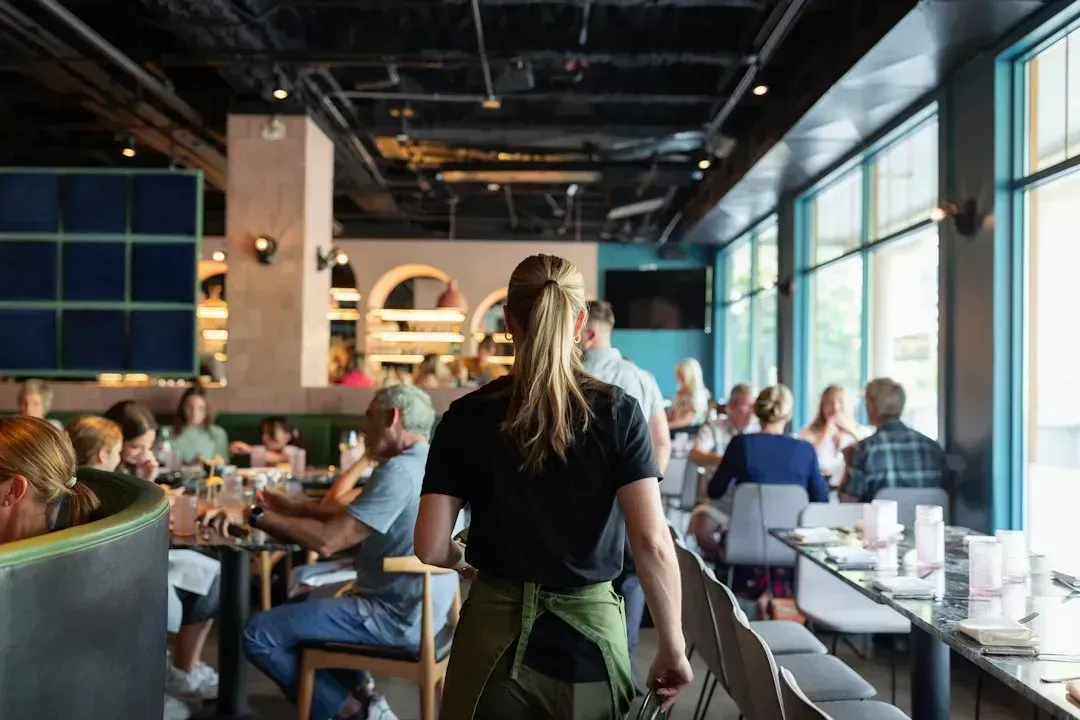
Polite titles are common in Southern restaurants, and they run in both directions. Customers say “yes ma’am” and “no sir” to servers, even younger ones, and servers often answer with the same courtesy. Visitors from other regions sometimes find this surprisingly formal.
Terms of endearment are part of the mix too. Sugar, hon, and sweetheart are usually friendly, not flirty or condescending. Linguists who study Southern American English have long documented these forms of address as markers of respect and warmth.
Ordering Sweet Tea Without Thinking
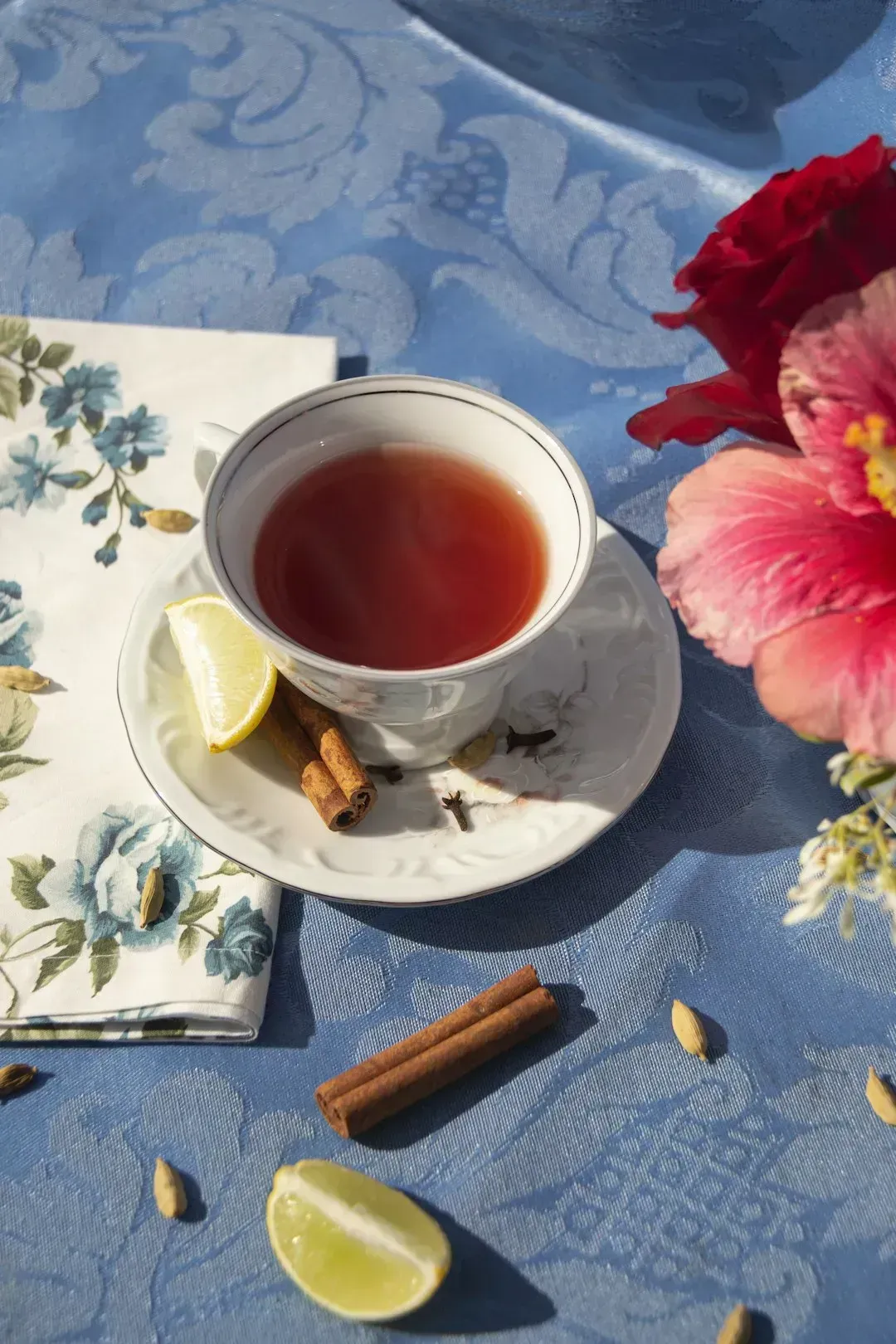
In much of the South, iced tea arrives sweet unless you say otherwise. Many places make it by dissolving sugar into the tea while it’s still hot, which gives it a very different taste from tea sweetened at the table. Out-of-towners are sometimes caught off guard by the first sip.
If you want it plain, you ask for unsweet tea. That phrase is so standard that menus in many Southern restaurants list both options side by side, and servers rarely need to ask which one you mean.
Saying Grace Before the Meal
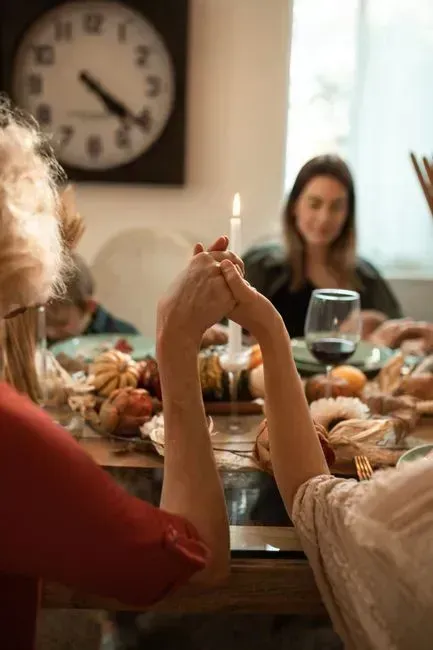
It’s not unusual to see a table bow their heads for a quick blessing before anyone picks up a fork. It happens in family restaurants, church-after-service crowds, and sometimes at casual spots too. Surveys from the Pew Research Center have consistently found that people in the South are more likely than those in other regions to say religion is very important in their lives, which helps explain why.
Visitors often notice that the people nearby simply wait, and nobody seems bothered. The moment is brief, usually under half a minute, and then the conversation picks right back up.
Sharing the Table Talk With Strangers

Conversation tends to spill over table boundaries. A Southerner might comment on your order, ask where you’re from, or recommend the pie, all before the food shows up. It reads as friendliness, not nosiness, at least to the person doing it.
Small talk is often treated as part of good manners. Many Southerners would feel it’s a little cold to sit near someone for an hour and say nothing. Visitors from busier cities sometimes find it charming, and sometimes a little long.
Ordering Sides Like They’re the Main Event
Meat and three is a real format in the South, especially in Tennessee, where Nashville has a long tradition of it. You pick one meat and three vegetable sides, and the sides might be mac and cheese, collard greens, fried okra, or butter beans. The Southern Foodways Alliance has documented this style of lunch as a regional staple.
Locals often care more about which sides are available than about the entrée. Visitors sometimes assume the vegetables are an afterthought, then realize regulars rank them carefully. Yes, mac and cheese counts as a vegetable in this system, according to long-standing local custom.
Having Strong Opinions About Barbecue
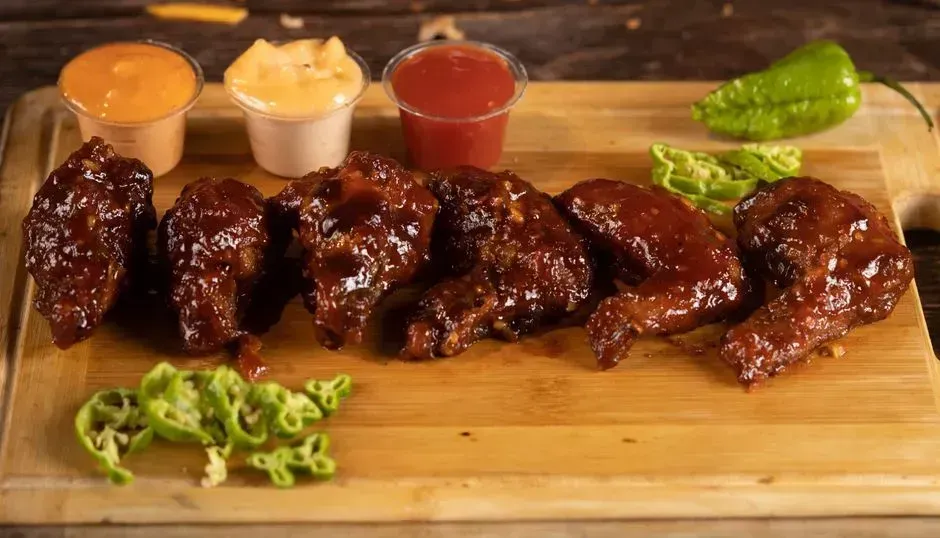
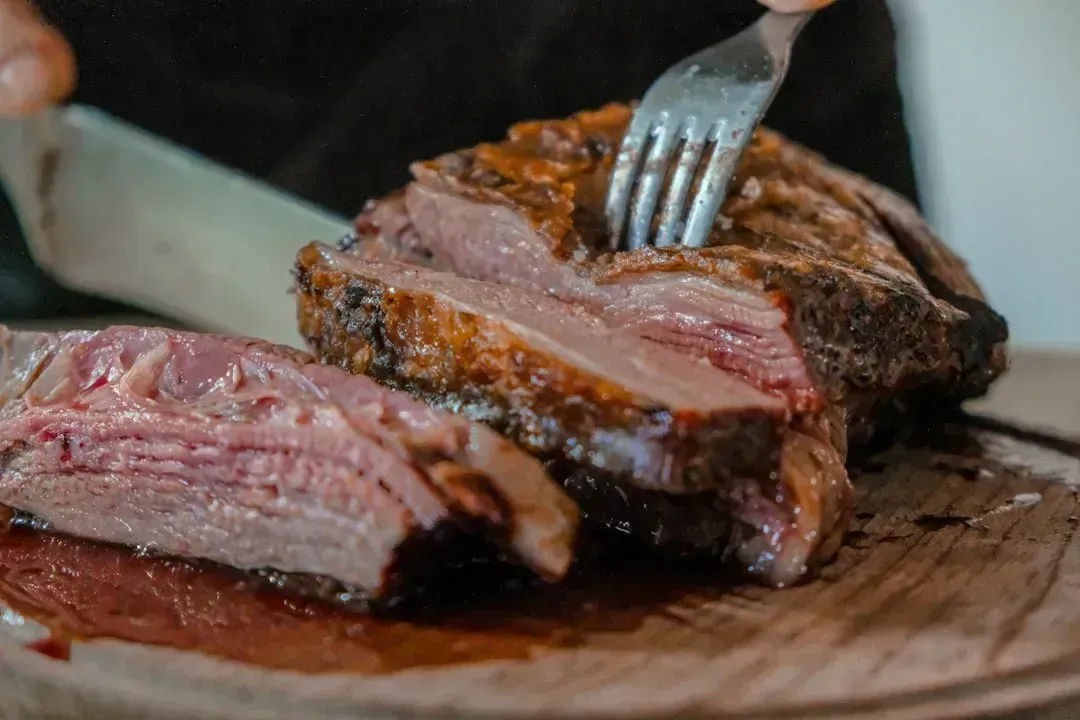
Ask for barbecue in the South and you’ll quickly learn that it isn’t one thing. North Carolina is known for vinegar-based sauces, and the eastern and western parts of the state differ on which pork cut to use. South Carolina has its mustard-based sauce, Memphis is famous for ribs, and Texas leans on beef brisket.
Southerners will often say which style they prefer and why, sometimes before they’ve looked at the menu. Visitors can find this either helpful or a bit intense. Either way, the advice usually comes with good intentions.
Lingering Long After the Plates Are Cleared
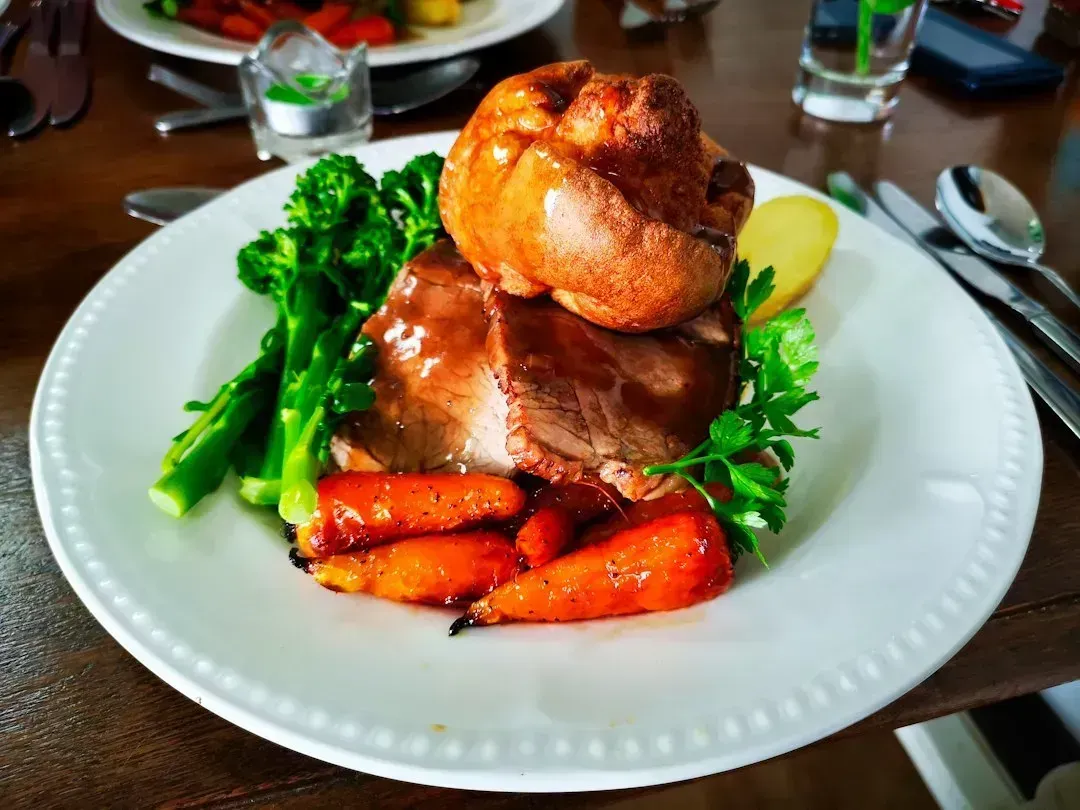
Meals, especially Sunday lunches, can stretch well past the last bite. People stay for coffee, dessert, and another round of stories. Many Southern restaurants are comfortable with that rhythm and don’t rush tables out.
Visitors used to fast turnover may feel they should leave sooner than anyone expects. Servers commonly keep refilling drinks and don’t push the check. It’s one of the clearest differences in how a meal is understood, as an event rather than just a stop.
Asking for Hot Sauce, Biscuits, or Gravy Without Hesitation
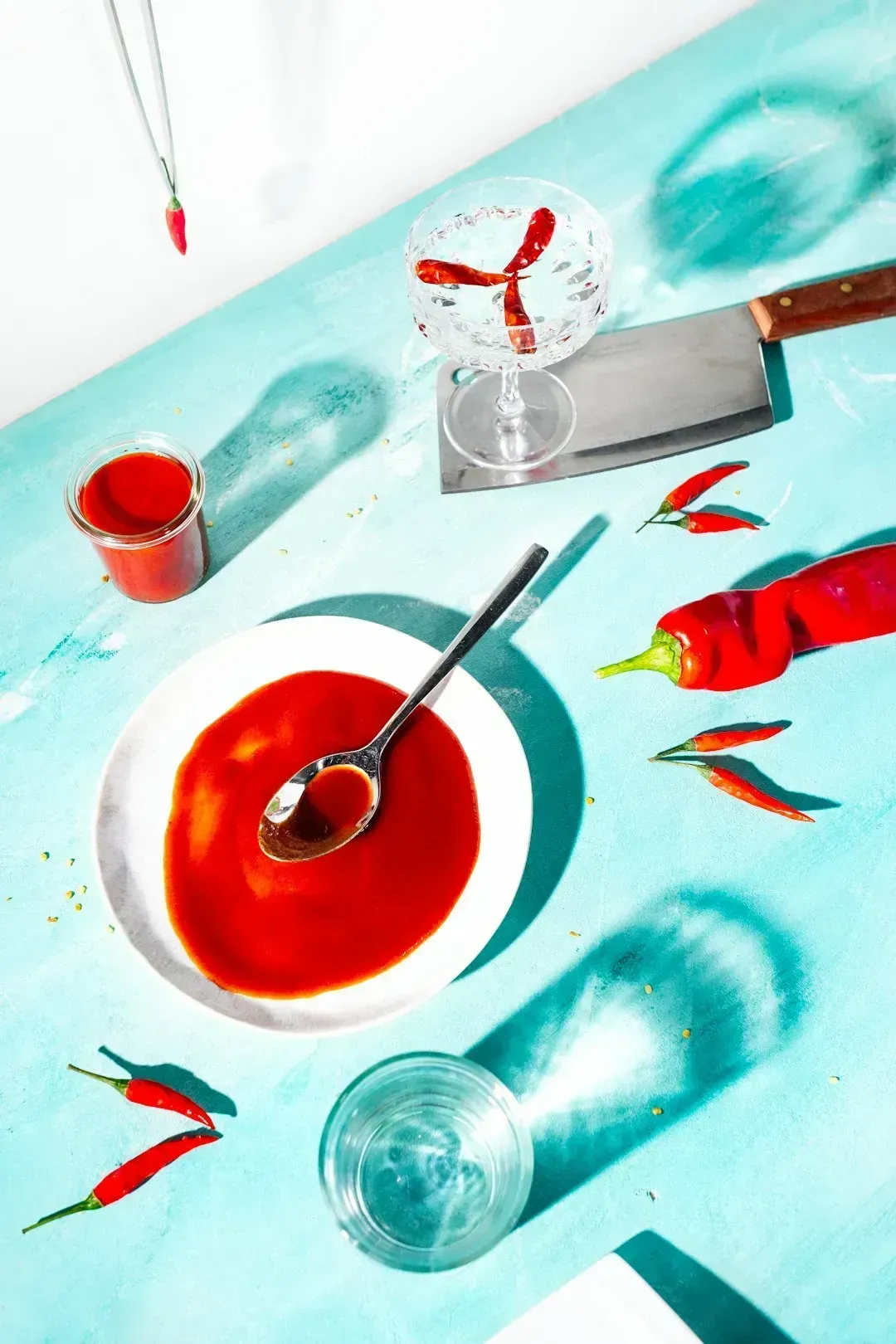
Certain extras are treated as standard. Hot sauce often sits on the table, biscuits come alongside many meals, and gravy might be poured over more than you’d guess. Brands like Texas Pete, which originated in North Carolina, and Tabasco, made in Louisiana, show how deeply these condiments are tied to the region.
Southerners tend to ask for them easily and expect the staff to understand. Visitors sometimes hold back, unsure what’s normal. Usually a simple request gets you exactly what you were hoping for, and often a second biscuit besides.
Tipping and Thanking the Staff Warmly
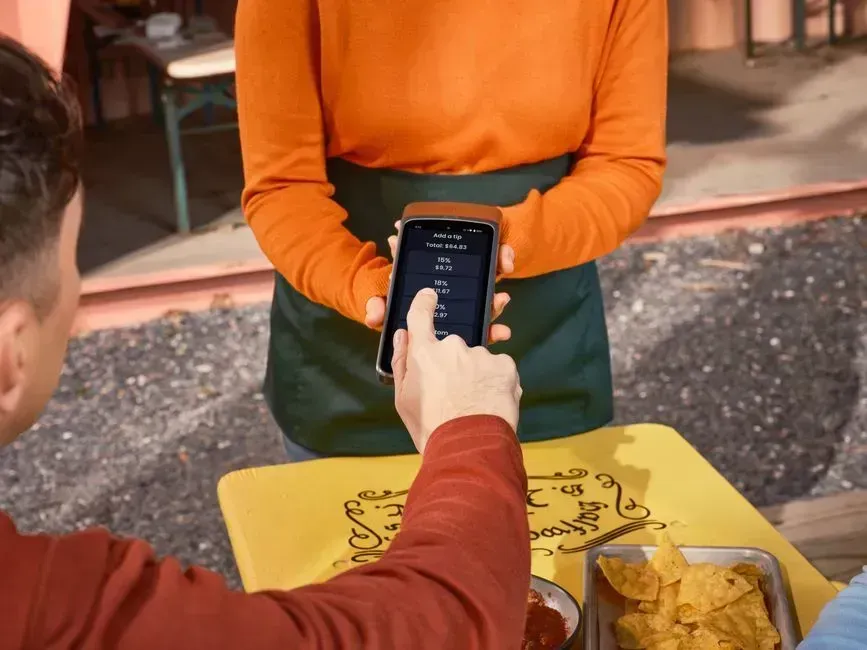
Many Southerners make a point of thanking servers by name and tipping reasonably well, especially at local places where they’re regulars. Standard tipping across the United States is generally around fifteen to twenty percent or more for sit-down service, and that holds in the South as well. What visitors tend to notice is the warmth around it, like a friendly goodbye or a comment on how good the service was.
Regulars often build real relationships with the same servers over years. It’s common to hear a table ask after someone’s kids or a recent trip. That sense of familiarity is a big part of why dining out in the South can feel like visiting someone’s home.



Leave a Reply