
Dig through a stained recipe box from the 1970s and you’ll find a very particular kind of dinner. Creamy sauces, canned pantry staples, a bubbling dish in the middle of the table. Plenty of it fell out of fashion, and some of it deserved to.
Still, a number of these meals are showing up again on retro restaurant menus, in food blogs and in home kitchens. The evidence for a revival is mostly anecdotal rather than statistical, so treat the word comeback loosely. Here are eleven dishes worth a second look.
Beef Stroganoff
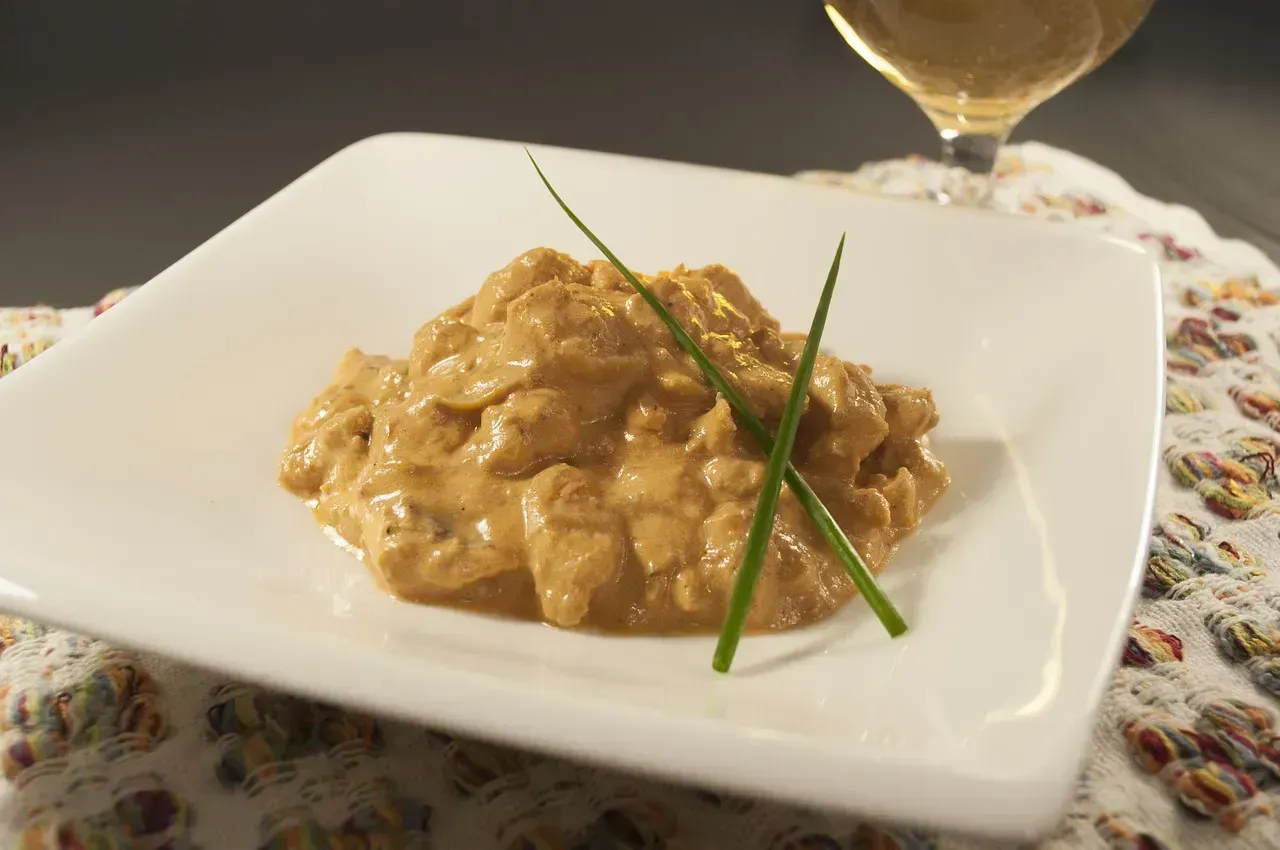
Beef stroganoff is a Russian dish of sautéed beef in a sour cream sauce. It became a staple of American home cooking in the mid twentieth century, usually served over egg noodles. By the seventies it was a standard dinner party and weeknight meal.
Its appeal today is simple. It comes together in one pan, uses ingredients most people already know, and tastes better than its dated reputation suggests. Cooks now often swap in fresh mushrooms and a good cut of steak instead of the cream of mushroom soup shortcut.
Cheese Fondue
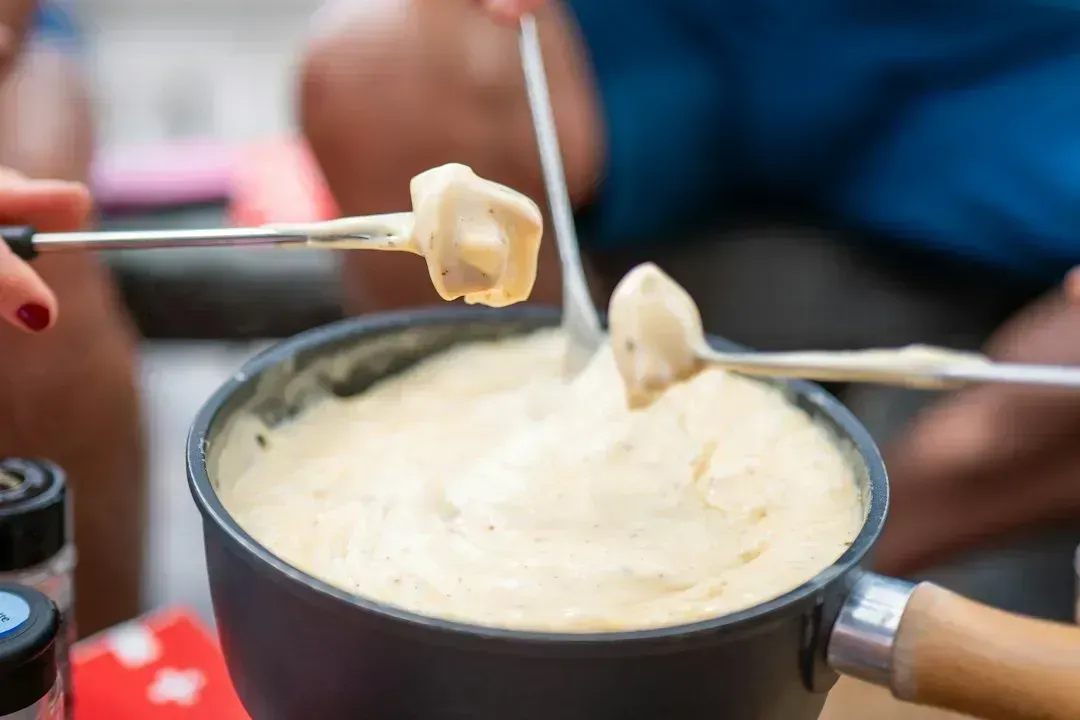
Fondue is a Swiss dish of melted cheese eaten with bread. It became a fad in the United States in the 1960s and 1970s, and many households owned a fondue pot. Many of those pots ended up in attics.
Now the dish is back in the spotlight at restaurants that lean into communal dining. At home, you can make it with Gruyère, Emmental and a splash of white wine. A small pot and a handful of cubed bread is all you need.
Chicken Kiev
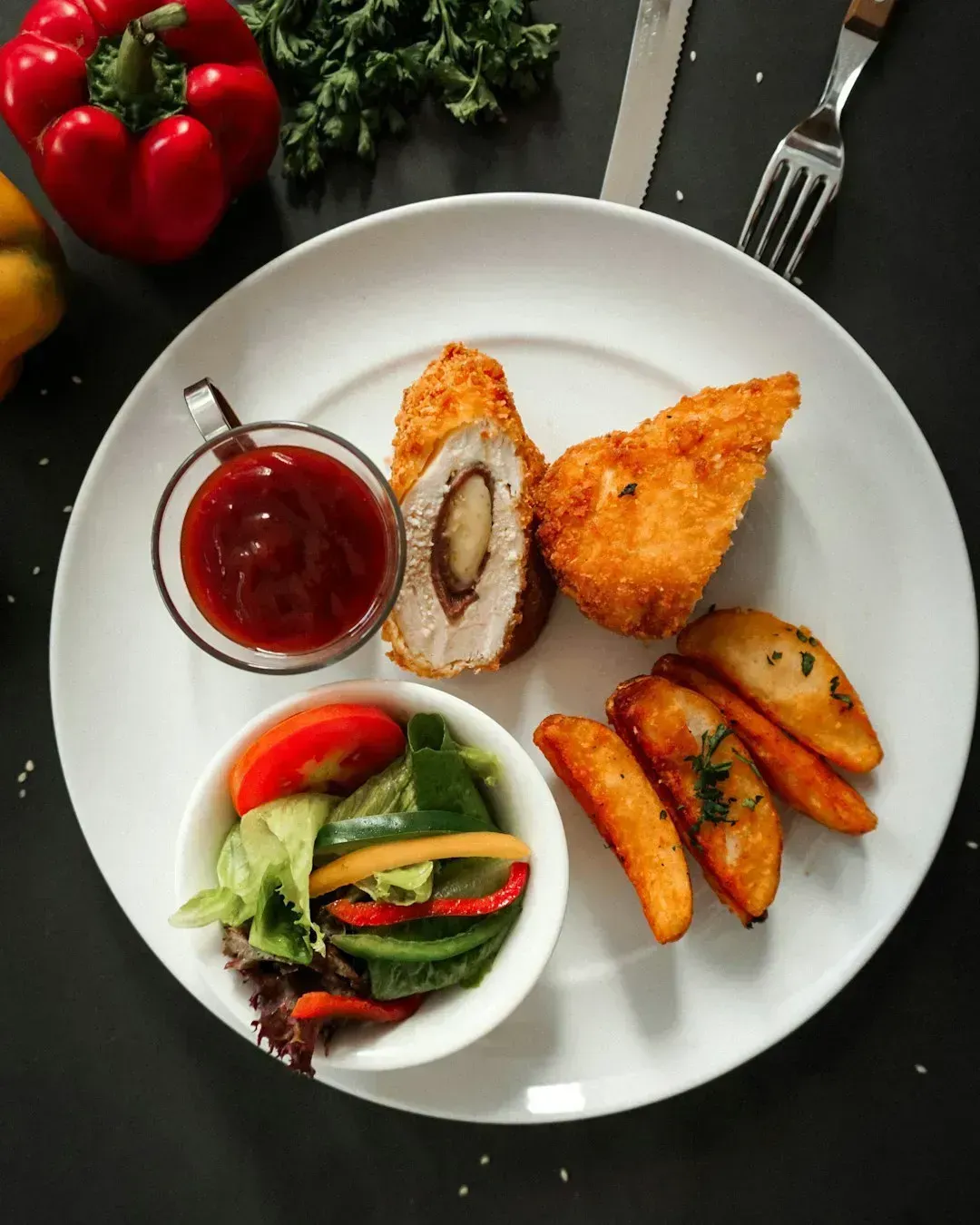
Chicken Kiev is a breaded chicken breast wrapped around a core of garlic herb butter. It was a favorite of the era, and frozen versions were sold widely in supermarkets. The moment you cut into it, the melted butter runs out, which was the whole point.
Homemade versions are the reason it’s returning. Chilling the butter well before wrapping and frying helps keep the filling inside. Baking is a lighter alternative to deep frying, though the crust won’t be quite as crisp.
Tuna Noodle Casserole
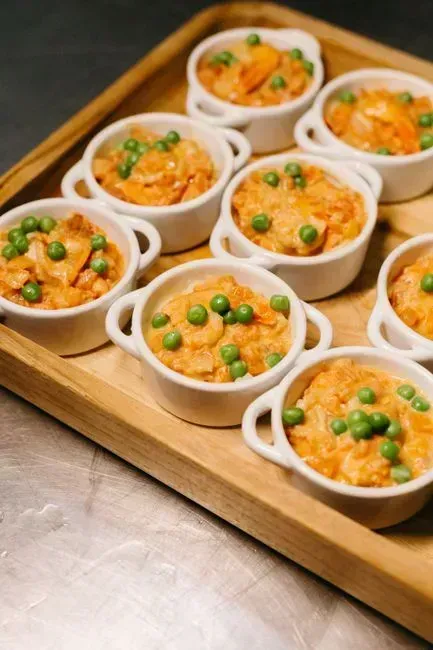
Few dishes say 1970s weeknight like tuna noodle casserole. It combines canned tuna, egg noodles, a creamy sauce and often a crunchy topping such as crushed crackers or potato chips. It was cheap, filling and easy to feed to a crowd.
Home cooks are now rebuilding it with a homemade white sauce, peas and sharp cheese. The result is still humble, just better seasoned. Canned fish also fits neatly with current interest in pantry cooking.
Swedish Meatballs
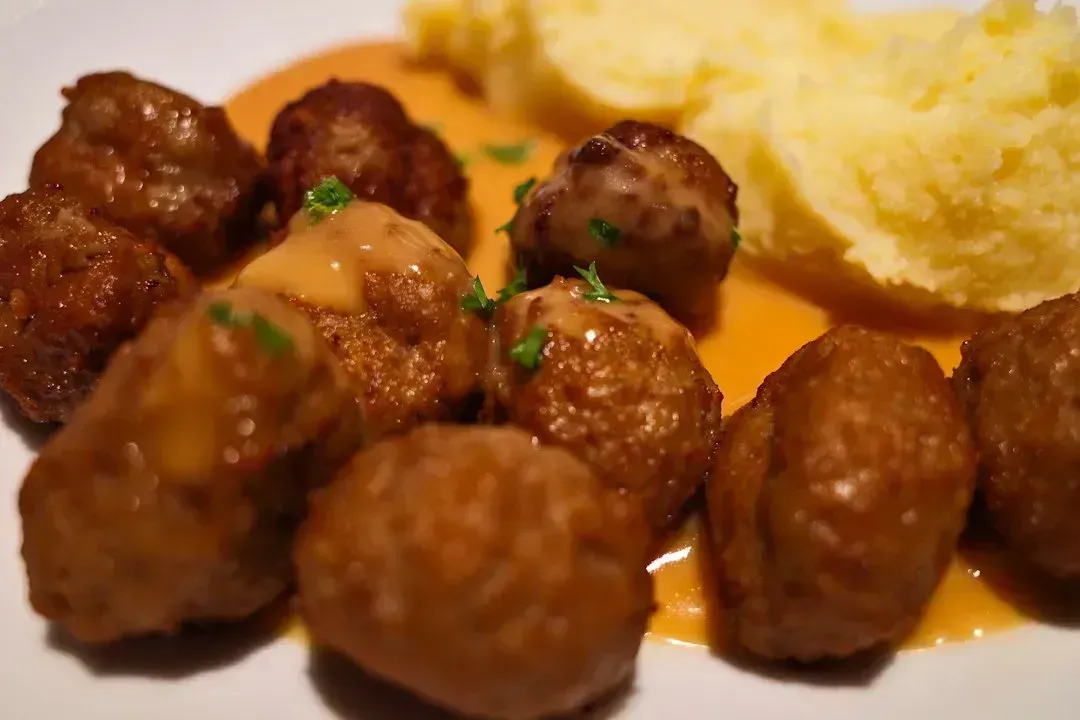
Swedish meatballs are small, tender meatballs served in a creamy gravy, often with lingonberry jam on the side. They were a fixture at 1970s buffets and cocktail parties. They also made a regular appearance at dinner, spooned over noodles or mashed potatoes.
Part of their lasting popularity comes from furniture retailer IKEA, which has long sold them in its cafés. At home, the recipe rewards a gentle hand with the meat mixture. A pinch of allspice or nutmeg gives the classic flavor.
Chicken Divan
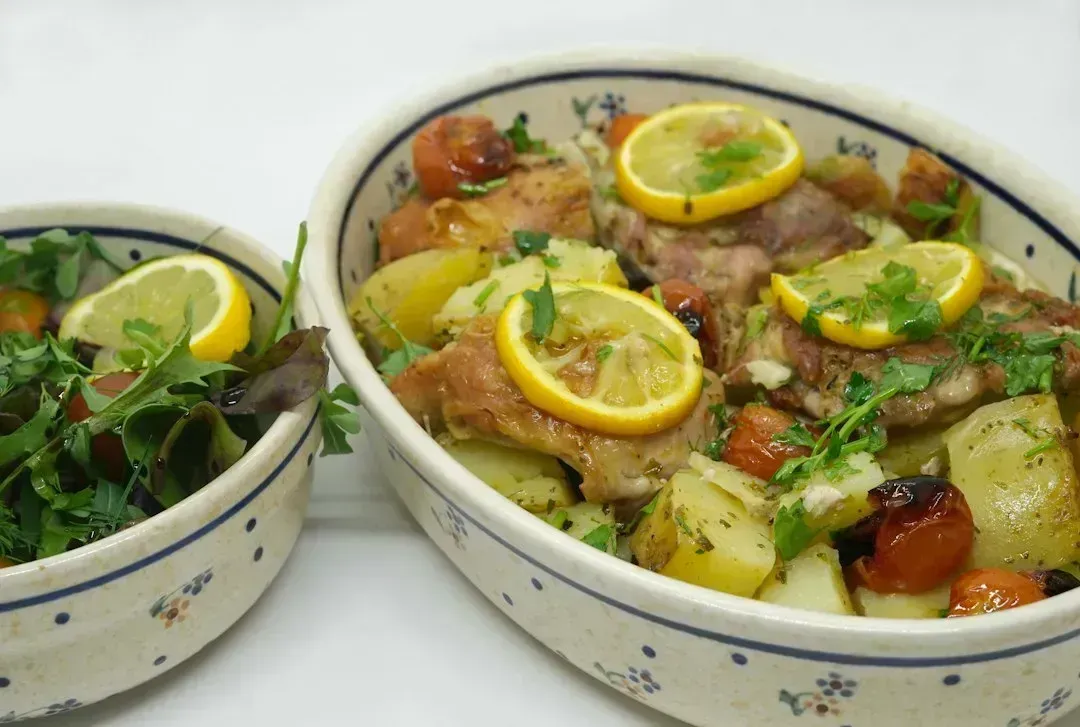
Chicken divan is a casserole of chicken and broccoli in a creamy sauce, usually topped with cheese. It traces back to a New York restaurant in the early twentieth century and became a fixture in American home cookbooks. By the seventies it was often made with canned soup and curry powder.
The appeal is the balance. It has vegetables, protein and a comforting sauce in a single baking dish. Modern versions tend to use a homemade sauce and a lighter hand with the cheese.
Quiche Lorraine
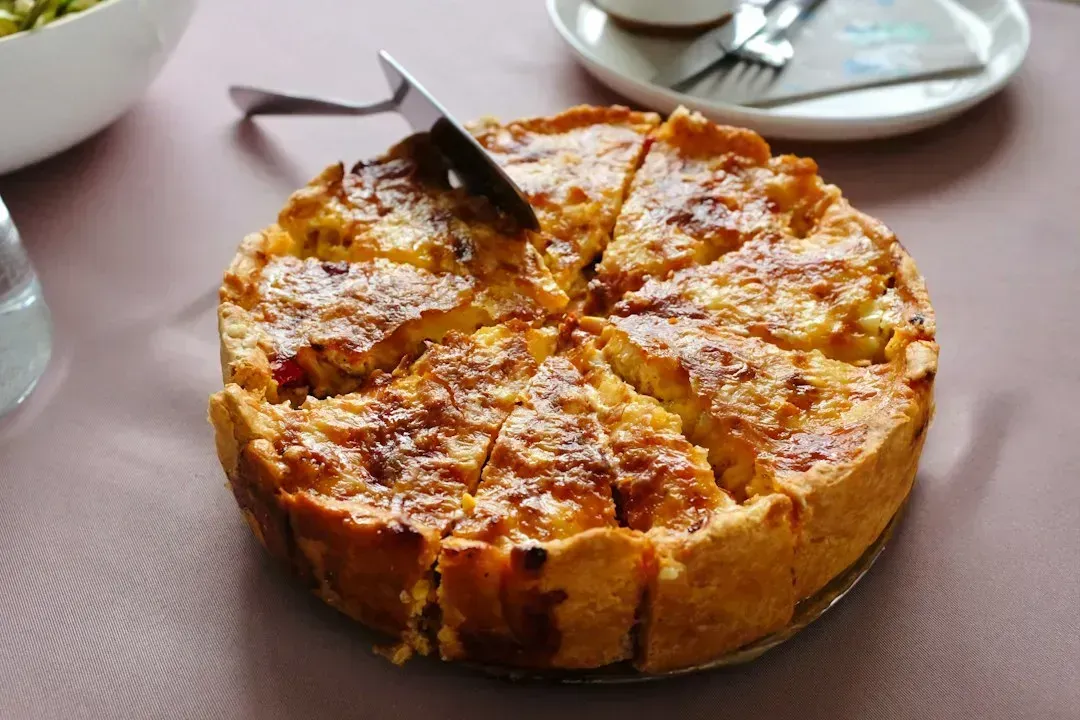
Quiche Lorraine is a French savory tart of eggs, cream and bacon, and it had a real moment in American kitchens during the seventies. It was served for brunch, lunch and, quite often, dinner with a green salad. The dish gave home cooks a way to feel a little fancy without much trouble.
It’s returning for good reasons. A quiche can be made ahead, eaten warm or at room temperature, and adapted to whatever vegetables or cheese you have. The buttery crust is worth the extra effort, though a store bought one works in a pinch.
Coq au Vin
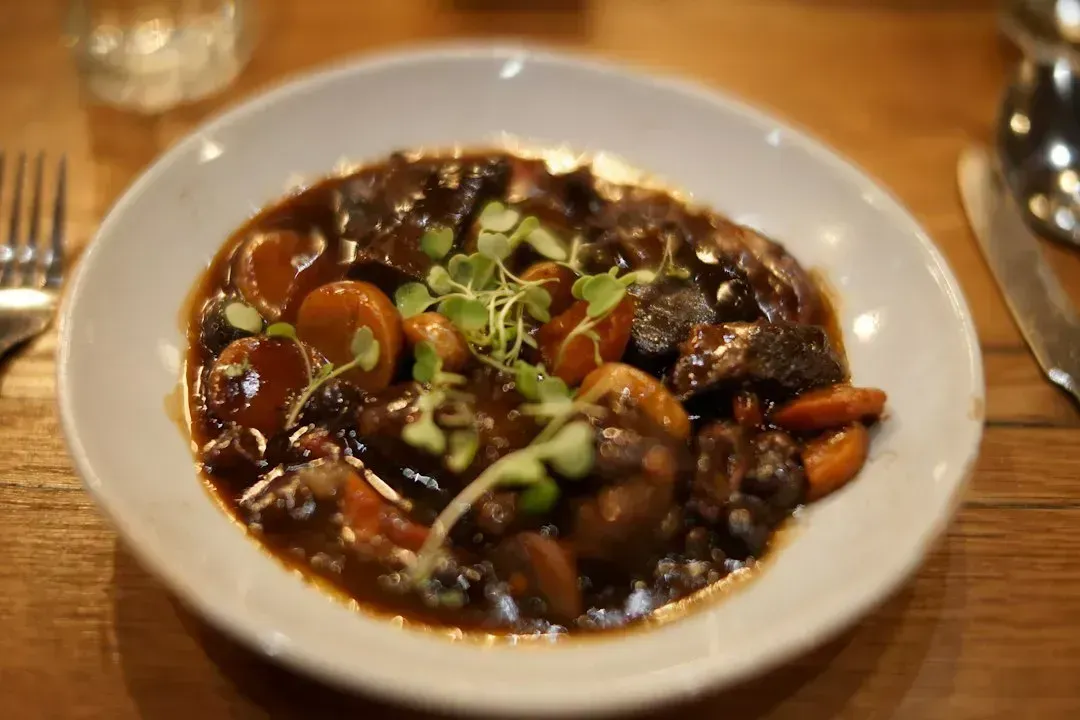
Coq au vin is a French braise of chicken cooked slowly in red wine with mushrooms, onions and bacon. It gained a wide American audience through French cooking books and television in the decades before the seventies, and it remained a dinner party favorite. It was the sort of dish you served when you wanted to impress.
Today it suits the slow cooking trend, since the flavor develops as it simmers. It also works well in a Dutch oven and tastes even better the next day. Serve it with potatoes or crusty bread to catch the sauce.
Salisbury Steak
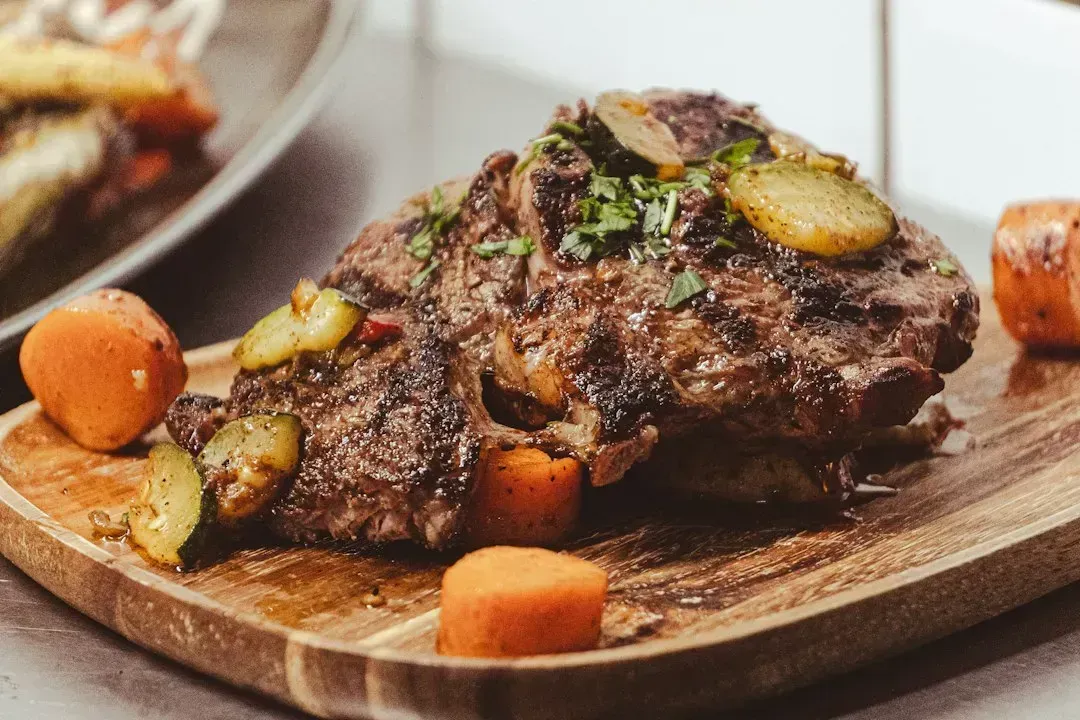
Salisbury steak is a seasoned ground beef patty cooked in brown gravy with onions and mushrooms. It was a diner and frozen dinner classic, which probably hurt its reputation. Done properly at home, it’s a different meal entirely.
Cooks are rediscovering it as a budget friendly comfort dish. Browning the patties well and building the gravy in the same pan is where the flavor comes from. Mashed potatoes are the traditional partner.
Baked Ham With Pineapple
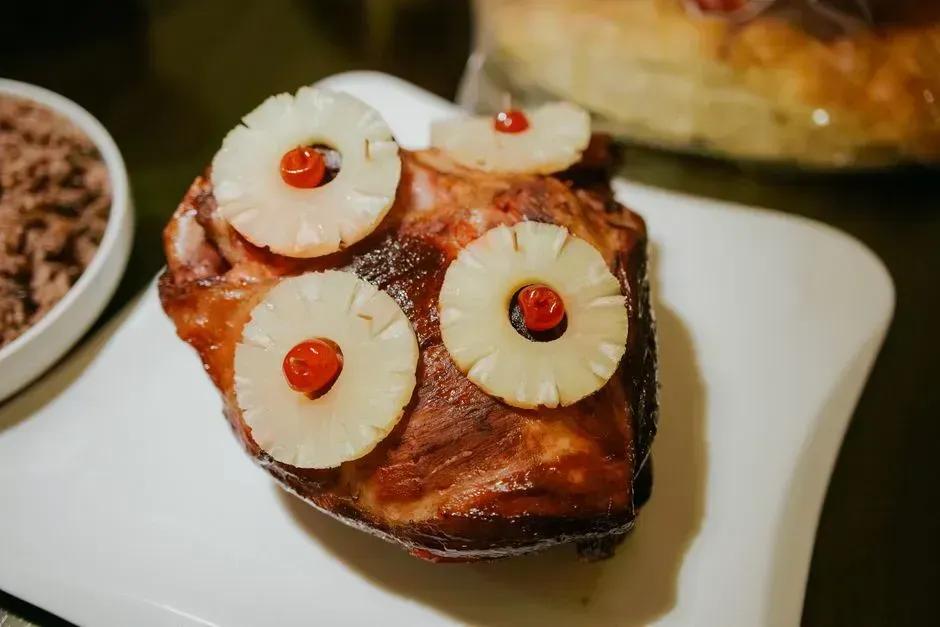
A baked ham decorated with pineapple rings and maraschino cherries was a signature centerpiece of the 1970s table. The sweet glaze balanced the salty meat, and the presentation was part of the fun. It was often saved for holidays and Sunday dinners.
The look may be dated, but the flavor pairing still works. Many cooks now glaze with pineapple juice, brown sugar and mustard, and skip the toothpicks and cherries. Leftovers make excellent sandwiches and soups, which adds to its practical charm.
Stuffed Bell Peppers
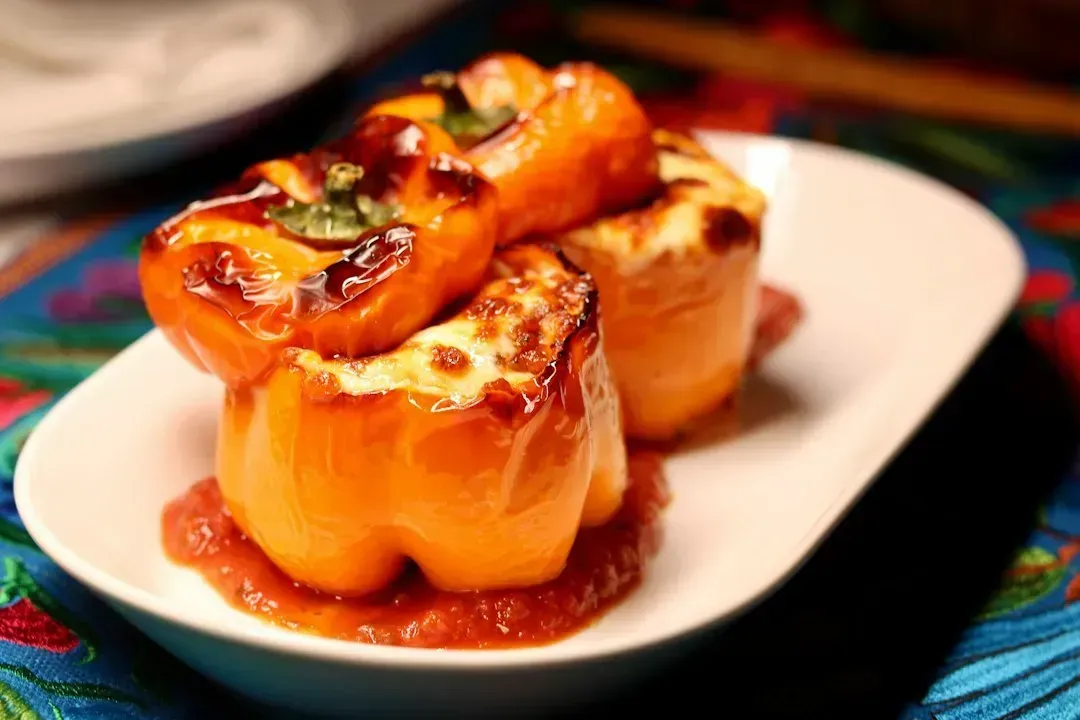
Stuffed bell peppers were a common family dinner, filled with ground beef, rice and tomato sauce, then baked until tender. They were inexpensive and easy to portion. Many people remember them as a regular rotation meal.
The format is flexible, which is why it’s finding new fans. You can fill the peppers with turkey, beans, quinoa or whatever vegetables are on hand. Topped with melted cheese, they still feel like a satisfying, no fuss dinner.

Leave a Reply