
Most homes hold far more than their residents actually use. Research has found that the average American home contains over 300,000 items, a number that sounds almost impossible until you start opening drawers, closets, and cabinets. The majority of those items exist quietly in the background, neither used nor enjoyed, simply taking up physical and mental space.
Numerous studies have shown that living in a cluttered environment can negatively affect mental health, contributing to increased stress, anxiety, and even depression. The constant presence of disarray in your home can subtly drain your energy and leave you feeling overwhelmed, even if you’re not consciously aware of it. Minimalists have long understood this connection. The 11 categories below are where they typically start.
1. Clothes That No Longer Fit
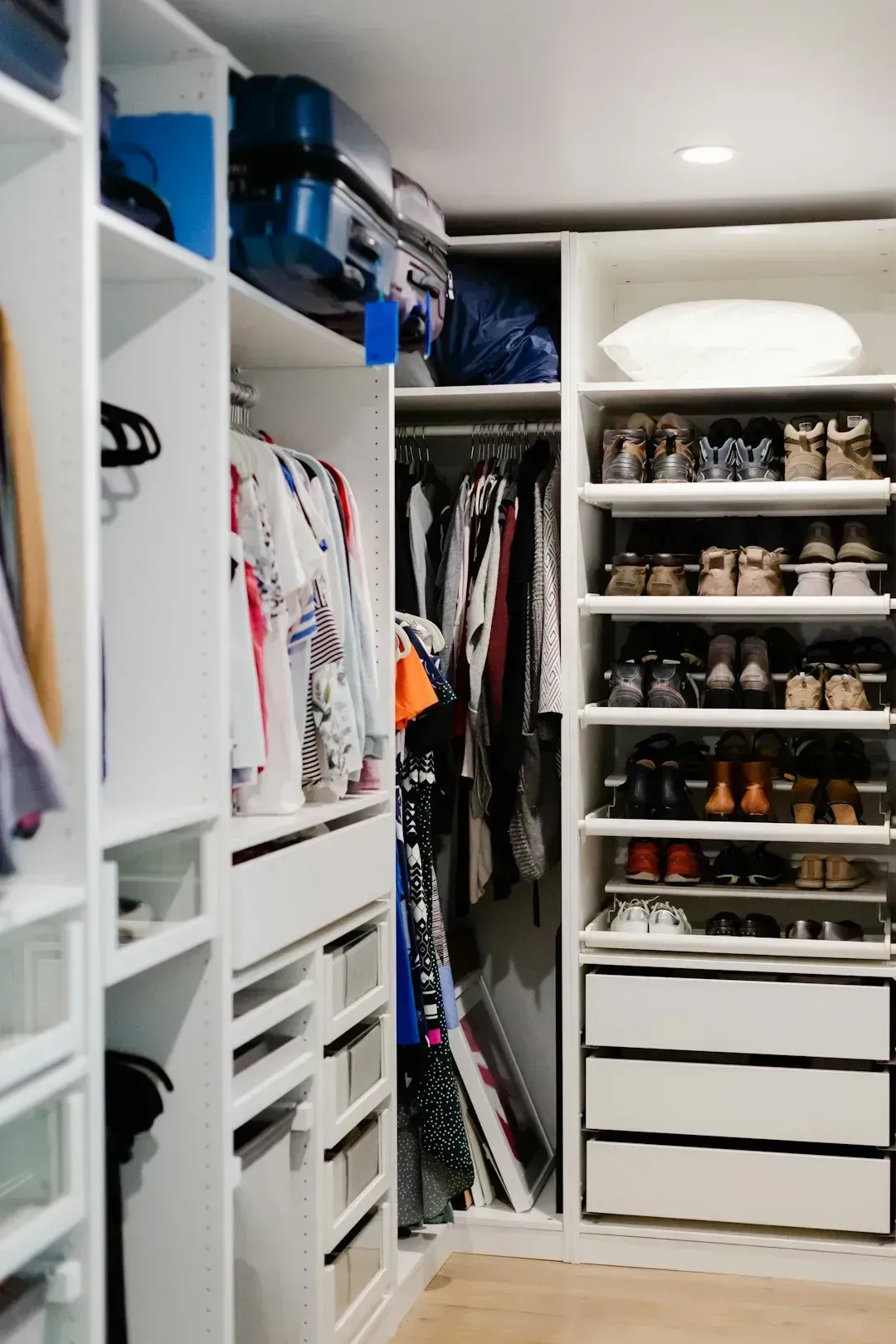
Too many times, we keep around clothes that used to fit, or that we’re hoping to wear if we hit certain weight goals. Unfortunately, this just leads to clutter and potentially a bunch of clothes we will never get to. The wardrobe becomes a storage unit for aspirations rather than a practical collection of things we actually wear.
Piles of clothing we’ve been meaning to donate, wash, or put away deserve regular attention. Between outdated trends, worn pieces, and those “what if” or “someday” items that linger, clearing these out will help free up space and make getting dressed feel easier. Donating clothes that fit well is a straightforward way to benefit someone else while simplifying your own mornings.
2. Single-Use Kitchen Gadgets
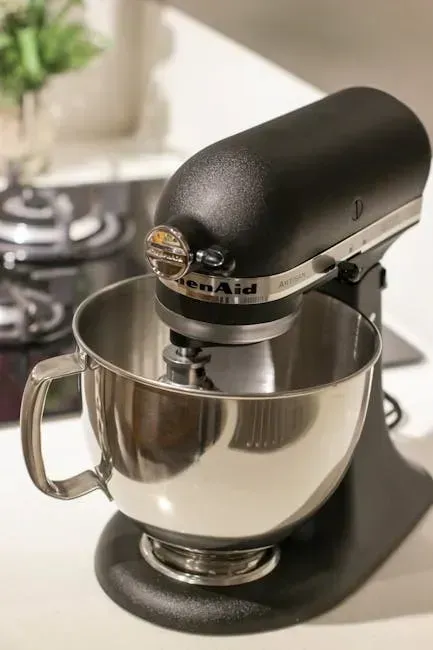
The temptation to buy a shiny new kitchen gadget can be strong. You might’ve convinced yourself that you’d absolutely use that blender, waffle maker, potato ricer, or avocado slicer all the time, only to find it collecting dust and taking up space in your cabinets. These gadgets tend to multiply quietly over years of gifting and impulse buying.
Minimalists apply a simple filter: if an item performs a task that another tool can handle just as well, it doesn’t earn counter or cabinet space. Countertop appliances used fewer than five times per week are strong candidates to store in a cabinet or closet, or to remove entirely. A well-stocked but streamlined kitchen is easier to cook in and far easier to clean.
3. Excess Throw Pillows and Decorative Blankets
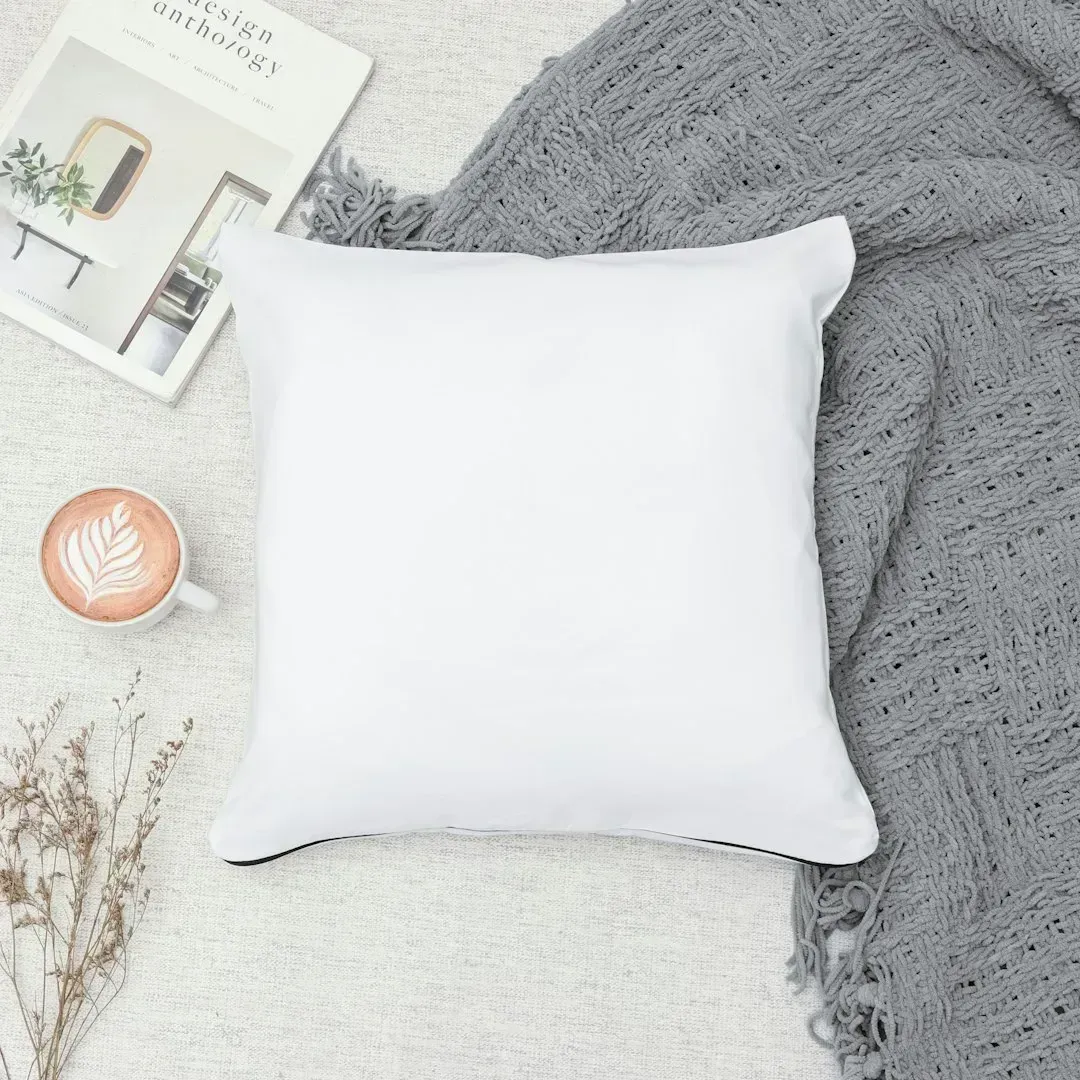
Underused throw blankets and extra throw pillows accumulate quickly. Keeping just a few different pillow covers to switch out on the same pillow inserts is a cleaner, more practical approach. The irony of decorative pillows is that most people remove them from the bed or sofa before actually using the furniture, then pile them back on again. That’s maintenance work without much payoff.
A room with fewer decorative accessories tends to feel calmer and more spacious. The simple act of looking at too many objects can overwhelm our visual cortex, triggering a stress response that affects everything from sleep quality to immune function. Reducing soft furnishings to what you genuinely use is a small change with a visible impact on how a room feels.
4. Paper Clutter and Physical Mail
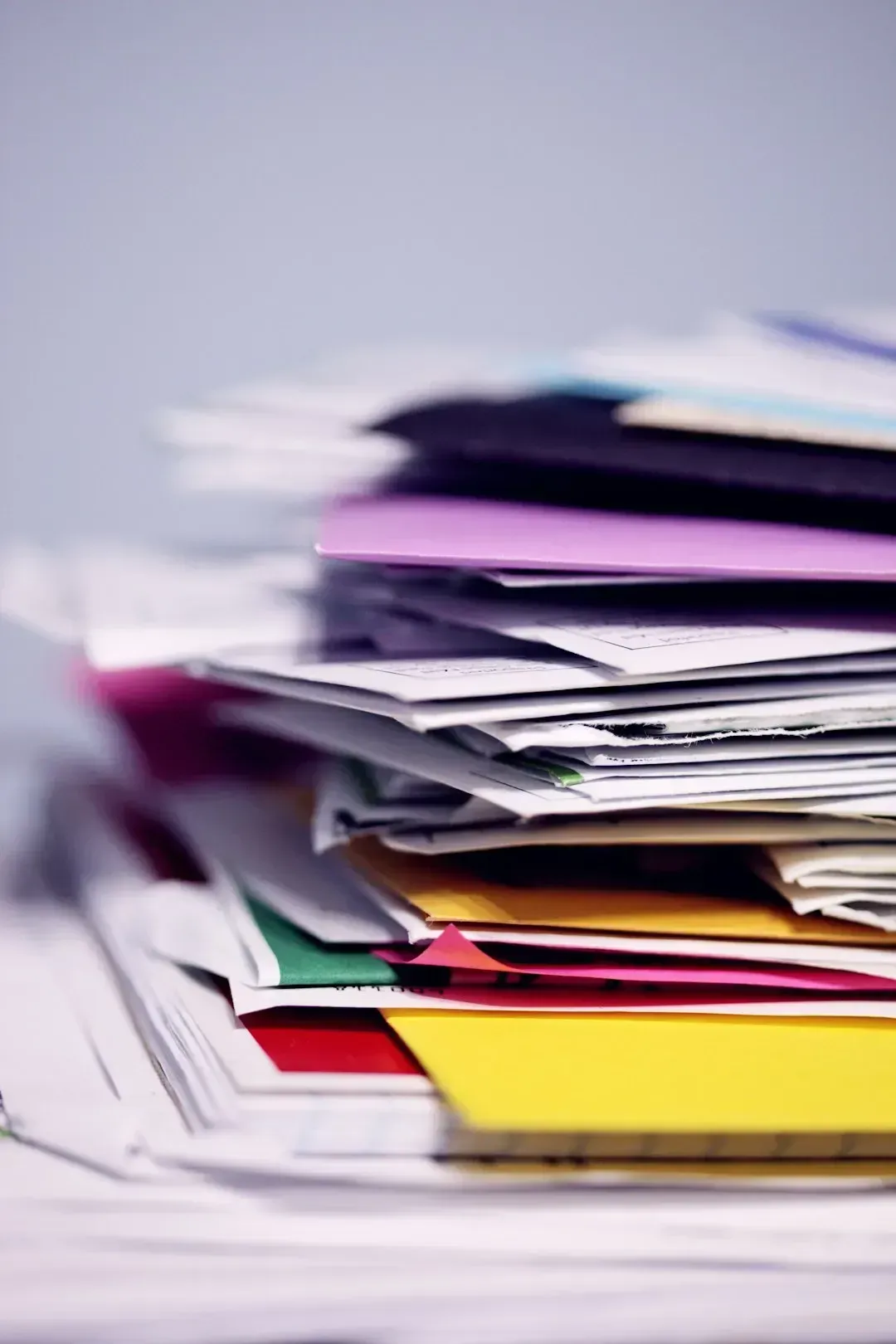
Bills, receipts, old magazines, and unread mail can pile up quickly, taking up space on surfaces and contributing to a chaotic, cluttered environment. Minimalists take a proactive approach to paper clutter by digitizing important documents and switching to electronic alternatives where possible. Flat surfaces covered in paper are one of the most common complaints in family homes.
When your home is cluttered, your brain receives constant signals that your work is never done. Every pile of papers, overflowing drawer, or disorganized shelf serves as a visual reminder of tasks left incomplete. This constant visual overload can trigger feelings of stress and anxiety, making it harder to relax in your own space. Sorting and discarding paper regularly is one of the quickest ways to restore calm to a living area.
5. Duplicate Kitchen Tools and Utensils
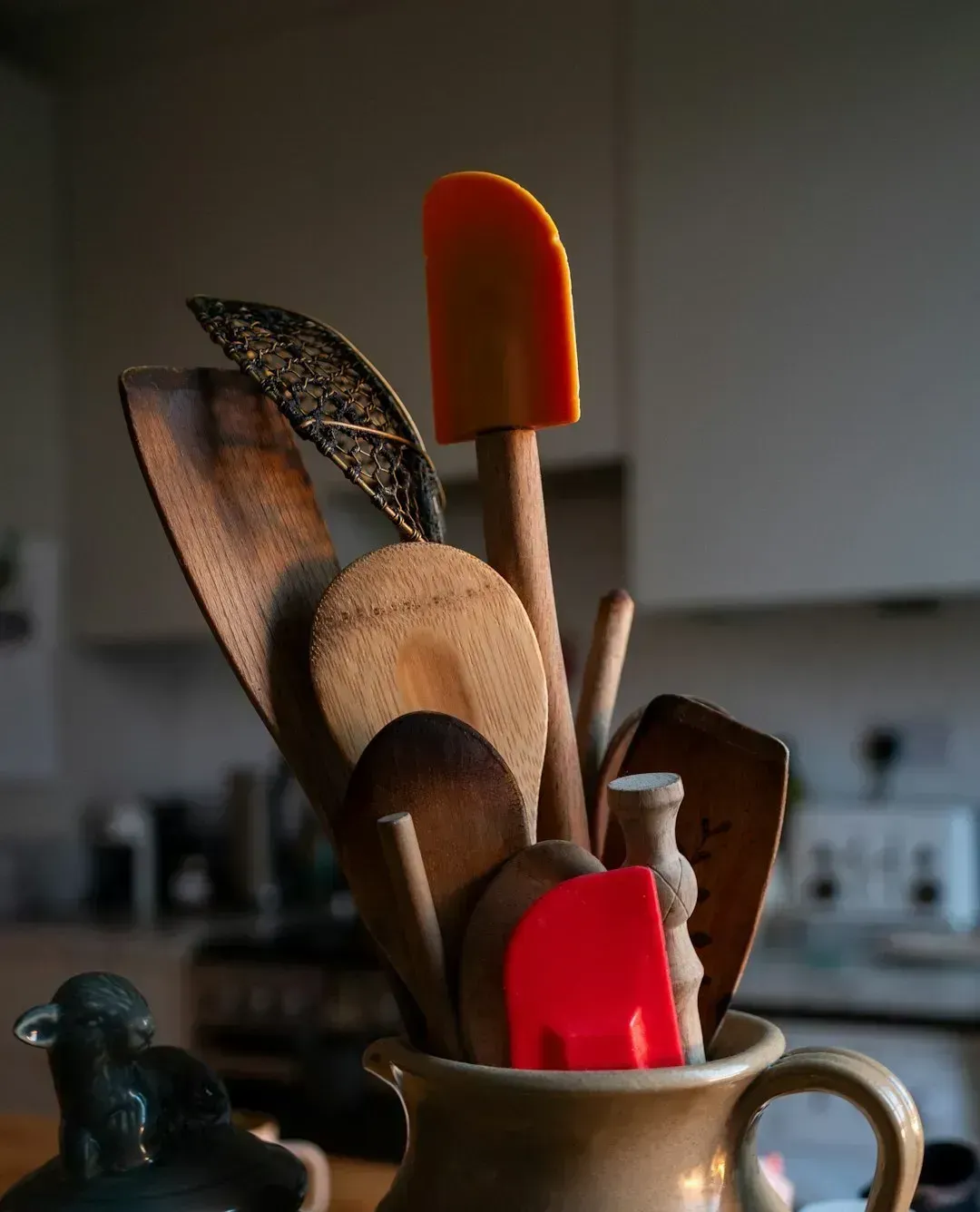
If you have multiple spatulas in the kitchen, stacks of notebooks you never use, or clothes that seem a little too similar, you certainly aren’t alone. Minimalists recognize that having more than one of the same item often leads to unnecessary clutter. Instead of holding onto the extras, they keep only what’s used regularly and let go of the rest.
Duplicate kitchen items are particularly common offenders. You might find four wooden spoons, three wine keys, or two can openers tucked into drawers and cabinets. Keeping one quality version of each tool makes cooking more efficient and drawers significantly easier to navigate. The extras are worth donating to a community kitchen or a household just starting out.
6. Expired and Unused Bathroom Products
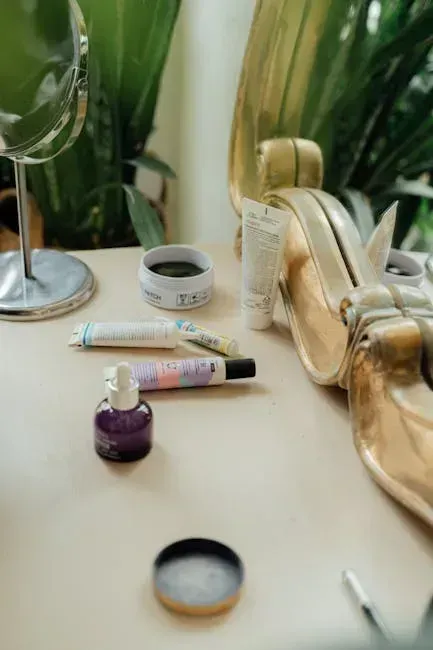
Bathroom cabinets and drawers are notorious for accumulating clutter. Half-used bottles of lotion, expired skincare, and products that we’ve tried and simply didn’t like tend to linger, taking up valuable space. Minimalists don’t hold onto toiletries that are past their prime or otherwise don’t need to be kept. If you have products that you haven’t used in months or stuff that’s already well past the use-by date, it’s time to toss them.
Most cosmetic and skincare products carry a period-after-opening symbol indicating how many months they remain effective. Using expired products can cause skin irritation, and keeping them just adds visual noise to a space meant for daily routines. A clear, edited bathroom cabinet makes mornings feel noticeably less chaotic.
7. Unused Exercise Equipment
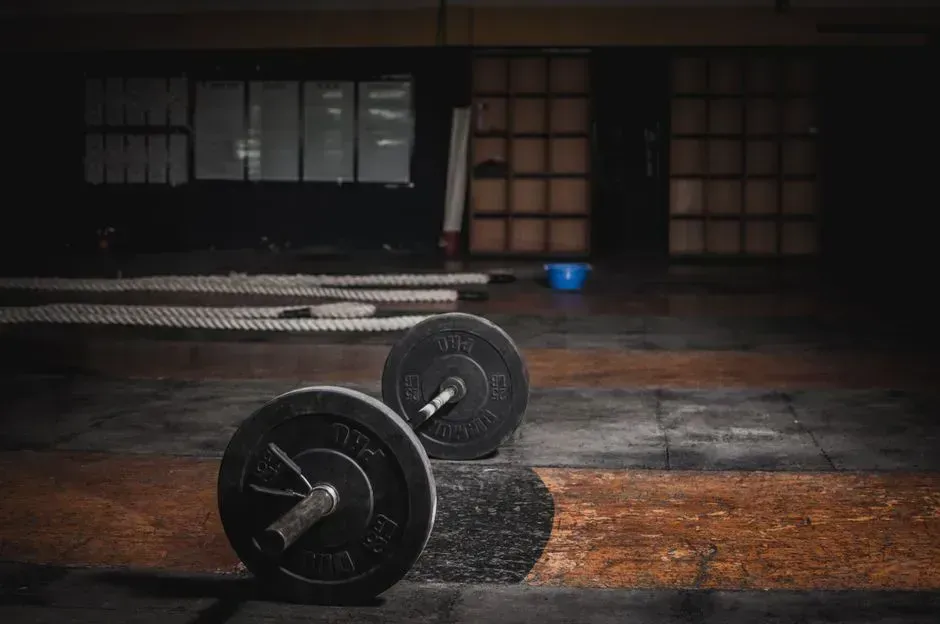
If you’re looking to have a more spacious home and follow a minimalist lifestyle, home gyms can quickly get in the way. That’s not to say you should get rid of all your exercise equipment, but focusing only on the pieces you use regularly is a practical approach. Stationary bikes turned clothing racks and treadmills that haven’t moved in two years are familiar sights in many homes.
Equipment that’s consistently unused occupies significant floor space and can create a background sense of guilt rather than motivation. Selling or donating these items frees both the physical room and the mental weight that comes with owning things we feel we should use. A set of resistance bands or a single pair of dumbbells used weekly will always outperform a home gym that collects dust.
8. Knick-Knacks and Impulse-Bought Decor
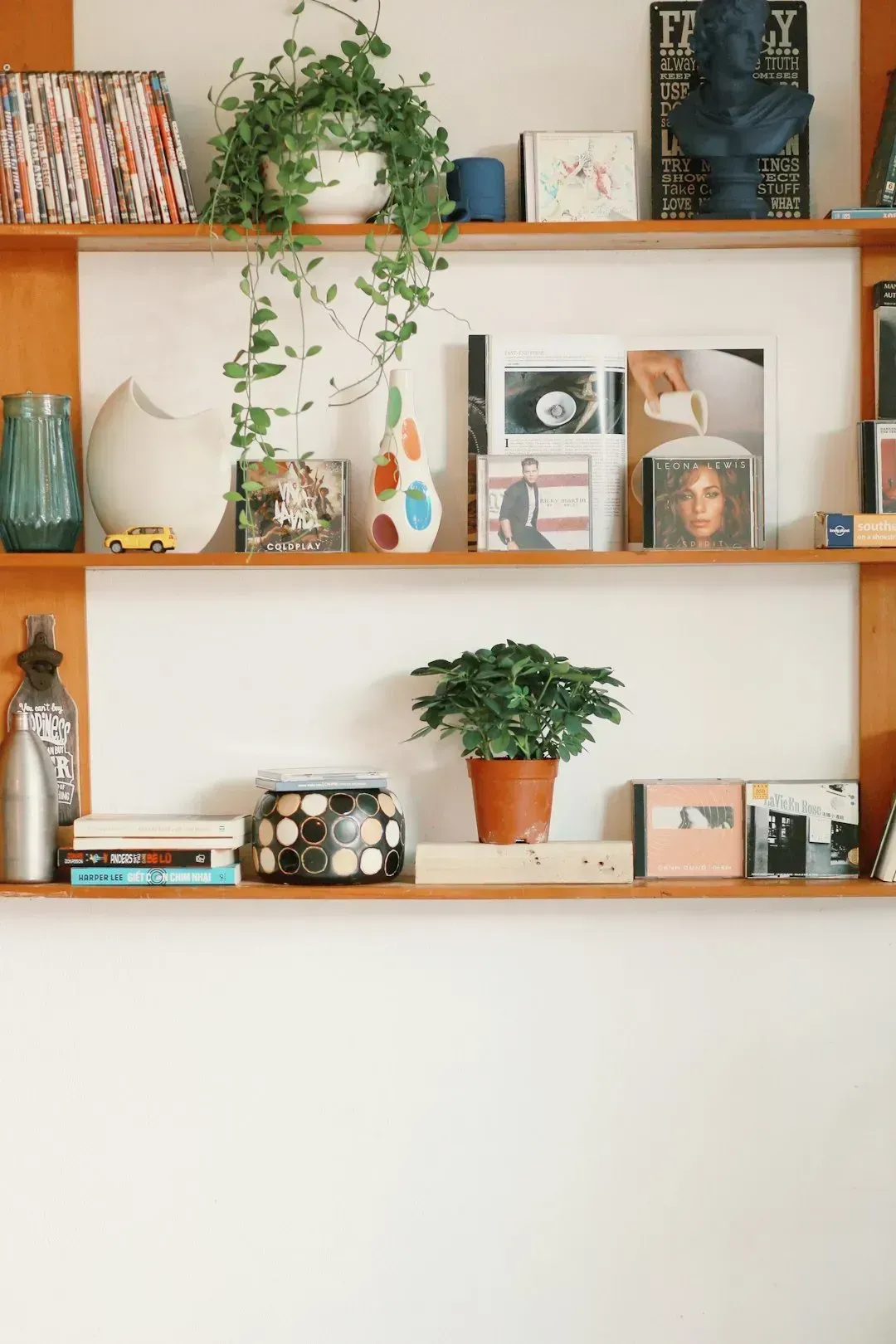
Knick-knacks are often associated with a cozy house or a grandparent’s home. They can help a space feel more personal and reflect your personality, but they do take up a lot of space and make a home feel messy. They are definitely not minimalist. The problem isn’t the sentiment behind them; it’s the volume. When every shelf and surface has something on it, nothing actually stands out.
Minimalists curate their decor thoughtfully, keeping only pieces that enhance their homes and buying them with intention rather than impulse. If your shelves and surfaces feel cluttered, removing some decorative items can create a more open and peaceful environment. This helps the items you truly love stand out rather than being drowned out by an excessive amount of stuff.
9. The “Junk Drawer” Contents
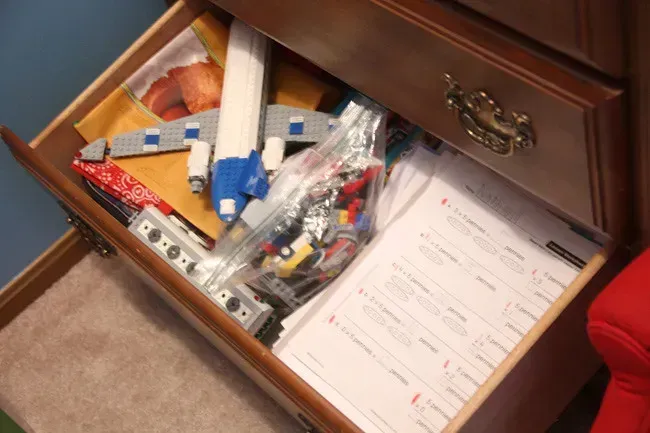
You probably have one: a designated drawer where all kinds of random stuff ends up. It might contain spare batteries, miscellaneous cords and cables, coupons you clipped but never used, or anything else that seemed worth holding onto. Chances are, you rarely use most of the stuff in that drawer. The junk drawer is essentially a holding area for decisions we never made.
Minimalists don’t like holding onto miscellaneous junk that may eventually serve a purpose, and they definitely don’t like having to hunt for items when they need them. Tackling this drawer rarely takes more than twenty minutes. Toss dead batteries, unknown cables, and expired coupons, and what remains can usually be organized into a much smaller, purposeful space.
10. Excess Coffee Mugs and Drinkware
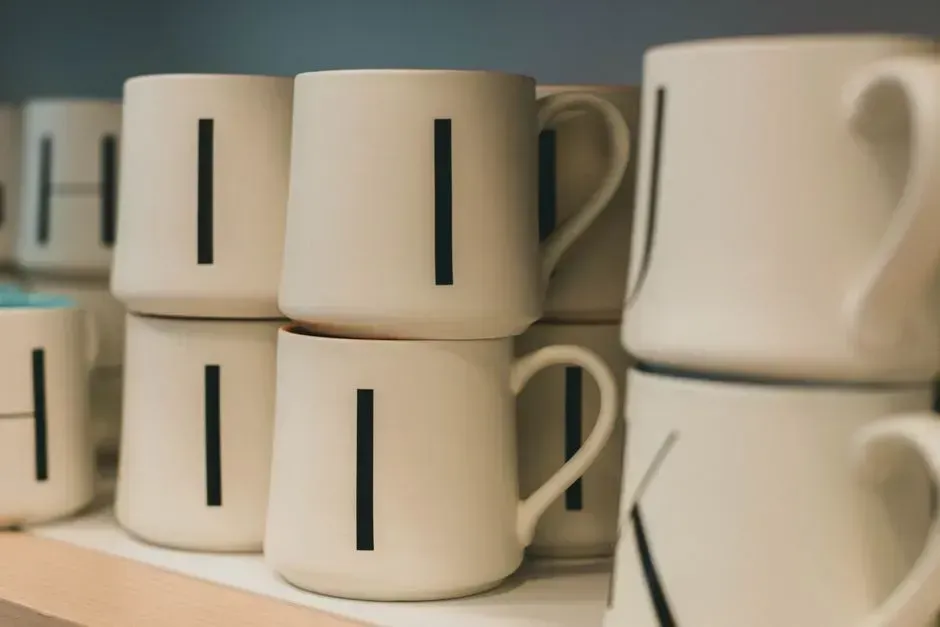
Few collections grow as passively as the mug cabinet. Promotional mugs, holiday gifts, and travel souvenirs accumulate for years until the shelf is overcrowded. Keeping two to three mugs per person is usually plenty, with extras for entertaining stored elsewhere. Most households far exceed that number without noticing.
The same applies to water bottles, travel tumblers, and reusable cups. Extra coffee mugs, water bottles, and travel mugs tend to overflow cabinets, and a small, intentional collection is far more practical than a crowded shelf. Donating the surplus to a local shelter or community organization means they go to good use rather than sitting behind a cabinet door for another year.
11. Excess Towels and Bed Linens
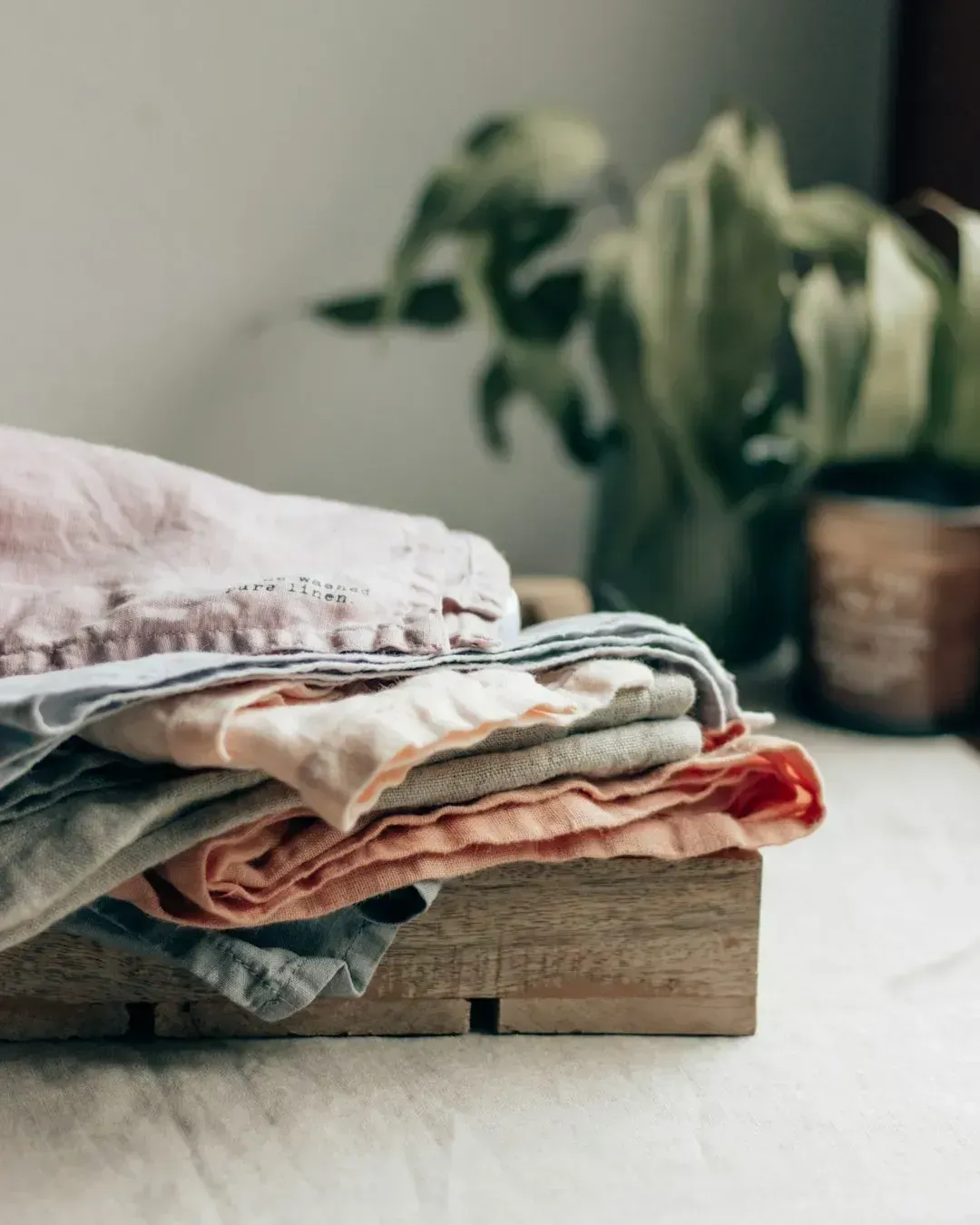
Beginning by simply reducing the excess in your home makes sense even with essentials like towels. Your family needs towels and will never remove them completely, but simplifying life by reducing the number you own is a practical and risk-free first step. Most households keep far more linens than they ever rotate through, resulting in overstuffed linen closets and towels that rarely see use.
Old, unused, or stained bed linens and extra pillows are reliable candidates for removal. A good rule of thumb is to keep two sets of bed linens per bed: one in use, one clean and ready to go. Anything beyond that can be donated to an animal shelter, which often welcomes old towels and blankets. The linen closet becomes usable again, and the daily routine of finding and folding becomes noticeably simpler.
The case for decluttering isn’t about living with as little as possible for its own sake. Research from the University of Connecticut found that by removing or controlling clutter, we can directly reduce the stress that stems from the mess, which can help us feel happier, less anxious, and more confident in ourselves. Starting with even two or three categories from this list tends to create enough visible change to make the next step feel natural rather than forced. Spaces that breathe a little easier tend to make the people in them feel the same way.




Leave a Reply