
Long before anyone scrolled through a feed while waiting in line, entertainment looked completely different. Boomers grew up in a world where fun required a little more effort, a little more patience, and usually involved other people standing right in front of you. There was no algorithm curating your next favorite song or show, just word of mouth, local hangouts, and whatever the television networks decided to air that night.
Looking back at how people entertained themselves before pocket-sized computers took over daily life offers a fascinating glimpse into a slower, more social era. These weren’t just pastimes, they were rituals that shaped friendships, family time, and even how communities came together.
1. Drive-In Movie Theaters
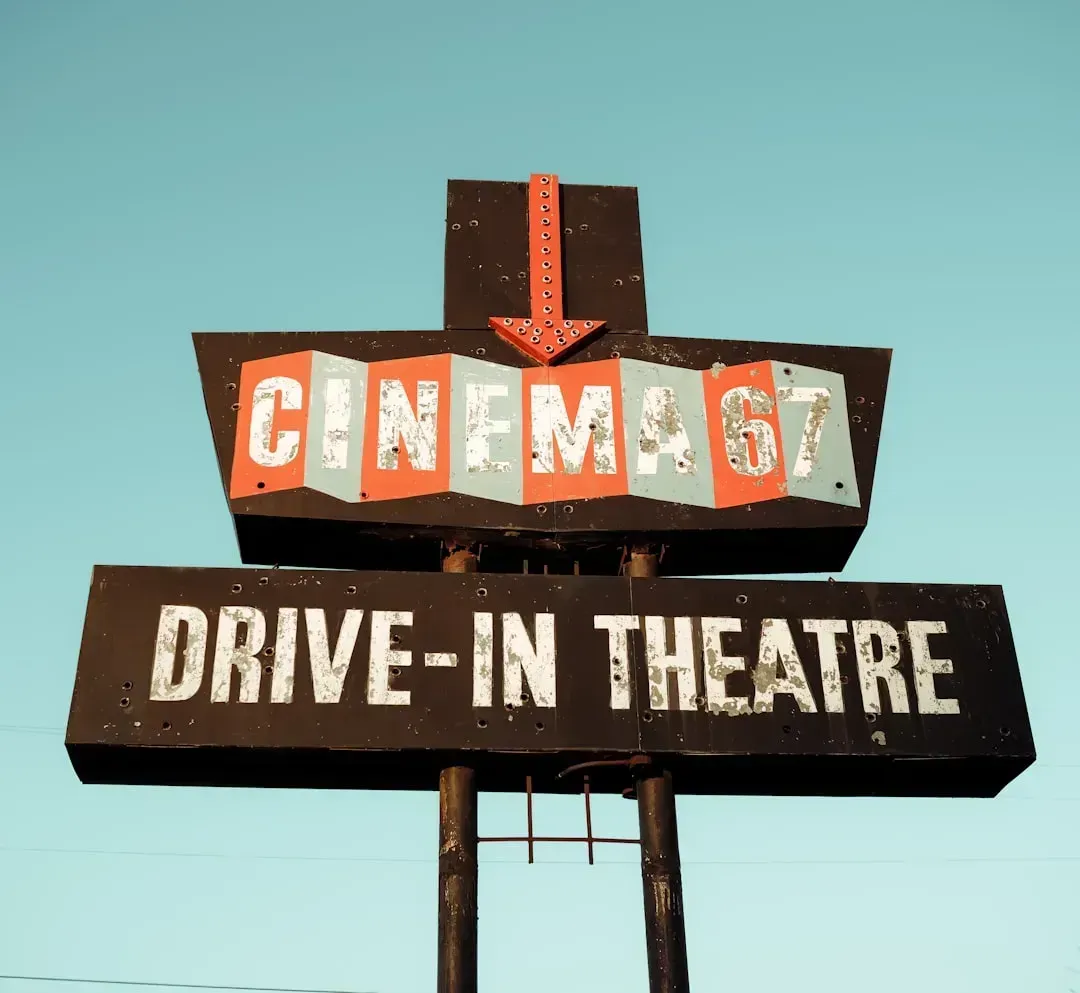
Piling into the family car and heading to the local drive-in was a weekend staple for many boomers. Families would pack blankets, snacks, and sometimes even pajamas for the kids who were expected to fall asleep before the double feature ended. The appeal wasn’t just the movie itself but the whole experience of watching it under the stars with dozens of other cars parked in neat rows.
Drive-ins peaked in popularity during the 1950s and 1960s, with thousands of locations dotting the American landscape. While the format nearly vanished by the 1990s, a modest nostalgia-driven revival has kept a small number of these theaters running into the 2020s, often drawing crowds looking to recreate that classic outing.
2. Roller Skating Rinks
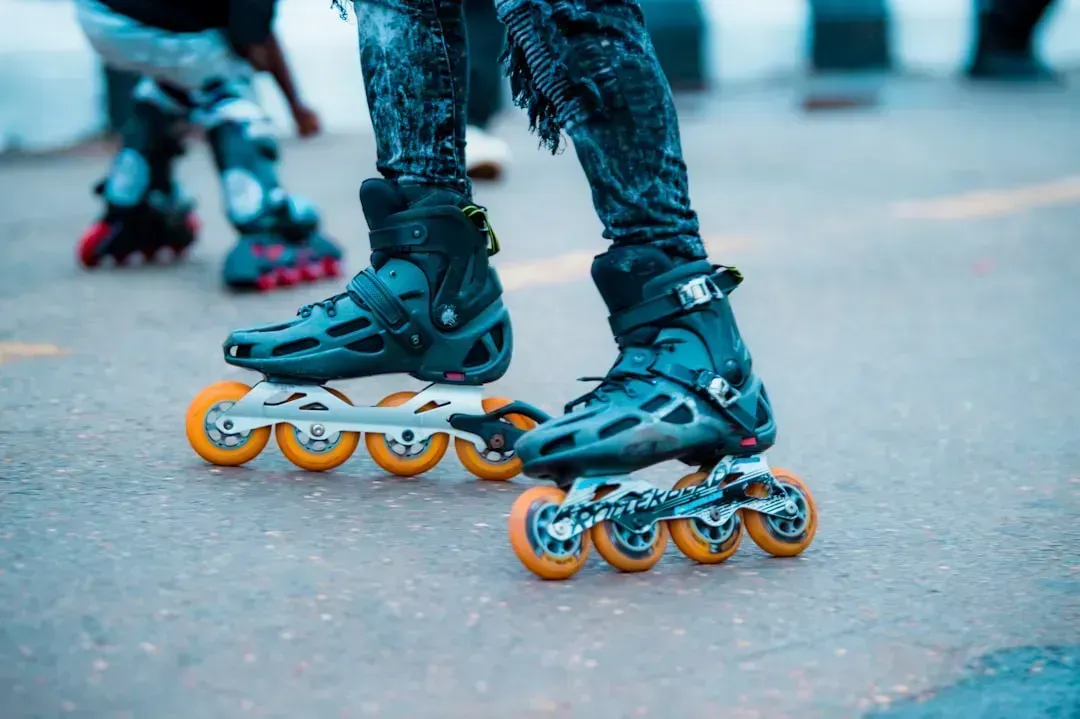
Roller rinks were social hubs where teenagers and families gathered on weekends to skate to the latest hits. The rinks often featured colorful lighting, a live organist or DJ, and designated times for couples skates that became a rite of passage for young romance. It wasn’t unusual for a rink to be the busiest spot in town on a Friday night.
These venues offered more than exercise, they created a communal space where people learned to socialize outside of school or work. Many rinks doubled as informal community centers, hosting birthday parties and school events that gave boomers some of their earliest memories of independent fun.
3. Listening to Transistor Radios
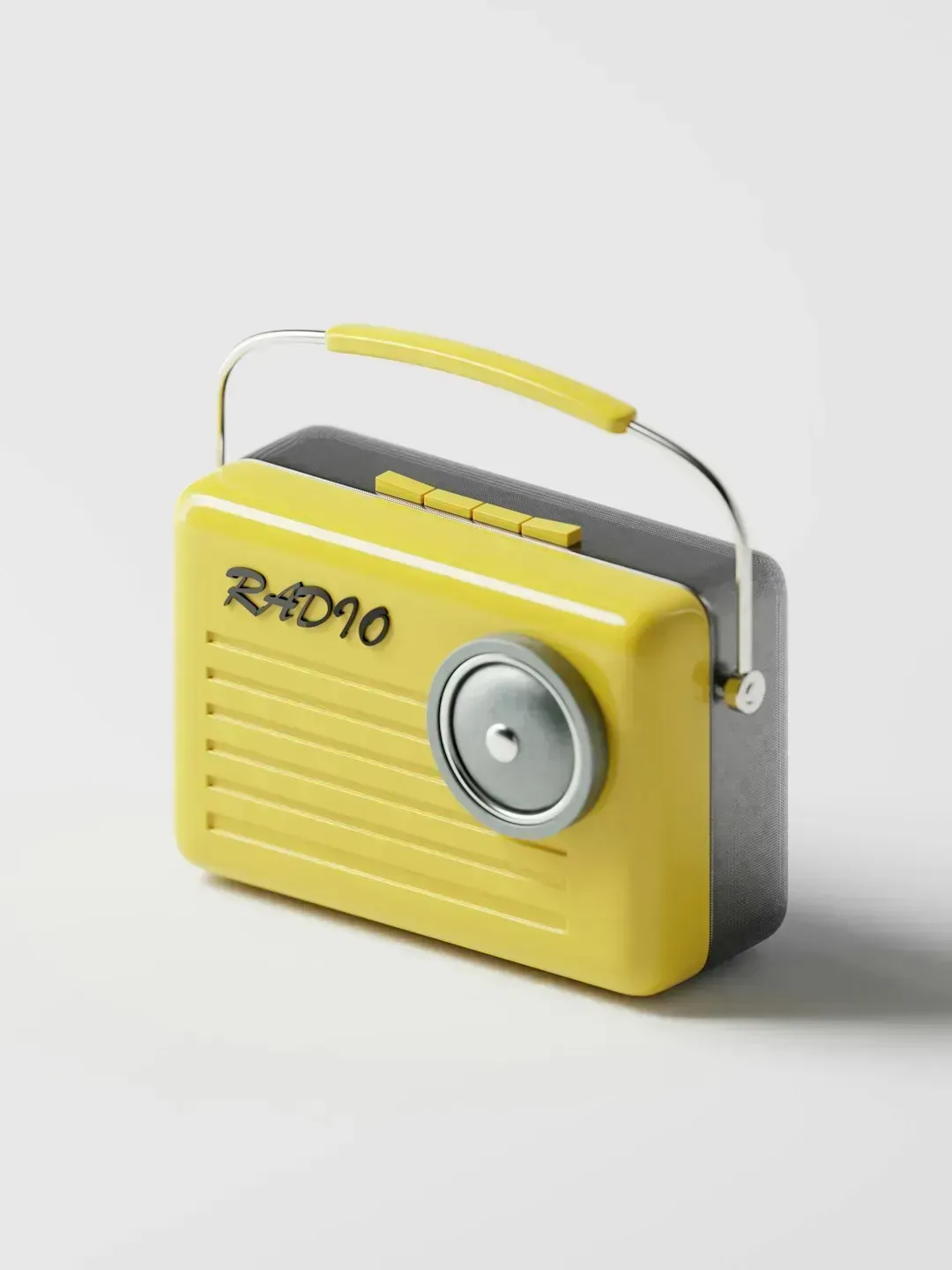
Before streaming services or even portable CD players, the transistor radio was the primary way young people accessed music on the go. These small, battery-powered devices let listeners tune into Top 40 stations, ballgames, or late-night talk shows from virtually anywhere, whether at the beach or under the covers after bedtime. Owning one felt like carrying a piece of freedom in your pocket.
The transistor radio’s affordability and portability made it one of the defining gadgets of the mid-twentieth century. It gave an entire generation direct access to rock and roll as it was breaking into the mainstream, shaping musical tastes in a way that felt personal and immediate.
4. Playing Board Games and Card Games
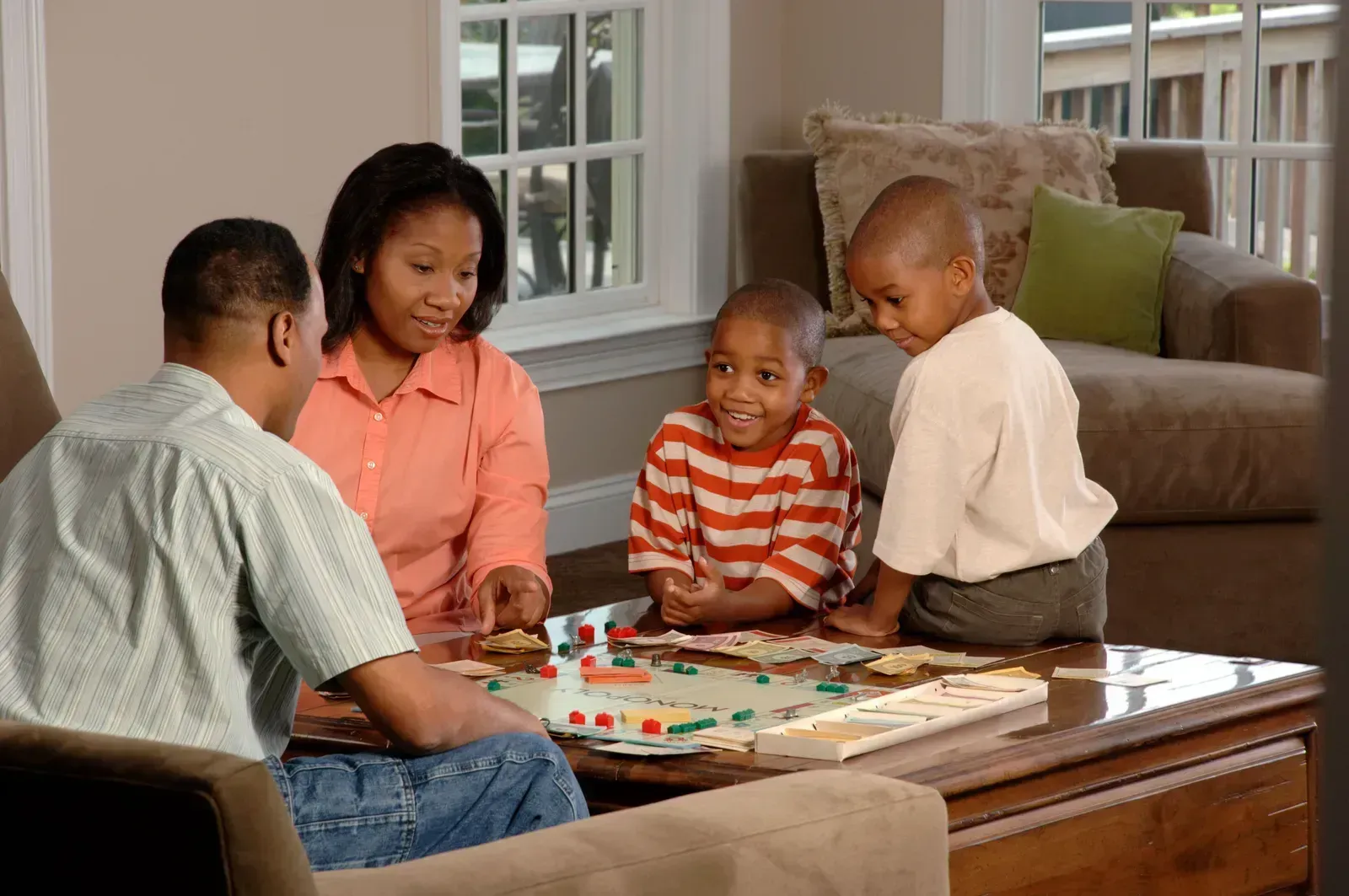
Family game nights were a common form of entertainment, with classics like Monopoly, checkers, and various card games bringing households together around the kitchen table. These games didn’t require electricity or screens, just a willingness to compete, negotiate, and sometimes argue over the rules. It was one of the few times siblings and parents interacted on equal footing.
Board games also served a social function beyond the immediate family, as neighbors and friends would often gather for game nights that stretched late into the evening. The tactile nature of rolling dice or dealing cards created a shared physical experience that digital versions still struggle to replicate.
5. Going to the Soda Fountain or Diner
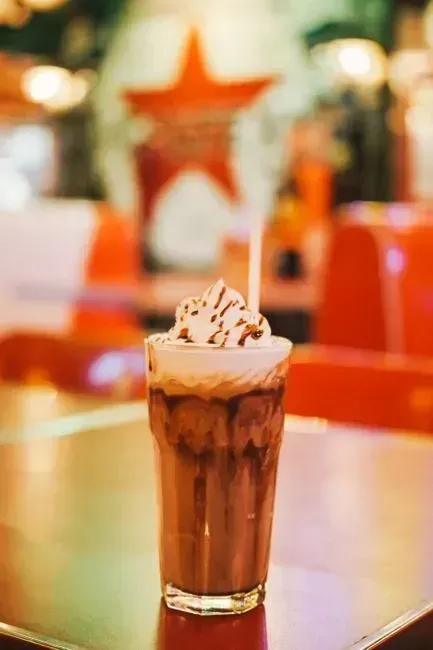
Soda fountains and small-town diners functioned as informal meeting spots where teenagers could grab a milkshake and catch up with friends after school. These establishments often had jukeboxes, allowing patrons to select songs for a nickel or dime, turning a simple snack stop into a mini social event. It was a place to be seen and to see everyone else in town.
The culture around soda fountains declined as fast food chains expanded rapidly through the 1960s and 1970s, offering quicker and cheaper alternatives. Still, for a stretch of time, these counters were where a lot of small-town social life actually happened.
6. Watching Drive-Time or Prime-Time Television as a Family
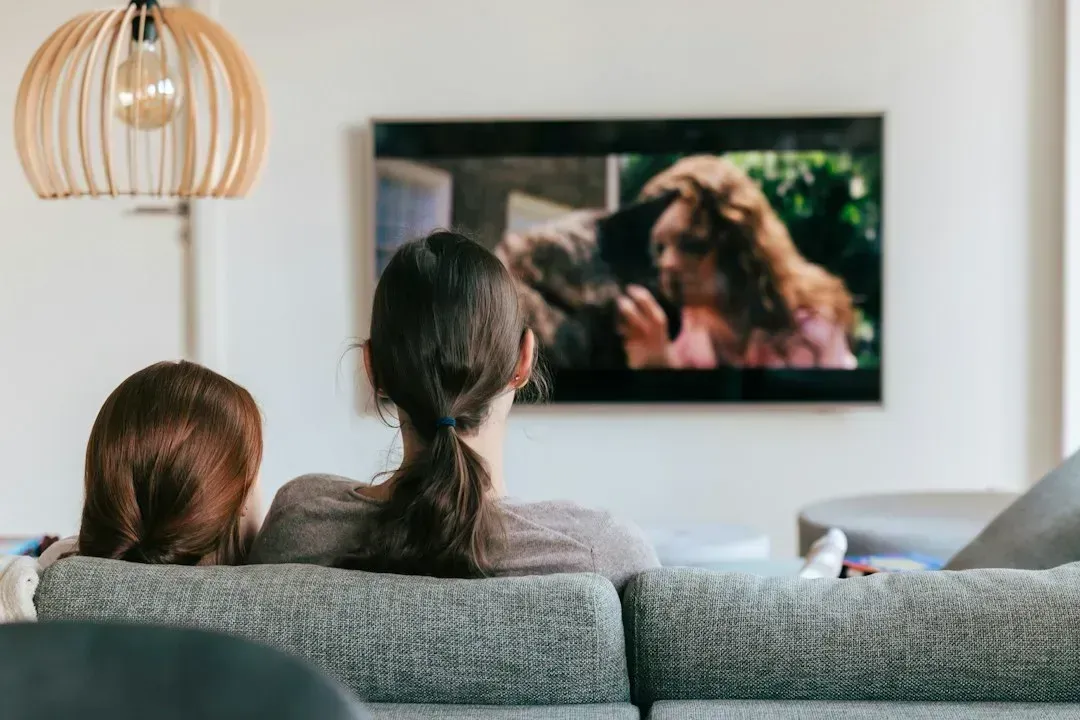
With only a handful of channels available, families often gathered around a single television set to watch whatever was airing that evening, whether it was a variety show, a sitcom, or the nightly news. There was no pausing or rewinding, so missing an episode meant waiting for a rerun or simply missing out entirely. This shared viewing created a common cultural language, since nearly everyone had watched the same programs the night before.
Television during this era also became a genuine talking point at school and work the next day, as people discussed plot twists or memorable moments from the previous night’s broadcast. That kind of shared, simultaneous viewing experience has become far less common in an age of streaming and on-demand content.
7. Making Mixtapes from the Radio
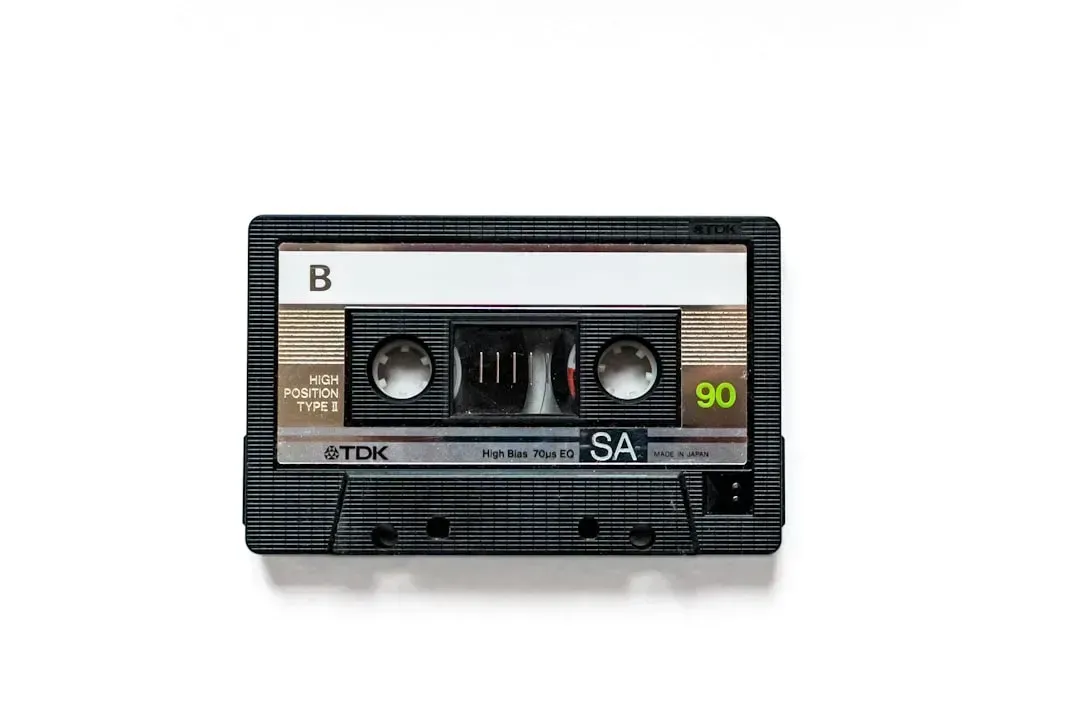
Before digital downloads existed, creating a mixtape meant sitting by the radio with a cassette recorder, waiting for a favorite song to come on, and hitting record at just the right moment. It required patience and quick reflexes, since missing the timing meant catching part of the DJ’s commentary instead of the song’s opening notes. The finished product was a personal, curated collection that took real effort to assemble.
These homemade mixtapes were often shared with friends or given as gifts, carrying a level of thoughtfulness that streaming playlists rarely replicate today. The imperfections, like a stray DJ voice or slightly cut-off intro, became part of the charm rather than a flaw to be corrected.
8. Attending Sock Hops and School Dances
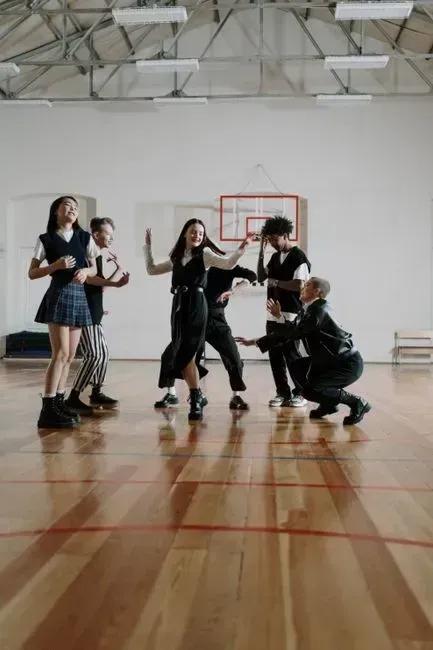
School dances, often called sock hops because attendees would remove their shoes to protect gymnasium floors, were a major social event for teenagers in the 1950s and 1960s. These gatherings featured live bands or record players spinning the latest hits, giving students a chance to dance, socialize, and navigate the early stages of dating. Chaperones typically supervised, but the dances still offered a taste of independence.
The popularity of sock hops tied closely to the rise of rock and roll music, as new songs from artists breaking onto the scene gave these events their soundtrack. For many boomers, these dances remain some of the most vividly remembered social occasions of their youth.
9. Reading Comic Books and Pulp Magazines
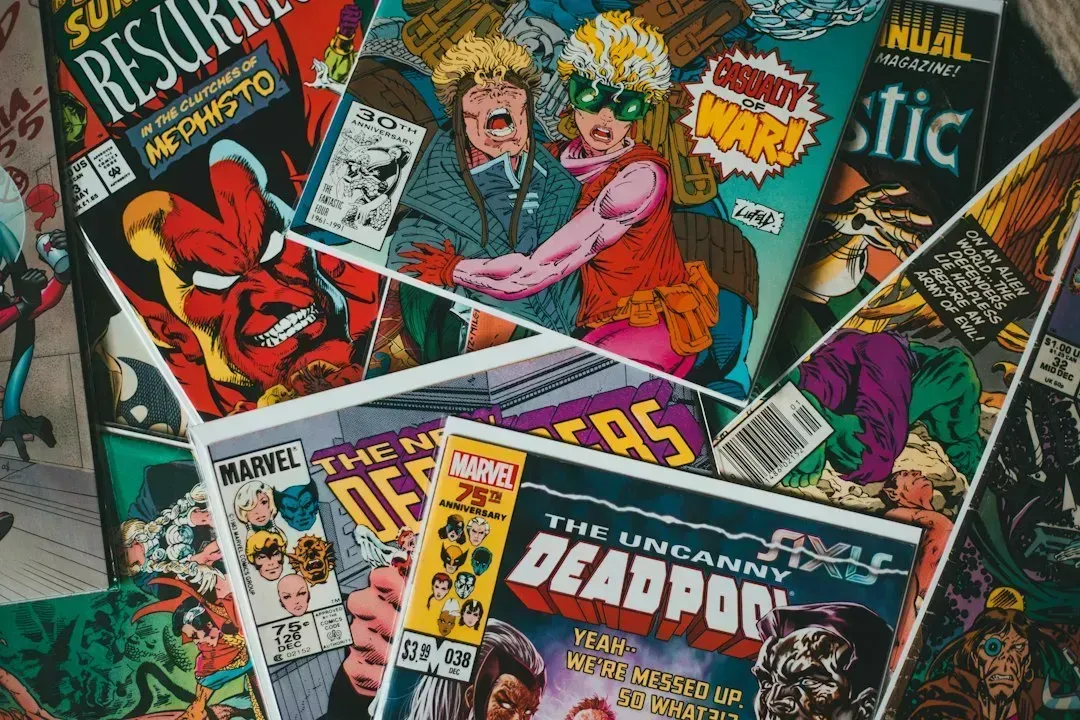
Comic books were an affordable and widely accessible form of entertainment, with newsstands and drugstores stocking shelves full of superhero adventures, westerns, and horror tales. Kids would trade issues with friends, building informal collections long before comic collecting became a serious hobby with graded values. A single issue could pass through several hands before it fell apart from overuse.
Beyond comics, pulp magazines and serialized fiction offered cheap thrills for readers looking for adventure or mystery stories. This print-based entertainment filled the gap that television and radio couldn’t, giving young readers stories they could revisit at their own pace, folded into a back pocket or stashed under a bed.
10. Playing Outdoors Until the Streetlights Came On
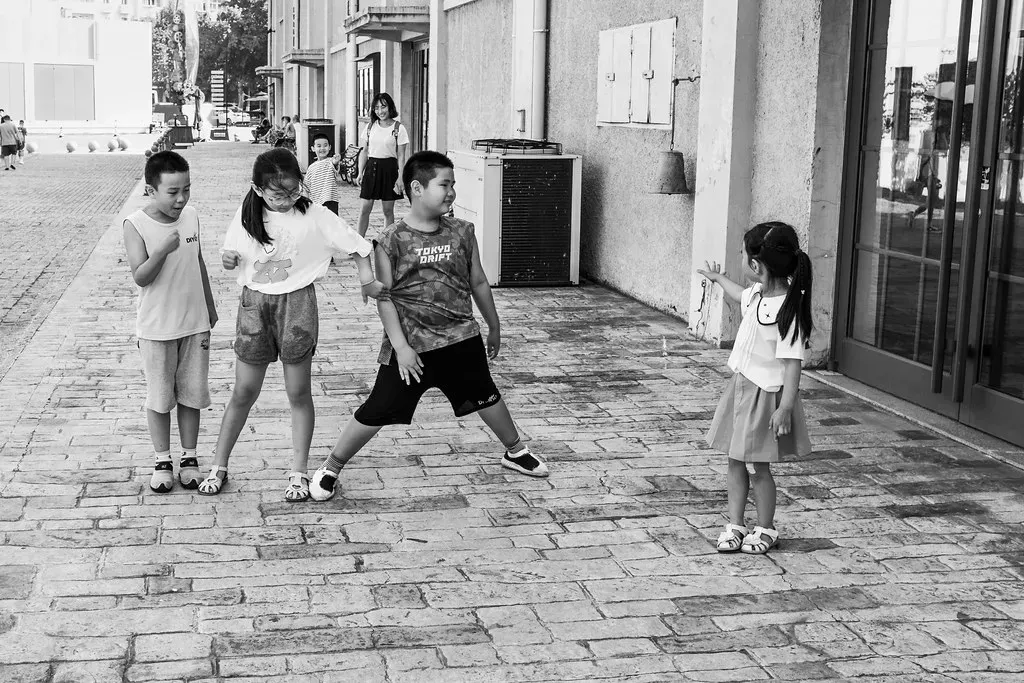
Unsupervised outdoor play was simply the norm, with kids leaving the house after breakfast and not returning until dinner or when the streetlights signaled it was time to head home. Games like kick the can, hopscotch, and neighborhood-wide games of tag filled long summer afternoons without any adult organizing the activity. Parents rarely worried about constant check-ins, since the whole neighborhood tended to keep an eye on things collectively.
This kind of free, unstructured play fostered independence and problem-solving skills that came from figuring out games and disputes without adult intervention. It also built tight-knit friend groups, since the same kids saw each other daily throughout the summer months in a way that today’s more scheduled activities don’t always allow.
11. Writing and Mailing Letters

Staying in touch with distant friends or family members meant sitting down to write a physical letter, then waiting days or even weeks for a reply to arrive by mail. This slower pace of communication made each letter feel more significant, since crafting a message required real thought rather than a quick text sent in seconds. Pen pals, in particular, became a popular way for young people to connect with others across the country or even internationally.
The anticipation of checking the mailbox for a reply added an element of excitement that instant messaging has largely eliminated. Letters were often saved and reread, becoming keepsakes in a way that a text message thread rarely does.
Looking at this list, it’s clear that fun before smartphones wasn’t necessarily simpler, just different in its rhythm. Entertainment demanded patience, physical presence, and often a bit of creativity to fill an afternoon or evening. While technology has made staying connected easier than ever, there’s something to be said for the slower, more deliberate way boomers found joy in their everyday lives.




Leave a Reply