
Walk into a boomer’s home and you’ll notice something distinctive about the place. It’s not just the furniture arrangement or the color of the walls. It’s the quiet presence of objects that most people under 40 would struggle to identify, things that once had a clear purpose but have since been replaced by a phone, an app, or simply a change in how we live.
Baby Boomers, born roughly between 1946 and 1964, grew up in a world with no internet, no smartphones, no streaming, and far fewer disposable goods. Things got used, kept, repaired, and passed down. Over time, many everyday items became symbols of a more analog era. The result is a generation that still holds on to objects the rest of the world quietly moved past. Here are eleven of the most common ones.
1. The Corded Landline Phone
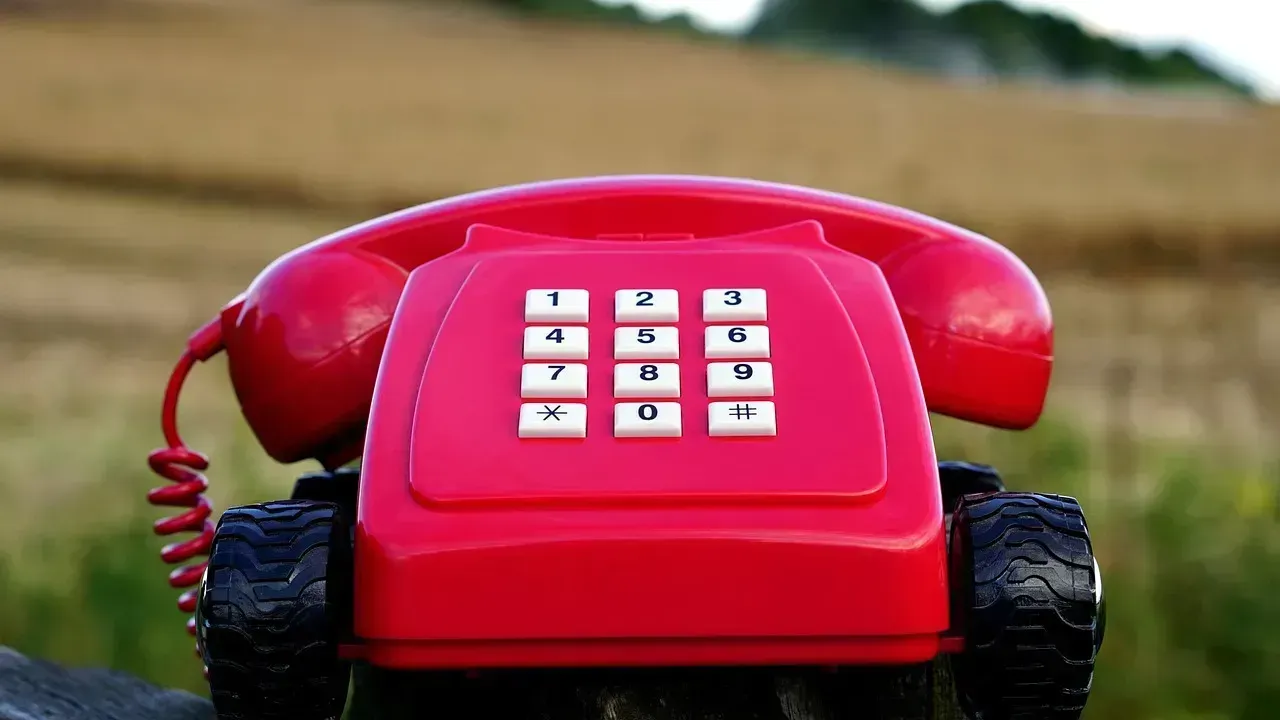
Remember when a phone was a place, not a person? That corded phone on the kitchen wall or the chunky handset by the bed was the communication hub for the entire family. For many Boomers, it still is. For the rest of America, the landline is becoming a relic. According to 2022 data from the CDC, a striking seventy-three percent of American adults now live in wireless-only households.
Phones tethered to the wall were reliable, always charged by the house, working even when mobile batteries died. Boomers often value that dependability. Even though cell phones and cordless phones dominate now, many homes still have at least one corded landline. They serve as backup, memory, or just a habit. Tossing them can feel like breaking a tie to structure or security, even as younger generations find them bulky or outdated.
2. VHS Tapes (and Maybe a VCR)
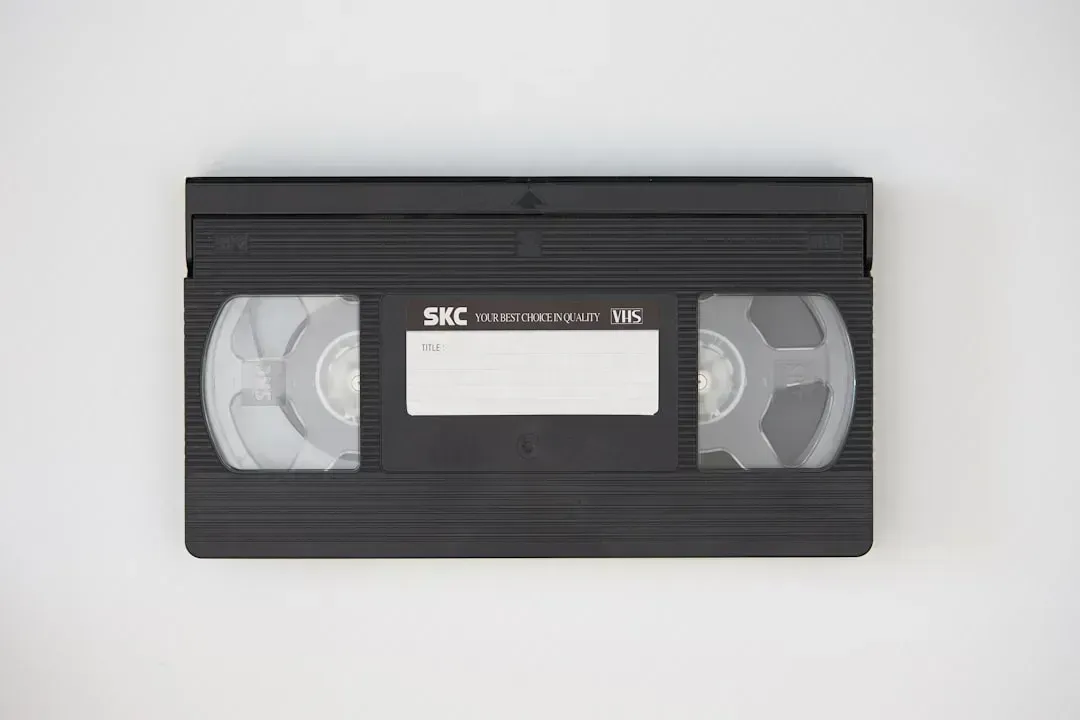
Boxes of VHS tapes, old movies, family home videos, TV specials, and possibly a VCR, if it still works, are common treasures in many Boomer households. They are more than just media; they are time capsules. The crackle of a tape, rewinding, waiting through commercials, all these were memory-laden experiences that digital streaming cannot replicate.
Boxes of VHS tapes fill storage spaces, containing recorded TV shows, family vacations, and rental store favorites. The clunky VCR might still be hooked up to a TV, just in case someone wants to watch those old recordings. Rewinding tapes was once a weekly chore everyone understood. “Be kind, rewind” stickers decorated every rental movie. Now streaming services offer everything instantly, but those tapes hold irreplaceable memories.
3. The China Cabinet and “Good Dishes”
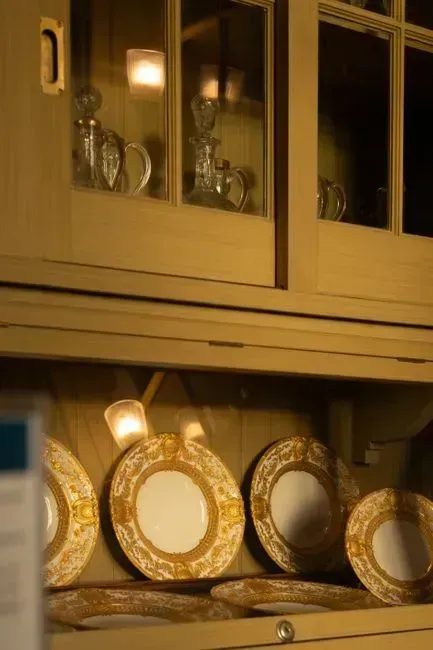
Many Boomers have a china cabinet showcasing delicate porcelain, crystal, or ornate dinnerware, the “good china” reserved for holidays or special occasions. It looks beautiful, and for decades, these sets were signs of hospitality and craftsmanship. Nowadays, these items are infrequently used, often stored away year after year.
China cabinets once dominated dining rooms, showcasing wedding gifts and heirloom patterns passed through generations. Each piece was hand-washed and carefully returned to its designated spot. Younger folks prefer casual dining and dishwasher-safe plates. Those over 50 remember formal Sunday dinners when using the fine china meant something. The cabinet itself becomes a museum of family history, holding memories more valuable than the dishes themselves.
4. The Encyclopedia Set
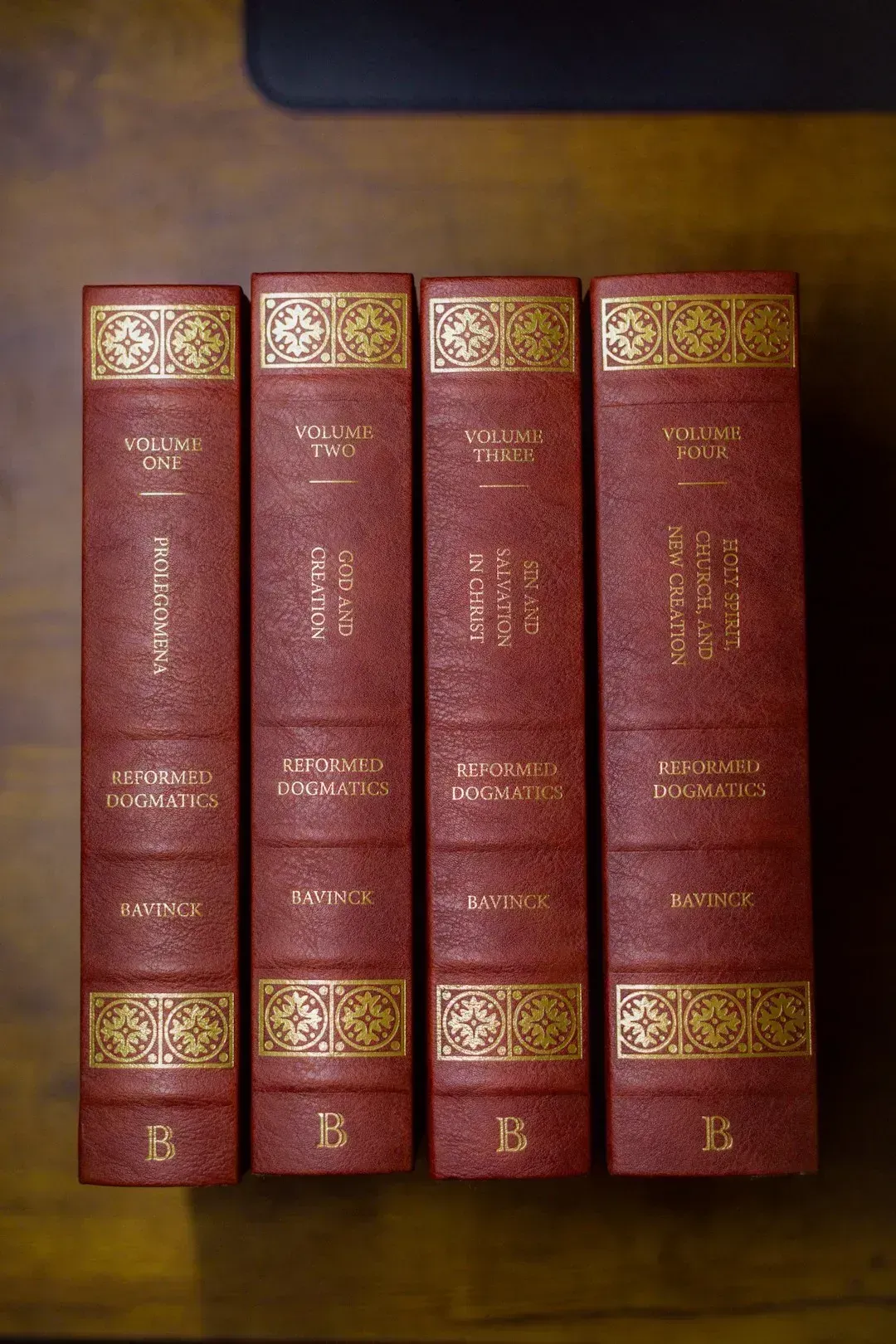
Before Wikipedia, there were 20-volume encyclopedia sets proudly displayed in the living room. They cost a fortune and were considered an intellectual investment. Boomers hold on to them out of pride and nostalgia, even if they haven’t been cracked open since the internet arrived.
While encyclopedias may not be the go-to reference in the digital age, Boomers often keep them for sentimental and decorative purposes. They represent a time when acquiring knowledge involved flipping through physical pages. Before Google existed, families invested in massive encyclopedia collections that cost thousands of dollars. That investment alone makes it hard to just leave them at the curb.
5. The Paper Phone Book
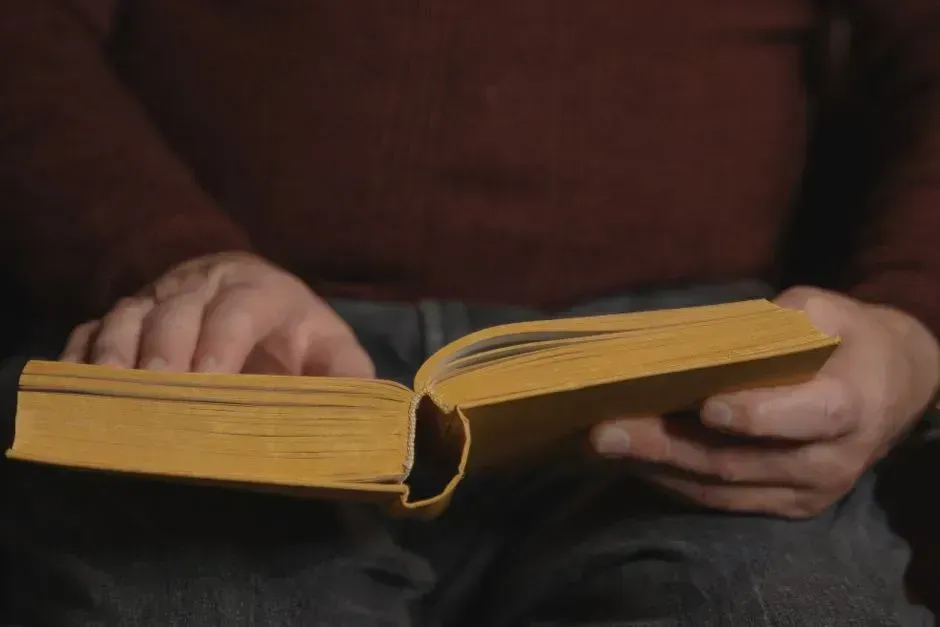
Thick, yellow-paged, and practically fossilized phone books still sit in some Boomer kitchen drawers. They used to be essential for finding anyone or anything. With smartphones and Google searches replacing flipping through pages, these dusty bricks now serve more as nostalgia than necessity, even though some Boomers still swear by them.
For many Boomers, thick printed phone books, those yellow or white pages, are still tucked away in drawers. It’s the kind of object nobody actively uses anymore, yet it feels wrong to throw out. Decades of muscle memory, grabbing that thick volume to find a plumber or a pizza place, are surprisingly hard to shake.
6. The Rolodex
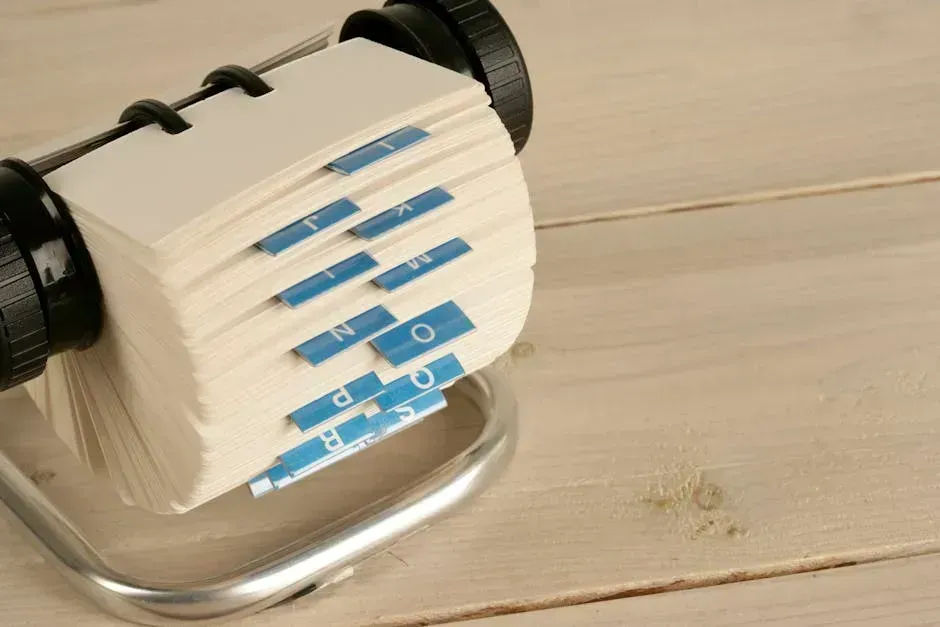
Before smartphones and synced contacts, the Rolodex was how professionals and families organized phone numbers and addresses. Some Boomers still have theirs sitting proudly on a desk, even if it’s covered in dust. It may be outdated, but it’s proof of a life full of connections.
Before your phone’s contact list, you had a few ways of storing phone numbers. You could use an address book, write them down in random places, or maintain an archive of business cards. Alternatively, you could use a Rolodex, a compact rolling file of index cards with phone numbers on them. Notebooks, business cards, and random notes are mostly still around, but dedicated devices like Rolodexes are not nearly as common.
7. Paper Maps
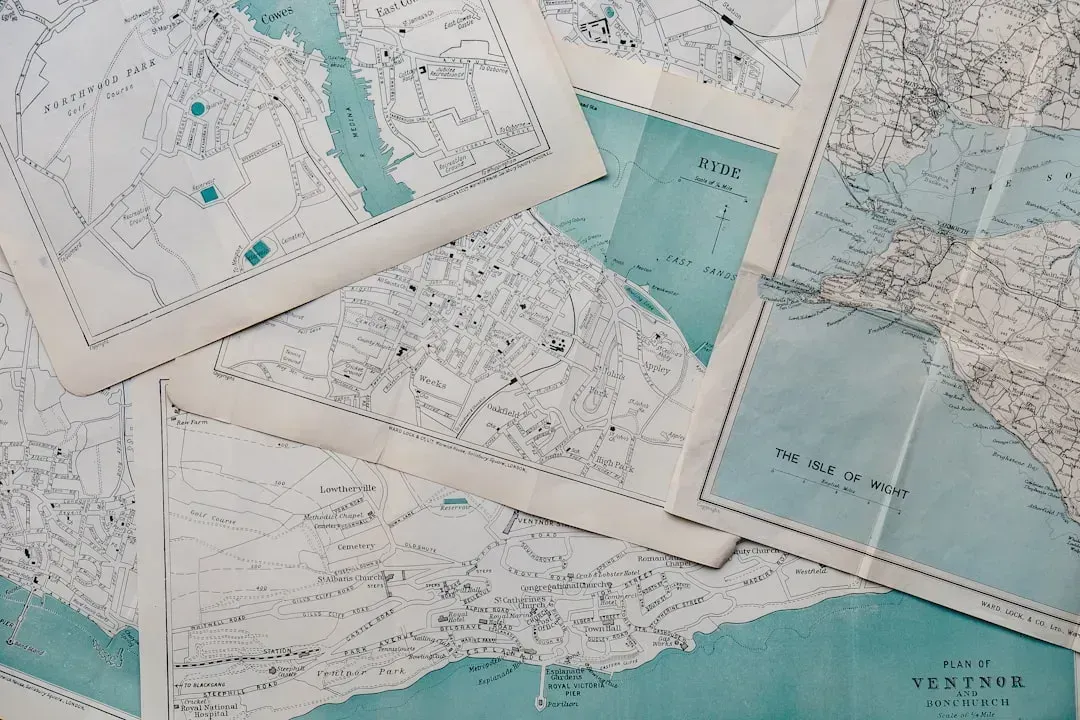
Long before GPS, paper maps were the road trip essential. Many Boomers still have them folded in the glove compartment or stacked on a bookshelf. They may never use them, but tossing them feels risky. After all, what if the phone dies or the signal disappears?
That logic isn’t entirely unreasonable, which is part of why the maps survive. Still, the average paper road map hasn’t been properly unfolded in years, and the chances of it ever being refolded correctly are even slimmer. GPS navigation has become so reliable and widespread that the paper map lives on mainly as a comfort object rather than a practical tool.
8. The Standalone Alarm Clock
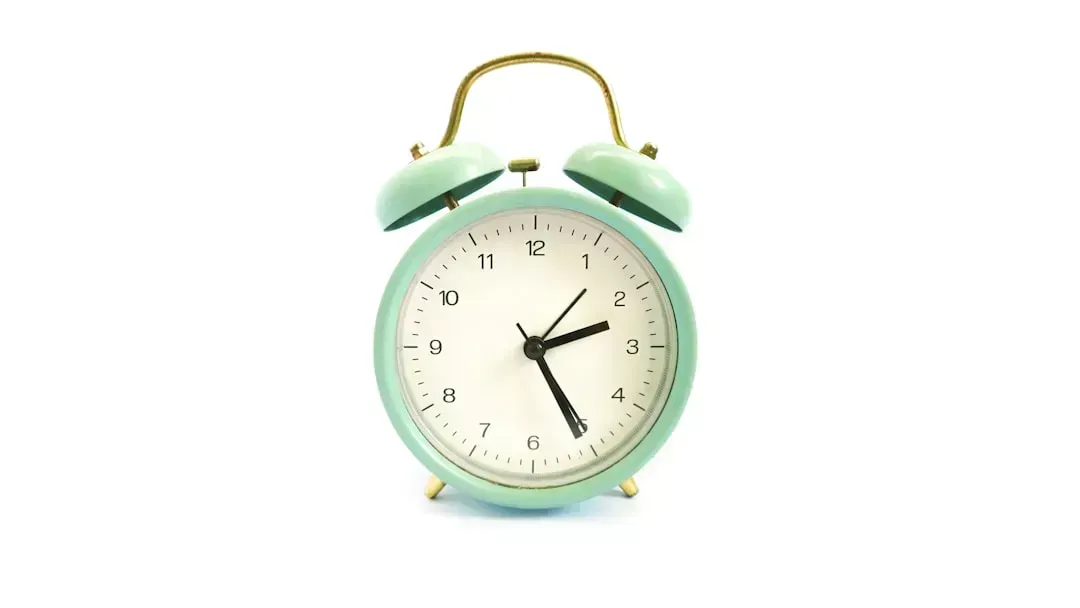
Before the smartphone became our everything-in-one life remote, a simple, single-purpose device sat on the nightstand: the alarm clock. Whether it was a digital model with glowing red numbers or an analog one that ticked loudly, its one job was to wake you up on time. Today, most of us are woken up by an app. For many Boomers, the standalone alarm clock remains a trusted ally.
These clocks are nearly indestructible, still working decades later while smartphones need charging daily. There’s comfort in their simplicity, no apps, no updates, just reliable timekeeping and local radio stations keeping you company. For a generation raised on single-purpose devices that just worked, replacing something functional with a phone feels unnecessarily complicated.
9. The Sewing Machine
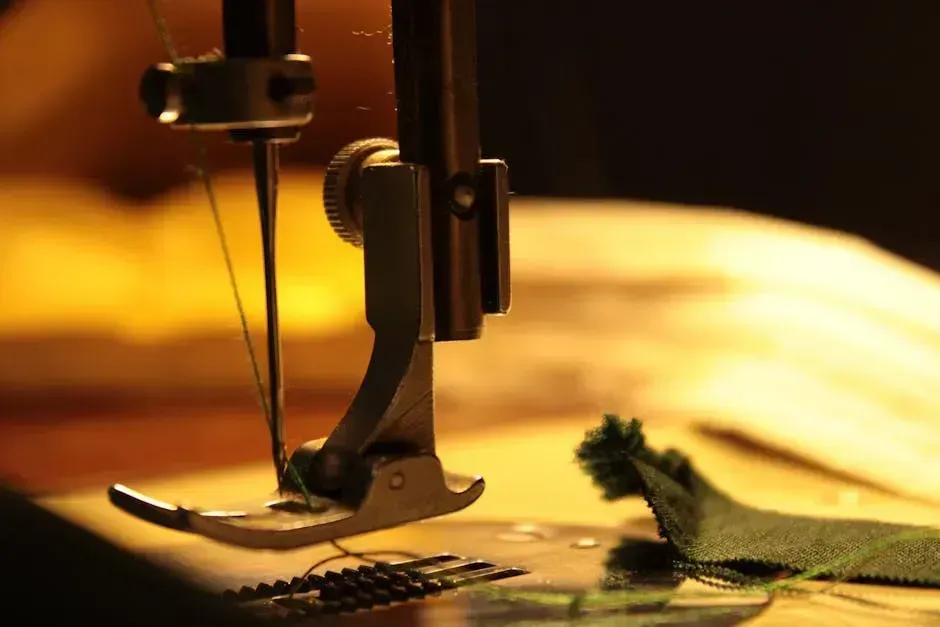
For many Boomers, a sewing machine was a household essential, a practical tool for mending clothes, hemming pants, and making curtains. It was a symbol of self-sufficiency and thrift, rooted in a “waste not, want not” culture. That culture has been largely replaced by fast fashion, a model built on a rapid cycle of buying and discarding trendy, inexpensive clothing.
The machine now sits in a spare bedroom or garage corner, occasionally dusted off for a special project. Most younger households would simply buy a replacement item rather than mend it. The consequences of this shift are stark: roughly five hundred billion dollars of value is lost annually due to clothing underutilization and a lack of recycling. The boomer who kept the sewing machine might actually have had the right idea.
10. The Check Register

Before online banking and apps, check registers were how people manually tracked payments, deposits, and balances. Even if Boomers now use digital banking, many still keep the old registers. There is satisfaction and perceived control in writing something down. It also connects them to financial routines learned decades ago. Younger folks see spreadsheets or banking apps as more efficient, but those physical books persist, often partially filled, often just in case.
Modern technology dominates current payment transactions that replace cash and checks with apps like Venmo and Zelle. These changes have also lessened the demand for decorative checkbook covers, with fewer selections available. Yet the register survives, a small paper ledger carrying the weight of a lifetime of financial habits that no banking app has quite managed to replace emotionally.
11. The TV Tray Set
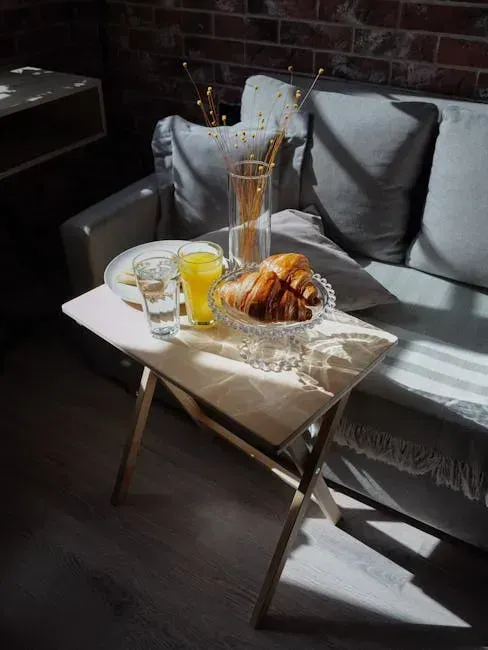
Foldable TV trays, those small portable tables used for meals in front of the television or for small tasks, were once staples. They offered convenience and flexibility: eat anywhere in the house, bring your tray to the sofa. Modern homes often have better furniture, dedicated dining areas or lap desks, and multifunctional spaces. Still, many Boomers have these trays stored, used occasionally or perhaps never, because they were once so central to daily routines.
Whether it’s for eating dinner in front of the television or resting a book and cup of tea, TV trays were once a household staple. Many Boomers still use them daily. They’re practical and familiar, even if younger folks have replaced them with sofas, coffee tables, or lap desks. There’s something quietly telling about how an object this simple has managed to outlast so much more sophisticated technology.
What makes this list genuinely interesting isn’t the objects themselves. It’s what they reveal about how a generation relates to the material world. Younger generations tend to favor minimalist design, digital alternatives, and decluttering. Boomers often resist tossing out what is familiar, partly out of nostalgia and partly out of habit. These items may not get much use anymore, yet they linger in homes because they represent a connection to the past. That connection, it turns out, is harder to let go of than anyone expected.

Leave a Reply