
Something has quietly shifted in the dining room over the past few years. The food has gotten better in many places, the ambience more considered, the menus more thoughtful. Yet behind the scenes, restaurant managers are increasingly frustrated – not with their kitchens or their suppliers, but with the guests themselves.
From last-minute no-shows to phone-glued table-hoggers, certain diner behaviors have been escalating in ways that genuinely hurt restaurants and the staff who work in them. Some of these habits feel harmless from the guest’s perspective. From the manager’s side, they tell a very different story.
1. Making Reservations and Simply Not Showing Up
What happens when diners chase the hardest reservations, only to cancel at the last minute or not show up at all? Restaurants are paying the price for a culture of dining indifference. This is one of the fastest-growing frustrations in the industry, and it hits small and mid-sized restaurants hardest.
To understand how widespread this behavior has become, restaurateurs across the country running restaurants of different sizes and concepts have reported being plagued by frequent last-minute cancellations and no-shows, struggling to absorb the fallout. When a restaurant staffs up and preps food for a full dining room that never arrives, the financial damage is immediate and difficult to recover from in a single service.
2. Showing Up Right Before Closing Time
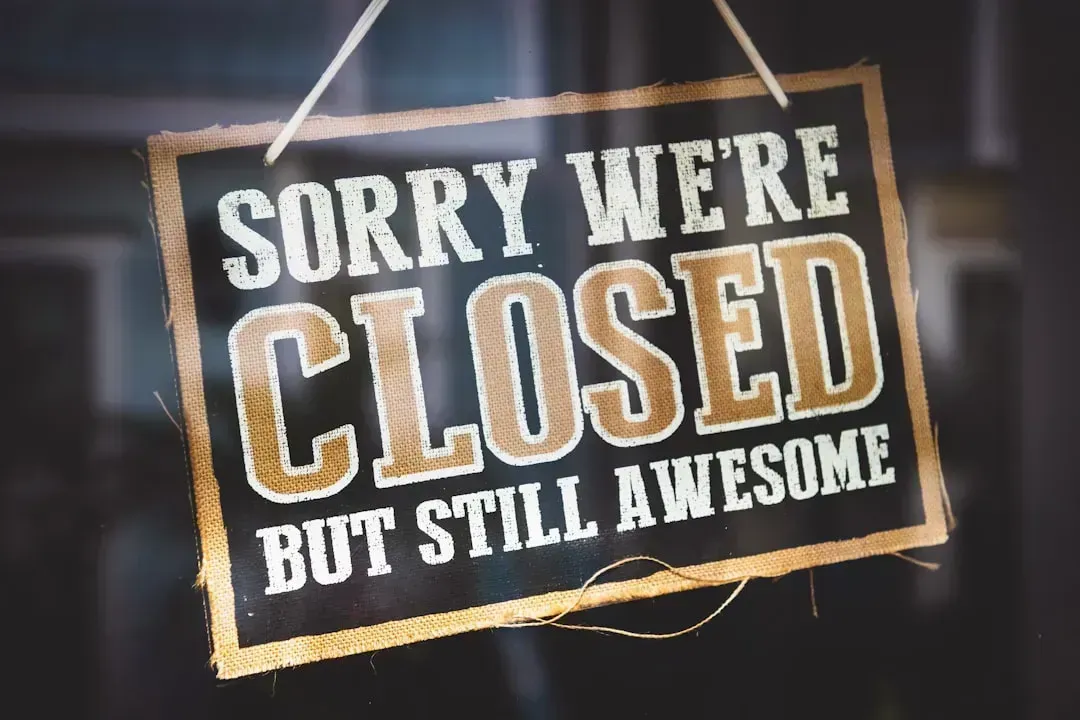
Coming in shortly before closing is considered incredibly inconsiderate by restaurant staff. The kitchen has likely already started packing up, the servers and bartenders are ready to go home, and a late arrival can derail the entire end of the shift. What feels like a spontaneous dinner decision to a guest often means an extra hour of unpaid wind-down for everyone on the floor.
Managers say this habit has worsened with the rise of late-night scrolling and on-demand everything. People check a restaurant’s hours online at 9:45 p.m. and walk in at 9:55 p.m. thinking they’re playing by the rules. Technically they are. Practically, it’s a different story.
3. Faking Food Allergies to Get Modifications

Kitchen staff take allergy claims seriously, as they should. Servers have noted that the number of people who later admit that a supposed allergy is simply a food they don’t like is surprisingly high. Allergies are serious matters, and lying about one wastes the server’s time, other tables’ time, and the kitchen’s time.
Beyond the ethical issue, false allergy claims create real operational problems. Separate prep surfaces, changed gloves, and ingredient substitutions all slow the kitchen down during peak service. When a legitimate allergy comes in right behind a fabricated one, the risk of complacency is real and potentially dangerous.
4. Demanding Excessive Menu Modifications
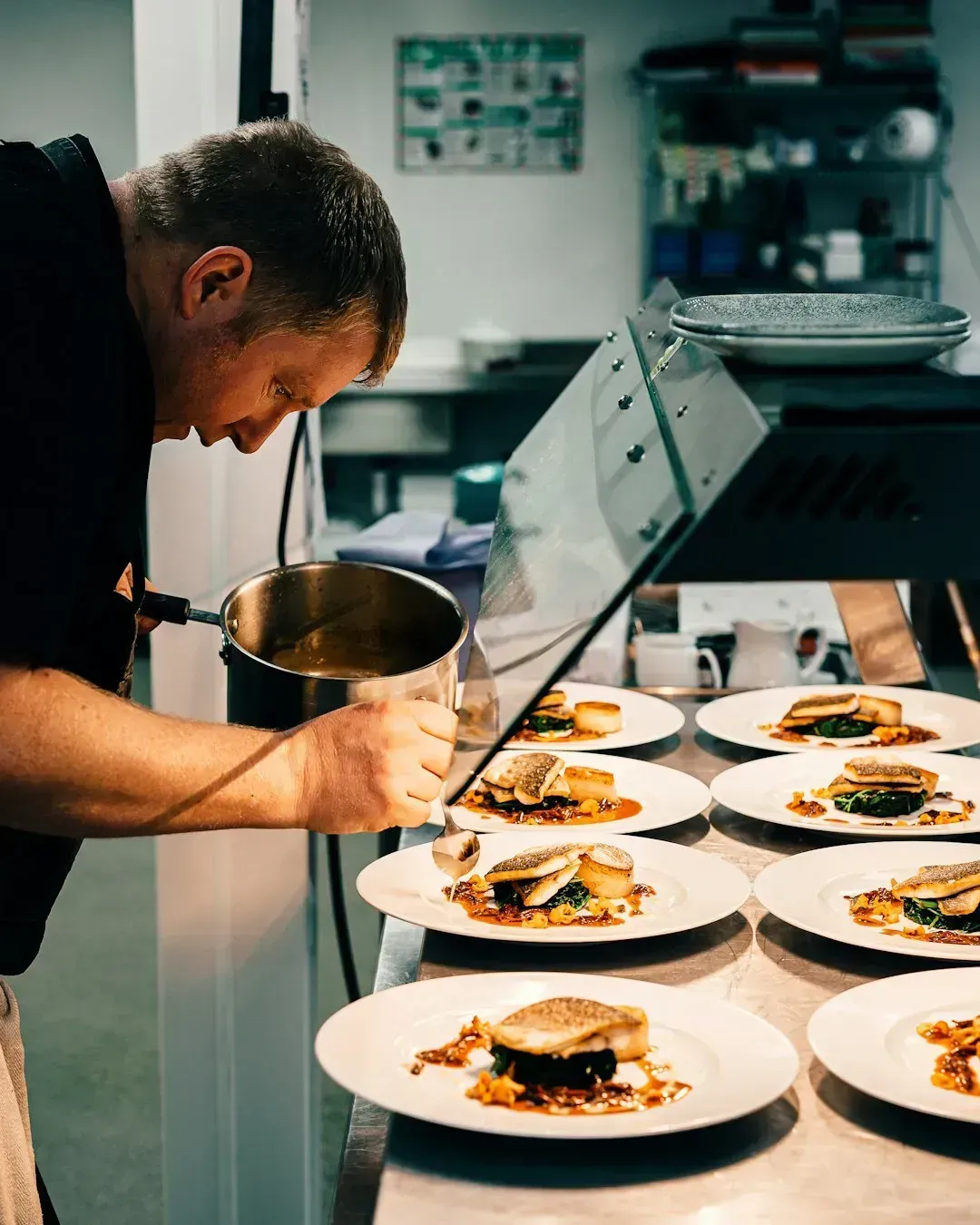
Asking for multiple modifications to a menu item is considered one of the most divisive customer behaviors, with a significant portion of people split on whether it is acceptable or not. Restaurant managers, however, are less divided. Heavy modification orders have become increasingly common, and they place a disproportionate burden on kitchens already running at full capacity.
A dish redesigned at the table is no longer the chef’s dish. It’s also far more likely to come out wrong, which then triggers a complaint. Managers note a clear pattern: guests who make the most modifications are often the same ones most likely to send the food back. The cycle quietly erodes kitchen morale and pacing.
5. Posting Negative Reviews Online Instead of Speaking Up In the Moment

When a guest feels slighted, they might vent on social media instead of asking to speak with a manager. This has become one of the most significant and lasting pain points in modern restaurant management. A complaint raised at the table can be fixed on the spot. A one-star review posted two hours later cannot be taken back.
Around 38 percent of customer complaints are made on social media and review sites, while restaurants receive just 14 percent of all complaints directly. A badly handled complaint can sink a restaurant’s star rating on Google or Yelp. A guest who doesn’t feel their issue was taken seriously could take to social media and put the restaurant on blast. Managers are increasingly dealing with the reputational fallout of problems they never had the chance to solve.
6. Allowing Children to Run Freely Through the Dining Room

At least eight in ten Americans say it is unacceptable for diners to allow their children to roam freely in a restaurant. Despite near-universal agreement on that point, it remains one of the top behavioral complaints that front-of-house managers report year after year. Unsupervised children moving through a dining room create real safety risks, from hot plates and trays carried by servers to slippery kitchen-adjacent floors.
The problem is rarely about the children themselves. It’s about parents who treat the dining room as a break room and expect staff to manage the situation. Servers can’t reprimand a guest’s child, and managers find themselves navigating an awkward situation every time, usually while the rest of the dining room quietly endures the disruption.
7. Staying at the Table Long After the Bill Has Been Paid
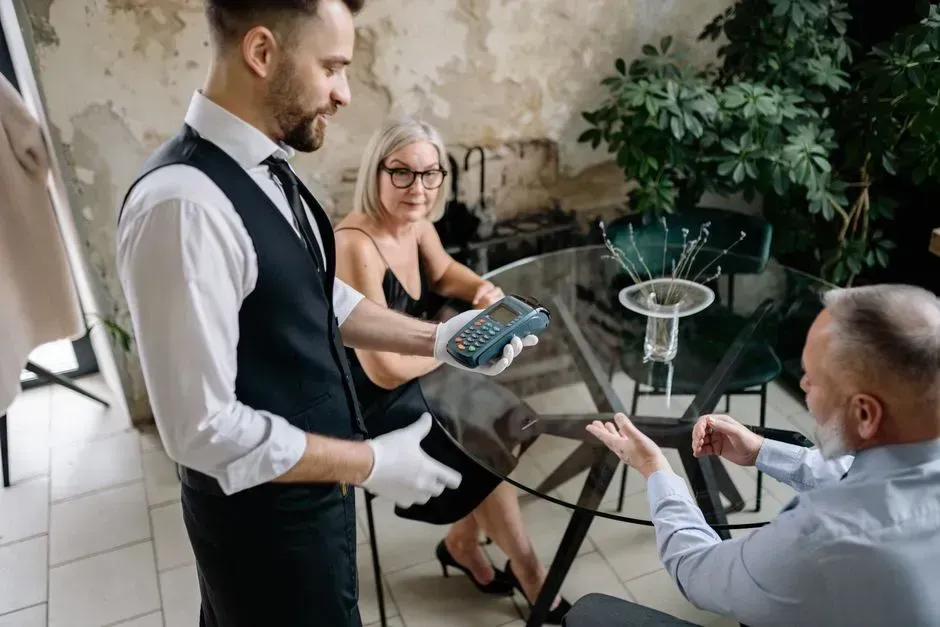
Table turnover is one of the quiet levers of restaurant profitability. When a group lingers for 45 minutes after paying, a waiting party misses their seating window, the server loses a cover, and the host stand gets backed up. It’s a domino effect that guests rarely think about because, from their chair, everything looks fine.
Staying past the restaurant’s closing time is considered unacceptable by the vast majority of Americans. Yet extended post-payment lingering has become far more common in recent years, partly because remote work has blurred the sense of schedule for many people. Managers increasingly struggle to reclaim tables without appearing impolite to the guests who occupied them.
8. Being Dismissive or Outright Rude to Staff
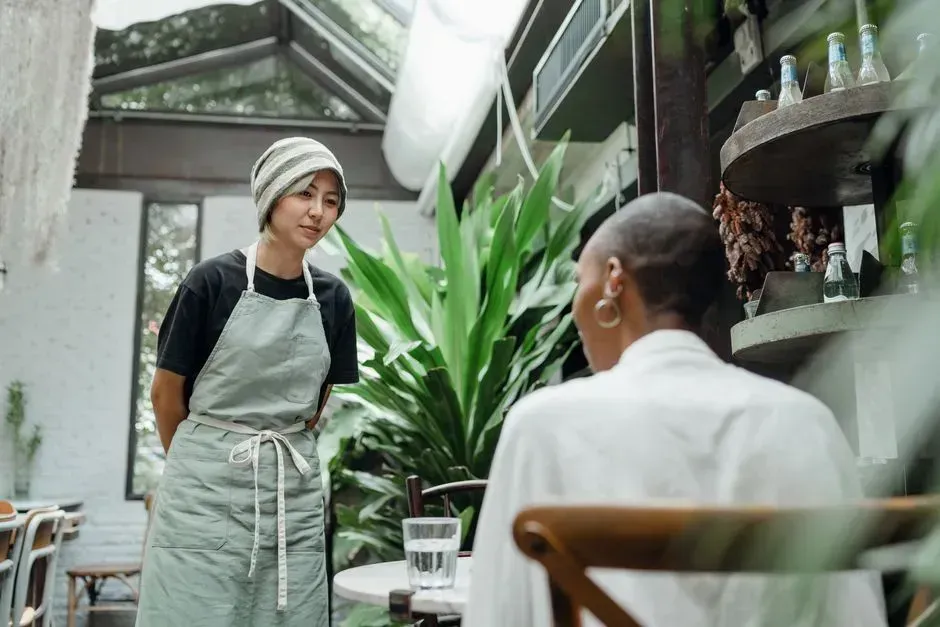
In the post-pandemic era, service workers have faced an increase in harassment, yet receive fewer tips and lower tip amounts. Workers must decide whether to tolerate abuse or forfeit a tip. This dynamic places staff in an impossible position, and it has only intensified as more guests feel emboldened by the anonymity of public-facing service.
Inattentiveness and rudeness directed at staff are among the most common customer-related complaints in the restaurant environment. Managers who witness their staff being demeaned face a difficult call: protect the employee or preserve the relationship with the paying guest. More managers are choosing the former, but the frequency of these encounters is what concerns them most.
9. Snapping Fingers or Clicking to Get a Server’s Attention

Snapping fingers to get a waiter’s attention is considered unacceptable by more than eight in ten Americans, according to YouGov survey data from 2024. Yet it persists, and restaurant floor staff report that the gesture has started appearing more frequently, not just from older guests who may have grown up with it, but across age groups.
For servers managing multiple tables, the signal itself is less of a problem than what it communicates: that their attentiveness is inadequate. In most cases, the server is simply attending to another table. Managers note that snapping and clicking tends to create a ripple of tension through the entire service interaction that follows.
10. Refusing to Tip Reasonably or Not Tipping at All
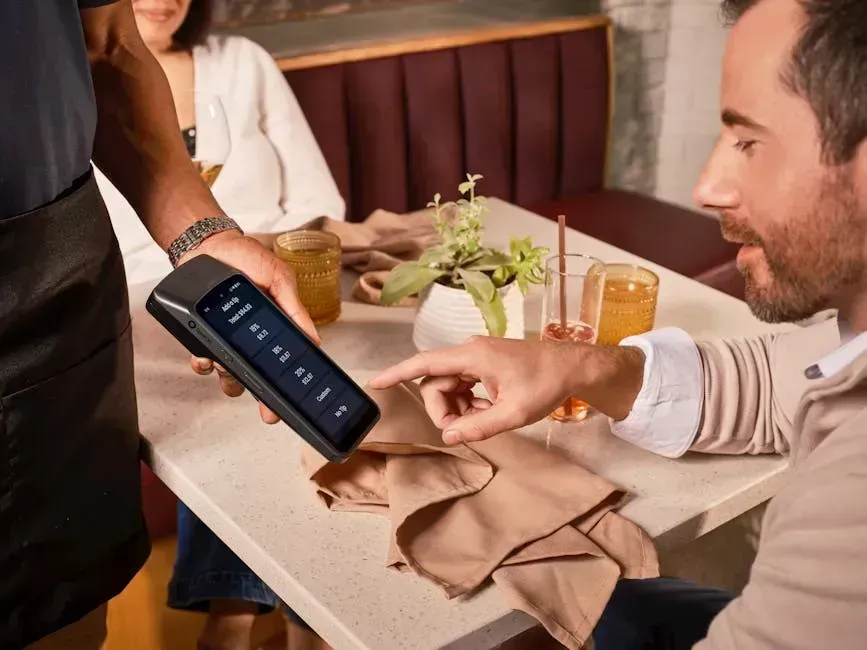
Americans have broadly reached a breaking point with tipping culture, with nearly nine in ten saying it has gone too far, a sharp increase from the roughly three-quarters who thought the same the previous year. The frustration is understandable, particularly with tip prompts appearing at counter-service counters and kiosks. Still, managers draw a sharp distinction between tipping fatigue at fast-casual spots and simply skipping the tip at a full-service table-side restaurant.
In full-service dining, servers typically earn a base wage well below standard minimum wage, with tips expected to make up the difference. Managers say the rate of guests leaving no tip or dramatically below-standard amounts has crept upward, and it lands squarely on individual workers who had nothing to do with pricing policy or corporate wage structures.
11. Being Glued to Phones at the Table and Ignoring Staff
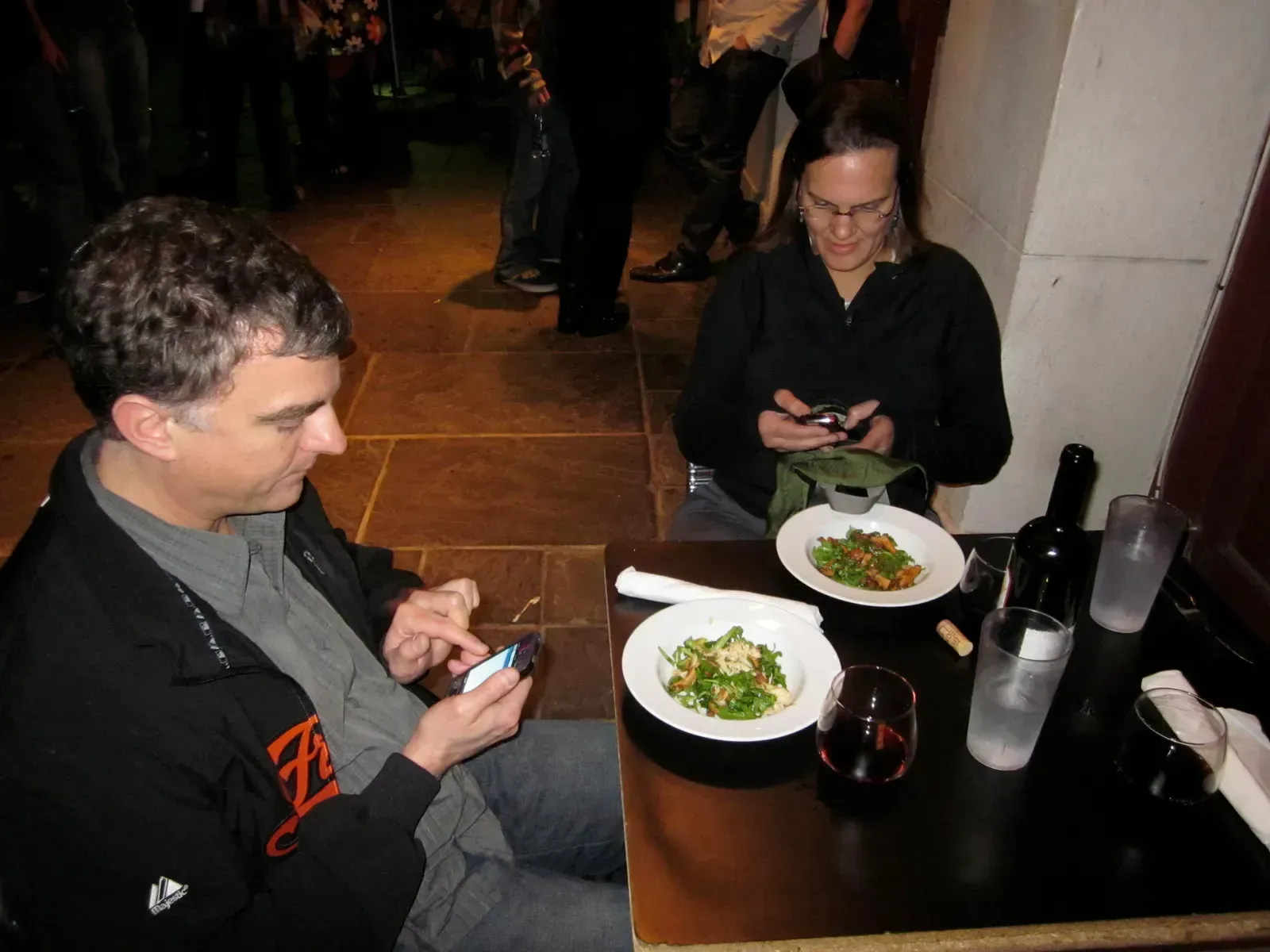
Social media, AI, and ubiquitous internet connectivity are rapidly expanding the range of consumer behaviors and choices in dining contexts. In practice, that expansion has come with a cost. Managers and servers report more and more guests who are so absorbed in their devices that they don’t notice when food arrives, can’t hear a server asking for a drink order, and seem to treat the table as a content creation studio rather than a dining experience.
The behavior compounds other problems on this list. Guests distracted by phones are more likely to let their children wander, more likely to occupy a table past its natural end point, and less likely to flag an issue with a server directly – which means more of those frustrations eventually find their way into online reviews instead. With roughly 94 percent of diners using online resources like Google and social media to discover new restaurants, the way guests interact with those platforms during and after a meal carries real weight for every restaurant on the block.
The restaurants that hold up best against these pressures tend to share one quality: staff who feel supported enough to address problems early rather than absorb them silently. The list above isn’t a condemnation of diners as a whole. Most people who eat out regularly don’t do any of these things. The concern is that the minority who do has grown noticeably larger, and the restaurant industry, already running on thin margins, is absorbing the cost.


Leave a Reply