
1. Washing your hands too fast
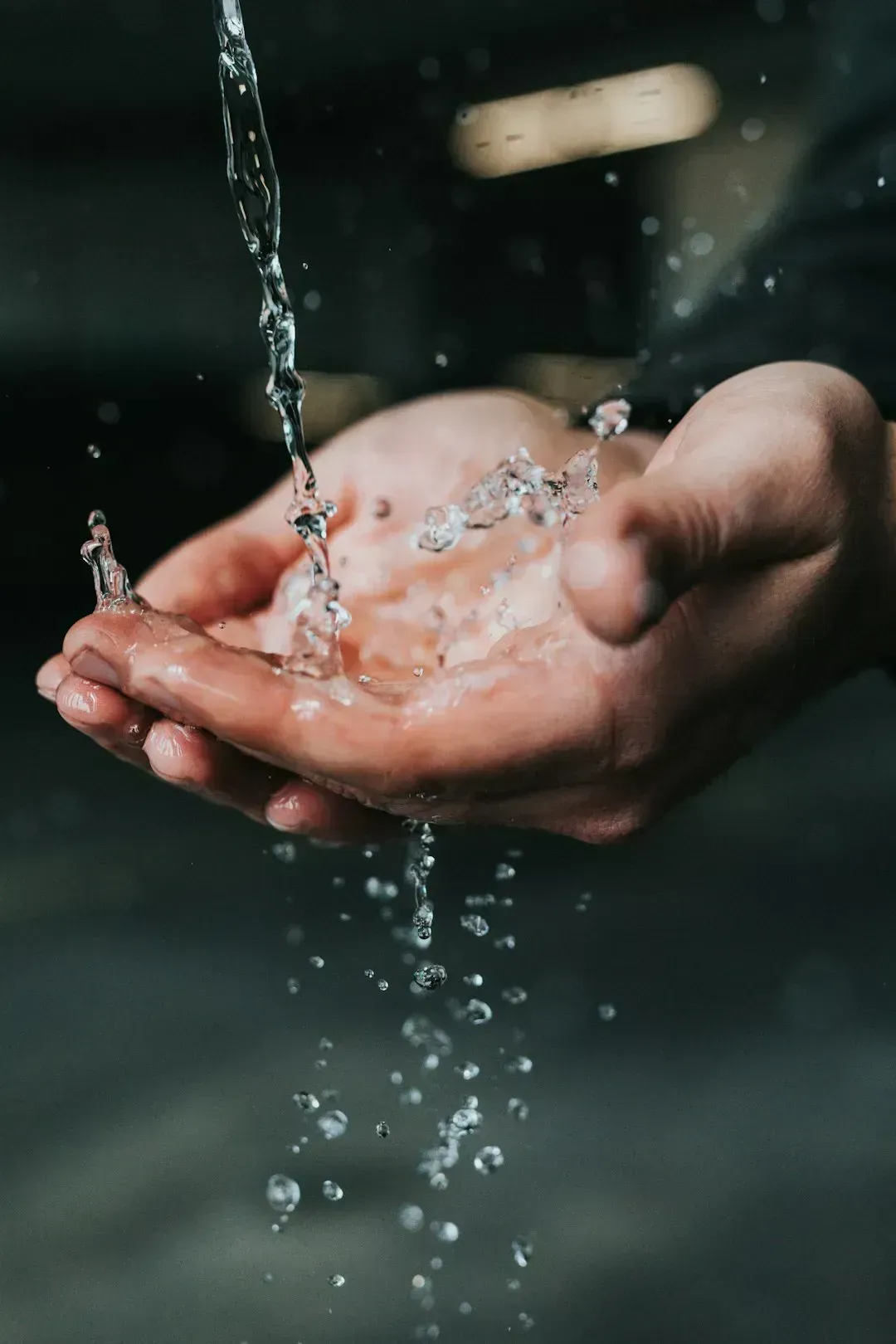
Most people rinse and go in under ten seconds, but that’s simply not long enough to remove the germs that matter. Scientific studies show that you need to scrub for 20 seconds to remove harmful germs and chemicals from your hands, and if you wash for a shorter time, you will not remove as many germs. Health agencies have leaned on a familiar trick to help people track the time.
CDC guidelines call for scrubbing hands for at least 20 seconds, and if you have trouble keeping track, humming the entire “Happy Birthday” song twice before rinsing does the job. It sounds almost silly, yet it works because most of us drastically underestimate how long 20 seconds actually feels.
2. Refrigerating tomatoes right after buying them
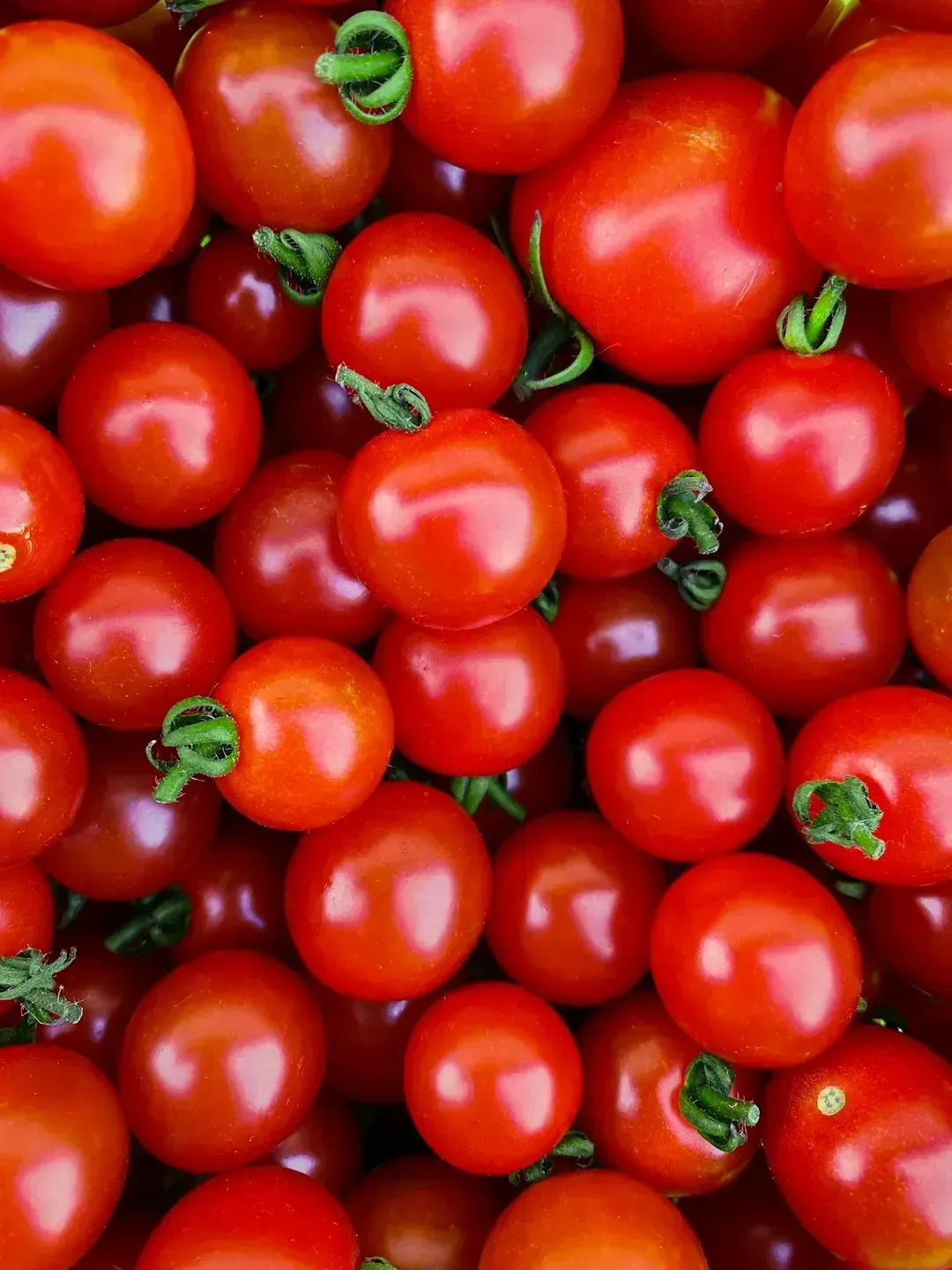
Tossing tomatoes straight into the crisper drawer seems logical, but it can quietly wreck their flavor. Research from the Agricultural Research Service found that refrigeration greatly reduced 25 of 42 aroma compounds and reduced volatile levels overall by 68 percent when tomatoes were cut up after cold storage.
That’s a significant loss of the aroma compounds that give a tomato its character. The better approach, according to horticulture researchers, is to store tomatoes and wash them before use at room temperature, saving the fridge only for fruit that’s already fully ripe and needs a few extra days before it’s eaten.
3. Charging your phone overnight, every night

Plugging in before bed and leaving the phone connected for eight hours has become such a habit that most people never question it. Lithium-ion batteries, the kind in nearly every smartphone, degrade faster when they sit at full charge for extended periods, and repeated overnight charging means the battery spends hours at one hundred percent rather than in the more comfortable middle range.
Battery specialists generally recommend keeping charge levels between roughly twenty and eighty percent for daily use, reserving full charges for when you actually need the extra battery life. It’s a small adjustment, but over a couple of years it can meaningfully slow the battery’s decline.
4. Applying sunscreen only once before heading outside

A single morning application feels like enough coverage for the day, but sunscreen breaks down under UV exposure, sweat, and water far faster than most people assume. Dermatologists have long pointed out that a single coat protects for roughly two hours at best, less if you’re swimming or sweating heavily.
The habit of reapplying is where most people fall short, not the initial application. Setting a reminder every two hours during extended outdoor time closes a gap that leaves skin exposed during the exact hours when UV intensity tends to peak.
5. Storing bread in the refrigerator
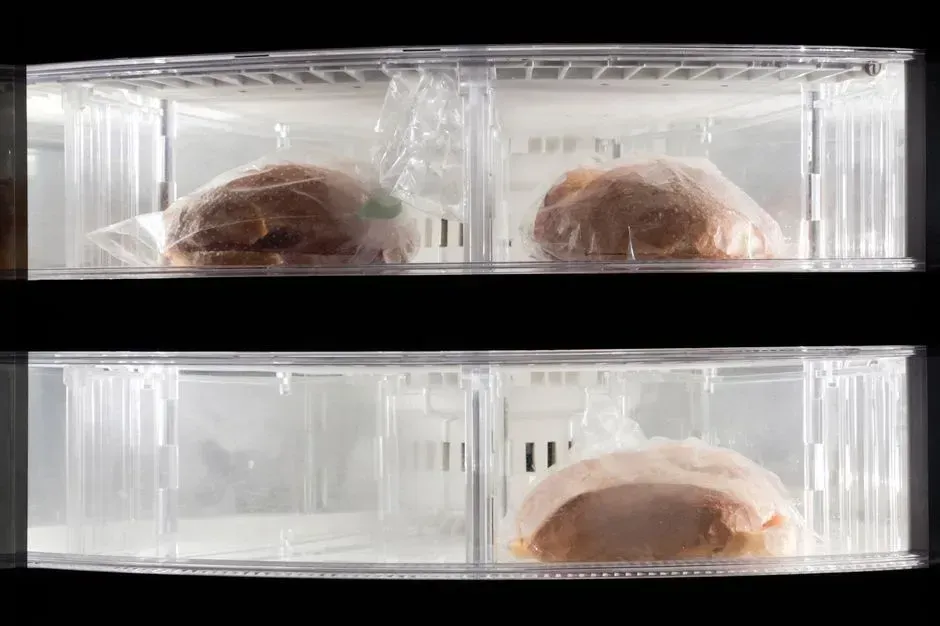
It seems like a reasonable way to make a loaf last longer, but the fridge actually speeds up the process that makes bread go stale. Cold temperatures accelerate starch retrogradation, the chemical process responsible for that dry, crumbly texture everyone associates with old bread.
Bread actually stales faster in the refrigerator than it does sitting on the counter at room temperature. If you need bread to last longer than a few days, the freezer is the better option, since freezing halts the staling process almost entirely rather than accelerating it.
6. Brushing teeth immediately after eating
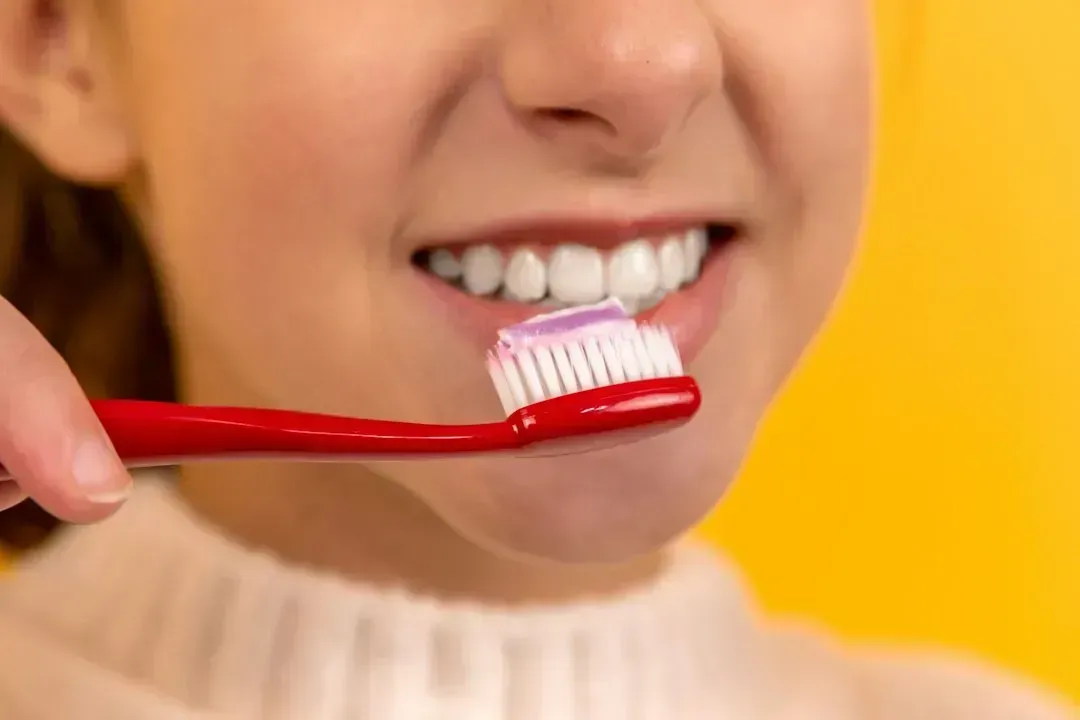
Rushing to brush right after a meal feels responsible, but dentists have pushed back on this habit for years. Acidic foods and drinks soften tooth enamel temporarily, and brushing during that window can actually grind away at the weakened surface rather than clean it.
Waiting around thirty minutes gives saliva time to neutralize the acid and re-harden the enamel before a toothbrush touches it. It’s a counterintuitive wait, especially after something like citrus or soda, but it protects the enamel rather than wearing it down.
7. Tying shoelaces with a “granny knot” instead of a proper bow
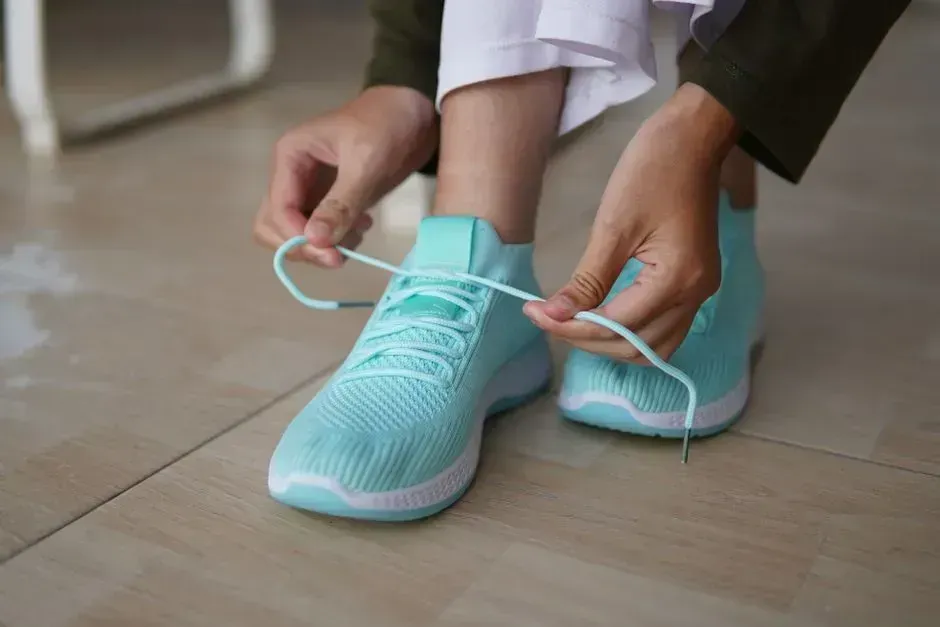
Most people learn one version of the shoelace knot as kids and never revisit it, not realizing that the direction of the first loop determines whether the bow sits straight or crooked. A crooked bow, sometimes called a granny knot, tends to loosen and come undone far more easily during walking or running.
Flipping the direction of the first twist before making the loop and second pass produces a straight bow that locks flat against the shoe. It’s a tiny mechanical difference, but it’s the reason some people’s laces stay tied all day while others need constant retying.
8. Cutting onions from the wrong end
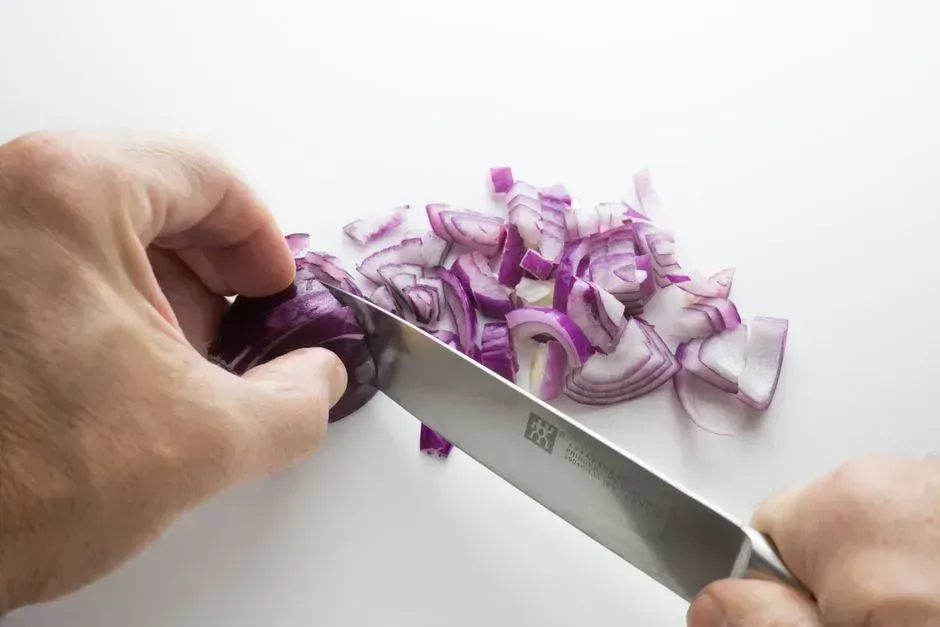
Home cooks often just slice straight through an onion without much thought, but the root end contains a higher concentration of the enzymes responsible for eye-watering fumes. Starting the cut from the top, away from the root, and leaving the root intact until the very last slices reduces exposure to those irritating compounds.
Keeping the onion’s root end mostly uncut also helps hold the layers together while slicing, which makes for cleaner, more even pieces. It’s a small technique adjustment that home cooking guides have highlighted for years, yet it rarely makes it into casual kitchen habits.
9. Sleeping on your stomach

Stomach sleeping feels comfortable to plenty of people, but it puts sustained strain on the neck and spine because the head has to twist to one side for hours at a time. Physical therapists and sleep specialists generally point to back or side sleeping as easier on spinal alignment, since both allow the neck to stay in a more neutral position.
Side sleeping, in particular, has been associated with better outcomes for people who deal with acid reflux or snoring. Switching sleep positions after a lifetime of one habit isn’t easy, but a supportive pillow arrangement can make the transition less jarring.
10. Washing fruits and vegetables under running water alone

A quick rinse under the tap feels thorough, but plain water alone doesn’t remove all pesticide residue or bacteria clinging to the surface of produce. Food safety researchers generally recommend rubbing produce under running water using your hands or a soft brush, which physically dislodges residue that a passive rinse leaves behind.
Soap and produce washes aren’t necessary and can leave their own residue, but the scrubbing motion matters more than most people realize. Firm-skinned vegetables like potatoes and carrots benefit especially from a light brushing before cooking or eating.
11. Showering in water that’s too hot
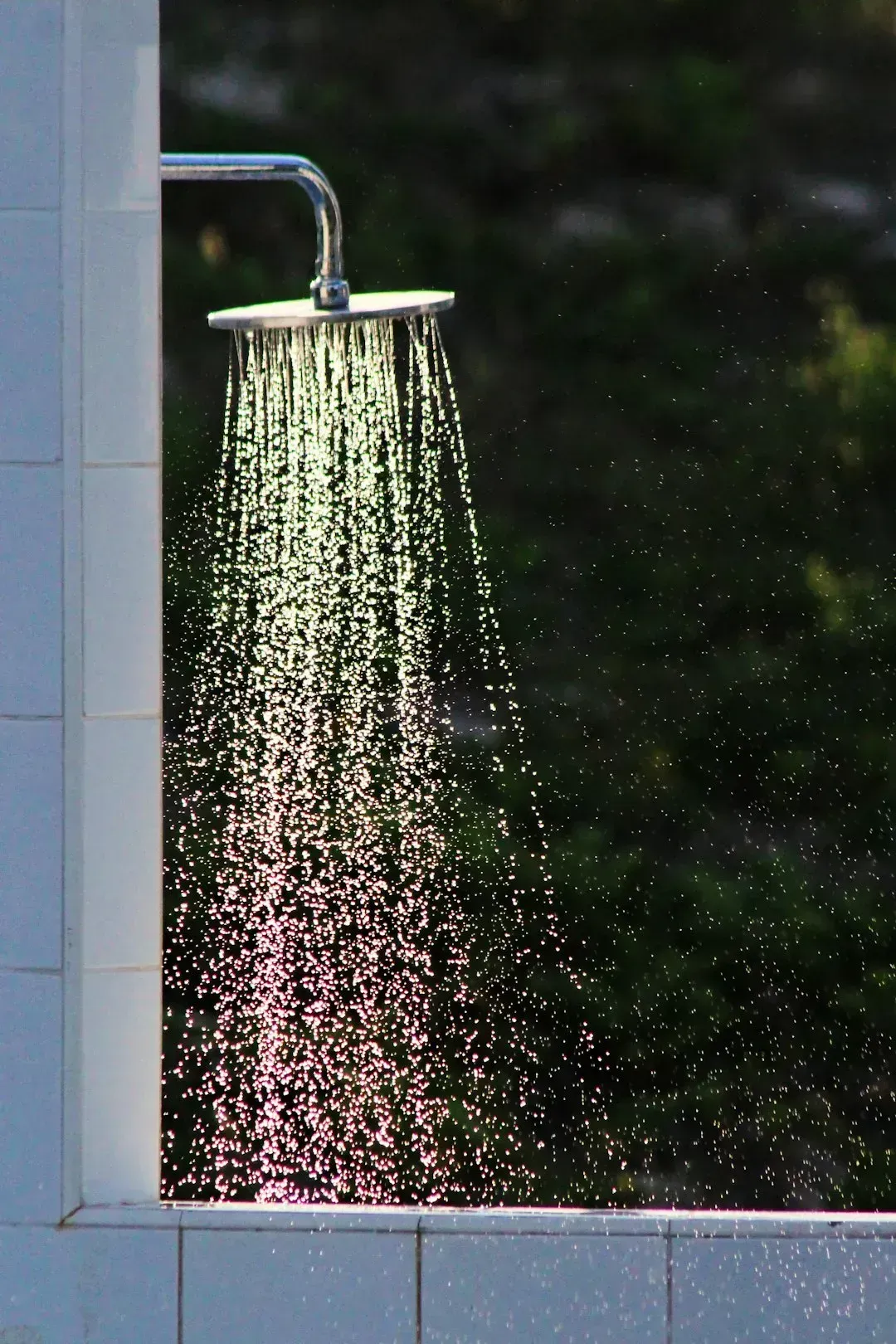
A scalding shower feels relaxing, but hot water strips natural oils from the skin faster than warm water does, which can leave skin drier and more irritated over time, particularly in winter months. Dermatologists commonly suggest lukewarm water for both showers and face washing, reserving very hot water for the rare deep clean rather than daily use.
The habit is hard to break because hot water genuinely feels good in the moment. Still, lowering the temperature by even a few degrees can noticeably reduce skin dryness and itching for people prone to eczema or sensitive skin.
12. Using hand sanitizer as a full substitute for handwashing
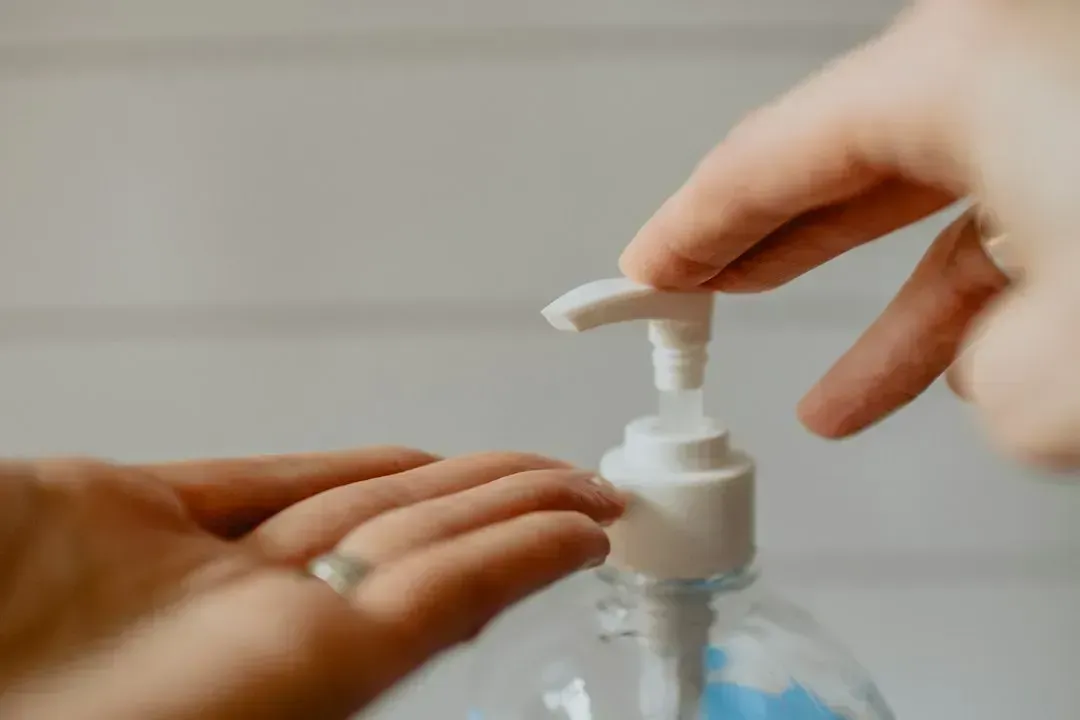
Sanitizer feels like a convenient stand-in for soap and water, and often it is, but it doesn’t work equally well in every situation. Hand sanitizers with at least 60% alcohol have been shown to be effective against a wider range of germs, and CDC recommends the use of alcohol-based hand sanitizers when soap and water are not available for handwashing.
The catch is that sanitizer struggles against certain organisms that soap and water handle easily. Handwashing with soap and water is specifically required following potential exposure to spore-forming or non-enveloped pathogens such as Clostridioides difficile and norovirus, because these organisms are resistant to alcohol-based agents and mechanical removal through vigorous handwashing is necessary to eliminate spores from the skin. Relying on sanitizer alone after visibly dirty tasks or stomach illness exposure leaves a real gap in protection.
None of these habits are catastrophic mistakes, and most people have gone their whole lives without noticing the difference. Still, small corrections in how we wash, store, sleep, and cook tend to compound quietly over months and years, often in ways we only appreciate once we’ve already made the switch.





Leave a Reply