
There’s something genuinely entertaining about watching a Gen Z-er stumble across a photo of Heinz purple ketchup for the first time. The expression that follows is usually a slow blink, then a tilt of the head, then a decisive “no.” And honestly, that reaction is pretty reasonable. The food industry in the ’90s was operating in a creative zone that today reads somewhere between brave and unhinged.
What millennials remember as the golden era of snacking, Gen Z sees as a cautionary tale in artificial dyes, phantom fat, and food that violated basic natural law. Here are twelve of the most notorious offenders.
1. Heinz EZ Squirt Colored Ketchup
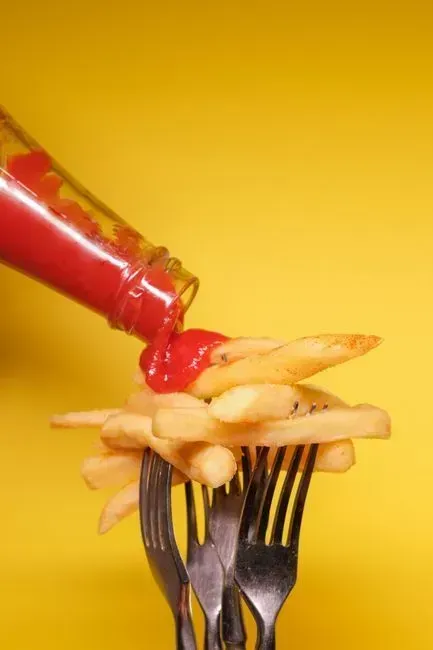
Heinz launched crazy-colored ketchups that came in Blastin’ Green, Funky Purple, Stellar Blue, Passion Pink, Awesome Orange, and Totally Teal. The first color, green, was tied directly to a Shrek movie promotion, which seemed clever at the time. While Heinz’s classic ketchup doesn’t use artificial colors, the EZ Squirt line opted for artificial dyes to achieve its bold hues.
Despite initially selling well and reaching sales of about 25 million bottles by 2003, the novelty of the colorful ketchup wore off, leading to its discontinuation in 2006. For Gen Z encountering this online, the concept of intentionally blue or teal condiment on a hamburger is genuinely disturbing. Households eventually returned to regular ketchup, which wouldn’t gross out their guests.
2. Lay’s WOW! Chips Made with Olestra
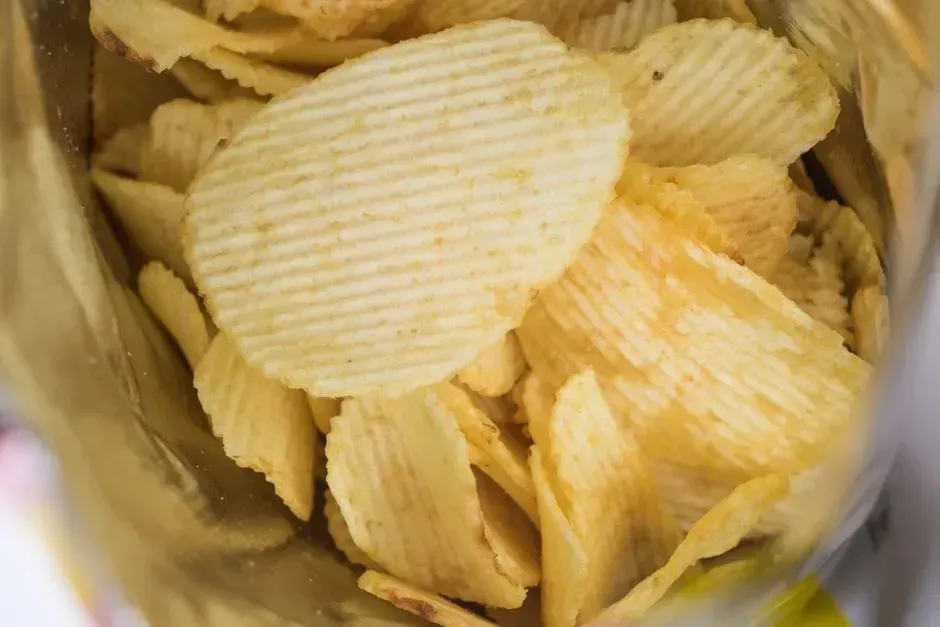
In the late 1990s, Frito-Lay promised snack lovers the impossible: all the flavor of fried potato chips without the fat. The result was WOW! Chips, a bold innovation made possible by olestra, a fat substitute that couldn’t be absorbed by the body. That year, WOW! became the best-selling new product in the U.S., bringing in between $340 and $400 million in sales.
Unfortunately, for many consumers, olestra’s side effects included nausea, flatulence, diarrhea, and what will forever go down in history as “anal leakage.” Some people experienced such terrible side effects from eating olestra-laced products like Frito-Lay’s WOW! chips and fat-free Pringles that the FDA required any food company using Olean to post warning labels about potential gastrointestinal issues on the packaging. Gen Z’s reaction upon learning this is, without exception, horror.
3. Crystal Pepsi
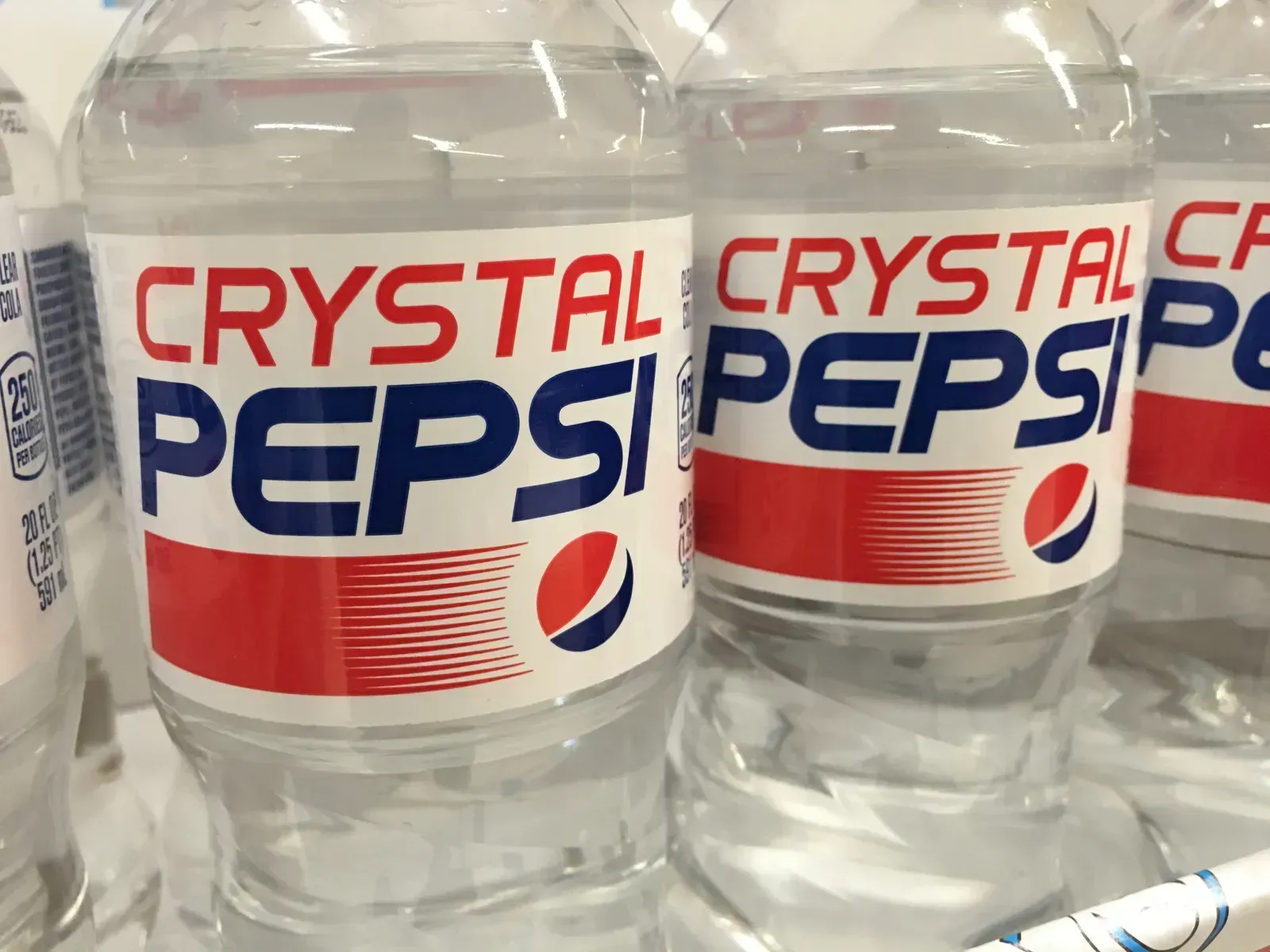
Crystal Pepsi, a clear version of its traditionally dark-colored counterpart, was launched with much fanfare in 1992. Despite initial curiosity and excitement, consumers found the flavor disconcerting, leading to its discontinuation by 1994. The whole premise rested on the idea that “clear” implied purity, which was a very specific ’90s delusion. They were pitched as pure, modern, and futuristic. Crystal Pepsi was the most famous attempt, offering cola flavor without the caramel color.
The cognitive dissonance of tasting Pepsi but seeing water coming out of the bottle was apparently too much for most consumers. Its occasional limited re-releases serve as a flashback to the clear-soda trend of the ’90s. For Gen Z, a drink that looks like water but tastes like cola triggers the exact same alarm bells as any other food designed to disguise what it actually is.
4. Orbitz Drink with Floating Gel Balls
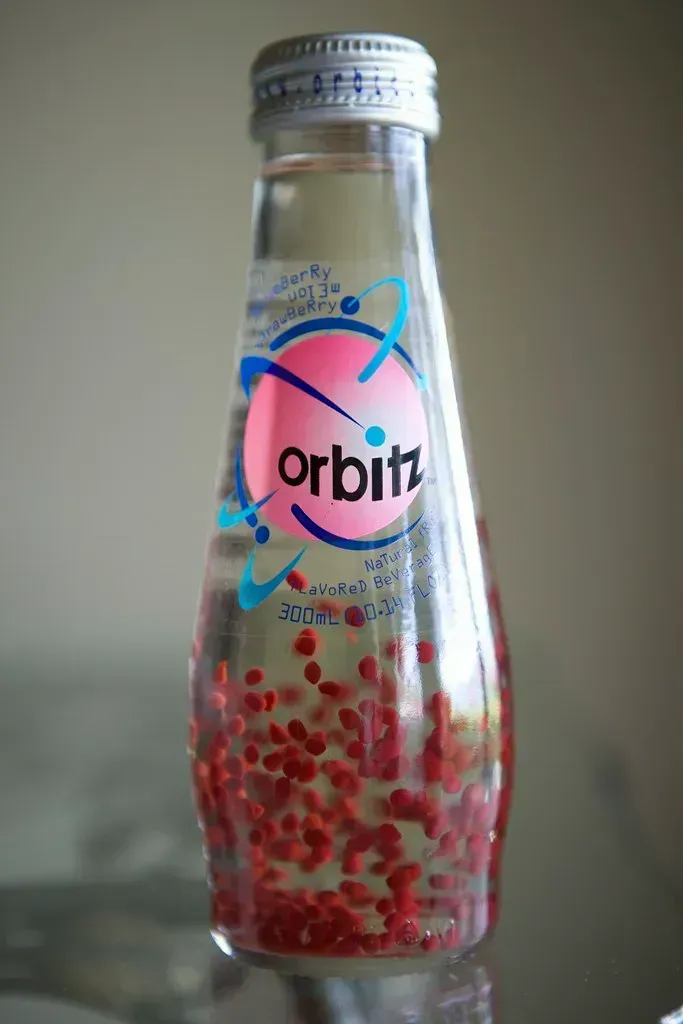
Orbitz, introduced in 1997, was one of the strangest drinks of the decade. The bottles contained a sweet liquid with floating gel-like balls suspended inside. It was designed to feel futuristic, almost like a science experiment you could sip. Kids in the ’90s loved showing the bottle off, though the taste was somewhat secondary to the spectacle.
Its unusual texture confused many people, and the novelty couldn’t carry sales. Orbitz vanished within a few years, but it lives on as a classic example of ’90s food weirdness. For Gen Z, already suspicious of drinks with suspended solids, Orbitz looks less like a beverage and more like a lava lamp someone decided to market as refreshment.
5. SnackWell’s Fat-Free Devil’s Food Cookie Cakes
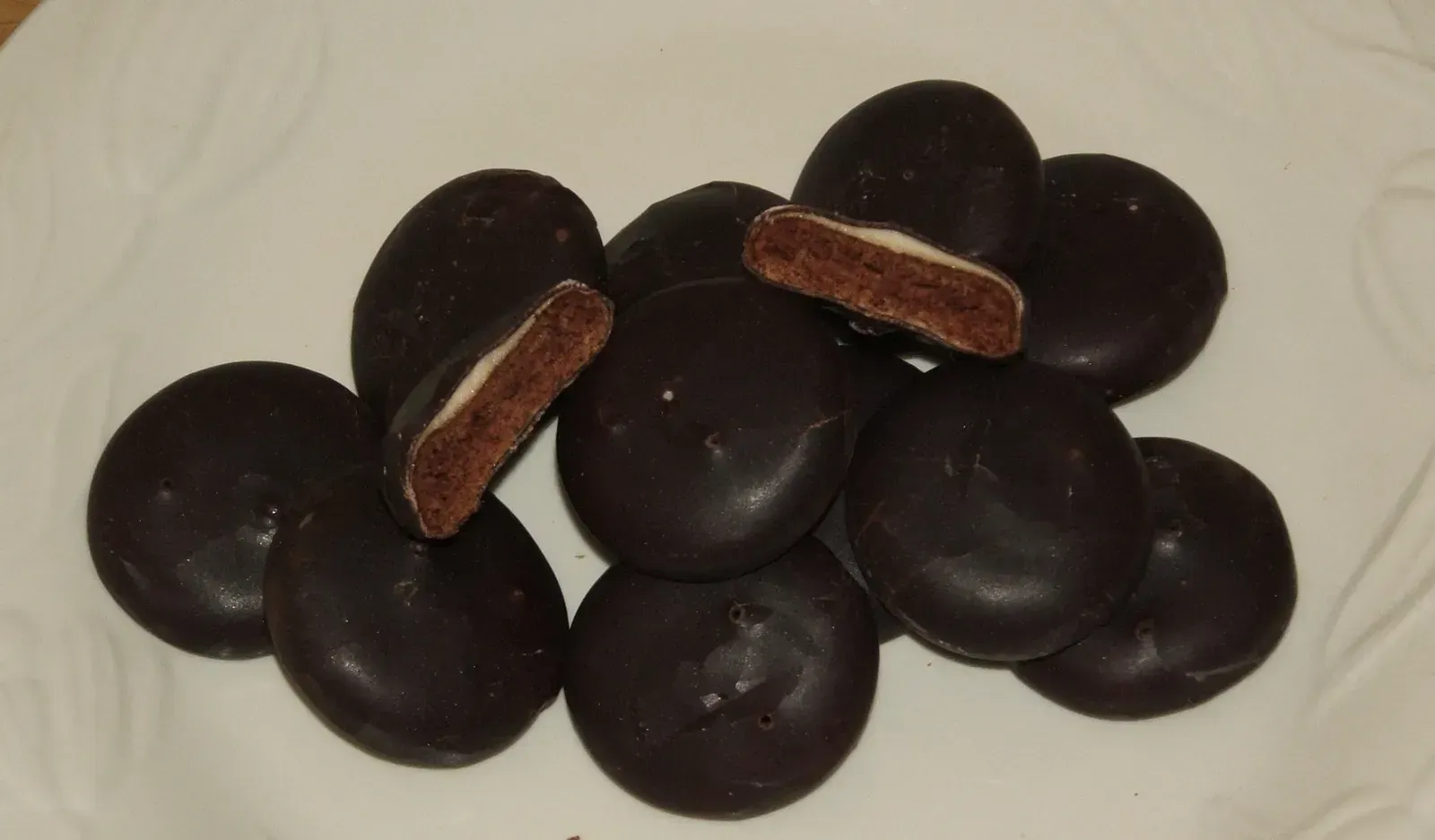
In the 1990s, low-fat diets were king of the weight loss industry. Right on cue, SnackWell’s burst onto the scene with fat-free Devil’s Food Cookie Cakes, promising we could have our cake and slim down too. The signature bright green boxes of SnackWell’s cookies were a staple in diet-conscious pantries throughout the ’90s. They were also, as nutrition science later clarified, loaded with sugar to compensate for the removed fat.
As diet trends shifted away from the low-fat preferences of ’90s consumers, SnackWell’s struggled to keep up with changing consumer preferences. After years of decline, SnackWell’s ended all business operations in 2022. Gen Z, raised on ingredient labels and macros, finds the entire low-fat-high-sugar swap almost philosophically offensive.
6. Lunchables Original Pizza Kit
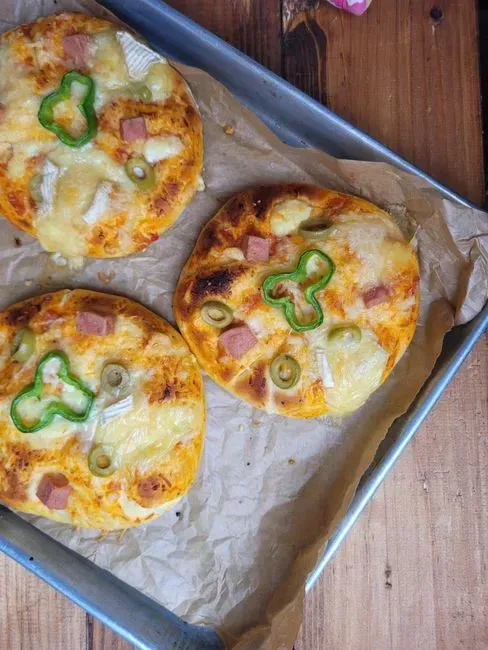
The decade saw the rise of Lunchables, the appearance of fruit snacks that had no fruit in them, and so many artificial flavors that your tongue would sometimes turn green. The pizza Lunchable, specifically, asked children to assemble a miniature pizza using a cold cracker base, a thimble of tomato paste, and rubbery shreds of processed cheese. The result was a room-temperature “pizza” that bore no resemblance to actual pizza in texture, taste, or temperature.
While Lunchables still exist, the novelty that made them so popular in the ’90s has worn off. They’re now just another grocery store option rather than a cultural moment. Gen Z, raised in an era of actual food delivery options, looks at the Lunchables pizza kit with a kind of archaeological wonder. It’s not just that it looks bad. It’s that a generation once genuinely preferred it.
7. Squeezable Go-Gurt in Tubes
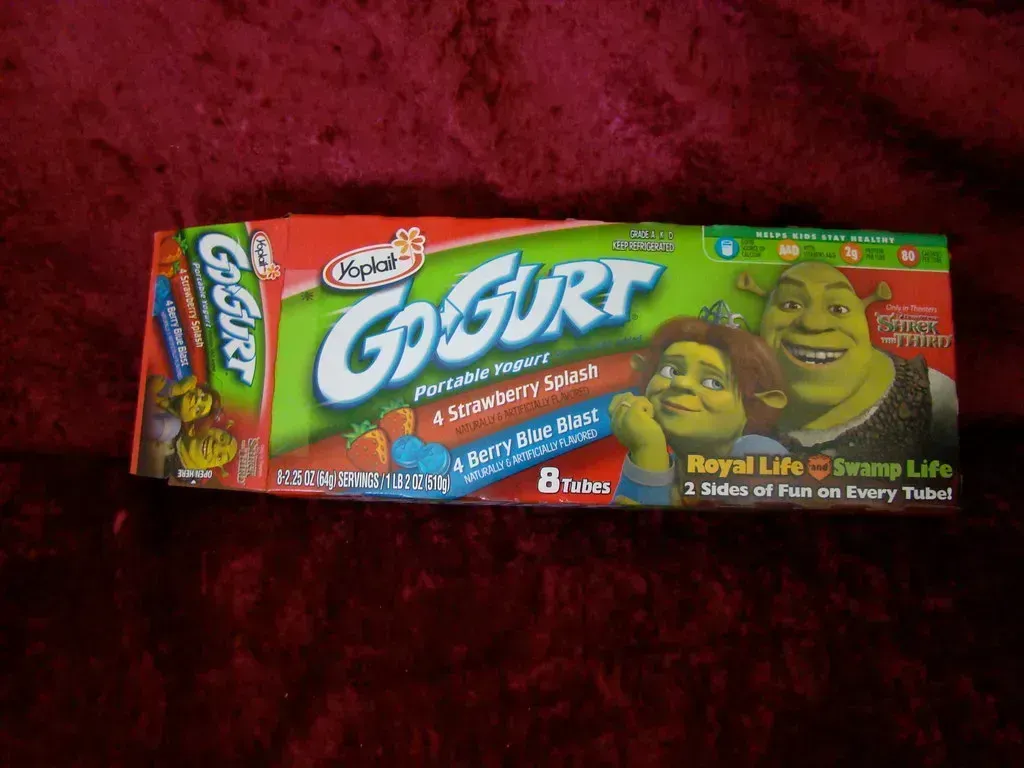
Kids still go gaga for Go-Gurt, whose signature dairy-filled tubes first hit shelves back in 1997. The pitch was simple: yogurt you could eat without a spoon, squeezed directly from a plastic tube, preferably while running somewhere. At the time, this felt genuinely innovative. In 2026, it reads as a complete rejection of the concept of eating like a human.
The appeal of tube-delivered dairy is hard to explain to someone who didn’t grow up in the ’90s. The flavor was secondary to the delivery mechanism. Gen Z, which has strong feelings about food textures and food safety, tends to view the plastic squeeze tube of ambient yogurt as a slightly dystopian artifact. It’s technically still on shelves, which does not help its case.
8. Trix Yogurt with Neon Swirls

With vibrant swirls of neon colors, Trix Yogurt was a rainbow in a cup. It was fun, sugary, and totally ’90s. Despite calls to bring it back, it remains a relic of the past. The colors weren’t subtle, either. They were electric pinks and acid greens that, technically, had no business appearing in a dairy product. Parents seem to have accepted this without much deliberation.
The issue isn’t just the colors. It’s the combination: fluorescent food dye in fermented milk served to children who then went to school. The neon color trend was real in the 1990s. Gen Z, which scrutinizes ingredient lists and has been raised in a far more ingredient-conscious food culture, reacts to photos of Trix Yogurt with something approaching genuine unease.
9. 3D Doritos
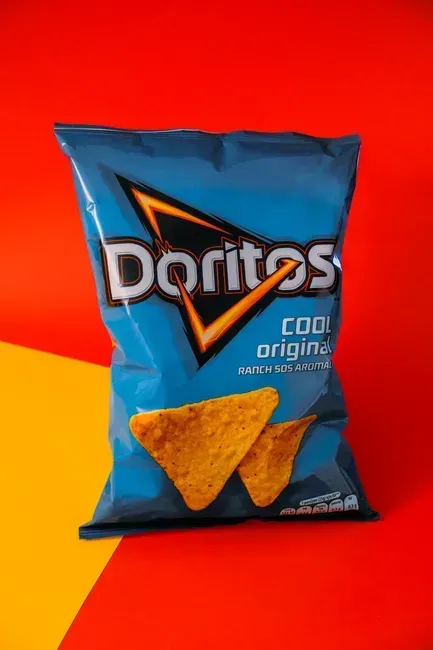
3D Doritos offered a new take on the classic chip by puffing it up into a unique, airy shape. Launched in the late ’90s, they gained a cult following due to their novel texture and fun eating experience. However, they were discontinued in the early 2000s, though they’ve made sporadic comebacks, much to the delight of their fans.
The problem wasn’t really the chip itself. It was what it represented: a food industry in the full grip of novelty for its own sake, puffing and inflating and reshaping things simply because the technology existed to do so. The 1990s loved taking familiar foods and giving them a bold twist. That included turning classic chips into strange and playful shapes. Gen Z’s reaction to 3D Doritos is more baffled than horrified, but “why does this exist” is still a form of terror.
10. Bug Pops Ice Pops with Gummy Insects Inside
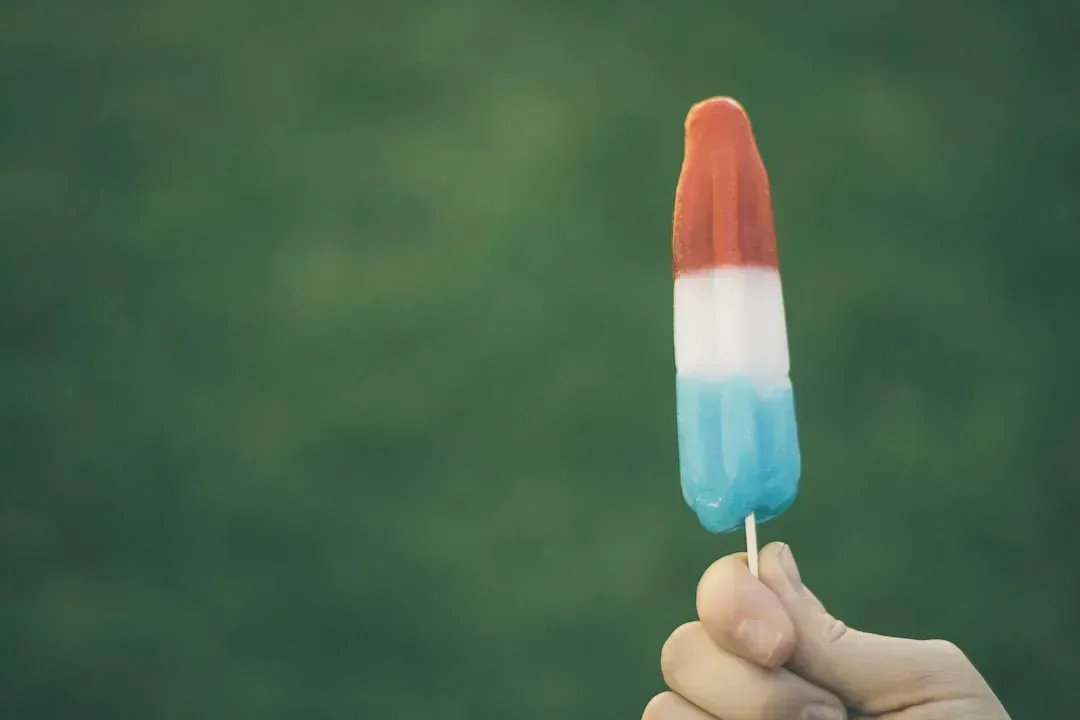
Bug Pops were created by Nestlé as a promotional tie-in for the Disney Channel show “Timon and Pumbaa,” a TV spin-off of 1994’s blockbuster film “The Lion King.” Inside each fruity frozen ice pop was an array of gummy “bugs,” shaped like the creepy crawly creatures eaten by Timon and Pumbaa in the show. Like other novelty desserts of the 1990s, Bug Pops were unapologetically artificial.
The logic was cartoon-based: Timon and Pumbaa eat bugs, therefore children will want to eat gummy bugs frozen inside their popsicles. This logic held for a brief, confusing moment in the mid-’90s. Gen Z, who did not grow up with Timon and Pumbaa as a regular after-school fixture, encounters Bug Pops completely stripped of that context and arrives at a very natural conclusion: someone put fake bugs in children’s dessert.
11. Butterfinger BB’s
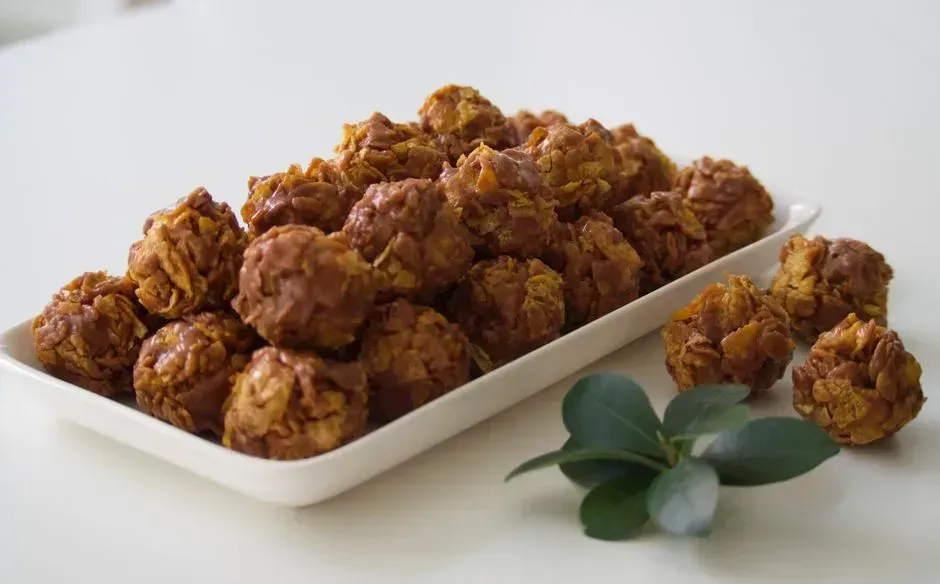
These bite-size versions of the classic candy bar tapped into the early ’90s “mini” candy trend, while “The Simpsons” marketing boosted their popularity among younger fans. Butterfinger BB’s were essentially little spheres of the candy’s famously brittle, peanut-buttery filling coated in chocolate. The “mini” format was everywhere in the ’90s, applied to nearly everything edible. Butterfinger BB’s were discontinued in 2006 due to production issues, briefly returned as Butterfinger Bites in 2009, and were later reformulated again after Ferrero acquired the brand in 2018.
What unsettles Gen Z isn’t the candy itself so much as the marketing. The original campaign leaned heavily on Bart Simpson saying things that were vaguely threatening about not laying a finger on them. Nineties snack marketing had a specific aggressive energy that reads as genuinely weird from a 2026 vantage point. The candy’s history of being discontinued, resurrected, and reformulated multiple times only deepens the mystery.
12. Blue Raspberry Everything
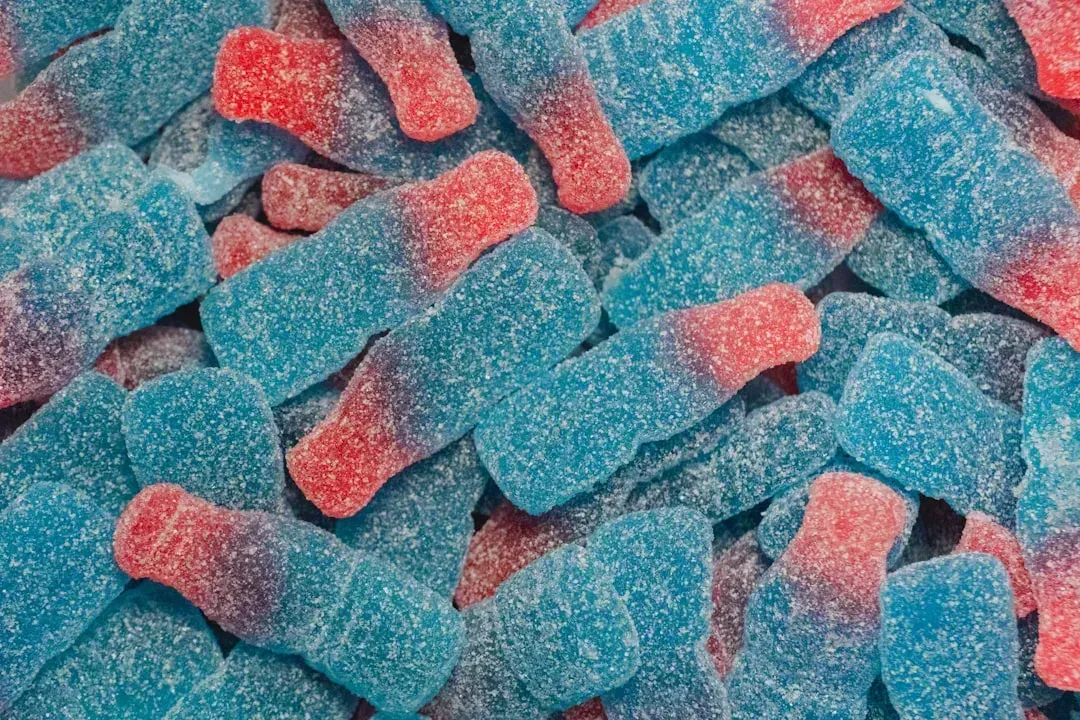
Blue raspberry was not a raspberry. It was not blue. It was a synthetic flavor invented because red was already claimed by strawberry. Someone decided to apply it to literally everything – Slurpees, Warheads, Airheads, cereal – and a generation’s palates were forever altered. The flavor became so ubiquitous in the ’90s that it essentially replaced actual raspberry in the minds of an entire generation of children.
There is no blue raspberry in nature. The flavor is loosely derived from whitebark raspberries, which are real but practically never consumed on their own. The color was entirely synthetic. Yet the ’90s applied it to every candy, frozen drink, and sugar product imaginable without hesitation. Gen Z, more attuned to “natural flavors” and ingredient sourcing than any prior generation, tends to find the whole concept of an entirely invented color-flavor combination quietly alarming. It’s a small horror – but a real one.
Looking back at the ’90s food landscape, what’s striking isn’t that Gen Z finds these items strange. It’s that the adults of that era largely didn’t. The decade had a specific confidence about novelty – an assumption that if food science made something possible, it probably should exist. Purple ketchup, glowing yogurt, chips that came with digestive warnings. Every era has its blind spots. The ’90s just happened to eat theirs.

Leave a Reply